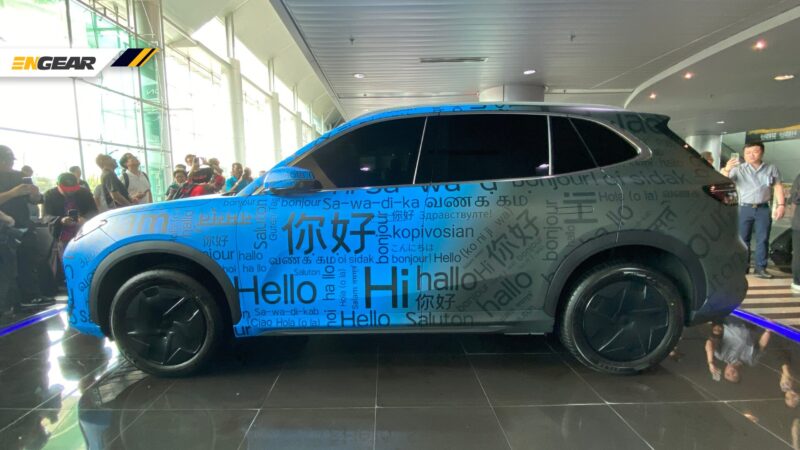
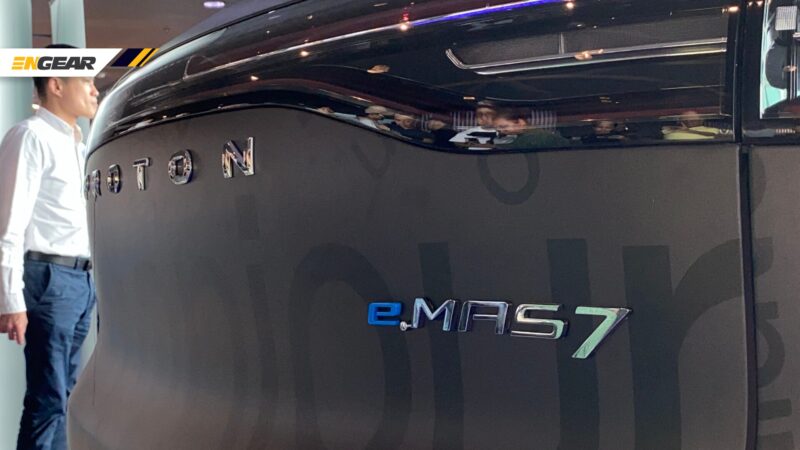
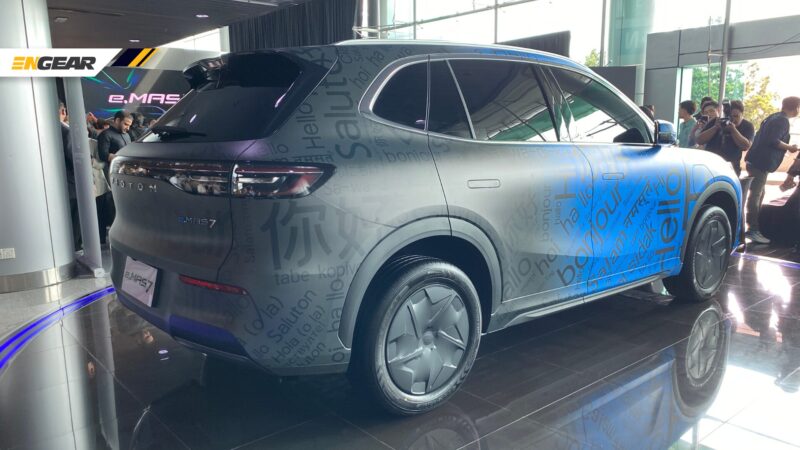
Proton recently celebrated a significant milestone with the official launch of the Proton e.MAS 7 Tour at its Centre of Excellence (COE).
This journey marks the handover from Geely’s successful E5 Long Test Drive World Tour, as the baton is passed to the Proton e.MAS 7 to embark on an exciting new chapter of innovation and exploration across Malaysia.
The Proton e.MAS 7 Tour aims to engage Malaysians and provide them with a unique opportunity to experience the vehicle first hand.
The EV is set to cover well over 2,000 km across diverse terrains and landscapes ranging from coastal roads to mountainous regions, while showcasing its capabilities.
The Proton e.MAS 7 Tour will begin on 5 October 2024, navigating every state in Malaysia. Starting with Negeri Sembilan, Melaka, and Johor in the first leg, it will then move on to Pahang, Terengganu, and Kelantan, followed by Perak, Penang, Kedah, and Perlis.
It continues through KL and Selangor before heading to East Malaysia, starting in Sabah and concluding in Sarawak.
Zhang Qiang, Chief Executive Officer of PRO-NET noted that the goal is to provide Malaysians with an engaging experience of how the car navigates our nation’s unique road conditions and climates.
“This tour will not only celebrate our vibrant communities but also foster a deeper connection with our customers,” Zhang Qiang said.
Ahead of the official tour, the public can catch a glimpse of the Proton e.MAS 7 and the PRO-NET team in action at key locations in Putrajaya on 25 September and Shah Alam on 26 September.
The Geely E5’s 3,700 km southbound trek encountered challenging conditions due to Typhoon Yagi. As Proton e.MAS 7’s development sibling, the Geely E5 navigated floodwaters and a variety of road conditions without incident, reinforcing the reliability of its technology.
“This brand-new EV navigated tough weather, challenging road conditions, and even floodwaters. The durability, reliability, and quality of the Galaxy E5 highlight the engineering excellence behind the Proton e.MAS 7 – demonstrating how it will be a game-changer for our market,” Zhang Qiang added.
Proton presented 20 units of the Proton X90 Flagship to the 17th World Chinese Entrepreneurs Convention (WCEC) to be used to chauffeur foreign dignitaries, top management and members from various businesses during the three-day event held at the Kuala Lumpur Convention Center (KLCC) from 9-11 September.
Organised by the Associated Chinese Chambers of Commerce and Industry of Malaysia (ACCCIM), Proton’s first NEV model helped ensure VVIPs to the event travelled in comfort to meetings, appointments and accommodations as well as other travel destinations before eventually ending their trips at the airport.
According to the national automaker, passengers provided positive reviews, stating they preferred to be driven in the X90 due to its comfort and space.
After the conclusion of WCEC, the X90 was also used to ferry entourages consisting of Cheng Hong, Vice President of the China Overseas Chinese Association and Wang Yanfei, Vice Chairman of the Standing Committee of the Sichuan Provincial People’s Congress, to visit some tourist sites in Melaka.
Since its launch in May 2023, sales of the X90 have totalled 7,322 units, making it one of the best-selling D-segment SUVs. It has also retained its leadership in the segment in August this year.
The biennial event, which was first held in 1991, brings together entrepreneurs from around the world to foster business connections and explore new opportunities such as new technology, green economy, artificial intelligence (AI) and more.
With 4,000 attendees from China, America, Middle East, Africa, Europe and beyond, the event is expected to see at least RM2 billion in business opportunities, particularly through business matching and post-convention missions that will showcase the country’s investment potential to global audience.
“By providing 20 units of Proton X90 to this event, we are showcasing our commitment to excellence and fostering stronger economic ties across borders. This initiative represents our dedication to building a collaborative future and strengthening global partnerships in the automotive industry,” said Dr. Li Chunrong, Chief Executive Officer, Proton.
A woman vacationing in Phuket, Thailand faced a torrid time when her Proton X50 that she drove all the way from Malaysia suddenly experienced a system malfunction.
In a post on the Facebook group ‘X50 Owners Club Malaysia,’ Amira Murad claimed that her car key unexpectedly stopped working and could not be detected, preventing the engine from starting.
For your information, the X50 is equipped with a Remote Engine Start feature that allows the engine to be started remotely using the key fob.
Amira further explained that her X50’s engine could only be started via the Atlas app. However, the engine would immediately shut down every time she opened the door.
In her post, Amira mentioned that she managed to get assistance from Proton service technicians, but they were unable to identify the issue affecting her X50.
This is what she wrote in the post (directly translated):
“The remote battery has been changed. All methods have been tried, but still, no success.
“Proton We Care advised towing it back to Malaysia, as they only cover services within the country. We had to bear the costs for everything, even though the car had a problem due to their product. It’s only been six months since I bought the car.
“The most frustrating part is the ACC system that caused all four tyres to lock. We couldn’t just use ordinary towing. I had to sit in the car on the tow with the windows up. I was stuck in the car for seven hours without being able to open the windows.
“I requested towing service under Proton while waiting at the duty-free area in Bukit Kayu Hitam. They refused, claiming it wasn’t covered. So now we have to figure out how to tow the car to the Malaysian border, as towing services in Thailand only cover up to Thai immigration,” she wrote.
Additionally, in one of the videos she posted, Amira showed that her car door could not be opened, even though the app indicated that it was unlocked.
Some commenters suggested that Amira should have used the physical key hidden inside the key fob to manually unlock the door.
To the experts out there, what do you think happened to this poor woman’s X50? Share your thoughts.
Proton recently joined hands with the Ministry of Entrepreneur Development and Cooperatives (MECD), alongside with two government agencies to bring suppliers of government-linked companies (GLC) and Proton to attend the “Market Access, Technology Transfer & Vendor Enhancement Program” in China.
This initiative was aimed towards fostering innovation, enhance commercialisation activities and support Malaysia’s transition towards sustainable mobility.
Organised by MECD and led by the Malaysia Automotive Robotics and IoT Institute (MARii) and Malaysian Industrial Development Finance Bhd (MIDF), the program was conducted in early July to accelerate the development of next-generation vehicles and battery electric vehicles through strategic partnerships and technological exchanges.
Representatives from MBSB Bank, Tenaga Nasional Bhd, PLUS Expressways Bhd, UEM Edgenta Bhd, Telekom Malaysia as well as 22 Malaysian vendors were brought to visit electric vehicle (EV) components plants, such as charger plants and stations, batteries and charger producers in seven places in China, including Shanghai, Nanjing and Hangzhou.
These stops included Geely’s subsidiaries Zeekr and EV battery and charger producer VREMT at Hangzhou Bay. As a global leader in EVs, China’s comprehensive ecosystem for EV development makes this program highly significant, offering insights into manufacturing, facilities and services within the EV industry.
To facilitate interactions between Proton suppliers and Geely EV suppliers, business matchmaking sessions were held at the Geely Research Centre (GRI) at Hangzhou Bay during the programme. 95% of the participants were satisfied with the session that helps to identify potential partnerships and collaborations for EV component supply chains.
Among all participants, 87% of local suppliers expressed the intention to collaborate with China suppliers with the top five partnership by category as distributorship, collaboration in technology transfer, joint venture partner, collaboration in skill development and investment for joint business.
The government is committed to advancing the electric vehicle (EV) and green technology. Increased collaboration and partnerships aim to build essential infrastructure and support a sustainable EV ecosystem through technology transfer. By developing the local supply chain, Malaysia hopes to cut import reliance, create jobs and stimulate economic growth, according to MECD.
In a separate trip to China a month prior, Proton previewed upcoming models and design concepts to gain more insights on the development work done by the design team in meeting local and global market needs.
“This experience has provided vendors and dealers valuable insights into the global automotive market dynamics and reinforces Proton’s leadership in delivering cutting-edge vehicles tailored to diverse consumer preferences. Some of the safety technologies and luxurious interior in the model were way beyond its market segment. With strong demand for technological advanced vehicles at competitive prices, all the models are poised to make a significant impact to the market,” said Thomas Lim, President, Proton Vendors Association.
“Proton’s recent trips have demonstrated a strong commitment to product innovation and a strategic approach for introducing new models both locally and globally. This underscores the need for increased collaboration and technology exchanges to ensure the long-term resilience of the automotive sector in Malaysia and to accelerate progress towards these ambitious goals,” said Li Chunrong, Chief Executive Officer, Proton.
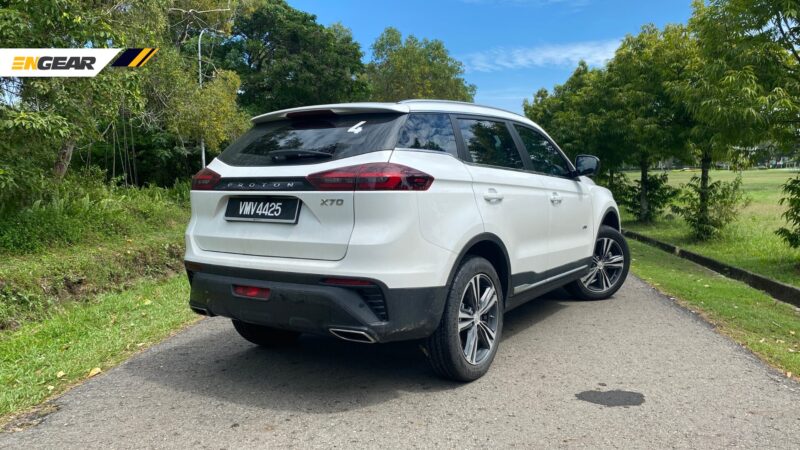
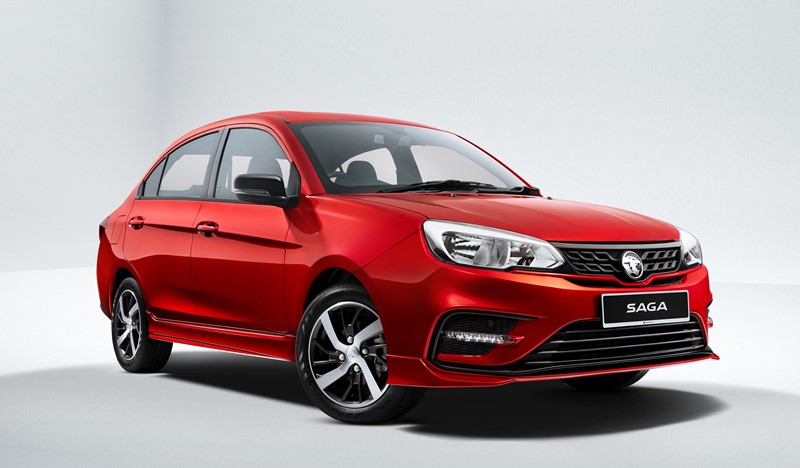
The X70 may not be a bread-and-butter model like the Saga, but it will forever be remembered as the vehicle that arguably played the most significant role in Proton’s transformation.
As you may already know, the X70 is the first vehicle conceived under the Proton-Geely partnership that started back in 2017.
Not only that, the X70 is also responsible for leading Proton into the a new battleground that is the SUV segment. Therefore, it can be said that the car holds a special place in the history of the national car manufacturer.
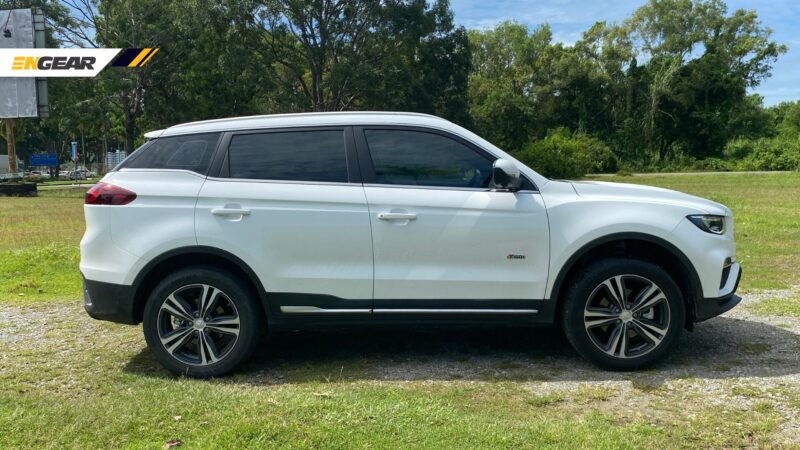
The X70 has been on the Malaysian market for almost six years now, during which the C-segment SUV underwent one update in 2022, where it gained the three-cylinder engine from the X50 and a handful new features to stay relevant.
Now, nearly two years after said update, the X70 has once again been given a makeover but this time around, the changes are more comprehensive as it involves both exterior and interior.
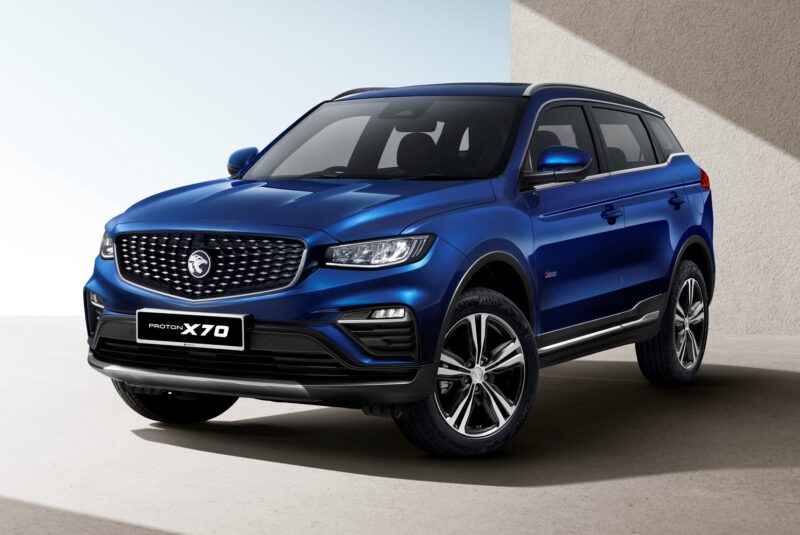
The facelifted version of the X70 showcases a new face carried over from the Geely Boyue facelift released two years ago. One might argue that it is already outdated but in the eyes of this writer, the front fascia still looks fresh.
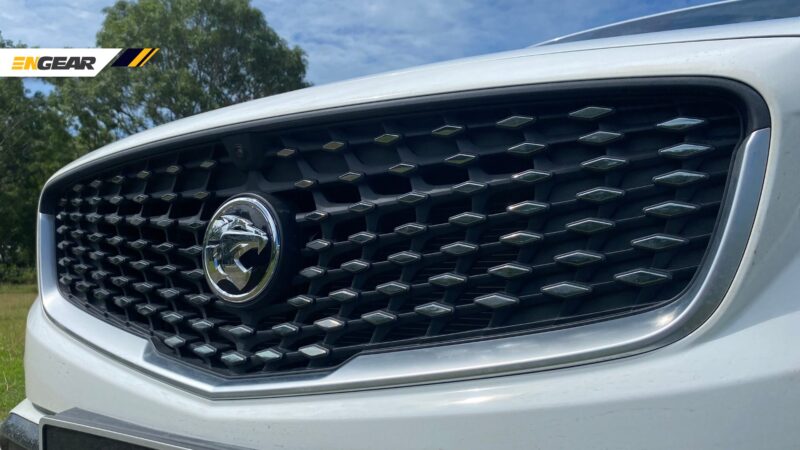
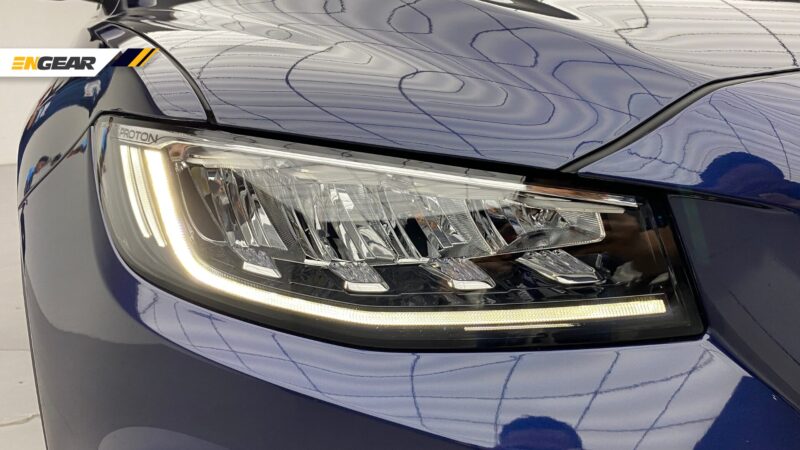
With sharper and sleeker LED headlights and a wider grille adorned with Mercedes-Benz-style diamond-shaped chrome pins, the X70 now looks far more alluring than before.
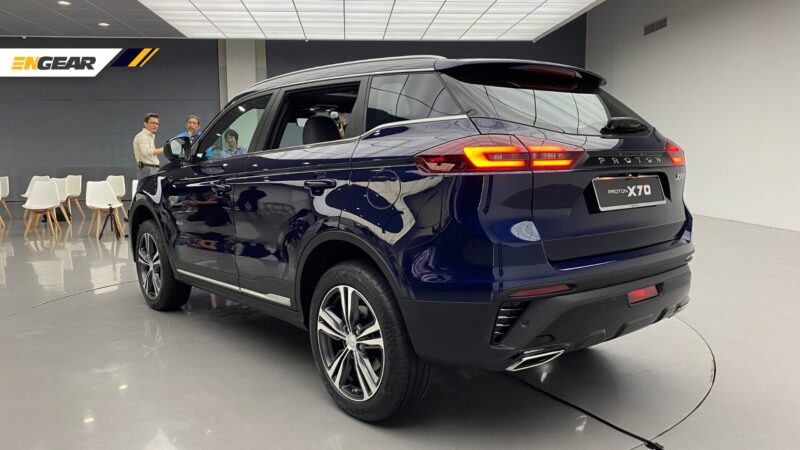
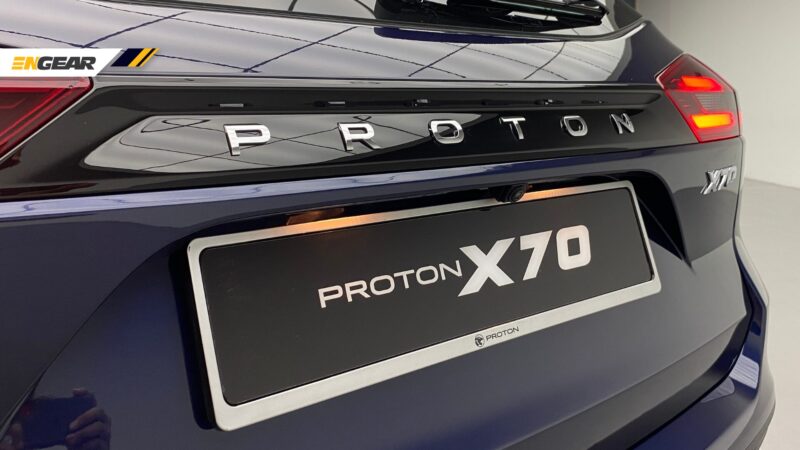
You will have no trouble identifying the facelifted model on the road. However, it may be a bit challenging to pick it out from the rear, as aside from slight modifications to the rear bumper, the rear of the new X70 is virtually unchanged.
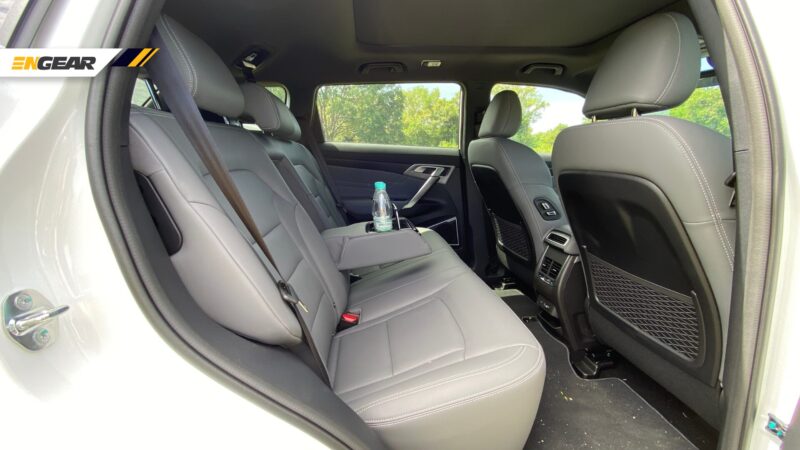
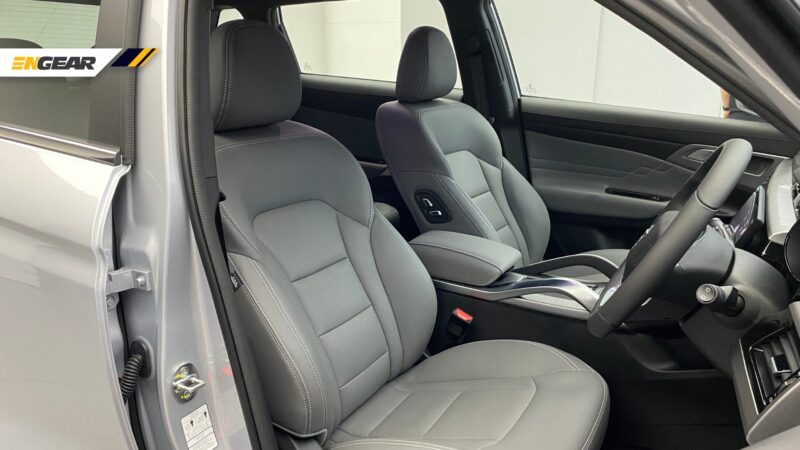
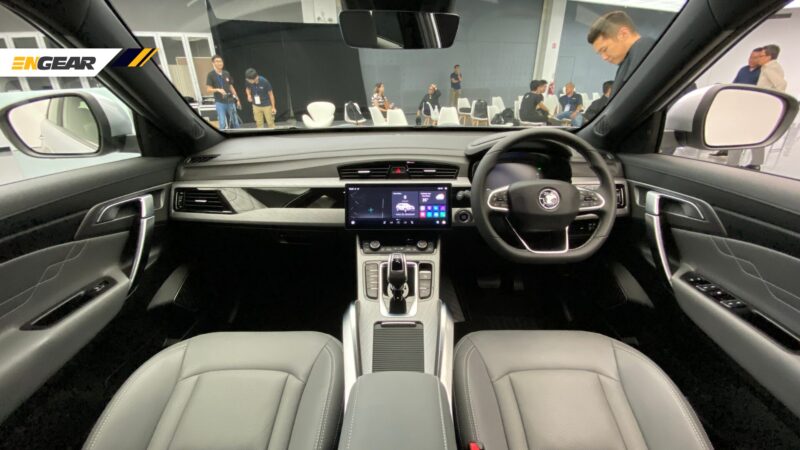
The interior has also received a fresher look. The first thing you’ll notice is the Stone Grey Nappa leather upholstery wrapping the seats, door panels, and armrest.
Although it’s not as luxurious as the brown leather upholstery offered previously, the lighter shade does offer a more spacious feeling.
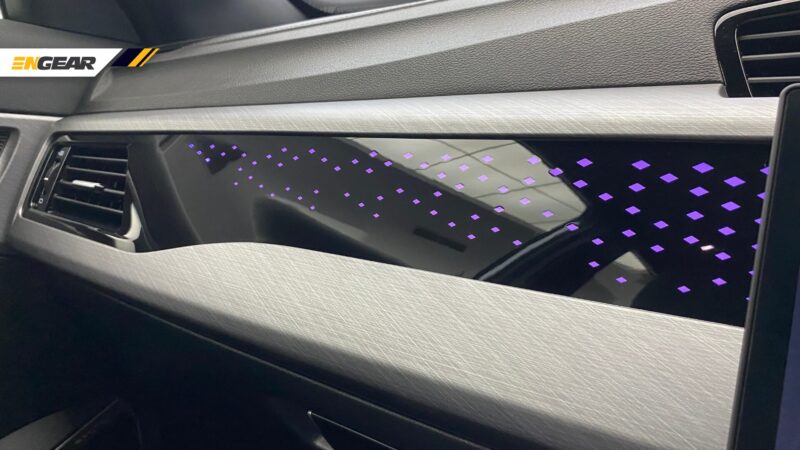
Additionally, the X70 gains an ambient lighting system with 72 colour options and a rhythmic function that changes the colours according to the beat of the music played. Although quite unfortunately, the X70 no longer comes with the nine-speaker Kenwood audio system.
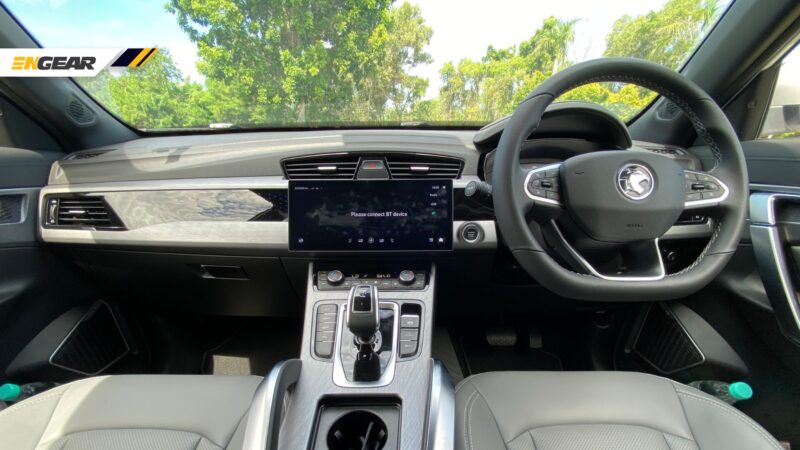
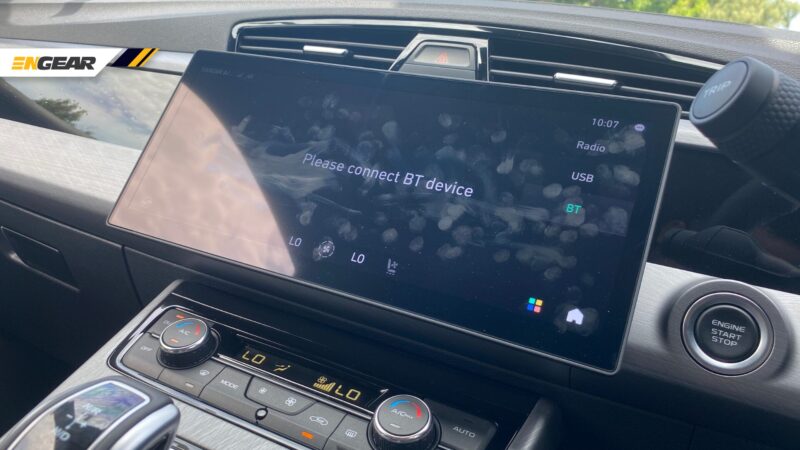
The most significant change, in my opinion, is the introduction of wireless Apple CarPlay and Android Auto, making the X70 Proton’s first vehicle to offer this system.
However, the feature will not be available from launch. Proton stated that when it does become available, it will be integrated into the 12.3-inch touchscreen via over-the-air (OTA) update.
In addition to new looks and features, many other improvements have been incorporated into the new X70. According to the automaker, the SUV features 360 new components, with R&D taking a total of 290,000 man hours.
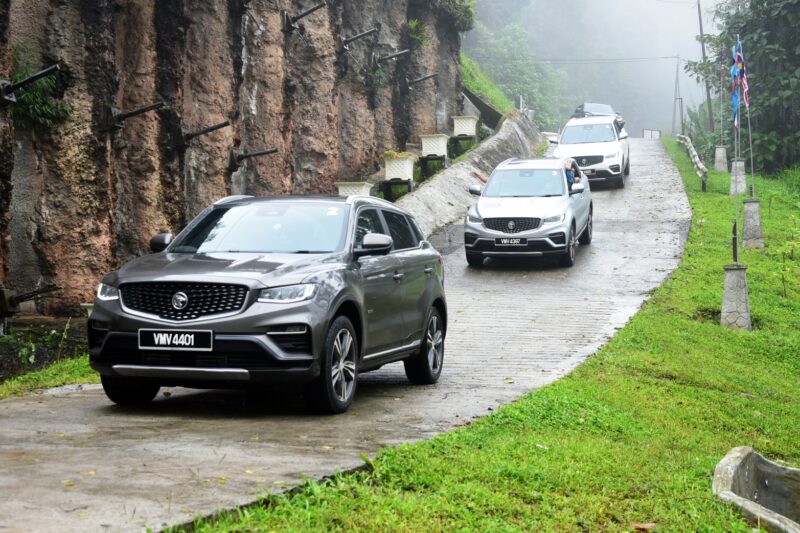
This is probably why Proton held a media test drive session in Kota Kinabalu. The diverse terrain and road conditions, which are reportedly not as good as those in Peninsular Malaysia, make KK the ideal location to test the overall performance of the X70.
First things first, comfort. I can confidently say that the X70 is a comfortable SUV. The suspension feels slightly firmer than that of the original CBU version but it soaks up bumpy roads and uneven surfaces en route to Kundasang really well.
The handling also feels more responsive compared to before, but it is somewhat disappointing that the steering remains relatively light. Strangely, switching the EPS mode from Comfort to Sport does not yield a noticeable change in feel.
Nonetheless, I was quite satisfied with the car’s NVH (Noise, Vibration, and Harshness). Not only is the rumble of the three-cylinder engine less pronounced at low speeds, but the noise from the many trucks and lorries on the roads around KK and Kundasang is also well suppressed.
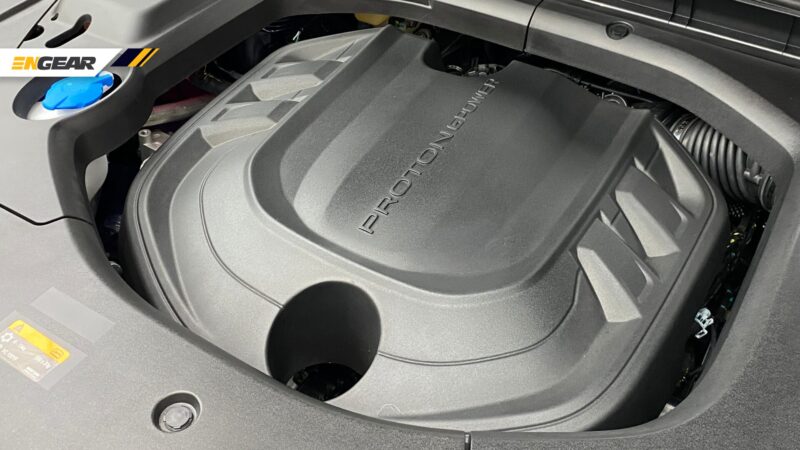
Those expecting increased performance from the new X70 may be disappointed, as the 1.5-litre three-cylinder TGDI engine still produces the same output of 177 PS at 5,500 rpm and 255 Nm of torque from 1,500 to 4,000 rpm.
However, this does not mean the engine has been left untouched. According to Proton, several aspects such as combustion efficiency, thermal management, and friction reduction have been improved.
As a result, the engine is now capable of achieving a fuel consumption figure that is 4% lower than before, at 7.3 litres per 100 km. No matter how you slice it, a 4% reduction is minimal but for this writer, it’s certainly better than nothing.
In terms of power, the X70 successfully demonstrates that it has no trouble accelerating and overtaking other vehicles even when climbing steep hills with four adult passengers onboard.
There are still no paddle shifters available, so to shift gears manually, you need to use the gear lever. But this will take some getting used to as you will need to push the level to the left or right rather than up or down like most other cars.
In my opinion, the X70 is far from perfect but thanks to the more attractive exterior design and various new features introduced in the latest update, it has grown to be a much a better offering than before.
Pro-Net has revealed that the nation’s first-ever electric vehicle, the e.MAS7, is currently undergoing local road testing.
According to the company, the extensive local testing phase involves six units of the e.MAS 7, guided by expert engineers across the diverse terrains of Peninsular Malaysia.
The testing regimen includes Durability Adaptive Testing (DAT), Electrical Road Testing (ERT), Advanced Driver Assistance System (ADAS) Road Test, and Quality Reliability Test (QRT), along with ongoing enhancements to navigation systems and Digital Head Unit (DHU) and Telematic Service Provider (TSP) services.
To date, the engineers have conducted DAT simulations that replicate Malaysia’s unique environmental factors and traffic patterns, fine-tuned the in-car navigation to accurately reflect Malaysian road maps and optimised radio frequency capture for local stations focusing on rural and mountainous routes and train stations to test internet connectivity.
The electrical system is targeted to complete a 10,000 km road test during ERT, ensuring flawless integration of all electronic functions. Meanwhile, ADAS has been rigorously tested in various scenarios, including shopping mall parking lots, road forks, and elevated roads.
Pro-Net has also localised key software components, ensuring the DHU system accurately translates the original Chinese market language into Malaysian English and adapts to local settings, rather than relying on generic translations.
This collaborative effort between Proton and Geely demonstrates that the e.MAS 7 isn’t just a rebadged vehicle but one infused with true Malaysian character.
The durability tests, including rigorous troubleshooting and system checks ensure the vehicle’s resilience under local conditions.
The company said it has requested and implemented 49 additional processes and unique features from Geely to guarantee that the e.MAS 7 meets the highest standards both locally and globally.
These tests cover everything from vehicle load performance to electronic stability control and enhanced water-wading capabilities—where the e.MAS 7 exceeds the Geely Galaxy E5 with a 400 mm water depth to handle potential flooding scenarios.
The test was conducted at the proving ground in July with the specified water depth, along with a speed bump test to simulate actual Malaysian road conditions. An issue was found and corrected after the test.
Looking ahead, the e.MAS 7 will undergo ASEAN NCAP accreditation as well as QRT, the latter of which the company aims to achieve 100,000 km in acceleration, braking performance, and power consumption. Moreover, software testing is a key focus for Proton engineers.
Proton took another step towards expanding its footprint in international markets by announcing the start of CKD operations in Egypt.
The announcement was made during an event at Proton’s Centre Of Excellence headquarters, which was highlighted by a flag off ceremony to send 120 units of left hand drive (LHD) Proton Saga CKD packs to the country.
Proton’s Deputy Chief Executive Officer, Roslan Abdullah said the addition of CKD operations in Egypt brings the number of plants involved in CKD and SKD activities for Proton outside of Malaysia to five.
“As the Malaysian automotive market reaches a natural saturation point, future volume growth potential will come from overseas markets where consumer demand is expected to be on an upward trend in the future,” he added.
The Proton brand has been present in the Egyptian automotive market with its partner, Ezz Elarab since 2004. Overall, nearly 17,000 CBU units have been exported to the country in that time and in 2024, it is forecast that
over 1,400 units will be shipped there.
With the local assembly targeted to start in December this year at an assembly plant owned by Ezz Elarab Elsewedy Automotive Factories (ESAF), the targeted volume for 2025 is expected to grow to 5,000 units of the Proton Saga.
“Locally assembling the Proton Saga in Egypt, allows the company to meet the aim of the Egyptian government
to limit the number of CBU imports into the country while also encouraging local assembly activities.
“This in turn creates the potential for greater future capacity expansion in the country, especially after we launch new models, with the aim to make Egypt the hub for Proton vehicle exports in the North African region,” said Steven Xu, Director of International Sales, Proton.
For the first three years up to the end of 2026, revenue earned by Proton from the export of CKD packs to Egypt is forecast to be RM570 million with a further RM20 million projected as revenue from parts export activities.
At the same time, the local Egyptian economy is expected to earn up to RM180 million in duties and taxes on the assembly of Proton vehicles in the country.
Proton has announced that its sales has exceeded the 100,000-mark for the sixth year in a row with 101,489 units sold year-to-date (YTD), after achieving sales of 12,690 units (domestic and export) in August.
This has solidified the company’s second position in the overall national automotive sales ranking table with a forecast market share of 19%.
Total industry volume (TIV) for the Malaysian automotive market is estimated to have grown by 1.3% month-on-month to approximately 72,678 units in August while the YTD figure is estimated to be at 534,766 units, an increase of 6.2% over 2023.
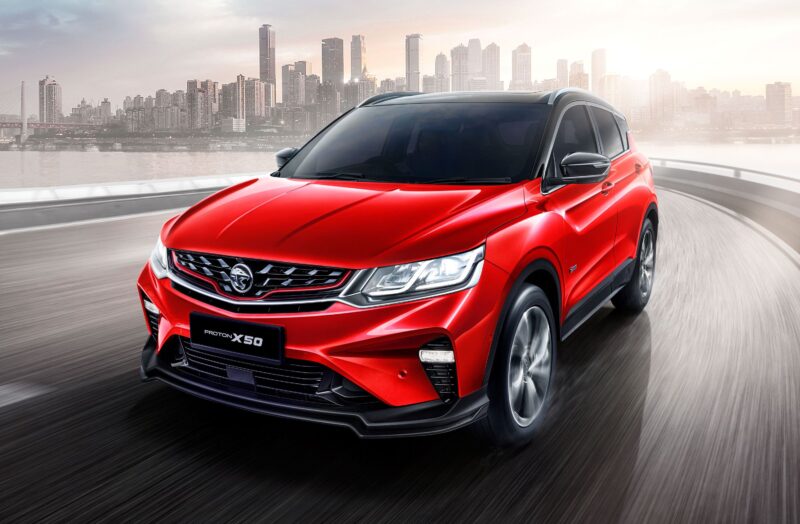
The recently launched 2024 Proton X50 continues to find favour with buyers as 2,440 units were delivered in August, the third time volume has breached the 2,000 threshold in 2024. YTD sales now stand at 15,229 units, making the X50 the most popular SUV in Proton’s range.
Saga came in at 6,211 units in August leading to YTD sales of 48,904 units, an uptick of 6.7% over 2023. Sales for the S70 were 1,205 units for a total of 13,755 units, while the Persona saw 1,452 units change hands, bringing its YTD total to 13,116 units
The X90 retained leadership for its segment with 241 being delivered in August and a YTD figure of 2,507 units, while the Iriz, sold 403 units to bring its total sales to date to 3,719 units.
“In light of the resilient domestic economy, with GDP growth projected at 4% to 5%, Proton agrees with the
Malaysian Automotive Association’s (MAA) decision to increase the full-year TIV projection to 765,000 units
and we remain optimistic about the potential for further growth in the local automotive industry,” said Roslan Abdullah, Chief Executive Officer, Proton Edar.
As for its export performance, Proton says last month Brunei saw its highest ever monthly sales performance with 120 units sold to customers there.
Since February this year, the best-selling export model is the Saga, which again led the pack with 140 units exported in August. Other models also saw an uptick in August export shipments, bringing the cumulative export sales from Proton to its distributors to 2,110 units since January this year.
In conjunction with the Merdeka month, we would like to share an article about Proton, one of the national car manufacturers. Specifically, this sharing is about Proton racing cars from the past.
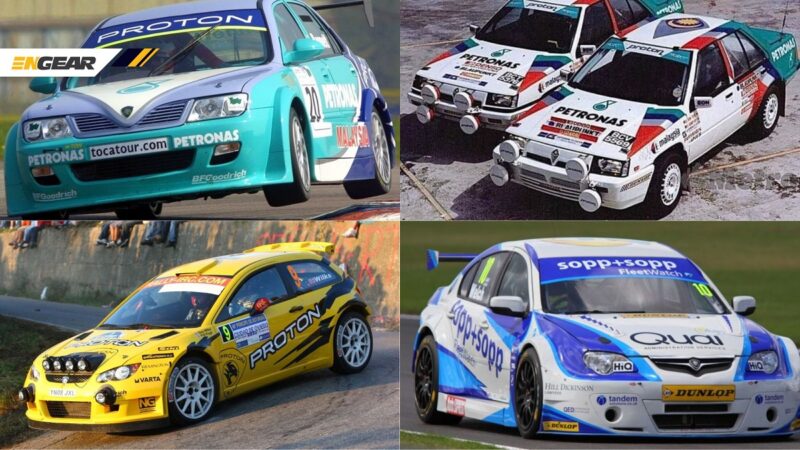
Previously, Proton had several racing machines such as Saga and Iriz under the R3 team that competed in S1K (Sepang 1000km). Most recently, Proton will be deploying the S70 R3 for the upcoming race.
There is also the Proton Iriz R5 competing in rallies abroad, but this is the result of the work of Mellors Elliot Motorsport based in the UK. Nevertheless, for a touch of nostalgia and history, let’s take a look at Proton’s past racing machines.
1. Proton Waja BTCC
The Waja BTCC was a Petronas project developed to compete in the British Touring Car Championship (BTCC) starting in 2002. It is understood that engineers from Petronas were involved in the development of this Waja.
It was powered by a Renault 1.8-liter engine found in the Waja Premium 1.8L, but tuned to 1,996cc by Mountune and paired with a 6-speed gearbox from Xtrac. The suspension was a combination of Eibach springs and Penske dampers before being switched to Ohlins in 2004.
The Waja BTCC was once driven by local talent Fariqe Hairuman.
2. Proton Persona BTCC
Another Proton machine that competed in the prestigious touring car championship in the UK is the Persona, this time by the Welch Motorsport team. They used the Persona for five years in the BTCC.
This racing class used the same standards: a 2.0-liter turbo engine, suspension, electronics, and gearbox for all teams. It is understood that the Persona BTCC engine was capable of generating 408hp!
3. Satria Neo S2000
Perhaps the most popular Proton racing car on this list, not only because it was used in rallies abroad but also because it was featured on Top Gear.
Despite the “S2000” in its name, it did not use a Honda S2000 engine as many netizens assumed. Instead, S2000 refers to the FIA Super 2000 class of rallying it competed in. The engine came from the Waja 1.8 with internal racing components, and its displacement was increased to 1,998cc, essentially making it a 2.0-liter engine. It produced around 278hp at 7,600rpm.
The Satria Neo S2000 also received a wide aggressive body kit, a four-wheel-drive system, a ChroMo Steel Tube roll cage, a 6-speed Xtrac gearbox with LSD, and brakes from Alcon.
4. Proton Gen2 and Satria Neo MSS
The next machines we compile are the Satria Neo and Gen2 used for the Malaysian Super Series (MSS) in 2011. Both cars were from the official Proton R3 team and used a 1.6-liter engine for the 1.6 Touring Car category.
The Satria Neo R3 was driven by Faidzil Alang, and the Gen2 R3 was driven by Syafiq Ali, and they achieved outstanding results throughout the racing season.
5. Proton PERT Saga Iswara 4WD Turbo
Next on the list is a rather cool machine for us, the Proton PERT Saga Iswara 4WD Turbo. Yes, it was equipped with a turbo engine and a 4WD system, quite radical compared to the standard version.
This machine was used for Group S rallies from 1991 to 1994. It had a 2.0-liter DOHC 16-valve engine with a MoTEC Engine Management System, producing 337hp. It had a sequential 6-speed gearbox with center coupling and LSD on the front and rear.
The specifications were quite impressive!
6. Proton Wira PERT AWD Turbo
Another PERT machine for rallying use, the Proton Wira was also equipped with a turbo engine, AWD system, and cool white rims.
7. Bonus: Proton Satria GTI (video game)
Finally, in our list, we have a bonus: a racing machine in a video game! The Proton Satria GTI race version in the TOCA Race Driver game, released in 2005 for the PlayStation 2, Windows, and Xbox platforms. The writer still remembers driving this Satria GTI on the Monza track in Italy in this game. Bringing back memories!
Credit: Tekan Minyak, Careta, Autobuzz, The Checkered Flag UK, Paultan, Proton Motorsports, Wapcar, Weekend Octane
For most automotive brands in Malaysia, local assembly plays a crucial role in ensuring their continued competitiveness in the local automotive market.
It goes without saying that national carmakers such as Proton and Perodua run their own assembly plants in the country; however, for foreign brands, completely knocked-down (CKD) operations allow them to offer products at more competitive prices.
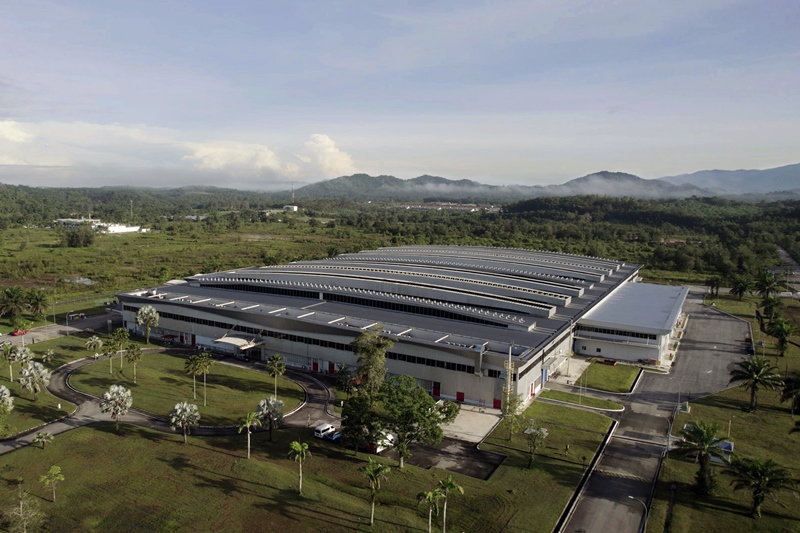
Through support and various incentives offered by the government, Malaysia has become host to several vehicle production plants from leading brands. Here are five automotive production plants in the country that you should know about:
Proton Shah Alam & Tg. Malim
The Proton vehicle assembly plant in Shah Alam began operating in 1985, the same year the original Proton Saga was launched. This plant also produced many other important models such as the Wira, Waja, Exora, and Satria.
Proton is reportedly planning to relocate its entire manufacturing operations in Shah Alam to Proton City, Tanjong Malim by 2027. The RM1.8 billion plant, opened in 2003, covers an area of 517 hectares. In addition to producing the latest models such as X50 and X70, the plant also assembles the 1.5 TGDI engine.
Perodua Sg. Choh, Rawang
Perodua’s headquarters sits on a 522-acre site in Sungai Choh, Rawang. In addition to its corporate building, an R&D facility, a test track, and various other facilities, it also houses two vehicle assembly plants: Perodua Manufacturing Sdn Bhd (PMSB) and Perodua Global Manufacturing Sdn Bhd (PGMSB), which was opened in 2016.
According to Perodua, both plants have a vehicle production capacity of up to 320,000 vehicles a year. Perodua also has engine and transmission production plants, both located in Sendayan TechValley.
Toyota Shah Alam & Bukit Raja
The first locally assembled Toyota vehicle was the Corolla KE10, assembled at the Champion Motor plant in Shah Alam. In 1975, the plant was renamed Assembly Services Sdn Bhd (ASSB).
With increasing demand and the need for a new, more modern plant, UMW Toyota in 2019 opened its second assembly plant in Bukit Raja, Klang, where the latest models such as Vios, Yaris, and Corolla Cross are manufactured.
Honda Pegoh, Melaka
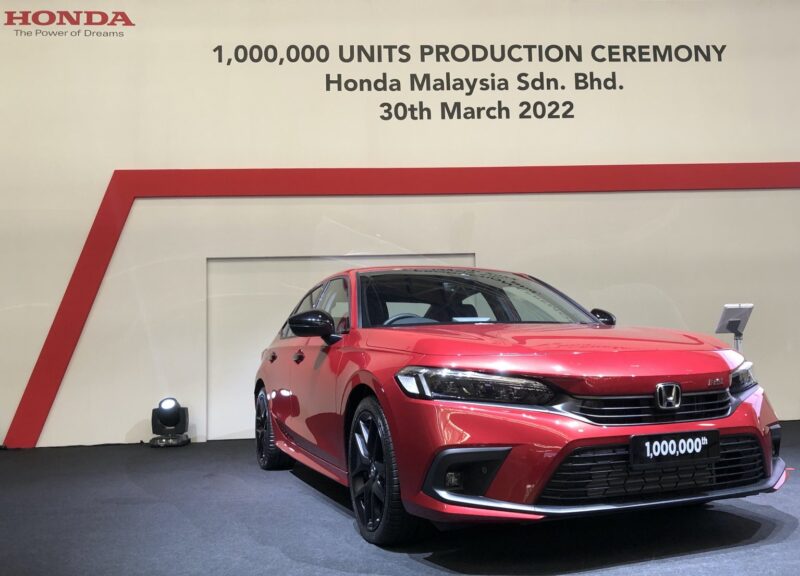
Honda began its CKD operations in the country in 2003 with the assembly of the second-generation Honda CR-V at its Pegoh, Melaka plant. The plant, covering an area of 46,543 square feet, can produce up to 50,000 cars per year.
In 2014, a second assembly line was launched, allowing Honda Malaysia to double their annual production to 100,000 units of vehicles annually and 400 units daily.
Volvo Shah Alam
The Volvo Car Manufacturing Malaysia plant, located in Shah Alam, is the oldest automotive assembly plant in Malaysia. It began operations in March 1967 through the assembly of the Volvo 144.
Interestingly, it is also the first Volvo plant opened outside of Volvo’s home country, Sweden. Today, the plant produces a range of Volvo PHEV and BEV cars such as XC90 Recharge, XC60 Recharge, XC40 Recharge, and C40 Recharge.
After being introduced to the public on August 15, the Proton X70 2025 has been launched in Sabah and Sarawak as well. This also marks the first time Proton has held separate launches for its SUV model specifically for customers in this part of Malaysia.
The X70 2025 comes with a fresher exterior style, upgraded interior equipment, and the latest ADAS level 2 safety technology.
“We are very excited to introduce the Proton X70 2025 to Sabah and Sarawak, two states that are increasingly important for Proton,” said Dr. Li Chunrong, Chief Executive Officer of Proton.
“This event is more than just introducing a new vehicle; it is about strengthening our commitment to Sabah and Sarawak. The unique needs of buyers here and their strong relationship with the brand always drive us to deliver the best products and services. With updated features and enhanced style, we hope the X70 2025 will propel Proton to the top position in the premium SUV market in Sabah and Sarawak,” he added.
According to Proton, this X70 facelift has 360 new components, and the R&D process took 290,000 hours. Road testing covered a distance of 4.2 million km.
The Proton X70 2025 received a fresher look taken from the 2022 Geely Boyue facelift. In addition to new LED lights, it features a larger grille with diamond-like details, as well as a redesigned hood, bumper, and tailgate.
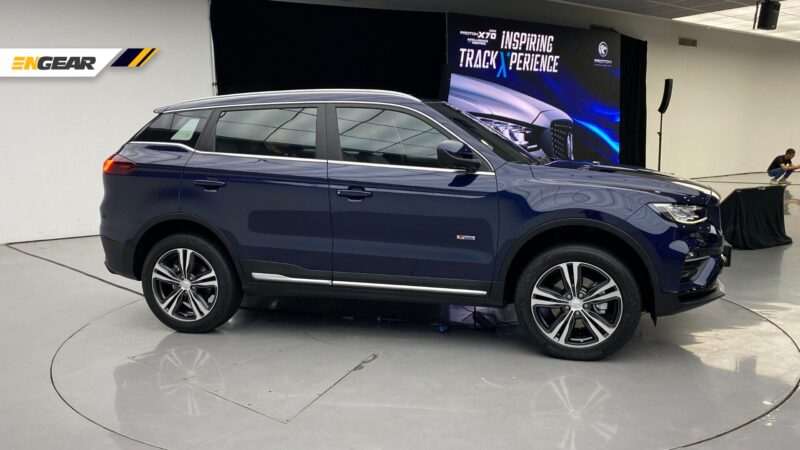
For the rear, there is a new bumper with horizontal reflectors. The alloy rims also have a new design, with a size of 18 inches for the Executive and 19 inches for other variants.
Five colors are available for this new X70: Snow White, Armous Silver, Jet Grey, Ruby Red, and the new Marine Blue.
The dashboard has been redesigned, now featuring piano black trim and ambient lighting with 72 color options that change according to music. At the center of the dashboard is the new 12.3-inch infotainment screen.
For the first time for Proton, Apple CarPlay and Android Auto are included. In addition, the X70 2025 has a new steering wheel, a new display on the LCD meter panel, and Nappa leather upholstery in Stone Grey.
In terms of features, the X70 now comes with Walk Away Auto Lock, while its power tailgate now has a Nearby Auto Open function for hands-free operation.
The ADAS is available on the Premium and Premium X variants. It includes several new features such as Adaptive Cruise Control with Stop & Go, Intelligent Cruise Control, Lane Departure Warning, Lane Departure Prevention, Lane Centering Control, Traffic Sign Information, and Rear Collision Warning.
All variants are powered by a 1.5-liter TGDI three-cylinder engine producing 175hp at 5,500rpm and 255Nm from 1,500-4,000 rpm. It is paired with a seven-speed DCT transmission.
Here are the prices for the Proton X70 2025 in Sabah and Sarawak:
PROTON says it has expanded its geographical reach in the Caribbean by partnering with ANSA Motors Limited in Trinidad and Tobago since March this year.
Year-to-date, the national carmaker has shipped 261 units to the country in 2024, achieving 101% of its target volume and bringing the total number of Proton vehicles shipped there to 366 units since CY2023.
To recap, Proton launched the X90 and X50 in the dual-island Caribbean nation on 13 March this year. As local demand grew, ANSA Motors decided to up its ante with an increased target to sell 300 units in 2024.
ANSA Motors has a century’s worth of experience in the automotive industry, and was picked by Proton on the back of an impressive record and strong automotive background.
Despite its population of merely 1.5 million, Trinidad and Tobago’s automotive industry mirrors that of more developed countries, with car buyers increasingly gravitating towards the new “bells and whistles” such as hybrids and electric vehicles (EVs).
As there is more wealth creation in that part of the world, luxury vehicles are growing more desirable and the emergence of new and exciting brands such as Proton is finding unprecedented acceptance.
The ANSA McAL Group of Companies is one of Trinidad and Tobago’s largest conglomerates, with over 25 subsidiaries across the Caribbean.
Founded in 1919, its subsidiary ANSA Motors has been a pioneering force in the automotive industry, introducing leading global automotive brands to the country.
Notably, the century-old dealer was the first Ford dealer in the Caribbean and has played a pivotal role in transforming the automobile industry over decades, making it a subject of study in local schools today.
“The technology and pricing of Proton vehicles are a strength we hope to exploit so we are very enthusiastic about the future. We needed a value for money brand for segments we had no presence in, and the Proton brand certainly filled those spots,” said Jerome Borde, Head of Regional Business, ANSA Motors.
Since launch, Proton has exported 6,501 X series vehicles to 18 other countries, including Trinidad and Tobago, Brunei, Egypt, Nepal, and Ghana, paving the way for future expansion into more export markets.
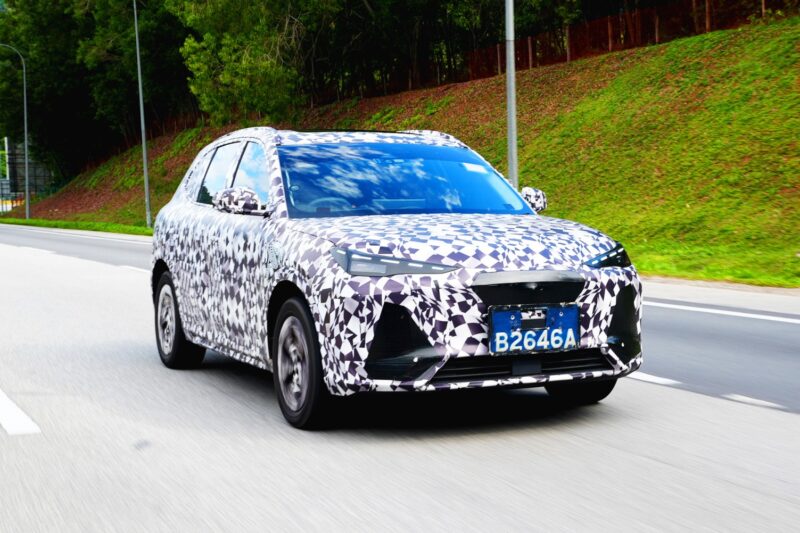
In a recent statement, Proton has confirmed that it is working closely with Geely to explore model enhancement activities for the existing Saga.
According to the national car manufacturer, the collaborative efforts with Geely, which have been conducted for several years, have been accelerated after the establishment of the Proton R&D Centre (China) in April this year.
Detailed information and a timeline for the launch of the new Saga were not disclosed; however, Proton stated that the upgrading of the Proton’s homegrown models involves leveraging joint resources with Geely and is led by Proton R&D engineers in Malaysia.
“The ability to conceptualise, design, develop and manufacture new vehicles from the ground up is unique for Proton as a national brand. These abilities have now been strengthened by enhancing the synergies of Proton’s existing in-house competencies with the resources and know-how of Geely,” the company said.
In the same statement, Proton informed that the Saga, which is now in its 39th year of production, recorded remarkable sales of 7,855 units last month. This marks the best single-month achievement for the model since October 2013.
Cumulatively, year-to-date (YTD) sales for the model have grown 8.8% year-on-year to 42,693 units, setting the stage for a stellar sales year ahead.
Since the first Proton Saga began rolling off the production lines on 9 July 1985, its sales have surpassed the 2 million mark this year, solidifying its status as the most popular model from a Malaysian automotive brand.
In celebration of Malaysia’s National Day and as a gesture of giving back to the rakyat, Proton has launched the “Saga-Merdeka Easy to Own” campaign, offering various incentives and exclusive deals throughout the month of August.
During the month-long period, the company is offering RM500 cash rebate on the purchase of any Proton Saga model. On top of that, Maybank customers are eligible for an additional RM200 rebate when the promotional message from Maybank is presented by the customer in any participating Proton dealers.
Each purchase of the X70 2025 comes with a 5-year unlimited mileage warranty, a 5-year data package with a capacity of 1GB/month, six free services, financing benefits as low as 2.4 per cent, and the Proton Insurance program.
Additionally, there are Early Birds packages with a cash rebate of RM7,000, trade-in overtrade support worth RM2,800, and an upgraded Proton Insurance program.
All of these are valid for the first 3,000 customers who register their vehicles. According to Proton, this X70 facelift features 360 new components, with the R&D process taking 290,000 hours. Road tests have covered a distance of 4.2 million km.
The Proton X70 2025 showcases a fresher look inspired by the Geely Boyue facelift 2022. In addition to new LED lights, it sports a larger grille with diamond-cut details, as well as a redesigned hood, bumper, and tailgate.
At the rear, there is a new bumper with horizontal reflectors. The alloy rims also feature a modern design, with sizes of 18 inches for the Executive and 19 inches. Five colors are available for this new X70: Snow White, Amour Silver, Jet Grey, Ruby Red, and the new Marine Blue.
The dashboard has been redesigned, now featuring piano black trims and ambient lighting with 72 color options that change according to music. In the middle of the dashboard is a new 12.3-inch infotainment screen. For the first time for Proton, Apple CarPlay and Android Auto are included.
Furthermore, the X70 2025 features a new steering wheel, a new display on the LCD meter panel, and Nappa leather upholstery in Stone Grey color.
In terms of features, the X70 now comes with Walk Away Auto Lock, while the power tailgate now has a Nearby Auto Open function for hands-free operation. ADAS is available on the Premium and Premium X variants.
It includes several new features such as Adaptive Cruise Control with Stop & Go, Intelligent Cruise Control, Lane Departure Warning, Lane Departure Prevention, Lane Centering Control, Traffic Sign Information, and Rear Collision Warning.
All variants are powered by a 1.5-liter TGDI three-cylinder engine producing 175hp at 5,500rpm and 255Nm from 1,500-4,000 rpm. It is paired with a 7-speed DCT transmission.
With improvements involving combustion efficiency, thermal management, and friction reduction, this engine achieves a fuel consumption of 7.3 liters/100 km, which is 4 percent better than the X70 2022.
PROTON has announced the launch of its regional parts centre (RPC) at Kota Kinabalu, Sabah, following the establishment of a similar facility in Sarawak last year.
It is capable of reducing lead for spare parts time by 30% on the back of increased output capacity from Proton Parts Centre Sdn Bhd (PPCSB) in West Malaysia and direct overseas shipment.
Proton says the new RPC is to meet the growing demand in Sabah, which is its third highest state for vehicle sales in Malaysia.
Tucked away in a commercial area in Inanam, the new facility boasts a built-up floor space of approximately 28,000 sq ft, which is 2.5 times bigger than its previous location. It can receive up to six containers of parts on site simultaneously, up from two containers previously.
It is currently processing an average of 26 containers per month to fully utilise its capability to store up to three months of stock. With more storage spaces for parts, lead times to deliver to dealerships and customers could be reduced.
The company adds that its RPCs in East Malaysia can handle up to 28 containers from West Malaysia and overseas per month, an increase in capacity from the previous limit of 24 containers per month.
PPCSB also deployed a new warehouse management system (WMS) at all its locations earlier this year, enabling the daily delivery capacity at the new RPC to jump 66% to 300 lines in July from 180 lines previously, with a maximum capacity of 400 lines slated to be achieved by September.
The added space also allows the allocation of 8,500 bins to store parts, up from 5,000 bins in the previous facilities. As a result, the stock value is expected to increase 1.5 times to RM9 million by December 2024, up from RM5.8 million a year earlier.
On the sales front, Proton’s market share in Sabah has ascended steadily from 10% in 2018 to 25.9% in 2023 and currently stands at 27.4% year-to-date for 2024.
In 2023, sales of Proton vehicles in East Malaysia contributed 15.8% to the company’s total sales volume. The top three Proton models sold were the Saga with 13,700 units followed by the Persona with 4,264 and the X50 with 2,955 units, respectively.
The upcoming review of civil service salaries is set to benefit the automotive sector as 1.5 million civil servants will have higher purchasing power and find it easier to obtain bank approval, said AmInvestment Bank.
As a result, the investment bank has revised the total industry volume (TIV) in 2024 to 750,000 compared to the previous 740,000.
“Higher salaries automatically mean better debt-to-income ratio, and we believe car loan financing will readily approve new loan applicants.
“We are confident that Perodua and Proton will experience increased demand as they are the most popular brands among civil servants,” he said in the sector update report today, adding that other brands may not be as affected.
Previously, Communications Minister Fahmi Fadzil hinted that civil service salaries would be increased by 15 percent to 43 percent by the end of 2024. Final details will be announced by August 16.
AmInvestment Bank said the main beneficiaries will be MBM Resources (which owns 20 percent of Perodua), Sime Darby (with a 38 percent stake in Perodua), and DRB HICOM, which holds a 50 percent interest in Proton.
It also raised the revenue forecast for MBM Resources for the financial years 2024 to 2026 by 3.0 percent, 5.2 percent, and 3.7 percent, based on expectations of the upcoming civil service salary review boosting car sales, especially for the affordable car segment like Perodua Axia and Bezza models.
The bank has maintained a “Neutral” recommendation on the sector but with a bias towards an upward trend.
The word “rebadge” has quite a negative connotation among car enthusiasts in Malaysia. For them, rebadging is considered a somewhat shameful practice that should not be done by any aspiring car manufacturer.
But little do they know that rebadging has certain advantages that can help a company grow in the early stages of its business.
The main upside of rebadging is that it helps companies save on R&D costs. Developing a vehicle from scratch requires massive investment, and not all brands, especially new ones, are willing to break the bank as they do not want to face the risk of heavy losses.
So thanks to the magic of rebadging, companies not only can reduce R&D expenses but they are also able to sell their products at a much more affordable price to entice their target market.
For Proton, this has been the path taken since its inception in 1983. With Mitsubishi as a technical partner at that time, the national car manufacturer finally launched its first car, the Proton Saga, just two years after it was founded.
Fast forward today after nearly 40 years since the first Proton car was introduced, Proton is still in the business of rebadging cars but its involvement in the entire process is more profound, with the company taking part not only in design but vehicle tuning as well.
So without further ado, let’s take a walk down memory lane and look at the seven most iconic rebadged Proton models ever offered:
Saga
The car that started it all for Proton. Launched by Tun Mahathir, the Saga was based on the Mitsubishi Lancer Fiore and sold until 1992 before being replaced by the Saga Iswara. It is currently in its third generation but now uses Proton’s very own platform.
Wira
The second rebadged model from Proton, which was produced for 16 years from 1993 to 2009. Based on the 1991 Lancer, it was available as a four-door sedan or a five-door hatchback known as the Aeroback. It had several notable versions like 1.8 EXI Limited (C99) and the ultra-rare Sembilu, which sadly never saw the light of day.
Satria
The first-generation Satria was produced from 1994 to 2006 using the Mitsubishi Mirage Cyborg as its base. This hatchback spawned two highly sought-after, performance-oriented versions co-developed with Lotus, namely the Satria GTi and Satria R3. It was later replaced by the Satria Neo, which was sold until 2015.
Putra
Photo: Wikipedia
The Putra was a surprise addition to Proton’s lineup because at that time nobody thought a newcomer like Proton had the cojones to offer a coupe. It was based on the Mitsubishi Mirage Asti and was only available with the 1.8-litre 4G93P engine that was also used in the Wira 1.8 EXI Limited and Satria GTi.
Arena
Photo: wheel-size.my
Also known as Jumbuck in international markets, the Arena was essentially a Wira that was cut in half and joined by a pickup truck cargo bed. In Malaysia, the Arena was offered in three variants – Freestyle, Sportdeck, and Fastback, each with different specifications to meet various customer needs.
Juara
Photo: ProtonPro Facebook
Another rebadged model produced in collaboration with Mitsubishi, the Juara was a microvan based on the Mitsubishi Town Box Wide. Marketed as a lifestyle vehicle, it received a lukewarm reception leading Proton to halt sales in 2004, just three years after its launch.
X70
Launched at the end of 2018, the X70 is a crucial model in Proton’s history as it is the first product to emerge after the merger with Geely, and also the first-ever SUV for Proton. Fair to say that the X70 is single-handedly responsible for restoring customer confidence in the national car manufacturer.
PROTON is now actively developing its export market and is said to be returning to the United Kingdom (UK), according to CEO Li Chunrong.
According to the UK media report, Autocar, this development also includes new right-hand drive (RHD) markets across Asia and South Africa, in addition to returning to Australia and New Zealand.
Photo by: Autocar
This is aimed at increasing Proton’s global sales following the opening of a new headquarters and production center currently under construction in Tanjung Malim, Perak.
Known as the Automotive Hi-Tech Valley (AHTV), this billion Ringgit investment facility is the result of Geely and DRB-Hicom Berhad.
The increase in production capacity will be a decisive factor in Proton’s long-term plan to expand their global sales.
“With the existing investment, Proton will have the capacity to return to markets that have been left, while penetrating new markets,” Autocar sources reported.
Photo by: Autocar
No timeline has been disclosed for Proton’s return to the UK, but it is reported to be expected “by the end of this decade.” Proton previously sold vehicles in the UK from 1989 to 2014.
In 2023, Geely announced plans to invest in the development of AHTV.
At present, Proton is selling Geely-based models such as the X50, X70, and S70, as well as self-developed models like the Saga, Persona, and Iriz.
Proton also recently launched their first electric vehicle (EV), the eMAS 7.
Which model do you think will be the choice for export to new markets in the future?
PROTON posted a strong start to the second half of the year with a total of 15,103 units sold in July (domestic and export).
The national automaker says the figure is the highest since September 2022 and represents a 37.3% jump over the previous month.
Total year-to-date sales (YTD) up to the end of July stand at 88,799 units, allowing Proton to cement its hold on second place.
Total industry volume (TIV) for the month is estimated to be 73,761 units, an increase of 27.1% over the previous month while the estimated market share for Proton in July has increased to 20.5%.
Proton’s sales growth in July was led by the Proton Saga with 7,855 units sold, marking the best achievement for the model since October 2013.
This brings total YTD sales for the Saga to 42,693 units, which is 8.8% ahead of sales from 2023.
Other Proton models also achieved sparkling results. The X50 recorded its best sales of the year with 2,585 units sold in July, bringing YTD sales to 12,789 units.
The Persona also recorded its best sales month of 2024 with 1,911 units sold bringing its YTD total to 11,664 units.
The S70 recorded 1,636 units sold in July and has a cumulative YTD figure of 12,550 units.
“July has been the best sales month for Proton in 2024 so far, setting the tone for what we hope is a productive second half of 2024.
“There are many plans to be executed in the coming months, starting with the 2025 Proton X70 which will be launched in August. At the same time, the groundwork for the launch of Proton’s first EV model is also proceeding rapidly, which will lead to the launch of the first Malaysian EV,” said Roslan Abdullah, Chief Executive Officer, Proton Edar.
PROTON has announced that Malaysia’s first local electric vehicle (EV) will officially be known as the Proton e.MAS 7. The electric vehicle brand was revealed last June and will be managed by Pro-Net.
The e.MAS 7 is developed based on the Global Modular Architecture (GMA) platform and has dimensions of 4,615 mm in length, 1,901 mm in width, 1,670 mm in height, and a wheelbase of 2,750 mm.
The GMA platform supports Cell-to-Body (CTB) architecture which enhances structural strength, increase interior space, improves stability in high-speed cornering, and overall handling.
Proton says the e.MAS 7 will feature a 12-in-1 intelligent electric propulsion system,, although specific details such as motor count and output are yet to be disclosed.
The powertrain gets its juice from Geely’s Aegis short blade battery, which is said to offer higher energy density, improved safety, and better durability.
The interior is yet to be revealed, but according to Proton, the e-MAS 7 will be equipped with the Flyme Auto Connectivity System that integrates with the local IHU system.
There’s a Telematic Service Provider that supports various advanced functions, bringing intelligent technology directly to the consumer.
At the preview, Proton reiterated that the e.MAS 7 was developed in collaboration with Geely and is not merely a rebadge of the Geely Galaxy E5, as previously assumed by many.
Over 100 Proton engineers were involved in the project. The e.MAS 7 has undergone rigorous testing, with 700,000 manhours and 10 million kilometres of testing performed to verify its durability and reliability.
Since the announcement of the e.MAS brand name and the subsequent introduction of 18 Proton e.MAS outlets in June, Pro-Net has now expanded its reach to a total of 29 outlets.
The company aims to have 25 Proton e.MAS showrooms operational before the launch of the public launch of the e.MAS 7.
Malaysia’s Leading Automotive News | ENGEAR ENGLISH