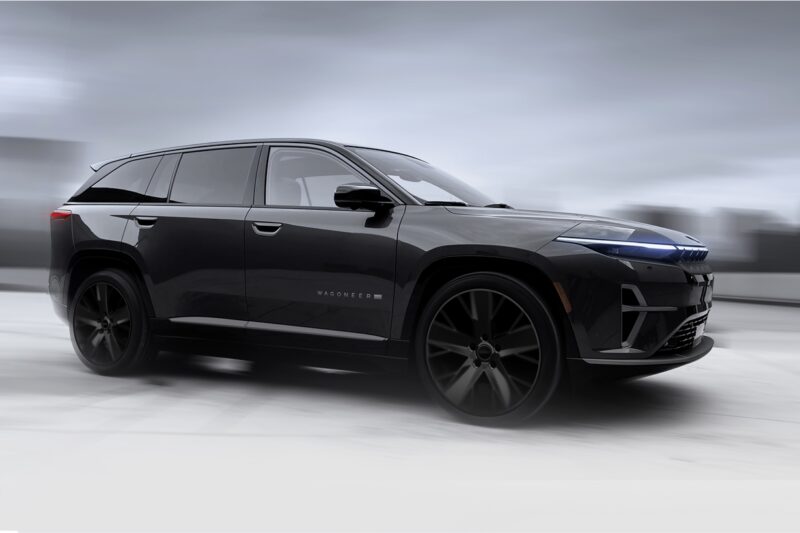
JEEP has unveiled some initial details and teaser photos of the Wagoneer S, its first global all-electric SUV, which is expected to be launched into the market in the fall of this year.
First up, the Wagoneer S is a mid-size SUV said to have a body size almost identical to the Grand Cherokee.
It is built on Stellantis’ STLA-Large platform and reportedly features a twin-motor setup that’s capable of generating 600 hp, enabling it to accelerate from 0 to 96 km/h in just 3.5 seconds.
The battery capacity is unknown at the time of writing, but there are rumors that suggest it could offer a maximum driving range of up to 800 km.
Looking at the interior photos, the Wagoneer S appears to have no less than four screens, including a digital instrument cluster, an infotainment display, a display for the front passenger, and another screen specifically for the climate control system.
Not only that, the Wagoneer S will also feature a premium MacIntosh audio system with 19 speakers, a colour-selectable ambient lighting system and a standard dual-pane panoramic sunroof.
Also visible is the EV’s centre console, which houses the Start/Stop button, a rotary gear selector, and a toggle-style switch that enables drivers to select Sand, Snow, Eco, Auto, and Sport driving modes.
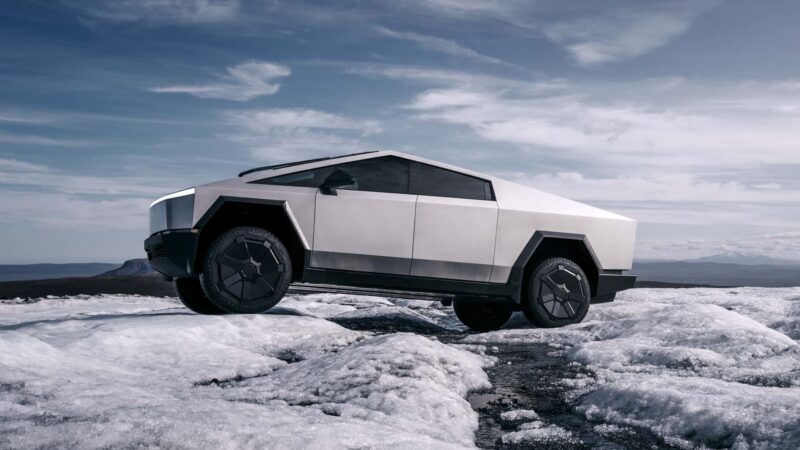
Just a few months out of the factory, the Tesla Cybertruck is now facing its first recall campaign. According to the National Highway Traffic Safety Administration (NHTSA), nearly 2.2 million Tesla vehicles built between 2012 and 2024 are being recalled due to issues with warning lights on the dashboard screen being too small.
“The Brake, Park, and Antilock Brake System (ABS) warning lights are displayed in a font size that is not appropriate. As a result, affected vehicles fail to meet the requirements of numbers 105 ‘Hydraulic and Electric Brake Systems’ and 135 ‘Light Vehicle Brake Systems’ as set forth in the Federal Motor Vehicle Safety Standard regulations.”
It is understood that this recall campaign involves all 2,193,869 units of Tesla vehicles sold in the United States market.
Due to Tesla’s use of screens to replace analog gauges, owners do not need to take their vehicles to a Tesla service center; instead, they only need to await an over-the-air (OTA) update.
EDOTCO, the leading telecommunications infrastructure service company in Malaysia, has announced a collaboration with ChargeSini to revolutionize the electric vehicle (EV) infrastructure in the country.
This collaboration aligns with the national agenda outlined in the Low Carbon Mobility Blueprint 2021-2030, which aims to have 10,000 public EV charging stations installed nationwide by 2025.
EDOTCO and ChargeSini are expected to support this initiative by planning to install over 200 EV charging stations at indoor building locations within the next two years.
EDOTCO’s extensive experience in telecommunications infrastructure will facilitate this process by providing power supply and parking space at the selected locations.
“With over 13,000 EVs in Malaysia today, we are ready for a sudden increase to half a million EVs by 2025,” said Gayan Koralage, Malaysia Country Director at EDOTCO Group.
“Our infrastructure available at strategic locations such as shopping malls, airports, hospitals, universities, and smart street poles, seamlessly integrates with the growing EV ecosystem,” added Gayan.
Meanwhile, James Goh, CEO and founder of ChargeSini, stated, “This collaboration demonstrates the synergy between EDOTCO’s experience and ChargeSini’s approach to EV charging technology.
“Our collaboration is not only about developing EV infrastructure, it also accelerates the adoption of sustainable mobility in Malaysia,” he said.
IN addition to the GS3 Emzoom, WTC Automotif (WTCA) also previewed two more models that it will soon bring into the Malaysian market, namely the GAC Emkoo and GAC Aion Y Plus.
The Emkoo is a mid-size SUV that will compete with the likes of the Honda CR-V and Proton X70. No exact date has been given but it is said to enter our market later this year.
On the other hand, the GAC Aion Y Plus is a somewhat futuristic looking electric SUV marketed under GAC’s sub-brand Aion, which focuses on EVs. According to WTCA, the Aion Y Plus is expected to be launched in the first half of 2024.
As you can see, Emkoo boasts a bold and aggressive design highlighted by its V-shaped grille and ‘Eyes of Revelation’ LED headlights. Its interior underlines a digital and innovative concept with a semi-floating digital instrument cluster as the centrepiece.
In China, this model is available with a choice of 1.5-litre turbo, 2.0-litre turbo, and hybrid powertrains. It is still unknown which one we’ll get but rumours are pointing to the 1.5-litre mill, which develops 177 PS and 270 Nm, exactly the same amount of power as the GS3 Emzoom.
Aion Y Plus is built using the GAC Aion Electric Platform (AEP2.0), which the company claims costs around RM2 billion and took 30 months to develop. This platform features the longest wheelbase in its segment at 2,750 mm and a spacious full flat floor for rear passengers.
Not only that, its front seats can be reclined fully to form a 1.8 metre-wide double bed. Rear passengers can also enjoy a legroom of 1,022 mm, which is claimed to be the most spacious in the industry.
In terms of powertrain, Aion Y Plus is equipped with a 63.2 kWh Magazine battery that offers a driving range of up to 490 km (NEDC) or 430 km (WLTP) on one full charge.
ON January 18, Great Wall Motor (GWM) Malaysia uploaded a teaser image of the Ora 07, indicating the imminent arrival of the model.
Now, the company has officially confirmed that the Ora 07 will be launched in Malaysia in the first quarter of this year.
Not only that, initial specifications of the fully electric fastback sedan have also been revealed. It will be offered in two configurations: a single electric motor offering a range of 640 km and a dual electric motor with a range of 550 km.
Notably, the driving range figures for both configurations mirror that of the Thai-spec Ora 07, which was launched in the country back in December.
There, the Long Range variant features a single electric motor on the front axle making 204 PS/340 Nm, allowing it to accelerate up to 170 km/h. A 83.5 kWh battery provides a range of up to 640 km.
The second variant, called Performance, is equipped with a pair of electric motors producing a total power of 408 PS/680 Nm. It has the same battery but a shorter driving range of 550 km.
Additionally, the Ora 07 for the Malaysian market will also come with an adaptive electric spoiler and a frameless door design.
MALAYSIA Airlines, in collaboration with BMW Group Malaysia through their dealer partner, Ingress Auto Sdn. Bhd., will be introducing an exclusive private terminal transfer service for its passengers to travel in premium comfort between the Main Terminal Building and the Satellite Building of KLIA Terminal 1.
Beginning 1 February 2024, Enrich Platinum, Business Suite, and Business Class passengers flying with Malaysia Airlines will be chauffeured in style with the all-electric BMW i7.
The 24-hour service offers a sustainable and premium travel option exclusively for Malaysia Airlines’ passengers, in addition to the Premium Bus transfer currently provided by the airport operator following the temporary suspension of the aerotrain service.
During this initial phase, a fleet of BMW i7 vehicles will be deployed to serve departing passengers with the pick-up point located at Gate G1 of the Main Terminal Building. The airline will also be deploying additional units to serve arriving passengers in the near future, following the completion of the arrival lounge at the airport’s Satellite Building.
Ahmad Luqman Mohd Azmi, Chief Executive Officer of Airlines from Malaysia Aviation Group (MAG), said “With this exclusive service, we aim to enhance the travel experience for our top-tier customers, ensuring that they can enjoy premium comfort as part of their end-to-end journey with us.
“As the only carrier offering this temporary personalised service to our passengers in light of the aerotrain’s temporary suspension at KLIA Terminal 1, it underscores our dedication to elevating our standards of service to ensure a premium travel experience, while also reinforcing our commitment to embedding sustainable practices with the selection of the all-electric BMW i7 series.
We look forward to extending this service to our arriving passengers as part of our continuous efforts to ensure a fuss-free and enjoyable experience driven by our inimitable Malaysian Hospitality,” he added.
THE cold weather that has struck Chicago and several places in the United States has had some impact on the residents, especially Tesla EV owners.
Several media outlets have reported that a large number of Tesla electric cars were stranded at several fast DC charging stations. Some owners have complained that their cars are difficult to charge, and the charging time is much longer than usual. So, are electric cars not suitable for use in cold weather?
The answer may lie with the people of Norway, one of the countries with the highest EV adoption rates in the world. Norway is also one of the coldest countries, yet incidents involving electric car owners there are rare.
According to The New York Times, EV drivers in Norway have been accustomed to the practice of preheating their cars before starting their journey in freezing weather.
Furthermore, according to Lars Godbolt, an advisor to the Norwegian Electric Vehicle Association, the improved charging infrastructure in recent years has also contributed to shorter waiting times.
However, it is important to note that the majority of residents in Norway live in single-family homes, where 90 percent of EV owners have charging facilities at their own homes.
Another factor to consider is that residents of Norway typically spend only 30 minutes on average commuting from home to work, compared to an hour or more for residents of the United States.
This suggests that the suitability of electric cars in cold weather is not solely determined by the technology itself, but also by factors such as infrastructure and daily commuting patterns.
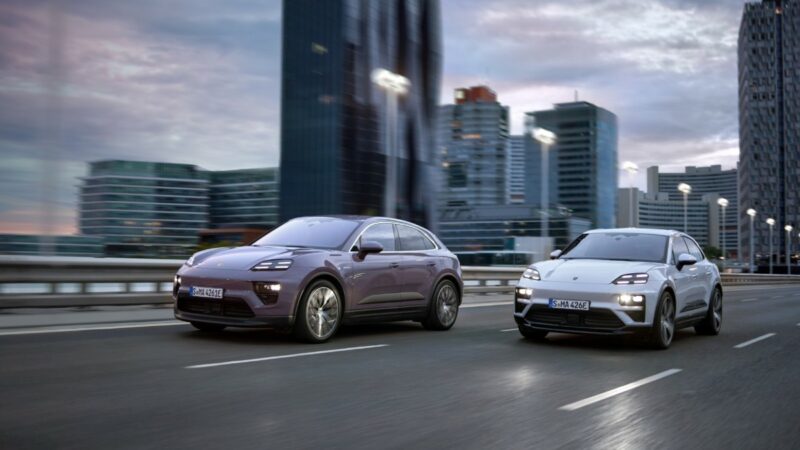
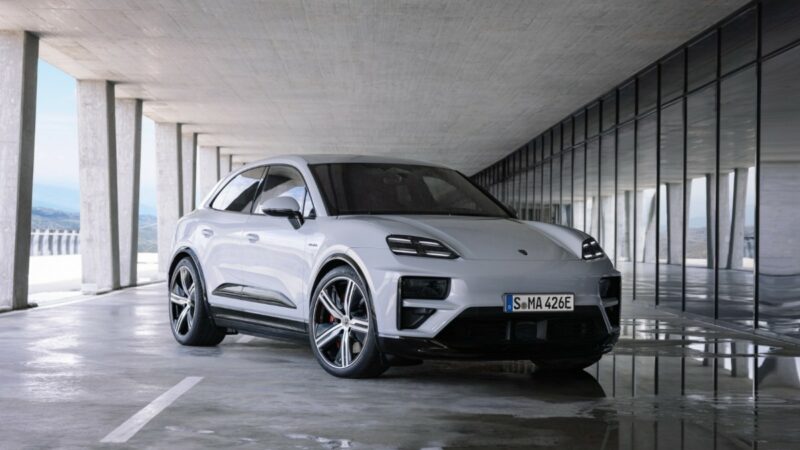
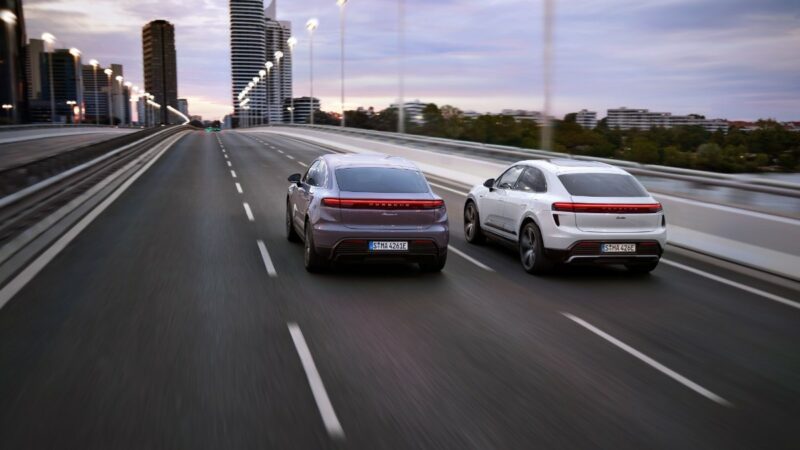
Ladies and gentlemen, here is the all-new, second-generation Porsche Macan. As reported previously, this SUV has evolved to become a fully electric vehicle (EV), no longer offered with an internal combustion engine (ICE).
Does this mean that the Porsche Macan has become a less appealing model? Not at all. It is offered with two options: the 402hp Macan 4 and the Turbo Macan with up to 630hp.
This new Porsche Macan is built on the Premium Platform Electric (PPE) developed in collaboration with Audi. This platform utilizes an 800-volt electrical architecture.
It is powered by a 95kWh Lithium-Nickel Manganese Cobalt battery, which can be fast-charged with up to 270kW DC chargers. The Macan 4 and Macan Turbo are driven by two synchronous permanent magnet electric motors. The rear motor rotates 180 degrees to provide a slightly rear-biased weight distribution.
As mentioned earlier, the maximum output for the Macan 4 is 402hp and 650Nm of torque, while the more powerful Macan Turbo generates up to 630hp and 1,130Nm of torque. However, these figures are based on Overboost mode during Launch Control.
What about performance? The Porsche Macan 4 can accelerate to 96km/h in 4.9 seconds, while the Macan Turbo can achieve the same in just 3.1 seconds. Their respective top speeds are 218km/h and 260km/h.
The maximum speeds for an EV seem quite high, don’t they? This is because the new Porsche Macan features a gear reduction system and does not use a two-speed gearbox like the one used in the Taycan.
As for the suspension, it utilizes a multi-link system at the front and rear. Air suspension and Porsche Active Suspension Management (PASM) are provided as standard. A new feature of the Macan is the rear-axle steering system, which can turn up to 5 degrees depending on the situation.
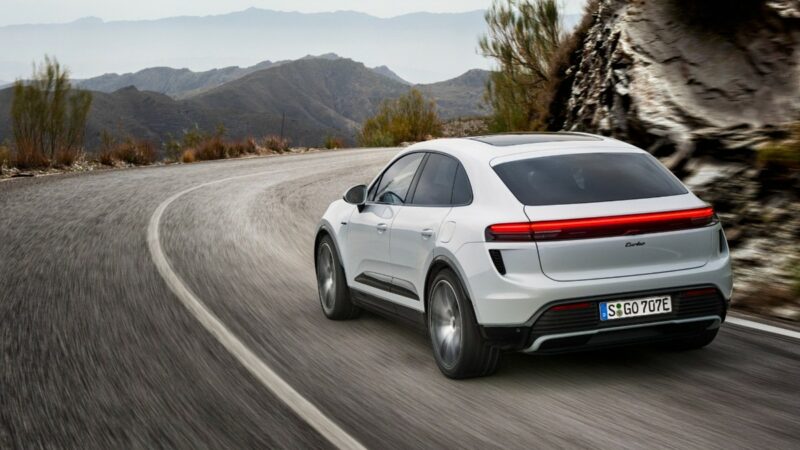
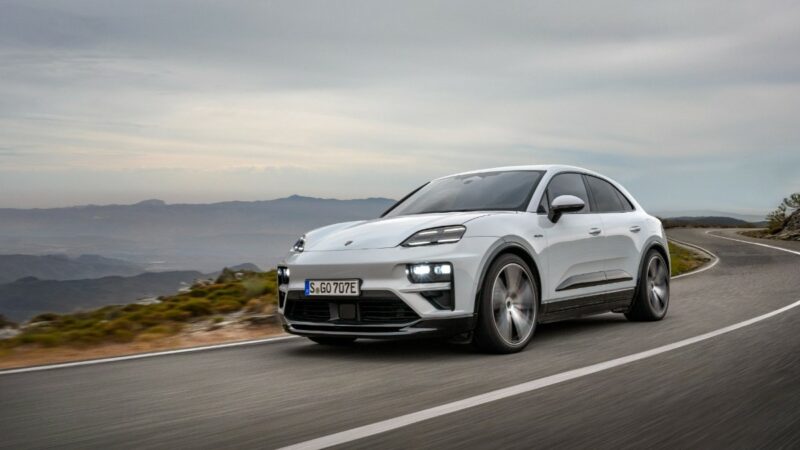
Now, let’s talk about the design. In this regard, it’s typical Porsche – an evolution rather than a revolution. The Macan retains a coupe-like shape, although it features Taycan-like daytime running lights at the front.
The front lights are now integrated into the bumper, and there is no longer a hood clamshell. Since there’s no engine, the hood is lower as well.
Porsche states that the Macan has a drag coefficient of only 0.25, achieved through active aerodynamics such as the rear spoiler, underbody paneling, and front bumper flaps.
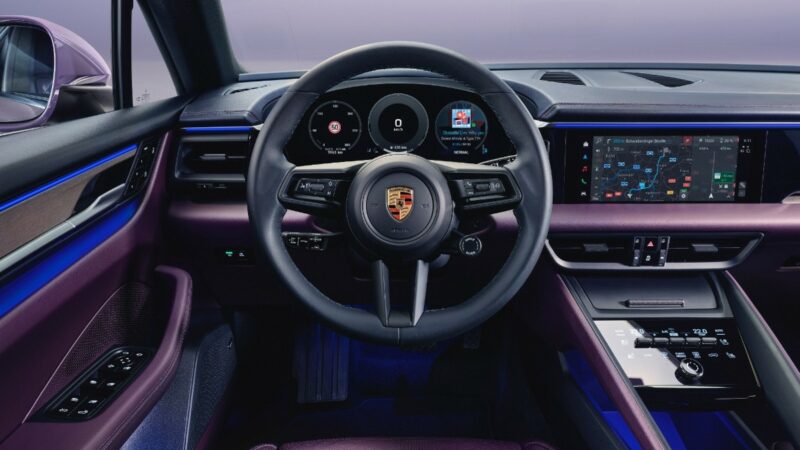
The interior space is similar to the latest Porsche models. It features a digital instrument panel with a curved screen, and in the middle, there is the latest generation infotainment system.
What is your opinion on the all-new, fully electric Porsche Macan generation?
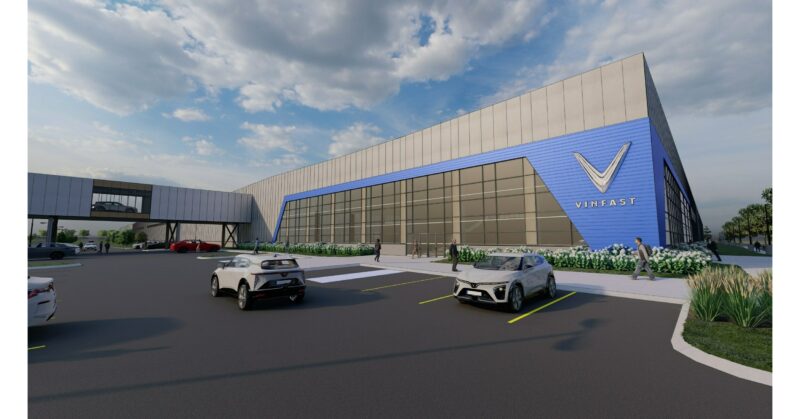
Throughout 2023, Vinfast has successfully sold nearly 35,000 units of electric vehicles (EV). A new record was also set in the fourth quarter (Q4) of 2023, where Vinfast managed to sell a total of 13,512 units.
However, despite the impressive figure of 34,855 units compared to previous achievements, the annual sales volume still falls short of the set target of 40,000 units.
The Vietnamese manufacturer claims that this figure is due to the slow acceptance rate of EVs in some regions, as well as intense competition.
A Reuters report mentioned that the majority of Vinfast’s sales come from the Vietnamese market, where 60 percent of distribution in the second and third quarters was contributed by the Green SM taxi operator and the vehicle leasing company owned by VinFast’s CEO.
According to Vinfast’s Deputy CEO of Sales and Marketing, Tran Mai Hoa, “We have seen a significant increase in vehicle distribution in the fourth quarter of 2023 compared to the previous quarter. However, the slow adoption rate of EVs in some regions, as well as intense competition, have led to a smaller distribution volume than we expected.”
VinFast is now preparing to establish battery production and assembly facilities in India, along with exploring new markets in the Middle East, Latin America, and Asia, including Indonesia.
WITHIN less than two months since its launch on November 21, 2023, smart Malaysia reported that it has recorded 200 registrations for the smart #1.
According to smart, users and customers have provided positive feedback on the smart #1 with its unique Mercedes touch and Geely’s latest technology.
As a kickoff for 2024, smart Malaysia has announced enhancements to the Hello Smart App, providing users with a smoother and more convenient ownership experience.
The updated app now facilitates payments with debit or credit cards, allowing owners to pay for their vehicle’s charging, or purchase in-car internet data directly through the app. The prices for internet data are set at RM8 for 1GB, RM21 for 3GB, and RM30 for 5GB.
One of the main features within the Hello Smart App is the integrated charging station map, providing access to 70% of public charging stations nationwide.
In addition, the app also streamlines the loan application process, setting a new standard for EV ownership that is more easily accessible.
‘The Lóng龙 Drive’ contest by smart Malaysia
In addition, smart Malaysia is holding a contest offering a holiday prize for test driving the smart #1. Through the ‘The Lóng龙 Drive’ social media contest, participants have a chance to win an all-expenses-paid trip to Melaka.
Other prizes include TnG e-wallet vouchers worth up to RM200 and limited edition smart Angpao packages. Visit the Facebook or Instagram social media pages for entry details and further information.
Competitive Rates and Free smartCharge Home Charging
With the purchase of any smart #1 variant – BRABUS, Premium, or Pro – customers have the opportunity to benefit from a free smartCharge home charger worth RM3,200.
It comes with a two-year warranty and charging credit, valid for purchases made until January 31, 2024. Additionally, buyers can take advantage of low-interest rates, as low as 1.15%, through selected bank offers.
TENGKU Datuk Seri Zafrul Abdul Aziz has announced on social media that Perodua is scheduled to begin mass producing its first electric vehicle (EV) at the end of 2025.
According to the Minister of Investment, Trade, and Industry, this is in line with Perodua’s appointment to lead the production of affordable EVs under the New Industrial Master Plan 2030 (NIMP 2030).
Zafrul went on to say that Perodua has collaborated with an ‘international automotive company’ to develop an EV prototype.
“Thank you to Perodua for assisting Malaysia in advancing electric vehicle technology and strengthening sustainable mobility in Malaysia,” he said.
On November 29, Perodua announced it’s targeting electric and hybrid vehicles to contribute up to 20% of total new car sales by 2030.
Perodua President and Chief Executive Officer, Datuk Seri Zainal Abidin Ahmad said that the sales figure could be achieved “if all industry players can work together.”
“We are collaborating with the government and other partners. We have also been appointed in the new industrial plan to lead the development of EVs in Malaysia.
“We need to produce new products. We have not finalized the production timeline, but the government’s target – 20 percent by 2025 or 2030 – will become a reality if all parties cooperate,” he said.
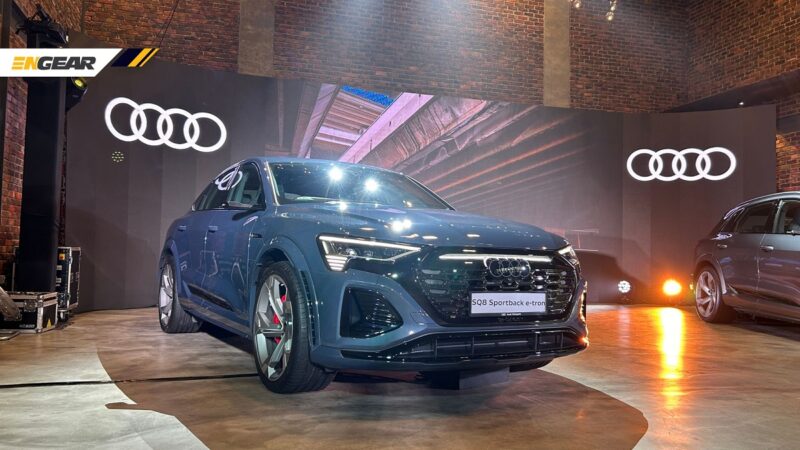
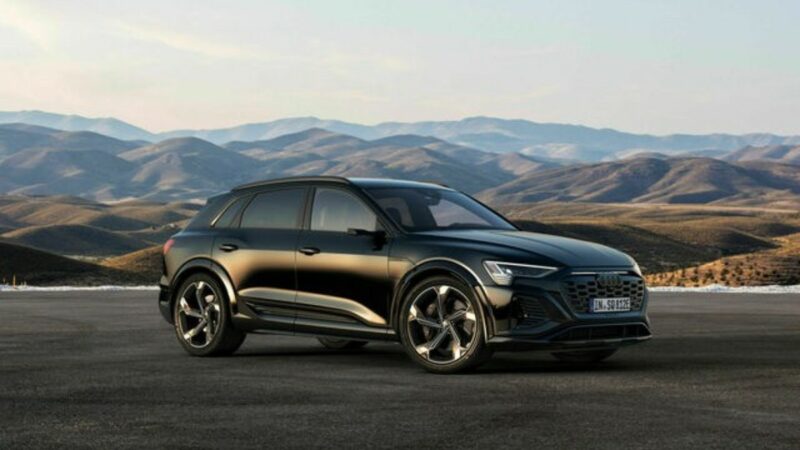
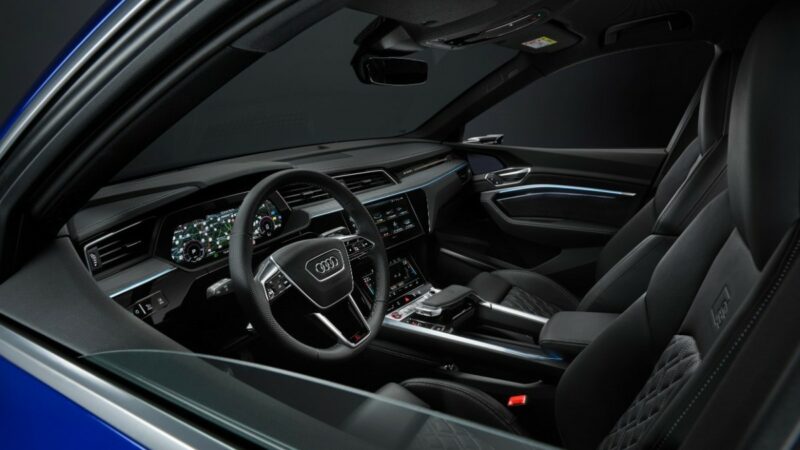
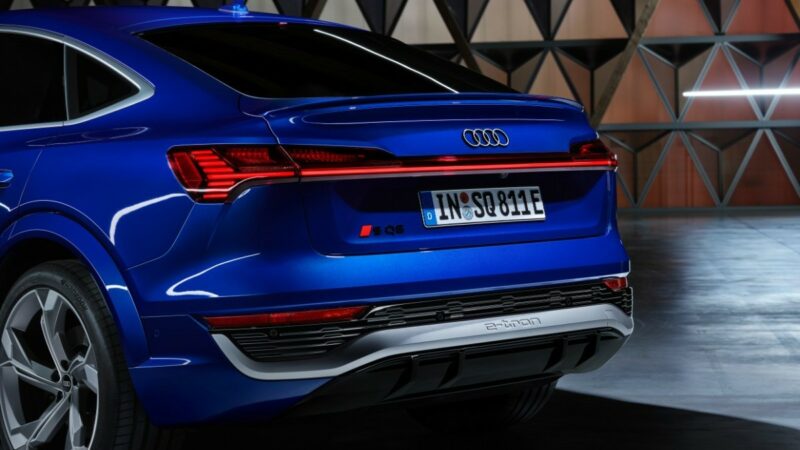
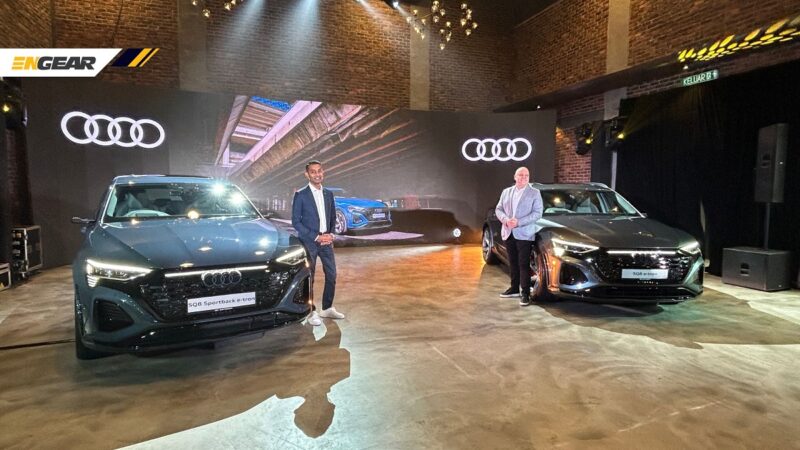
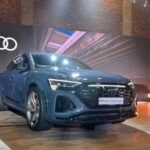
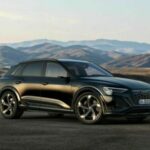
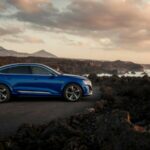
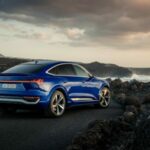
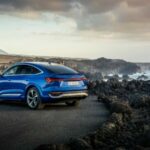
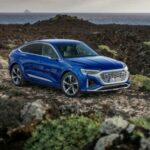
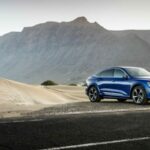
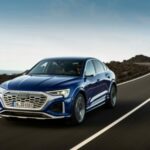
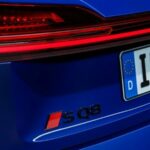
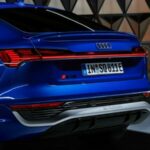
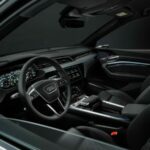
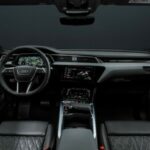
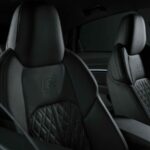
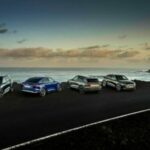
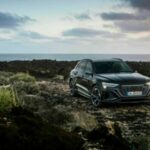
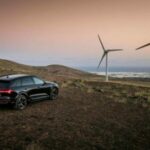
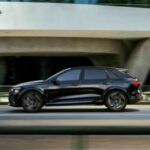
PHS Automotive Malaysia (PHSAM) today launched two new electric (EV) models for the Malaysian market, namely the Audi SQ8 e-tron and SQ8 Sportback e-tron. Both models are distinguished by their body shapes, with the Sportback being the more sporty coupe version.
The Audi SQ8 e-tron is offered at a starting price of RM519,990, while the SQ8 Sportback e-tron is priced at RM529,990.
Three electric motors
The Audi SQ8 e-tron becomes the first officially introduced EV model in Malaysia with a three-electric motor setup – one at the front axle and two at the rear. These three electric motors are asynchronous, operating independently.
The front motor generates 166hp, while each of the rear motors produces 131hp. The total output for the SQ8 e-tron reaches 496hp and 973Nm of torque.
This allows the heavy SUV EV to accelerate to 100km/h in just 4.5 seconds, with a maximum speed of 210km/h.
The two independent rear electric motors are used to precisely distribute power based on driving conditions such as uneven roads or corners.
Charging
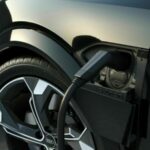
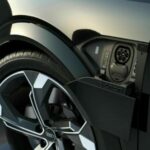
The Audi SQ8 e-tron and SQ8 Sportback e-tron can be charged up to 170kW for DC, enabling the battery to reach from 10 to 80 percent in just 31 minutes. With a full charge, this SUV can be driven for up to 471km.
For AC charging, it uses a 22kW capacity, requiring nine to 11 and a half hours depending on various factors.
Luxurious and sporty aesthetics
Both models come in an S package, indicating a sportier design. The widened bumper design is now more expressive, while the wheel arch panels with optimized air flow present a more muscular image.
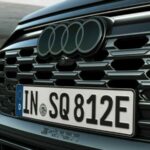
The Singleframe grille, which is an Audi signature (with projector lights), is further emphasized by the Digital Matrix LED headlights. Interestingly, these lights have 1.3 million micro mirrors that can be adjusted up to 5,000 times per second to provide optimal illumination without dazzling other drivers.
Aerodynamics are crucial for EVs, and the Audi SQ8 e-tron has a low drag coefficient (Cd) of between 0.24 and 0.27, helping to achieve longer driving distances.
Other features include red brake calipers, carbon fiber side mirror housings, black roof rails, and 22-inch Interferenz Audi Sport rims.
“With the introduction of the new SQ8 e-tron through the classic SUV design and the more sporty Sportback design, we are now offering a high-powered Q8 e-tron variant for those seeking a more exhilarating driving experience with Audi’s dynamic and efficient technology,” said PHSAM CEO, Denyu Bostandzhiev.
“The Q8 e-tron and e-tron GT model families were launched in Malaysia in June last year and have received positive feedback,” he added.
The SQ8 e-tron comes in seven color options – Magnet Gray, Ultra Blue, Chronos Gray, Mythos Black, Plasma Blue, Daytona Gray, and Glacier White.
Both models are covered by a 5-year warranty, a 3-year scheduled maintenance package, and 5-year roadside assistance.
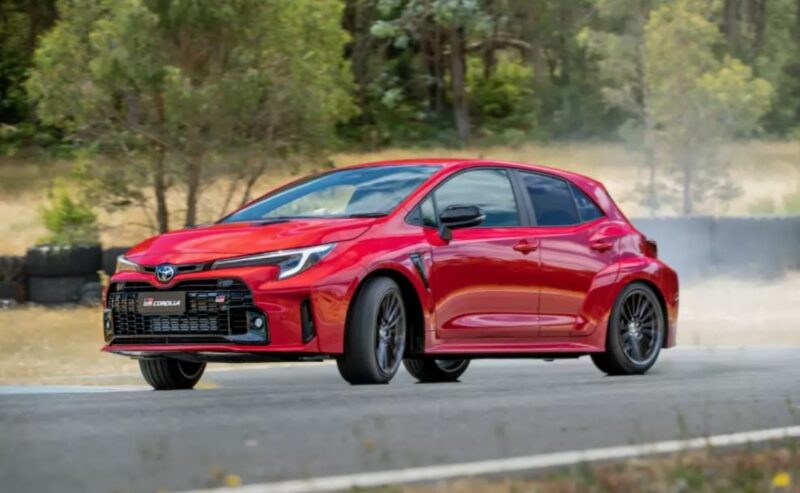
The world’s largest car manufacturer, Toyota, is determined not to concede in the internal combustion engine race. The company aims to uphold this commitment, driven by the direction of its chairman and car enthusiast, Akio Toyoda.
He is adamant about safeguarding millions of jobs in Japan while simultaneously offering choices to future car buyers.
“To those who have been producing engines from the past until now, let’s continue to develop engines,” Toyoda stated during the Tokyo Auto Salon 2024 (TAS2024) event.
“As car enthusiasts, we are tasked with shaping the future. My desire to enjoy cars leads me to want to explore various technologies. This is something I take seriously,” he added.
Highlighting that over 5.5 million workers are involved in engine manufacturing in Japan, Toyoda emphasized the importance of retaining these jobs.
He outlined Toyota’s multifaceted plan for future mobility, stating, “The approach to carbon neutrality depends on the country and region. However, shouldn’t we consider the desires for cars that we need?”
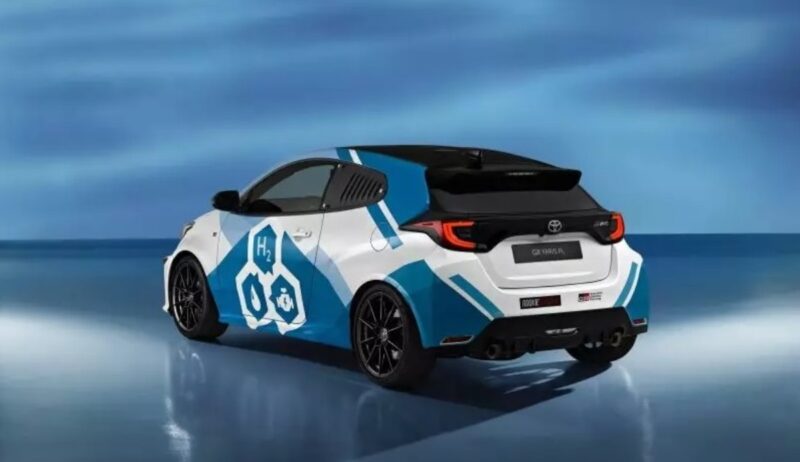
Toyoda noted that outside of the country, Toyota has numerous colleagues with similar interests and desires. He expressed that Battery Electric Vehicles (BEVs) are not the sole means to achieve carbon neutrality, as Toyota has been developing hydrogen technology for the past three years.
“Last year, we tested liquid hydrogen and drove it at Le Mans. There is still work to be done in engine technology to achieve carbon neutrality. So, let’s refine engine technology. Let’s start that project,” Toyoda concluded.
Perhaps not many are aware, but behind the flood of electric vehicle (EV) brands from China, the world is now also welcoming the arrival of a new EV brand from Turkiye, namely Togg.
Togg, or its full name Türkiye’nin Otomobili Girişim Grubu (the Turkish Automobile Joint Venture Group), recently unveiled the T10F electric sedan at CES 2024, which is set to be marketed in Europe next year.
It is a fastback sedan in the C segment, where Togg describes this model as a connected smart device, not just a car. Based on a brief reference on the official website, this Togg T10F can be equipped with a single electric motor or dual electric motors.
The rear-wheel-drive (RWD) version is capable of accelerating from 0-100 km/h in 7.2 seconds, thanks to the powerful 218 PS electric motor and 350 Nm of torque.
The all-wheel-drive (AWD) version is even faster, going from 0-100 km/h in 4.6 seconds, with two more powerful electric motors (435 PS/700 Nm).
For full charging, the battery pack, whose capacity is not disclosed, can allow a range of 530 km (AWD) or up to 600 km (RWD version). The T10F supports rapid DC charging up to 180 kW, and charging from 20 to 80 percent can be completed in 28 minutes.
Togg also revealed the interior layout of this electric sedan, featuring a 12.3-inch cluster screen, a 29-inch infotainment screen, and a third 8-inch screen for HVAC control. Other features include a 500-liter cargo space, a heated steering wheel, and wireless smart device charging.
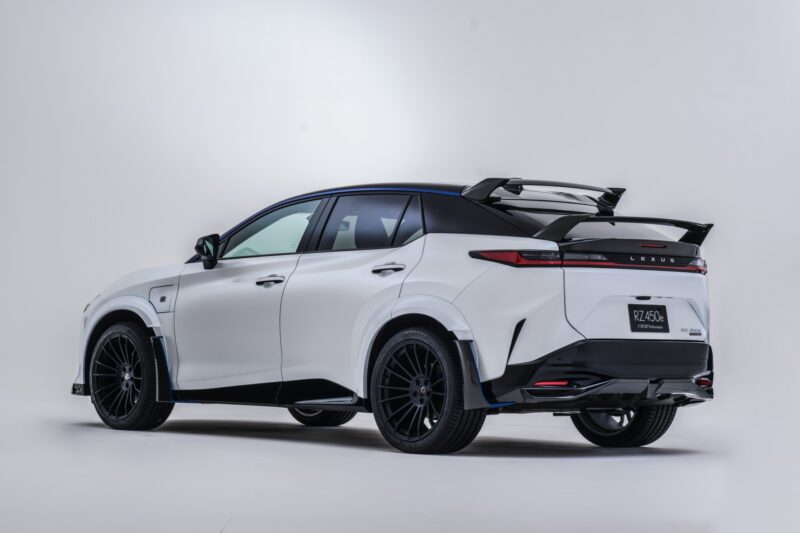
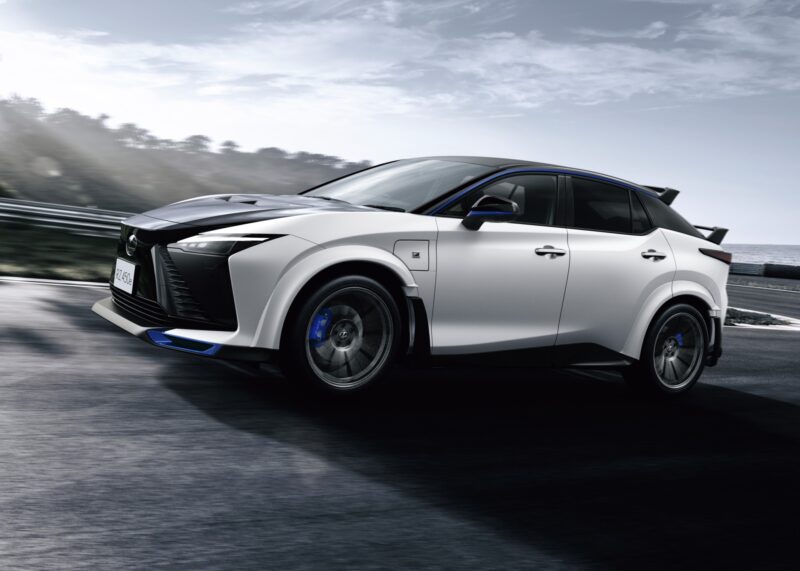
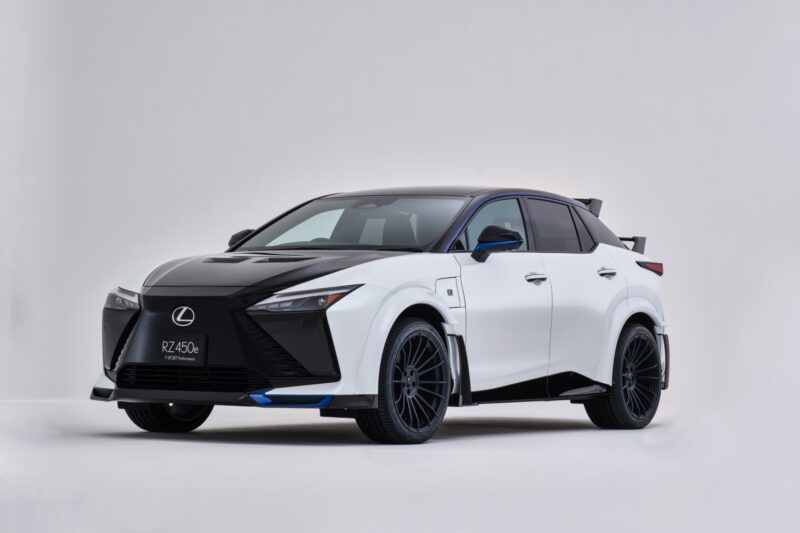
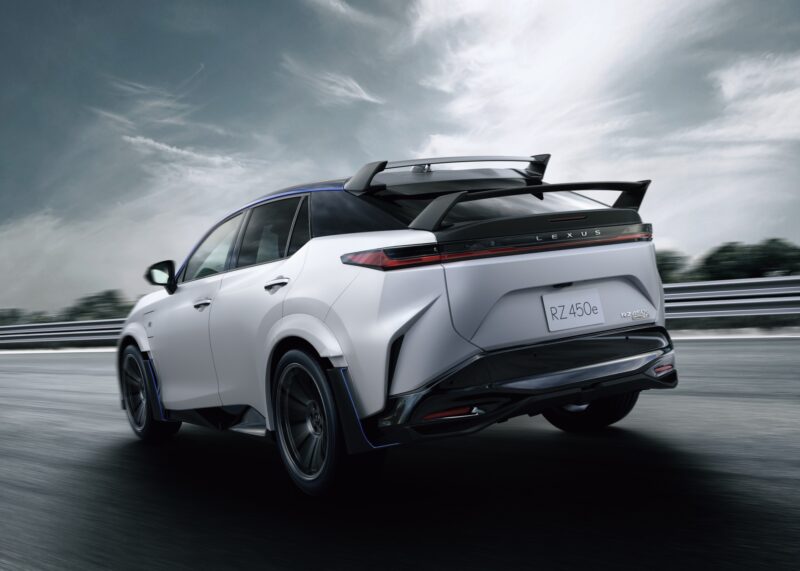
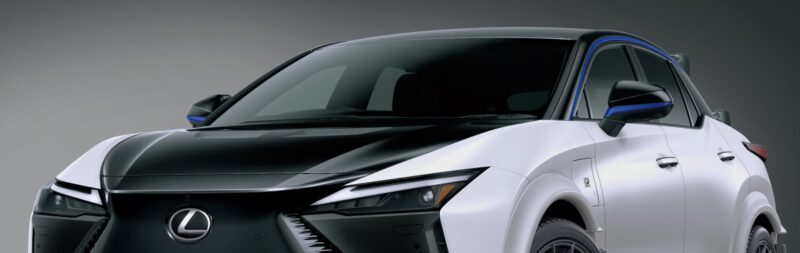
Lexus is attempting to steal some attention in the high-performance electric SUV market by introducing the special model RZ450e F Sport Performance.
It is actually the actual production version of the RZ Sport Concept model that was previously showcased at the Tokyo Auto Salon 2023.
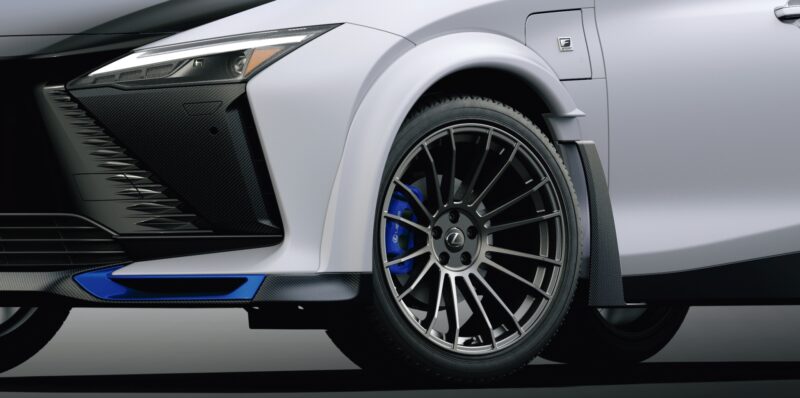
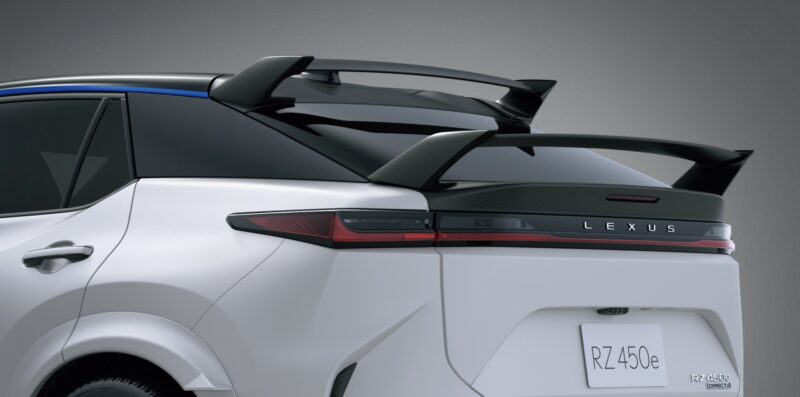
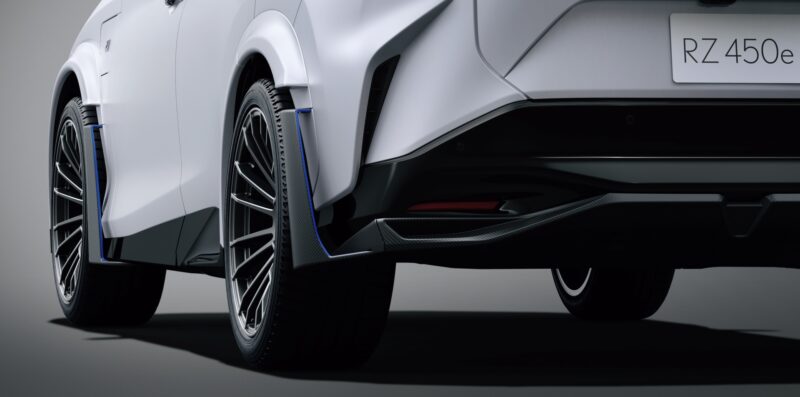
Lexus utilized the expertise of aerobatic pilot Yoshihide Muroya to develop up to 17 aerodynamic components for this RZ450e model.
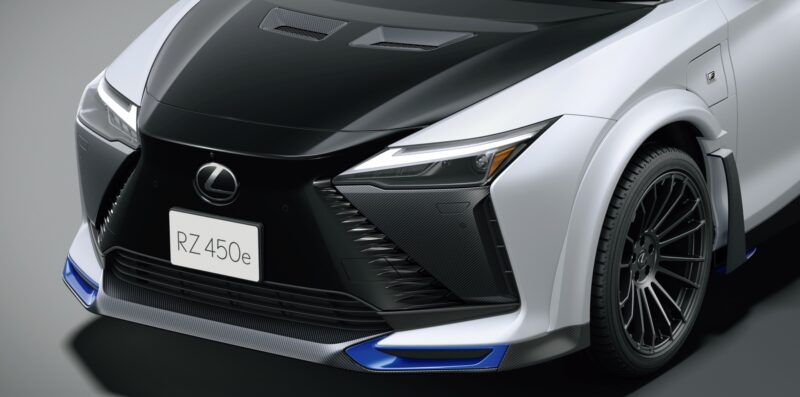
These include carbon fiber wings, followed by turning vanes on the sides using aircraft aerodynamic technology. In addition, the RZ450e also features a hood, roof, as well as front and rear spoilers made from carbon fiber.
The driving aspect relies on the expertise of racer Masahiro Sasaki, where the SUV suspension system has been retuned before being fitted with 21-inch ENKEI aluminum rims at all four corners.
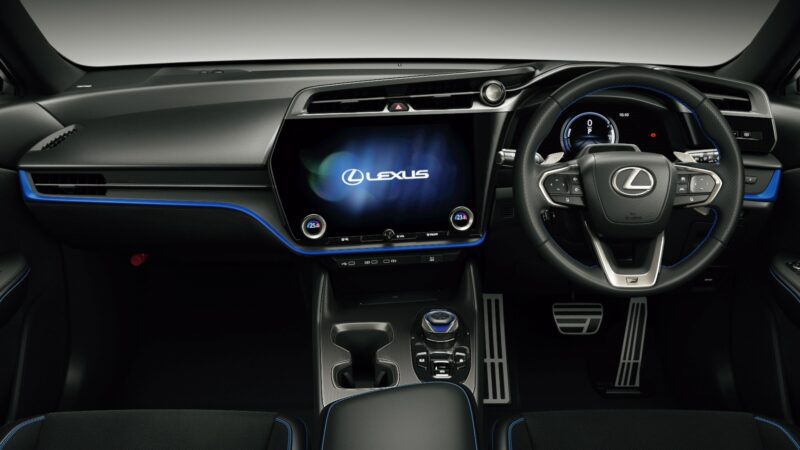
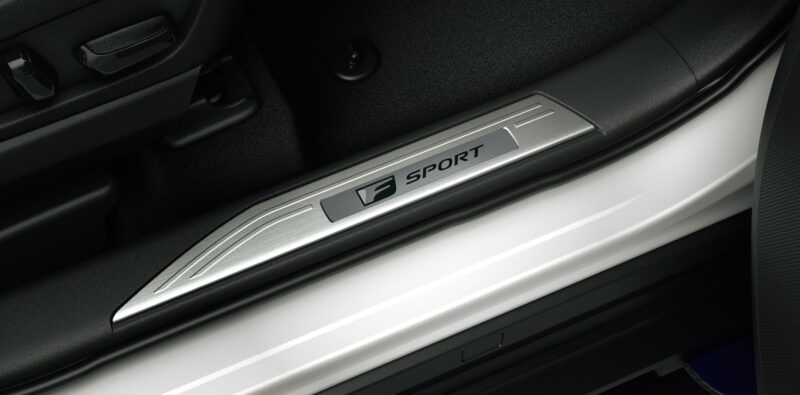
Lexus uses a combination of black, silver white called Hakugin, and blue accents for the exterior. Meanwhile, the cabin carries a combination of black and blue on the dashboard, Ultrasuede-wrapped seats, synthetic leather-wrapped steering wheel, aluminum sports pedals, and F Sport Performance scuff plates.
In Japan, the Lexus RZ450e comes with a setup of two electric motors, each producing 204 PS/266 Nm (front) and 109 PS/169 Nm (rear), as well as a 71.4 kWh battery pack.
Prices start from 11,800,000 yen (RM379,132) with only 100 units of the RZ450e F Sport Performance slated for production. Each eligible buyer will be notified by their respective dealers on February 22, 2024.
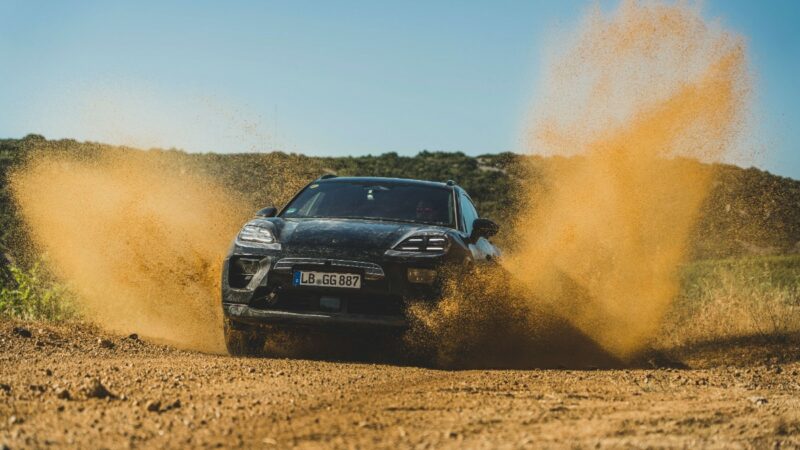
PORSCHE engineers are preparing the all-new Macan, which now is also an electric model (EV), for its global debut soon.
The SUV is currently in its final phases and has undergone various extreme tests. As previously reported, this second-generation Macan is an electric model replacing the first generation after 10 years on the market.
The Porsche Macan EV is built on the Premium Platform Electric (PPE). It remains a sporty Porsche but will become more efficient.
“When we develop a new model, it’s always about the driving dynamics and precision. That’s Porsche. It’s in our DNA. But it’s always about efficiency too. And design,” says Jorg Kerner, Vice President of the Macan Product Line.
The key to the new Macan’s aerodynamics is its drag coefficient (Cd) as low as 0.25. One of the challenges is maintaining the successful Macan identity while meeting new aerodynamic requirements.
This is achieved with Porsche Active Aerodynamic (PAA), which includes an active spoiler at the rear, active cooling flaps at the front, and a flat and closed underbody like a racing car.
Over 500km driving range
The Porsche Macan EV will be equipped with a 100kWh lithium-ion battery and 800-volt construction on the PPE platform.
This allows the Macan to receive fast DC charging up to 270kW, meaning the battery can be charged from 10 to 80 percent in just 22 minutes. AC charging remains at 11kW. The driving range is over 500km for all variants.
Tested and ready for global launch
The Macan EV is currently in its final testing phase, and prototypes with overall camouflage have been driven over 3.5 million km on test tracks and public roads worldwide.
“We cover all temperature ranges. From minus 30 degrees Celsius in Scandinavia to plus 50 degrees Celsius, as we experienced in Death Valley in California,” said Kerner.
“Of course, an SUV also has to work on any surface. That’s why we test not only on roads, but also off-road, on gravel, snow and ice.” he said.
Systems such as all-wheel drive, two electric motors, Porsche Traction Management, Launch Control, Porsche Active Suspension Management, all have been tested on these surfaces.
Look out for our report after the official launch of the Porsche Macan EV on January 25th.
THE Energy Commision (ST) in a statement revealed that the operator of an electric vehicle charging station (EVCS) in Johor, which caught fire on December 31, was found to be operating without a licence.
In the statement, the Energy Commission noted that the Electricity Supply Act 1990 (Act 447) and the Electricity Regulations 1994 stipulate that energy supply activities from any installation must be carried out with a valid licence from ST.
In the incident, a Mercedes-Benz EQB was engulfed in flames while charging at a vehicle showroom building in Tampoi.
According to ST, about 5% of the 256 sq metre premises and 20% of the EV charging bay were also destroyed. No injuries were reported.
The commision said that it is currently investigating to identify the real cause of the incident. The responsible party and the company involved will also be called upon to assist in the investigation.
On December 16, 2022, ST reportedly advised the operators of charging point operators (CPO) involved in the development of electric vehicle charging infrastructure (EV) to promptly obtain a valid public distribution licence for the EVCS installations in the country, including those already in operation, by March 31, 2023 last year.
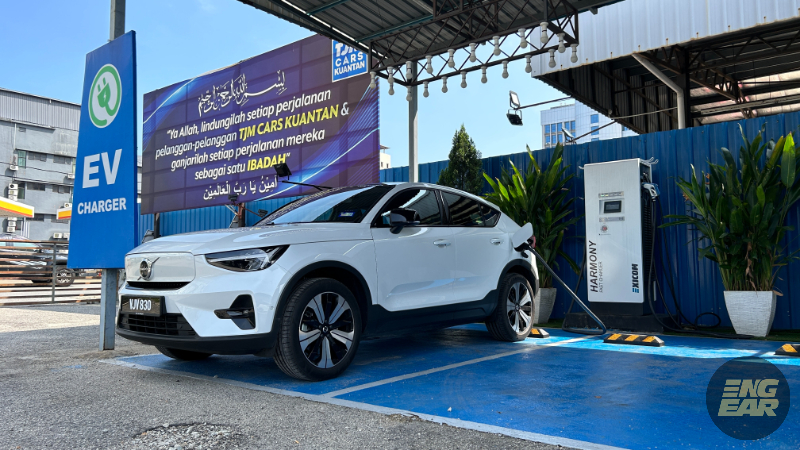
VOLVO Car Malaysia wraps up the 2023 calendar year with an increase in electric vehicle (EV) sales, which accounted for 18 percent of the total sales. This also represents a 37 percent increase compared to the previous year.
Out of the total sales, the Recharge model range (comprising fully electric EVs and PHEVs) accounted for 71 percent of the sales.
This percentage also places Volvo Car Malaysia in the top 15 globally, with the Recharge model sales averaging 38 percent.
Volvo Car Malaysia sold 2,694 cars in 2023, compared to 3,194 in 2022, which was a year of recovery for the automotive industry after the pandemic.
Charles Frump, Managing Director of Volvo Car Malaysia, said, “2023 marked a transformational year for us as we transitioned towards a fully electric future.
“Despite a drop in sales figures, we are proud to maintain our market share even without new launches last year.
“After seven years of growth until 2023, we anticipate continued growth in 2024 with the arrival of fully electric products,” Charles added.
On a global scale, Volvo Cars achieved a record sales figure for 2023 with 708,716 units sold, representing a 15 percent increase compared to 2022.
AS you may be aware, several smartphone companies are beginning to join the hotly contested electric vehicle race.
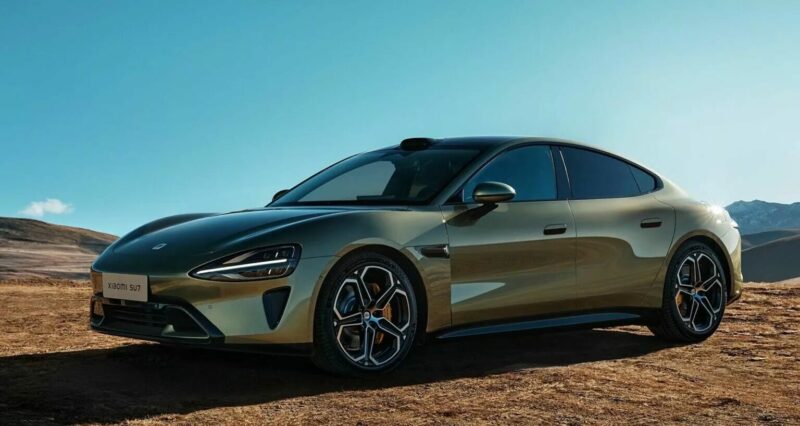
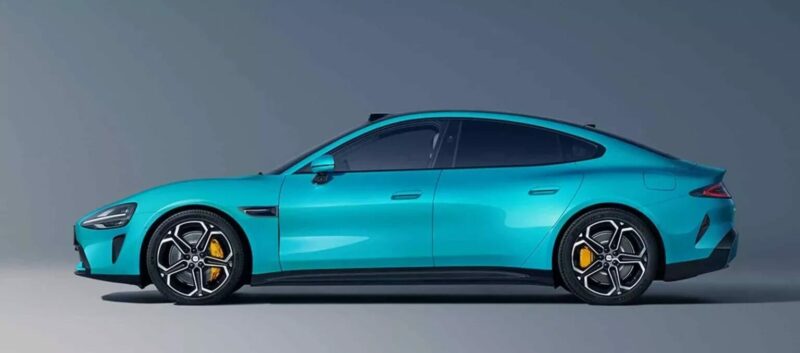
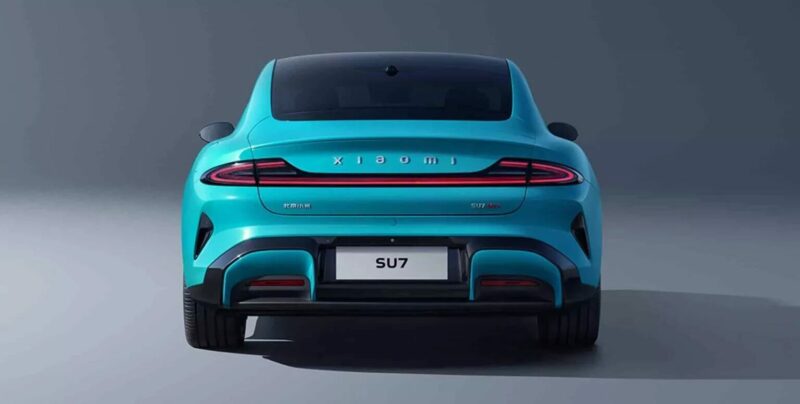
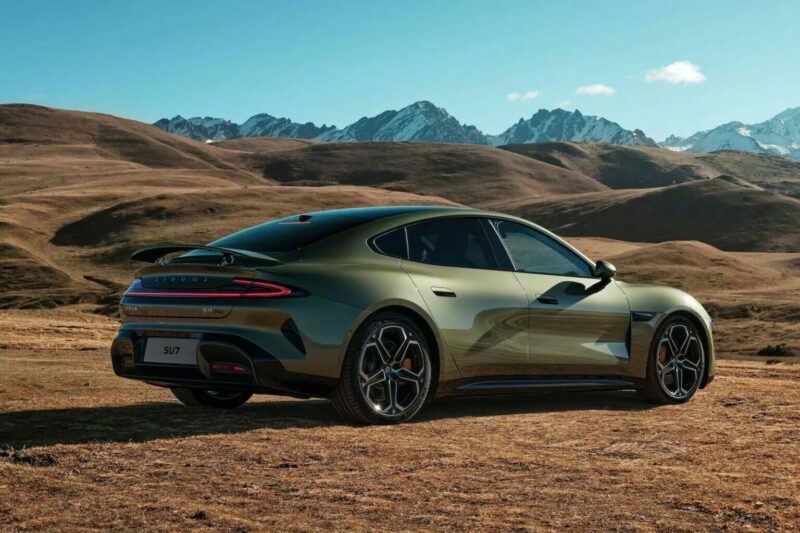
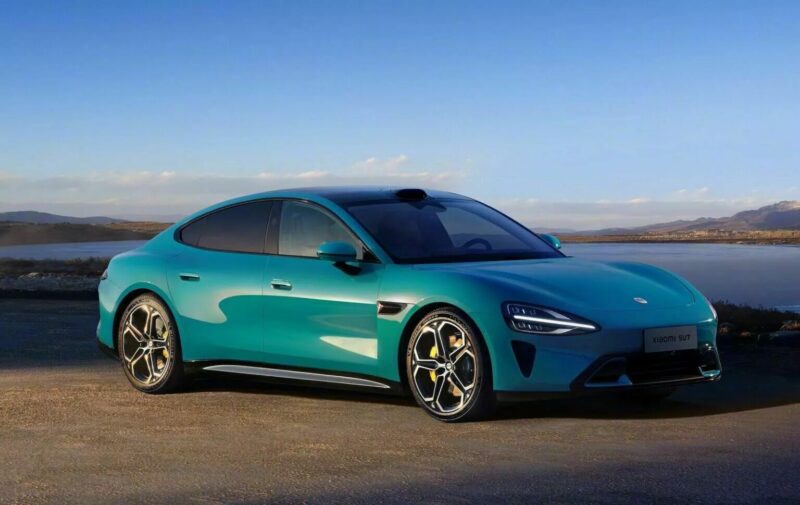
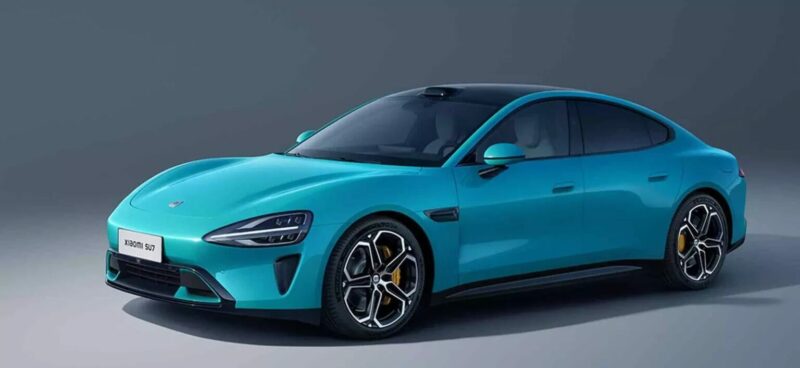
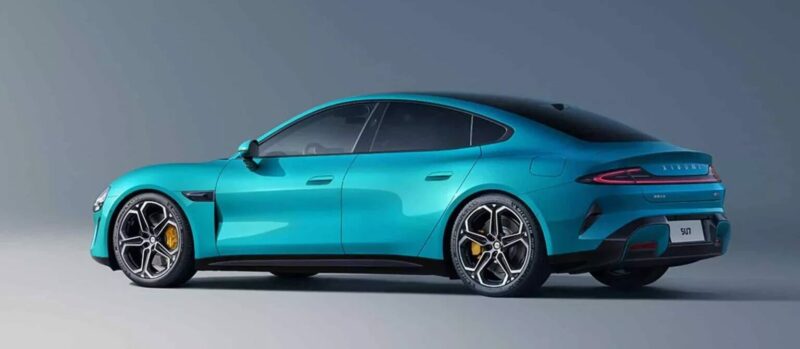
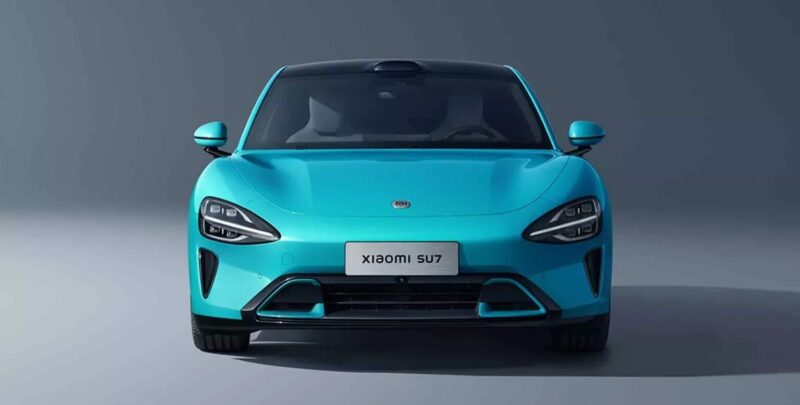
One of them is Xiaomi, which has just introduced its first EV called the SU7. It is dubbed as a “full-size high-performance eco-technology sedan.”
Speaking of size, the SU7 measures in at 4,997 mm in length, 1,963 mm in width, 1,440 mm in height, and has a wheelbase of 3,000 mm. This makes it slightly larger than its two closest competitors, the Porsche Taycan and Tesla Model S.
The SU7 is built on Xiaomi’s Modena platform, offering a 400-volt and 800-volt architecture, with three options for electric motors, confusingly called the HyperEngine V6, V6s, and V8s.
For the exterior design of the SU7, Xiaomi has hired the services of former BMW design chief Chris Bangle as the design consultant. Thanks to his magic touch, the EV has a drag coefficient of just 0.195, making it one of the most aerodynamic cars on the market.
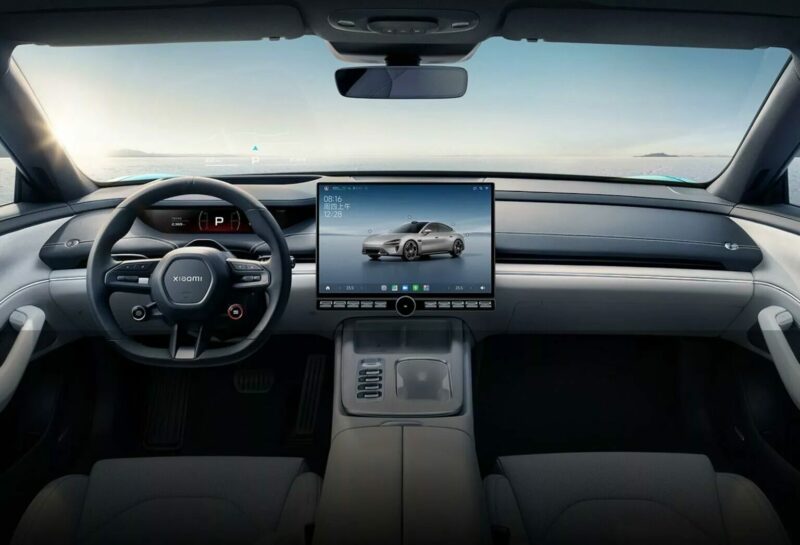
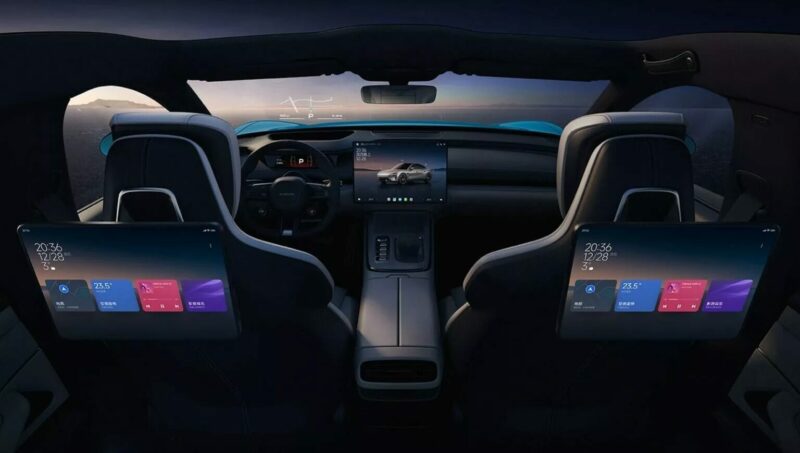
As for the interior, the Chinese smartphone giant has utilised its technological expertise to equip the SU7 with the latest gizmos from its armoury.
This includes a 16.1-inch touchscreen and a smart autonomous driving system comprising of one LiDAR, 11 HD cameras, three radars and 12 ultrasonic radars.
The SU7 will be offered in two variants: base and Max. The base variant is powered by the HyperEngine V6, which delivers 299 PS and 400 Nm.
This allows it to accelerate from 0 to 100 km/h in 5.28 seconds and achieve a maximum speed of 210 km/h. This variant comes with a 73.6 kWh battery offering a driving range of up to 668 km.
Meanwhile, the SU7 Max features the HyperEngine V8s with a pair of electric motors generating 673 PS and 838 Nm. It only takes 2.78 seconds to reach 100 km/h and can accelerate to 265 km/h.
With a 101 kWh battery, it can be driven up to 800 km on a full charge. Since this variant utilizes an 800-volt architecture, it can regain a range of 220 km in just five minutes or 390 km in 10 minutes.
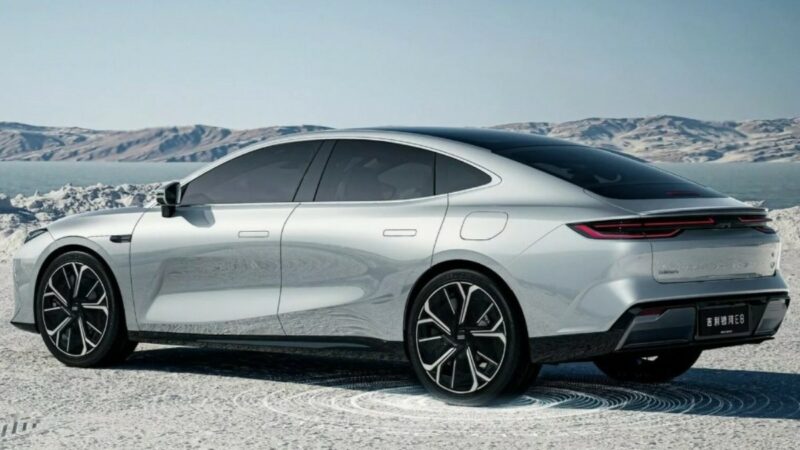
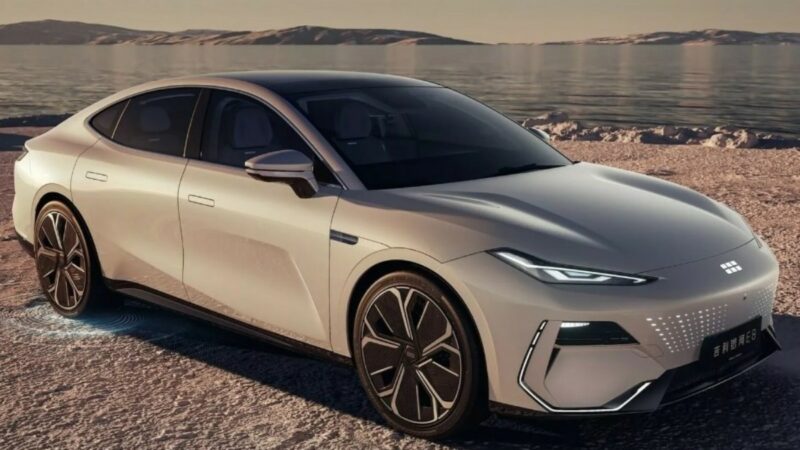
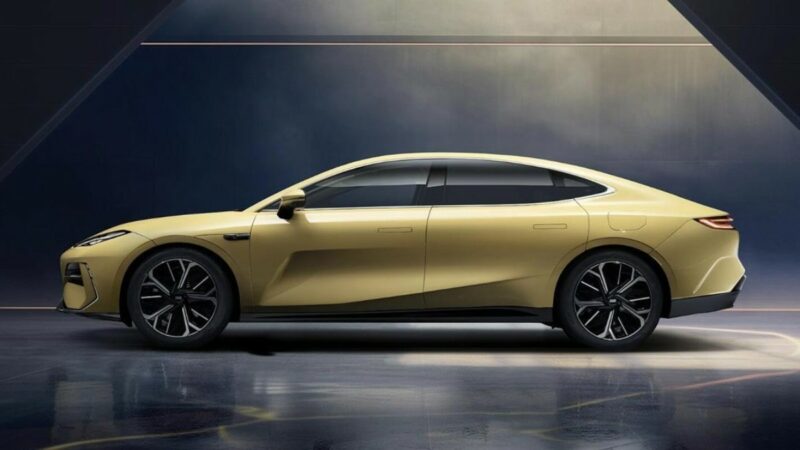
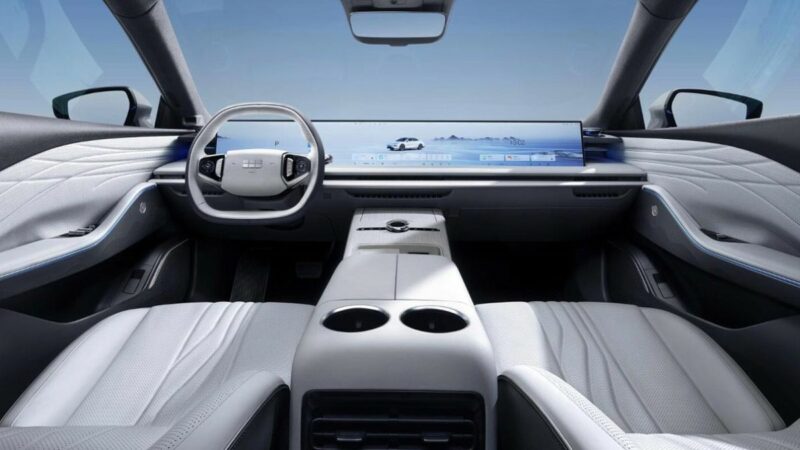
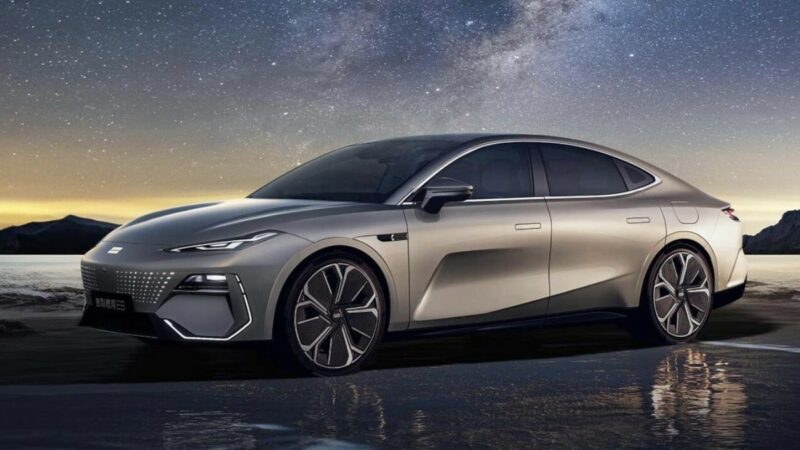
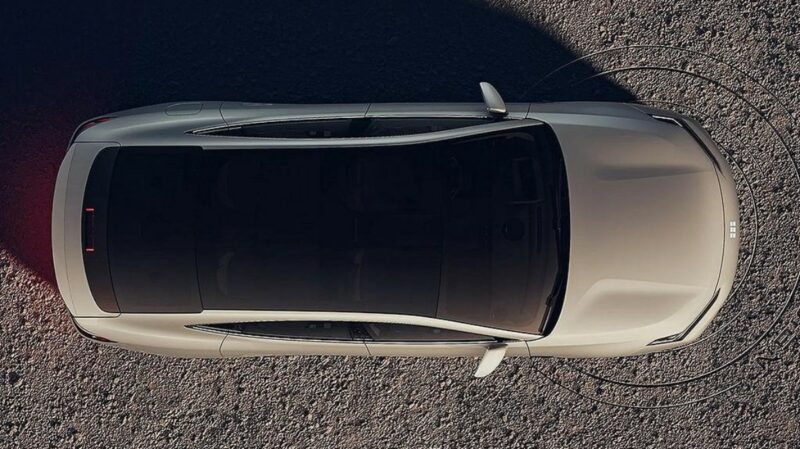
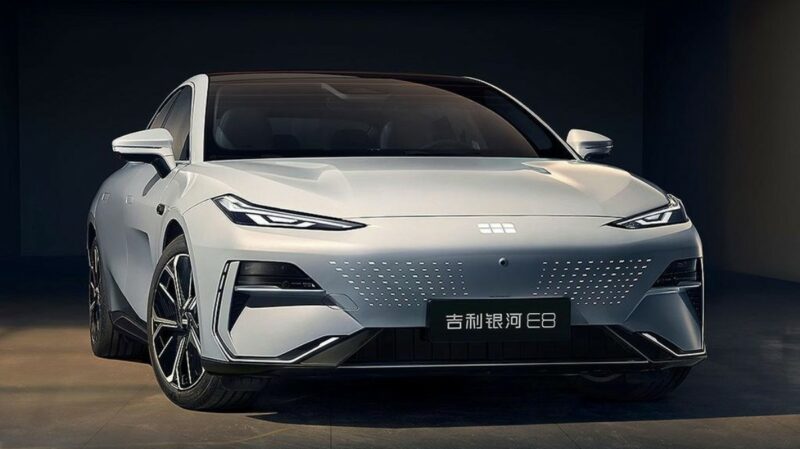
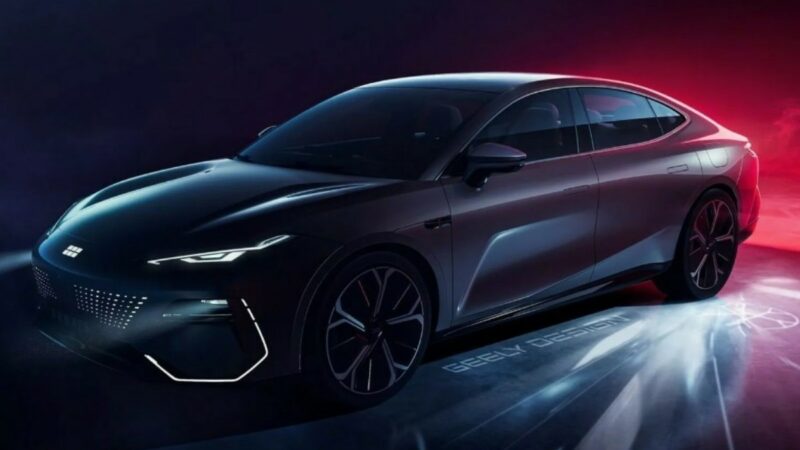
Geely has just launched the Galax E8 in China, which is the third model in the Galaxy series. This sedan EV is built on Geely’s Sustainable Experience Architecture (SEA) platform with a sleek and sporty body design.
The design is not just for aesthetics, as the Galaxy E8 reportedly has a drag coefficient of only 0.199, lower than the Mercedes EQS (0.202) and Nio ET7 (0.208).
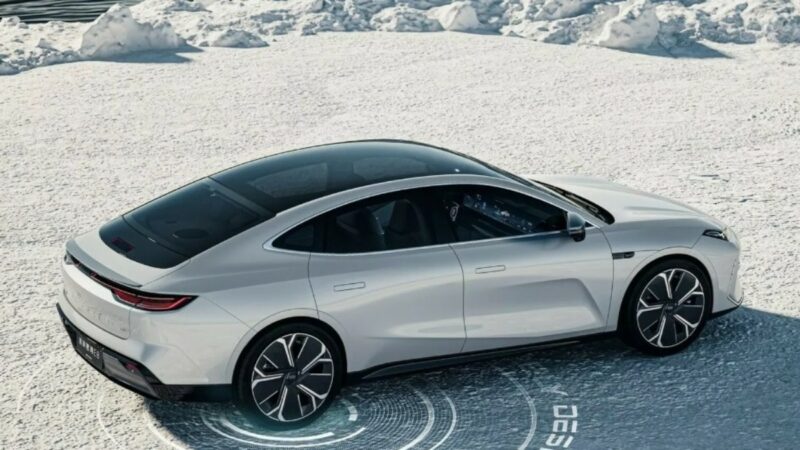
As usual, there’s no front grille, but the Geely Galaxy E8 features sharp headlamps and DRL. The side profile is free of any protruding objects that would disrupt airflow, and the door handles are retractable.
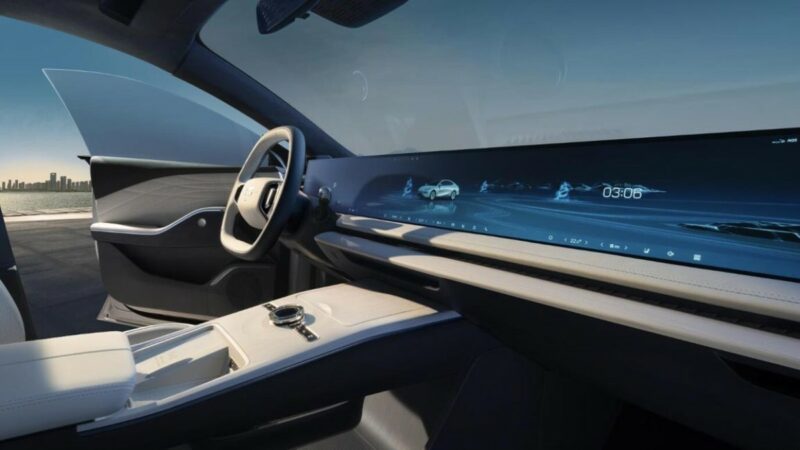
The interior of the cabin is striking, with a large 45-inch 8K resolution screen that stretches across the dashboard. Chinese companies seem to favor these large screens.
The Galaxy E8 also comes with a flat-bottomed and flat-top steering wheel, meaning it’s not circular. The central console is compact with six buttons, a rotary knob, a wireless charger pad, and storage space. Other features include ambient lighting and a panoramic sunroof.
For the mechanical aspect, the Geely Galaxy E8 is available in several configurations. The first is a 400-volt version with a 62kWh lithium phosphate (LFP) battery, a 272hp rear axle motor, and a driving range of 550km.
Another version has a 272hp motor but is equipped with a larger 76kWh battery pack, extending the driving range to 665km.
The highest variant has an 800-volt battery, a 224hp front motor, a 421hp rear motor, and a 76kWh battery pack. This variant can be driven up to 665km on a single charge.
Malaysia’s Leading Automotive News | ENGEAR ENGLISH