TOYOTA will introduce a simulated (virtual) manual gearbox for its electric vehicles (EVs). However, it appears it will be quite fun, as it will not be limited to just six or seven speeds.
In a patent application published a few days ago, it shows that there is no limit to how many gears the transmission can have. Images published with the technical document show it could have up to 14 gears. But how does it work? Toyota has also provided an explanation.
The patent reveals many details about this system. In simple terms, drivers will be able to select how many gear ratios they want.
“The number of virtual gear stages may be six or more, or less than six,” the document states. “Drivers will be able to select the desired form according to their preferences.”
However, Toyota does not explain any electro-mechanical system that will make up the physical gear setup. Instead, there will be a fixed number of gears, possibly six, but Toyota uses four as an example. Gears are selected as with a regular manual, although the gear button will return to its original position after use.
When the driver shifts gears, the virtual pathway shape changes to the next ratio. So if there is a pattern of six gears and the sixth gear is selected, a display will change the ratio to allow the driver to shift to gear seven and beyond, or down to gear five in the same set.
Confusing? In fact, this arrangement is similar to the manual gear setup of a truck trailer, so off-road enthusiasts will likely understand easily.
In any case, there must be a reason why car makers do not offer manual gears with too many gear ratios. A 14-speed gearbox is not practical with an internal combustion engine.
But for EVs, it’s a different story. Toyota believes there’s no harm in offering more options to buyers.
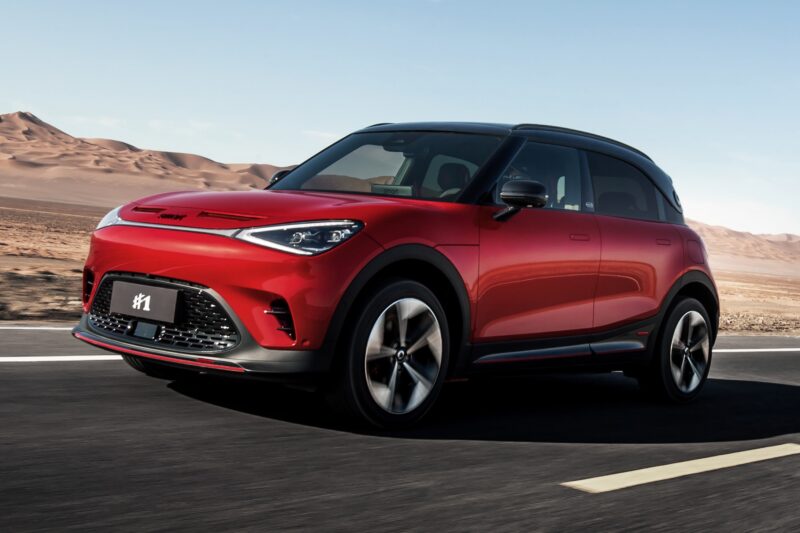
THE first electric vehicle (EV) introduced by smart Malaysia, the smart #1, has received 1,000 bookings within about two weeks of its launch.
“The success of smart #1 reflects not only the excellence of our product but also our dedication to providing a seamless and enjoyable ownership experience.
The comprehensive warranty coverage, complimentary packages, and the smartCharge Home Charger offer are a testament to our commitment to customer satisfaction,” said Zhang Qiang, Chief Executive Officer of smart Malaysia.
Zhang added that delivery is also a pivotal aspect, and his team is diligently working to ensure timely delivery of cars to customers.
For the Malaysian market, the smart #1 is offered in three variants, namely Pro, Premium, and Brabus, with prices ranging from RM189,000 to RM249,000.
The car comes with an eight-year/200,000 km high-voltage battery warranty, an eight-year/150,000 km high-voltage component warranty, a four-year unlimited mileage vehicle warranty, and a two-year unlimited mileage spare parts warranty. Customers also benefit from 24/7 roadside service assistance.
Other perks include a complimentary accessories package worth RM2,000, a five-year Internet data plan of a total of 60GB, and a limited-time offer of a complimentary smartCharge Home Charger valued at RM3,200. This special offer is valid until 31 December 2023.
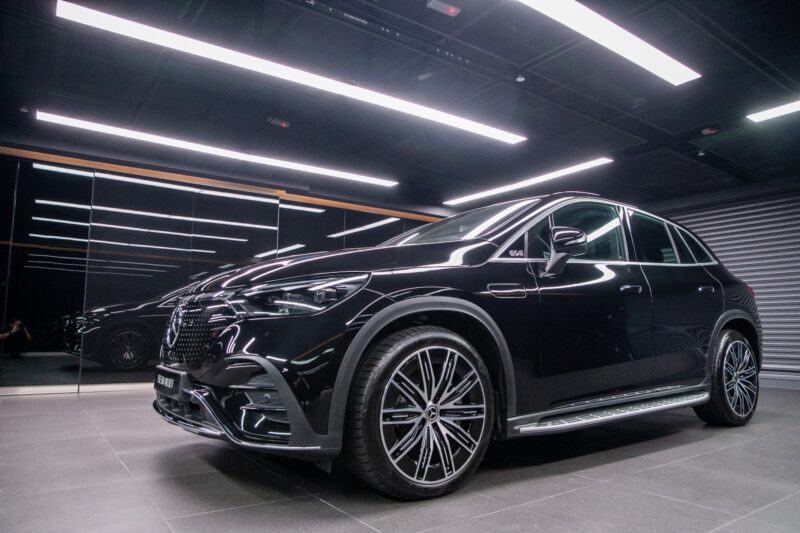
FOLLOWING the EQS SUV, Mercedes-Benz Malaysia has now further expanded its electric vehicle range with the launch of EQS’ smaller sibiling, the all-new EQE SUV.
It is offered in a single variant, the EQE 500 4Matic SUV, with a starting price of RM458,888 (on-the-road without insurance, with 10% sales tax).
Exterior-wise, standard equipment includes the AMG Line package, 21-inch aerodynamically-optimised light alloy wheels, Digital Light headlamps with Adaptive High Beam Assist Plus, aluminum-look running boards, and the signature three-pointed Mercedes star pattern on the grille.
Being the smaller sibling, the EQE SUV has a smaller footprint, measuring 4,863 mm in length, 1,940 mm in width, 1,685 mm in height, with a wheelbase of 3,030 mm.
Inside, the futuristic Hyperscreen found in the EQS and EQS SUV makes way for a more conventional OLED central display and digital driver display setup, along with a head-up display, Apple CarPlay and Android Auto connectivity, wireless charging, and a Burmester 3D surround sound system.
Other features include the AMG Line package, ambient lighting, sports seats, AMG floor mats, Nappa leather wrapping on the steering wheel, black/gray leather upholstery, magnolia wood trim, aluminum inlays, Keyless-Go Comfort package, Thermotronic climate control, among others.
Powering the EQE 500 is a pair of electric motors generating a total output of 408 PS and 858 Nm of torque. This enables it to accelerate from 0 to 100 km/h in 4.9 seconds and reach a top speed of 210 km/h.
With a 90.6 kWh battery, it offers a driving range of 552 km on a full charge (based on WLTP cycle). The battery supports 22 kW AC charging, which takes four hours and 45 minutes for a 0-100% charge.
Alternatively, it can also take DC fast charging with capacities up to 170 kW, enabling a 10-80% charge in 32 just minutes.
The EQE 500 SUV comes equipped with Airmatic air suspension with adaptive ADS+ dampers that can be varied fully automatically at each individual wheel in both the compression and rebound stages.
To increase ground clearance, the vehicle level can be raised by up to 30 mm, which is possible up to a speed
of 80 km/h. It also features rear-axle steering to reduce the turning radius from 12.3 meters to 10.5 meters.
Safety and system package comprises the Driving Assistance Package Plus, Active Distance Assist Distronic, Active Lane Keeping Assist, Active Steering Assist, Pre-Safe, Active Parking Assist with Parktronic, a 360-degree camera, and transparent bonnet.
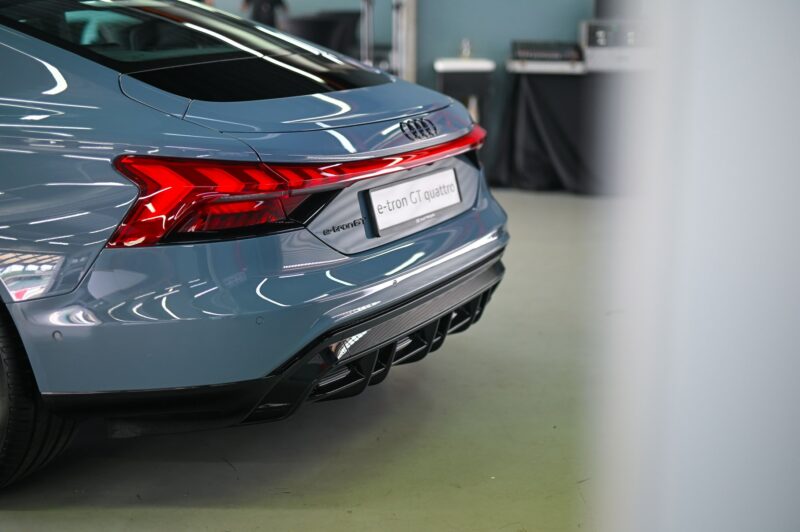
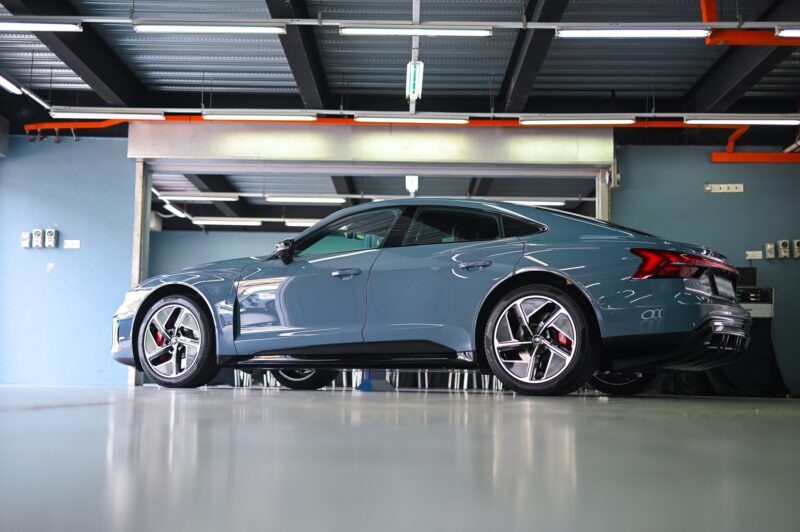
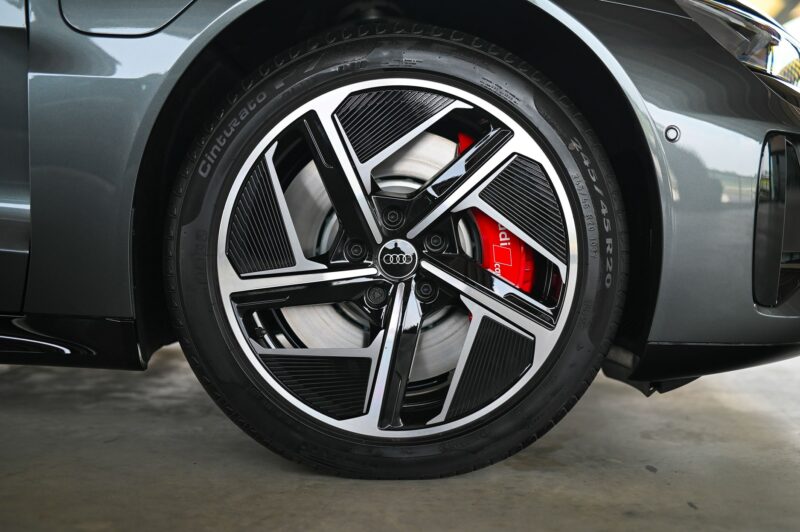
IF you were a wealthy individual looking to own an electric vehicle (EV), you’ll be delighted to see the wide range of options you have. Naturally, at a higher price range, most of the choices are tempting to say the last but dare I say that none stand out like the Audi e-tron GT.
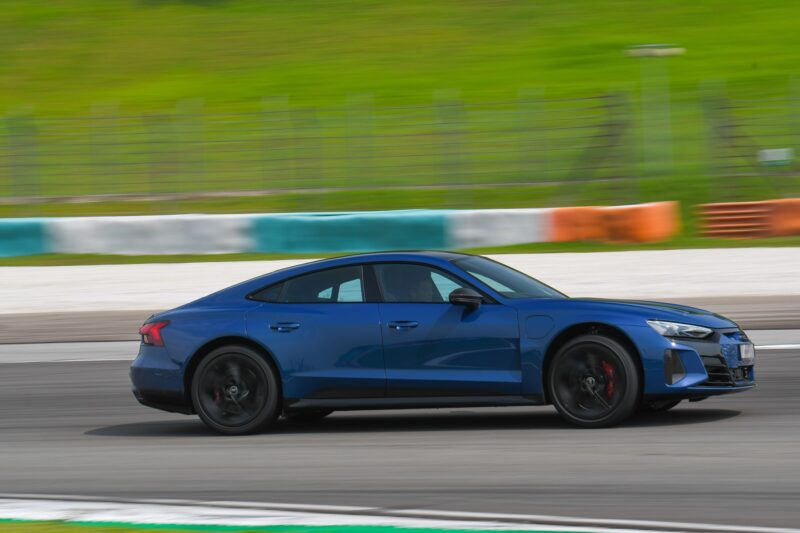
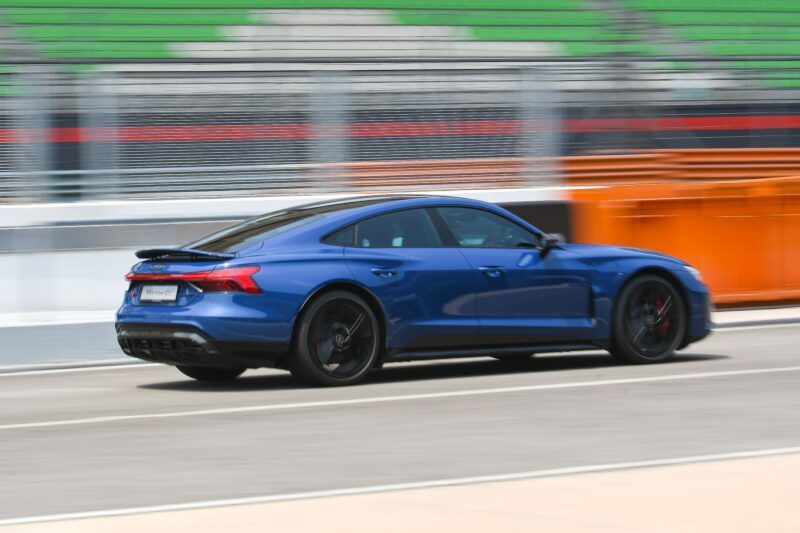
At first glance, you know that the e-tron GT is an EV designed specifically for elegant and well-to-do individuals like yourself.
People around you will be saying you should’ve bought the Porsche Taycan because it’s a Porsche and it’s much faster. True, on paper, its Zuffenhausen twin is faster, but it won’t make you feel like Tony Stark with its space-age design.
Great looks aside, as a four-door sedan with a driving range of 458 km on a full charge, the e-tron GT can serve as a daily, whether you are single or happily married with kids.
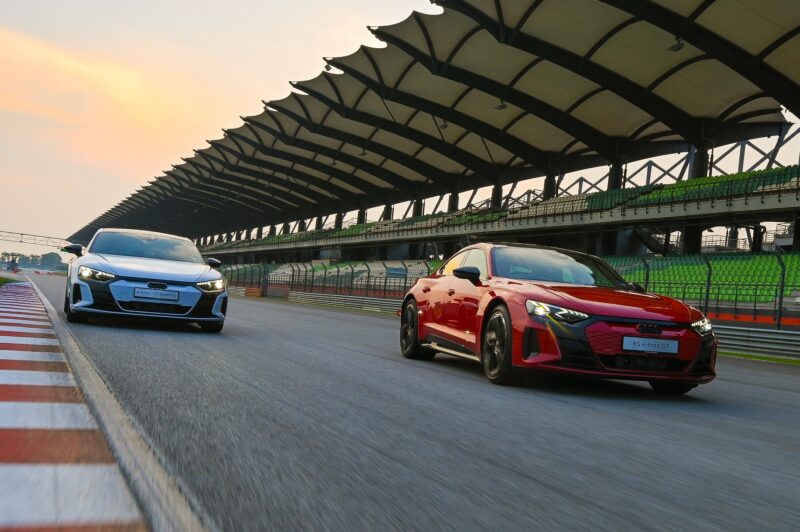
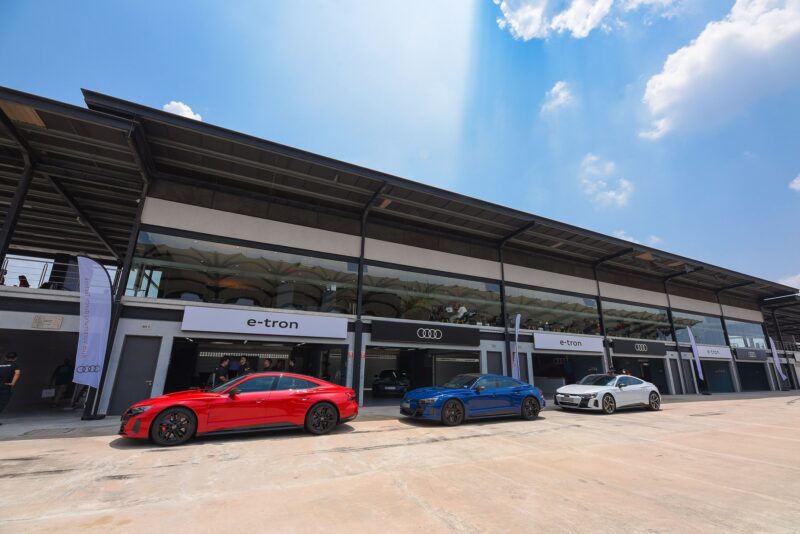
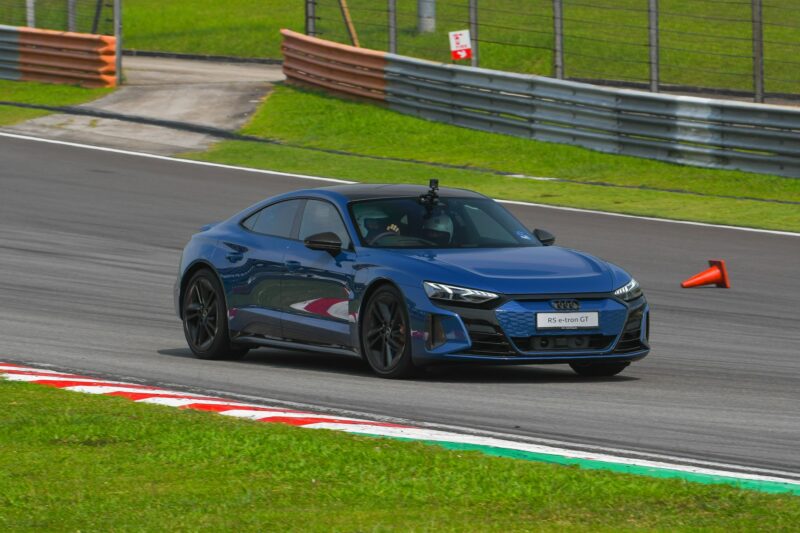
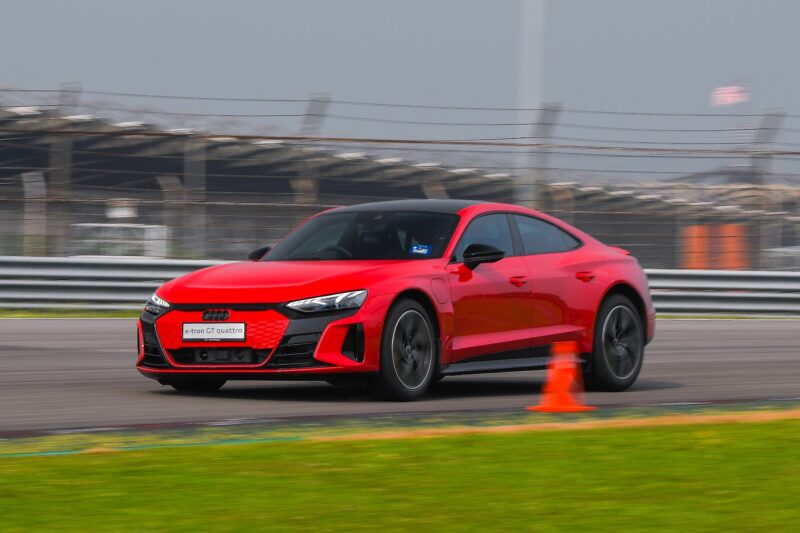
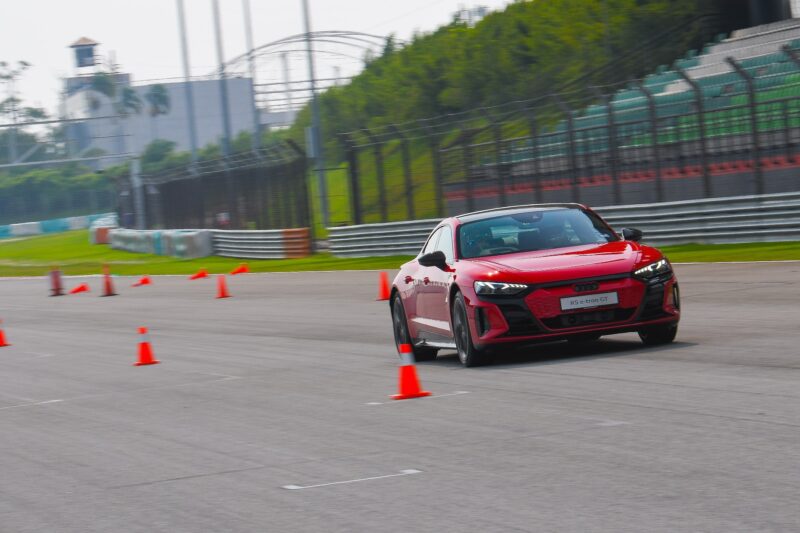
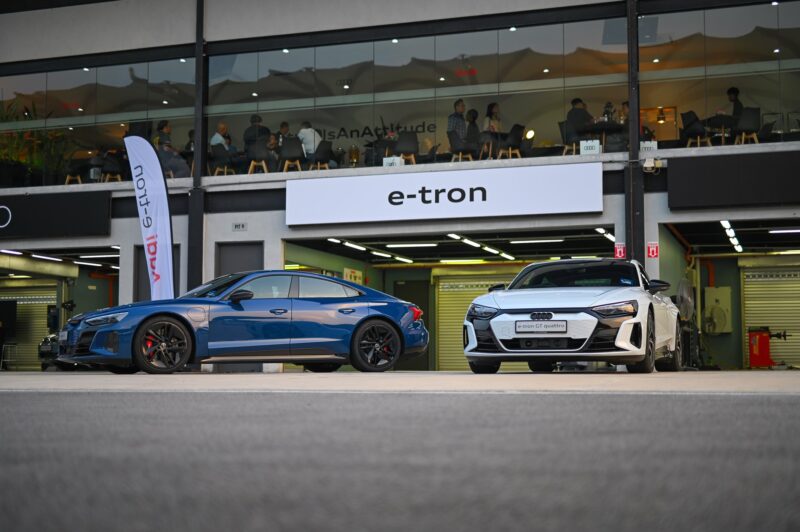
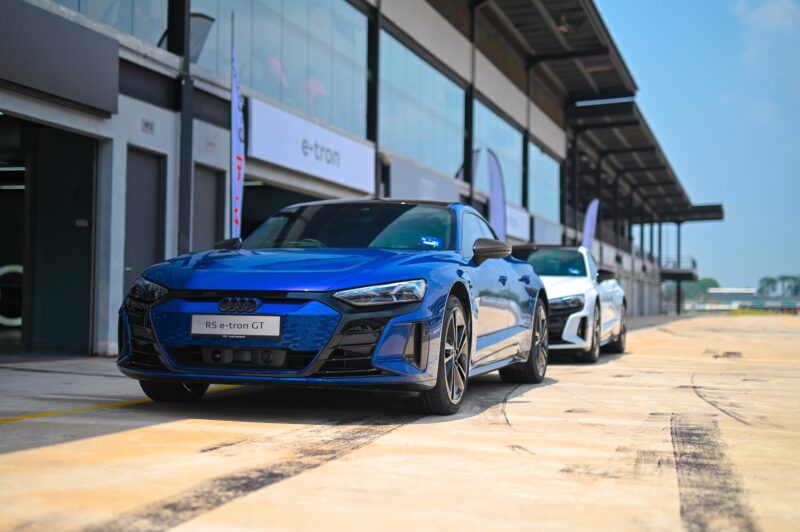
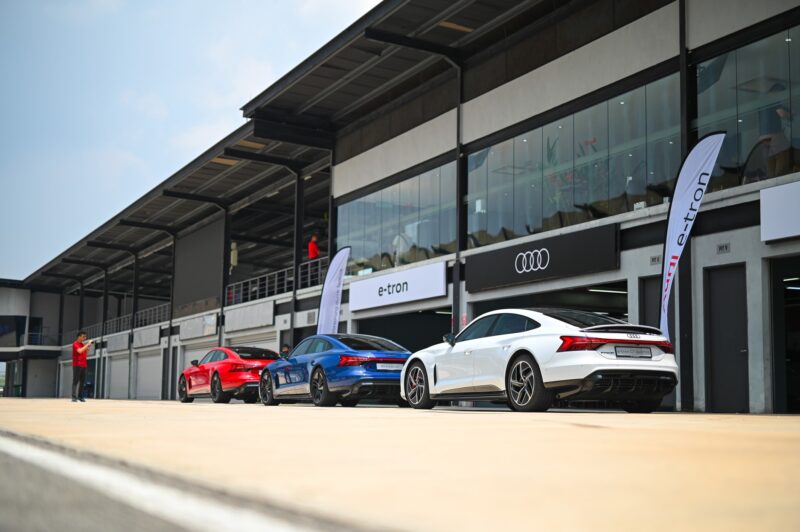
However, you should also know that this car is always ready to perform on the track. Recently, this writer was invited by Audi Malaysia to experience the e-tron GT quattro and RS e-tron GT’s on-track capabilities at the Sepang International Circuit.
The Audi Driving Experience event was limited to the souther section of the circuit (South Paddock). The driving activities were divided into two parts: a drive around the circuit and an acceleration test on the straight after Turn 14.
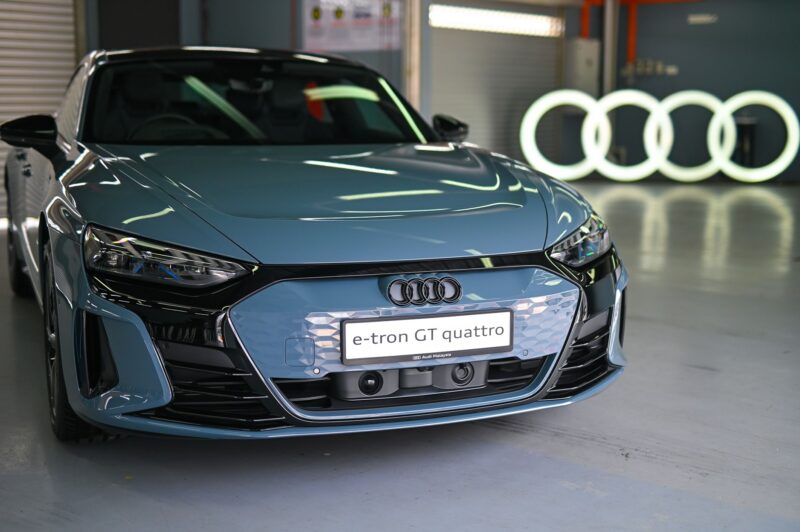
For the first round, I was given the opportunity to get behind the wheel of an e-tron GT quattro, the entry-level variant equipped with two electric motors producing a total output of 476 PS and 630 Nm.
As soon as it left the pit, a firm step on the throttle pedal brought the car to life and from that point, it accelerated like a true track weapon. My head was pushed back slightly against the headrest, indicating the e-tron’s strong pulling power.
The brochure says this model only takes 4.5 seconds to reach 100 km/h from a standstill but it definitely felt much faster than that. Not that it matters to most buyers but it’s certainly good to know that your EV is capable of doing earth-shattering accelerations.
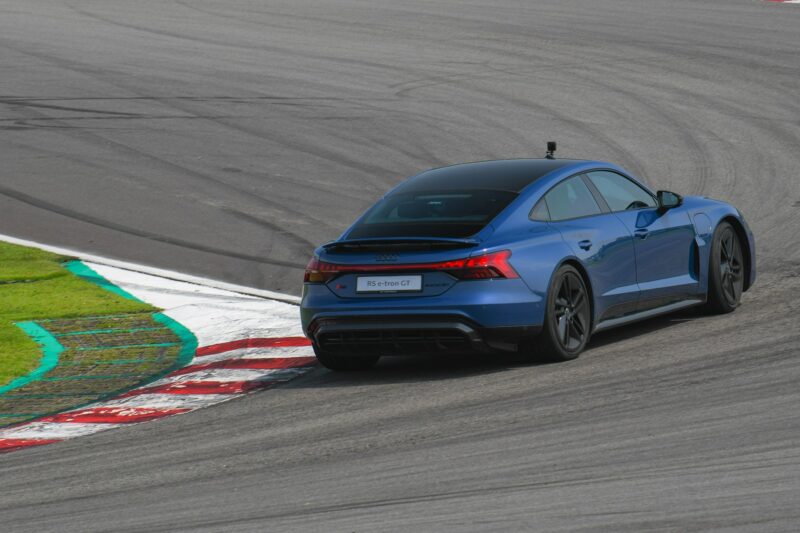
One of the advantages of driving an EV is that torque is always readily available. In a high-speed circuit like Sepang, this comes in very handy as it allows you to exit corners quickly. And what’s amazing is that this can be done repeatedly.
In addition, Audi’s proprietary quattro all-wheel drive system plays a crucial role in providing high levels of grip on the tarmac, especially when facing chicanes at Turn 12 and Turn 13.
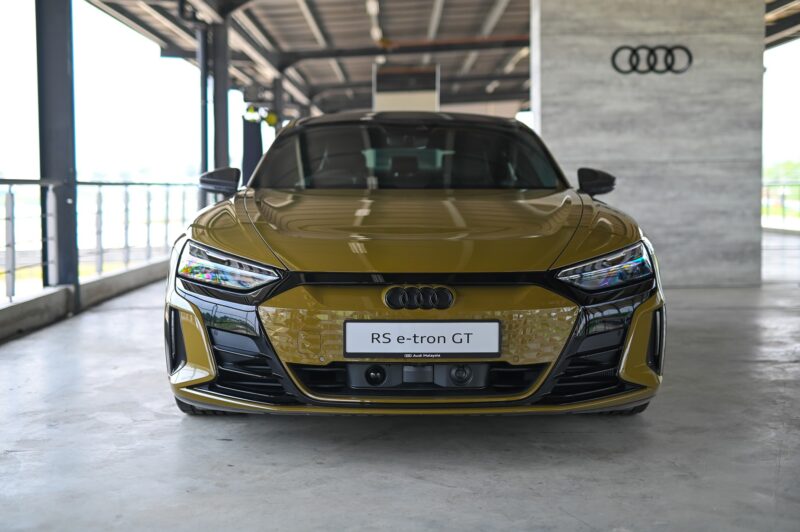
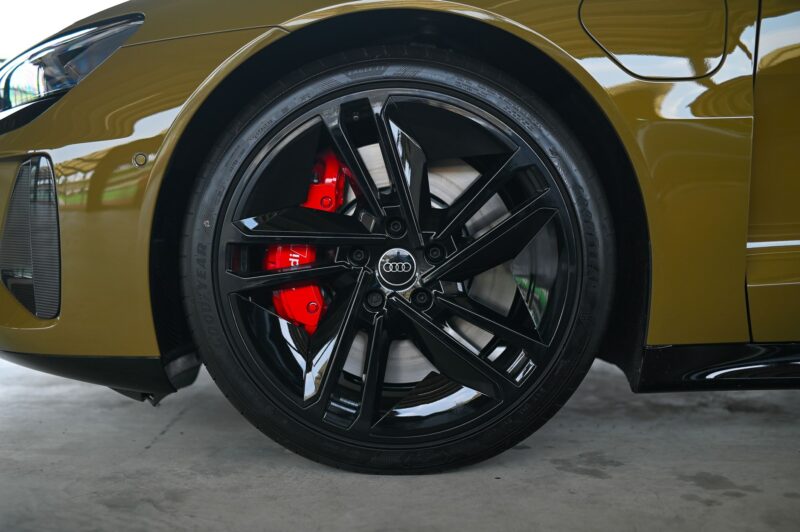
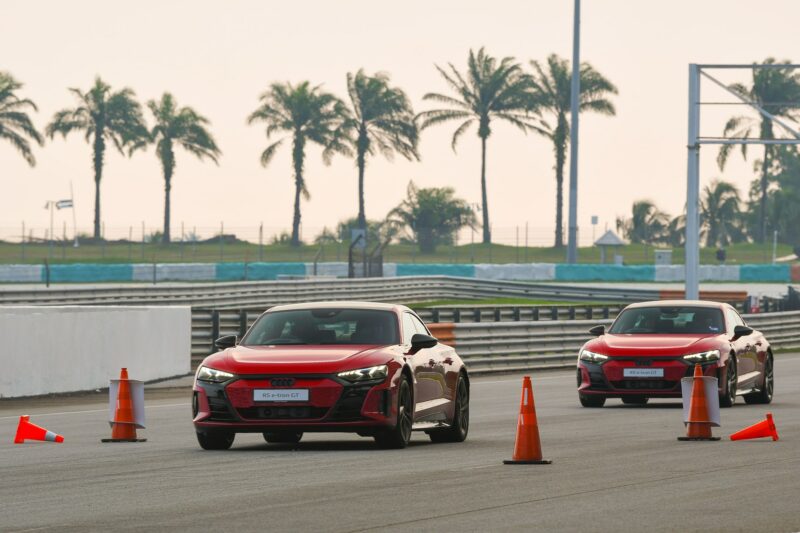
Next, the writer had the opportunity to try the RS e-tron GT, which is essentially a more powerful variant of the e-tron that also comes with higher equipment levels.
Like the base version, it also has an electric motor on each axle, but the power output is higher at 598 PS and 830 Nm. The difference in power can be felt clearly, and for tis writer, this variant feels more ‘wild’ when unleashed on the circuit.
However, it comes with several additional features that make it more formidable dynamically compared to the base version.
First up is the air suspension system. With adaptive dampers at the front and rear axles, the system is capable of lowering the car by 10 mm at 90 km/h and another 12 mm when the car is traveling at speeds of 180 km/h and above.
Not only that, the RS e-tron GT is also equipped with a rear-wheel steering system. At around 50 km/h, this system will turn the rear wheels in the opposite direction of the front wheels to provide a smaller turning radius.
At 80 km/h, the rear wheels will turn in the same direction as the front wheels, which in turn makes the car more stable, especially when taking corners at high speeds.
Another advantage of the RS version is the differential lock on the rear axle. In the context of circuit driving, this component uses torque vectoring to make the car more agile when entering sharp corners in addition to increasing the grip when exiting.
For the acceleration test session, the writer only did it with the RS e-tron GT. Here, the overboost function plays a significant role as it increases power to 646 PS for a temporary period to allow the car to come off the line as quickly as possible.
On paper, the RS model accelerates from 0 to 100 km/h in a mere 3.3 seconds, but the writer managed to do it in 3.2 seconds, based on the acceleration gauge displayed on the instrument panel.
In fact, some media members were able to achieve this acceleration in just 3.1 seconds, showing that in certain conditions, the RS e-tron GT is actually faster than what’s claimed.
Conclusion
Nobody buys an EV for track driving but if you happen to purchase an Audi e-tron GT or RS e-tron GT, keep in mind that you have a versatile, track-capable EV at your disposal.
You might be wondering if driving range pose a hindrance for spirited driving on the track. For an EV that can be driven for over 400 km on a single charge, I think it’s safe to say that a track day session at a racetrack is definitely doable. Taking into account the length of the Sepang circuit, which is 5.543 km, you can actually drive the e-tron GT for dozens of laps before the battery charge comes down to an alarming level.
Audi e-tron GT quattro Specifications
Price: RM588,790
Power: 476 PS (530 PS with overboost)
Torque: 630 Nm (64o Nm with overboost)
Battery: 93.4 kWh
BMW is one of the manufacturers in Malaysia that offers a wide range of electric vehicle (EV) models, including the i4, i7, iX1, iX3, and iX. This time, Engear was given the opportunity by BMW Malaysia to spend the weekend with the iX3.
There is a secret, although the iX3 is a relatively new, futuristic, and state-of-the-art EV model, it possesses the characteristics of a traditional BMW. Why? Because it is a true rear-wheel-drive vehicle.
Yes, the BMW M3 now has all-wheel drive with the xDrive system, but the iX3, an EV SUV, is rear-wheel drive. Truly, it’s a strange world we live in now.
RWD Configuration
The BMW iX3 has a rear-wheel-drive configuration because it is powered by a single electric motor installed on the rear axle, with an output of 282hp and 400Nm of torque. This motor draws power from a 73.8kWh battery that gives the iX3 a driving range of up to 453km.
We insist on talking about RWD; why is it so important? Perhaps most drivers don’t care. It’s an interesting fact because when the front tires don’t need to deliver power and only bear the responsibility of steering, it results in a very precise and direct steering feel.
So, does this mean the car is fast? Not necessarily. It just means that the iX3 has the “feel” or sensation of a true sports car; 100% power at the rear tires, 100% steering by the front tires. When was the last time you drove a car like this?
But to say this BMW iX3 is slow, not quite. The performance is still solid. Despite weighing 2,200kg, it’s still capable of accelerating to 100km/h in 6.8 seconds, faster than most cars. The maximum speed is capped at “only” 180km/h, as is common with EVs.
However, it’s true that throughout the writer’s experience driving the BMW iX3, handling in corners was quite balanced and satisfying. Its weight is centered, the steering provides plenty of feedback, and the 400Nm of torque is accessible most of the time.
Driving at night is accompanied by BMW Laser Light, which not only looks sophisticated but also provides strong visibility for the driver. Indirectly, this also adds to the safety aspect.
Luxurious and practical for everyday use
The BMW iX3 we drove is an M Sport Impressive variant, so it gets a sporty body kit despite the presence of blue EV elements.
The blue elements can be seen on the closed grille, air intakes on the front bumper, and rear diffuser. However, the sporty elements dominate the exterior design of this iX3 M Sport, such as the 20-inch rims, aggressive side bumpers, and prominent rear diffuser design, in addition to the roof spoiler.
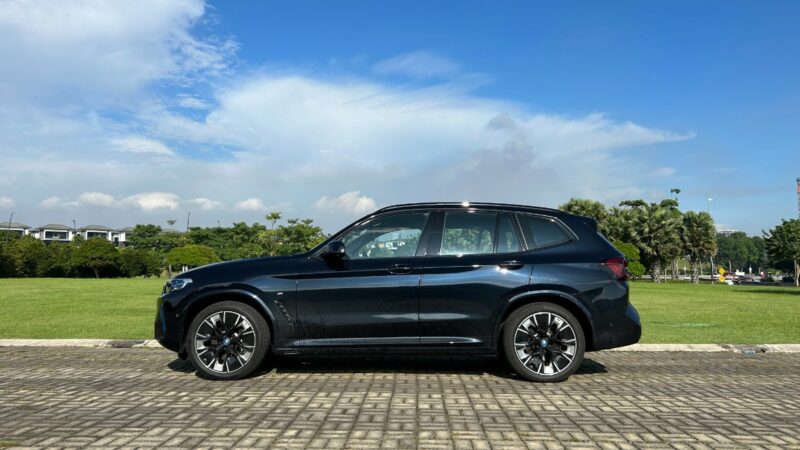
The side profile of the BMW iX3 is still classic SUV, and resembles the X3, signaling its familial aspect with other models. It should also be noted that the lower floor of this iX3 is nearly flat like a sports car, and it works in conjunction with the rear diffuser.
Only the overall cabin area feels ordinary and not too special. Its dashboard displays a design that we are already familiar with, not bad, just perhaps a bit dated.
However, if you diligently delve into its central screen, there is a lot of exclusive content for the electric model. This includes power distribution menus, regenerative mode, and charging planning.
The writer quite likes the 464-watt Harman Kardon audio system in this iX3, which can make you enjoy driving this car because it can play your favorite songs with a very pleasant sound. Even if your spouse asks you to buy a packet of sugar, you will be eager to drive the BMW iX3 even for short distances.
Space is not an issue for the iX3, it is quite spacious with sufficient leg and headroom for five adults.
Travel data
Well, now we shouldn’t forget the fact that the BMW iX3 is an EV, so how about its performance and daily practicality? Is 453km sufficient? In all honesty, when we got the car, its battery was at 95 percent with only 313km of driving range. Oh dear! How did that happen?
It should be noted that the EV car’s range reading is calculated based on the previous driving behavior. Perhaps the previous driver of the iX3 didn’t hold back, enjoying the 400Nm torque it offers.
From the writer’s experience, despite the displayed range being 313km, the writer managed to drive over 350km with 25km of range left when returning the iX3. How so? The writer did a lot of city driving at speeds below 120km/h, with frequent stop-and-go situations.
So, the car’s 2.2-ton weight gave momentum for the regenerative system to replenish energy back into the battery every time the writer slowed down. It can be said that in 90 percent of the writer’s driving situations, the brake pedal wasn’t pressed; simply lifting the foot off the accelerator pedal, and the iX3 used regen to stop, rather than the disc brakes.
Its regen system can also be adjusted at various levels, depending on the conditions and suitability. From the writer’s experience, you can use maximum regen in the city and for slow driving, while minimum regen for faster highway driving.
So, the writer didn’t run out of battery over several days of driving the iX3 around Kuala Lumpur, which is a good thing, isn’t it? But for your information, the iX3 will take seven and a half hours for a full charge if using AC. If using fast DC charging, it supports up to 150kW, meaning 80 percent of the battery can be reached in just 32 minutes.
Should I buy it?
The EV market in Malaysia has indeed been disrupted by the presence of Tesla, offering models with a driving range of over 500km at prices below RM200,000.
So, how about the BMW iX3? The M Sport Inspiring variant starts at RM307,160, while the M Sport Impressive variant that we tested is priced at RM328,160.
In the writer’s opinion, true car enthusiasts don’t mind all that, especially BMW enthusiasts. The iX3 is suitable for BMW owners who want EV technology after having a 5-Series or X3 at home.
The iX3 will be a practical EV for urban use, while maintaining a sporty image and appeal to “petrolheads”. In fact, it doesn’t immediately look like an EV at first glance, if that’s what you prefer.
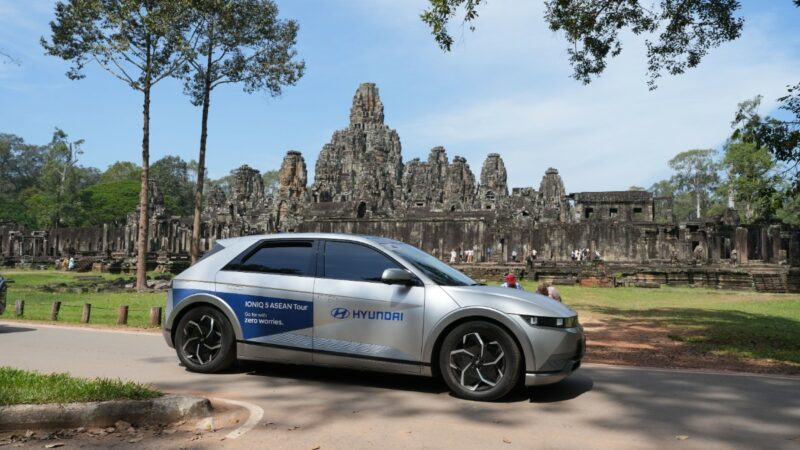
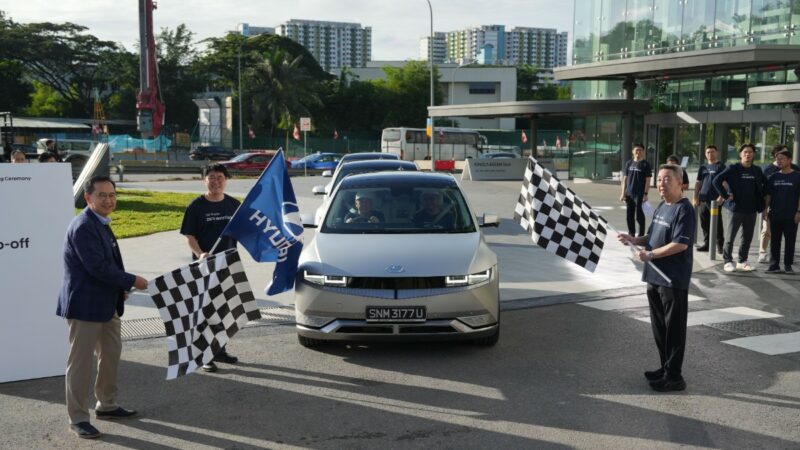
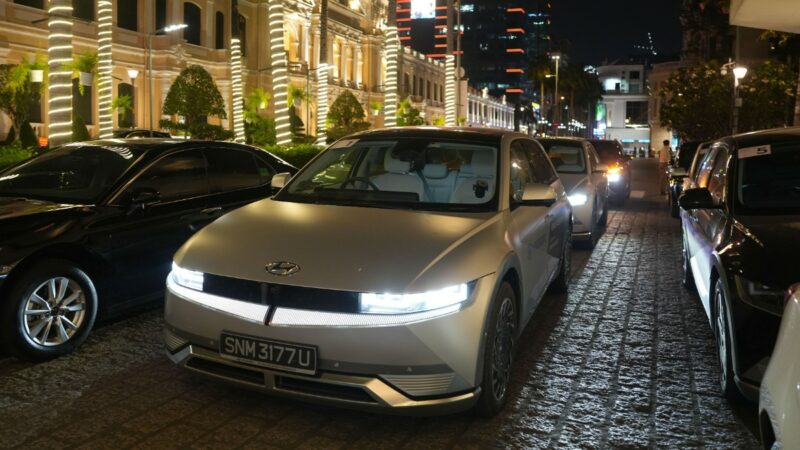
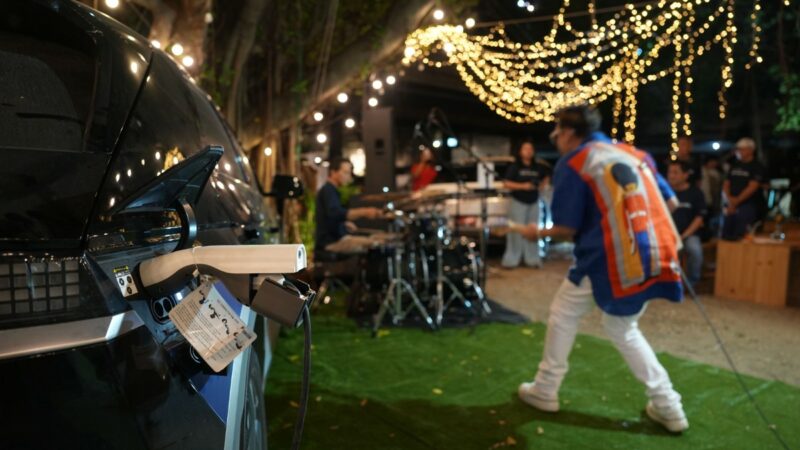
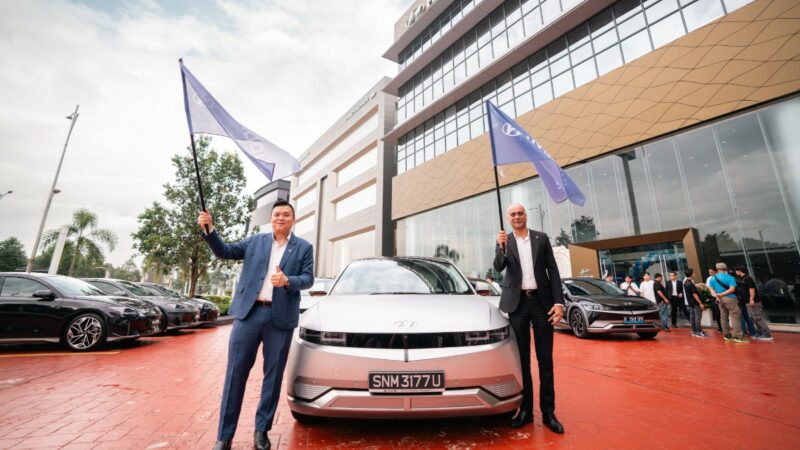
THE Hyundai Ioniq 5 convoy has commenced their ASEAN journey, making a stop at Hyundai Ara Damansara today before continuing their travels.
The journey commenced on November 20, 2023 from the Hyundai Motor Group Innovation Centre Singapore (HMGICS) before arriving in Malaysia.
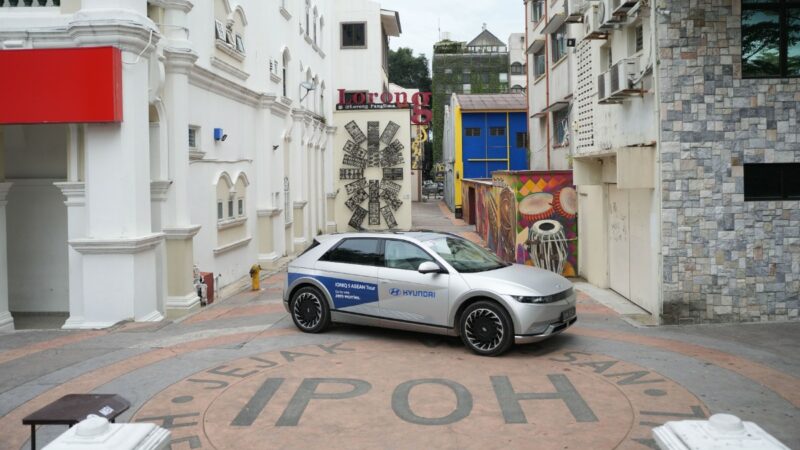
Following a flag-off session this morning, the convoy will proceed on a three-day journey through Kuala Lumpur, Ipoh, and Batu Ferringhi.
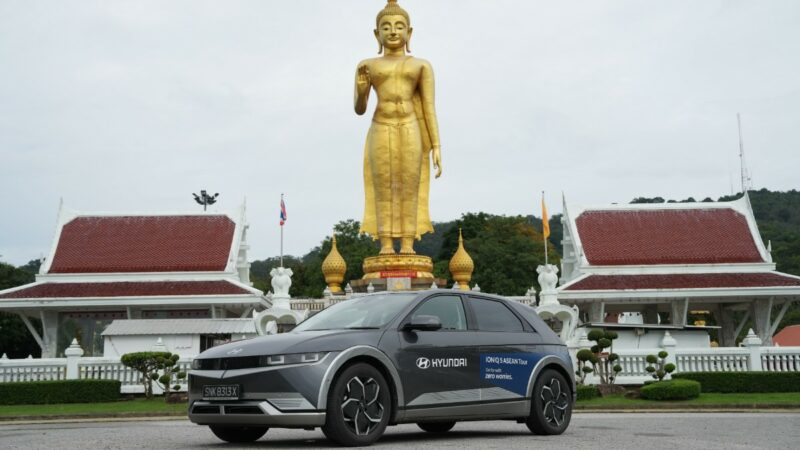
After Malaysia, they will enter Thailand for a four-day stretch, with stops in Hat Yai, Chumphon, Wat Phra Boromthat, Klai Kangwon Palace, and Bangkok.
From there, they will travel to Cambodia for three days, passing through Angkor Wat, Bayon Temple, and Banteay Srei, before journeying to Vietnam and concluding in Ho Chi Minh City on November 30.
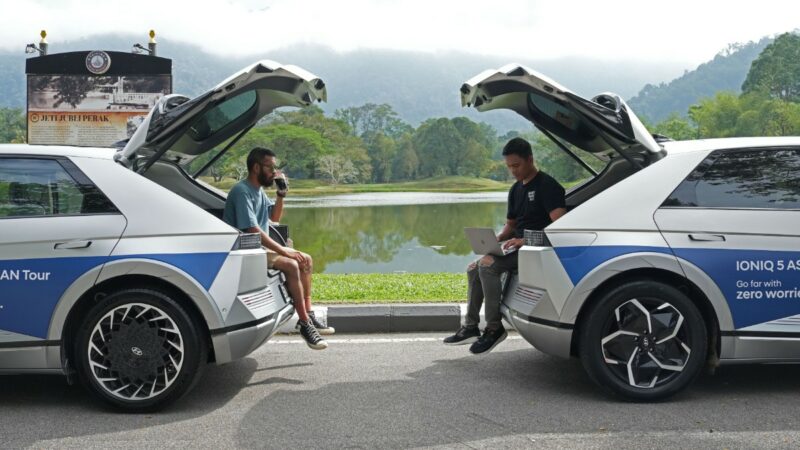
The three-car convoy from HMGICS is also accompanied by two units from Hyundai Motor Manufacturing Indonesia (HMMI).
These cars are driven by 24 participants representing Hyundai, club members, local influencers from ASEAN, and Key Opinion Leaders (KOL) from Indonesia and Thailand.
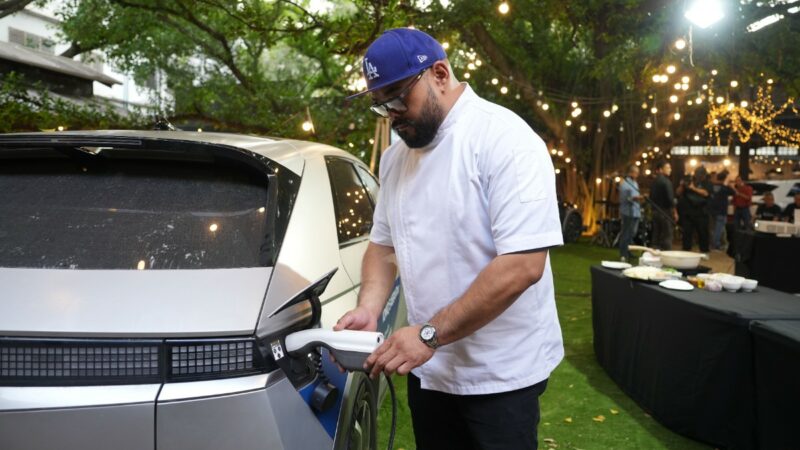
This 2,751km journey is an initiative of “Go Far with Zero Worries,” showcasing the long-distance capabilities of the Ioniq 5 in addition to its eco-friendly nature.
“Our aspiration for this expedition is to demonstrate the capabilities of the Ioniq 5, in efforts to alleviate user skepticism and concerns about EVs, especially in this region,” said Youngtack Lee, President of Hyundai Motor ASEAN.
“This journey not only makes history among many stakeholders but also demonstrates smooth cross-border relations and cooperation. The expedition serves as a catalyst for positive change and technological innovation,” Hyundai stated in a press release.
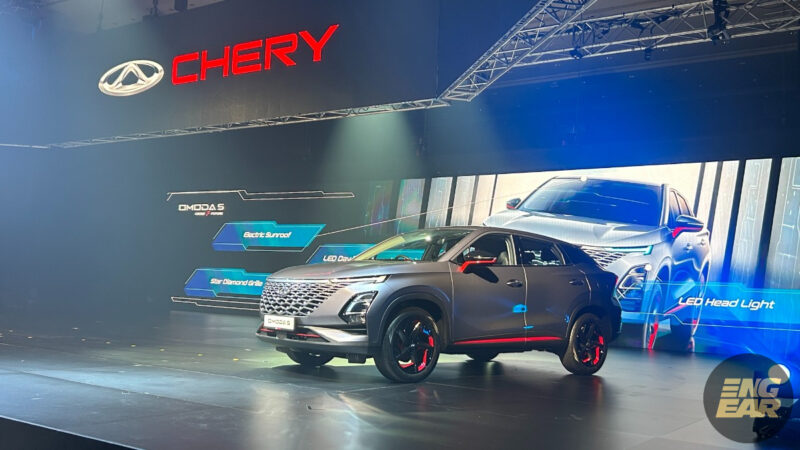
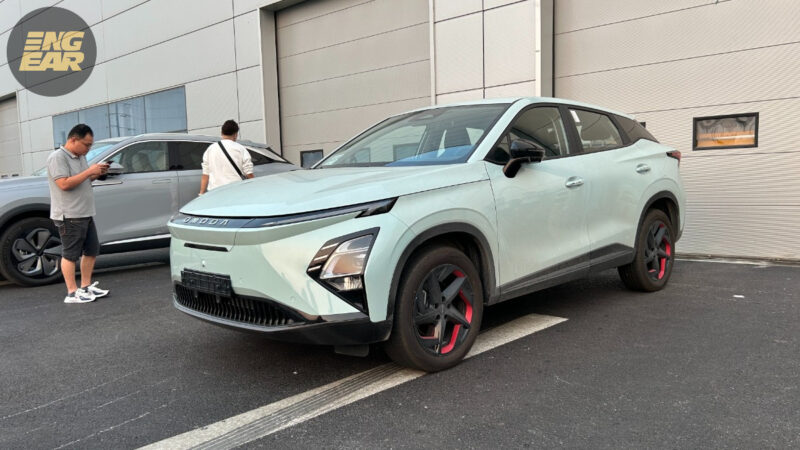
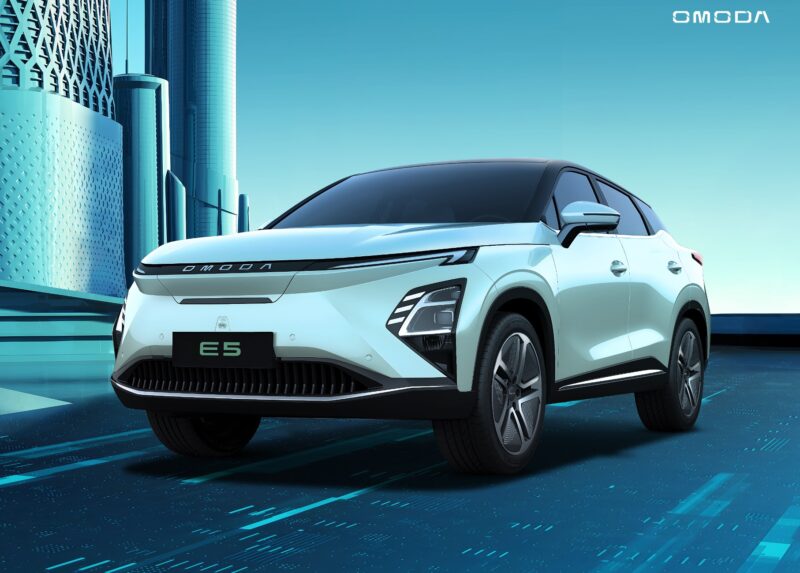
CHERY Malaysia has announced that the Omoda E5 electric vehicle has arrived at Port Klang in Kuala Lumpur, marking the introduction of a new lineup in Malaysia’s smart and green mobility market.
The company plans to hold an exclusive media preview event in a snap, allowing numerous media representatives to experience the capabilities of the Chery Omoda E5 firsthand.
Speaking of capabilities, the Omoda E5 is equipped with a 61-kWh lithium-ion battery and a front-mounted eletric motor with 221 hp on tap, enabling it to complete the 0-100 km/h sprint in 7.8 seconds.
With an ultra-low energy consumption of only 15 kWh/100 km, the crossover offers an impressive range of up to 450 km on a full charge.
The automaker also claims that the Omoda E5’s fast charging technology can charge the battery from 20% to 80% in just 30 minutes.

On the safety front, the Omoda E5 comes with a new generation Advanced Driver Assistance System (ADAS) that includes 16 functions such as blind-spot monitoring, reverse warning, and automatic emergency braking capable of recognizing pedestrians and cyclists.
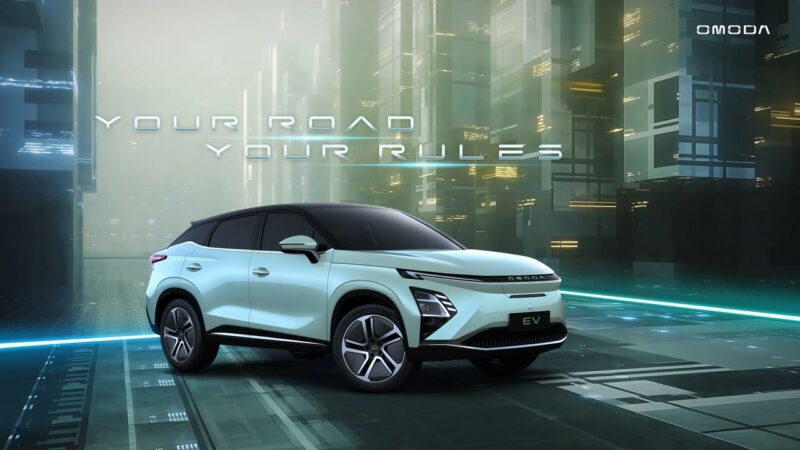
Design-wise, the Omoda E5 sets itself apart from its combustion-engined sibling with a covered grille and aerodynamically-enhanced wheels. It will be offered with a choice of seven exterior colours and three interior colours.
The official pricing of the Omoda E5 has yet to be confirmed by Chery Malaysia but this writer expects it to hover around the RM170,000 mark.
Malaysia’s Leading Automotive News | ENGEAR ENGLISH