Tag Archives: China

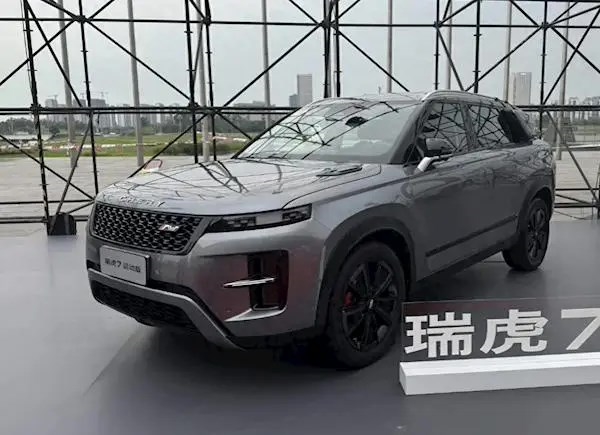
Chery Tiggo 7 Sport spotted with Range Rover face, to be launched next month in China

Many people have noted that the recently launched Jaecoo J7 in Malaysia last month bears a resemblance in design to the premium SUV model, Range Rover Evoque.

So, what do you think of the appearance of another Chery-made SUV featured in this article?

The SUV in question is the Chery Tiggo 7 Sport, and according to media reports from Mainland China, this model has already arrived in several showrooms ahead of its official launch scheduled for September.

From the front view, the Chery Tiggo 7 Sport presents a design inspired by the British off-road SUV, particularly in the grille, air intake openings, and the presence of a skid plate.

It is understood that the daytime running light unit also resembles the structure found on the Range Rover Evoque.

In addition, the Chery Tiggo 7 Sport features design elements that are nearly similar to the Jaecoo J7/Chery Tansuo 06 model, such as concealed door handles, roof rails, and storage box accessories between the C and D pillars.

The layout of the cabin has not changed much, where the Tiggo 7 Sport also showcases a large infotainment screen, a floating instrument panel, large gear shift buttons in the middle, and two-tone leather upholstery.

The Chery Tiggo 7 Sport is expected to retain the offering of a 1.6-liter turbo engine producing 197 hp and 290 Nm paired with a seven-speed dual-clutch gearbox.

For your information, Chery established a 50:50 joint venture with Jaguar Land Rover based in Changshu, China since 2012 to enable the production of Jaguar and Land Rover vehicles in Mainland China.
VW ID.UNYX enters the Chinese market with a range of 621 km, starting from RM135k

China is one of the most essential markets for Volkswagen, and now the German manufacturer has officially launched the electric-powered SUV coupe named ID.UNYX.

Built on the MEB platform, this compact SUV features dimensions measuring 4,663 mm in length, 1,860 mm in width, 1,610 mm in height, with a wheelbase of 2,766 mm.


Externally, the ID.UNYX showcases a pair of sharp matrix LED headlights consisting of 13 LED units connected by a crossbar LED.

Meanwhile, the rear end presents a sleeker appearance with thinner light structures complemented by a crossbar LED and a glowing VW logo.

The sharp design elements are also carried over to the front dashboard where you can spot the air vent intentionally crafted to resemble the ID.UNYX’s headlights.


Among the existing features are a 5.3-inch instrument panel screen for the driver, a 2K resolution 15-inch floating screen, an augmented reality head-up display (AR), and a flat-bottomed steering wheel.

Additionally, the ID.UNYX offers conveniences such as wireless device charging, a cup holder in the center console, AI assistance, 12-way adjustable seats, and support for Apple CarPlay, Baidu CarLife, and Huawei HiCar.


In China, the ID.UNYX is available with a choice of a single electric motor producing 227 hp or a dual electric motor variant with a combined power output of 335 hp.

The 82.4 kWh ternary lithium battery pack allows for a driving range of up to 621 km, or 565 km for the dual motor version.

The selling price ranges from 209,900 yuan to 249,900 yuan (RM135,000 to RM161,000) with three available variants: Pro, Ultra, and Max.


Analysts predict only 19 Chinese EV manufacturers to record profits by 2030

Consultancy firm Alixpartners predicts that only 19 out of 137 Chinese EV brands will achieve profits by the end of this decade. The rest may be forced to exit the industry, merge, or struggle to maintain a small foothold in the market.

According to Stephen Dyer, managing director at Alixpartners, “As long as major players like BYD maintain gross margins, there will be room for continued price wars.”

The persistent price wars over the past two years have put pressure on some Chinese EV manufacturers, a situation that will continue as major players like BYD and Tesla strive to strengthen their dominant positions.


Alixpartners further states that although the average car selling price in China decreased by 13.4 percent last year, the average car manufacturer margin increased by 7.8 percent in 2023 compared to 6.3 percent in the previous year.

By 2030, Chinese automotive manufacturers are predicted to hold a 33 percent market share in the global market and 45 percent in the new energy vehicle (NEV) segment.

However, the firm has lowered its forecasts for the European market from 15 percent to 12 percent due to additional tariffs imposed by the European Union on Chinese automotive manufacturers.


9 brands given green light to test Level 3 autonomous driving in China

CHINA has reportedly granted permission to nine vehicle manufacturers to test Level 3 autonomous driving systems on public roads.

This move comes about eight months after the Chinese government issued guidelines and began accepting applications from companies interested in testing their autonomous driving technology.

The Ministry of Industry and Information Technology of China has confirmed that approvals have been granted to Nio, BYD, Changan Auto, GAC, SAIC, BAIC BluePark, China FAW Group, SAIC Hongyan, and Yutong Bus.

These companies will be allowed to test autonomous vehicles on limited roads, with drivers permitted to release their hands from the steering wheel.

Level 3 semi-autonomous vehicles are not yet being sold in the Chinese market, but this testing will pave the way for such systems to be launched for individual buyers and fleet operators.

According to Reuters, at least 10 car manufacturers in China are offering vehicles with Level 2 autonomous driving systems, including Huawei and Xpeng.

The testing program will be supervised by the Ministry of Industry and Information Technology of China, the Ministry of Transport, the Ministry of Housing and Urban-Rural Development, and the Ministry of Public Security.

The new legislation also allows Tesla to start offering its semi-autonomous driving system in the country.

Previously, Elon Musk hinted that the brand might launch a robotaxi equipped with Full Self-Driving technology before introducing it to privately-owned cars. Chinese representatives were reportedly open to this idea.

However, before this can happen, Tesla needs approval to collect and transfer the necessary data for its autonomous system.

The Model 3 and Model Y are now permitted to enter specific areas in China after previously being restricted due to data safety concerns. This permission was granted after a leading Chinese automotive association confirmed that Tesla complies with data safety regulations.

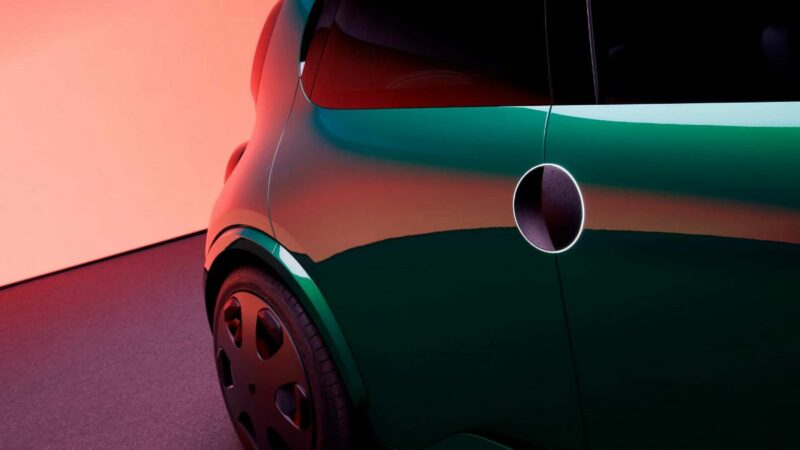
Renault-Volkswagen low-cost EV is not happening

With the abundance of affordable electric vehicles (EV) from China, European manufacturers are beginning to feel worried.

Renault took the initiative to collaborate with Volkswagen in this competition, but it seems unsuccessful. The jointly developed low-cost EV will not be continued.

Renault’s CEO, Luca de Meo, stated that the discussions between the two parties have ended. He described the project as a “lost opportunity,” but mentioned that Renault is still open to cooperation with other manufacturers: “Maybe there are others.”

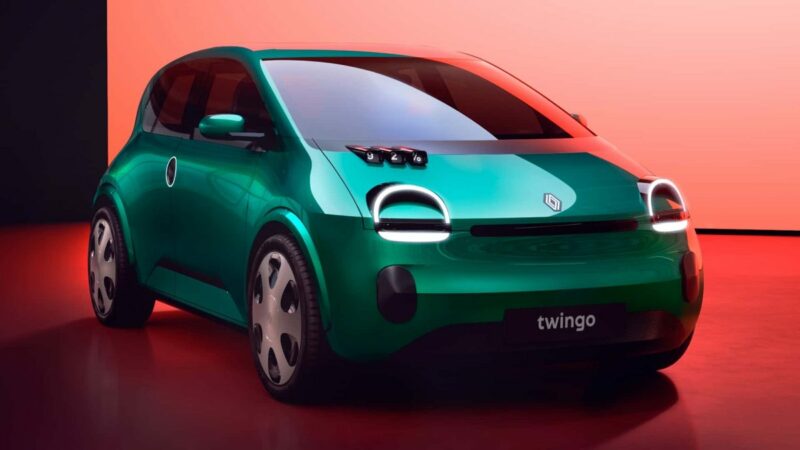
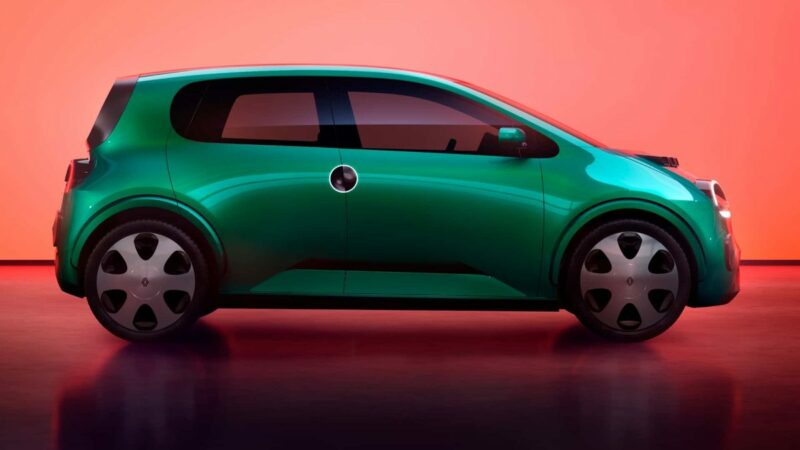
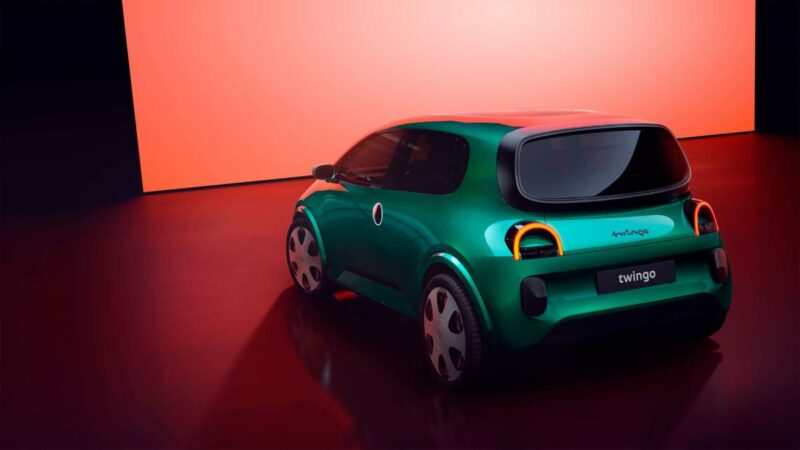
VW declined to comment, but it is confirmed that the two automotive giants will not continue their collaboration. Meanwhile, Renault will continue to produce the new generation Twingo, expected to arrive in 2026.

The current generation Twingo is still available, with options for traditional engines and EV. The upcoming new generation model will only be offered as an EV, with an expected price of less than €20,000 (RM101,965). On VW’s front, their plans after concluding discussions with Renault are still unclear.

Currently, the German manufacturer has the compact EV ID.3. The successor to the e-up! is also in development, expected to arrive in 2027, possibly named ID.1.

Nio launches Onvo sub-brand in China to take on Tesla

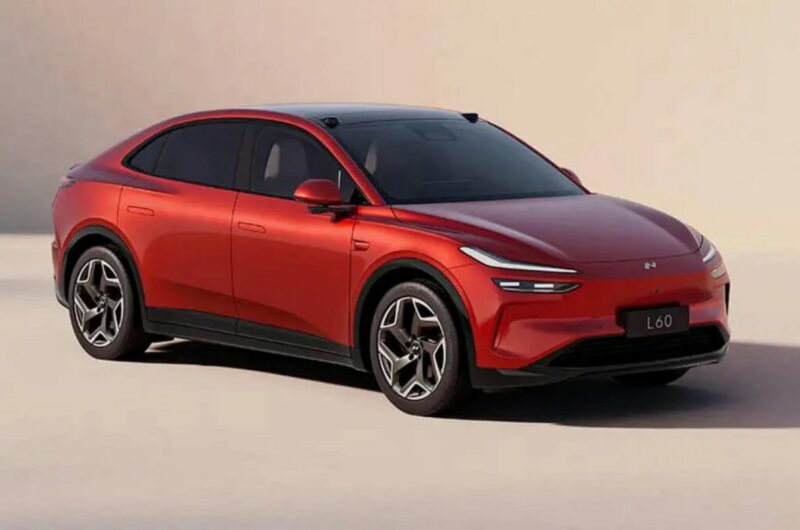
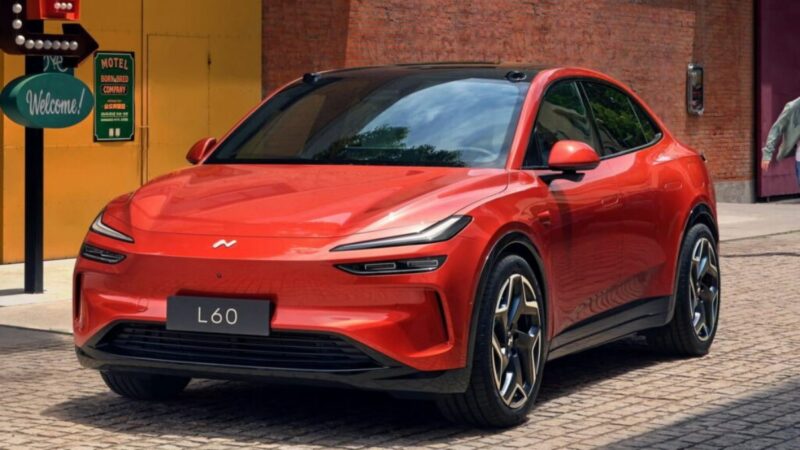
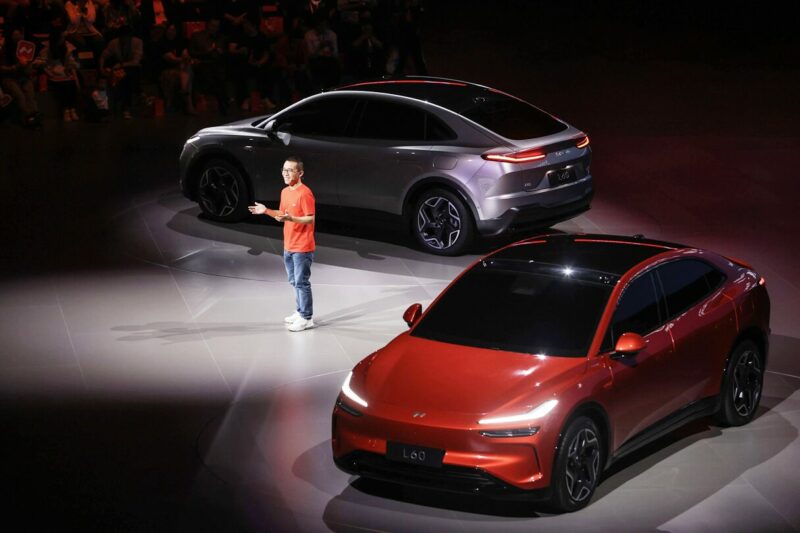
SHANGHAI-BASED electric vehicle manufacturer Nio, recently launched a new smart EV sub-brand known as Onvo.

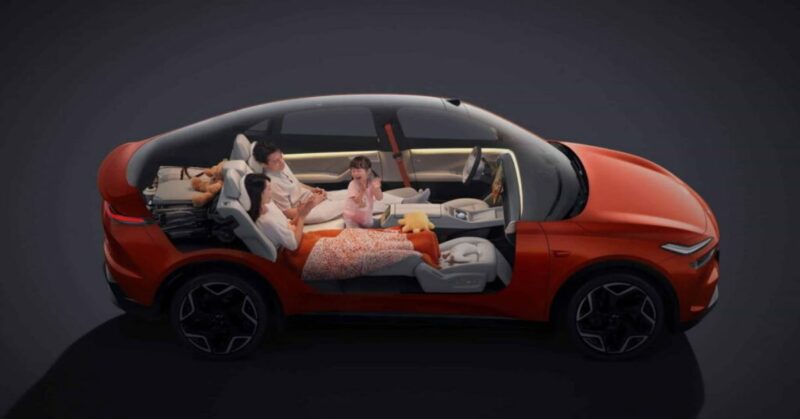
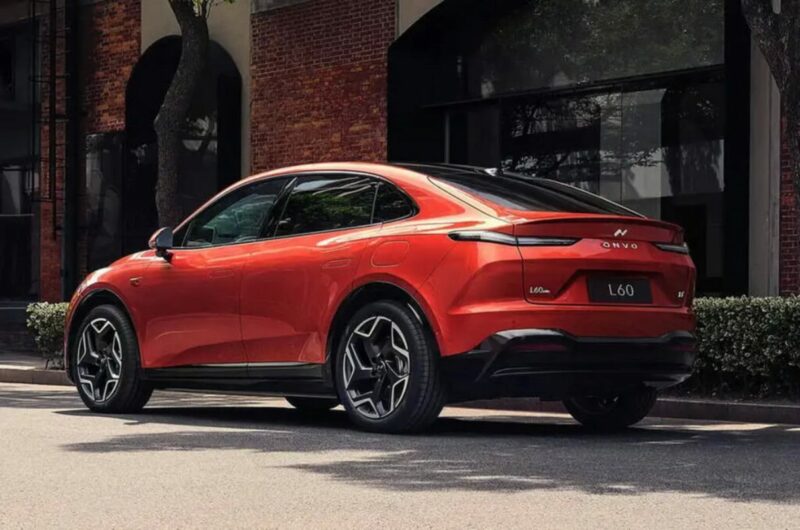
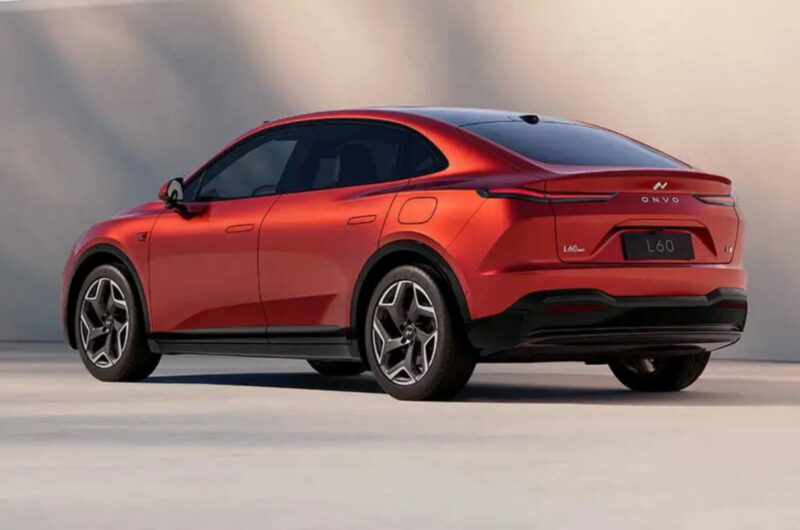
According to the automaker, Onvo is short for “On Voyage”, and its first product to enter the market will be the L60, an electric SUV designed compete with the Tesla Model Y.

The L60 is available for pre-order in China with prices starting at RMB219,900 (RM142,670), with deliveries expected to commence in the third quarter of this year.

In comparison, the Model Y in Malaysia starts from RM191,000 for the Rear-Wheel Drive variant and goes up to RM280,000 for the Performance variant.

According to Onvo, the L60 is built using a 900V high-voltage architecture, claimed to be more energy efficient, boasting CLTC energy efficiency of 92.3% and the world’s lowest drag coefficient of 0.229 for a production SUV.

As a result, the company claims that the electric SUV can achieve energy consumption as low as 12.1 kW.h per 100 km.

In its Standard Range configuration, the L60 can travel up to 555 km on a single charge, while the Long Range configuration offers a range of up to 730 km. With the Ultra Long Range battery, it can provide a driving range of over 1,000 km.

Furthermore, the L60 features battery swapping technology with Nio, allowing drivers to replace their EV batteries in just three minutes at over 1,000 battery swapping stations across China.

Additionally, customers have the option to purchase the L60 without a battery. It is sold at a lower price of RMB170,000 (RM110,558), but they are are required to pay a monthly subscription for the battery under the Battery as a Service (BaaS) program.
After the initial launch in China, Onvo reportedly plans to market the L60 globally, including in Europe, towards the end of this year.

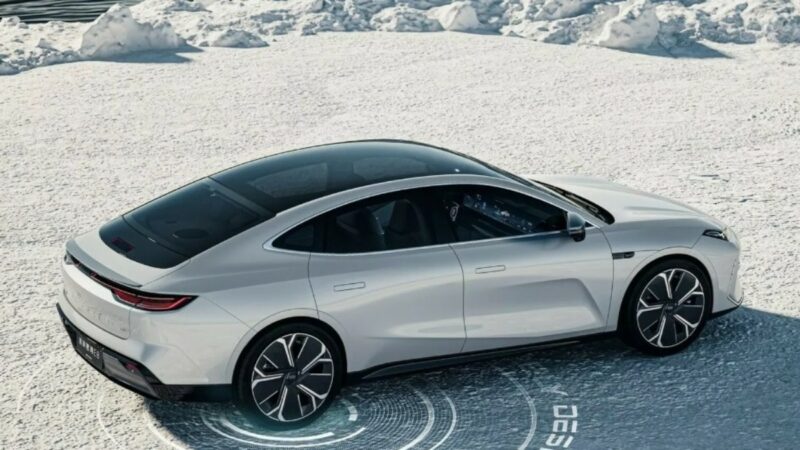
Geely Galaxy E8 launched in China – 800 volt battery, up to 665km range

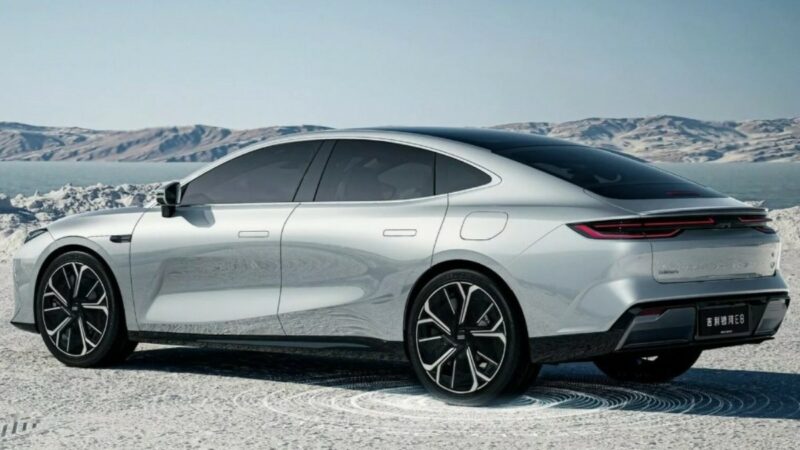
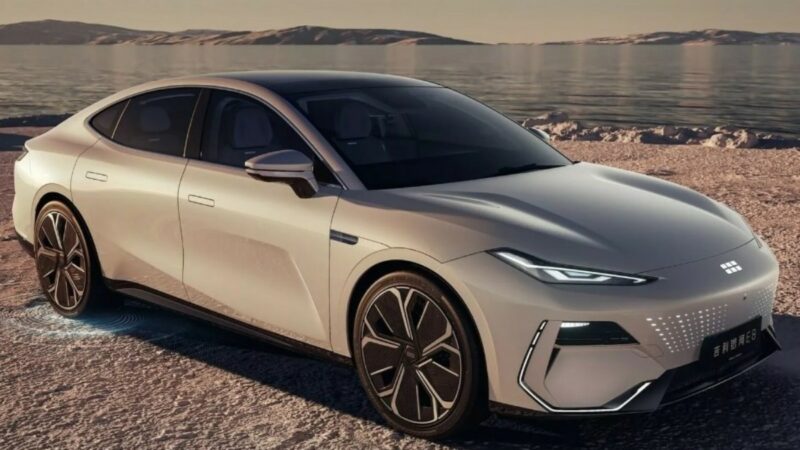
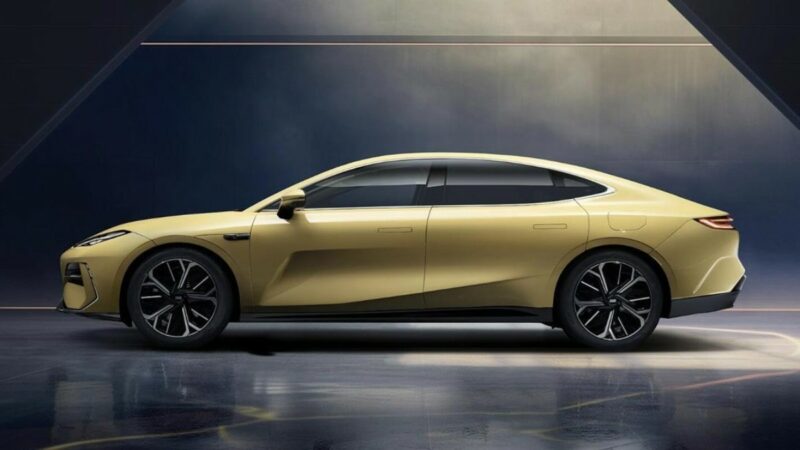
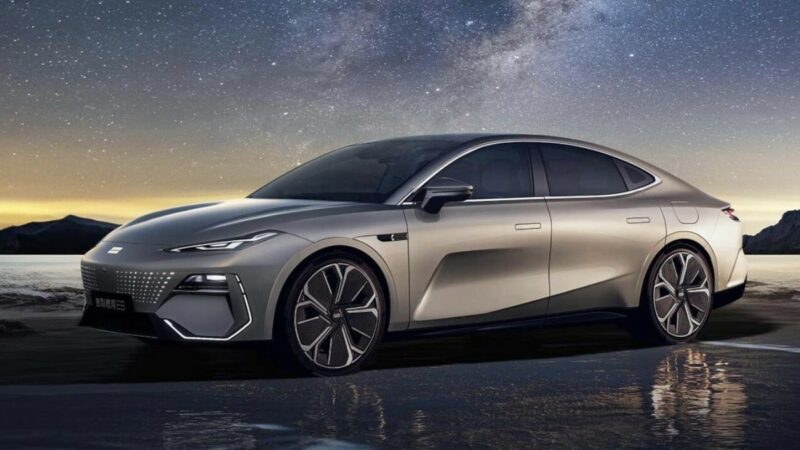
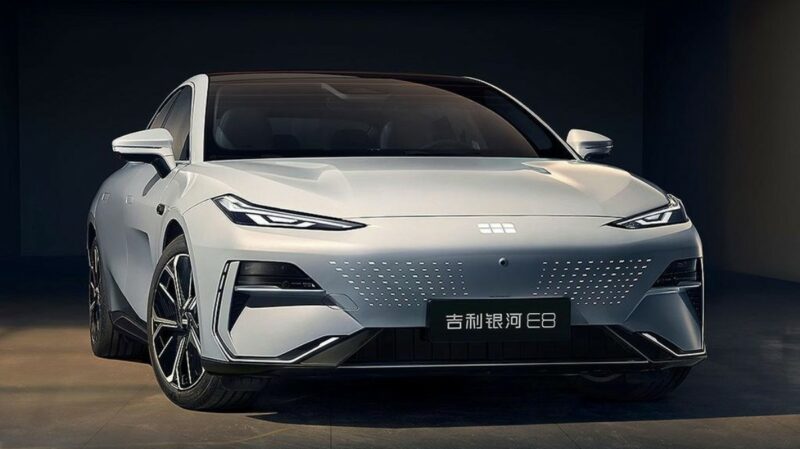
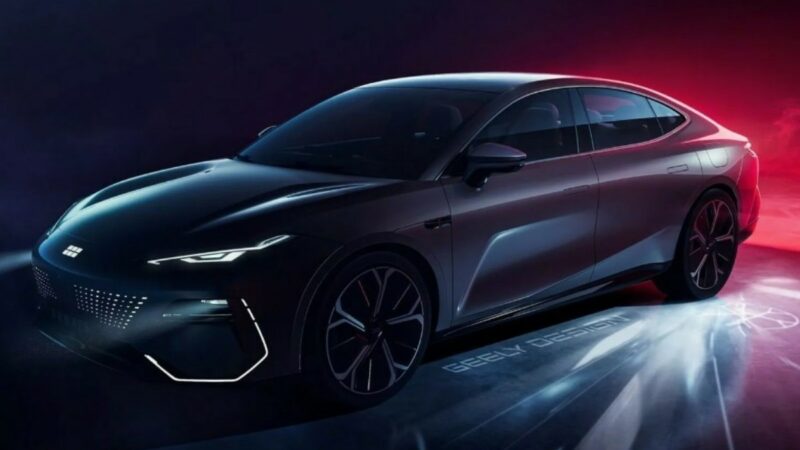
Geely has just launched the Galax E8 in China, which is the third model in the Galaxy series. This sedan EV is built on Geely’s Sustainable Experience Architecture (SEA) platform with a sleek and sporty body design.

The design is not just for aesthetics, as the Galaxy E8 reportedly has a drag coefficient of only 0.199, lower than the Mercedes EQS (0.202) and Nio ET7 (0.208).

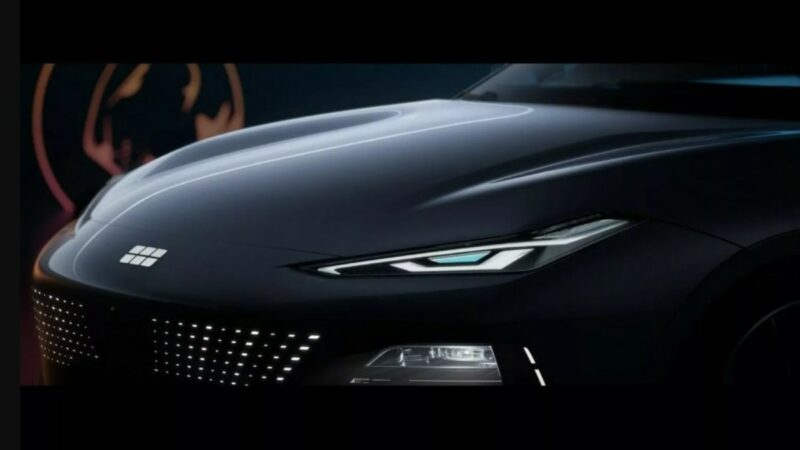
As usual, there’s no front grille, but the Geely Galaxy E8 features sharp headlamps and DRL. The side profile is free of any protruding objects that would disrupt airflow, and the door handles are retractable.

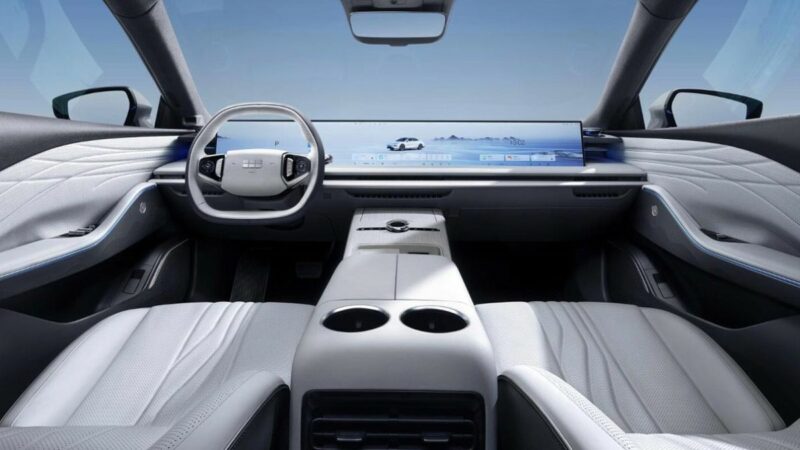
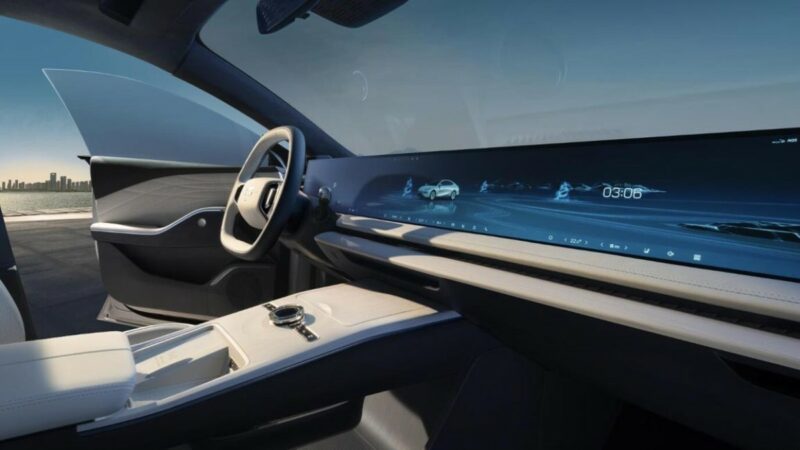
The interior of the cabin is striking, with a large 45-inch 8K resolution screen that stretches across the dashboard. Chinese companies seem to favor these large screens.

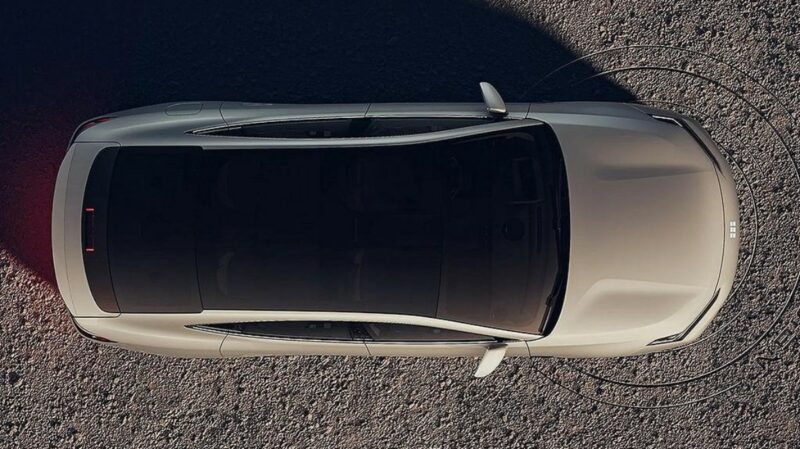
The Galaxy E8 also comes with a flat-bottomed and flat-top steering wheel, meaning it’s not circular. The central console is compact with six buttons, a rotary knob, a wireless charger pad, and storage space. Other features include ambient lighting and a panoramic sunroof.

For the mechanical aspect, the Geely Galaxy E8 is available in several configurations. The first is a 400-volt version with a 62kWh lithium phosphate (LFP) battery, a 272hp rear axle motor, and a driving range of 550km.

Another version has a 272hp motor but is equipped with a larger 76kWh battery pack, extending the driving range to 665km.

The highest variant has an 800-volt battery, a 224hp front motor, a 421hp rear motor, and a 76kWh battery pack. This variant can be driven up to 665km on a single charge.

1.6 million Tesla cars recalled in China over steering software issue

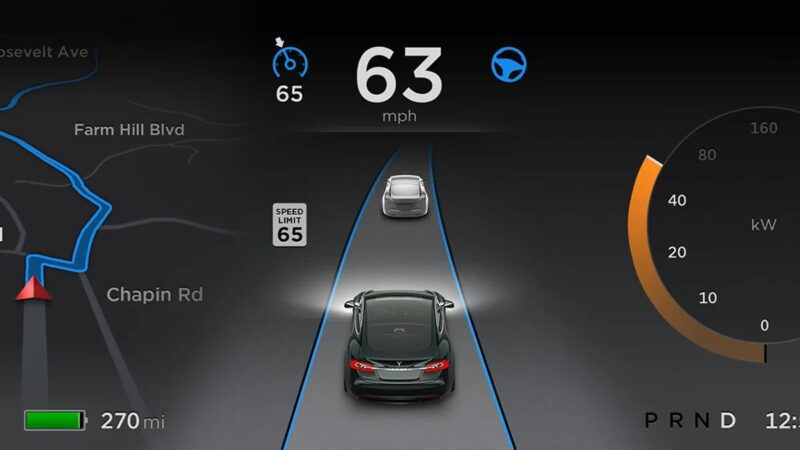
The authorities in China have directed Tesla to recall approximately 1.6 million electric vehicles in the country. The recall is aimed at updating the Autopilot driving assistance function to reduce the risk of accidents.

This is due to the Autosteer system within the Autopilot function is prone to misuse by most Tesla drivers. The solution involves adding audio and visual warnings when the function is activated or deactivated.

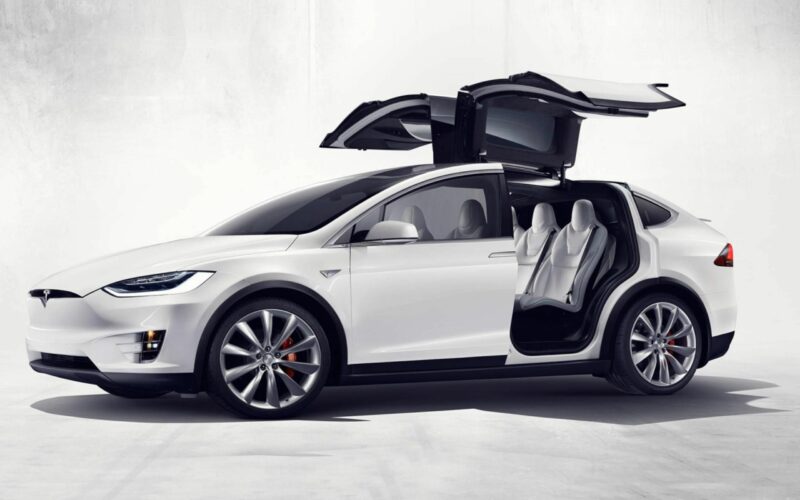
According to Reuters report, the recall campaign involves all Tesla models sold in China, including the Tesla Model S, Model X, Model 3, and Model Y.

The Autopilot function will be enhanced through over-the-air updates, eliminating the need for owners to send their cars to Tesla service centers.

Additionally, Tesla is also updating the door locking software involving 7,538 units of Model S and Model X in China due to concerns about doors opening automatically during accidents.

Huawei-Seres joint-venture to build Aito M9 with BMW X7 size and 630km range

Due to the relatively large size of the Chinese market, it is not surprising to see various cooperative efforts between major names such as Geely-Baidu, as well as several leading smart device manufacturers like Huawei.

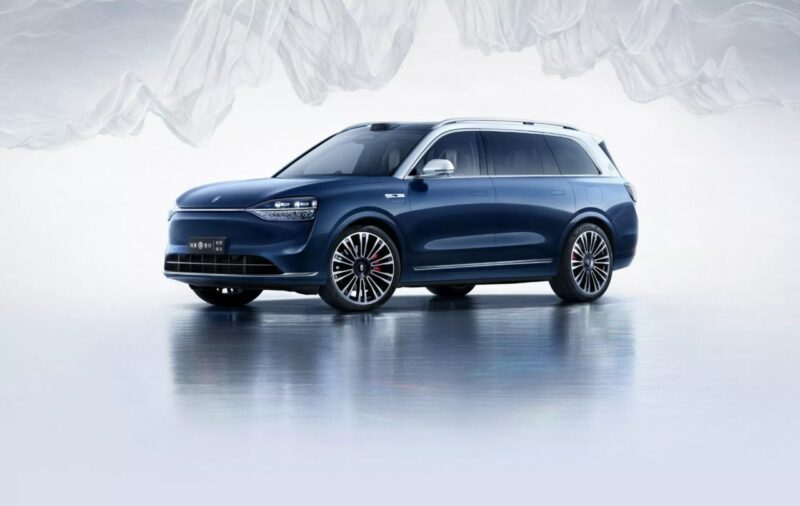
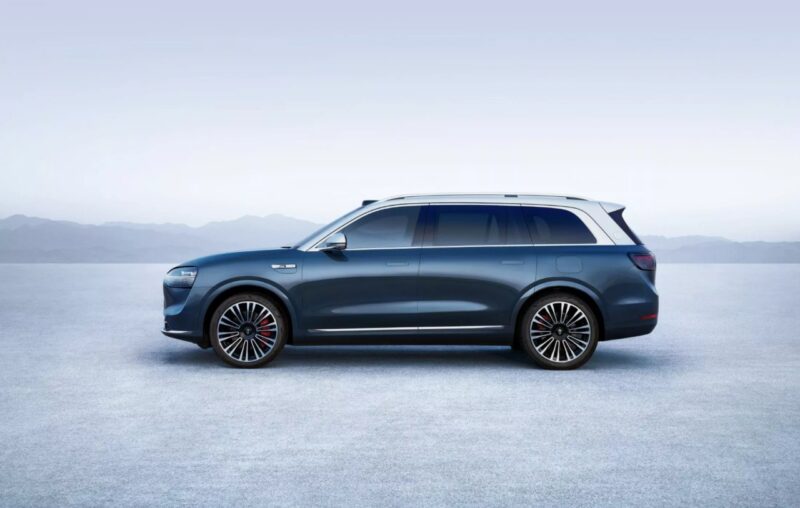
The new Huawei-Seres cooperative company has recently launched the Aito M9 flagship six-seater SUV, featuring the latest Huawei technology.

It boasts dimensions larger than the BMW X7, with a length of 5,230 mm, width of 1,999 mm, height of 1,800 mm, wheelbase of 3,110 mm, and a drag coefficient as low as 0.264 Cd!

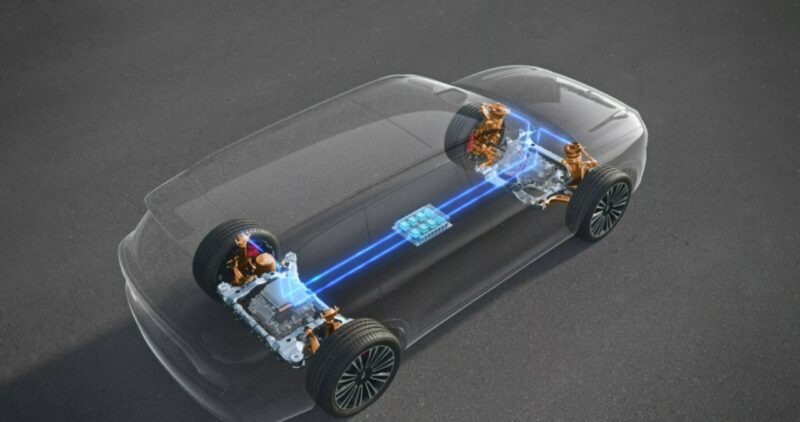
The M9 offers two powertrain options. The full electric version features two powerful electric motors delivering 523 hp, and a CATL 97.7 kWh battery pack providing a range of 630 km on a single full charge.

Meanwhile, the range extender version includes a 1.5-liter turbo engine acting as a power generator for two 490 hp electric motors and a CATL battery pack with a choice of 42 or 52 kWh capacity.

The range extender setup allows the M9 to travel between 1,362 and 1,402 km with a full battery charge and fuel tank.

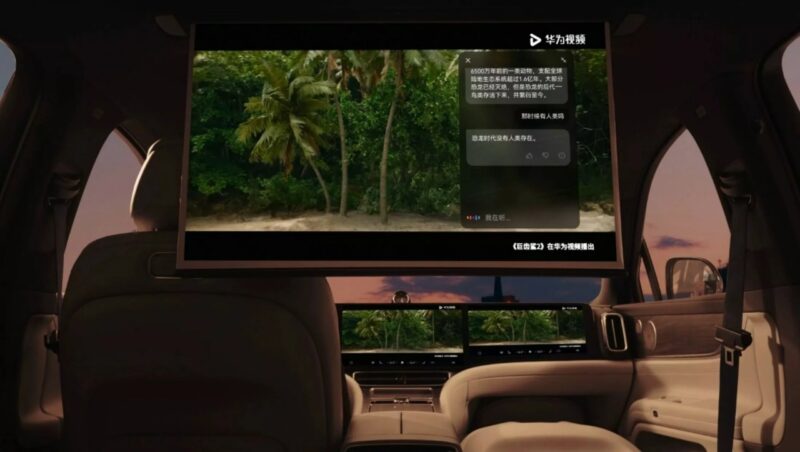
An unique feature of the M9 model is the front-mounted projector, capable of transforming any flat surface into a 100-inch display, along with a cabin-mounted laser projector with a 32-inch panel.

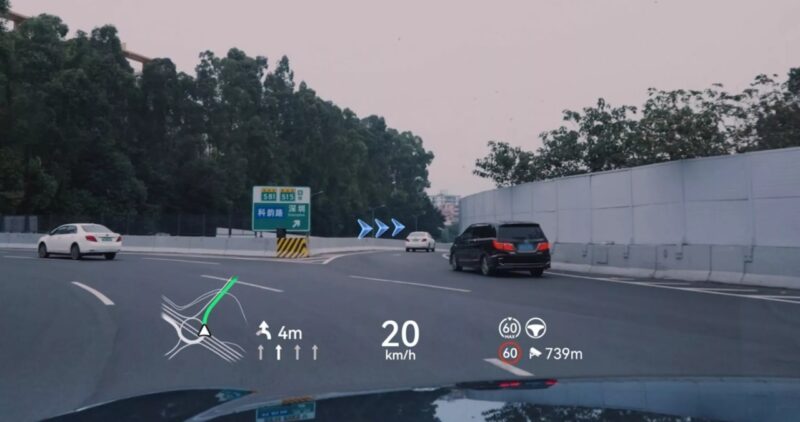
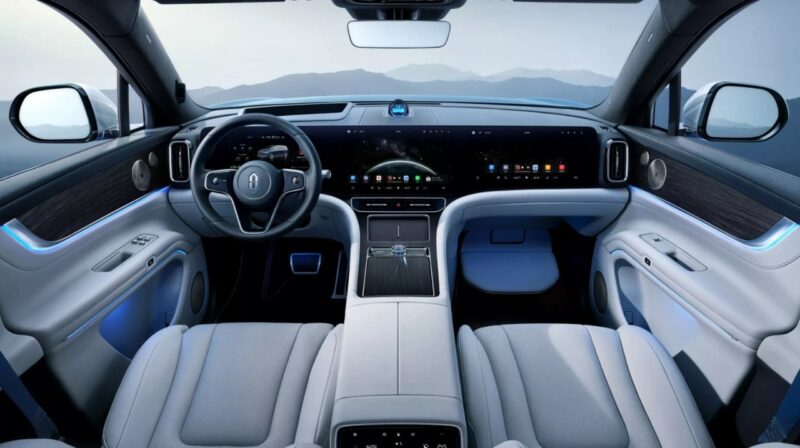
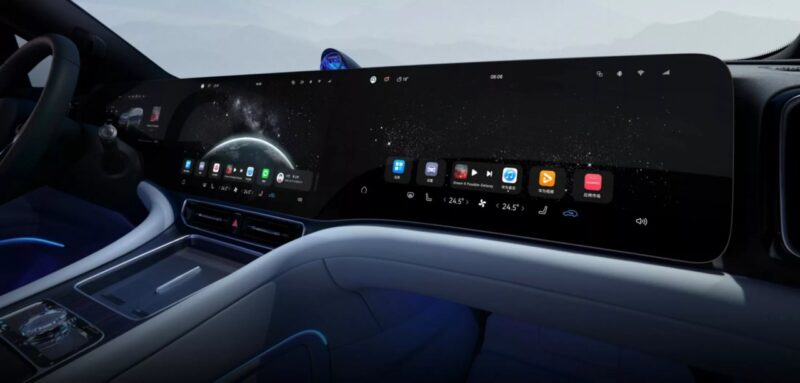
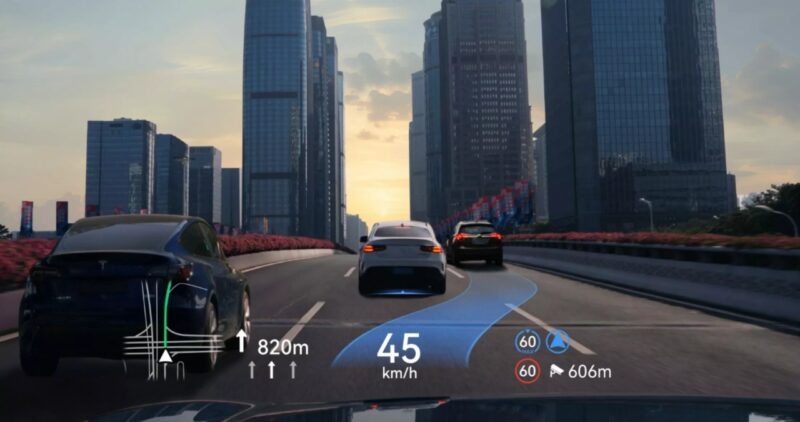
The M9’s dashboard hosts three screens: a 12.3-inch digital cluster, a 15.6-inch center screen, and a 16-inch front passenger display, as well as a 75-inch head-up display and a 2,080-watt audio system with 25 speakers and active noise reduction technology.

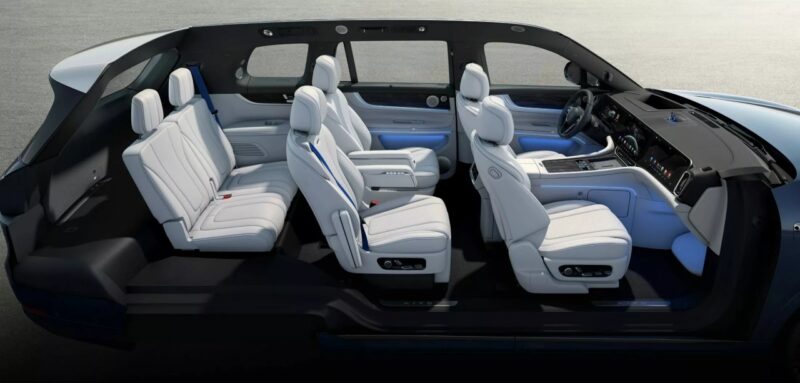
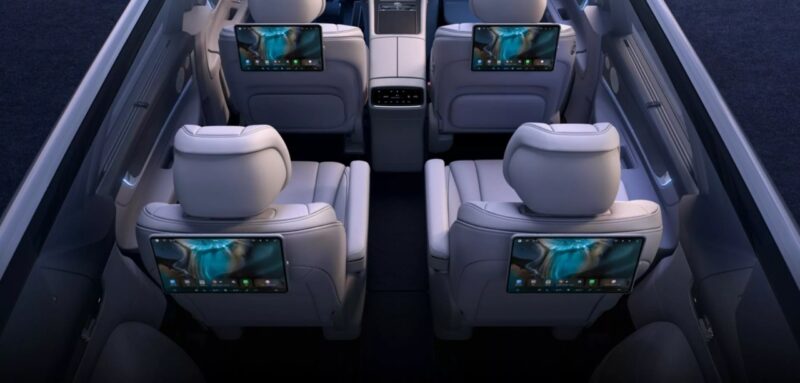
Additionally, there are four additional display tablets for rear passengers, all operated on the HarmonyOS 4 Huawei operating system.

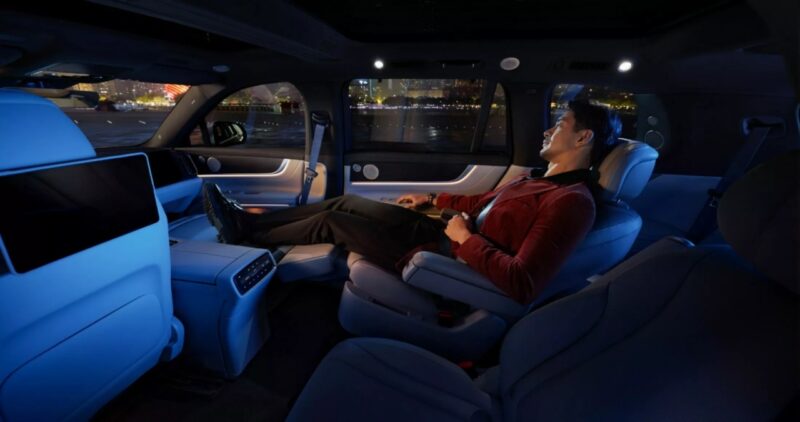
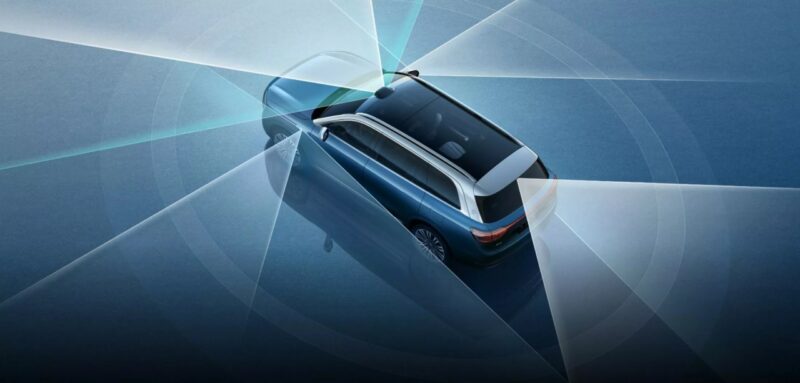
All six seats in the M9 cabin have electronically adjustable lumbar support, heating and ventilation functions, and can be configured as needed. In terms of safety, the Aito M9 is equipped with the Huawei ADS 2.0 system and 27 sensors.

In the Chinese market, the Aito M9 is available for order at prices ranging from 469,800 yuan to 569,800 yuan (RM304,481-RM369,292).