New Toyota inline-4 engine produces sporty sound profile

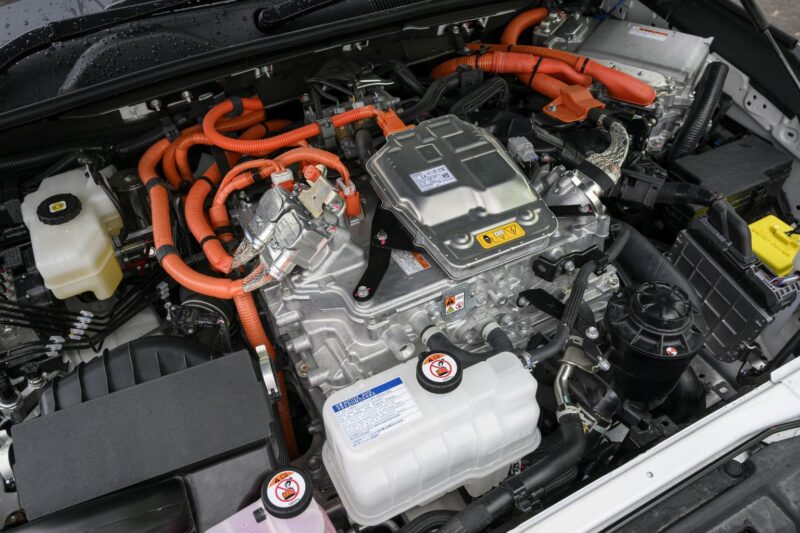
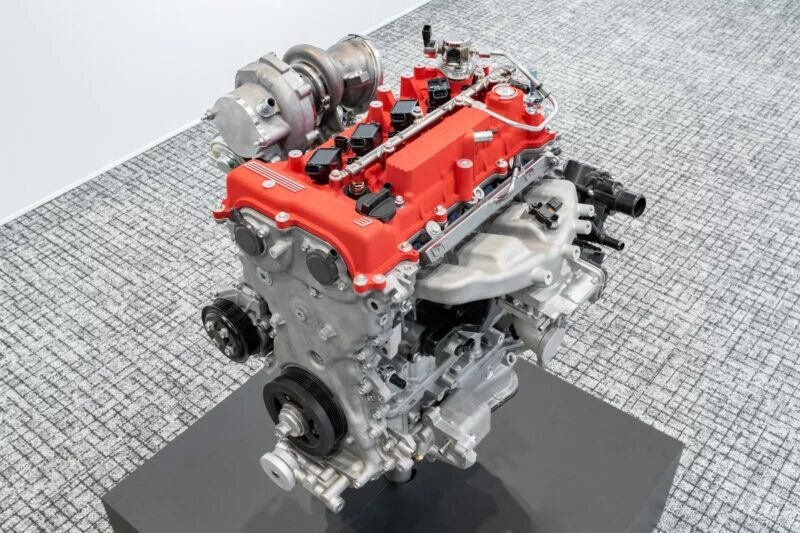
At the end of May, the Japanese automotive giant Toyota announced the development of a new 1.5 and 2.0-liter inline four-cylinder engine as a way to achieve carbon neutrality.

According to Toyota, the new engine is designed to be more compact and lighter, while at the same time capable of delivering higher power and offering better fuel efficiency.

Based on a recent video uploaded on the Toyota Times YouTube channel, the new engine is expected to be installed in a new model possibly being developed by Lexus.


The exterior design of the model is intentionally blurred, but from the cabin space, we can see the design of a four-door sedan that may refer to the new generation of Lexus IS.

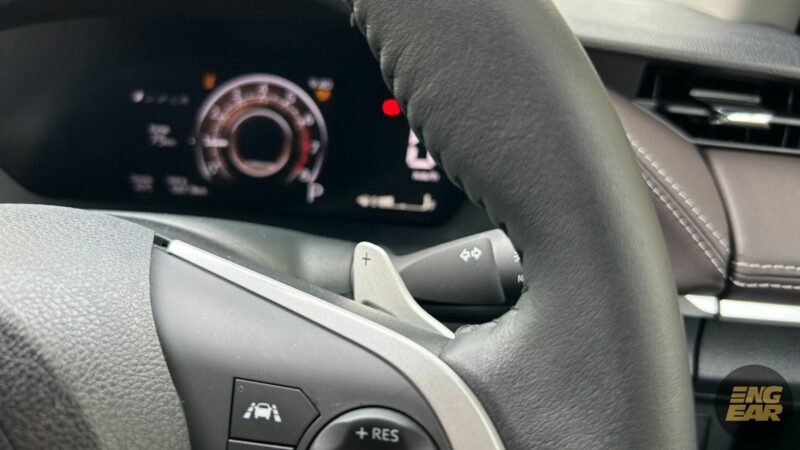
The actual sporty sound of this new Toyota engine can be clearly heard as test driver Takashi Uehara shifts gears using paddle shifters. Toyota Times journalist Yuta Tomikawa, sitting in the passenger seat, seemed excited as the new sedan did not produce significant vibrations even when driven at high speeds.

According to Uehara, due to the more compact size of the engine, the new Toyota powerplant can be positioned further back. This lower center of gravity is seen to help control and reduce perceived cabin vibrations, as previously demonstrated in the Toyota Prius engine compartment.


Toyota claims that the 1.5-liter turbo engine is 20 percent smaller in size compared to the existing 2.5-liter NA engine, with a 15 percent weight reduction and a 30 percent efficiency increase.

Meanwhile, the 2.0-liter turbo engine will be 10 percent smaller and lighter than the existing 2.4-liter engine, with increased horsepower and a 30 percent fuel savings.

With the mentioned benefits, the new engine is also seen as having the potential to be installed in high-performance sports cars, such as the new generation Toyota GR86.


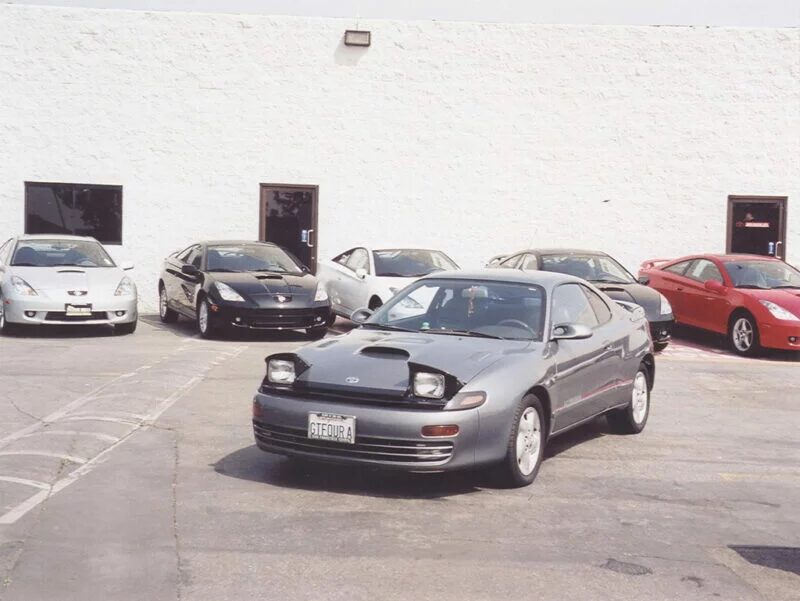
It is highly likely that this latest Toyota ICE engine will also be included in the upcoming Toyota Celica and MR2, which are said to be currently in development.

Varis parts can make your GR Corolla look more aggressive

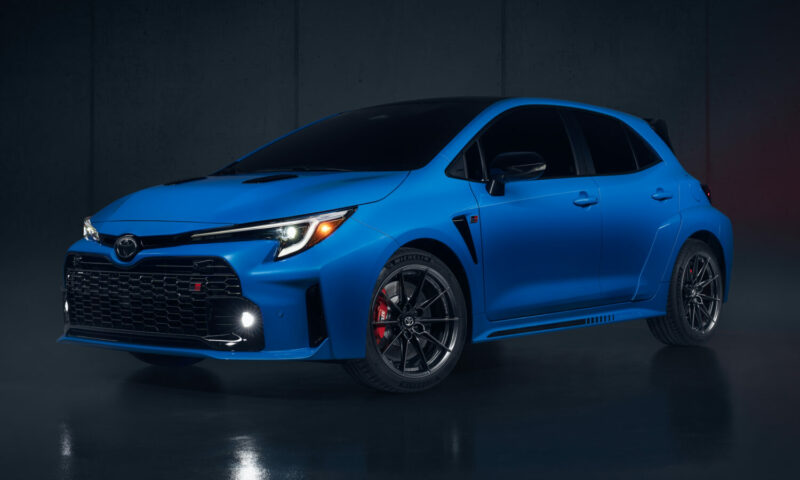
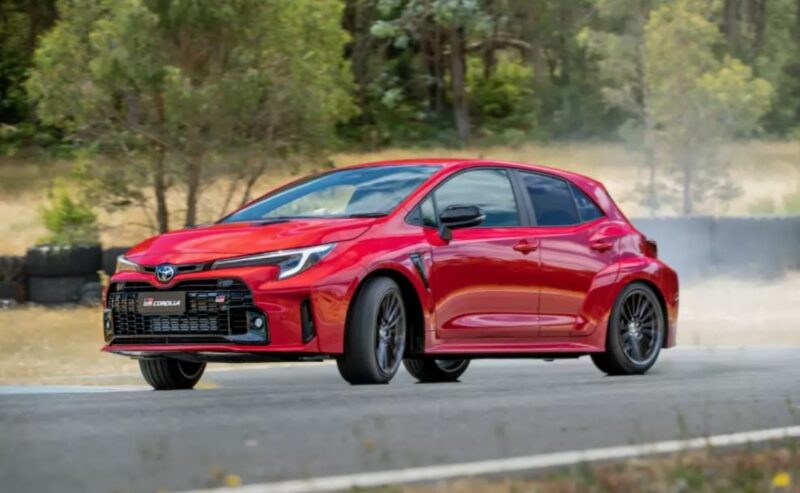
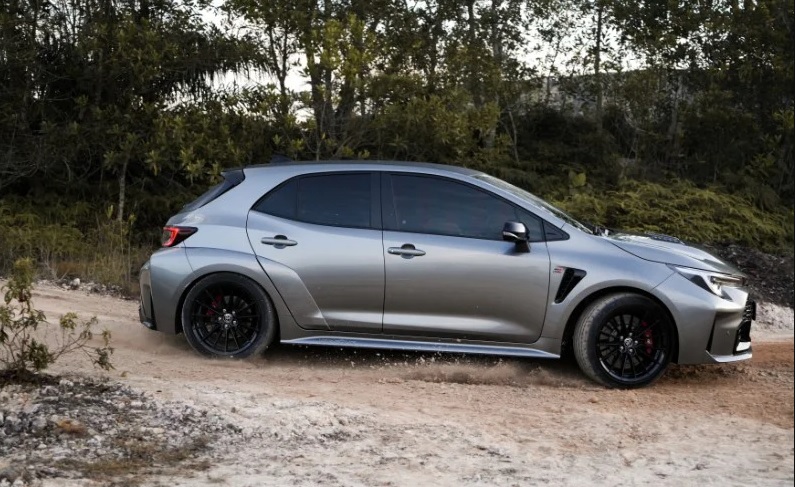
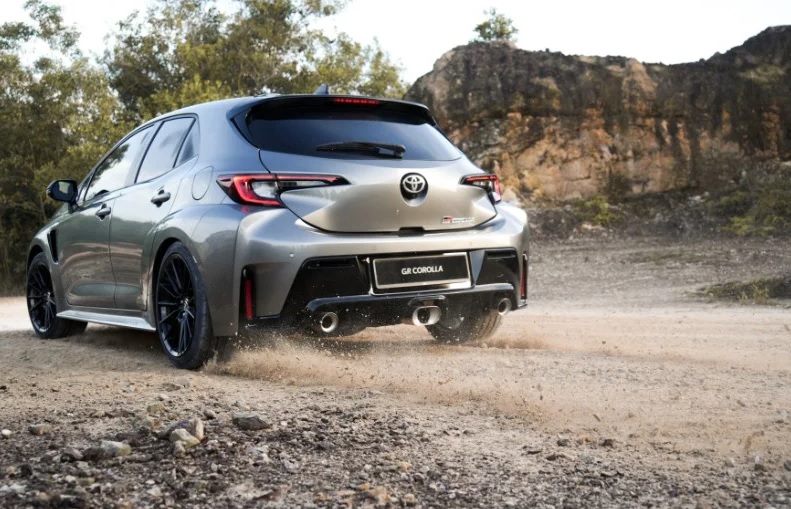
If you have the option to get a powerful and family-friendly hot hatch, the GR Corolla may very well be a suitable candidate.

Easy-to-control power, paired with a delightful clutch match, balanced suspension tuning, and most importantly an already aggressive appearance.

However, for a few owners who desire a more aggressive appearance for their GR Corolla, there is a solution offered by the leading tuner, Varis.


Starting from the front, Varis has developed a carbon fiber splitter priced at $1,695(RM7,984) for a fiercer look, followed by set of front turbulators priced at $645 (RM3,038) aimed at reducing drag and increasing downforce.

The side can be enhanced by the presence of a pair of carbon fiber side skirts priced at $2,295 (RM10,811), followed by the installation of carbon fiber rear diffuser at $845 (RM3,980), exhaust heat shield at $335 (RM1,578), and rear exhaust pipe protector priced at $695 (RM3,274).

Want a more aggressive look? Simply order a adjustable carbon fiber rear wing priced at $1,895 (RM8,926) and carbon fiber engine hood priced at $2,995 (RM14,108), but both components will take about 8 months to reach the customer’s hands.

As of now, Varis does not offer any mechanical modifications, meaning owners can still enjoy the standard 300 hp and 400 Nm torque from the G16E-GTS engine that powers all wheels through a six-speed manual transmission.


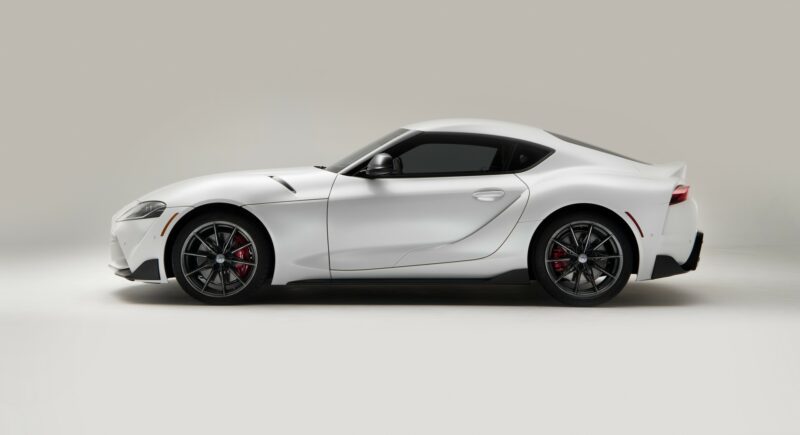
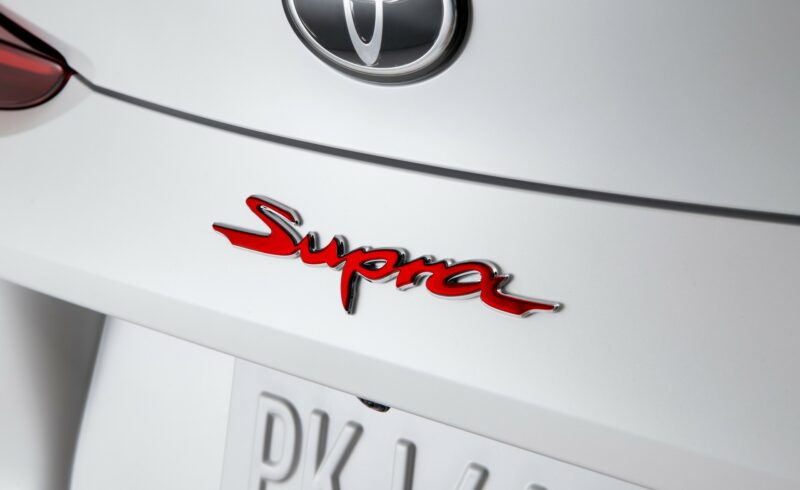
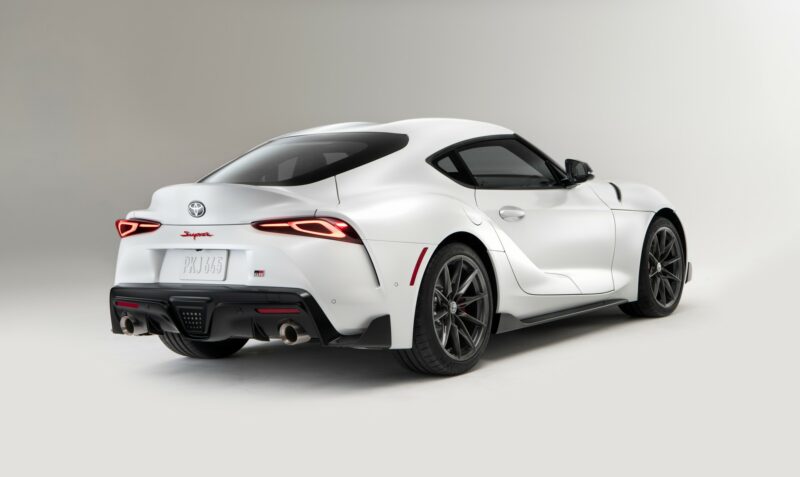
Toyota GR Supra 2.0 is officially dead

Unable to enjoy its second anniversary, the sales of the Toyota GR Supra sports car with a four-cylinder inline 2.0-liter engine for the United States market have been terminated this month.

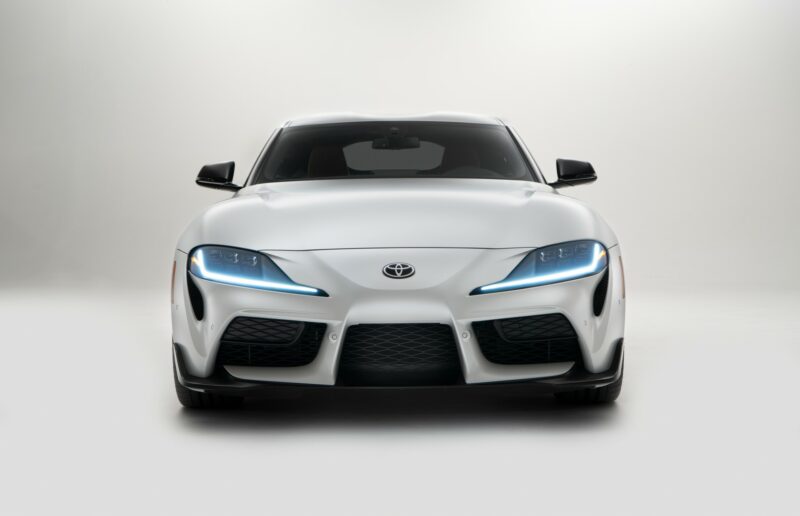
In a press release, Toyota USA confirmed that the 2025 GR Supra model will only be available with a 3.0-liter turbo inline-six cylinder engine producing 382 hp and 499 Nm of torque.

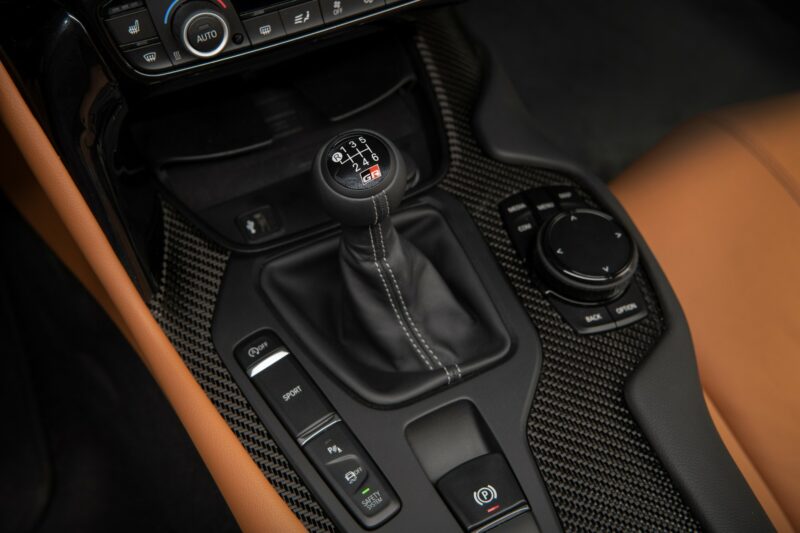
Fortunately, buyers can still acquire the GR Supra 2025 with a choice of a six-speed manual transmission or an eight-speed automatic.


Toyota introduced the GR Supra with a 2.0-liter turbocharged heart (255 hp/400 Nm) in 2022 as a more affordable option, but this move was seen as not aiding in improving the already sluggish sales performance.

Throughout 2023, Toyota only managed to sell a total of 2,652 units of the GR Supra (manual and automatic models combined).


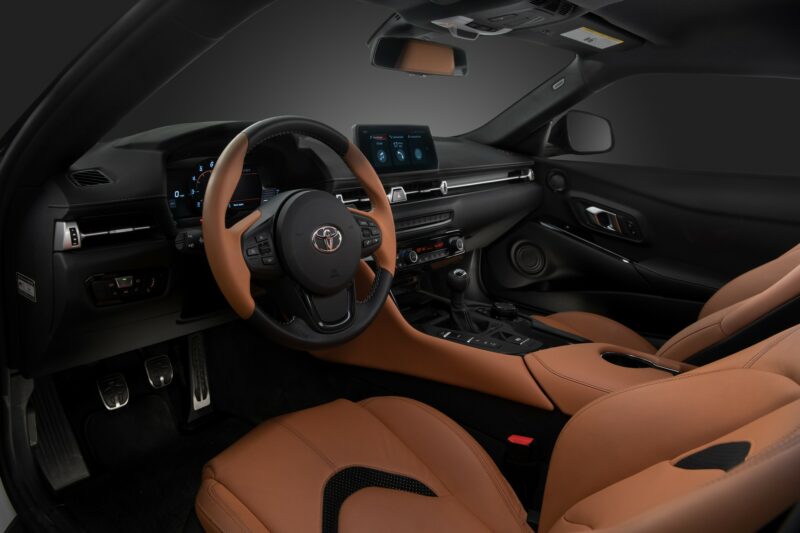
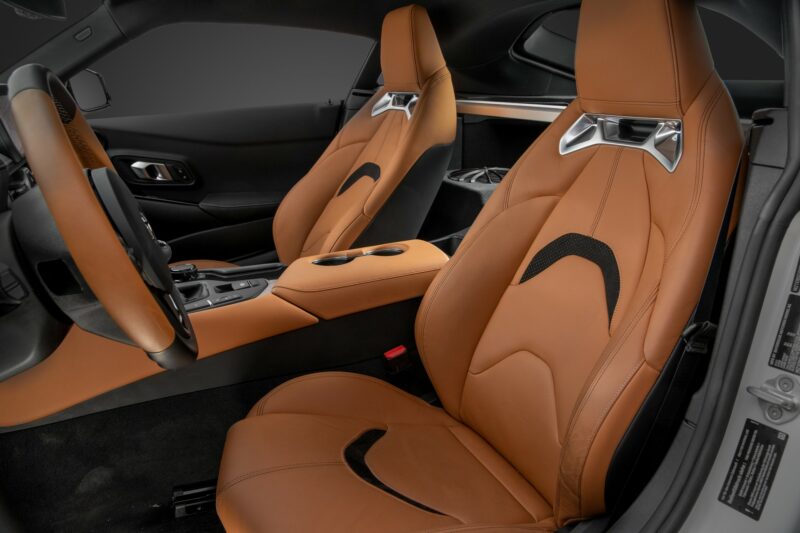
Returning to the GR Supra 2025, Toyota offers nearly identical features to the 2024 model, such as leather/Alcantara-trimmed sports seats or the option of grey leather, an 8.8-inch touch screen, wireless device charging, and a 500-watt JBL audio system with 12 speakers.

All models come equipped with Michelin Pilot Super Sport tires, TRAC grip control, Pre-Collision System, Lane Departure Warning, Vehicle Stability Control, Automatic High Beams, Tire Pressure Monitoring System (TPMS), and traditional Cruise Control.

The automatic transmission model also includes Dynamic Radar Cruise Control (DRCC) function.


The selling price has increased from US$56,495 (RM266,487) last year to US$57,345 (RM270,496), while the 3.0 Premium model now priced at $60,495 (RM285,355).

Based on a brief internet search, the Toyota GR Supra 2.0-liter is still available in the Japanese market, but only with an automatic transmission.

Those desiring a manual gearbox must opt for the inline-six cylinder version of the GR Supra.

Toyota GR Supra 2025

Toyota GR Corolla owner claims dealer secretly installed GPS tracker in his car

The joy of a Toyota GR Corolla Circuit Edition owner was short-lived when the car’s battery died less than a month after purchase.

According to Anthony Do, the incident was caused by a GPS tracker installed on his car without his knowledge.

In a video lasting over five minutes, Do mentioned that before discovering the hidden GPS tracker, he saw a Facebook post by a GR Corolla tuner who claimed that he couldn’t work on the car due to a similar device.

Subsequently, Do decided to pry open the lower part of his car’s dashboard panel to see for himself. Lo and behold, Do actually found a GPS tracker plugged into the OBD2 port of his car.

This was strange to Do as he stated that he turned down the dealer’s offer to install a GPS tracker when buying the GR Corolla. He further claimed that he purchased the car outright, so the dealer or financial institution had no reason to track his vehicle.

Why is this concerning?

Firstly, the data obtained (such as the vehicle’s location) can be used by irresponsible parties to commit crimes such as car theft. Secondly, the data can also be sold to third parties such as insurance companies.

In Malaysia, Toyota vehicles sold by UMW Toyota Motor can be optionally fitted with Vehicle Telematics System (VTS), which utilises GPS data to track the location of vehicles in real time in case of theft and to keep track the distance and trip history.

The VTS will also dispatch an SOS call to the Toyota call center in case of an accident.
Toyota wants to make more sports cars for you, admits hard to work solo

For Toyota enthusiasts, they may be eagerly anticipating the emergence of new sports car models such as the successors to the MR2 or Celica.

However, Toyota cannot haphazardly spend money on research and development (R&D) for a product targeted towards a niche group.

Previously, Toyota has collaborated with Subaru to develop the GR86/BRZ, followed by BMW for the GR Supra/Z4. The Japanese brand is determined to release more sports cars, but they acknowledge the challenges of going solo in this endeavor.

Speaking to the Australian media, Toyota Gazoo Racing President Tomoya Takahashi stated, “the sports car market is shrinking in the future. We cannot sustain sports cars as a single brand, Toyota. Collaboration between brands will increase in the future.”

He further expressed, “this mission is not about helping manufacturers survive but to protect car enthusiasts. This is why we need to collaborate to share costs and subsequently implement sports car projects.”

Similar to a rapidly expanding restaurant, Toyota has a few new ‘menus’ that will be served to its customers. Among those on the list are the affordable FR coupe S-FR, the FWD hot hatch Starlet, the Celica coupe, MR2, and a Toyota GR GT3 race car prototype already spotted at the Spa-Francorchamps circuit.

However, before launching impractical sporty models, Gazoo Racing will likely introduce a lineup of high-performance SUVs tailored for families seeking more space.

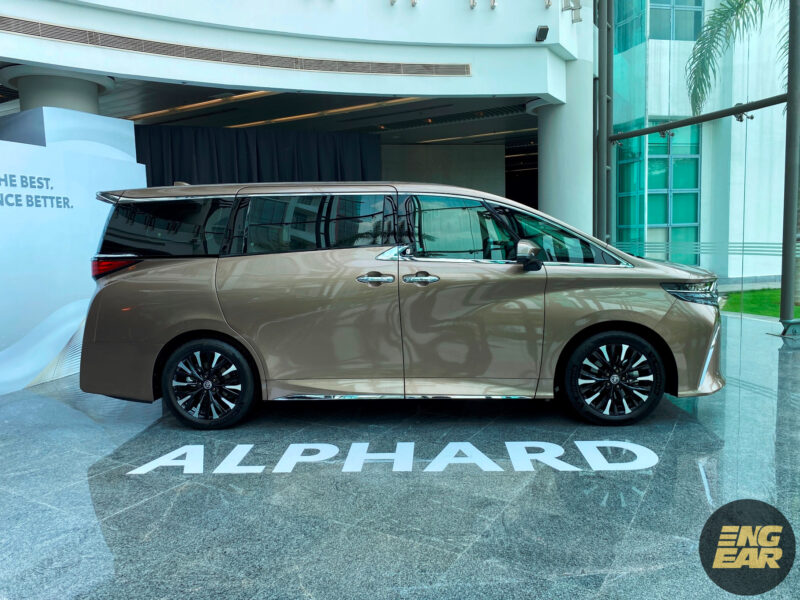
Man drives Toyota Alphard with Polite Car lettering so that people notice him and slow down

FROM afar, this Toyota Alphard appears to be a police patrol car or an ambulance, but upon closer inspection, the inscription on its body reads “POLITE” instead of “POLICE.”

This MPV in Singapore has attracted the attention of netizens and has been shared on the SG Road Vigilante Facebook page.

Scanning the QR code on the Alphard’s body will lead you to an ice cream shop’s website. Netizens have various comments and opinions in the comment section.

Some think it’s an interesting idea, while others say it’s “misleading” because it resembles an authority vehicle.

The owner, Goh Yong Wei, told The Straits Times that he has decorated his Toyota Alphard since last May, and road users often slow down their vehicles to give way.

He said, “As a driver and motorbike rider in Singapore, I find that the driving culture here is not gracious, especially during peak hours.

“I want to be noticed, I want the attention, I want people to see me and slow down to avoid a collision.”

Goh said he has been involved in more than 10 car and motorcycle accidents over the past four years, and the decals on this Alphard help him avoid accidents.

“I feel safer, and find it easier to drive around now. A lot of people in their cars giggle and show me a thumbs up. It makes for a very positive driving experience for me.”

However, the Singapore Police said they have received reports regarding this matter, and it is currently under investigation.

Toyota Hilux FCEV enters testing and demonstration phase

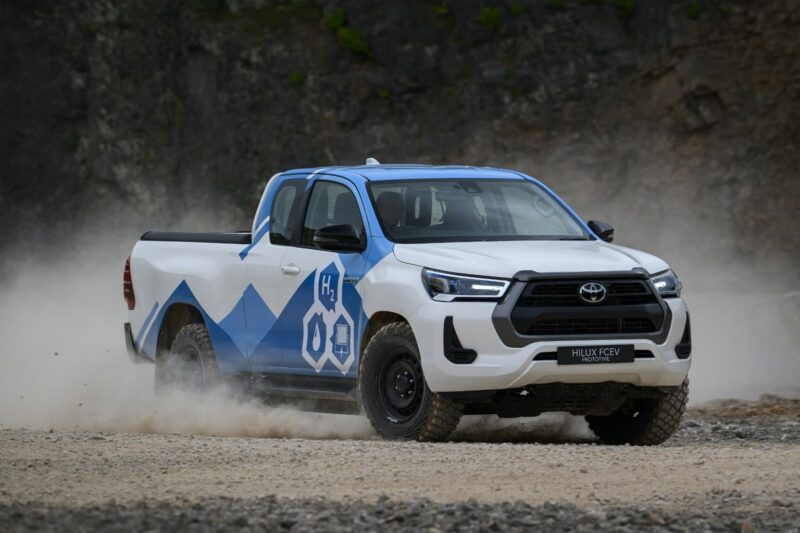
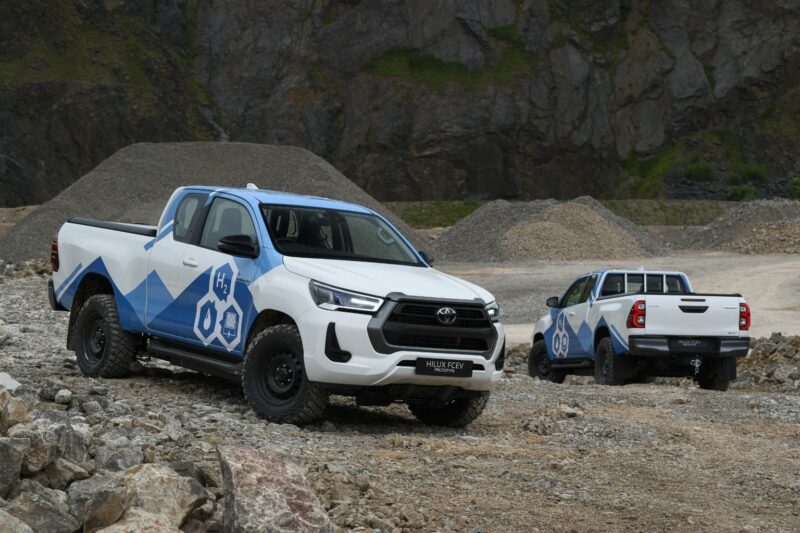
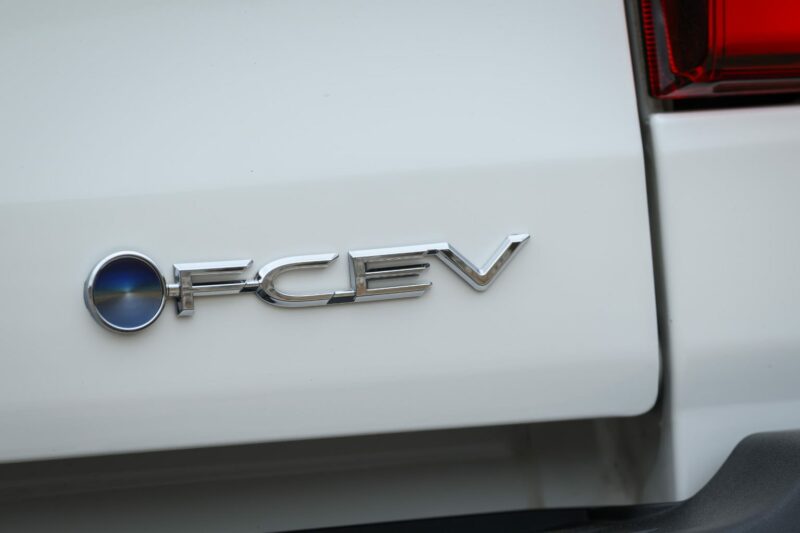
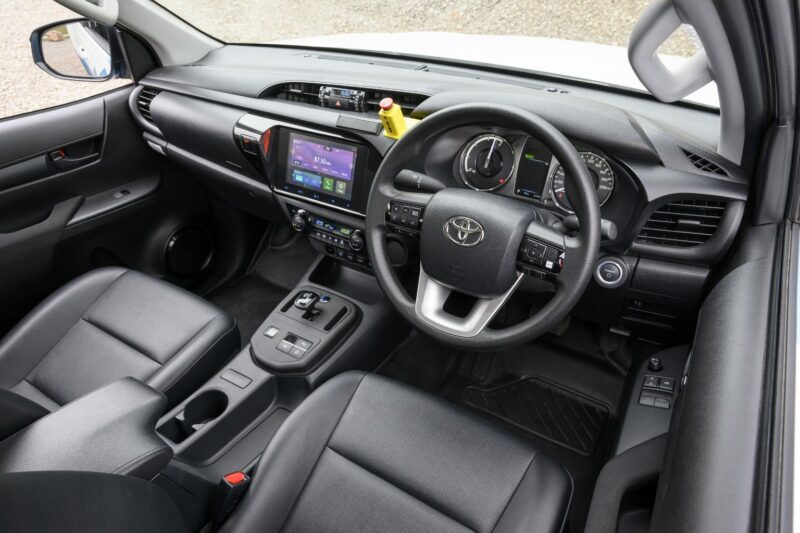
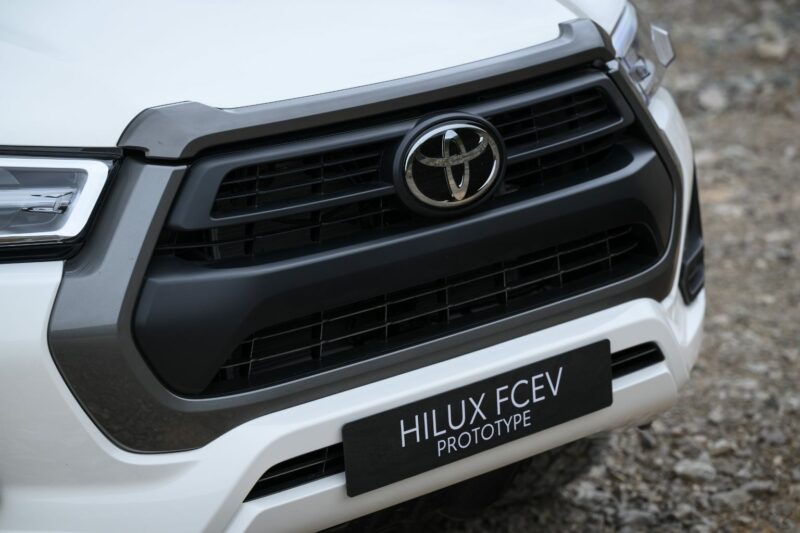
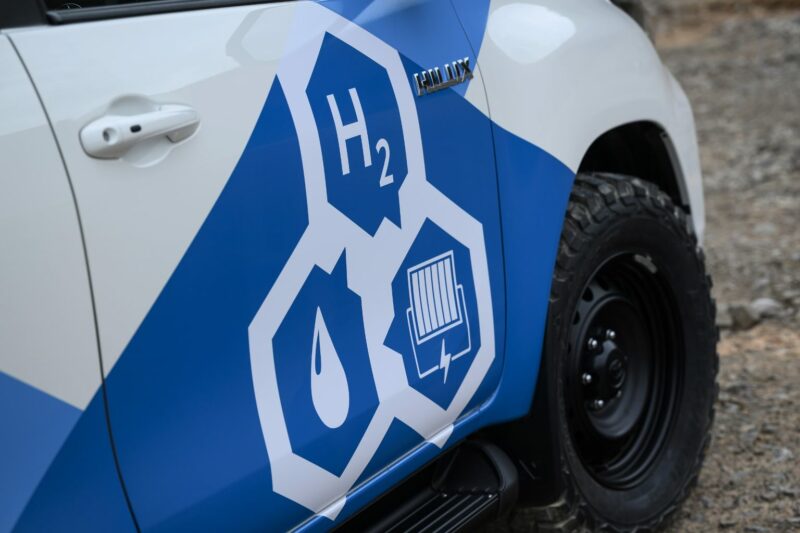
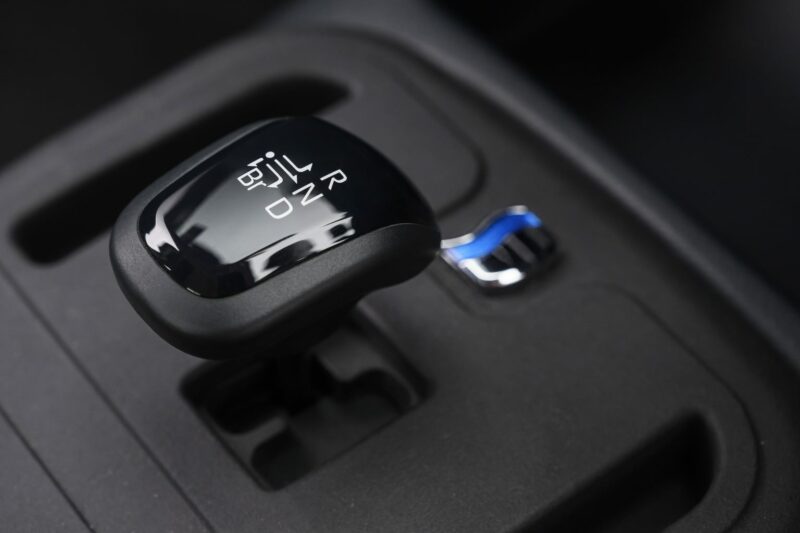
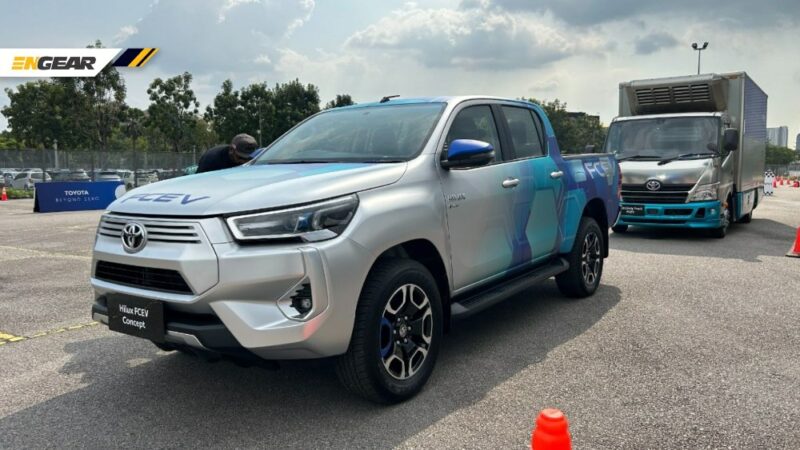
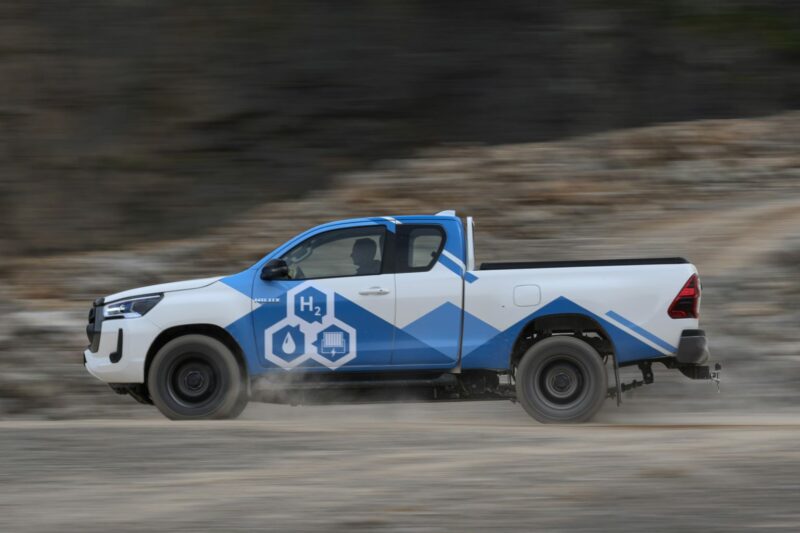
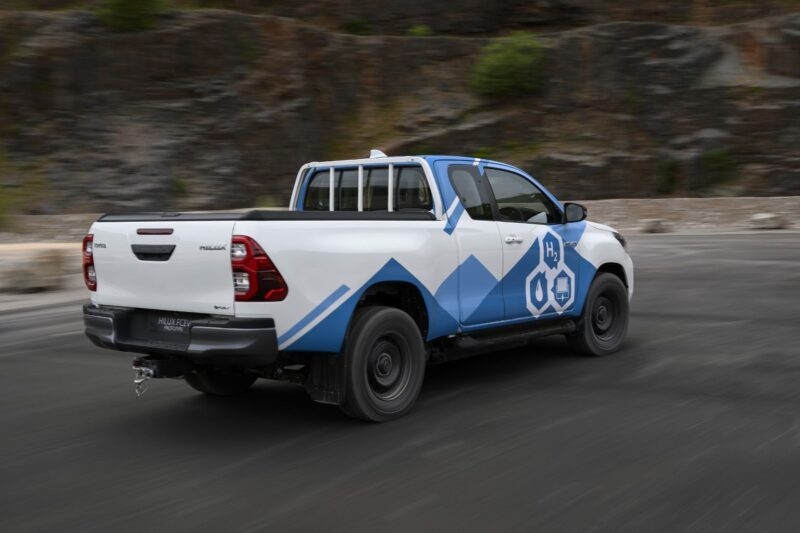
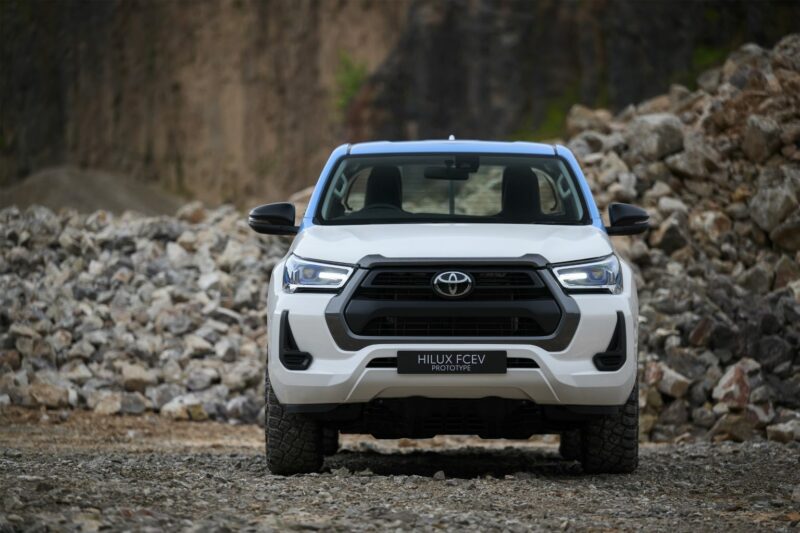
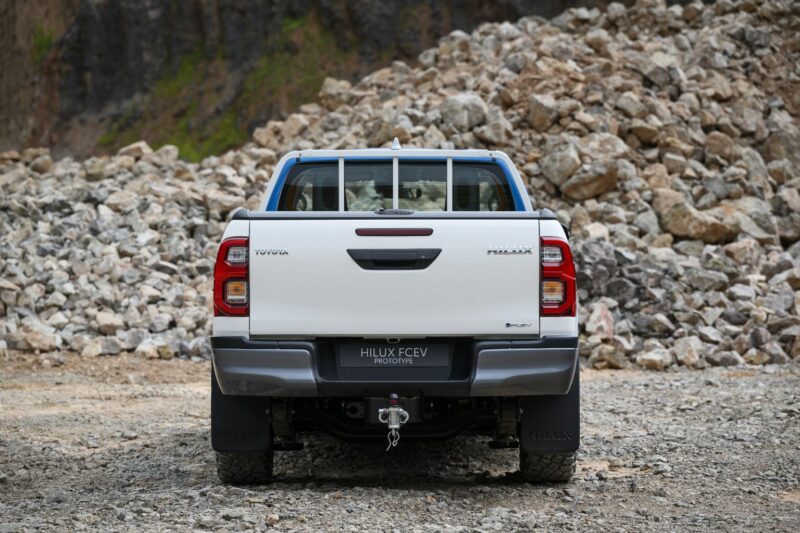
The Toyota Hilux hydrogen fuel cell (FCEV) development project, which was first announced in December 2022, has now entered its final phase.

According to Toyota, 10 Hilux FCEV prototypes have been built at the Toyota Motor Manufacturing UK (TMUK) plant in Derby, England.

Five vehicles are undergoing rigorous field testing to assess safety, performance, functionality, and durability, generating test drive data in real-world situations, while the other five are engaged in customer and media demonstrations, including at the forthcoming Olympic and Paralympic Games Paris 2024.

Externally, the fuel cell model has the same dimensions and rugged appearance as the latest Hilux generation but beneath the surface, there’s a ‘heart’ derived from the Mirai that offers a range of up to 600 km – further than might be achieved using a battery electric system.

And thanks to hydrogen’s light weight, the Hilux FCEV is said to have higher payload capacity and towing capability compared to other zero-emission alternatives

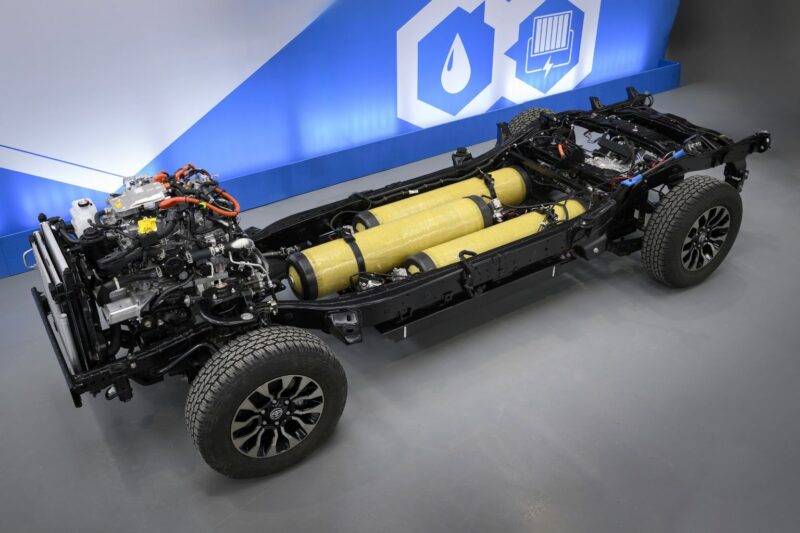
Hydrogen is stored in three high-pressure fuel tanks, each containing 2.6kg to give a total capacity of 7.8kg. The tanks are mounted within the vehicle’s ladder frame chassis.

At the front axle, there is polymer electrolyte fuel cell stack comprising 330 cells producing 174 PS, while mounted on the rear axle an electric motor generating 182 PS and 300 Nm of torque.

Meanwhile, the lithium-ion battery, which stores the electricity generated by the fuel cells, is located in the rear load deck, above the hydrogen tanks. This avoids any loss of cabin space.

Hydrogen fuel cell is one of the powertrains developed by Toyota as part of its previously announced multi-pathway strategy.

The company expects Europe to be one of the world’s largest hydrogen fuel markets by 2030. As a result, in December 2023, Toyota Motor Europe (TME) announced the Hydrogen Factory Europe to help accelerate the commercialization of the technology.

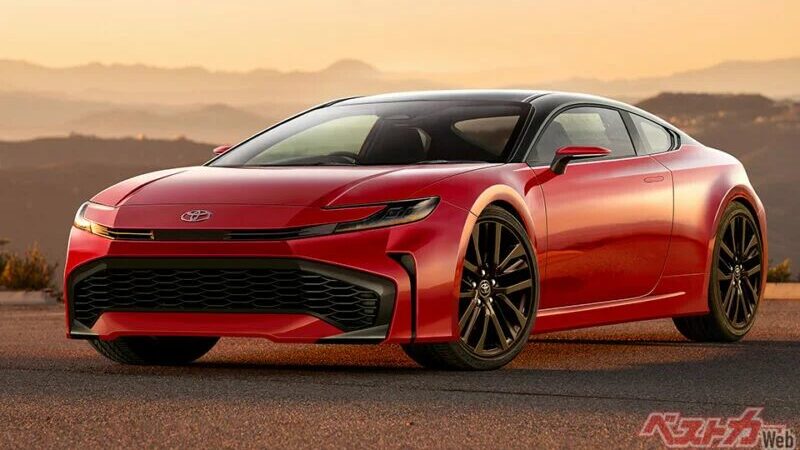
Toyota will revive the legendary Celica name – 2.0L turbo, 400hp, GR-Four AWD

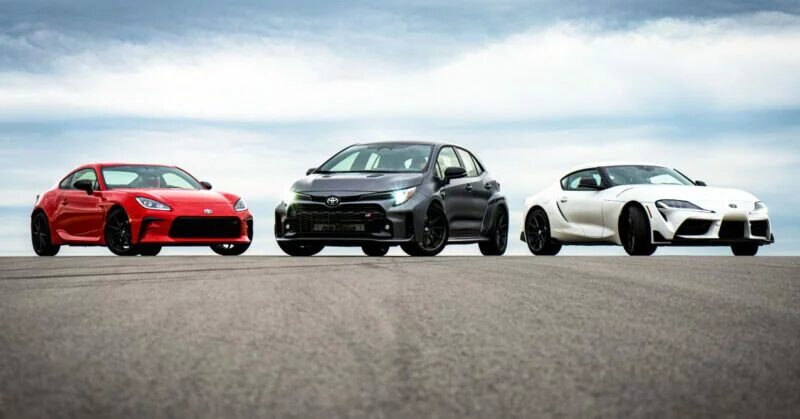
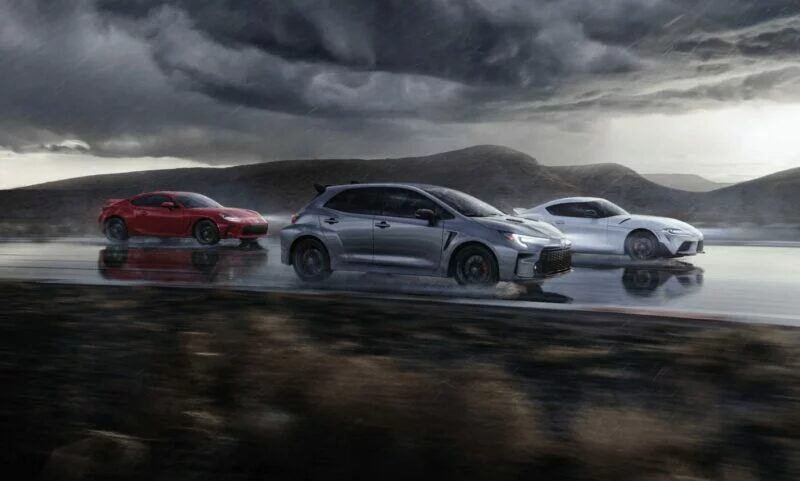
EVEN with the existing lineup of sports car models (GR Supra, GR Yaris, GR Corolla & GR86), Toyota Gazoo Racing plans to revive some iconic names that once dominated the world. These include the Toyota MR2/MRS and Toyota Starlet.

The latest report from Japan reveals that Toyota intends to resurrect the Celica name as one of the high-performance models under the Gazoo Racing brand.

Unlike the rumors circulating last year, Toyota aims to take a more traditional approach, with the Celica re-emerging as a GR model paired with a 2.0L inline-four-cylinder engine producing 400 hp.

The Japanese publication also disclosed that the development of the high-performance engine had actually begun several years ago and would be fully ready before it is announced by Akio Toyoda at the 2024 Tokyo Auto Salon.

With the combination of the AWD GR-Four drive system, it is a fitting step to revive the spirit of the Celica GT-Four while simultaneously paying homage to the success of previous Celica models in rallying.

Best Car Web predicts that the new Celica model will be revealed as early as January next year at the 2025 Tokyo Auto Salon. In addition to the Celica, Toyota is reportedly developing a hot hatch version of the Starlet designed as a rally-focused vehicle in the Rally4 WRC class.

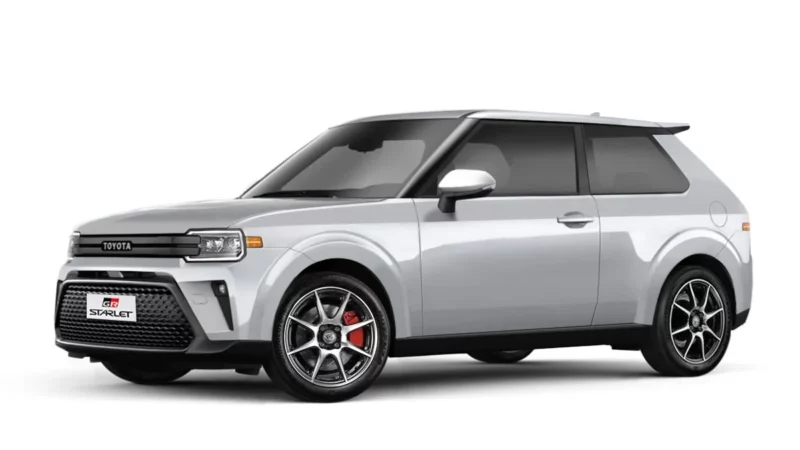
Unlike the more comprehensive and powerful GR Yaris, this ‘GR Starlet’ will utilize a smaller-displacement (1.3-liter) turbocharged inline-three-cylinder engine and a more compact front-wheel-drive system.

The same platform will also be used by Toyota for another entry-level rear-wheel-drive sports car model, the S-FR, which is said to be capable of generating up to 150 PS and 220 Nm of torque.

Toyota GR Supra production to end in 2026, Magna Steyr plant lays off 500 workers – report

THIS is an unpleasant news, as you only have a two-year window to acquire a Toyota GR Supra grand tourer model before production ceases in 2026.

This is due to reports from Automobilwoche stating that vehicle manufacturer Magna Steyr, based in Graz, Austria, will lay off approximately 500 workers after the production of several key models like the BMW 5 Series, Jaguar E-Pace and I-Pace, and the Fisker Ocean comes to an end.

For your information, the same factory is also utilized to assemble the non-identical twin models BMW Z4 and Toyota GR Supra since 2019. Carscoops quoted Vice President of Toyota Motor North America, Dave Christ, who explained, “we collaborated with BMW, and it has been a success.”

He further added, “we will reassess the situation going forward. I think, if we want to build something, we will think about how to do it.” These statements suggest that Toyota is likely to develop a new generation of the GR Supra independently or potentially engage in a partnership with a different manufacturer.

The Toyota GR Supra is a high-performance mass-produced car created by Toyota Gazoo Racing, following its previous offerings of limited production models under the sub-brand GRMN (Gazoo Racing Meister of Nurburgring).

It comes in two engine versions, a 2.0-liter inline-four engine producing 258 hp and 400 Nm, or a 3.0-liter inline-six engine generating up to 382 hp and 500 Nm, powering the rear wheels.

Initially, the GR Supra was only available in an automatic version, with a specially developed manual transmission becoming available in 2022, limited to inline-6 engine Supra models.

Toyota to assemble Hilux BEV in Thailand by end-2025

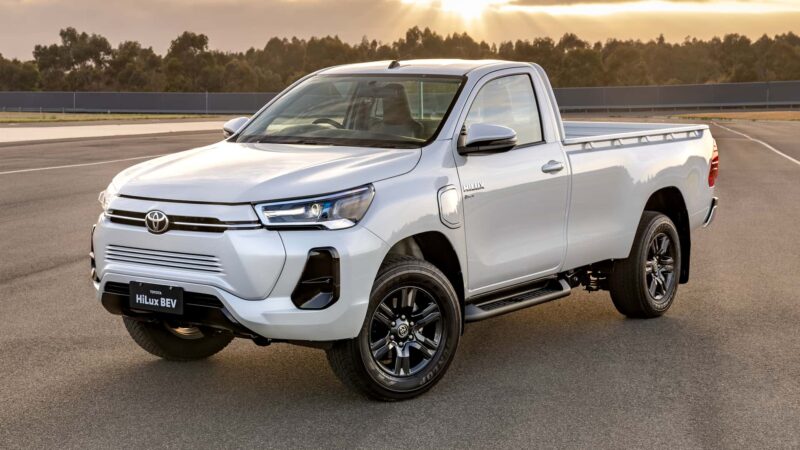
Toyota is currently testing the battery-electric Hilux BEV to assess its performance as it prepares to commence the production of the truck in Thailand by the end of 2025.

According to Reuters, Thailand is a critical market for Toyota, with pickup trucksmaking up more than half of total vehicle sales. The company also has a large manufacturing plant in the country.

“Our intention is to be producing the Hilux BEV over here,” Pras Ganesh, executive vice president of Toyota Motor Asia told Reuters.

Ganesh did not provide any details on pricing or production volume for the Hilux BEV, which would be Toyota’s first electric pickup truck offering.

He added that the pickup truck will be primarily targeted at the Thai domestic market but Toyota will also consider exporting the model.

The Japanese automaker is testing the Hilux BEV for various use cases in different road and temperature conditions.

“The more range I have to put on it, the more battery I have to put on it, which means the weight of the vehicle also becomes significantly heavier, which means the loading can be much less,” Ganesh said.

“So ‘Is it going to meet the customer’s usage needs?’ is always our biggest issue. We are always trying to understand what they do,” he added.

Meanwhile, Toyota’s closest rival Isuzu Motors also plans to assemble its electric D-Max pickup truck in Thailand.

5 things we don’t like about the Toyota Vios

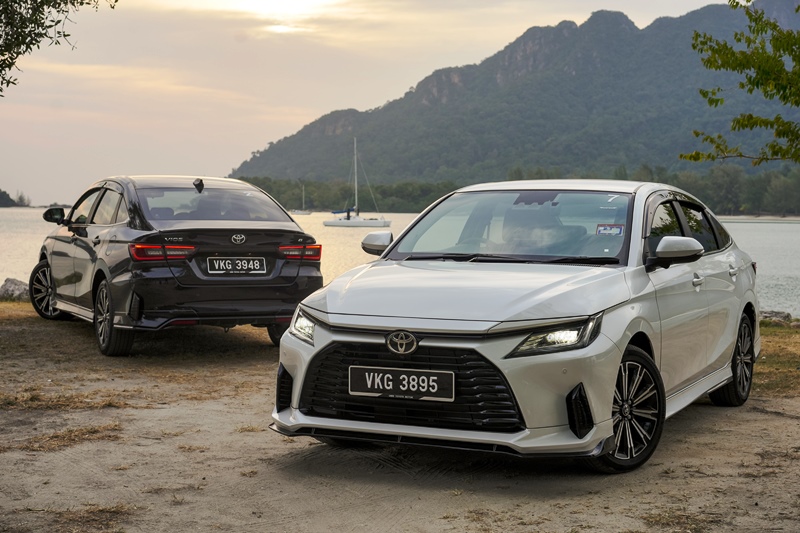
Launched back in March 2023, the fourth-generation Toyota Vios is a fairly capable B-segment sedan in its own right.

There are several things that I like about the Vios, but like many other cars that I have had the opportunity to test drive, it also has some weak points which hopefully can be addressed in the future.

So, without further ado, here are five things I don’t particularly like about the Vios:

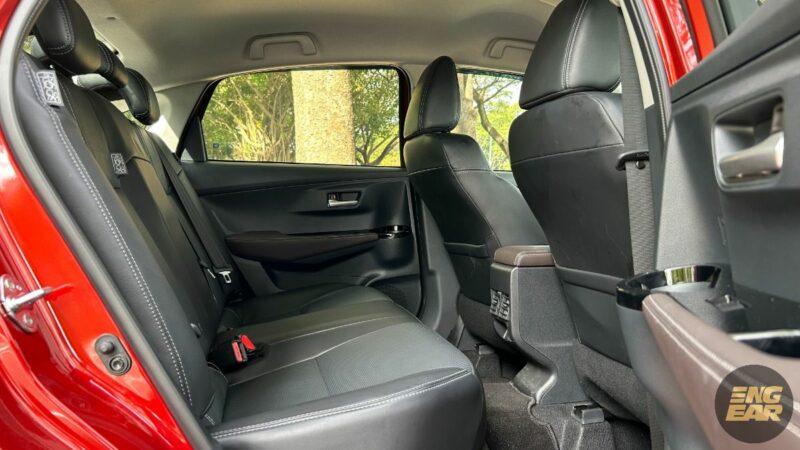
Limited rear passenger headroom

Honestly, I’m not what you would call a tall person, but during the Vios media drive in Langkawi last year, I found that the rear passenger headroom for rear passengers was rather limited. This is due to the fastback-style sloping roofline. It seems that in the pursuit of style, some comfort had to be sacrificed.

No rear folding seats

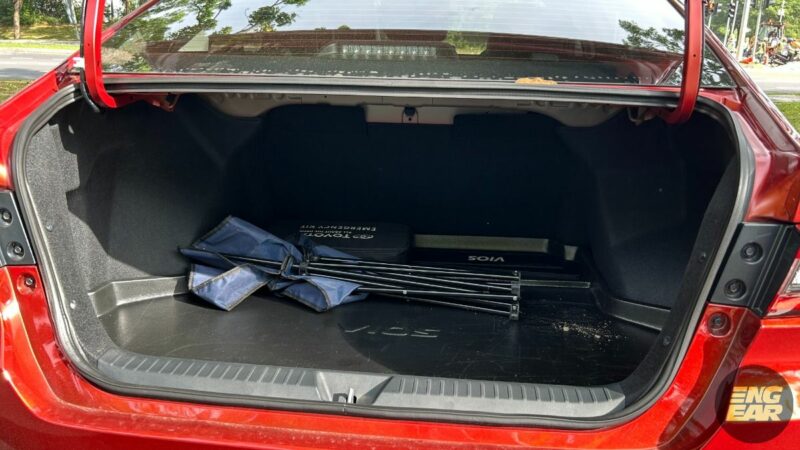
It’s quite unusual for a new car to have non-foldable rear seats, but according to Toyota engineers, this feature was omitted in the Vios because market research showed that users rarely use this function. Not only that, the 475-litre capacity is also considered large enough. Bad news for frequenters of Ikea, I guess.

No spare tyre

One of the most talked subjects during the Vios launch was the absence of a spare tyre. I was told that this important feature was sacrificed to reduce weight (they managed to shave off 110 kg, fair enough) and save some space. Users do get a tyre repair kit, though.

Underpowered engine

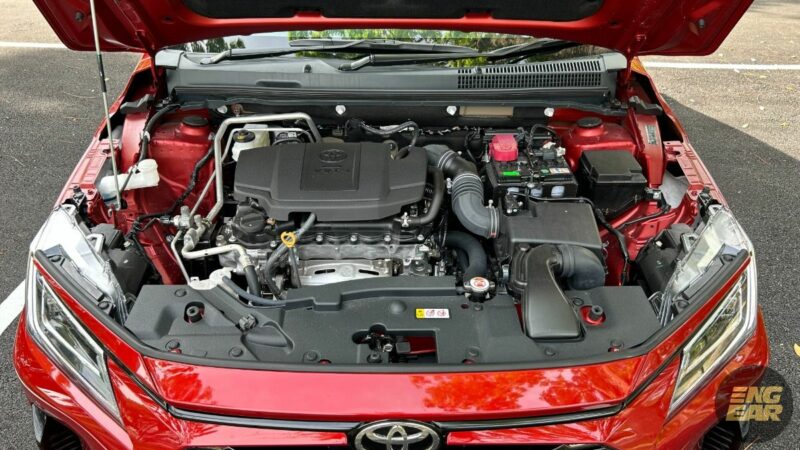
Although the Vios’ 2NR-VE 1.5-liter four-cylinder Dual VVTi engine is found to be very smooth in most driving situations, it falls short compared to its closest competitor, the Honda City, in terms of output.

The City has 119 hp and 145 Nm, which is 15 hp and 7 Nm higher than the Vios. In fact, the 2NR-VE engine is actually less powerful compared to the previous 2NR-FE engine.

Overloaded with features

There are simply too many features in the Vios. In terms of driver convenience, there’s a 9-inch touchscreen with wireless Apple CarPlay and Android Auto, wireless charger, a push-start system and many more.

When it comes to safety, the Vios is riddled with Toyota Safety Sense (TSS) features such as Pre-Collision System, Lane Departure Prevention, Lane Departure Warning, and Front Departure Alert, to name a few.

Beyond Zero showcases Toyota’s ideas on carbon neutrality

If you have been following the developments in the automotive industry, you will notice that Toyota does not believe that battery electric vehicles (BEVs) or EVs are the sole solution to carbon neutrality.

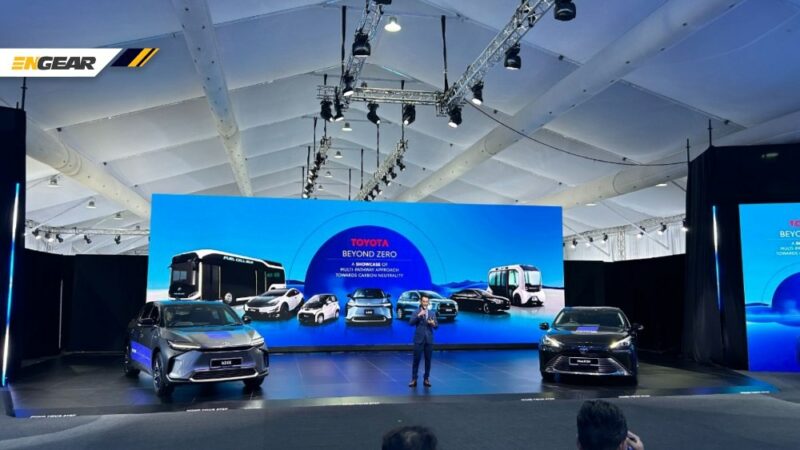
Instead, they are confident that there are several other ways to achieve it. Thus, Toyota is presenting Beyond Zero, an initiative of the brand towards Carbon Neutrality by 2050.

The event, which runs from February 20th to 28th and held at the Malaysia Technology Park, showcases a transformation initiative that demonstrates the brand’s commitment to sustainable and environmentally friendly practices.

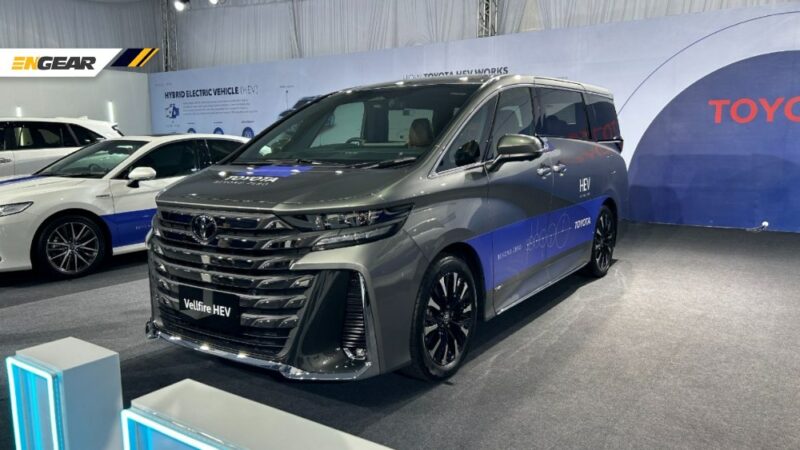
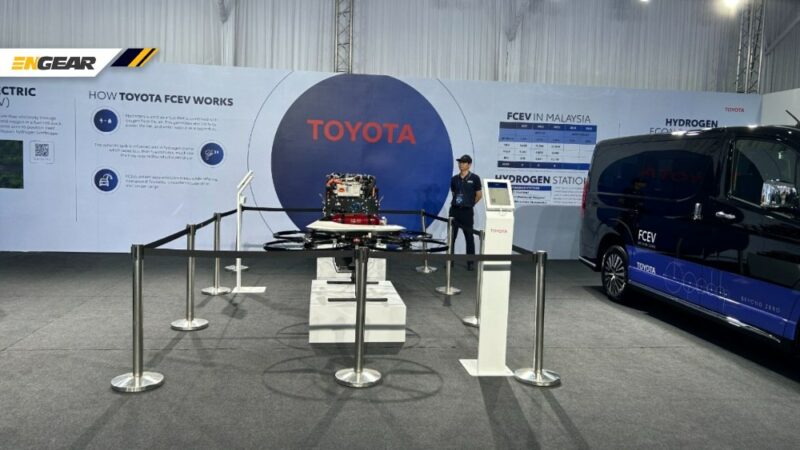
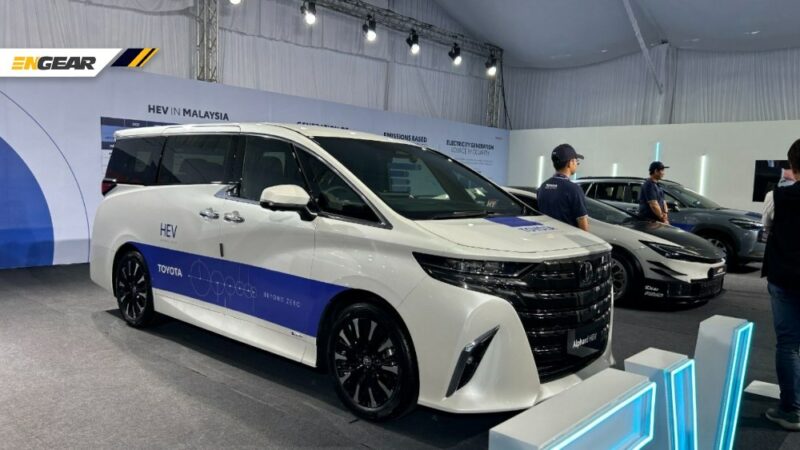
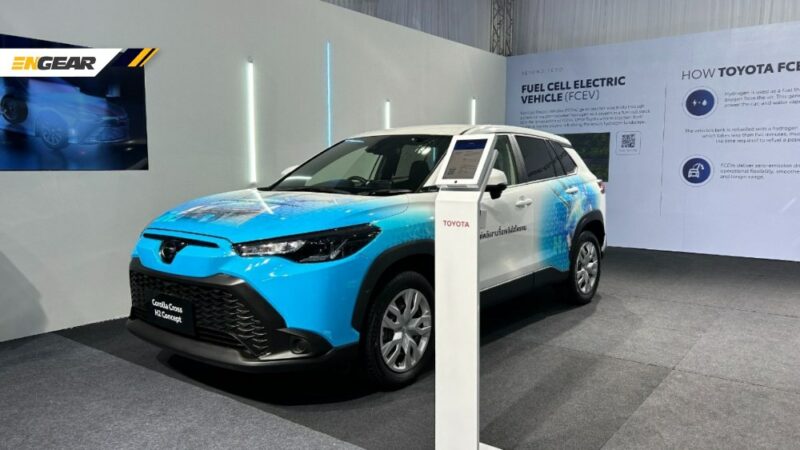
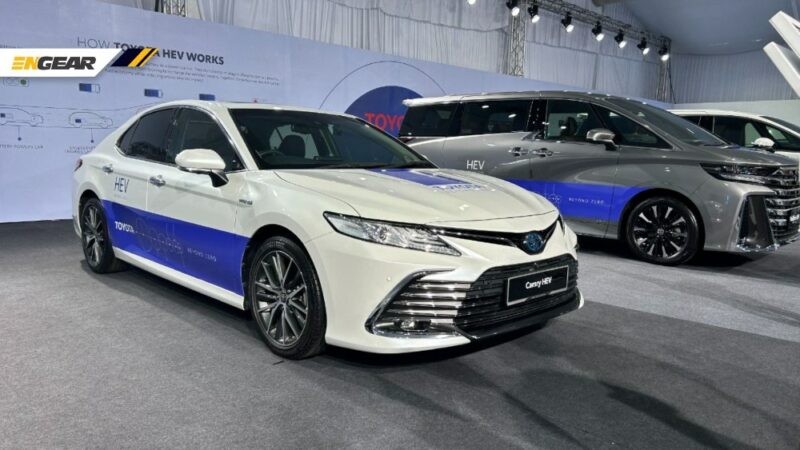
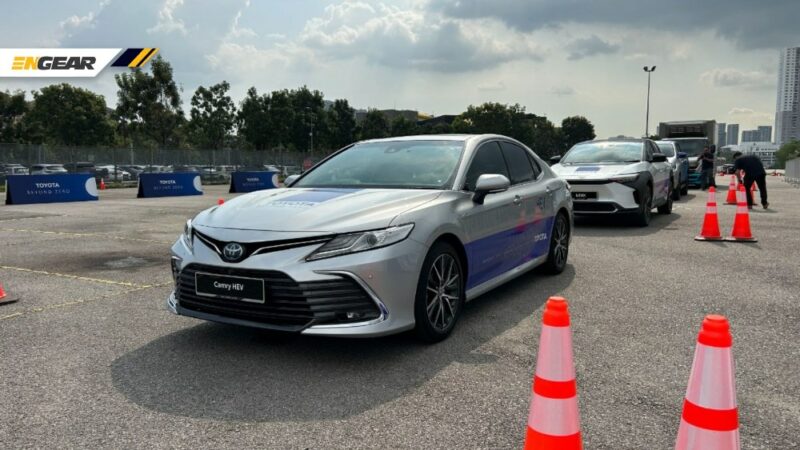
The Beyond Zero event was symbolically launched to showcase a diverse approach with various electrification technologies, including Hybrid Electric Vehicles (HEVs), Battery Electric Vehicles (BEVs), and Fuel Cell Electric Vehicles (FCEVs).

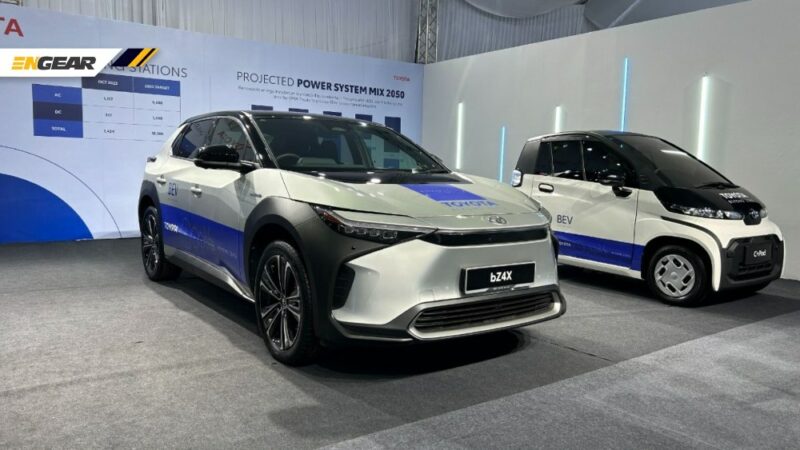
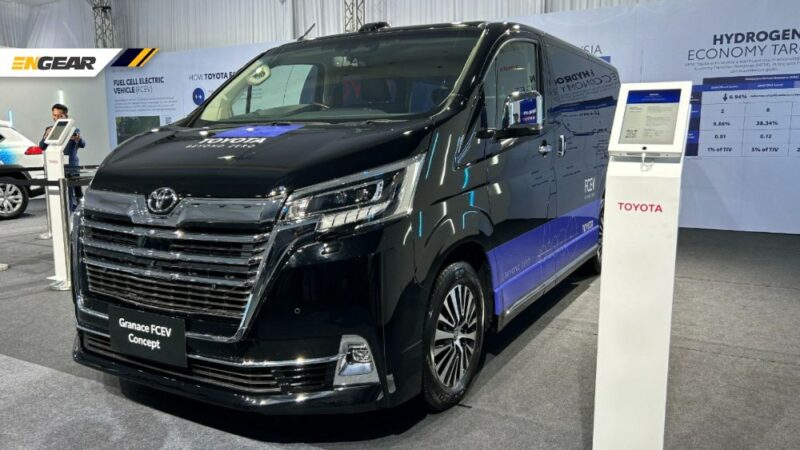
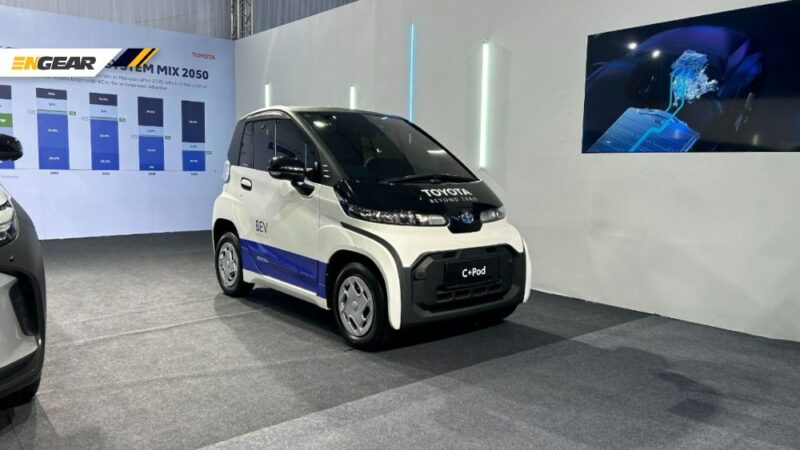
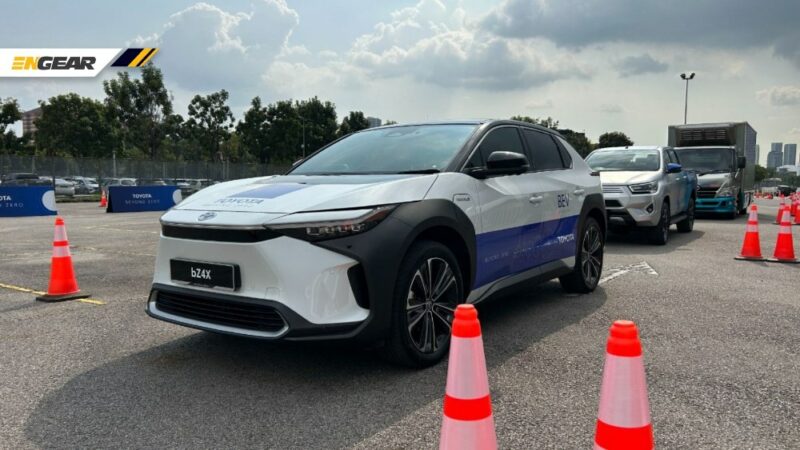
Among the BEV models presented are bZ4X, Hilux BEV REVO-e, and C+pod. For FCEVs, the models featured include Mirai, GranAce FCEV, and Hilux FCEV.

The Beyond Zero event is open to various guests to learn about sustainability initiatives and new technologies, and to test drive specific vehicles from February 20th to 28th, 2024.

The Minister of Investment, Trade, and Industry, YB Senator Tengku Datuk Seri Utama Zafrul Tengku Abdul Aziz, who officiated the event, praised UMW Toyota (UMWT) for the company’s commitment to sustainable practices and environmental conservation.

“Recognizing the importance of Malaysia’s transition to sustainable energy, we are driven by global commitments and the potential for economic diversification and energy security,” he said.

“Malaysia, recognized as the best country in Southeast Asia in the 2023 Energy Transition Index by the World Economic Forum, is on the right track to become a regional leader in energy transition.”

“Toyota’s innovative efforts in clean energy, through its diverse approach, are indeed aligned with our nation’s goals.”

The President of UMWT, Datuk Ravindran K. said, “We acknowledge the existence of various challenges and opportunities nationwide in our efforts to pursue a multi-pathway approach and implement appropriate life cycle actions in line with each national interest and Sustainable Development Goals (SDGs) of the country.”

“Recognizing the unique landscape of the Malaysian automotive industry, as well as its position as a major producer of electrical and electronic products in Southeast Asia, it is important for us to position ourselves appropriately in this journey.”

Toyota Hilux gets new looks, mild-hybrid power in Australia

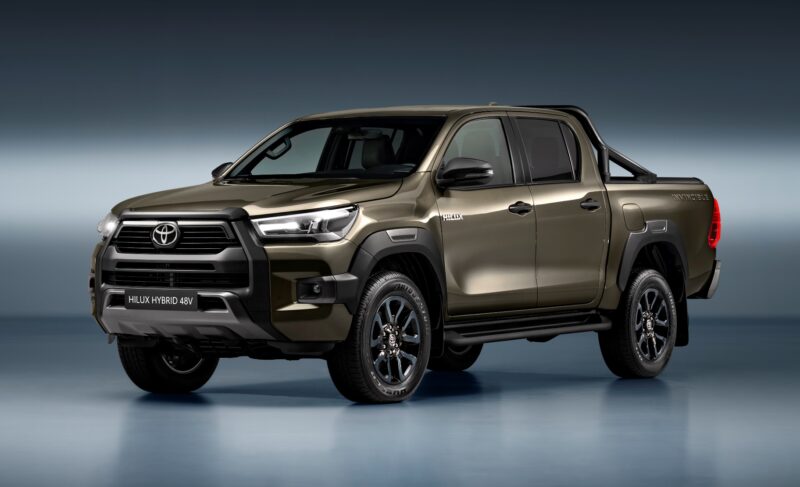
The Toyota Hilux Hybrid 48V, which was launched in Europe last December, has now been introduced in Australia through a facelifted version of the pickup truck.

Similar to the European model, the facelifted Hilux for Down Under combines the existing 2.8-litre four-cylinder turbodiesel engine with mild hybrid technology consisting of a motor generator, 48-volt battery, and DC/DC converter.

According to Toyota, the technology provides the Hilux with a Stop/Start system, helps the engine run smoother and improves fuel efficiency by approximately 6% to 10%, depending on variant.
For the Australian market, the 48V mild hybrid technology is equipped as standard in the 4X4 Rogue and SR5 double cab automatic variants, and optionally available on the 4X4 SR double cab.

In addition, all mild hybrid variants are made more capable off-road with the standard fitment of the Multi-Terrain Select system, which offers six driving modes.

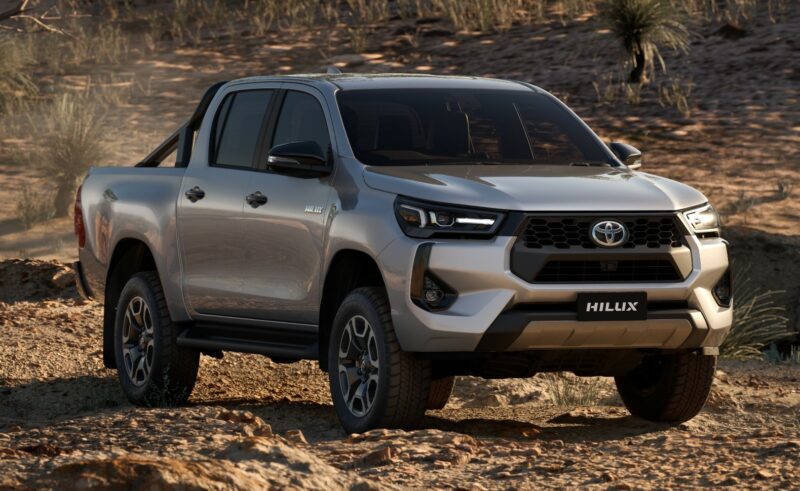
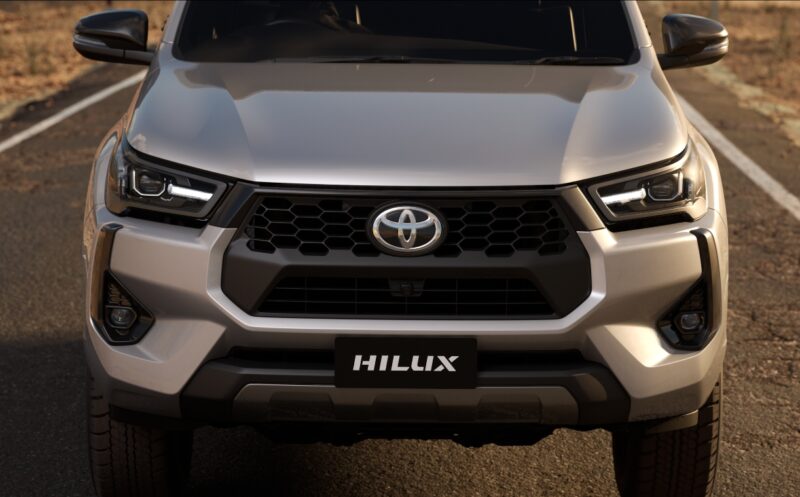
However, unlike in Europe, the facelifted Hilux in Australia has been given a fresher look. The octagonal grille has been redesigned, while the front bumper now appears more prominent thanks to a trapezoid-shaped air intake and new fog lamp housings.

Some variants also feature a tough-looking black honeycomb mesh grille and a tailgate damper.

In terms of features, all SR double cab automatic variants now come with six parking sensors (two in the front, four in the rear), while the SR5, Rogue, and GR Sport variants receive a wireless charging pad and two USB-C ports.

The facelifted Hilux will arrive in Toyota showrooms across Australia starting this March, with prices ranging from AUD54,130 to AUD71,530 (RM167,800 to RM221,739) for the mild hybrid variants.

“Let’s keep on making engines” – Toyota Chairman

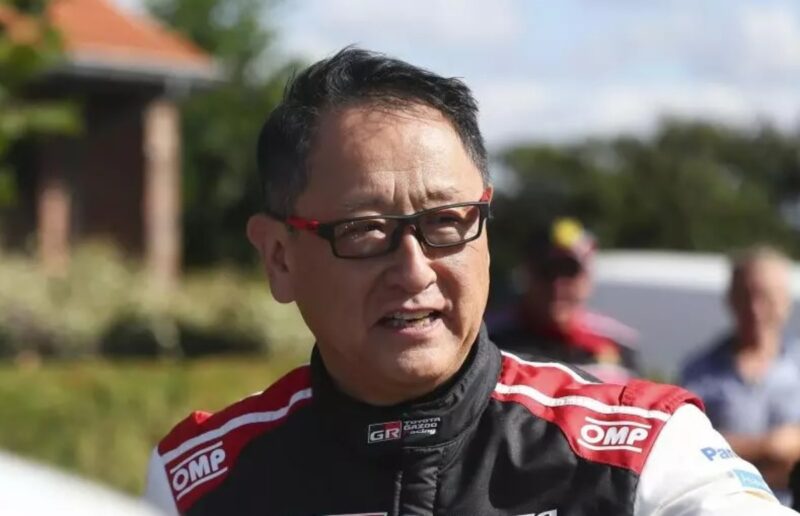
The world’s largest car manufacturer, Toyota, is determined not to concede in the internal combustion engine race. The company aims to uphold this commitment, driven by the direction of its chairman and car enthusiast, Akio Toyoda.

He is adamant about safeguarding millions of jobs in Japan while simultaneously offering choices to future car buyers.

“To those who have been producing engines from the past until now, let’s continue to develop engines,” Toyoda stated during the Tokyo Auto Salon 2024 (TAS2024) event.
“As car enthusiasts, we are tasked with shaping the future. My desire to enjoy cars leads me to want to explore various technologies. This is something I take seriously,” he added.
Highlighting that over 5.5 million workers are involved in engine manufacturing in Japan, Toyoda emphasized the importance of retaining these jobs.

He outlined Toyota’s multifaceted plan for future mobility, stating, “The approach to carbon neutrality depends on the country and region. However, shouldn’t we consider the desires for cars that we need?”

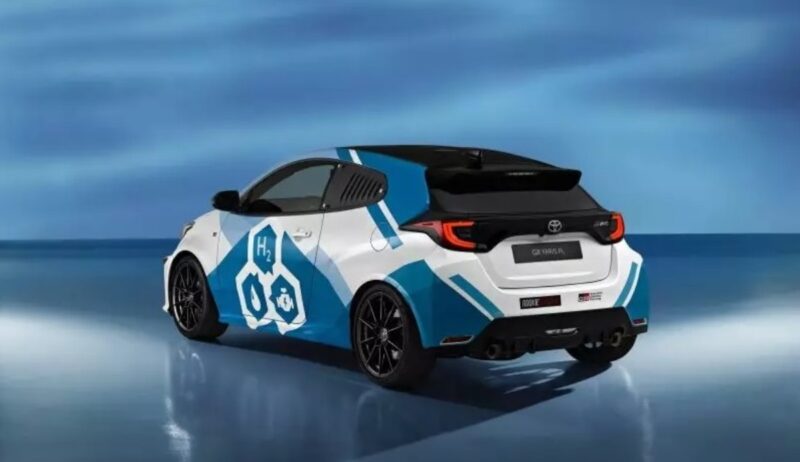
Toyoda noted that outside of the country, Toyota has numerous colleagues with similar interests and desires. He expressed that Battery Electric Vehicles (BEVs) are not the sole means to achieve carbon neutrality, as Toyota has been developing hydrogen technology for the past three years.

“Last year, we tested liquid hydrogen and drove it at Le Mans. There is still work to be done in engine technology to achieve carbon neutrality. So, let’s refine engine technology. Let’s start that project,” Toyoda concluded.

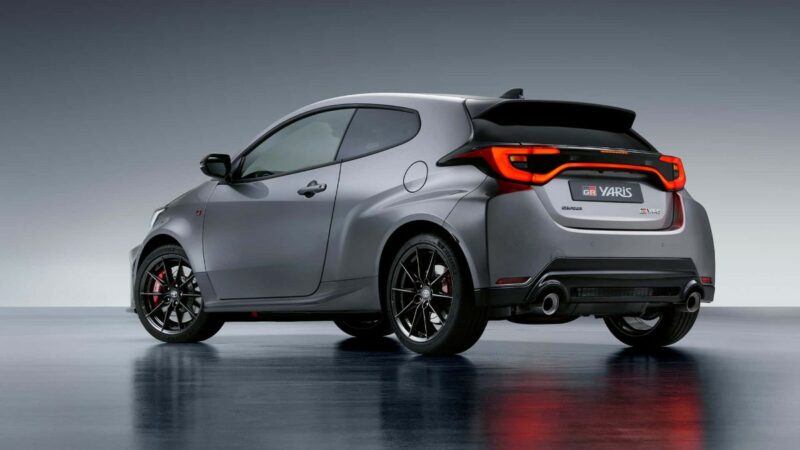
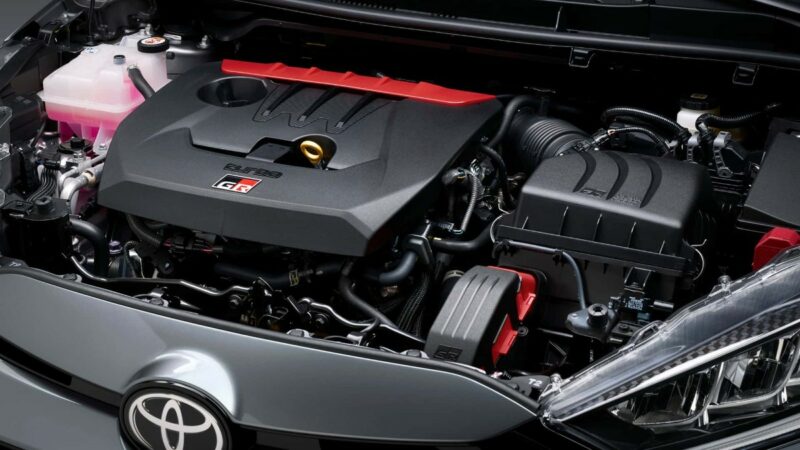
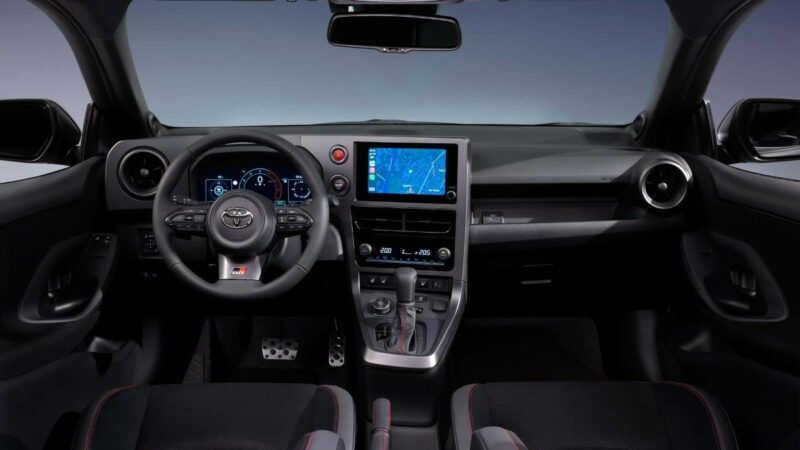
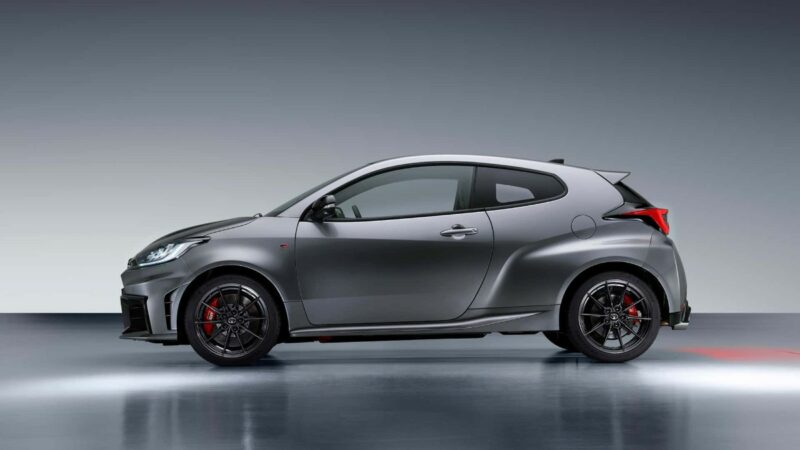
TAS: 2024 Toyota GR Yaris unveiled, gains 8-speed auto option

You may have read the report before this that the Toyota GR Yaris will be offered with an 8-speed automatic gearbox option.

Now it’s official, as it was launched by Toyota at the ongoing Tokyo Auto Salon (TAS) event. Toyota has dubbed this gearbox the Direct Automatic Transmission.
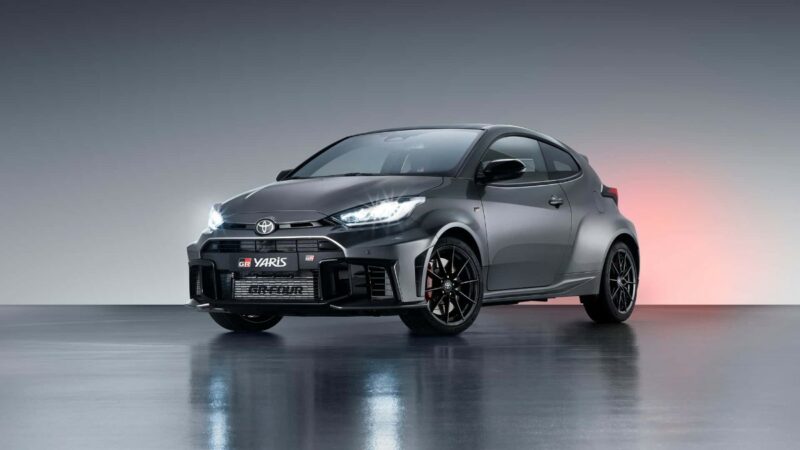
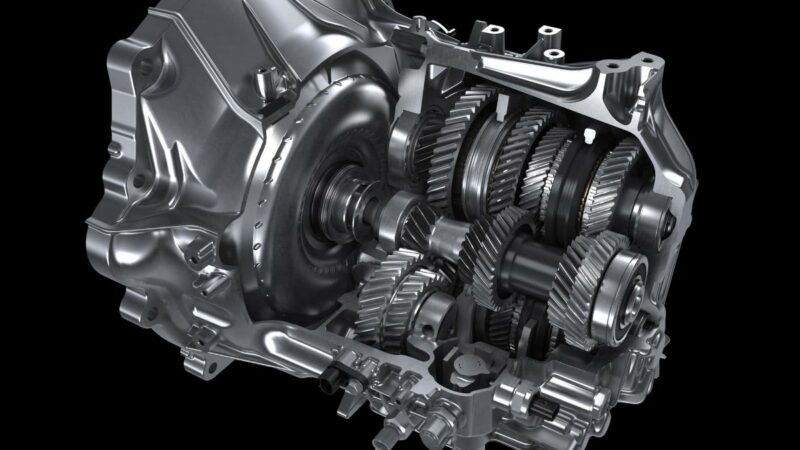
Founded on a torque-converter unit, it has been tuned for quicker gear changes, and even features a mode for track use. In addition, the 2024 GR Yaris has undergone changes in several other areas.

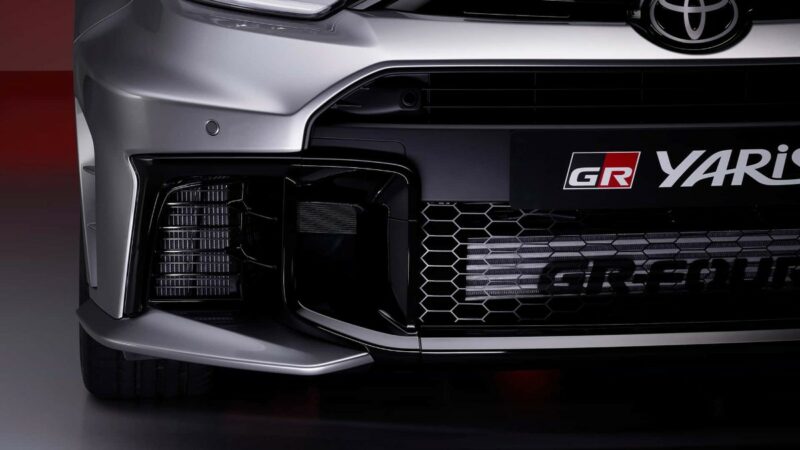
The Circuit package will bring improved cooling system with an additional radiator, intercooler sprayers, and a redesigned intake system.

The automatic version also comes with a specific cooler for the gearbox. Both coolers can be seen from the side air vents. Interestingly, the automatic version only adds around 18kg in weight.

Chassis rigidity has been increased, and the suspension has been further enhanced to accommodate more power from the engine. It’s not just a regular tune-up, but a “strengthened” one.

There are new materials for the exhaust valve, higher pressure for direct fuel injection, a new air pressure sensor, and lighter wheels.

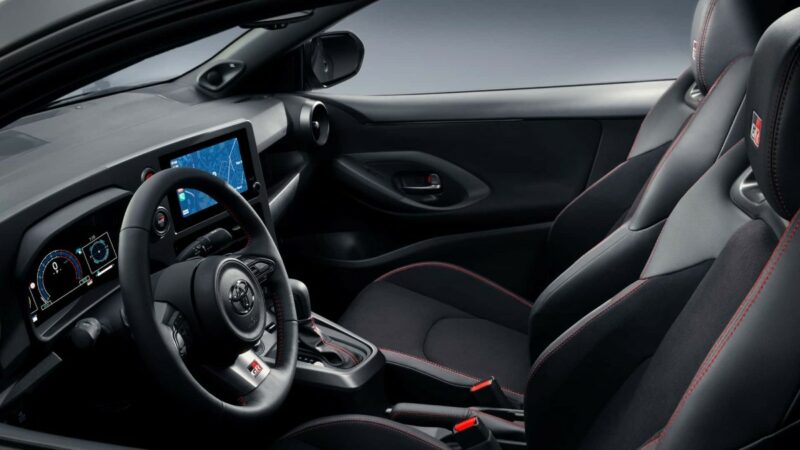
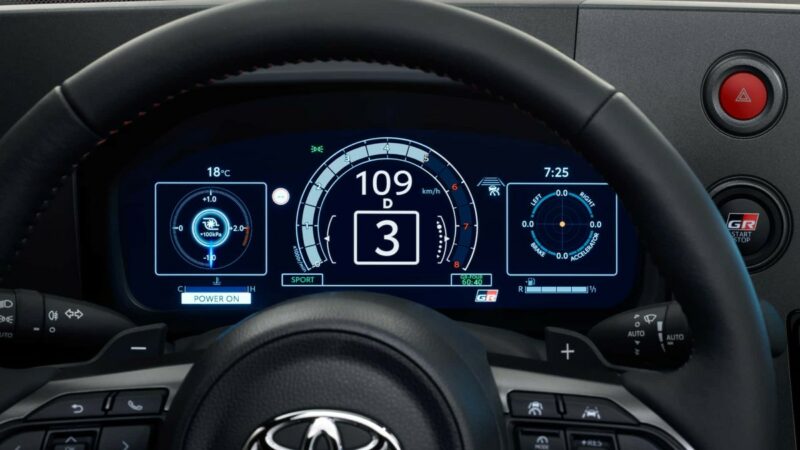
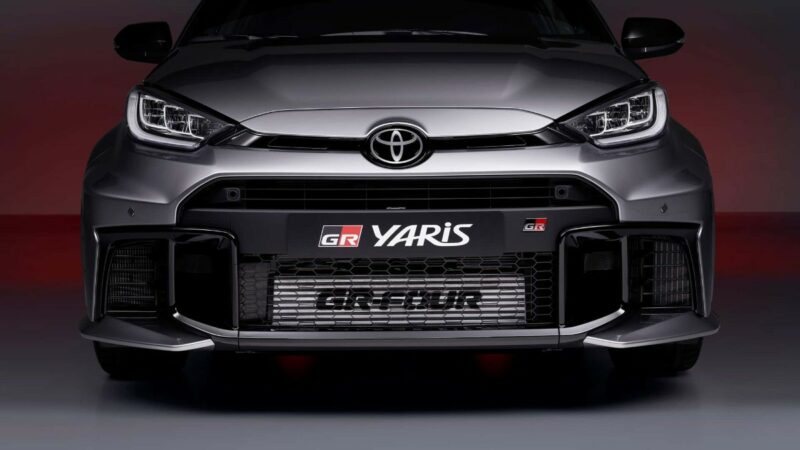
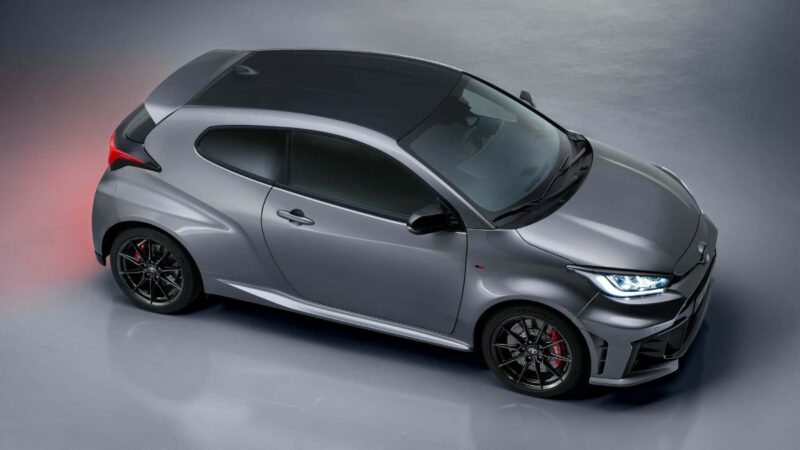
Finally, the GR Yaris has been given a facelift both externally and internally. The front bumper is more aggressive, while the cabin space is more driver-focused. The new 12.3-inch screen is from the GR Corolla.

Previously, the GR Yaris was among several vehicles offered with a manual gearbox option only, alongside the Honda Civic Type R. With the addition of an automatic option, does it make the GR Yaris less ‘hardcore’?

UMW Toyota sold 108,107 cars in 2023, 7% higher than year before

UMW Toyota Motor (UMWT) has announced that it successfully sold 10,402 vehicles in December 2023.Of the monthly sales figure, 10,079 units were Toyota vehicles, while 323 units were Lexus vehicles.

With this tally, UMWT’s total year-to-date sales as of December 2023 stands at 108,107 units, an increase of 7% than the 101,035 units posted in 2022.

The company also said it recorded 1,342,130 returning customers for aftersales services in 2023, showcasing a commitment to customer satisfaction and efficiency in automotive care.

“With heartfelt gratitude to all our customers for their unwavering support, this year-end, UMWT renews our commitment to ‘Move Your World.” said Datuk Ravindran K., President of UMWT.

“We persist in our efforts to offer an enriched mobility experience through our Toyota cars and extend access to ownership for potential customers.

“Our commitment to achieving excellence and fostering innovation in the automotive industry remains unwavering, ensuring the best offerings for our drivers and stakeholders,” he added.

Ravindran further stated that UMWT plans to introduce more models, particularly with an emphasis on xEV technologies. This is to strengthen its commitment to support Malaysia’s ambitious goal of achieving net-zero greenhouse gas emissions by 2050.

Toyota is updating the 2024 GR Corolla with aluminum tapes

A car often undergoes subtle unadvertised changes throughout its sale period. Manufacturers may alter fastening shapes, improve potentially damaged components, or seek ways to reduce costs.

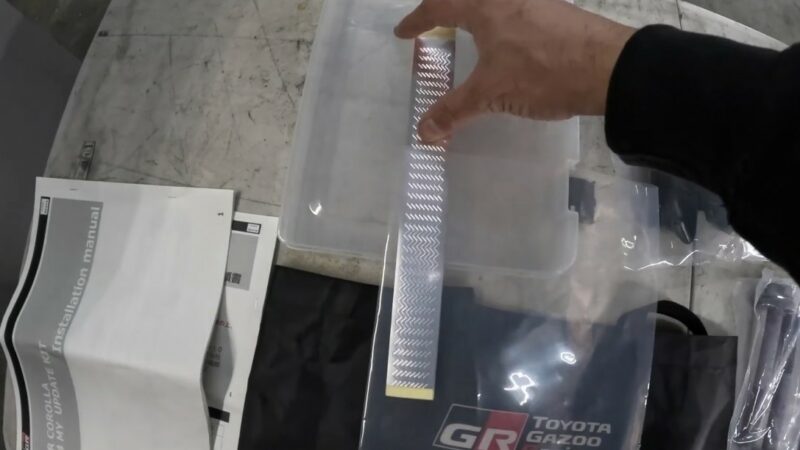
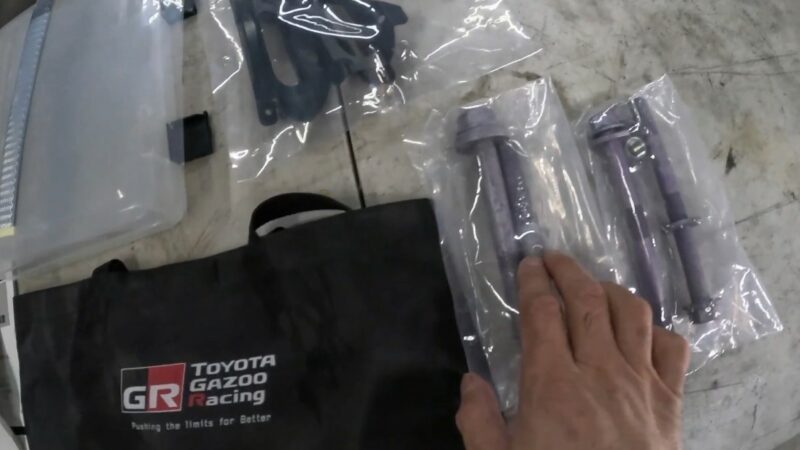
For the 2024 Toyota GR Corolla, there are few changes, including new bolts, a pair of air ducts, and four pieces of aluminum tape for improved aerodynamics.

We are particularly interested in the latter, the aluminum tape. How can such a simple, light, and inexpensive item have an impact on aerodynamics?

In a video released by Ken Gushi, showcasing the installation of 2024 components on his 2023 GR Corolla, the adhesive tape is seen as a curious upgrade for him as well.

The tape comes in the 2024 upgrade package alongside new rear subframe bolts, new steering bolts, air ducts, and the aforementioned tape. One might expect the tape to help seal air gaps or reinforce flexible parts, but instead, it controls electrostatic discharge.

This concept has since been patented by Toyota. The car generates positive charges while driving, and the surrounding air is also charged. When two positively charged objects touch, the air around them is disturbed.

According to Car Watch, this idea has been around since the mid-2010s and was initially tested on the Toyota 86. During the development of the 86 facelift model, Toyota engineers identified inconsistent behaviors among test car units, especially when the front bumper material was changed from prototype specifications to production specifications.

This led to the study of electrostatic discharge and the discovery that aluminum tape solved this issue and seemingly improved aerodynamics like magic

Toyota Crown Sport PHEV goes on sale in Japan, 1,200 km on one full tank

THE Toyota Crown Sport, which is one of the four models in the Crown lineup, is now available with a plug-in hybrid (PHEV) powertrain in its home market, where it is priced from 7.65 million yen (RM248,030).

Similar to the hybrid version, the aforementioned powertrain employs the A25A-FXS 2.5-litre Dynamic Force engine, but in this version, the engine is assisted by a pair of electric motors.

On its own, the engine develops 177 PS and 219 Nm of torque, while the front and rear electric motors generate 182 PS/270 Nm and 54 PS/121 Nm, respectively.

The ICE-electric motor combo provides the Crown Sport PHEV with an E-Four all-wheel drive system and a healthy total system output of 306 PS.

With a 51-Ah lithium-ion battery, the SUV is capable of traveling up to 90 km without using a drop of fuel.

Not only that, it is also said to offer a fuel consumption rate of about 20.3 km/l and with a 55-litre fuel tank, it boasts a total cruising range of more than 1,200 km on a full tank.

According to Toyota, the Crown Sport PHEV supports both standard and rapid charging, with the latter enabling a charge to 80% power in 38 minutes.

The exterior may appear to be unchanged from the hybrid version, but underneath the gorgeous sheetmetal lies an additional braces to the floor tunnel to ensure an optimal balance of body rigidity.

Furthermore, the damping characteristics of the Adaptive Variable Suspension (AVS) system have been retuned for smoother and more stable ride.

The Crown Sport PHEV comes standard with 21-inch aluminum rims, 20-inch ventilated disc brakes with red calipers on all four corners, black and red interior colour scheme, paddle shifters and sports seats.

Other features include the Vehicle to Home (V2H) that can provide enough electricity for about 6.5 days of use in emergency situations, and My Room Mode, which allows users to enjoy air conditioning and audio systems from an external power source.

Toyota Hilux gets 48V mild-hybrid variant in Europe

FROM mid-2024 onwards, the European-market Toyota Hilux will be offered with a new mild-hybrid powertrain that which offers improved driving performance and enhanced comfort in both urban and off-road environments.

Marketed as the Hilux Hybrid 48V, it features the familiar 2.8-litre turbodiesel engine and a 48-volt mild-hybrid system that provides an additional power of 16 PS and 65 Nm to help with the acceleration and fuel efficiency.

The aforementioned engine puts out 204 PS at 3,400 rpm and 500 Nm from 1,600 to 2,800 rpm, just like in the Hilux Rogue.

According to Toyota, the engine drives a compact generator using a belt drive system, which in turn charges a 48-volt lithium battery, which is small enough to be installed under the rear seats and weighs just 7.6 kg.

Like Toyota’s full hybrid electric systems, the battery is charged during deceleration. Once charged, the battery sends the output through the motor generator to the engine to enhance acceleration, power and efficiency.

The motor generator has been designed to withstand the harsher working environments, while the engine gets a new two-arm belt tensioner and stronger belt material to adapt to the hybrid system.

With an enhanced start-stop system, the powertrain helps improve the Hilux’s fuel efficiency by up to 5% compared to the conventional non-electrified diesel powertrain.

Electrification aside, the Hilux Hybrid 48V retains its towing and payload capacity at 3,500 kg and 1,000 kg, respectively.

Its off-road credentials also remain intact with a ground clearance of 310 mm, an approach angle of 29 degrees, and a departure angle of 26 degrees. It can drive through water up to 700 mm deep thanks to waterproofing of the battery and DC-DC converter.

Safety-wise, there’s the latest version of Toyota Safety Sense comprising enhanced features such as Pre-Collision System (PCS), Lane Departure Alert (LDA), Adaptive Cruise Control (ACC) with Road Sign Assist (RSA) and Adaptive High Beam (AHB).

Toyota is developing a manual transmission for EVs, up to 14 gears!

TOYOTA will introduce a simulated (virtual) manual gearbox for its electric vehicles (EVs). However, it appears it will be quite fun, as it will not be limited to just six or seven speeds.

In a patent application published a few days ago, it shows that there is no limit to how many gears the transmission can have. Images published with the technical document show it could have up to 14 gears. But how does it work? Toyota has also provided an explanation.

The patent reveals many details about this system. In simple terms, drivers will be able to select how many gear ratios they want.
“The number of virtual gear stages may be six or more, or less than six,” the document states. “Drivers will be able to select the desired form according to their preferences.”

However, Toyota does not explain any electro-mechanical system that will make up the physical gear setup. Instead, there will be a fixed number of gears, possibly six, but Toyota uses four as an example. Gears are selected as with a regular manual, although the gear button will return to its original position after use.

When the driver shifts gears, the virtual pathway shape changes to the next ratio. So if there is a pattern of six gears and the sixth gear is selected, a display will change the ratio to allow the driver to shift to gear seven and beyond, or down to gear five in the same set.
Confusing? In fact, this arrangement is similar to the manual gear setup of a truck trailer, so off-road enthusiasts will likely understand easily.
In any case, there must be a reason why car makers do not offer manual gears with too many gear ratios. A 14-speed gearbox is not practical with an internal combustion engine.

But for EVs, it’s a different story. Toyota believes there’s no harm in offering more options to buyers.