Tag Archives: phev

Chery Super Hybrid (CSH): Five things you need to know

Chery Malaysia has announced the introduction of its plug-in hybrid (PHEV) technology, known as the Chery Super Hybrid (CSH).

This CSH technology will be offered on two new models set to be launched soon: the facelifted Tiggo 7 and Tiggo 8.

Here are some key facts you should know:


1. Key Components

The CSH technology features a 1.5-liter turbo engine (141 hp/215 Nm) paired with an electric motor (201 hp/310 Nm), producing a total power output of 342 hp and torque of 525 Nm.

Additionally, it includes a Dedicated Hybrid Transmission (DHT) that offers an efficiency level of up to 98 percent, along with an 18.3 kWh lithium-ion phosphate battery pack.


2. Zero Emission Driving Mode

With the combination of the aforementioned components, the system can provide a zero-emission driving range of up to 90 km.

The total driving range of the PHEV system can reach up to 1,200 km, thus alleviating the range anxiety typically experienced by EV owners.


3. Charging Time

The CSH supports AC charging at 6.6 kW, allowing the battery to charge from 30 to 80 percent in three hours.

Meanwhile, the DC fast charging at 40 kW enables the battery to charge from 30 to 80 percent in just 19 minutes.

Alternatively, owners can use a standard 3-point domestic plug to charge from 10 to 100 percent in 8.5 hours.


4. Three-Continent Testing

To prove the safety level of the CSH PHEV battery system, Chery has initiated a Global Safety Challenge across three continents.

The first phase of testing took place in China, where a Tiggo 9 PHEV underwent extreme tests, including rollovers and front collisions, a stack of seven vehicles, side impact at 55 km/h, a vertical drop from 4.9 meters, and salt spray testing for 720 hours.

The second phase was conducted in Indonesia, focusing on flood resistance.

Here, the CSH battery was submerged in a tank of seawater 1 meter deep for 53 hours to test its waterproof level, chemical stability, and heat management under high-pressure environmental conditions typical in flood-prone areas.

The battery was then reinstalled in a Tiggo 8 PHEV and driven to demonstrate its resilience.

The third phase of testing will be held in Mexico, where the Tiggo 7 PHEV CSH will face underbody friction tests in highland areas.

This is aimed at assessing the level of protection for the battery components and system stability at higher altitudes.

In addition to the previously mentioned locations, Chery will further expand the Global Safety Challenge into additional key markets, including South Africa and Brazil.


5. What’s New on the Facelifted Tiggo 7 & Tiggo 8?

The Chery Tiggo 7 PHEV features several updates, including new headlights, a different rim design, a new front grille and bumper, rear lights with new graphics, a redesigned tailgate, and a new rear bumper and diffuser.

The dashboard layout is nearly identical to that of the petrol-powered Tiggo 7.

The facelifted Tiggo 8 incorporates updates such as a new headlight unit, a completely redesigned front grille and bumper, hidden door handles, a new rim design, a redesigned diffuser, and trapezoidal exhaust tips.

Inside the cabin, the Tiggo 8 PHEV features a 15.6-inch central screen, a separate digital cluster screen, a new dashboard design, a center console housing a wireless device charger, as well as a gear shift lever relocated to the steering column.

2025 Lamborghini Temerario officially launched in Malaysia – price starts at RM1.35 million

Lamborghini Kuala Lumpur has announced the arrival of the plug-in hybrid (PHEV) supercar model that replaces the Huracan, the 2025 Lamborghini Temerario for the local market.

Each Temerario comes with a starting price of RM1.35 million, excluding duty, tax and customization costs.

Here are some key facts you should know about this HPEV (High-Performance Electrified Vehicle) from Lamborghini:


1. Power

Gone is the V10 engine, as Lamborghini has fitted a brand new powertrain unit.

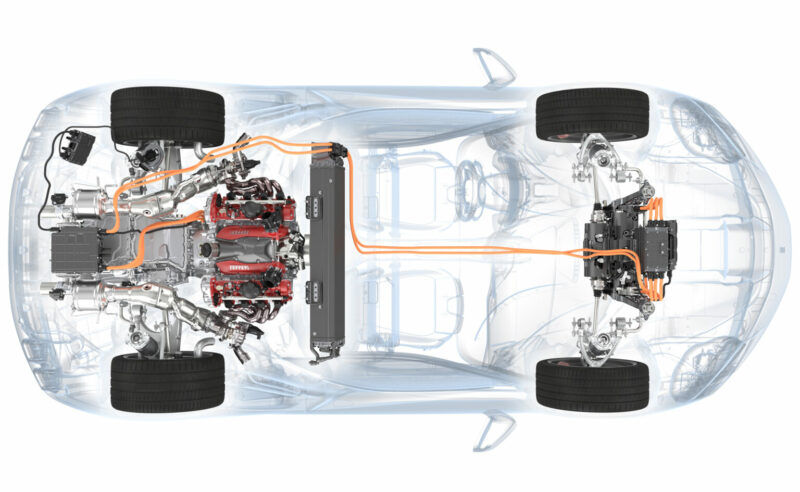
The 2025 Temerario is equipped with a 4.0-liter twin-turbo V8 engine (789 hp/730 Nm) combined with three axial-flux electric motors.

With a combined output of 920 hp, it can accelerate from 0 to 100 km/h in just 2.7 seconds before reaching a top speed of 343 km/h.


2. Zero-Emission Mode

Interestingly, the Lamborghini can be driven in zero-emission mode using the two electric motors at the front axle, each producing 82 hp.

It comes with a 3.8 kWh battery pack that can be charged in 30 minutes using a 7 kW AC port, or as quickly as six minutes using power from the V8 engine.

Where is the third electric motor? It is positioned between the engine and the 8-speed dual-clutch gearbox, capable of generating up to 150 hp and 300 Nm.


3. Chassis

In contrast to the Huracan’s chassis, which uses a mix of aluminum and carbon fiber, Lamborghini has utilized all-aluminum for the Temerario’s chassis.

This not only ensures that the weight remains at the desired level but also claims to provide 20 percent greater torsional stiffness.


4. Hexagonal Elements Take Center Stage

The exterior of the Temerario features a blend of design elements found in both the Revuelto and Huracan models.

The headlamps of the Temerario are slimmer than those of the Huracan, and if you notice, hexagonal graphic elements dominate the exterior of this PHEV.

Just look at the headlights on the front bumper, the rear lights, the exhaust outlets, and not forgetting both the fuel tank and charging port covers.


5. Cabin Space

The hexagonal theme extends to the cabin, with a design inspired by fighter jet cockpits.

It features a 12.3-inch digital cluster screen, an 8.4-inch vertical center screen, and a 9.1-inch screen for passengers.

Comfort has also been prioritized, as the Temerario now offers greater head and leg room compared to the Huracan.

Lamborghini even claims that an NBA player standing at 198 cm can fit comfortably inside the Temerario cabin while wearing a helmet!

Geely Galaxy A7 – D-segment PHEV sedan offers a range of 2,100 km

While other manufacturers have begun to neglect the sedan segment, there are still some who believe that there is a demand for such models.

One of these is Geely, which has introduced a new sedan model, the Galaxy A7.

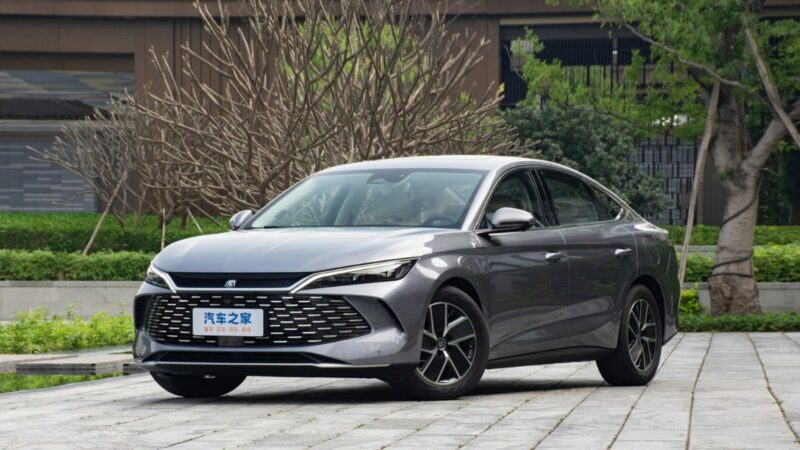
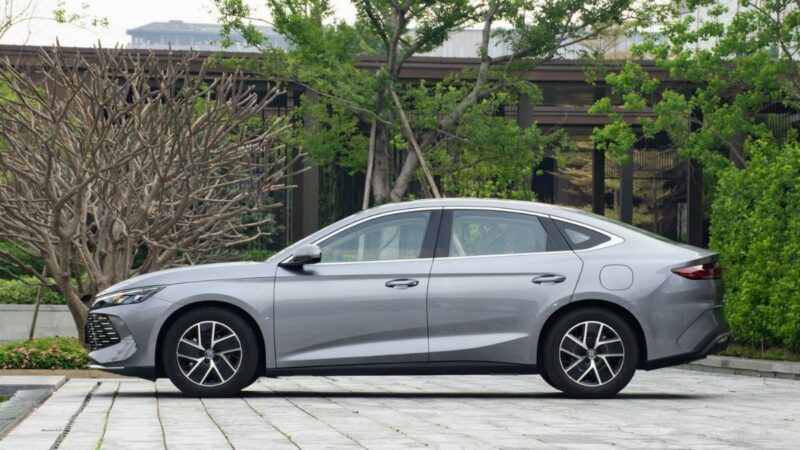
This D-segment sedan, which will challenge the Honda Accord and Toyota Camry, is offered exclusively in a plug-in hybrid version that boasts a driving range of up to 2,100 km.

The Galaxy A7 features a PHEV setup that consists of a 1.5-liter engine, an electric motor, and a battery pack, with Geely claiming a fuel consumption rate as low as 2 liters per 100 km.

Several local media reports suggest that Geely will provide the Galaxy A7 with various LFP (lithium-iron phosphate) battery pack options, offering a zero-emission range of up to 120 km.

In terms of dimensions, the Galaxy A7 measures 4,918 mm in length, 1,905 mm in width, and 1,495 mm in height, with a wheelbase of 2,845 mm.

The exterior design of the A7, particularly the front, somewhat resembles that of the facelifted Proton Perdana that was introduced in 2016.

The headlight housing is more streamlined, contrasting with the rear units that feature more complex graphics.

As standard, the Galaxy A7 will be available with wheel sizes ranging from 17 to 19 inches.

The cabin space features a minimalist dashboard layout, highlighted by a large cluster display and infotainment screen, accompanied by physical control buttons on the center console.

This PHEV sedan is set to be officially launched this year, with an estimated selling price of around RMB 100,000 (RM 58,801), significantly cheaper than the Camry, which is priced at RMB 179,800 (RM 105,725).

Will this sedan emerge as a potential replacement for the Proton Perdana in the future?

Volvo XC70 makes a comeback as PHEV SUV

Earlier this month, Volvo announced the return of the iconic XC70 nameplate, complementing its existing SUV model lineup.

The XC70 is no longer a crossover wagon; instead, it has transformed into a true SUV model.

The Volvo XC70 is the first Volvo vehicle built on the Scalable Modular Architecture (SMA) platform. This platform has previously served as the foundation for the Lynk & Co 07 and 08 models.

According to information disclosed on the website of China’s Ministry of Industry and Information Technology, the Volvo XC70 PHEV will measure 4,815 mm in length, 1,890 mm in width, 1,650 mm in height, and have a wheelbase of 2,895 mm.

There will be options for 19-inch or 20-inch wheels.

Utilizing the SMA platform, the Volvo XC70 features a plug-in hybrid (PHEV) system that includes an electric motor and a 1.5-liter engine developed by Aurobay.

For your information, Aurobay is now part of the Geely-Renault joint venture known as Horse Powertrain.

For the Chinese market, there will be two battery pack options.

The base variant will come with a 21.22 kWh LFP CATL battery, allowing for an all-electric range of 100 km (CTLC data).

Meanwhile, the top variant will feature a 39.63 kWh NMC battery pack, enabling the XC70 to travel 180 km without a drop of petrol.

In terms of design, the XC70 adopts the styling used in the XC90 facelift, such as the Thor hammer-designed headlights and vertical LED taillight graphics.

It also features hidden door handles and a frameless window design.

Currently, the Volvo XC70 is being developed specifically for the Chinese market, responding to the growing demand for PHEV models with longer electric ranges there.

Bentley Continental GT Speed officially launched in Malaysia, priced from RM3.12 million

Bentley Kuala Lumpur recently celebrated the arrival of the most powerful grand tourer (GT) model ever produced, the Bentley Continental GT Speed.

This fourth generation Continental GT Speed is powered by a V8 plug-in hybrid (PHEV) ‘Ultra Performance Hybrid’ engine that delivers a total power of 782 PS and torque of 1,000 Nm.

The twin-turbo V8 engine itself is capable of producing 600 PS and 800 Nm, paired with an electric motor generating 190 PS/450 Nm, which is integrated into the transmission housing to reduce turbo lag.

Overall, this PHEV setup provides a 19 percent increase in power and an 11 percent higher torque compared to the W12 engine-equipped Continental GT Speed.

There is no need for cylinder deactivation anymore, as the hybrid system in the Continental GT Speed can completely stop the engine’s operation when the electric motor is running.

The power is transmitted to the wheels via an eight-speed dual-clutch transmission, assisted by an electronically controlled limited-slip differential (eLSD).

Consequently, the acceleration from 0 to 100 km/h is achieved in just 3.2 seconds before reaching a top speed of 335 km/h.

The 25.9 kWh battery pack allows this GT to be driven in zero-emission mode for up to 80 km at speeds of up to 140 km/h.

The Continental GT Speed also comes equipped with an active all-wheel drive system, all-wheel steering, torque vectoring, Bentley Dynamic Ride, and new generation ESC control software.

To ensure this GT machine stops excellently, Bentley has fitted a braking system consisting of a 10-piston caliper and 420 mm rotors at the front, followed by a four-piston caliper and 380 mm rotors at the rear.

There is also an option to equip a carbon-silicon-carbide braking system with 440 mm rotors at the front and 410 mm at the rear.

This fourth generation Bentley Continental GT is the first Bentley model to feature a single headlight setup, replacing the previous dual round light configuration.

The LED matrix headlight unit features 120 individual LEDs that can be digitally controlled to maximize lighting.

Meanwhile, the rear lights have a three-dimensional diamond pattern that creates a molten lava effect when lit.

All four wheel arch corners are adorned with newly designed 22-inch rims inspired by tigers.

The cockpit of the Bentley Continental GT Speed provides seats that can be adjusted in 20 ways, ensuring great comfort for long journeys, a cluster of function buttons for HVAC on the center console, and the presence of an analog clock at the center of the air conditioning vents.

For the driver, a digital cluster screen is provided, while the center features the Bentley Rotating Display that offers three different sides: a 12.3-inch infotainment screen, three analog dials, or a blank panel if you prefer an uninterrupted driving experience.

Three audio system options are offered for the Continental GT:

  • Standard 650W with 10 speakers
  • Bang & Olufsen 1,500W with 16 speakers and illuminated grilles
  • Naim 2,200W, 18 speakers, Active Bass Transducers, and up to eight modes available for audiophiles

Cabin comfort is enhanced by laminated acoustic glass, which offers up to 9 dB quieter performance compared to non-acoustic glass.

This Bentley GT is also equipped with support for wireless Apple CarPlay and Android Auto, over-the-air (OTA) updates, ambient lighting systems, and Intelligent Park Assist features.

For the Malaysian market, the Bentley Continental GT Speed is priced from RM3,120,000 excluding insurance, road tax, and registration, as well as personal customization options.

2026 Volvo S90 debuts with XC90 facelift design

The executive sedan Volvo S90 has been available in the market since 2016 as an alternative to luxury sedans from Germany.

Following an update in 2020, Volvo is once again attempting to refresh its S90 offering with a second facelift model.

As expected, it features a design approach similar to the previously facelifted SUV model, the XC90.

Changes noticeable on the exterior include new headlight units with Thor’s hammer LED graphics, a redesigned grille and bumper, and rear lights featuring hammer-shaped graphics.

Inside the cabin, the Volvo S90 is equipped with an 11.2-inch central screen that also includes over-the-air (OTA) update functionality, along with sound insulation features for a quieter cabin.

The use of adaptive suspension contributes to a higher level of comfort.

In terms of power, this facelifted S90 is available with a choice of a 2.0-liter mild hybrid engine or a PHEV version that offers a zero-emission driving range of up to 80 km.

In less favorable news, the Volvo S90 facelift will not be available in the United States and Europe; instead, Volvo will focus on selling the S90 in China and several key Asian markets.

Toyota Crown Estate HEV & PHEV officially launched in Japan

The sixteenth generation of the Toyota Crown family is now available in Sedan, Crossover, and Sport versions.

If you’re looking for a much more practical Crown, the Crown Estate is the answer you need.

Toyota Japan has officially begun sales of the Crown Estate, which comes with the option of a hybrid electric vehicle (HEV) or plug-in hybrid electric vehicle (PHEV) powertrain.

Both systems utilize a 2.5-liter engine (code A25A-FXS) paired with two electric motors and an E-Four all-wheel-drive system.

In the Crown Estate HEV, the front motor output is enhanced by 50 percent compared to the Crossover and Sport models, aimed at improving acceleration, especially when carrying passengers.

Meanwhile, the Estate PHEV version is equipped with a lithium-ion battery pack that allows for a zero-emission driving range of up to 89 km.

Built on the TNGA-K platform, the Toyota Crown Estate measures 4,930 mm in length, 1,880 mm in width, 1,625 mm in height, with a wheelbase of 2,850 mm.

The suspension system features MacPherson struts in the front, followed by Multi-link setup in the rear.

Driving dynamics are enhanced with the inclusion of a Dynamic Rear Steering (DRS) system for more agile handling, as well as Adaptive Variable Suspension (AVS) to ensure passengers remain comfortable and enjoy a high-quality ride.

The exterior design of the Crown Estate follows the design language shared with its siblings.

The front features hammerhead shark-like elements with thinner daytime running lights, a neatly integrated grille structure in the bumper, and 21-inch wheels.

The cabin layout is similar to what is featured in the Crossover, Sport, and Sedan models, with a 12.3-inch cluster display paired with a similarly sized infotainment screen.

Using an island architecture, the dashboard layout is designed to minimize eye movement during driving.

The Crown Estate’s cargo space can accommodate up to 570 liters of goods, or up to 1,470 liters with the second-row seats folded flat.

Toyota also offers special items for this model, including seat cushions and a small table to use in that space, especially when engaging in outdoor activities.

In Japan, the Toyota Crown Estate is priced starting at 6,350,000 yen (RM190,457) for the HEV version, and can reach up to 8,100,000 yen (RM242,945) for the PHEV version.

We drive the Denza Z9 GT, the Chinese super wagon that’s coming to Malaysia

At the launch of the Denza D9 in Kuala Lumpur, the automaker caught some of us (including yours truly) off guard when it used the Z9 GT to bring BYD’s Asia-Pacific Auto Sales Division General Manager Liu Xueliang onto the stage.

But the excitement didn’t stop there. The car demonstrated one of its standout features by executing a tank turn, which is essentially a 360-degree turn in the same spot. Picture a drift car performing a donut, albeit at a much slower speed and sans the billowing smoke.

Could this brief demonstration be an indication that the Z9 GT will soon enter the Malaysian market?

When questioned about this, BYD Malaysia’s Managing Director, Eagle Zhao, stated, “Soon, we will introduce more models in Malaysia, including the Z9 GT.”

The statement clearly illustrates Denza’s serious intentions regarding its presence in Malaysia. This is because unlike the D9, the Z9 GT currently lacks a right-hand drive (RHD) version.

By effectively saying that the model will be introduced here, Denza is indirectly signalling its readiness to invest significantly in entering RHD markets like Malaysia.

However, the question remains: can the Z9 GT entice Malaysian buyers, especially with the fierce competition from other, more established brands?

While it’s still too early to predict how the Z9 GT will do in our market, my first encounter with said car during a visit to Shenzhen, China, late last year showed that it has what it takes to shake things up the premium segment.

There was a test drive session but it was conducted in a rather small area with limited time. That said, I can conclude that the Z9 GT is indeed an exhilarating piece of machinery, not just in terms of performance but also on the design and feature fronts.

As you can see, the Z9 GT is a five-door wagon/shooting brake with a side profile that looks like it was cast in the same mould as the Porsche Panamera Sport Turismo.

Although its overall design may not match the German car’s grandeur, for those seeking a stylish shooting brake without breaking the bank, the Z9 GT seems like a fine candidate.

True to expectations, the car’s interior luxuriates in opulence and high-tech amenities that are sure to entice premium segment buyers.

It is important to note that the model is not solely developed for the Chinese market; it is also slated for European markets, where it will compete with legacy manufacturers like BMW, Mercedes-Benz, and Audi. So, the more kit, the better.

Notable features include Nappa leather upholstery, a panoramic glass roof, ambient lighting, two small fridges (one beneath the front armrest and another hidden between the rear seatbacks), and automatic doors that open and close by a mere press of a button—much like the i7.

The infotainment system is quite impressive as well. In addition to the digital instrument panel for the driver and a generously sized central touchscreen, the car also includes a display for the front passenger.

On top of these, it also comes equipped with a Devialet audio system (a French audio technology company) comprising a whopping 26 speakers and two wireless chargers on the centre console.

What about practicality, you ask? Golfers will surely appreciate the Z9 GT, as its boot space is ample enough to accommodate two golf bags when the rear seats are folded. Loading items into the boot is also made easy, thanks to the hatch that provides a wide opening.

Back to the aforementioned test drive, the media units provided were the PHEV variants featuring a 2.0-litre turbo four-cylinder petrol engine acting as a generator for three electric motors—one at the front axle, and two at the rear.

The combination yields a healthy total output of 870 PS, allowing it to accelerate from 0 to 100 km/h in a scant 3.6 seconds.

Also integral to this fifth-generation DM hybrid system is a 38.5 kWh LFP Blade battery, providing a pure electric driving range of 201 km (CLTC cycle) and a combined range of 1,100 km.

Needless to say, the Z9 GT moves like a rocket on wheels in a straight line but when facing tight turns, it does not exhibit the agility one might expect, despite equipped with rear-wheel steering and an air suspension system.

The primary factors contributing to this shortcoming are the size and weight of the Z9 GT. Measuring 5,180 mm in length, 1,990 mm in width, and with a wheelbase of 3,125 mm, this car is undeniably large. Weighing in at 2.9 tonnes, it comes as no surprise that it also struggled with the slalom test.

However, to be fair, the makeshift course was rather small for a powerhouse like the Z9 GT. Perhaps more comprehensive tests on highways or larger circuits like Sepang would do better justice to the car’s true capabilities.

For your information, in addition to the PHEV version, the Z9 GT is also available as an EV featuring three electric motors and a 100 kWh battery. This version boasts a total output of 963 PS, is capable of sprinting from 0 to 100 km/h in just 3.4 seconds and achieving a range of 630 km on a full charge.

Which version will be imported to Malaysia remains unclear but one thing for sure, the imminent arrival of the Z9 GT poses a challenge to other luxury brands.

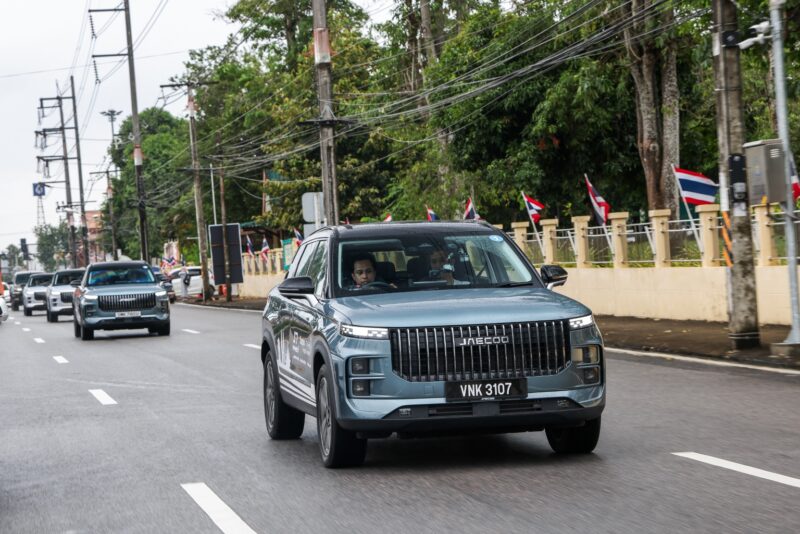
Jaecoo J7 PHEV CKD rolls off Shah Alam plant

Jaecoo Malaysia has announced that the first locally assembled (CKD) J7 PHEV unit has started rolling off the production line at its Shah Alam facility.

According to Jaecoo Malaysia, the SUV will be officially launched by the end of this month.

“We believe the J7 PHEV fits in perfectly with the market’s appetite for an alternative between the Internal Combustion Engine (ICE) and Electric Vehicle (EV) segments providing the best of both worlds with its superior Super Hybrid System fondly known as SHS,” said Emily Lek, Vice President of Jaecoo Malaysia.

“As Malaysia’s EV ecosystem continues to develop, JAECOO is happy to offer greater peace of mind to consumers considering the transition to hybrid energy mobility,” she added.

The J7 PHEV is powered by a combination of a 1.5-litre TGDI engine, a one-speed hybrid DHT transmission, and an 18.3 kWh LFP Blade battery, delivering a total power output of 347 PS (255 kW) and 525 Nm of torque.

The battery supports 6.6 kW AC charging, enabling it to charge from 30% to 80% in three hours, and 40 kW DC charging, which only requires 20 minutes for the same charge level.

Alternatively, owners can use a standard three-pin 230 V household socket, which takes approximately 8.5 hours for a full charge.

Most recently, the J7 PHEV was tested in a long-distance drive from Singapore to Hatyai, Thailand and clocked over 1,200 km WLTP range.

Volvo Car Malaysia sold 1,953 vehicles in 2024, 30 percent consists of BEVs

Volvo Car Malaysia wrapped up the year 2024 with a record sales figure of 1,953 vehicles. Of this total, 30 percent were battery electric vehicle (BEV) models, representing an 18 percent increase compared to 2023.

Overall, BEV and plug-in hybrid (PHEV) models accounted for 83 percent of total sales for the year 2024, up from 71 percent the previous year.

This achievement aligns with the brand’s ambition to sell between 90 to 100 percent electric vehicles by 2030.

Less than 20 percent of Volvo Car Malaysia’s total sales were comprised of mild hybrid electric vehicles (MHEV), down from one-third recorded in 2023.

Globally, Volvo Cars reported total sales of 763,389 vehicles, marking an 8 percent increase.

There was a growth in sales within the electric vehicle segment, with 175,194 BEVs and 177,593 PHEV models sold, representing increases of 54 percent and 16 percent, respectively.

In total, 46 percent of Volvo’s global sales were electric vehicles, while BEV sales alone accounted for 23 percent, up from 16 percent in 2023.

For 2025, Volvo Car Malaysia plans to launch another BEV model, the Volvo EX90, a luxurious seven-seater SUV.

BYD sold 4.27 million cars in 2024, up 41.3% compared to 2023

BYD concluded 2024 on a high note, achieving a remarkable milestone by selling over 4 million vehicles within a single year for the first time.

According to the company, a total of 514,809 new energy vehicles (NEVs) were sold in December alone, bringing the total sales for 2024 to 4,272,145 units—a 41.3% increase compared to the 3 million units recorded in 2023.

Of this total, 1,764,992 units were passenger battery electric vehicles (BEVs), 2,485,378 units were plug-in hybrid electric vehicles (PHEVs), while the remaining 21,775 units were commercial vehicles.

Compared to the performance in 2023, BEV sales for 2024 increased by 12% from 1.6 million units, while PHEV sales rose by a whopping 72.8% from 1.4 million units. BEVs accounted for 41.5% of BYD’s total sales last year, while PHEVs made up 58.5%.

BYD’s export market also experienced encouraging growth, with 57,154 units sold in December, marking a 58% increase compared to the same month last year. This brought the total number of vehicles exported for 2024 to 417,204 units, a 71.9% rise compared to 2023.

In addition to manufacturing vehicles, BYD is also the second-largest battery supplier in China. Among its notable clients are big names such as Tesla, Toyota, and Nio.

Overall, the company installed 23.5 GWh of battery capacity in December (32% higher than in 2023) or a total of 194.7 GWh throughout 2024 (an increase of 29% compared to 2023). This includes batteries installed in electric vehicles (EVs) and stationary energy storage units.

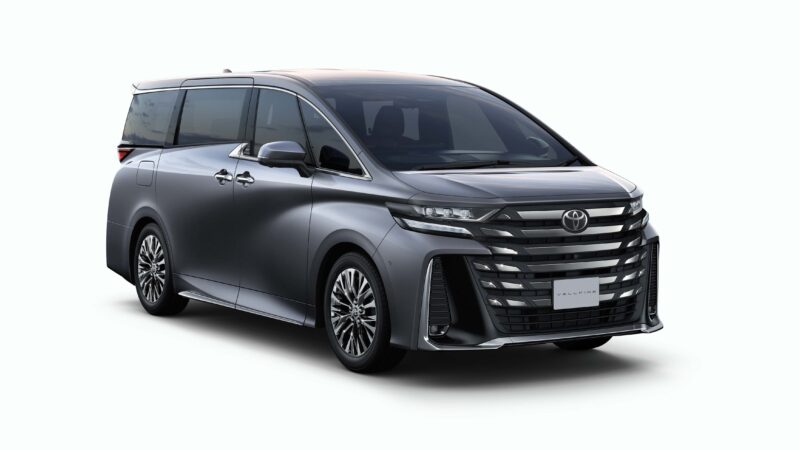
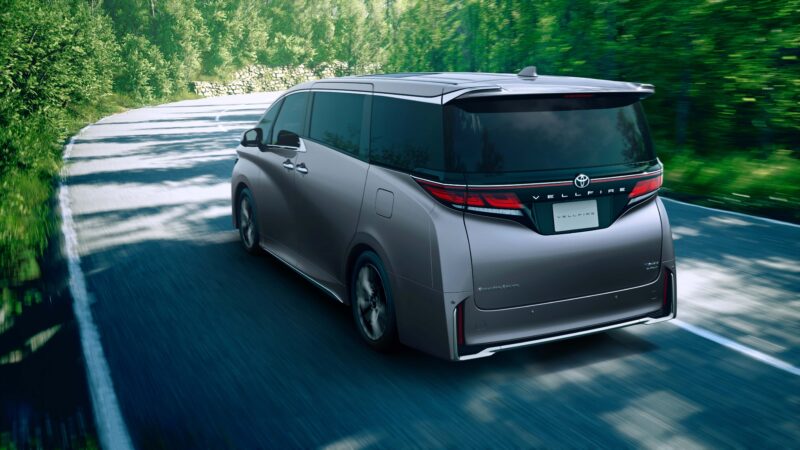
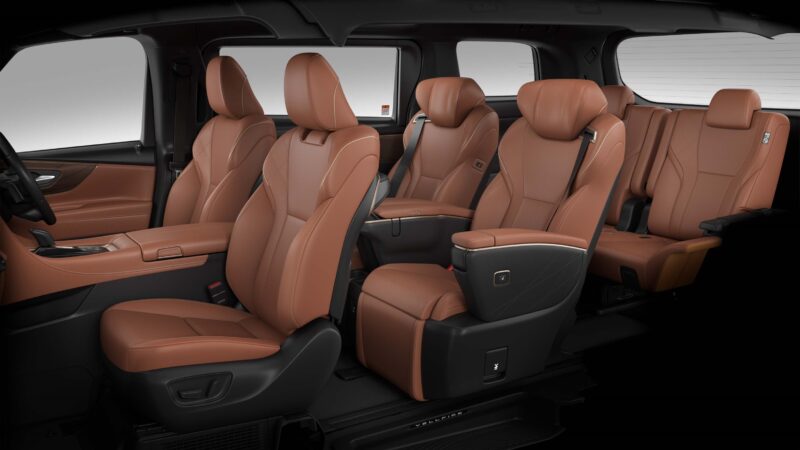
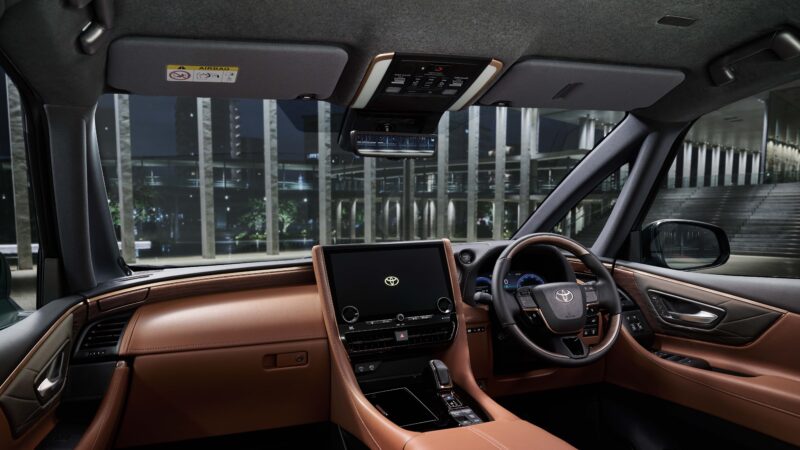
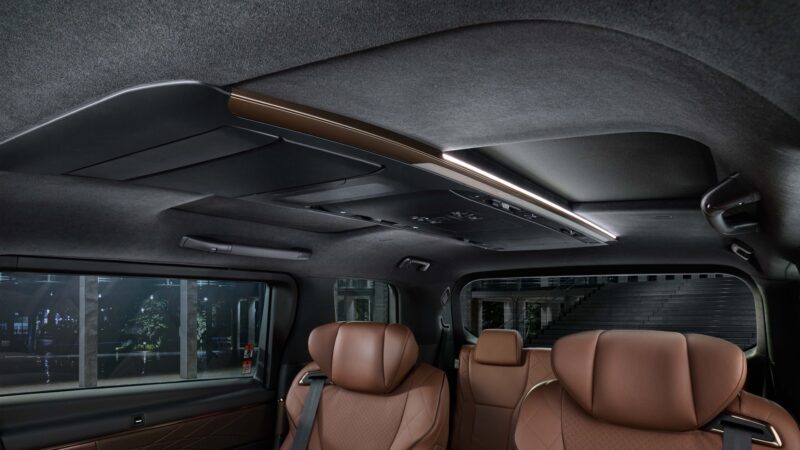
Toyota Alphard/Vellfire PHEV launched in Japan, 73 km EV range, starting from RM306k

Toyota has announced its latest update, introducing the 2025 model year Alphard/Vellfire with a plug-in hybrid (PHEV) engine option.

This PHEV configuration combines a 2.5-liter engine (A25A-FXS) with an electric motor and a lithium-ion battery, capable of providing an electric driving range of up to 73 km on a full charge.

Overall, the system can generate a power output of up to 306 PS.

Like Toyota’s conventional hybrid vehicles, the BEV mode is prioritized to achieve lower fuel consumption rates of 16.7 km/liter (or 5.98 liters/100 km).

According to Toyota, the lithium-ion battery pack is positioned under the floor to maximize cabin space and lower the center of gravity by 35 mm compared to the HEV model.

Charging the battery (up to 80 percent) takes approximately 38 minutes.

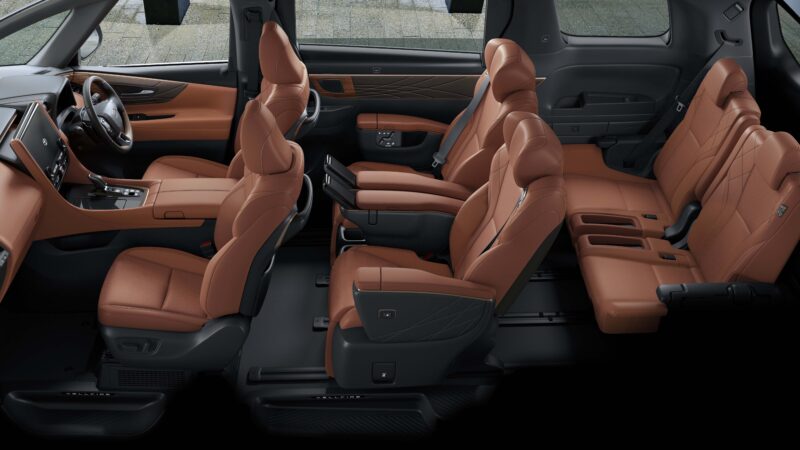
In addition to offering a quieter driving experience (with added sound insulation), enhanced comfort, and reduced vibrations, Toyota has introduced the Smooth Stop control feature, which prevents nose-dive effects during deceleration to ensure passenger comfort.

The PHEV model also features “My Room Mode,” allowing users to enjoy a comfortable cabin space for working, resting, or engaging in other activities while charging.

Along with the Vehicle-to-Load (V2L) function, both the Alphard and Vellfire PHEVs are equipped with a Vehicle-to-Home (V2H) feature for emergency purposes, where a full tank of fuel and a charged battery can provide power for up to 5.5 days.

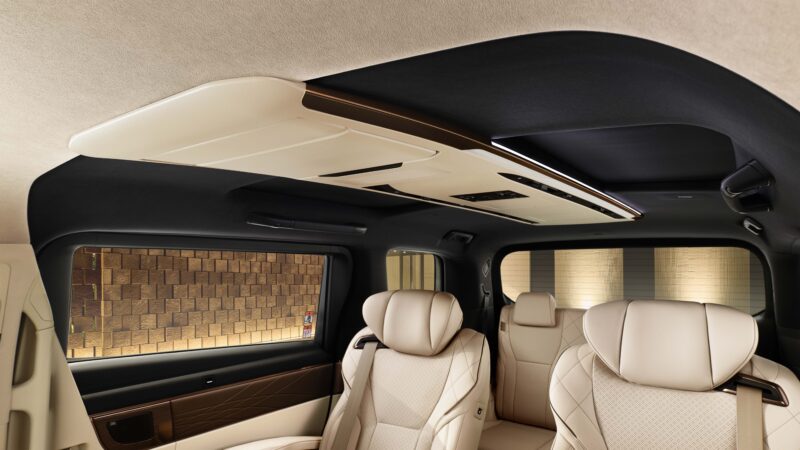
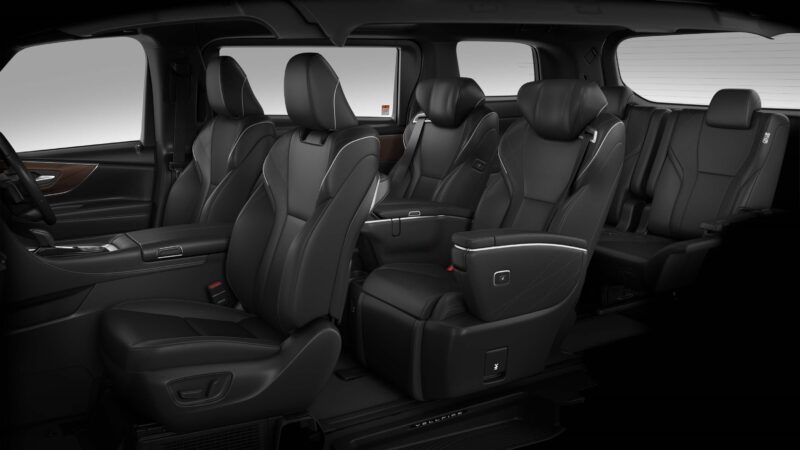
Other enhancements include a Digital Inner Mirror system and front and rear dash cameras as standard features, followed by a premium JBL audio system with 15 speakers and a 14-inch rear infotainment system for the Z and Z Premier trims.

Toyota Auto Body also offers the Alphard Spacious Lounge, a four-seat version that provides more legroom and is equipped with various luxurious amenities.

In Japan, the retail price of the Alphard PHEV starts at JPY 10,650,000 (RM306,177), while the Vellfire PHEV is priced from JPY 10,850,000 (RM311,927).

Jaecoo Malaysia explains the advantages of PHEV over HEV

Jaecoo recently previewed its latest Jaecoo J7 Plug-in Hybrid Electric Vehicle (PHEV) premium off-road SUV in Malaysia at its first experience pop-up store, with over 3,000 visitors recorded in a span of just five days.

While PHEVs and traditional Hybrid Electric Vehicles (HEVs) are common, Jaecoo’s interaction with patrons at the PHEV preview revealed an opportunity to enhance understanding about PHEVs which can help drivers make informed decisions.

While both PHEV and HEV technologies contribute towards lower carbon emission mobility, PHEVs are designed to provide superior flexibility, efficiency, and driving experience in key scenarios.

Longer range on pure electric power

PHEVs allow for significantly longer trips on electric power alone compared to HEVs, which rely on a much smaller battery capacity. For example, in daily commutes or city driving, PHEVs can travel up to 40 to 50 kilometers (depending on the model) without using a drop of petrol. This means drivers can experience emission-free, quieter, and more efficient driving for most short-distance trips, making it ideal for urban environments. The J7 PHEV’s battery range of 88 km is based on the Worldwide Harmonised Light Vehicle Test Procedure (WLTP).

Home charging convenience

PHEVs offer the flexibility to charge the vehicle at home or at public charging stations. HEVs, on the other hand, can only recharge their battery through regenerative braking or engine power, limiting their electric driving potential. With a PHEV, owners can wake up every morning to a fully charged battery, ready to handle most daily journeys on electricity alone, greatly reducing fuel consumption and emissions.

Enhanced performance with dual power

PHEVs allow for a seamless switch between electric and petrol power when needed, offering superior acceleration and performance compared to HEVs. In situations where instant torque is required, such as overtaking or navigating steep inclines, the electric motor of a PHEV can instantly provide additional power, making it a more versatile option for both city driving and long-distance travel.

Fuel independence for short journeys

In contrast to HEVs, which must use petrol after a short period of electric driving, PHEVs can run on pure electric power for most of the shorter daily trips, significantly reducing fuel dependency. This gives drivers the freedom to choose electric for local trips and petrol for long-distance travel, without compromising on performance or convenience.

Environmental impact

Since PHEVs can operate for extended periods without relying on the internal combustion engine, they contribute to reduced emissions, especially amidst concerns around air quality. HEVs, while fuel-efficient, still require constant engine engagement, making PHEVs the cleaner choice in many driving scenarios.

Set to be launched this year, the J7 PHEV All-Wheel Drive and Two-Wheel Drive variants are estimated to be RM180,000 and RM170,000 respectively.

Mercedes-Benz GLC350e launched in Malaysia, replaces GLC300

In addition to the E-Class W214 lineup, Mercedes-Benz Malaysia (MBM) has also launched the new GLC350e 4Matic which is locally assembled in Pekan, Pahang.

Replacing the previously offered GLC300, the new variant is powered by a 2.0-litre four-cylinder engine that delivers 204 PS at 6,100 rpm and 320 Nm of torque from 2,000 to 4,000 rpm.

Supporting the engine is an electric motor that generates 135 PS (100 kW) and 440 Nm, resulting in a combined system output of 313 PS and a peak torque of 550 Nm.

With a 9G-Tronic automatic transmission, the GLC350e accelerates from 0 to 100 km/h in just 6.7 seconds and reaches a top speed of 218 km/h.

The electric motor is powered by a high-voltage battery with a capacity of 25.4 kWh, offering an electric driving range of up to 131 km according to the WLTP cycle. The battery supports 11 kW AC charging.

In terms of features, the GLC350e offers a similar level of equipment as the GLC300, meaning that it comes with an AMG Line body kit, 20-inch AMG wheels, Digital Light headlights, and a panoramic sunroof, to name a few.

Inside, you will find black Artico man-made leather upholstery, Microcut microfibre, an 11.9-inch touchscreen infotainment system with wireless Apple CarPlay and Android Auto, a 12.3-inch instrument panel, and a Burmester 3D audio system.

However, the boot space of the GLC350e is slightly smaller at 490 litres compared to the GLC300’s 620 litres, due to the battery pack positioned under the boot floor.

A new addition to the GLC350e is the Driving Assistance Package Plus, which includes features such as Active Distance Assist DISTRONIC, Active Lane Keeping Assist, Active Stop-and-Go Assist, Active Steering Assist, Active Brake Assist, and Active Blind Spot Assist.

Also included is the Parking Package with a 360-degree camera and Active Parking Assist with PARKTRONIC.

The GLC350e is priced starting at RM398,888 (OTR, excluding insurance).

Lamborghini Temerario, HPEV replacing the Huracan with 920 hp!

Say hello to the Lamborghini Temerario, the successor to the Lamborghini Huracan which was previously powered by a V10 engine.

Externally, the Temerario appears to be a fusion of design elements from the Revuelto and Huracan models.

The front headlights appear slimmer compared to the Huracan, while the rear is adorned with hexagon-shaped LED structures.

As standard, the Temerario comes fitted with 20 and 21-inch rims, accompanied by aerodynamic features that can increase downforce by 103 percent compared to the Huracan Evo.

Lamborghini also offers the Allegerita package, including a rear wing, unique bumper, and carbon fiber rims resulting in significant weight savings of up to 25 kg and an additional 158 percent increase in downforce.

There is also the Carbon Pack which further reduces weight by 1.81 kg through the use of carbon components such as the rear diffuser, side mirror housings, and side air intakes.

For this High Performance Electrified Vehicle (HPEV) model, Lamborghini has introduced a completely new powertrain unit.

The 4.0-liter V8 engine with a 90-degree angle features a Hot V configuration, a flat-plane crankshaft, and two turbochargers with a maximum pressure of 36 psi.

It also sports aluminum alloy cylinder heads and titanium connecting rods for weight reduction.

With a redline reaching up to 10,000 rpm, the engine is paired with three axial-flux electric motors with a combined power output of 920 hp cooled by oil.

Acceleration from 0-100 km/h is achieved in just 2.7 seconds before reaching a top speed of 340 km/h.

A single electric motor producing 150 hp/300 Nm is sandwiched between the engine and the twin-clutch gearbox, while two additional motors are positioned on the front axle, each generating 82 hp.

The 3.8 kWh battery pack can be charged for 30 minutes using a 7 kW AC charger, or via regenerative braking, or directly using the V8 engine power for about six minutes.

Interestingly, the Lamborghini Temerario can be driven in electric mode utilizing the two front axle electric motors, although the range of this supercar in zero-emission mode has not been disclosed.

The Temerario chassis is fully constructed using aluminum to maintain minimum weight levels, with a 20 percent increase in torsional rigidity.

The cabin space features a cockpit-like design enhanced with hexagonal design elements, including an 8.4-inch central screen, a 12.3-inch digital cluster screen, and an additional 9.1-inch screen for passengers.

Headroom is said to be larger than the Huracan model, followed by legroom, with Lamborghini claiming that a 198 cm tall NBA basketball player could wear a helmet while sitting in the Temerario cabin.

Ferrari extends PHEV battery warranty period to 16 years

Cars with plug-in hybrid (PHEV) systems can offer unique benefits to buyers still hesitant to purchase EVs, but one lingering nightmare for some users is the relatively expensive cost of battery replacement.

This concern is particularly pronounced when they choose to purchase high-performance models such as Ferrari and Lamborghini supercars.

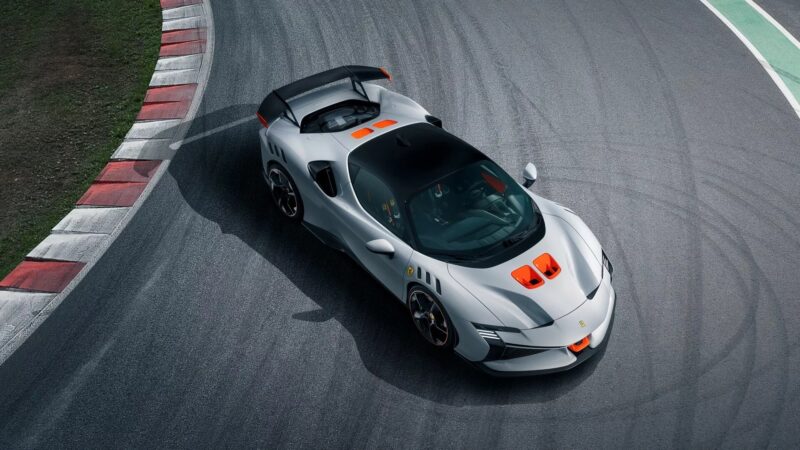
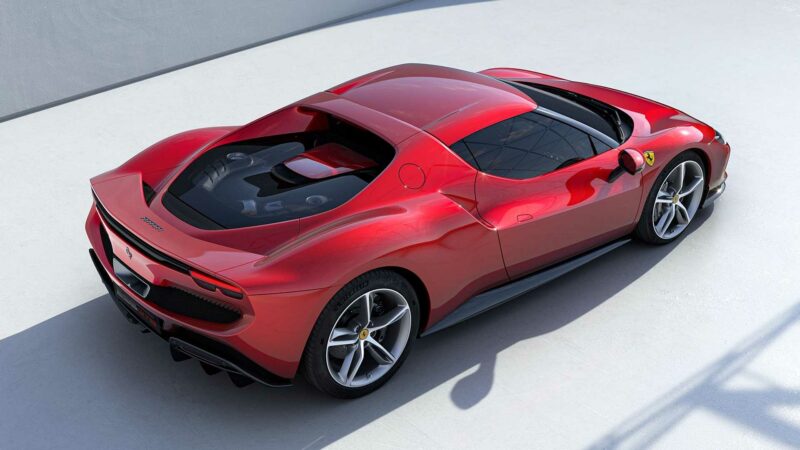
For Ferrari owners, the Prancing Horse brand now offers two extended warranty plans for PHEV models such as the SF90 Stradale, SF90 Spider, SF90 XX Stradale, SF90 XX Spider, 296 GTB, and 296 GTS.

The two plans in question are the Warranty Extension Hybrid and Power Hybrid, targeting Ferrari owners who want to maintain the performance and excellence of their hybrid sports cars over time.


The Warranty Extension Hybrid plan offers a warranty period of up to eight years of ownership, during which high-voltage batteries will be replaced at no additional cost.

Meanwhile, the Power Hybrid plan is a long-term plan that covers all main components, including the hybrid system, from the eighth to the sixteenth year.

This means that if the PHEV battery pack encounters issues in the sixteenth year, it will also be replaced free of charge.


Interestingly, in the future, supercar PHEV Ferrari owners may be able to enjoy much more advanced and sophisticated battery technology.

According to Ferrari, problematic high-voltage batteries will be replaced with new components that promise the same or even better performance than the original battery.

This long-term plan can also be transferred to any subsequent owner who purchases the supercar after the original owner sells it.

Ferrari also explains that this new plan is available for any supercar no longer covered under the original manufacturer’s warranty, but it requires a thorough technical inspection.

Lamborghini Urus SE now in Malaysia, RM1.028 million before taxes and options

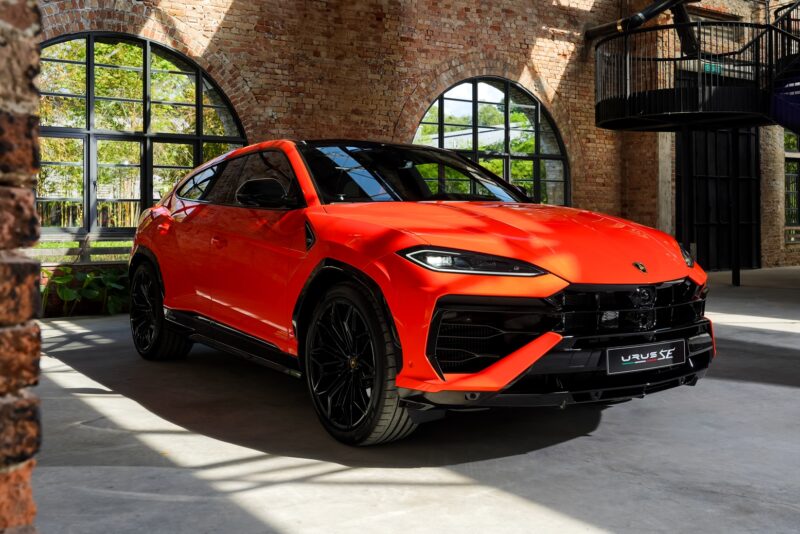
LESS than two months after making its debut at Auto Shanghai 2024, the Lamborghini Urus SE has now been launched in Malaysia at a price of RM1,028,000 before taxes, duties and customisations.

The Urus SE is not a special edition model as some may have thought, but rather a plug-in hybrid (PHEV) model based on the Urus S.

It features a new design, optimised aerodynamics, and a new hybrid powertrain that not only offers the highest output in its lineup but also reduces emissions by up to 80%.

Powering the Urus SE is a 4.0-litre twin-turbo V8 engine with 620 PS and 800 Nm, paired with an electric motor on the rear axle generating 192 PS and 483 Nm. When combined, the powertrain generates total of 800 PS and 950 Nm.

With an 8-speed automatic transmission, it can accelerate from 0-100 km/h in 3.4 seconds (0.1 seconds faster than the Urus S) and achieve a maximum speed of 312 km/h (7 km/h faster than the Urus S).

Six existing driving modes from the Urus S (Strada, Sport, Corsa, Neve, Sabbia, and Terra) are now accompanied by four new Electric Performance Strategies (EPS) modes: EV Drive, Hybrid, Performance, and Recharge.

In EV Drive, a 25.9-kWh lithium-ion battery located under the floor and above the rear differential provides a driving range of over 60 km and a maximum speed of 135 km/h.

Depending on the driving mode selected, the vehicle’s air springs adjust for ground clearance, with travel ranging from 15 mm in Corsa up to 75 mm when the lifting system is activated.

Styling-wise, the Urus SE sports a new bonnet with a floating design, as well as newly designed matrix LED headlights, bumper, front grille, taillights and diffuser. The addition of a new spoiler increases the rear downforce by 35%, while new under-body air vents and revamped air ducts improve air cooling by 30%.

The cabin has also been updated, now featuring a larger 12.3-inch screen, as well as new seats and dashboard. The mechanical pushbutton panel gives a more tactile feel.

Needless to say, Lamborghini offers a wide range of customisation options. For instance, there are three dedicated P Zeros tyre, from 21 to 23 inches, to meet customers’ different requirements for comfort and sportiness.

Customers can also choose from over 100 exterior colours (including two new colours, Arancio Egon and Bianco Sapphirus), as well as 47 colour combinations and four types of embroidery for the interior.

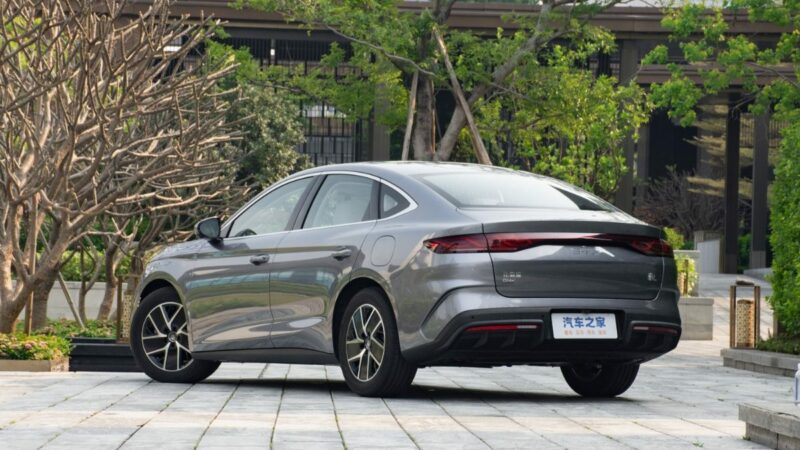
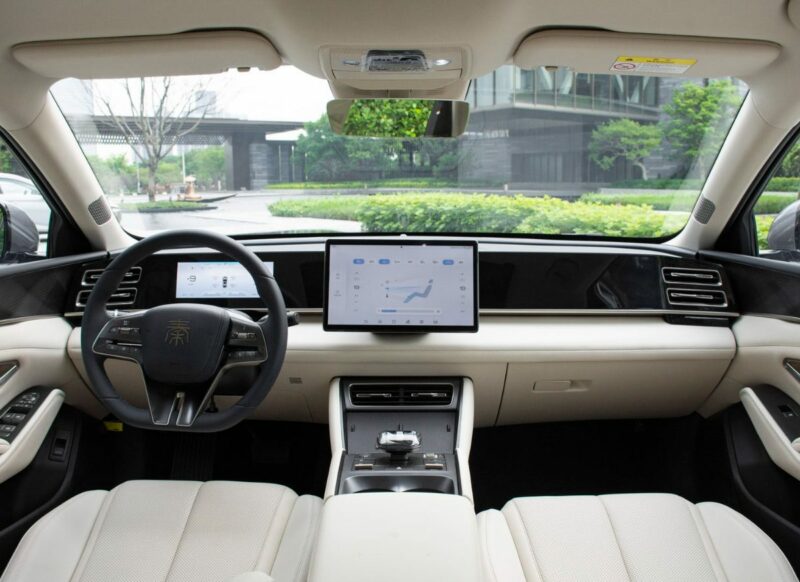
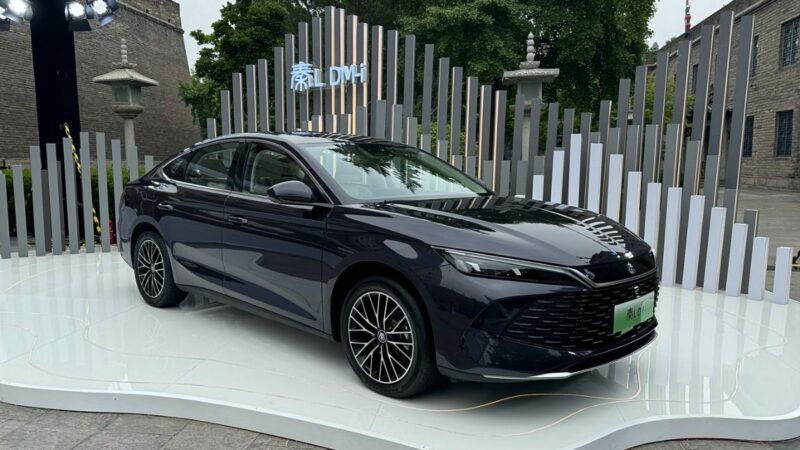
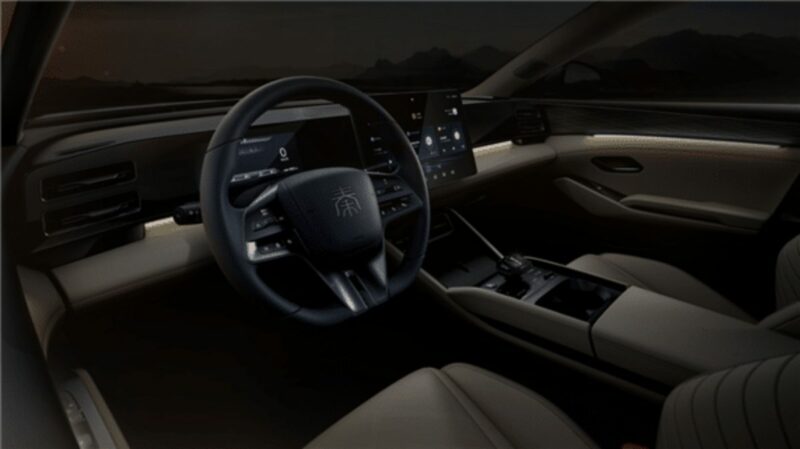
BYD Qin L is a PHEV car with up to 2,100km range

The BYD Qin L was launched at an event in Xi’an, China, with five variants priced between 99,800 Yuan (RM64,846) and 139,800 Yuan (RM90,836). Interestingly, its PHEV hybrid system can provide a driving range of up to 2,100km per tank.

The Qin L is part of BYD’s Dynasty lineup, featuring dragon face aesthetics, a symbol of China’s national animal. As a result, the Qin L boasts a new chrome bar character line, a large grille, and prominent side lines. Interestingly, it retains conventional door handles, rather than retractable or flush types.

The rear design showcases continuous illuminated lights from side to side, with graphics inspired by traditional Chinese knots.

In terms of dimensions, the BYD Qin L measures 4,830mm in length, 1,900mm in width, and 1,495mm in height, with a wheelbase of 2,790mm. It employs MacPherson suspension at the front and multi-link at the rear. The interior is also inspired by Chinese paintings and features numerous knot-shaped graphics.

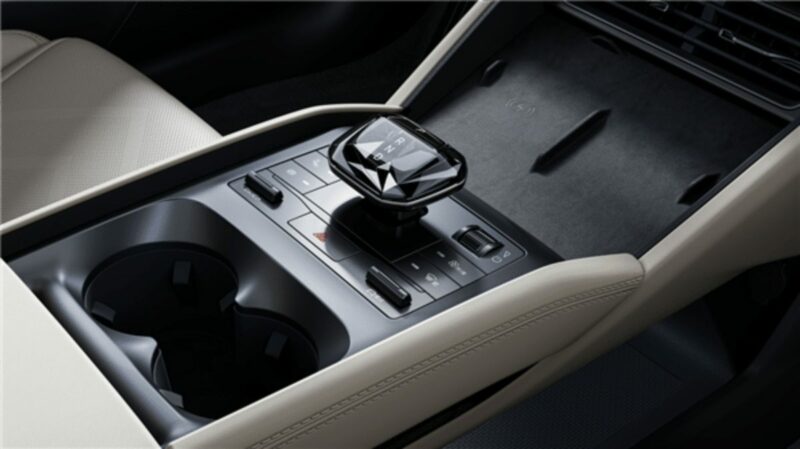
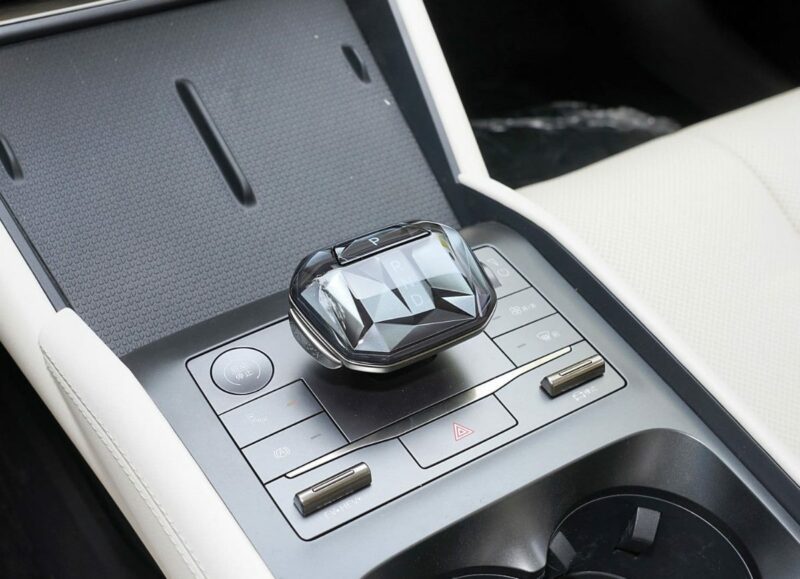
There are physical buttons near the gear lever, along with a 15.6-inch rotating central screen and an 8.8-inch digital instrument display. Standard features include six airbags, NFC smart phone key, automatic air conditioning, and six speakers.

The high-spec model comes with a panoramic roof, DiPilot L2 system, power seats at the front, dashcam, 18-inch rims, an eight-speaker audio system, and seat heaters and coolers. The key to the 2,100km driving range lies in the new PHEV (plug-in hybrid) system, ensuring high efficiency operation of the engine and electric motor, with fuel consumption as low as 2.9 liters/100km.

The PHEV version utilizes a 1.5-liter engine delivering 99hp and 126Nm of torque. The lower variant has an electric driving range of 80km, using a 10.08kWh battery and a 160hp/210Nm electric motor.

The higher variant features a 15.874kWh battery providing an electric driving range of up to 120km. It utilizes a more powerful EHS160 motor generating 214hp and 260Nm of torque. This model is capable of achieving a range of up to 2,100km per petrol tank.

Mercedes-Benz C350e official price confirmed – RM338,888

MERCEDES-Benz Malaysia has announced the official pricing for the Mercedes-Benz C350e, which was first previewed in February.

Locally assembled in Pekan, Pahang, the C350e is priced at RM338,888 on-the-road excluding insurance. This is lower compared to the estimated price reported earlier, which was RM355,000.

The new variant comes as a replacement of the C300 AMG Line that was launched alongside the C200 Avantgarde back in 2022.

Powering the C350e is a 2.0-litre four-cylinder petrol engine that produces 204 hp at 6,100 rpm and 320 Nm from 2,000 to 4,000 rpm.

It is paired with an electric motor generating 95 kW and 440 Nm, providing the sedan with a total output of 313 hp and 550 Nm.

With a 9G-Tronic transmission driving the rear wheels, the C350e can accelerate from 0 to 100 km/h in 6.1 seconds and hit a maximum speed of 245 km/h.

An in-house developed battery with a capacity of 25.4 kWh offers an electric range of up to 117 km. The maximum speed in this mode is 140 km/h. The battery takes two hours to fully charge using an 11 kW AC charger.

Kit-wise, the C350e comes with the AMG Line styling package, 18-inch AMG light alloy wheels, and the Night Package, which includes glossy black elements such as the louvre of the radiator shell, trim moulding in the AMG front apron, beltline trim strip and window surround, and exterior mirror housings.

This variant also comes standard with Digital Light with Adaptive Highbeam Assist Plus, a panoramic sunroof, and ambient lighting.

The interior is adorned with AMG Line trim, featuring metal structure trim elements, a Nappa leather-wrapped sport steering wheel, AMG floor mats, and sport seats with Artico leather upholstery in black.

The MBUX infotainment system consists of a 12.3-inch digital instrument panel, an 11.9-inch touchscreen, which is slightly tilted towards the driver by six degrees, as well as a wireless charger.

On the safety front, the car comes with a 360-degree camera, Blind Spot Assist, Active Brake Assist, Active Parking Assist with Parktronic, Guard 360°, and Pedestrian Protection.

Beijing Motor Show 2024: Jaecoo J7 PHEV previewed – 347PS, 525Nm!

IF you have been following the developments in the automotive industry in Malaysia, you would know that the Jaecoo J7 has been unveiled and its bookings have been opened. It is expected to be offered at a price range of RM150k to RM160k.

Currently, the sub-brand under Chery has also introduced the PHEV (plug-in hybrid) version, showcased at the Auto China 2024 in Beijing. It looks almost similar to the petrol version but certainly has some differences in specifications.

It is powered by a 1.5-liter turbo TGDi petrol engine, said to be a specific version for the hybrid. This engine is paired with a Dedicated Hybrid Transmission (DHT) and an electric motor in the front, providing the J7 PHEV with a total output of 347PS and 525Nm of torque. In comparison, the regular Jaecoo J7 has a 1.6-liter TGDi engine with 197PS and 290Nm of torque.

The J7 PHEV can also be driven in EV mode for up to 88km. Its fuel consumption is as low as 4.9 liters/100km. According to Jaecoo, this gives the J7 PHEV the capability to drive up to 1,200km per tank.

Interestingly, the J7 PHEV can be charged using DC. Although the charging duration has not been disclosed, it can definitely be done in a short period of time.

A feature of the J7 PHEV is the V2L function, which is the ability to charge external devices. This function is also found in the Chery Omoda E5.

In terms of exterior appearance, the Jaecoo J7 PHEV can be distinguished by its 19-inch aero rims, the charging port cover flap on the right side, and the absence of exhaust at the back. A standard feature is also the retractable door handle.

It is yet to be confirmed whether the Jaecoo J7 PHEV will be launched in Malaysia, but we believe it will certainly provide an interesting option for us. What are your thoughts on the specifications of the J7 PHEV?