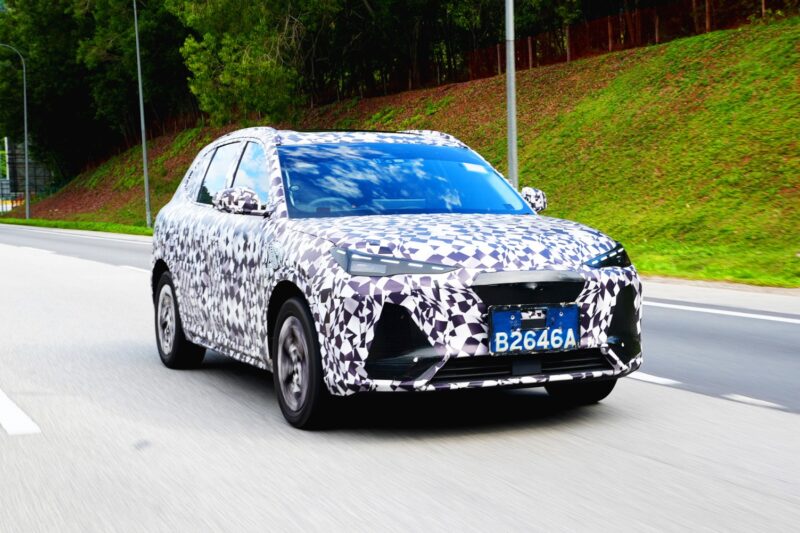
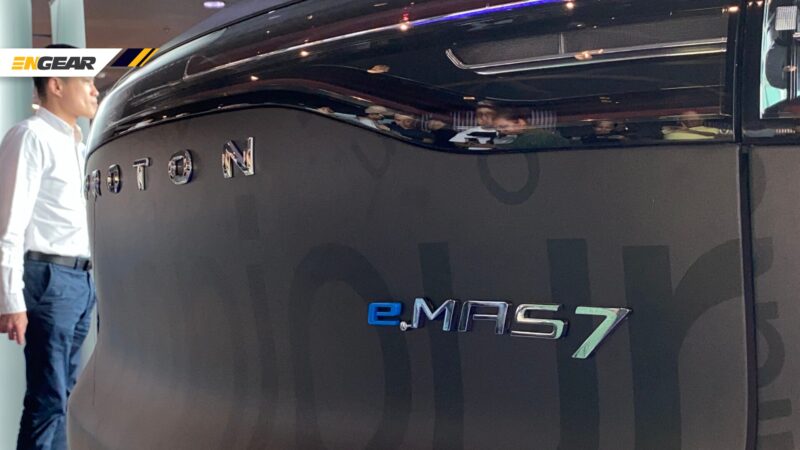
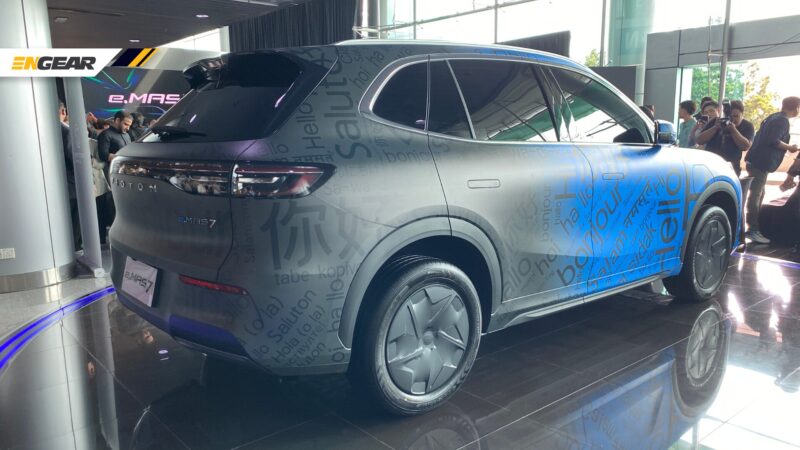
Pro-Net has revealed that the nation’s first-ever electric vehicle, the e.MAS7, is currently undergoing local road testing.
According to the company, the extensive local testing phase involves six units of the e.MAS 7, guided by expert engineers across the diverse terrains of Peninsular Malaysia.
The testing regimen includes Durability Adaptive Testing (DAT), Electrical Road Testing (ERT), Advanced Driver Assistance System (ADAS) Road Test, and Quality Reliability Test (QRT), along with ongoing enhancements to navigation systems and Digital Head Unit (DHU) and Telematic Service Provider (TSP) services.
To date, the engineers have conducted DAT simulations that replicate Malaysia’s unique environmental factors and traffic patterns, fine-tuned the in-car navigation to accurately reflect Malaysian road maps and optimised radio frequency capture for local stations focusing on rural and mountainous routes and train stations to test internet connectivity.
The electrical system is targeted to complete a 10,000 km road test during ERT, ensuring flawless integration of all electronic functions. Meanwhile, ADAS has been rigorously tested in various scenarios, including shopping mall parking lots, road forks, and elevated roads.
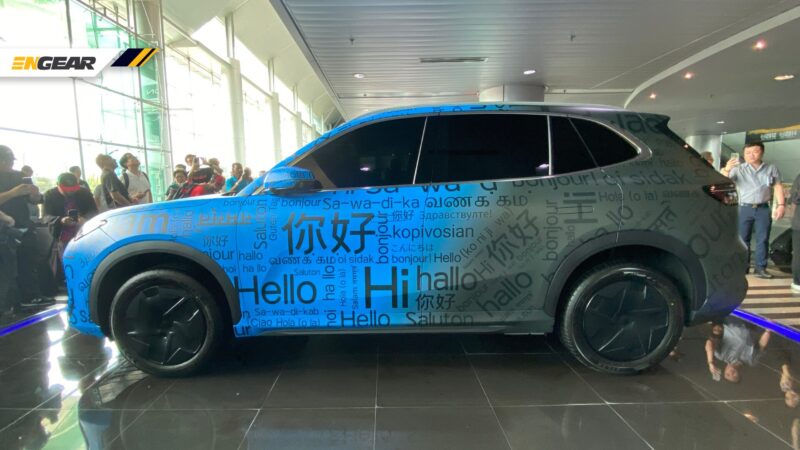
Pro-Net has also localised key software components, ensuring the DHU system accurately translates the original Chinese market language into Malaysian English and adapts to local settings, rather than relying on generic translations.
This collaborative effort between Proton and Geely demonstrates that the e.MAS 7 isn’t just a rebadged vehicle but one infused with true Malaysian character.
The durability tests, including rigorous troubleshooting and system checks ensure the vehicle’s resilience under local conditions.
The company said it has requested and implemented 49 additional processes and unique features from Geely to guarantee that the e.MAS 7 meets the highest standards both locally and globally.
These tests cover everything from vehicle load performance to electronic stability control and enhanced water-wading capabilities—where the e.MAS 7 exceeds the Geely Galaxy E5 with a 400 mm water depth to handle potential flooding scenarios.
The test was conducted at the proving ground in July with the specified water depth, along with a speed bump test to simulate actual Malaysian road conditions. An issue was found and corrected after the test.
Looking ahead, the e.MAS 7 will undergo ASEAN NCAP accreditation as well as QRT, the latter of which the company aims to achieve 100,000 km in acceleration, braking performance, and power consumption. Moreover, software testing is a key focus for Proton engineers.
Like other manufacturers, Toyota has also been affected by the decline in demand for electric vehicles.
According to the latest report from the Japanese newspaper The Mainichi, Toyota has reduced its global production target for electric vehicles by 30 percent by the year 2026.
The company is now aiming to produce around 1 million units, compared to the original plan of 1.5 million EV units.
Toyota, previously characterized as a ‘stubborn’ manufacturer, changed their electrification strategy early last year when their president Koji Sato announced a sales target of 1.5 million EV units by 2026.
The global EV market initially experienced rapid growth, thanks to the popular models produced by Tesla and BYD.
However, sales in the zero-emission segment have been slow as they have failed to attract interest from other consumer groups beyond early adopters due to high costs and charging infrastructure issues.
Throughout 2023, Toyota managed to sell 104,000 EV units, a fourfold increase compared to the previous year.
This figure is significantly small when compared to the total vehicle sales exceeding 10 million units.
In comparison to EVs, Toyota’s hybrid vehicles have been well-received as they offer a more practical solution in driving carbon neutrality missions.
Despite the plans to decrease EV production, Toyota will respond to current market demand by increasing production numbers for plug-in hybrid vehicles.
The Road Transport Department (JPJ) today introduced the JPJePlate special plate design specifically for zero-emission vehicles (ZEV).
According to JPJ, three standards have been set for the special plate design inspired by European countries, such as:
1. Retro-reflective feature to enhance visibility at night and reduce accident rates.
2. Anti-cloning hologram sticker to minimize theft and fraud risks.
3. Integrated RFID technology that supports toll payments and vehicle parking.
The implementation of JPJePlate starts today (September 9, 2024) for new electric vehicles, with bookings available through the website jpjeplate.jpj.gov.my.
The new plate design is not mandatory for registered ZEVs, but owners can still make reservations as early as November.
A complete set of JPJePlate is priced at RM98/set, including front and rear plates, RFID mirror stickers, and standard delivery costs.
Additionally, JPJ has also launched a special registration number auction (NPI) with the “EV” index through the JPJeBid System starting today and ending on September 13, 2024, at 10:00 PM.
The “EV” registration number is reserved exclusively for ZEVs and cannot be registered on non-ZEV vehicles.
Similar to previous initiatives, a portion of the revenue from these NPIs will be channeled towards public initiatives such as free helmet exchange programs and B2 license training for the B40 group.
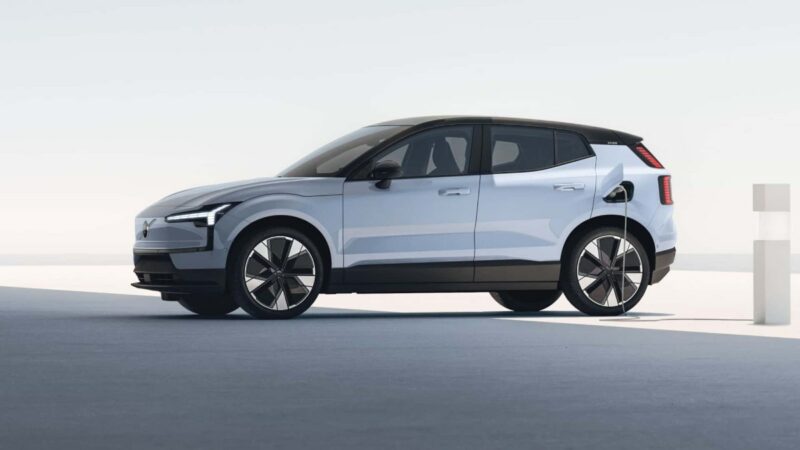
Volvo Car Malaysia will be giving customers the opportunity to get in the driver’s seat of the Volvo EX30 at a massive, first-of-its-kind launch showcase and driving experience happening from 26 to 29 September at KL Base, Sungai Besi.
The Volvo EX30 Experience will come hot on the heels of the official unveiling – slated for September 25 – and will offer customers the opportunity to be amongst the first to experience Volvo’s new, fully electric SUV.
The EX30 is packed with technology, featuring a new automatic parking feature, Google Built-in, upgraded Pilot Assist, and 360° environmental awareness from multiple cameras, sensors, and radars that look out for you and others on the road.
Big on tech and safety, it is also Volvo’s fastest-accelerating car and is designed to have the smallest carbon footprint ever of any Volvo car to date.
Attendees at the Volvo EX30 Experience will be able to:
Understand the many little ideas, inspirations, calculations and tests that built up to make a big impact in the design of the EX30.
See, touch, hear, and feel the EX30 in person.
Learn about the EX30’s cutting-edge technology and safety features in an interactive, guided car ride.
Experience the EX30’s blisteringly fast acceleration and dynamic handling on the runway of the iconic Sungai Besi airstrip.
Drive the EX30 on real-world city roads to appreciate its urban-friendly design.
Enjoy warm Scandinavian hospitality accompanied by knowledgeable consultants from Volvo’s authorised dealers.
The Volvo EX30 Experience will run from 10:00AM to 6:00PM each day and slots are available on a first-come, first-served basis. Register for the event at https://forms.volvocarmalaysia.com/ex30.
Customers can place their bookings online for the EX30 from 25 September.
The transmission, or gearbox, is one of the crucial components in a vehicle to ensure that every horsepower produced by the engine can be effectively transmitted to the road.
This is because internal combustion engines (ICE) can only generate efficient power within certain engine speed ranges, and each speed ratio is calculated and specified according to the engine output by manufacturers to maximize efficient power delivery in each gear.
It’s a different story for EVs.
Unlike ICE, electric motors can consistently generate maximum instantaneous power at any RPM range.
It can be said that most EVs in the market have a single-speed transmission, where the gear ratio has been meticulously calculated to maximize the efficiency of the electric motor.
Due to the already efficient operating system, most manufacturers believe that the use of multiple-speed transmissions will only add inefficiency, such as increased weight and production costs.
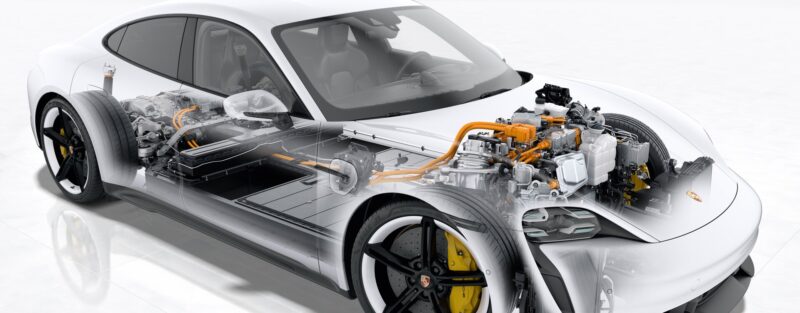
However, there are premium EV models like the Porsche Taycan that use a two-speed gearbox.
The first gear is designed to maximize acceleration, while the second gear ratio is designed to ensure efficiency and high power reserves even at high speeds.
Formula E racing cars even have three-speed transmissions!
So, what about certain manufacturers like Hyundai and Toyota?
Hyundai introduced the N e-shift feature, allowing drivers to simulate gear changes as if using an 8-speed DCT transmission in the Ioniq 5 N model.
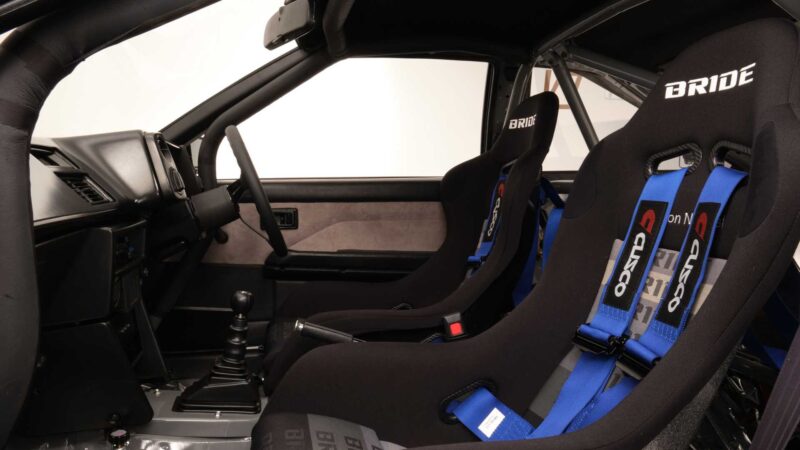
Toyota, on the other hand, experimented by fitting a manual gearbox to the AE86 BEV model, complete with a foot clutch!
All of these efforts are made to ensure that the art of driving and manual gear changes will not disappear even when the world fully transitions to EVs one day.
The lifespan of the luxurious electric sedan Mercedes-Benz EQS may not last as long as expected.
This is because according to the latest report from Autocar, Mercedes-Benz CEO Ola Källenius confirmed that the electric sedan will be replaced with an electric version of the S-Class.
“In the future, there will be two versions of the S-Class, namely ICE and electric,” he said.
Unlike the current approach, Mercedes-Benz will use the same design for both models, although they will not be based on the same platform.
According to the report, the electric S-Class sedan will be built on a specific EV platform, while the ICE version will continue to use the improved MRA architecture.
The approach of the same design for two different powertrain models has already been used by its competitor BMW in the new generation models of the 5-Series and 7-Series.
The name EQS is also likely to be dropped, referring to the long name used by the previously launched electric-powered G-wagen (G580 with EQ Technology).
Despite an uncertain future for the electric vehicle (EV) segment, Hyundai remains steadfast in moving forward.
During the recently held CEO Investor Day 2024 event, Hyundai confirmed the launch of no less than 21 new EV expected by 2030, ranging from affordable models to high-performance ones.
Interestingly, Hyundai also plans to turn the N Vision 74 concept model into a reality.
The Hyundai N Vision 74 is a concept developed by Hyundai based on the 1974 Pony coupe model designed by the legendary designer Giorgetto Giugiario.
Unlike the Pony, the N Vision 74 presents a blend of retro and modern elements with a wedge-shaped body structure, a large rear spoiler, and digital light units at the front and rear.
At this stage, Hyundai has not disclosed the powertrain unit that will be used in the actual production version of the N Vision 74.
However, for your information, the N Vision 74 Concept is a hybrid vehicle combining a hydrogen fuel cell system and a battery electric powertrain.
The 800-volt electric propulsion unit includes two electric motors generating 670 hp/900 Nm powering the rear wheels.
A 62.4 kWh battery pack is utilized to supply the required power to these electric motors.
At the front, Hyundai incorporates a 114 hp hydrogen fuel cell system with two hydrogen tanks totaling 4.2 kg capacity that can be fully refilled in just five minutes.
Overall, the N Vision 74 can travel nearly 600 km and accelerate from 0-100 km/h in four seconds.
Apart from the official name, Hyundai has also not revealed a specific timeline for the production model launch of the N Vision 74.
As of now, the N Vision 74 is one of the 21 new EV models set to be released by Hyundai by 2030.
Hyundai is also aiming for total sales figures to reach 5.55 million units by the same year, with 2 million of them being EV models
If your car is an expression of your style, the MINI is your perfect match. With its iconic design and sporty drive, it’s where fashion meets function.
These qualities shine in the latest MINI models like the new Countryman S Electric, combining iconic style and go-kart-like sportiness with a modern twist.
Eco-friendly material
In the latest generation, the MINI Countryman S Electric introduces fabric made from high-quality recycled materials, featured on the dashboard and door panels. This fabric, sewn with unique 2D techniques, offers a distinct, stylish appearance and a refined texture. The dashboard fabric also serves as a canvas for ambient lighting, transforming with each MINI Experience Mode to enhance the unique interior vibe.
If you’re concerned about maintaining this stylish fabric, rest assured—MINI designed it to be easy to clean. So, feel free to bring the kids along without any worries in your MINI Countryman.
Modern technology with classic look
The MINI Countryman S Electric is modernized with the first circular OLED display in any car. This high-resolution screen delivers crystal-clear information while seamlessly blending with MINI’s signature high-style aesthetic.
The OLED display also offers MINI Experience Modes, featuring themes like Vivid, Core, Go-Kart, Timeless, Balance, Trail, and Personal. Each mode creates a distinct atmosphere and driving experience to match your mood. For instance, if you’re feeling tired after work, you can switch to Balance mode for a more relaxing vibe.
If you love vintage and retro vibes, choose the Timeless mode, which features a display meter inspired by the classic MINI Cooper from Mr. Bean’s era. Plus, you’ll even hear sounds from the classic MINI through the audio system, adding to the nostalgic experience!
Agile like a go-kart
A MINI wouldn’t be a MINI without that signature go-kart-like handling, and the new MINI Countryman S Electric is no exception. Even as the largest MINI ever produced, it retains the iconic driving feel that makes every ride a thrill.
The suspension system and steering have been finely calibrated for agile and precise responses, ensuring a dynamic driving experience. The thick steering rims add to the excitement, inviting you to fully enjoy the drive in the Countryman S Electric.
With 313PS and 494Nm of torque from its dual electric motors, the ALL4 all-wheel drive system delivers instant acceleration and thrills. It rockets from 0-100km/h in just 5.6 seconds, ensuring a grin every time you accelerate from a traffic light or toll booth.
Overall, the MINI Countryman S Electric offers super-responsive acceleration, precise steering feedback, and a finely-tuned suspension, making it feel like a five-seater go-kart. You’ll find yourself eager to seek out corners where the regenerative braking system enhances the sporty handling, before effortlessly accelerating out with a smile.
Like other electric vehicles, the 66.5kWh battery pack in the Countryman S Electric is positioned under the chassis, lowering the center of gravity and enhancing stability in all driving situations.
Stylish, fun to drive, from only RM2,777 per month
Overall, I thoroughly enjoyed test driving the new MINI Countryman S Electric. It’s stylish, eye-catching, and effortlessly handles both traffic jams and highway cruising.
Heading to a campsite or beach is a breeze with the Countryman’s higher ground clearance and rugged bumpers and side skirts.
This vehicle adds joy and excitement to your daily drive, making it anything but boring. With sustainable materials in the cabin and an electric power system that offers up to 433km on a single charge, you can enjoy peace of mind knowing you’re driving a car that contributes to environmental preservation.
Interested in test driving the new MINI Countryman S Electric? Visit any MINI showroom nationwide. With Easy Drive Financing, you can own the Countryman for just RM2,777 per month, and for a limited time, receive a free Wallbox charger.
The MINI Cooper Electric is also available with Easy Drive Financing from RM2,021 per month and includes free Wallbox installation. For more details about MINI in Malaysia, follow their social media pages.
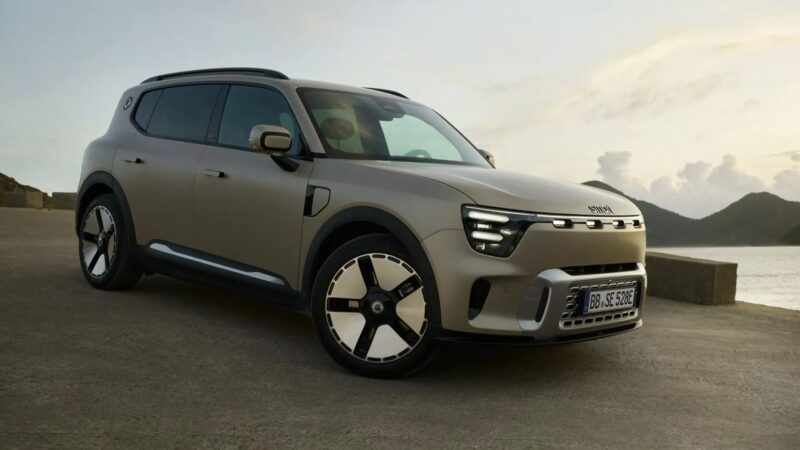
Several months after the unveiling of the Concept #5 model, smart has finally introduced the new crossover model #5 2025.
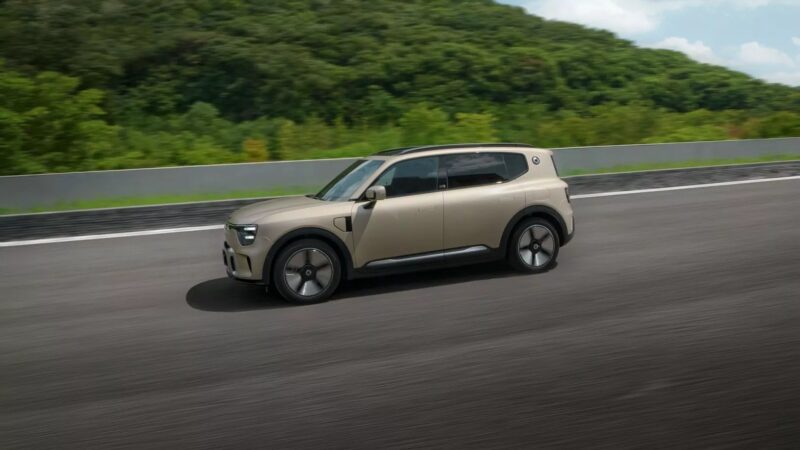
At its core, the smart #5 is a mid-size premium SUV, sporting a boxy body shape with dimensions that rival those of the GLC-Class SUV.
Here’s what you need to know about the smart #5:
Dimensions
The smart #5 measures 4,705 mm in length, 1,920 mm in width, 1,705 mm in height, with a wheelbase of 2,900 mm. In comparison, the smart #5 boasts larger dimensions than the Mercedes-Benz GLB-Class, but slightly smaller than the GLC-Class.
Storage Space
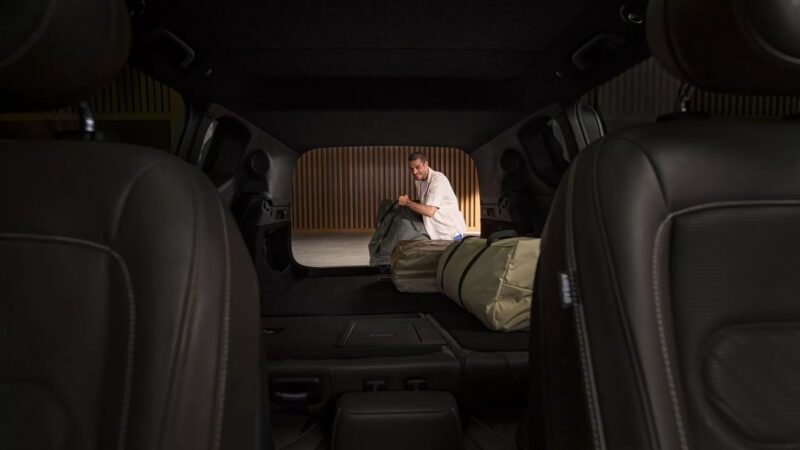
Due to its larger size compared to the smart #1 and #3, the smart #5 offers more storage space within the cabin, with a cargo capacity of up to 1,530 liters. Additionally, there is also a ‘frunk’ space at the front suitable for storing smaller items.
Premium Cabin
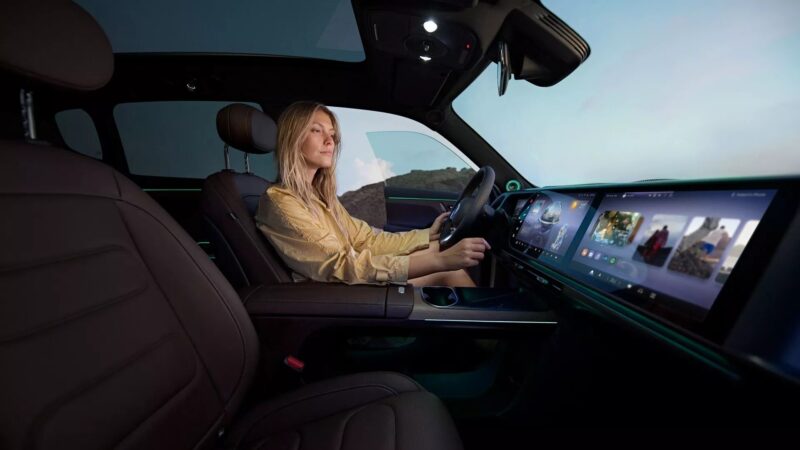
Luxurious features loaded into the cabin include zero-gravity seats, premium leather upholstery, oak wood trims, a Sennheiser audio system with 21 speakers, and ambient lighting system with 256 color options available.
The dashboard houses a 10.3-inch digital cluster screen, along with two 13-inch screens displaying the AI avatar Leo, and a 25.6-inch augmented reality heads-up display.
Furthermore, the rear seats come with heating and adjustable recline functions, power sunshades, first-class cabin-style LED reading lights, and a special comfort mode that provides extra legroom. The rear seats can also be folded down to provide a comfortable sleeping space.
Can travel up to 740 km
The smart #5 comes equipped with a 100 kWh battery pack, providing a driving range of 740 km (CTLC data). The 800-volt charging technology enables fast DC charging, allowing the battery to be charged from 10-80 percent within 15 minutes.
According to information from the Chinese ministry’s website, the smart #5 will be offered in RWD versions with 335 hp or 358 hp, while the all-wheel-drive (AWD) version combines a front electric motor with 221 hp with options for rear electric motors of 358 hp or 416 hp.
Exterior Features
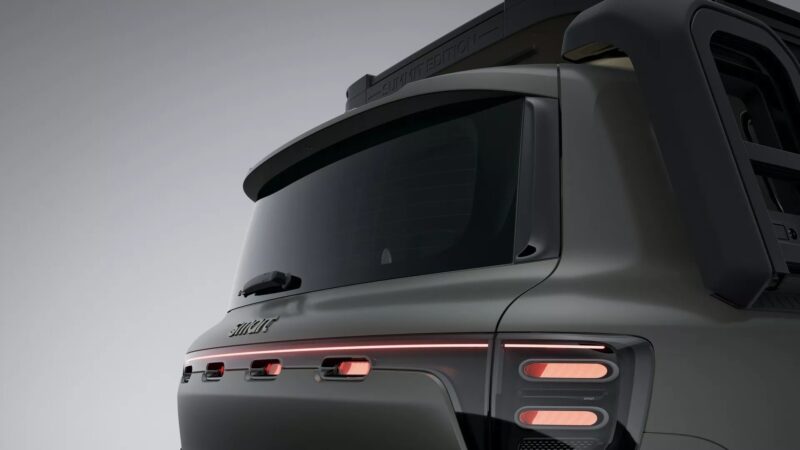
Unlike the more rounded appearance of the smart #1 and #3, the smart #5 presents a more rugged and robust look. The main headlights feature a more angular shape, complemented by body protection cladding, integrated door handles, and aerodynamic rims with floating center caps.
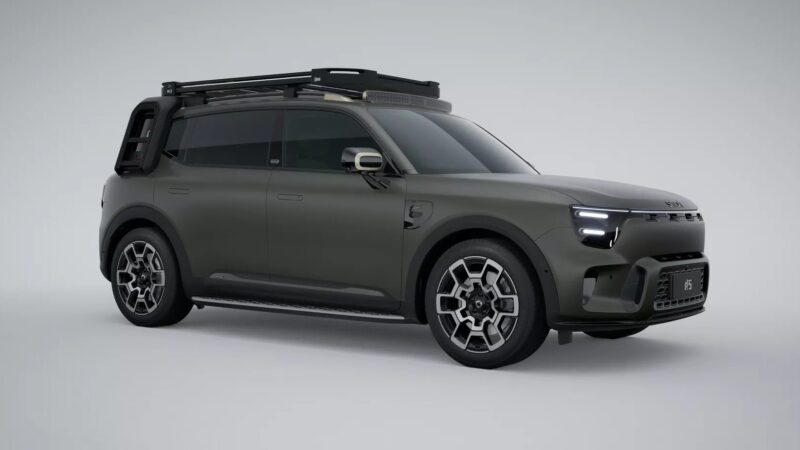
Owners seeking a more rugged version can opt for the Summit Edition, which adds roof-mounted light bars, side step boards, a ladder, underbody protection, more aggressive rims, a trailer hitch, and storage boxes that can be mounted on the C/D pillars.
Tesla is no longer the dominant force in the electric vehicle segment, at least in the European continent.
Based on data obtained from JATO Dynamics, BMW has managed to sell a total of 14,869 EVs throughout July 2024.
In comparison, Tesla has sold a total of 14,561 units for the same period.
Despite the small difference, this indicates that the German manufacturer is now able to surpass Tesla’s EV sales, even while still offering options for petrol and hybrid vehicles to consumers.
JATO Dynamics analysis shows a decline in sales performance for two of Tesla’s crucial models (Model Y and Model 3) last month, with Model Y sales decreasing by 16 percent to 9,544 units, and Model 3 dropping by 17 percent to 4,694 units.
Tesla may still take pride in the fact that the Model Y remains the best-selling EV, surpassing the Volvo EX30 (6,573 units) and the Volkswagen ID.4 (5,295 units).
Despite holding the title for the best-selling EV, these numbers are still significantly behind the sales performance of the best-selling models in Europe, with the Dacia Sandero leading the way in July with 22,398 units sold, followed by the Volkswagen T-Roc (19,254 units) and the Toyota Yaris Cross (17,314 units).
FACTORS such as tax and duty exemptions, as well as the influx of new and exciting models into the local market have made electric vehicles (EVs) increasingly popular in Malaysia.
According to a report from Berita Harian, the registration of new EVs in the country has reached 10,700 units in the first half of this year, representing an increase of more than twice the 4,400 units achieved in the same period last year.
EVs, in general, are stuffed with a plethora of new technologies but thanks to the aforementioned tax and duty exemptions by the Malaysian government, the prices are rather reasonable, starting from just RM100,000.
For those who are looking to switch to EVs without having to spend too much, here are five attractive EVs priced between RM100,000 and RM150,000:
BYD Dolphin
The Dolphin was launched back in July 2023 with two variants to choose from, namely the Dynamic Standard Range (SR) and the Premium Extended Range (ER). Prices start from RM100,530 for the former and RM125,530 for the latter.
The difference between the two lies in the range and charging speed. The SR offers a range of up to 410 km (based on the WLTP cycle), while the ER can go up to 490 km on a full charge.
GWM Ora Good Cat
Those who are in the market for a stylish EV may consider the Ora Good Cat, which was officially launched by GWM Malaysia. There are two two variants – 400 Pro (RM113,800) and 500 Ultra (RM143,800).
Concerned about the quality of Chinese-made cars? Fret not as the Ora Good Cat comes with a 5-year/150,000 km vehicle warranty and an 8-year/180,000 km warranty for the battery, electric motor, and control unit.
MG4
The MG4 is one of the two EVs launched by SAIC Motor Malaysia Sdn. Bhd. back in March this year. It is a hatchback with a bold exterior design, a perfect fit for young individuals who want to stand out on the road.
What’s interesting about the MG4 is that is available in Standard, Lux, Lux Extended Range variants, with prices ranging from RM103,900 to RM148,900. There’s also a high-performance guise called the XPower, slightly exceeding the RM150,000 mark.
GAC Aion Y Plus
Introduced by WTC Automotif at the Malaysia Autoshow 2024 last May, the Aion Y Plus is essentially an SUV but thanks to its roomy interior, coupled with front seats that can be fully reclined, it feels more like an MPV.
Two variants are offered – Elite and Premium, with sales prices ranging from RM119,800 to RM135,800. Both variants are equipped with a lithium iron phosphate battery (dubbed Magazine Battery 2.0) with a capacity of 63.2 kWh that boasts a range of up to 490 km.
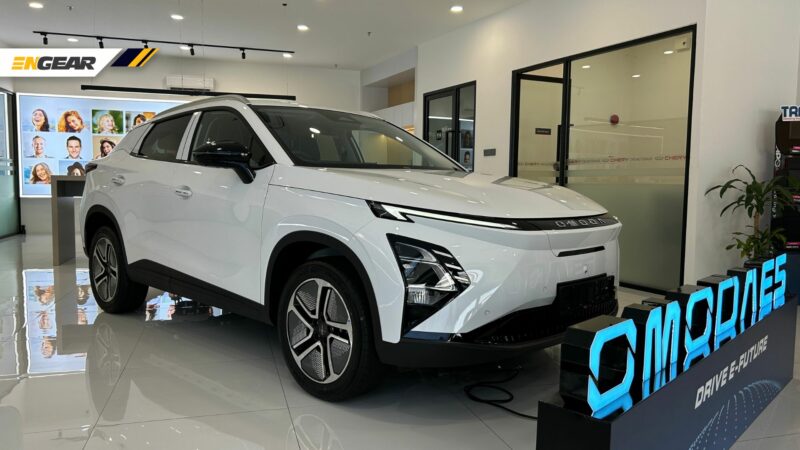
Chery Omoda E5
Another electric SUV available below the RM150,000 mark is the Chery Omoda E5, which can be yours from RM146,800. It is essentially the electric version of the ICE-powered Omoda 5, which means you are getting a vehicle with similar styling and size but with a an electric motor driving the front wheels.
The Omoda E5 comes equipped with a 61 kWh battery, offering a driving range of up to 430 km. The battery can be charged from 30 to 80% in just 28 minutes. To sweeten the deal, Chery Malaysia is offering a one-to-one exchange if the battery’s state of health falls below 70% during the warranty period.
Simultaneous with the launch of two ICE models, MG Malaysia also surprises us by revealing a powerful electric roadster model, the MG Cyberster EV 2024.
No information regarding pricing and specifications has been disclosed at this time.
Here, we share some information based on the specifications of the MG Cyberster model sold in the global market.
Two drive options: RWD or AWD
The MG Cyberster EV is available in a single electric motor rear-wheel-drive version, producing 310 hp/475 Nm of torque, or a higher output of 335 hp/475 Nm. It accelerates from 0-100 km/h in just 4.9 seconds.
Meanwhile, the twin electric motor version with an all-wheel-drive system is capable of generating power as high as 536 hp and 725 Nm, allowing it to accelerate from 0-100 km/h in as fast as 3.2 seconds.
580 km range
There are two battery pack capacity options available, 64 kWh with a range of up to 501 km, or 77 kWh with a range of 580 km (520 km for the AWD version).
Zero-emission roadster with a sporty design
What catches the eye is the exterior design of the roadster that can captivate the public.
It features a front design resembling a shark’s nose, followed by LED headlights, Lamborghini-style scissor doors, 20-inch rims, and rear lights with the Union Jack flag motif and arrow design.
Cabin
The cabin space of the MG Cyberster can only accommodate two people at a time.
Included amenities are sports seats wrapped in Nappa/Alcantara leather, sports steering wheel, a 10.25-inch digital screen, two additional 7-inch screens, as well as support for Apple CarPlay and Android Auto.
Cargo space
The MG Cyberster offers a rear cargo space of 249 liters.
In the Thailand market, the AWD version of the MG Cyberster is sold at THB 2,499,000 (RM317,949). Speculations arise, what will be the selling price for the Malaysian market? RM200,000?
LOTUS Cars Malaysia’s second electric vehicle offering for the local market, the Emeya, has been officially launched.
Much like the Eletre, the fully electric Hyper-GT is available in three variants – Emeya, Emeya S, and Emeya R. The base variant is priced at RM555,000, the S variant at RM643,000, while the R variant goes for RM777,000.
These prices do not include road tax and insurance. All variants of the Emeya come with a five-year/150,000 km manufacturer’s warranty, while the battery comes with an eight-year/200,000 km warranty.
Both the base Emeya and Emeya S are powered by two electric motors producing 603 hp and 710 Nm. With a single-speed transmission, it can accelerate from 0-100 km/h in 4.2 seconds before reaching a maximum speed of 250 km/h.
Meanwhile, the range-topping Emeya R boasts a whopping 905 hp and 985 Nm. Unlike the other two variants, this one has a two-speed transmission, enabling it to complete the century sprint in just 2.8 seconds. Its maximum speed is slightly higher at 256 km/h.
In addition to the powerful electric motors, most of the Emeya’s performance is contributed by its sleek, aerodynamic design.
The car is equipped with an active front grille to reduce wind resistance and cool the battery, an active air dam to increase downforce at the front, an active rear diffuser, as well as a dual-layer active rear spoiler that can generate up to 215 kg of downforce.
Moreover, the Emeya also comes with an all-wheel drive system with Lotus ICC intelligent torque distribution and an electronically controlled air suspension system that is capable of ‘feeling’ the road 1,000 times a second.
All three variants come with a 102 kWh battery, but the range (WLTP) for each variant differs. The base variant offers a range of 610 km, while the S variant offers 540 km. The Emeya R can travel up to 435 km.
On top of 22 kW AC charging, the Emeya also supports fast DC charging up to 350 kW, which can recharge the battery from 10% to 80% in just 18 minutes.
The Emeya’s interior features a minimalist design combined with sustainable and durable materials and advanced technology. To reduce carbon footprint, Lotus uses new luxury thread made from repurposed fibres from the fashion industry.
Additionally, you will find a 15.1-inch touchscreen powered by Unreal Engine, as well as a KEF audio system with Uni-Q speakers, Uni-Core space-saving subwoofer enclosure, and 3D Dolby Atmos surround sound. The Road Noise Cancellation (RNC) feature is also included.
For safety, there is a full suite of Advanced Driver Assistance Systems (ADAS) comprising features such as obstacle warnings, lane departure, forward collision alerts and blind-spot monitoring. All essential information is displayed through a 55-inch projected augmented reality (AR) head-up display.
The electric vehicle (EV) market in Malaysia is heating up with the presence of various attractive models from all over the world.
The two EV brands currently hotly discussed are Tesla and BYD. The former made its mark in the local market with the launch of the facelifted Model 3 last October.
Meanwhile, the latter has introduced three EVs so far, with Seal being the latest offering to compete directly with the popular Model 3.
During a recent test drive, this writer found that the Seal has the right formula to go toe to toe with its closest rivals, but like most other cars, it still has some weaknesses.
Here are five things we don’t like about the Seal:
Two badges is one too many
For this writer, the Seal is one of the best looking cars, if not the best looking, in its segment. It has a sleek, sporty four-door sedan shape, which is further highlighted by strong character lines, 19-inch wheels, and a rear diffuser, to name a few.
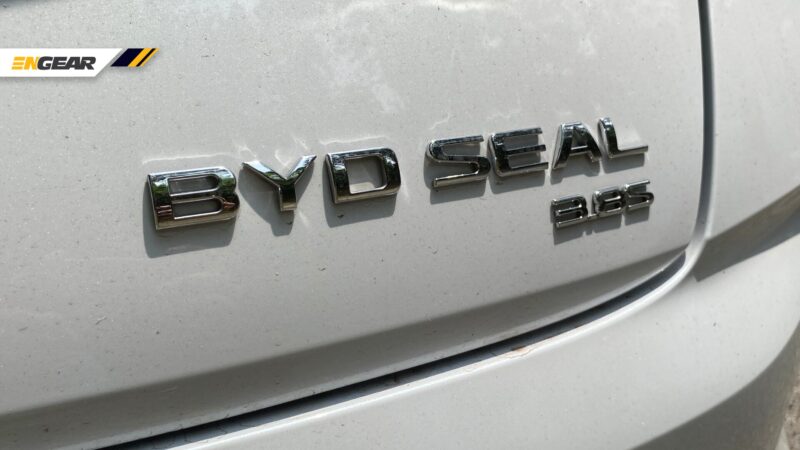
However, BYD unnecessarily placed two ‘BYD’ badges at the rear – one in the centre and another in the bottom corner of the tailgate. The automaker also put a ‘3.8s’ badge under the ‘BYD Seal’ lettering to let the tailgaters know how fast this car can sprint from 0 to 100 km/j. This isn’t necessary and makes the Seal look cheap.
There’s a large panoramic roof, but…
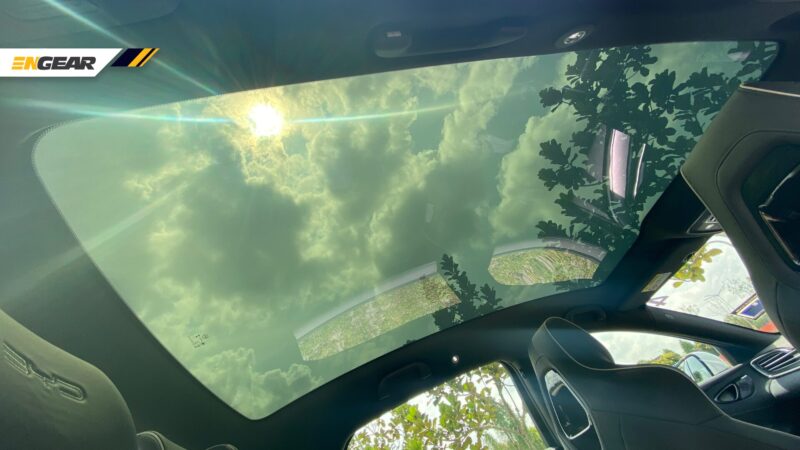
The Seal comes standard with a large panoramic sunroof, which offers great views at night but can turn the cabin into a sauna during the day when the sun is directly overhead.
Surprisingly, the car lacks a power sunshade for the panoramic sunroof. Instead, BYD provides two piece of sunshades that have to be manually placed, which is quite annoying for a car costing nearly RM200,000.
Overly sophisticated controls
This writer is aware that in order to design a clutter-free, minimalist cabin, automakers try to minimise the amount of physical knobs and buttons as much as possible, and integrate the functions into the infotainment system.
But it needs to be said that not all vehicle functions need to be digitised. One good example is the air-conditioning system. In the Seal, even the AC vents adjustment is done via the large display. Sometimes, less is more.
Slow charging
Despite using a 800V architecture commonly found in luxury EV models, Seal only supports fast charging up to 150 kW, which lower than many other 800V EVs on the market.
For AC charging, the Malaysian-spec Seal can only support up to 7 kW, taking approximately 15 hours for a full charge, whereas in Europe, this model comes with an 11 kW AC charger.
Limited boot space
Despite its longer and wider dimensions compared to most C-segment sedans, Seal has a relatively small boot space of only 400 litres. There’s an additional 53-litre storage space under the bonnet but it’s not that spacious.
In comparison, the Model 3 has a whopping 682 litres of boot space while the B-segment sedan Honda City offers 519 litres of storage space in the back.
Tesla has never committed to opening a factory in Malaysia, said Minister of Investment, Trade, and Industry Tengku Datuk Seri Zafrul Tengku Abdul Aziz.
In a post on X, formerly known as Twitter, Tengku Zafrul explained that the Ministry of Investment, Trade and Industry (MITI) had engaged in discussions with Tesla founder Elon Musk in efforts to attract investment, but these discussions did not involve setting up a factory.
“Firstly, the foreign news report is not an official statement from Tesla but rather quotes anonymous or unnamed sources. Reporters need to verify the authenticity of this news with Tesla, as the source of this news is not from Tesla.
“Secondly, MITI has never announced that Tesla will open a factory in Malaysia. We have had discussions with Elon Musk in efforts to attract investment, but Tesla has never committed to opening a factory here,” Tengku Zafrul said.
He made these comments in response to a report from Thai online news portal, The Nation, which cited unnamed sources within the government regarding Tesla’s cancellation of plans to develop factories in Malaysia, Thailand, and Indonesia.
The report also stated that Tesla’s current discussions are only focused on efforts related to charging stations and has suspended plans to develop factories not just in Thailand but globally.
“Tesla is not proceeding with plans in Malaysia, Indonesia, or other locations except in China, the United States, and Germany,” the news portal reported.
On July 20 last year, a leading United States multinational electric automotive manufacturer announced its strategic expansion into the Malaysian market through Tesla Malaysia Sdn Bhd.
According to a joint statement from Tesla and the Malaysian Investment Development Authority (MIDA), this move is a direct response to the Battery Electric Vehicle (BEV) Global Leader initiative introduced by MITI.
In addition to introducing a range of advanced electric vehicles (EVs) to Malaysian consumers, Tesla is also committed to investing in a comprehensive network of fast and standard charging stations across strategic locations in Malaysia, as well as establishing its state-of-the-art headquarters and service centre in Cyberjaya, Selangor.
EV Connection (EVC), the operator of JomCharge, and Gentari became the first parties to receive licences for public installation of EV charging systems in Sabah from the Energy Commission of Sabah (ECoS).
ECoS licences are equivalent to the licences issued by Suruhanjaya Tenaga (ST) in Peninsular Malaysia and are pivotal in ensuring safe installations that comply with safety standards to protect public usage.
EVC and Gentari were also the first parties in Peninsular Malaysia to be licenced by ST.
ECoS is a statutory body established by the State Government of Sabah since 10 January 2023. It operates as the official regulator for the energy sector within the Chief Minister’s portfolio.
The primary objectives of ECoS are to ensure secure, sustainable, affordable, and accessible energy for the State of Sabah.
It plays a pivotal role in shaping Sabah’s energy landscape, promoting responsible energy practices, and safeguarding the interests of both consumers and the environment.
Prior to the licence handover ceremony, ECoS organised a briefing session that was attended by representatives from BOMBA, local authorities, installation contractors, and EV Charge Point Operators (CPOs).
Haikal Zubir, Chief Operating Officer of Gentari Green Mobility remarked, “Gentari is committed towards supporting the green mobility transition across the whole of Malaysia. Being the first CPO to be licensed in Sabah in partnership with EVC underscores Gentari’s focus on safety, reliability and customer centricity in our operations.”
Ir Lee Yuen How, Managing Director of EVC commented, “We are very honoured to be one of the first CPOs alongside Gentari to receive these licences from ECoS. Public safety whilst charging has always been of paramount importance to us and we look forward to working closely with ECoS in ensuring this.”
As the number of EVs continuously grows in Sabah, EVC and Gentari are committed to supporting the Sabah EV Charging infrastructure that is required to underpin such growth.
This is in line with the sustainable energy agenda as a strategic initiative stated in the Sabah Energy Roadmap & Masterplan 2040 and also in tune with the federal government’s target of achieving 10,000 public chargers by 2025.
Like its main rival from Stuttgart, BMW has been actively expanding its range of electric vehicles in Malaysia.
After launching models such as the i5, i7, and iX1, to name a few, BMW Malaysia introduced the latest addition to the BMW i series, the iX2 back in May this year. It is offered in the single xDrive30 M Sport variant at a price of RM 297,000.
So what exactly is the iX2?
Just as the iX1 is the electric version of the X1, the iX2 is essentially an electrically driven X2. The difference between the iX1 and iX2 lies mostly in the shape and design, the latter looking almost eccentric thanks to a more angular design approach and a coupe-style roof.
Not only that, it also gains the Iconic Glow illuminated grille, larger wheels (20 vs 19 inches), and the M High-Gloss Shadowline package with extended content that brings black accents to the radiator grille, tailgate logo, and side mirrors.
However, under the stylish skin, the iX2 xDrive30 shares the same dual-motor electric powertrain as the iX1 xDrive30, which generates a total output of 313 PS (with boost) and 494 Nm.
On paper, the difference in performance between the two are not exactly night and day. The iX2 is capable of sprinting from 0 to 100 km/h in 5.6 seconds, while the iX1 does it in 5.7 seconds.
Despite using the same 66.5 kWh battery, the iX2 offers a longer WLTP driving range of 449 km compared to 438 km by the iX1. 11 km may not sound much, but it can make a big difference, especially when the range anxiety kicks in as the battery runs low.
So, for a price difference of almost RM12,000, you get a more stylish EV with a longer driving range. Is it worth it to spend the extra buck on the iX2?
For this writer, it heavily depends on the individual taste. Those who are more conventional and not exactly risk-takers will choose the iX1, while those who like to be distinct and stand out more will be drawn towards the iX2.
Folks who pick the iX2 will not only appreciate its voguish exterior but also take a fancy to its its modern and sophisticated cabin. Almost every touchable surface feels luxurious and premium, as they should.
The first thing that catches attention is the large curved display that actually houses two displays, a 10.25-inch digital instrument cluster and a 10.7-inch touchscreen for the infotainment system.
The BMW Operating System 9 provides bright, easy-to-read graphics and an intuitive, user-friendly interface, but there are some functions that need some ‘digging’ to be accessed. The infotainment system is commendable, but this writer personally prefers the MBUX.
In terms of comfort and practicality, the cabin of the so-called Sport Activity Coupe is comfortable enough for four passengers. The front seats are highly adjustable and have thigh support, while the rear seats are not too upright and offer ample head and legroom.
There is space for a fifth passenger, but they might not feel comfortable especially on long journeys because the middle seat is rather small.
To say the iX2 is spacious might be a little far-fetched but there is plenty of storage space in the cabin. Each door has a sizeable storage area and cup holder, while under the centre console, there is another decent-sized space for storing items like a wallet.
There is also a storage space located under the armrest, but it is only meant for small, flat objects like access cards.
In addition to USB Type C charging ports, passengers can charge their smartphone on the wireless charging tray that has a bar to hold the phone in place. That’s clever.
At the back, the iX2 offers a larger boot (525 litres) compared to the iX1, but due to its sloping roofline, fitting tall items can be a bit challenging.
But if you’re thinking of weekend trips with the family, the boot has enough space and can easily accommodate at least three or four luggages. The car is also suitable for your shopping trips to Ikea as the rear seats can be folded flat in a 40:20:40 configuration.
The driving character shown by the iX2 is as expected from a premium EV – it’s fast, comfortable on smooth roads, and quiet.
Perhaps it’s not all that silent seeing hard acceleration is accompanied by BMW’s IconicSound synthesised sound effect developed in collaboration with renowned composer Hans Zimmer. However, in terms of NVH, it is all good in the iX2.
Driving an EV can be a bit boring after a while so to make things more interesting, BMW has included a boost pedal that provides an additional push for 10 seconds. Though honestly, the output provided by the two-motor setup is good enough for most daily driving situations.
In addition, the iX2 can help reduce driver fatigue through the standard Driving Assistant Plus system, which includes features such as Lane Control Assistant, Automatic Speed Limit Assist, Autonomous Emergency Braking, and more.
During the four days of driving, this writer recorded an energy consumption level of around 15 to 16 kWh per 100 km with a normal driving style, involving 70% city driving and 30% highway driving.
Needless to say, achieving the claimed driving range is no easy feat, but with the iX2, you can at least extend the range by using the regenerative braking system that offers four modes, including Adaptive.
Navigating through winding roads is not a problem for this car because its suspension system is more on the firm side of things, meaning it excels in eliminating body roll. But sometimes you do feel that the weight of the battery is taking a toll on it its handling.
Despite its firmness, the suspension system shows it can be quite comfortable for highway driving. However, it is not too keen to be driven on bumpy and uneven roads in urban areas. Hitting a pothole will send a jolt to the entire car.
In the city, the iX2 is overall easy to drive. That being said, you have to be mindful when reversing as the rear window is quite small due to to the sloping roofline. Thankfully, the car comes with a 360-degree camera.
If that’s not enough, you can also make use of the Reversing Assistant and Lateral Parking Aid for easier parking maneuvers.
Conclusion
Does the iX2 xDrive30 M Sport make sense in the current market? Honestly, at a price of nearly RM300,000, you could actually get another EV that offers high power and a longer range, like the Volvo C40.
However, the iX2 has its own unique appeal. Looks are subjective but the iX2 does have a stronger visual impact than its closest competitors, and it handles really well on the road – probably much better than the Swedish EV or the Mercedes-Benz EQA. And that’s good enough for this writer.
For the Malaysian market, the Mercedes-Benz EQS 500 4Matic, along with the SUV version, represents the flagship offerings in the brand’s electric vehicle lineup.
It was first launched in Malaysia in July 2022 in the fully imported EQS 450+ guise. Less than a year later, Mercedes-Benz Malaysia (MBM) pulled the covers off the locally assembled EQS 500 at its manufacturing plant in Pekan, Pahang.
Undeniably, as the highest variant in its lineup, the EQS 500 offers luxury and top technology for its customers, but for this writer, it still has some discernible shortcomings.
It’s not an S-Class
Some may have thought that the EQS is the electric version of the S-Class. This may be true in some ways but it is worth noting that the EQS is based on the automaker’s dedicated electric platform known as Electric Vehicle Architecture (EVA), while the S-Class is underpinned by the Modular Rear Architecture (MRA2) platform.
This gives the EQS a slightly smaller footprint than the S-Class, with a length of 5,216 mm, width of 1,926 mm, and height of 1,512 mm. The wheelbase is also 6 mm shorter at 3,210 mm. The interior is spacious but not as roomy as the S-Class.
Unconventional design
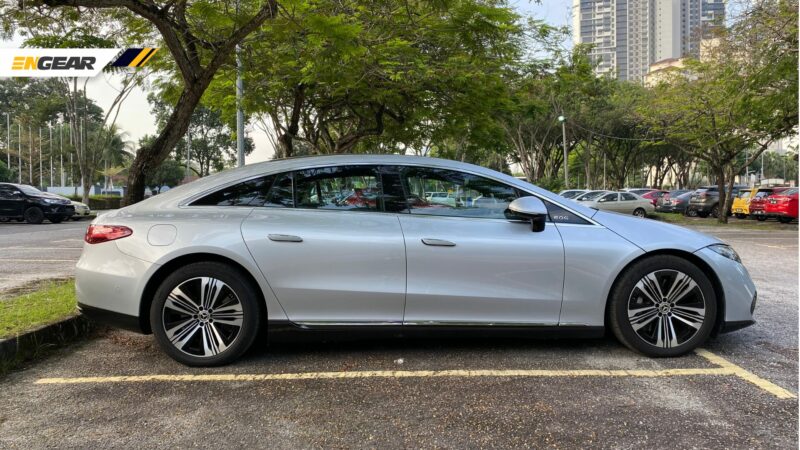
Unlike the S-Class, which exudes elegance in its traditional ‘three-box’ shape, the EQS has a much more unique appearance highlighted by its oval-shaped body. According to Mercedes, the shape plays a significant role in helping the EQS achieve a drag coefficient of 0.20, making it one of the most aerodynamic cars in the world.
While most were intrigued by its futuristic appearance, this writer can’t help but think how the EQS looks like an egg on wheels.
The MBUX Hyperscreen takes the cake but…
Inside, the centrepiece is Mercedes-Benz’s impressive MBUX Hyperscreen infotainment system, which combines three displays: a 12.3-inch digital driver instrument cluster, a 17.1-inch OLED touchscreen in the middle, and a 12.3-inch OLED touchscreen for the front passenger.
It has to be said that the giant display does make the EQS look somewhat like a spaceship, but the glass panel picks up smudges and fingerprints easily.
Say auf Wiedersehen to physical buttons
Save for the start stop and hazard light buttons, the majority of the vehicle’s functions, including the air conditioning system, can only be accessed through the central touchscreen. Needless to say, this will increase driver distraction.
On top of that, the touch panels on the steering wheel are not exactly user-friendly, and it will take some time getting used to.
Air suspension is supple but a little too soft
On the highway, the EQS demonstrates why Mercedes-Benz’s air suspension is among the best in the market. It absorbs every undulating surface so smoothly that long journeys are hardly felt.
However, on normal roads, this writer needs to be careful as the suspension is quite soft and tends to bottom out if the car is driven too fast over bumps. The suspension can be raised to increase the ground clearance but that means having to fiddle with the infotainment menu while driving.
PROTON has announced that Malaysia’s first local electric vehicle (EV) will officially be known as the Proton e.MAS 7. The electric vehicle brand was revealed last June and will be managed by Pro-Net.
The e.MAS 7 is developed based on the Global Modular Architecture (GMA) platform and has dimensions of 4,615 mm in length, 1,901 mm in width, 1,670 mm in height, and a wheelbase of 2,750 mm.
The GMA platform supports Cell-to-Body (CTB) architecture which enhances structural strength, increase interior space, improves stability in high-speed cornering, and overall handling.
Proton says the e.MAS 7 will feature a 12-in-1 intelligent electric propulsion system,, although specific details such as motor count and output are yet to be disclosed.
The powertrain gets its juice from Geely’s Aegis short blade battery, which is said to offer higher energy density, improved safety, and better durability.
The interior is yet to be revealed, but according to Proton, the e-MAS 7 will be equipped with the Flyme Auto Connectivity System that integrates with the local IHU system.
There’s a Telematic Service Provider that supports various advanced functions, bringing intelligent technology directly to the consumer.
At the preview, Proton reiterated that the e.MAS 7 was developed in collaboration with Geely and is not merely a rebadge of the Geely Galaxy E5, as previously assumed by many.
Over 100 Proton engineers were involved in the project. The e.MAS 7 has undergone rigorous testing, with 700,000 manhours and 10 million kilometres of testing performed to verify its durability and reliability.
Since the announcement of the e.MAS brand name and the subsequent introduction of 18 Proton e.MAS outlets in June, Pro-Net has now expanded its reach to a total of 29 outlets.
The company aims to have 25 Proton e.MAS showrooms operational before the launch of the public launch of the e.MAS 7.
In the previous article, we have already listed 10 production cars with the highest horsepower in the world.
Here is another list of 10 new production cars with the highest horsepower in the world.
1. Lucid Air Sapphire
The Lucid Air Sapphire is a four-door sedan designed to compete with the Tesla Model S and Porsche Taycan.
The Air Sapphire variant combines three electric motors with a total output of 1,234 hp and 1,939 Nm, allowing it to accelerate from 0-96 km/h in just 1.9 seconds.
With a full charge, the Air Sapphire can travel up to 687 km.
2. Aston Martin Valkyrie
This limited production hybrid sports car is the result of a collaboration between Aston Martin and Red Bull.
Powered by a naturally aspirated 6.5-liter V12 engine built by Cosworth paired with a hybrid system, the Valkyrie can produce 1,160 hp and 900 Nm of torque.
0-100 km/h? Just 2.6 seconds!
3. Chevrolet Corvette ZR1
Chevrolet has just unveiled the latest Corvette ZR1 model equipped with a twin-turbocharged 5.5-liter flat-plane V8 engine.
The most powerful V8 engine ever produced in America is capable of generating up to 1,064 hp and 1,121 Nm of torque powering the rear wheels only!
4. Mercedes-AMG One
The Mercedes-AMG One can be described as an F1 car that can be driven legally on the road, with production limited to only 275 units.
It features a 1.6-liter V6 F1 engine with four electric motors, producing a total power output of 1,049 hp.
Unfortunately, the engine can only last up to 50,000 km before it needs to be rebuilt.
Among the owners of the AMG One are Lewis Hamilton, Nico Rosberg, David Coulthard, and Valtteri Bottas.
5. Rivian R1T
The electric light-duty pickup truck Rivian R1T is available in three powertrain configurations, with the most powerful setup featuring four electric motors capable of producing up to 1,025 hp and 1,624 Nm, significantly more powerful than the previous 835 hp and 1,231 Nm figures.
Unlike the ladder frame chassis used by most pickup trucks, the Rivian R1T uses a skateboard-like platform combining the battery, cooling system, suspension, and brakes in a single structure.
6. Tesla Model S Plaid
Although the Model S is one of the oldest cars on this list, the Plaid variant was introduced in 2021, nine years after the launch of the Model S.
With three electric motors, the Tesla Model S Plaid can unleash up to 1,020 hp and 1,420 Nm of torque, with 0-96 km/h acceleration in 2.07 seconds followed by a top speed of 320 km/h.
7. Lamborghini Revuelto
The Lamborghini Revuelto is the first Lamborghini supercar to use a plug-in hybrid (PHEV) system compared to models like the Sian FKP 37 and Countach LPI 800-4 equipped with mild hybrid systems.
The 6.5-liter NA V12 engine (814 hp/725 Nm) is paired with three electric motors (187 hp/336 Nm) for a total power output of 1,001 hp and 1,062 Nm of torque.
Acceleration from 0-100 km/h is as fast as 2.5 seconds, with a top speed exceeding 350 km/h.
8. GMC Hummer EV Edition 1
The GMC Hummer EV is an electric battery-powered vehicle that can weigh up to 4,500 kg.
The Edition 1 variant comes with three 1,000 hp electric motors, a range of 529 km, the Extreme Off-Road package, and the Crab Walk feature.
In addition to the pickup truck version, the GMC Hummer EV is also available as a five-door SUV.
9. Ferrari SF90
The Ferrari SF90 is equipped with a twin-turbocharged 4.0-liter V8 engine, three electric motors, and a 7.9 kWh battery pack that allows for emission-free travel up to 26 km.
The total power output can reach 986 hp and a maximum torque of 800 Nm.
Interestingly, the SF90 does not have a reverse gear, as this operation is taken over by two electric motors located on the front axle.
10. Tesla Cybertruck Cyberbeast
The most controversial electric pickup truck model for 2024 also has the most powerful variant – Cyberbeast.
This three-electric motor variant is capable of producing 845 hp and 1,396 Nm of torque, with an acceleration of 0-96 km/h in just 2.6 seconds.
With the long-range option, the Cyberbeast can travel up to 710 km.
The main issue plaguing Cybertruck owners is the unsatisfactory build quality and the tendency of the stainless steel exterior to rust.
Malaysia’s Leading Automotive News | ENGEAR ENGLISH