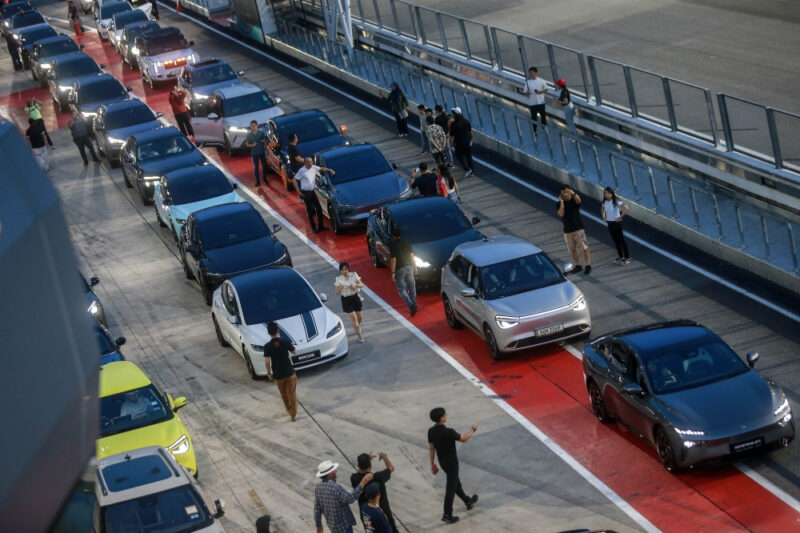
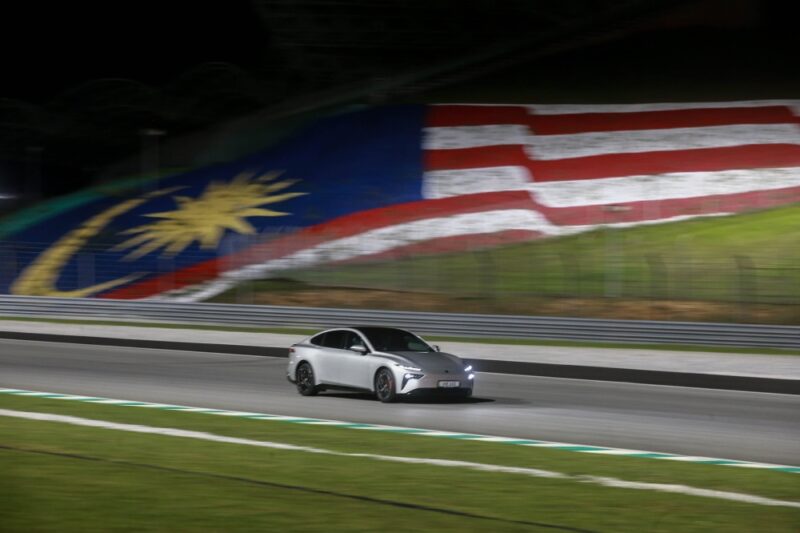
The Sepang Circuit usually filled with the roar of engines, was brought to life by the presence of over 100 electric vehicle (EV) owners from Malaysia and Singapore.
During the recent Dongfeng Track Day event, participants were given the chance to experience driving on the iconic circuit themselves.
Outstanding Reception
The turnout this year was remarkable, especially compared to the approximately 30 participants recorded last year.
Amin Ashaari, co-founder and CEO of SoyaCincau, stated that this remarkable reception demonstrates the growing interest in EVs.
“This event is not about racing; it’s about giving EV owners the opportunity to experience the track and test their cars’ capabilities. We want to prove that there are no limits with EVs.”
The event began with a parade lap session to familiarize participants with the circuit, followed by four driving sessions, each lasting one hour.
Among the EV brands that participated were BMW, BYD, Dongfeng, Proton, Porsche, and Tesla.
Dongfeng Showcases New Cars
Soh Ming, CEO of Volt Auto Singapore and Malaysia, described their participation as a valuable first experience.
“It’s the perfect opportunity for us to test our cars on the track and collect data for improvements,” he explained.
He also expressed his desire to organize more track events in the future, in line with the brand’s involvement in sports such as football and pickleball in Singapore.
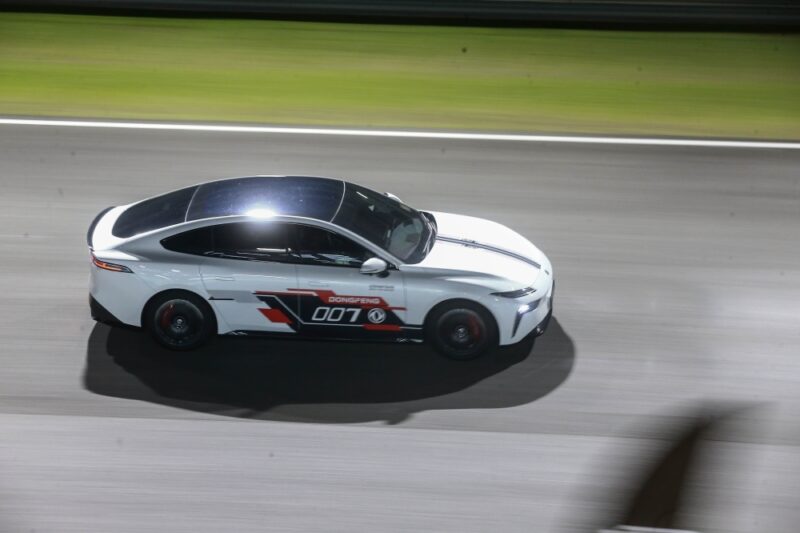
Dongfeng showcased three models: the 007, Vigo, and Box E2, while also offering taxi rides in the 007 model driven by professional drivers.
Participants Express Excitement
Kim Chan, 39, a first-time participant, described the experience as something new.
“It was fun, and I truly enjoyed it. I’ve attended races before, but this is my first time on the track. It also felt strange because it was so quiet.”
He added that the improvement in charging infrastructure has made him consider purchasing an EV as his next car.
Returning for the second time was Ee Sheeden, owner of a Tesla Model 3 Performance, who recorded a time of 2:27.90 in the time attack session.
As the founder of the Tesla modification center Exotic Mods, Ee acknowledged that he is a passionate EV enthusiast and has modified his car for track use.
“I removed the back seat and replaced the rear door with a fiberglass door to reduce the weight by 60 kg.”
Other winners in the time attack challenge included:
Firhat Mokhzani – Tesla Model 3 Performance (2:32.42)
Ryan Woon Tian Chong – Tesla Model 3 Performance (2:38.20)
The country’s largest EV Track Day is set to electrify the PETRONAS Sepang International Circuit on June 6, 2026.
The event will gather a community of electric vehicle owners and enthusiasts from across Malaysia, running from 5:45 PM until midnight.
Utilizing the full 5.543 km layout of Sepang, participants will have the opportunity to enjoy the experience of driving EVs in a real racing environment.
Among the main attractions of this year’s program:
Open Track Session – Driving EVs on the full circuit, including technical corners.
Parade Lap Session – A more relaxed driving experience.
Time Attack Session – Competing to find the fastest EV on the track.
Taxi Ride Session – Experience the performance of high-powered EVs with professional drivers.
EV owners looking to enhance their track driving skills can also access professional coaching services, available upon request.
To ensure the smooth running of the event, DC chargers will be provided in the paddock area through cooperation with several local charging providers, allowing participants to maximize their time on the track without worrying about battery life.
A free 12V battery check will also be offered, including an upgrade option to a more heat-resistant sodium-ion battery.
The previous edition captured attention as over 30 EVs showcased the true capabilities of electric machines on the track, including high-performance models that can rival conventional sports cars.
It may be hard to believe, but here is the first electric vehicle (EV) from Ferrari, the Ferrari Luce.
This Ferrari features a non-aggressive design, four doors, and lacks the iconic roar of an engine typically associated with the Prancing Horse brand.
All-New Platform
The Ferrari Luce is built on a completely new platform, measuring 5,026 mm in length, 1,999 mm in width, and 1,544 mm in height, with a wheelbase of 2,961 mm.
One of the key elements for any EV is a low drag coefficient; the Luce EV boasts an impressive drag coefficient as low as 0.254 Cd.
This figure was achieved through its sleek body panel design which avoids aggressive lines, and even redesigned windshield wipers.
Collaborative Design Effort
The overall design of the Ferrari Luce was a collaborative effort between Centro Stile Ferrari and LoveFrom firm founded by Jony Ive, the designer of the first-generation iPhone.
The front design is subtle, complemented by round dual tail lights encircled in black trim.
The wheel sizes are the largest ever fitted on a Ferrari, measuring 23 inches at the front and 24 inches at the rear.
Four Electric Motors
The Ferrari Luce EV is equipped with four electric motors developed in-house based on the F80 program, utilizing F1 technology and endurance racing innovations.
Each rear motor produces 476 hp, while the front motors deliver 141 hp each.
There are four E-Manettino modes:
Range: 430 hp RWD
Tour: 617 hp AWD
Performance: 986 hp AWD
Launch Control: 1,050 hp
In Launch Control mode, the Luce EV can accelerate from 0 to 100 km/h in just 2.5 seconds, and from 0 to 200 km/h in 6.8 seconds.
The top speed is limited to 260 km/h in Range mode, and can reach up to 310 km/h in Performance mode.
800V Battery System
The 122 kWh battery pack was developed in partnership with SK On, featuring DC fast charging capability of up to 350 kW.
As part of the chassis structure, the center of gravity of the Luce EV is 94 mm lower than that of the Purosangue.
With the addition of a rear-wheel steering feature, the handling of the Luce EV is said to be comparable to that of the 296 GTB.
An EV With Sound
Due to the absence of an internal combustion engine, the Ferrari Luce EV cannot produce the fierce sounds typical of other Ferraris.
For the Luce, there is no fake sound package.
However, Ferrari has included a sound generation unit that captures real vibrations from moving components.
This patented system filters out undesirable frequencies and generates sound in a manner similar to an electric guitar, enhancing the driving experience.
Spacious Cabin for Five
We have previously glimpsed the minimalist cabin layout of the Luce, featuring the design of an iPhone designer.
Despite the presence of modern screens, Ferrari has incorporated physical function buttons and levers for straightforward driving operations.
As the largest Ferrari model, the Luce EV comfortably accommodates five passengers.
Additional features include a massage function, a 3,000W sound system with 21 built-in speakers, and more luxurious interior finishes.
A unique aspect of the Luce EV is the existence of paddle shifters, which are not intended for simulating gear shifts. According to Ferrari, these components are designed to control torque distribution (right paddle) and regenerative braking levels (left paddle) with five adjustments.
Pricing
The starting price for the Ferrari Luce EV is around €550,000 (approximately RM2.5 million), exclusive of optional features and personal customization.
Honda Motor is planning to introduce an electric version of its N-Box around 2027 to compete with the BYD-made kei car, according to a report by Nikkei Asia.
The Honda N-Box was first launched in Japan in 2011 and has now gone through three generations in the Japanese market.
It has been one of the best-selling vehicles in Japan for three consecutive years, with over 200,000 units sold in 2024.
Honda has not yet decided on the specifications or pricing for the N-Box EV model.
It is clear, however, that the N-Box EV will not entirely replace the role of the internal combustion engine (ICE) version.
For reference, Honda Japan has a similar kei car product, the N-Van e: which is aimed at commercial use and has been on sale since 2024.
The N-Van e: features a single electric motor with a power output of 64 PS and 152 Nm, and offers a driving range of 245 km on a full charge (WLTC data).
In Japan, new electric vehicle (EV) sales accounted for only 2 percent of total vehicle sales throughout 2024.
Of that total, more than 40 percent was dominated by the kei car twins, the Nissan Sakura EV and the Mitsubishi eK X EV.
Both of these EV models share specifications, including an electric motor producing 64 PS/195 Nm, a 20 kWh lithium-ion battery, and a driving range of up to 180 km (WLTC data).
Nissan Sakura EV & Mitsubishi eK X EV
In addition to Honda, Suzuki Motor is also planning to introduce a kei car EV by 2026.
The BYD Racco is a kei car specially developed by BYD for the Japanese market.
Unveiled for the first time at the Japan Mobility Show 2025, the BYD Racco features the following:
Dimensions: 3,395 mm x 1,475 mm x 1,800 mm
Sliding doors on both the left and right
20 kWh LFP battery pack
Driving range of 180 km (WLTC data)
The arrival of the BYD Racco clearly demonstrates that the prominent Chinese brand is serious about producing a vehicle that complies with the dimensional regulations set for the kei car segment in Japan.
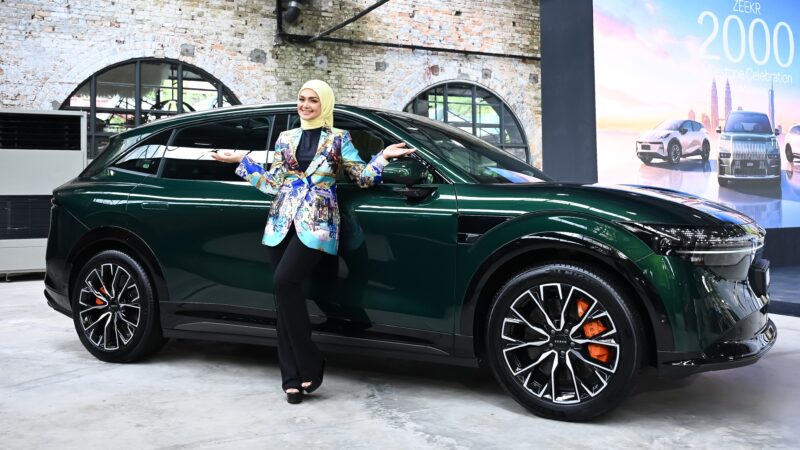
Zeekr Intelligent Technology Malaysia has announced a new milestone, having delivered a total of 2,000 electric vehicles within a year.
Fifty units of the Zeekr 7X were handed over to their respective owners during an event held last weekend.
The 2,000th unit was delivered to its owner, Dato’ Sri Siti Nurhaliza.
According to Eddy Lu, General Manager of Zeekr Intelligent Technology Malaysia, “Reaching 2,000 owners in just one year is no easy feat, and it reflects the trust Malaysians have in Zeekr.”
“We will continue to enhance the quality of our sales and after-sales services to ensure that every journey with Zeekr is synonymous with luxury and peace of mind.”
Zeekr Malaysia is also striving to expand its presence across the country.
Starting January 2026, Zeekr will open new dealership branches in Johor Bahru, Melaka, Ampang, and Ipoh.
By the end of 2026, Zeekr will have a network of dealerships consisting of 18 showrooms, including over 10 Body & Paint Centers nationwide.
Additionally, Zeekr Malaysia is running a campaign in conjunction with the Christmas season, where every Zeekr model registered before December 31, 2025, is eligible to receive exclusive TRAPO items valued up to RM1,000.
PRO-NET, the authorized distributor of the smart brand vehicles in Malaysia, has successfully launched another electric SUV for the local market, the smart #5.
Two variants are offered, starting with the Premium variant featuring a single electric motor and rear-wheel drive (RWD).
With a power output of 358 hp and torque of 373 Nm, the #5 Premium can accelerate from 0 to 100 km/h in just 6.5 seconds.
Its 100 kWh battery pack provides a driving range of up to 590 km according to WLTP data and supports AC charging at 22 kW as well as DC fast charging of up to 400 kW (10-80% state of charge in 15 minutes).
Meanwhile, the Brabus variant is powered by two electric motors and features an all-wheel-drive (AWD) system that can produce 637 hp and 710 Nm.
The Brabus version can accelerate from 0 to 100 km/h in just 3.8 seconds and offers a driving range of 540 km.
Standard equipment for the smart #5 includes:
A cargo space of 1,530 liters and a 72-liter frunk
Dual 13-inch OLED display screens
A 25.6-inch augmented reality head-up display
Apple CarPlay and Android Auto support
Sennheiser audio system with 20 speakers and Dolby Atmos technology
Nappa leather upholstery
Oak wood accents
A 1.7 square meter panoramic glass roof
A built-in cooler in the center console storage compartment
The Brabus variant includes additional features such as Launch Mode, Dinamica microfiber upholstery, red brake calipers, 21-inch Brabus Monoblock Z wheels, and sport-tuned suspension.
Safety features comprise a high-strength steel chassis with rigidity of up to 42,000 Nm, seven airbags, Highway Pilot Assist (HWA) with Stop & Go functionality, and a 360-degree camera system.
The retail price of the smart #5 starts at RM199,800 for the Premium variant, rising to RM249,800 for the Brabus variant.
The Premium variant is available in four colors: Meta Black, Cyber Silver, Pulsar Ruby, and Saturn Beige Matte, all equipped with an Eclipse Black colored roof.
The Brabus variant features three exclusive finishes: Atom Grey Matte, Meta Black, and Digital White, with an Eclipse Black roof.
Smart Malaysia is also offering a Comprehensive Premium Ownership concept that includes:
8-Year / 200,000 km High-Voltage Battery Warranty
8-Year / 150,000 km High-Voltage Component Warranty
4-Year Vehicle Warranty with unlimited mileage
2-Year Warranty on Parts with unlimited mileage
24-hour Roadside Assistance
A free Wallbox charger valued at RM3,200
A free Vehicle-to-Load (V2L) adapter valued at RM800
A free accessory package with six items valued at RM2,000
Free Internet data for 3 years, 3GB/month (108GB total)
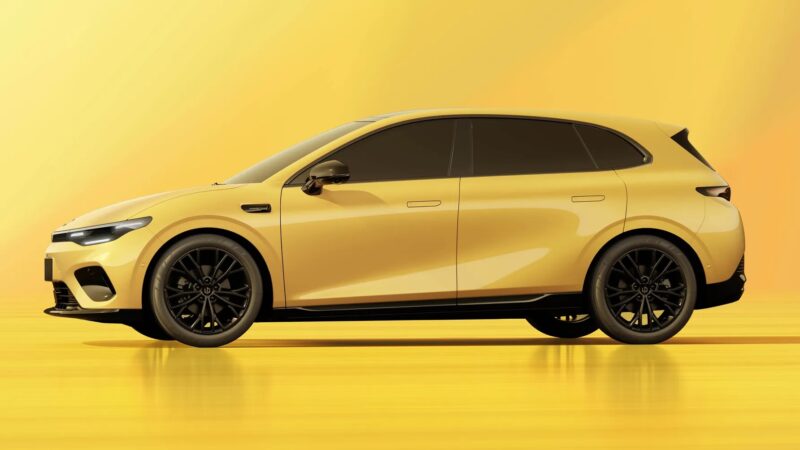
Leapmotor captured public attention at the 2025 Munich Motor Show by showcasing an all-new electric hatchback model, the B05 which is also known as the Lafa 5.
At first glance, the front end of the B05 resembles that of the eighth-generation Golf.
In terms of dimensions, the B05 measures 4,430 mm in length, 1,880 mm in width, and 1,520 mm in height, with a wheelbase of 2,735 mm—larger compared to the aforementioned ID.3 and Golf models.
According to reports, the B05 is built on the modular LEAP 3.5 platform, shared with the B10 crossover, and offers a rear-wheel drive (RWD) system with a 50:50 weight distribution.
The technical specifications of the B05 are also expected to be similar to those of the B10 crossover.
In the Chinese market, the B10 is offered with a single electric motor producing 177 hp, paired with a 56.2 kWh LFP battery pack, while the more premium variant features a 215 hp electric motor and a 67.1 kWh battery pack.
The range can reach up to 510 km, or even 600 km according to CLTC data.
Notable exterior features include 19-inch alloy wheels, 225/45R19 tires, frameless windows, and door handles integrated into the body.
Interior specifications are expected to be similar to those of the B10, featuring an 8.8-inch digital display and a 14.6-inch infotainment screen in the center.
Following its debut at the Malaysia Autoshow 2025, the electric off-road SUV iCaur 03 has officially launched for the local market.
For your information, the iCaur brand is a collaboration between Chery and Zhimi Technology, a subsidiary of Xiaomi.
As previously reported, buyers can obtain the iCaur 03 in either the 2WD variant or the all-wheel-drive iWD variant.
The SUV measures 4,406mm in length, 1,910mm in width, and 1,715mm in height, with a wheelbase of 2,715mm. It boasts an approach angle of 28° and a departure angle of 32°.
The cargo space is 450 liters and can expand to 1,238 liters when the second-row seats are folded. There is also external storage with a capacity of 40 liters.
Initially, the iCaur 03 will be available in the 2WD variant, featuring a single electric motor producing 181 hp and 220 Nm of torque, paired with a 65.7 kWh battery that offers a range of 426 km.
Additionally, there is an all-wheel-drive iWD variant that delivers 275 hp and 385 Nm of torque, achieving a range of 418 km, thanks to a 69.8 kWh battery.
The chassis of the iCaur 03 is made from an aluminum framework, which provides a weight reduction of up to 30%, a rigidity increase of 30%, and corrosion resistance for up to 30 years.
The suspension system consists of MacPherson struts at the front, followed by an H-Arm Multi-link setup at the rear.
Other features available on the iCaur 03 include:
AC charging capacity of 3.3 kW via a 3-pin plug, 6.6 kW AC charging (10 hours), and 80 kW DC fast charging (30 minutes)
V2L capability at 3.3 kW
A 9.2-inch cluster display and a 15.6-inch central display
Heating, ventilation, and massage functions for the front seats
Ventilation function for the rear seats
50 W wireless charging slot for smart devices
Panoramic glass roof
Electric door switches
iROAD system with 12 driving modes (for the iWD variant)
8 speakers (12 Infinity speakers for the iWD variant)
ADAS Level 2 safety features include following functions:
Autonomous Emergency Braking (AEB)
Driver Attention Alert (DAI)
Forward Collision Warning (FCW)
Emergency Lane Keeping (ELK)
Lane Departure Warning (LDW)
Rear Collision Warning (RCW)
Lane Departure Prevention (LDP)
Rear Cross Traffic Alert (RCTA)
Adaptive Cruise Control (ACC)
Traffic Jam Assist (TJA)
Blind Spot Detection (BSD)
Door Opening Warning (DOW)
For the Malaysian market, the iCaur 03 is available in five color options: silver, gray, white, black, and aurora green.
The starting retail price is RM119,800 for the 2WD version and RM129,800 for the iWD version.
There is also a Black Phantom edition that features an exclusive body kit, matte black finishes, a roof rack, and side steps, available at an additional cost of RM20,000.
iCaur Malaysia also offers the iCARE Insurance Program, developed in collaboration with Allianz General Insurance, Berjaya Sompo, AIG, Etiqa Takaful, Zurich, and Zurich Takaful, which covers protection for wall chargers and portable charging cables, along with unlimited towing services.
Please note that the iCaur 03 will be offered as a completely built-up (CBU) model, while the CKD assembly program is expected to begin in January 2026.
Welcome the newest addition to the BYD electric vehicle family, the BYD Atto 2 2025, which has just been launched for the Malaysian market.
Here are some key facts you need to know:
1. Dimensions
The Atto 2 measures 4,310 mm in length, 1,830 mm in width, and 1,675 mm in height, with a wheelbase of 2,620 mm.
Compared to the Dolphin, the Atto 2 is significantly larger in dimensions but has a wheelbase that is 80 mm shorter.
When compared to the Atto 3, the Atto 2 is 145 mm shorter and has a wheelbase that is 100 mm less, but it is slightly taller (+60 mm).
2. Powertrain
The Atto 2 is powered by a single front-wheel-drive electric motor producing 174 hp and 290 Nm of torque.
It accelerates from 0 to 100 km/h in just 7.9 seconds.
3. Range
With a battery pack capacity of 51.13 kWh, the Atto 2 can travel up to 410 km on a full charge (NEDC data).
It supports AC charging at 7 kW and DC fast charging at 82 kW, allowing for a charge from 30-80% in just 30 minutes.
4. Features
On the exterior, the Atto 2 features LED headlights and taillights, 17-inch alloy wheels, a sporty front bumper, a rear roof spoiler, and a two-tone color option.
Inside the cabin, it includes an 8.8-inch digital cluster screen, a 12.8-inch rotating central screen, wireless smartphone charging, and adjustable ventilated front seats.
The cargo space can reach up to 1,320 liters when the second-row seats are folded down.
Safety features include six airbags, a 360-degree surround monitoring system, and advanced driver assistance systems (ADAS).
5. Price
For the Malaysian market, the BYD Atto 2 will be available in three colors: Ski White, Breeze Green, and Harbour Grey.
The price starts at RM100,000. Each purchase comes with a six-year manufacturer’s warranty or a mileage limit of 160,000 km, as well as an 8-year or 160,000 km warranty on the high-voltage battery, and an 8-year or 150,000 km warranty on the drive unit.
For the first 800 customers, BYD Malaysia is offering a hassle-free ownership package worth RM13,500 with no monthly installments for the first six months through the Sime Motors panel bank financing package.
Additionally, there are various charging package options available:
A free wall charger for landed homeowners.
The Sime Platinum 4+ by Power Up for high-rise residents, which includes a 12-month subscription, 4 mobile charges per month, 2 car washes per month, and 2 free roadside assistance services per year.
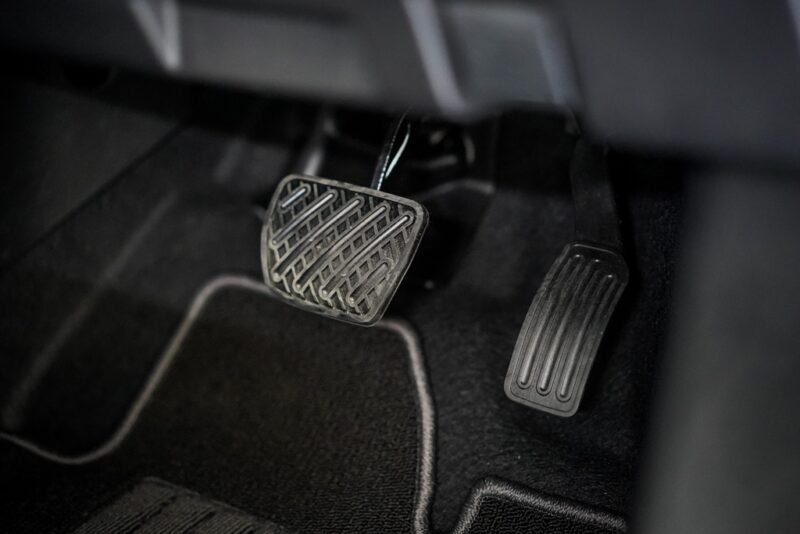
One of the unique features of electric vehicles (EVs) is the one-pedal driving mode. This mode simplifies the driving process by allowing the driver to control both acceleration and deceleration with just a single pedal.
However, studies have shown that excessive reliance on this feature can lead to slower driver reactions, especially in emergency situations.
For safety reasons, China will introduce new legislation that prohibits manufacturers from setting the one-pedal mode as the default driving system.
According to a report by The Paper, the new regulations will come into effect on January 1, 2027.
Additionally, there are two changes to standards that will take effect earlier, on January 1, 2026.
One of these changes mandates that every new EV must ensure that the brake lights illuminate when the deceleration process, triggered by energy recovery systems, exceeds 1.3 m/s².
This measure is deemed necessary to reduce the risk of rear-end collisions and to warn other road users.
Another change, which has been implemented at a slower pace compared to other continents, is the requirement for every new vehicle to be equipped with an anti-lock braking system (ABS).
The ABS has been mandatory in Europe since 2004, prior to being adopted by other markets.
The writer had the opportunity to test drive several small Volvo models before, including the Volvo V40 and the Volvo XC40 and C40 crossovers.
This time, it’s the turn of the smallest production model ever created by the Scandinavian manufacturer, the Volvo EX30.
It comes exclusively as an electric crossover, with no internal combustion engine options available.
Despite being available only in an EV version, the EX30 is not a model to underestimate.
It has a package that can meet the needs of every user—offering style, practical space, and performance capable of outperforming larger SUVs, especially when you choose the Ultra Twin Performance variant, which we drove for this test.
Here’s a summary of our experience after enjoying the EX30, priced at RM228,888, for several days.
Exterior Appearance
Yes, in terms of design, it’s hard to deny that this is a Volvo SUV.
Just look at the headlights with Thor hammer-shaped LED graphics, the front end without a grille displaying the minimalist Volvo logo, and the rear lights—all reminiscent of the Volvo EX90.
Its size is indeed quite compact, measuring 4,223 mm in length, 1,837 mm in width, 1,555 mm in height, and a wheelbase of 2,650 mm, making it smaller than its siblings, the XC40 and C40.
However, small does not mean the EX30 is less practical; the details can be found in the next section.
Practicality
Volvo seems clever in providing a comfortable and practical cabin space in the EX30.
Due to the absence of a speaker system (it has only a Harman Kardon soundbar on the dashboard), there is ample space on the door panels.
The center console appears simple, but when the weather is warm, you can place a cool drink in a pull-out cup holder that can be hidden away when not in use.
Is that not enough? The floor console is also provided, along with additional hidden compartments for smaller items and space in the console tunnel.
The glove box is positioned in the center for easy access by both the driver and front passenger.
Although it looks small from the outside, the Volvo EX30 offers a cargo space of 318 liters, which can expand up to 718 liters when the second-row seats are folded flat in a 60:40 ratio.
This is large enough to accommodate items up to 1.64 meters long and 0.86 meters high.
If you need to head to Ikea for furniture shopping, you can refer to the storage guide graphic provided on the rear tailgate.
Still not enough? There’s a frunk that offers a capacity of seven liters.
Extremely Minimalist to the Point of Confusion
Want to know why Volvo can provide such extensive space?
It’s because Volvo has taken minimalist design to an extreme level, requiring me to ‘reset’ my mindset each time before starting my journey.
The window buttons have been relocated to the center—like cars from the old days—and there are only two buttons available.
You need to press an extra button to open the rear passenger window.
To control the temperature of the air conditioning system? Use the central display screen.
To adjust the steering settings and side screens? Again, it’s done through the central display.
Want to open the glove box? Yes, you also need to press the menu on the central screen.
Fortunately, to start my journey, I didn’t have to scroll through the central screen to switch to Drive mode. The gear shift lever is provided in the steering column, complete with cruise control mode (you only need to pull the lever down once after entering Drive mode).
Finishing Touches
One commendable aspect of the Volvo EX30 is its extensive use of sustainable materials within the cabin.
For example, the upholstery for the seats, dashboard, and doors is made from recycled materials such as denim, hemp, and a wool blend.
The use of these materials does not compromise the comfort factor throughout the driving experience.
What I particularly like is the seating that fully supports the lower legs, along with the comfortable armrest panel on the door.
However, if you look closely, the plastic finishes in certain areas seem inconsistent with the luxurious image Volvo is trying to portray in the EX30. After all, it is made from recycled plastic.
Agile Driving on the Road
The Ultra Twin Performance variant of the EX30 comes equipped with two electric motors that produce 422 hp and 543 Nm of torque, allowing it to accelerate from 0 to 100 km/h in just 3.6 seconds.
With its small, agile body package, the EX30 has no trouble outperforming any sports car out there.
Its suspension tuning is excellent, effectively absorbing all the imperfections found on the road and providing a delightful driving experience, especially when encountering curves.
To be frank, I believe the suspension tuning in the EX30 is significantly better compared to its bigger siblings, the XC40 and C40.
Most of the time, the power delivered by the rear motor is sufficient, and I hardly relied on the Performance mode for the AWD system (which has to be accessed through the central screen).
The NMC 69 kWh battery pack allows you to achieve an impressive driving range of 450 km, making it well-suited for urban driving.
The steering response is also quite good, ensuring that the EX30 stays precisely on its intended path.
Unexpected Off-Road Capability
Clearly, the Volvo EX30 has its unique strengths, making it suitable as an everyday vehicle.
However, one unexpected advantage I discovered is the comfort it offers when the Volvo EX30 is taken off-road (more appropriately, soft-road).
I admit that this EV is already quite comfortable on paved roads, but when the tires hit gravel paths, the EX30’s suspension system effectively filters out all the roughness of unpaved roads.
It’s perfect for driving across rough terrain, allowing you to enjoy outdoor weekend activities like picnicking by the river or camping on the beach.
Given this impressive potential, it’s no surprise that Volvo showcased the EX30 Cross Country version earlier this year for those who seek a more rugged driving experience in this compact EV.
Will the EX30 Cross Country be realized in the future? We can only wait and see what plans Volvo has for this electric SUV.
Charging
The 69 kWh NMC battery supplied in the Volvo EX30 supports AC charging at 11 kW, taking eight hours for a full charge.
If you’re short on time, simply charge the EX30 at any fast-charging station, as this EV supports DC charging up to 153 kW.
In just half an hour, the 69 kWh battery can be charged from 10% to 80% state of charge.
Alternatively, you can visit any shopping center with fast-charging facilities, allowing you to shop for your desired items while the vehicle charges.
One feature I particularly like about this EV is the Google-based mapping system that displays the estimated battery state of charge upon arrival at your destination or after a round trip.
Safety
As a Volvo, the EX30 is equipped with nearly comprehensive safety features in this compact package.
These include adaptive cruise control, traffic jam assistance, collision avoidance assistance, autonomous emergency braking, lane keeping assistance, lane departure warning, blind spot monitoring, and rear cross-traffic alert.
Ironically, it also features a driver attention monitoring system that alerts the driver if it detects a lack of attention on the road.
What can you expect from a car that crams all sorts of settings and functions into a single 12.3-inch screen?
Essential information such as speed, battery state of charge, traffic light notifications, and gear position (RND) is displayed at the top of the screen.
During driving, I find myself looking to the left to ensure that this EV is being driven at the speed allowed by law.
Or every time my left finger pushes the lever to activate the turn signal.
Or each time I feel the cabin temperature is too cold and want to adjust the air conditioning.
It would be more pleasant if the EX30 had a separate screen behind the steering wheel, so that eye movement would be minimized compared to having to rely entirely on the central screen.
Directly installing a head-up display screen would probably be more practical.
Conclusion
For an urban-use EV, I find the Volvo EX30 has a solid foundation and an attractive design, making it suitable for young people with active lifestyles.
That is, if you don’t mind the overly minimalist dashboard layout presented in this Volvo.
Try taking the time to get used to it, and it won’t be a major issue.
However, it can be somewhat problematic for old-school drivers like me, who are still adjusting because we’re used to physical buttons and controls.
In terms of driving, the EX30 is certainly suitable as an everyday car, enjoyable to drive, and, most importantly, it does not compromise practicality and safety elements, which are the primary foundations of the Volvo brand.
However, if you aren’t concerned about all-wheel-drive performance or the panoramic glass roof, you can opt for a lower variant (priced from RM189k) to enjoy a longer driving range.
Specifications of the Volvo EX30 Ultra Twin Performance (RM228,888)
Currently, Malaysia is still maintaining its target to establish up to 10,000 electric vehicle (EV) charging stations by the end of this year.
This announcement was made by Deputy Prime Minister Datuk Seri Fadillah Yusof, who is also the Minister of Energy Transition and Water Transformation, recently.
He stated that Malaysia aims to become a regional hub for EV manufacturing and innovation, while strengthening the overall EV value chain.
“The government is focused on efforts to improve and upgrade charging infrastructure across the country to stimulate EV sales and attract potential investors into this rapidly growing segment.
“Our target is to have approximately 10,000 charging stations throughout Malaysia, including in Sabah and Sarawak, by the end of this year,” he said during a dinner event with the Malaysian diaspora in Thailand on Thursday.
He also believes that Malaysia has great potential in the EV segment and is capable of attracting interest from various parties to continue investing in this sector.
At the same time, Fadillah acknowledged the challenges posed by the high demand for direct current (DC) chargers compared to alternating current (AC) chargers.
“We are working closely with Petronas and other industry stakeholders to address this issue. Our ministry is ensuring that charging connectivity is sufficient, including along highways, rural areas, and throughout Malaysia,” he said.
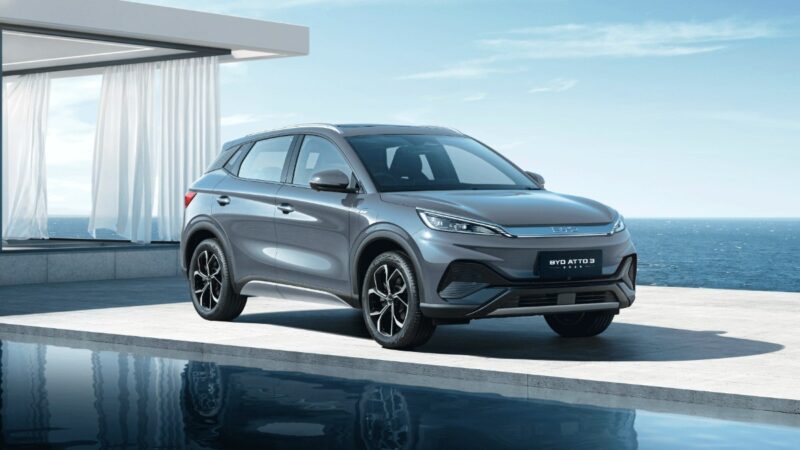
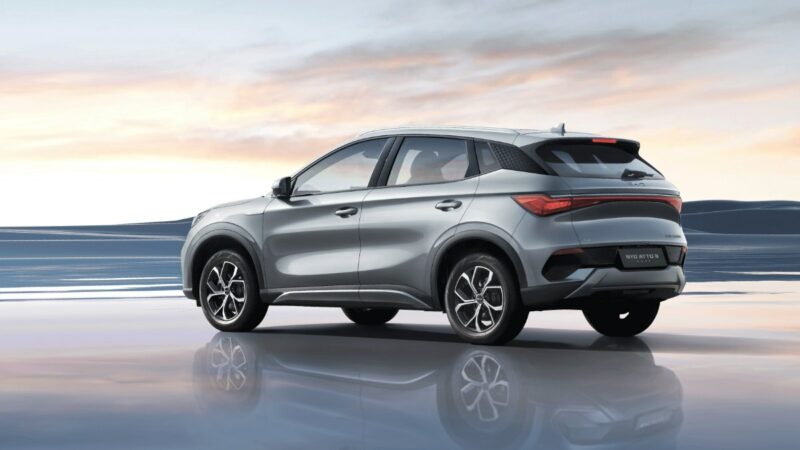
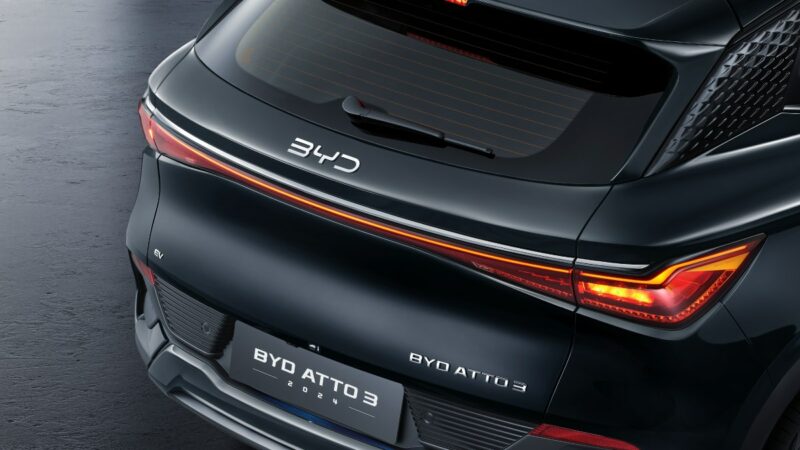
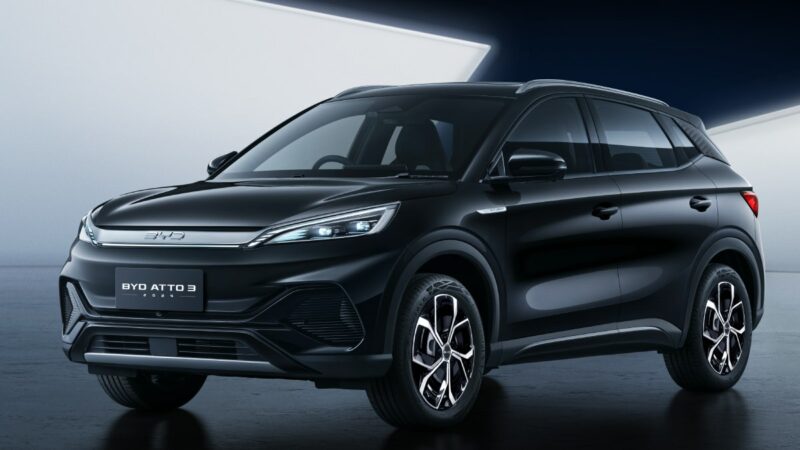
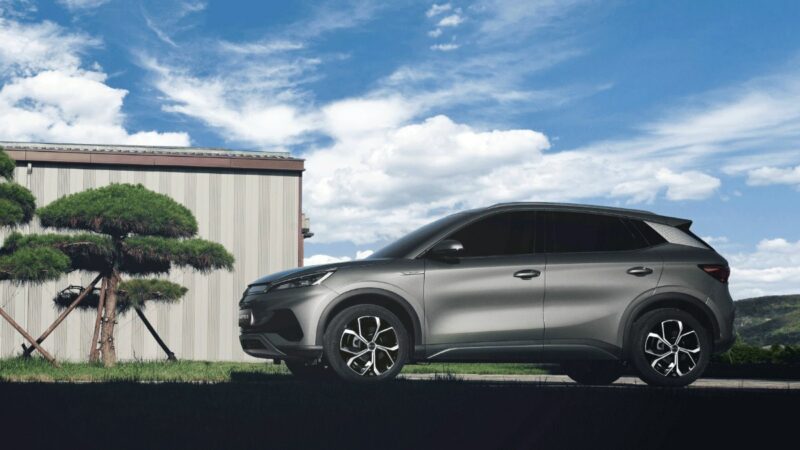
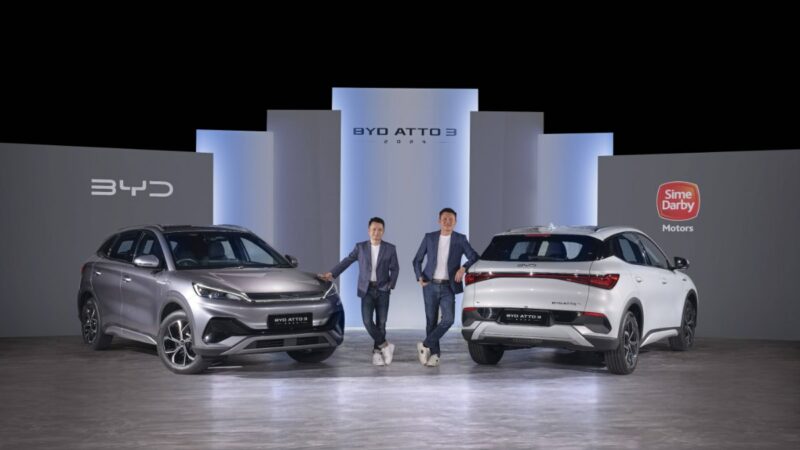
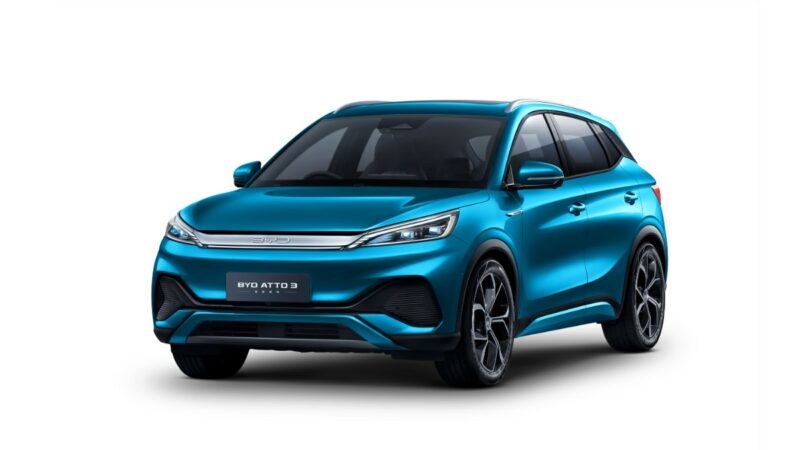
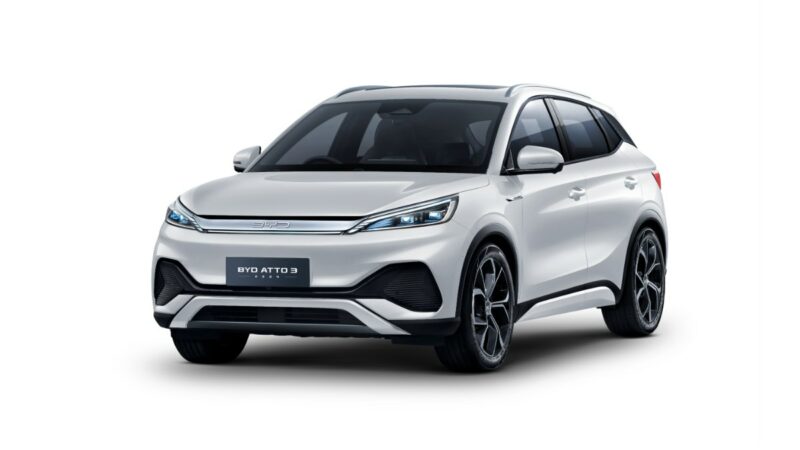
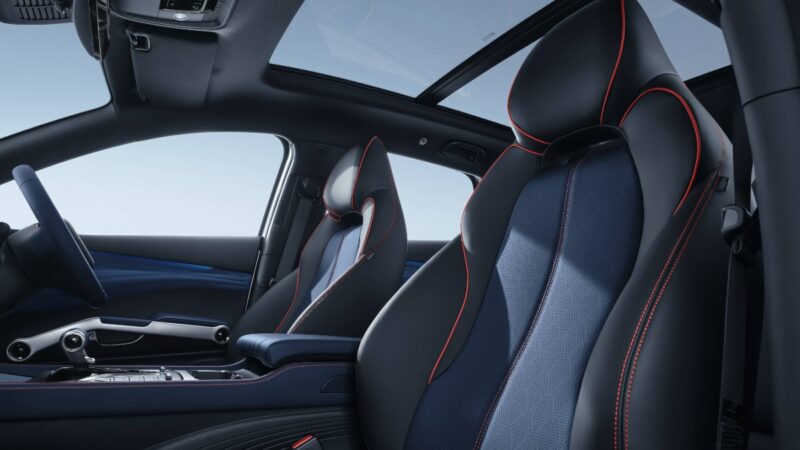
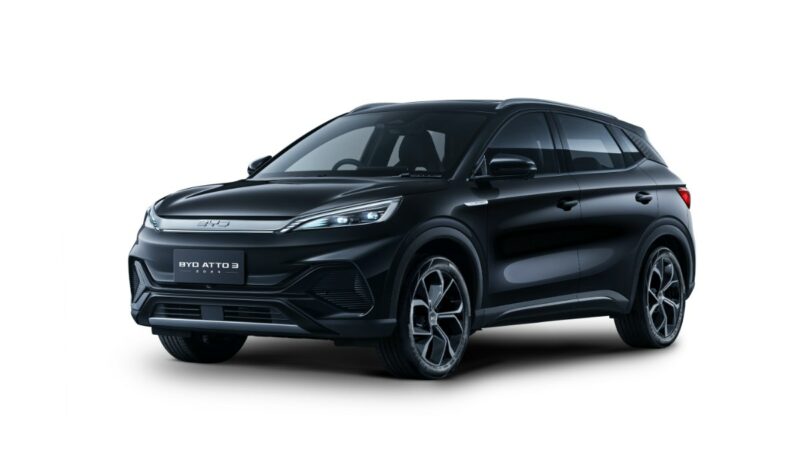
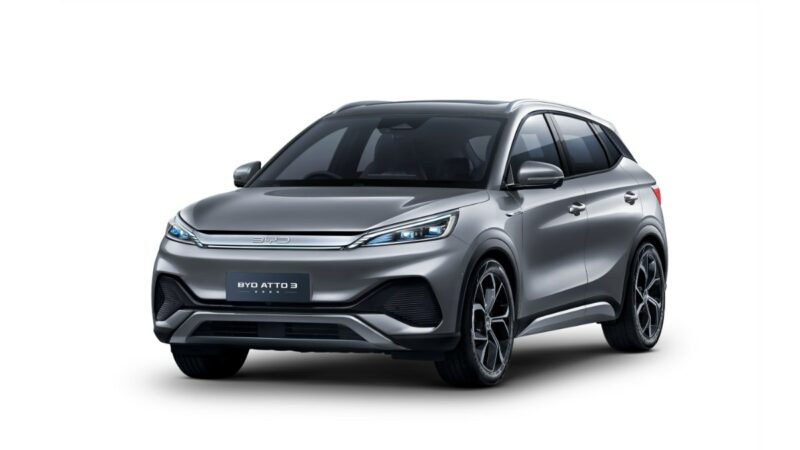
BYD Atto 3 can be considered a new electric vehicle (EV) model in the market. Sime Darby Motors, as the official distributor, has introduced the updated BYD Atto 3 2024.
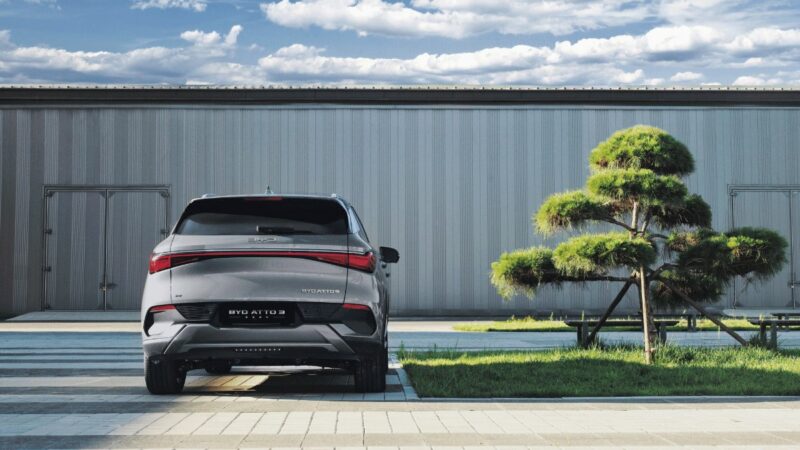
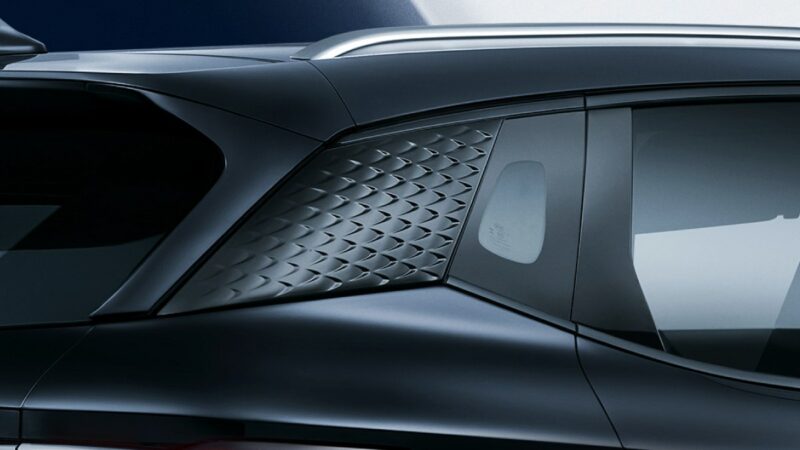
The updates for the Atto 3 include its exterior aesthetics. This EV SUV has received a new black graphic on the D-pillar, and the BYD logo at the back replaces the previous “BUILD YOUR DREAMS” inscription.
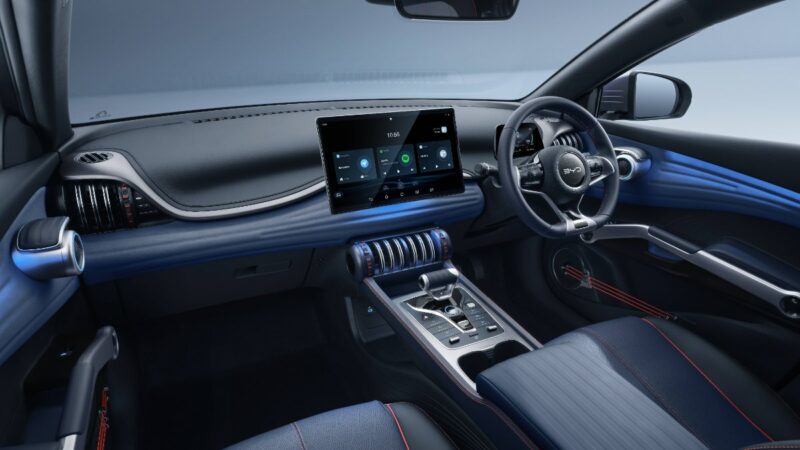
Furthermore, the interior cabin can be chosen with two color themes, namely Black-Dark Blue or Dark Blue-Light Grey, according to your preference. A new Cosmos Black body color has also been added, in addition to the existing colors.
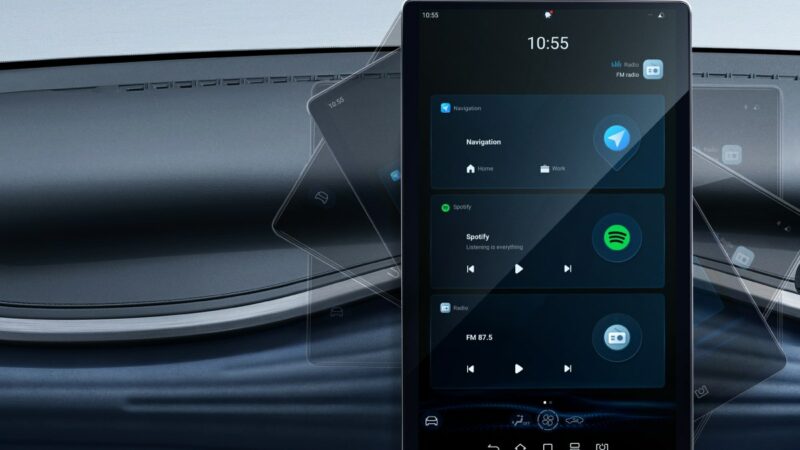
In terms of technology, the BYD Atto 3 2024 is equipped with wireless charging and a larger 15.6-inch screen (previously 12.8-inch) that is still rotatable. Connectivity to Android Auto and Apple Carplay is still offered as usual.
There are no changes to the power generation system. This means that the Atto 3 is still powered by a front electric motor with an output of 201hp and 310Nm, sufficient for acceleration from 0-100km/h in 7.9 seconds.
The electric motor is powered by LFP (lithium iron phosphate) batteries, providing a driving range of 345km (WLTP cycle).
The BYD Atto 3 supports AC 7kW and DC charging up to 70kW, in addition to V2L functionality.
This EV is offered in only one variant for 2024, priced at RM149,800. You can also choose from three warranty packages ranging from 6 years/150,000km to 8 years/150,000km.
The Swedish publication, Teknikens Värld, reports that Volvo has now commenced the pre-production of their first electric sedan.
This is based on secret images successfully obtained from the Cixi factory, Zhejiang Province, along with internal memos detailing the initial specifications of the electric sedan.
The EV with the internal codename V551 will be officially named the ES90 and shares the same SPA2 platform as the EX90 SUV model.
The Volvo ES90 measures 4,990 mm in length, 1,945 mm in width, 1,547 mm in height, with a wheelbase of 3,102 mm.
This positions the Volvo ES90 in direct competition with electric sedans in its segment such as the BMW i5, Mercedes-Benz EQE, and Audi A6 e-tron.
Furthermore, the electric sedan weighs approximately 2,600 kg for the dual-motor AWD version and 2,500 kg for the single-motor rear-wheel drive (RWD) version. The large 111 kWh battery pack offers a range of up to 600 km for the single-motor electric version.
According to the report, the serial production of the electric sedan is slated to commence in May 2024.
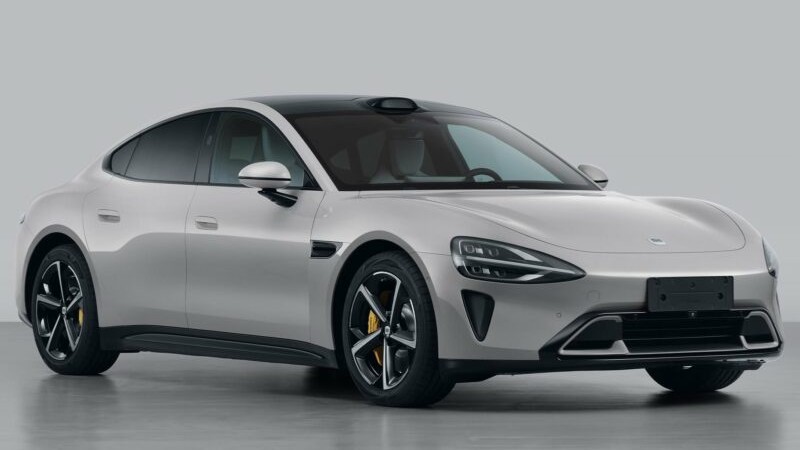
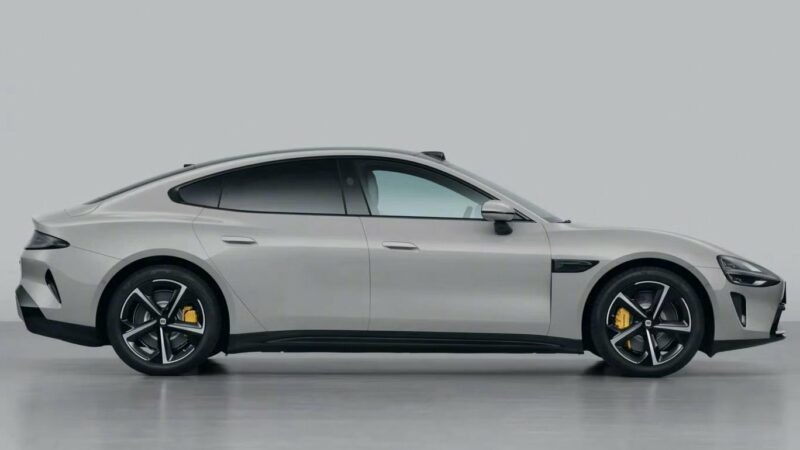
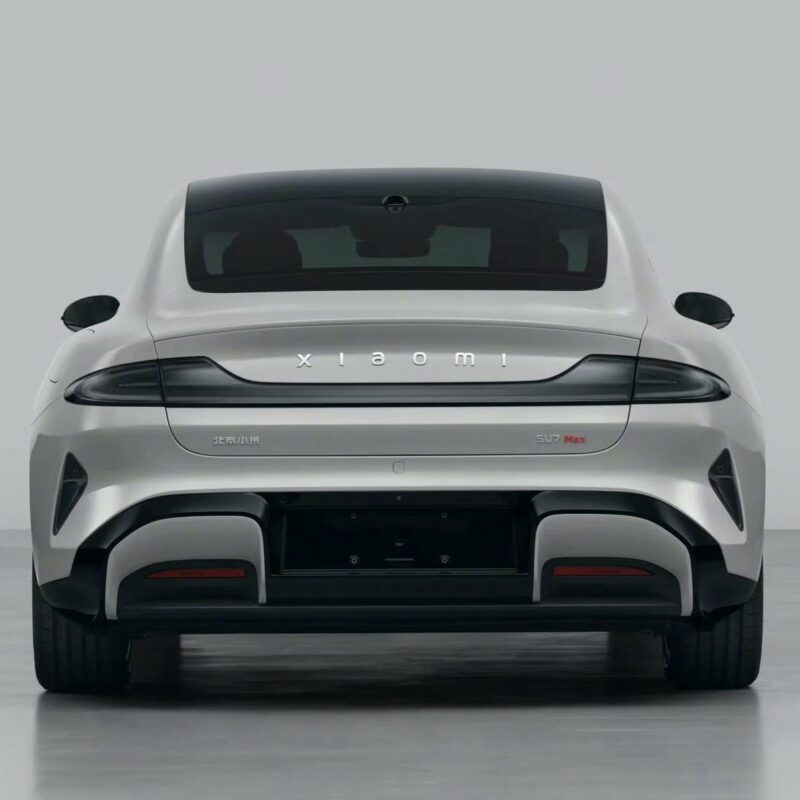
The Chinese smart device manufacturer, Xiaomi, is expected to launch its first electric car model, the SU7, in the near future. According to information from the CNEVPost website, the coupe sedan is said to have a range of up to 800 km.
The Xiaomi SU7 is available with two battery pack sizes, namely 73.6 kWh (BYD) with two driving range options, spanning 628 km and 668 km, and a 101 kWh capacity (CATL) offering a range of 750 km and 800 km.
In terms of dimensions, the Xiaomi SU7 is a mid-size sedan model with the following measurements: 4,997 mm in length, 1,963 mm in width, 1,440 mm in height, and a wheelbase of 3,000 mm.
In the Chinese market, the size of the SU7 is much larger compared to the Tesla Model 3 and Nio ET5 sedans.
It is understood that there will be three main variants offered to consumers, namely the SU7, SU7 Pro, and SU7 Max.
In terms of dimensions, the Xiaomi SU7 is a mid-size sedan model with the following measurements. The basic variant, SU7, will be equipped with a lithium-ion phosphate battery pack supplied by BYD, and it will feature a single electric motor.
Meanwhile, the other two variants (SU7 Pro & Max) will have ternary lithium-ion batteries from CATL, with both variants set to receive dual electric motor configurations.
In the same report, Xiaomi is set to launch two additional models in the coming year, following the launch of the SU7, which is better known by its internal code name Modenat.
The second model (internally coded as Lemang) is also an electric battery vehicle (BEV) similar to Modenat, while the third model (coded as Kunlun) is a hybrid vehicle.
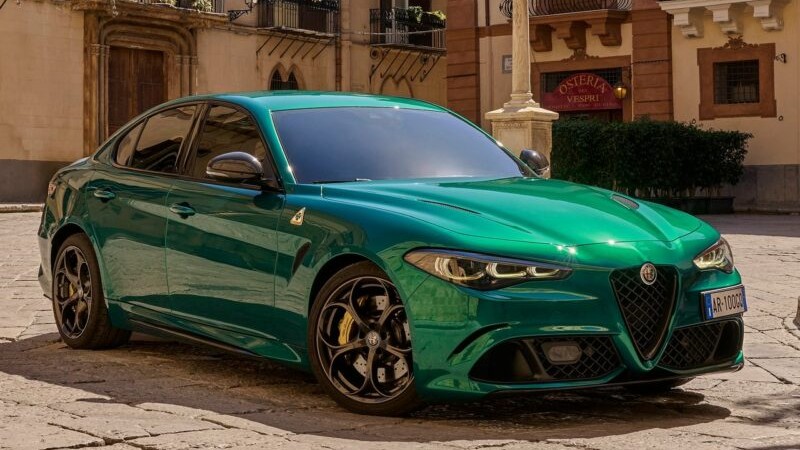
Good news for fans of the Alfa Romeo brand, as the manufacturer is expected to maintain the offering of classic sedan body styles for the upcoming Giulia model expected to debut in 2026.
The Giulia EV is one of the two D-segment cars from Alfa Romeo that will be launched later, with the other being a replacement for the Stelvio.
Speaking to Autocar at the preview event for the new Milano crossover, its CEO Jean Philippe Imparato emphasized that the successor to the Giulia will still maintain the traditional sedan form, despite being aware of the shrinking segment.
He said, “the sedan body shape will make a comeback. I don’t want Alfa Romeo to become an SUV brand.”
The Giulia EV is also likely to bring a profile that combines sedan and wagon elements, similar to the Genesis G70 and Mercedes CLA shooting brake models.
“I don’t want to give up on the sedan market. It is Alfa’s DNA to have a sporty sedan. However, I also acknowledge there are proposals to produce a station wagon (estate) version of the Giulia.”
Alfa Romeo also hints at the revival of the iconic GTV and Duetto models in the EV era.
“The next step we are taking is: what is the answer for the GTV model, and what is the answer for the Duetto model? However, it is not definitive yet, and I don’t want to comment on it.”
The government has set a national target where 20 percent of Malaysia’s annual new car sales will consist of electric vehicles (EV) by 2030, 50 percent by 2040, and 80 percent by 2050.
According to the Minister of Investment, Trade, and Industry (MITI) Tengku Datuk Seri Zafrul Abdul Aziz, this is to accelerate the National Automotive Transition Plan (NETP) launched in August this year.
“MITI’s commitment to propel Malaysia forward in the electric vehicle revolution can be seen through the National Automotive Policy 2020 (NAP2020).
“NAP2020 provides the local automotive industry with a clear direction for future readiness, through the development of next-generation vehicles including energy-efficient and environmentally friendly EVs,” Zafrul said.
Meanwhile, Malaysia has recorded strong growth in EV sales every year, and the government is optimistic that this positive momentum will continue until the end of 2023, according to Zafrul.
So far, Malaysia has registered over 100,000 electric vehicles.
“More than 12,000 battery electric vehicles (BEVs) have been registered since 2011, with the number of BEVs registered just this year alone exceeding 9,000 units,” he said in his speech at the early launch of the Malaysia Autoshow 2024 (MAS 2024) recently.
For the first 10 months of 2023, Malaysia’s vehicle sales recorded strong growth, increasing by 11.6 percent to nearly 647,000 units.
Tengku Zafrul said he believed that electric vehicles would be a catalyst for Malaysia’s manufacturing industry exports.
“Therefore, there is great potential in next-generation vehicles that require more components, for example, semiconductor composites, chip components in today’s cars, and even hybrid cars contain around 1,500 chips in a single car,” he said.
TOYOTA will introduce a simulated (virtual) manual gearbox for its electric vehicles (EVs). However, it appears it will be quite fun, as it will not be limited to just six or seven speeds.
In a patent application published a few days ago, it shows that there is no limit to how many gears the transmission can have. Images published with the technical document show it could have up to 14 gears. But how does it work? Toyota has also provided an explanation.
The patent reveals many details about this system. In simple terms, drivers will be able to select how many gear ratios they want.
“The number of virtual gear stages may be six or more, or less than six,” the document states. “Drivers will be able to select the desired form according to their preferences.”
However, Toyota does not explain any electro-mechanical system that will make up the physical gear setup. Instead, there will be a fixed number of gears, possibly six, but Toyota uses four as an example. Gears are selected as with a regular manual, although the gear button will return to its original position after use.
When the driver shifts gears, the virtual pathway shape changes to the next ratio. So if there is a pattern of six gears and the sixth gear is selected, a display will change the ratio to allow the driver to shift to gear seven and beyond, or down to gear five in the same set.
Confusing? In fact, this arrangement is similar to the manual gear setup of a truck trailer, so off-road enthusiasts will likely understand easily.
In any case, there must be a reason why car makers do not offer manual gears with too many gear ratios. A 14-speed gearbox is not practical with an internal combustion engine.
But for EVs, it’s a different story. Toyota believes there’s no harm in offering more options to buyers.
Malaysia’s Leading Automotive News | ENGEAR ENGLISH