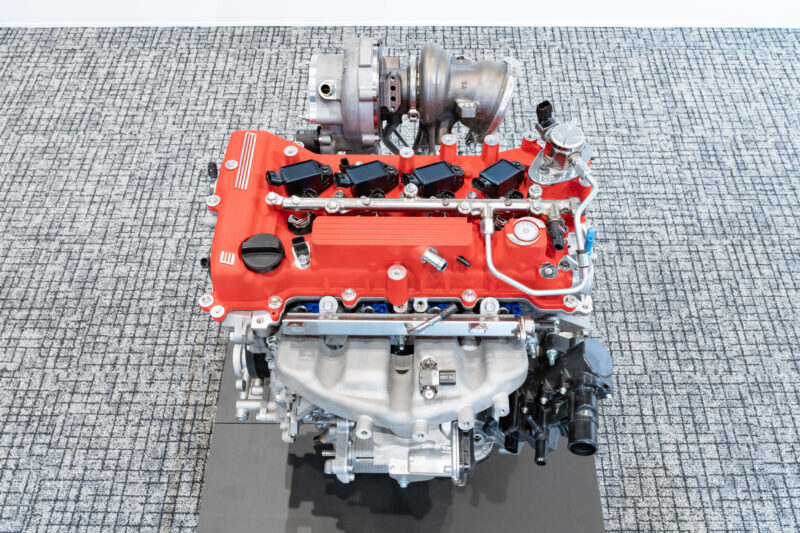
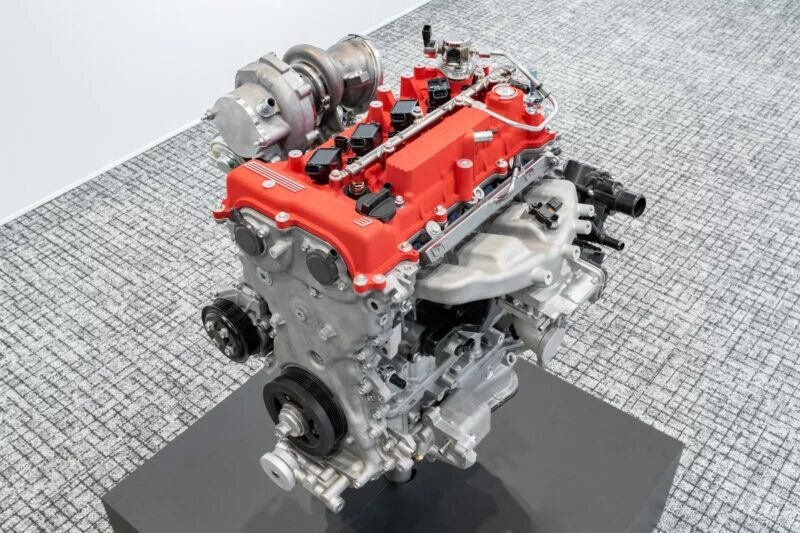
As previously reported, Toyota is developing a new generation of inline four-cylinder engines, 1.5 and 2.0 liters, in order to achieve carbon neutrality targets.
With a more compact and lighter size, the new generation engines are expected to be more powerful while also offering better fuel efficiency.
Toyota holds high hopes for the new engines, to the extent that one of the company’s engineers believes it can surpass the highly popular 2JZ engine among enthusiasts. This was revealed by a journalist from Kuruma News attending an event hosted by Lexus recently.
At the event, Japanese media practitioners were given the opportunity to test the Toyota Hilux and Lexus IS equipped with the new 2.0-liter turbo engine.
Both models have different power outputs, with the Hilux generating 300 hp at a redline of 6,200 rpm, while the Lexus IS is capable of producing 400 hp with a higher redline (7,100 rpm).
According to Kuruma News, despite the differing power outputs, both models have almost no turbo lag and, at the same time, offer an enjoyable driving experience.
Another Japanese media outlet, Best Car Web, revealed that Lexus may be developing a prototype Lexus RC with 600 hp. The prototype model is said to have a six-speed manual gearbox and is being developed for motorsports.
It is not impossible that one day this 600 hp prototype RC model will also be offered under the high-performance Lexus F division.
UMW Toyota Motor (UMWT) has announced that it sold 8,500 units in August 2024, representing a slight drop of 500 units from the 9,000 units recorded in the month before that.
This brings the total year-to-date sales as of August 2024 to approximately 64,000 units. The top three best-selling models for last month were the Vios, Hilux and Corolla Cross.
On August 16, UMWT began taking orders for the enhanced 2024 models of the Hilux, Fortuner and GR86.
The Hilux now includes Vehicle Stability Control in the 2.4 Single Cab and features like Remote Engine Start and Panoramic View Monitor in select variants.
Meanwhile, the Fortuner introduces a GR Body Kit Package and Remote Engine Start on higher trims, while the GR86 now offers sharper handling, enhanced throttle response and comes equipped with a front and rear Digital Video Recorder (DVR).
Datuk Ravindran K., President of UMW Toyota Motor said, “Our August 2024 sales performance as well as the enhancements made to the three models, reflect our commitment to providing mobility solutions that drive innovation and customer satisfaction.”
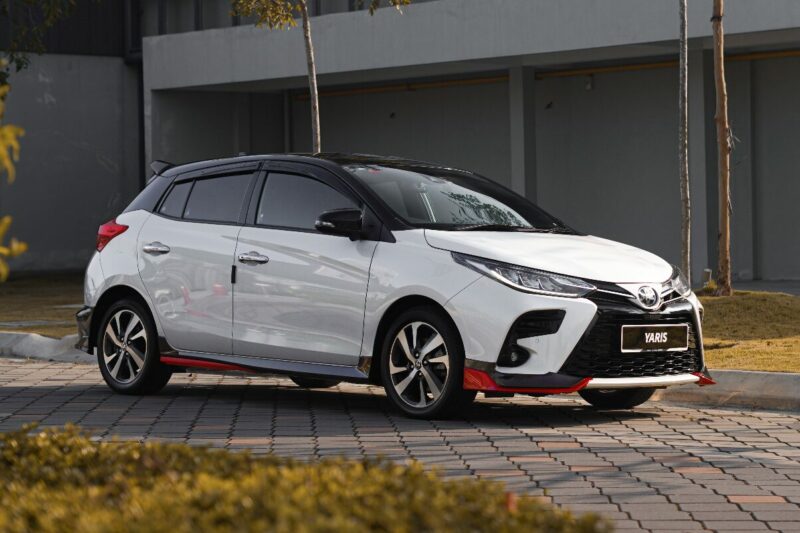
For the month of September 2024, UMWT is introducing the “Move in Harmony” promo where buyers could enjoy broad promotional savings, including promo worth up to RM9,500 for the new Yaris, with monthly purchase instalments starting from only RM658.
The Toyota Service Savers program further offers convenient monthly instalments starting from as low as RM31.
For motorsport fans, brace yourselves as the highly anticipated Toyota Gazoo Racing Season 7 Round 2 is set to return to the Petronas Sepang International Circuit on September 27-29.
The alarming cases of children who died after being left behind in cars have become a little too common, not only in Malaysia but also in other countries.
Recognising the seriousness of the issue, Toyota has introduced the Advanced Rear Seat Reminder system that is capable of detecting movement in the rear seats after the vehicle has been turned off and locked.
The first model to receive the new system is the 2025 Toyota Sienna, a three-row MPV available in the North American market.
While rear seat reminder systems are not new to the automotive world, Toyota’s Advanced Rear Seat Reminder is more sophisticated as it is capable of making calls to the user’s phone.
According to Toyota, the system utilises sensors concealed in the headliner and a 60GHz band millimeter-wave radar to scan the second and third row seats for potential movement.
If the system senses movement after the vehicle is shifted into park and ignition is cycled off, the driver’s door has been opened then closed and the vehicle has been locked, the initial warning will trigger the hazard lights and to flash and sound the door lock chime nine times.
If movement is still detected by the sensor and a door has not been opened approximately 90 seconds after the initial warning, the system will sound the horn as part of the escalation warning.
If the driver has opted into Advanced Rear Seat Reminder notifications via the Toyota app and has an active Safety Connect subscription, they will receive a push notification and a text message four minutes after the horn escalation warning starts.
Finally, after an additional two minutes has elapsed, the system will attempt to generate an automated phone call from Toyota Safety.
However, if the vehicle is left unlocked, the hazard lights will not activate, nor will the door alarm or horn sound. Instead, users will be notified via SMS after 10 minutes, followed by a phone call two minutes later.
Will Toyota introduce the Advanced Rear Seat Reminder system in other markets? We certainly hope so, as it has the potential to save many lives.
A new world record for the lowest fuel consumption rate has been set in the Guinness World Record for a driving distance exceeding 5,000 km, that is 2.5L/100 km.
This is much more efficient compared to the official figure of 57 MPG (4.12 liters/100 km) released by Toyota!
Wayne Gerdes drove a Toyota Prius LE from Los Angeles City Hall to New York City Hall, covering a distance of 5,168.7 km.
During the journey, he had to navigate routes at an elevation of 2,100 m and traverse the Mojave Desert where temperatures can reach as high as 40 degrees Celsius.
To achieve this figure, Gerdes suggested several tips that can be used to improve fuel efficiency.
These include driving slowly from stops while maintaining steady pressure on the pedal.
“For a record attempt like this, it requires meticulous planning. You need to have a plan and be able to quickly adjust that plan.
“So, if conditions change, you must alter your plan. Change your route. Think about what you can do to reach that goal,” he added.
The Toyota Prius LE has a fuel tank capacity of 43 liters, so based on a quick calculation, Gerdes may be able to achieve a distance of 1,693 km with each full tank refill.
It is indeed an impressive figure, considering Toyota’s official figure is only about 1,036 km.
The news about the revival of the Starlet model has long been circulating online.
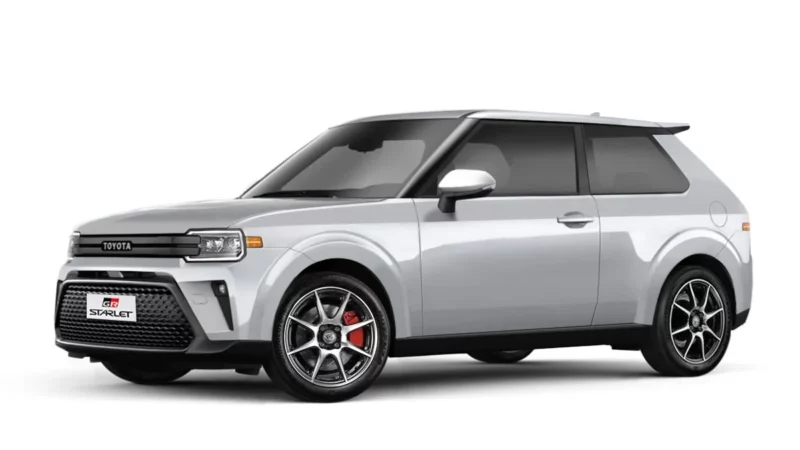
According to the Japanese publisher Best Car Web, Toyota is planning to reintroduce the Starlet model as a replacement for the discontinued Toyota Passo.
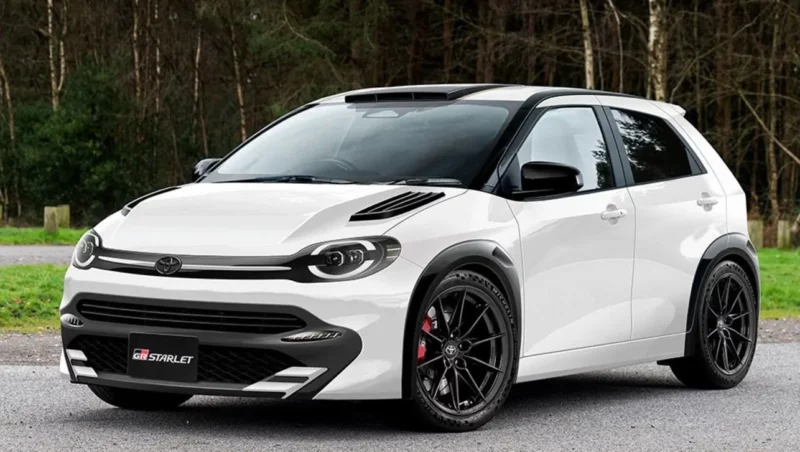
Not only that, the Gazoo Racing racing division also plans to produce a turbocharged hot hatch GR Starlet (unofficial name) that will serve as the basis for the WRC Rally 4 racing vehicle.
The new Starlet model may use the same TNGA-B platform as the Yaris, but with smaller dimensions.
Best Car Web estimates the dimensions of the Starlet to be 3,850 mm in length, 1,725 mm in width, 1,475 mm in height, with a wheelbase of 2,450 mm.
For comparison, the Toyota Yaris (TNGA platform) measures 3,940 mm in length, 1,745 mm in width, 1,500 mm in height, and a wheelbase of 2,560 mm.
Unlike the GR Yaris, which uses the G16E-GTS 1.6-liter turbo engine, the GR Starlet may use a more simplified powertrain.
According to sources, the new hot hatch will be equipped with a 1.3-liter turbocharged inline-three engine based on the earlier 1.6-liter turbo engine, producing about 150 hp, front-wheel drive system, and a six-speed manual transmission.
Due to the absence of the all-wheel-drive GR-Four system, it also contributes to a lighter weight, approximately 980 kg, or 300 kg lighter than the GR Yaris.
Additionally, the actual production model of the Starlet is expected to appear in 2026, while the rally car Starlet will showcase its prowess in the 2027 racing season.
Like other manufacturers, Toyota has also been affected by the decline in demand for electric vehicles.
According to the latest report from the Japanese newspaper The Mainichi, Toyota has reduced its global production target for electric vehicles by 30 percent by the year 2026.
The company is now aiming to produce around 1 million units, compared to the original plan of 1.5 million EV units.
Toyota, previously characterized as a ‘stubborn’ manufacturer, changed their electrification strategy early last year when their president Koji Sato announced a sales target of 1.5 million EV units by 2026.
The global EV market initially experienced rapid growth, thanks to the popular models produced by Tesla and BYD.
However, sales in the zero-emission segment have been slow as they have failed to attract interest from other consumer groups beyond early adopters due to high costs and charging infrastructure issues.
Throughout 2023, Toyota managed to sell 104,000 EV units, a fourfold increase compared to the previous year.
This figure is significantly small when compared to the total vehicle sales exceeding 10 million units.
In comparison to EVs, Toyota’s hybrid vehicles have been well-received as they offer a more practical solution in driving carbon neutrality missions.
Despite the plans to decrease EV production, Toyota will respond to current market demand by increasing production numbers for plug-in hybrid vehicles.
For most automotive brands in Malaysia, local assembly plays a crucial role in ensuring their continued competitiveness in the local automotive market.
It goes without saying that national carmakers such as Proton and Perodua run their own assembly plants in the country; however, for foreign brands, completely knocked-down (CKD) operations allow them to offer products at more competitive prices.
Through support and various incentives offered by the government, Malaysia has become host to several vehicle production plants from leading brands. Here are five automotive production plants in the country that you should know about:
Proton Shah Alam & Tg. Malim
The Proton vehicle assembly plant in Shah Alam began operating in 1985, the same year the original Proton Saga was launched. This plant also produced many other important models such as the Wira, Waja, Exora, and Satria.
Proton is reportedly planning to relocate its entire manufacturing operations in Shah Alam to Proton City, Tanjong Malim by 2027. The RM1.8 billion plant, opened in 2003, covers an area of 517 hectares. In addition to producing the latest models such as X50 and X70, the plant also assembles the 1.5 TGDI engine.
Perodua Sg. Choh, Rawang
Perodua’s headquarters sits on a 522-acre site in Sungai Choh, Rawang. In addition to its corporate building, an R&D facility, a test track, and various other facilities, it also houses two vehicle assembly plants: Perodua Manufacturing Sdn Bhd (PMSB) and Perodua Global Manufacturing Sdn Bhd (PGMSB), which was opened in 2016.
According to Perodua, both plants have a vehicle production capacity of up to 320,000 vehicles a year. Perodua also has engine and transmission production plants, both located in Sendayan TechValley.
Toyota Shah Alam & Bukit Raja
The first locally assembled Toyota vehicle was the Corolla KE10, assembled at the Champion Motor plant in Shah Alam. In 1975, the plant was renamed Assembly Services Sdn Bhd (ASSB).
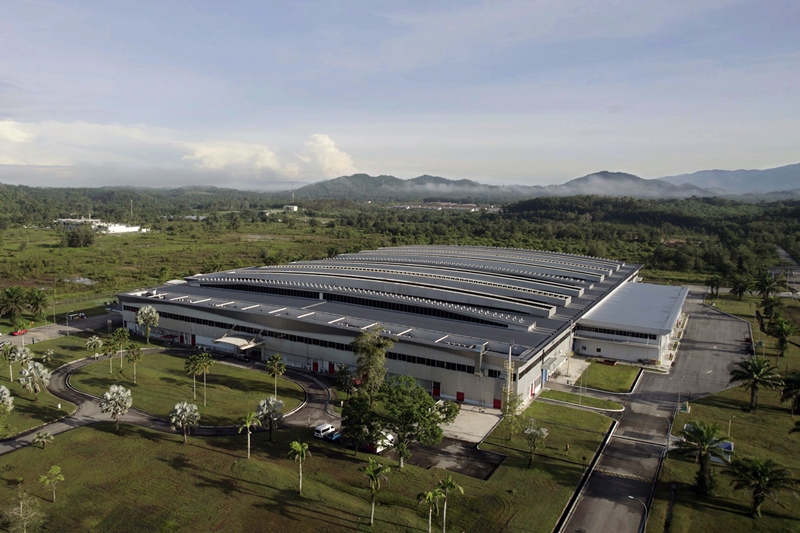
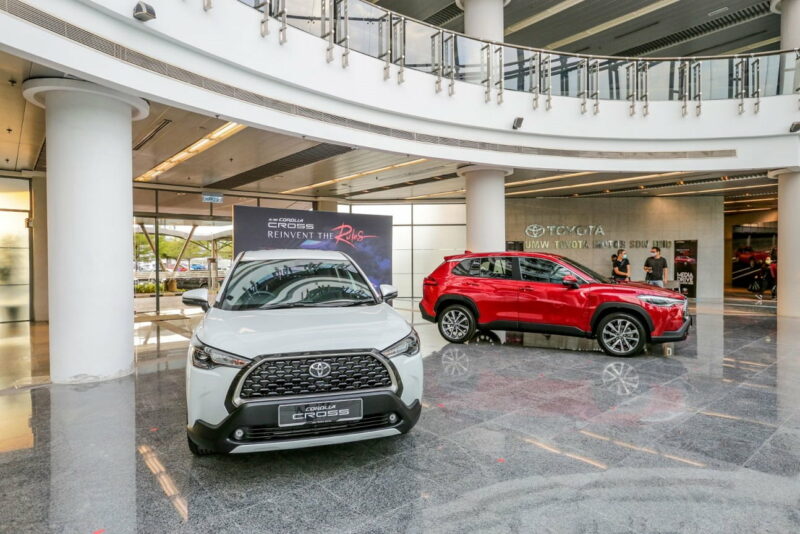
With increasing demand and the need for a new, more modern plant, UMW Toyota in 2019 opened its second assembly plant in Bukit Raja, Klang, where the latest models such as Vios, Yaris, and Corolla Cross are manufactured.
Honda Pegoh, Melaka
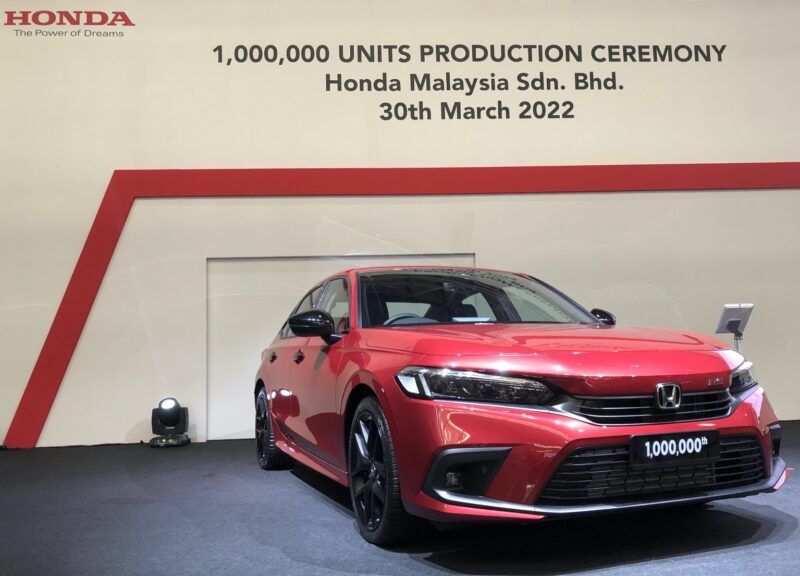
Honda began its CKD operations in the country in 2003 with the assembly of the second-generation Honda CR-V at its Pegoh, Melaka plant. The plant, covering an area of 46,543 square feet, can produce up to 50,000 cars per year.
In 2014, a second assembly line was launched, allowing Honda Malaysia to double their annual production to 100,000 units of vehicles annually and 400 units daily.
Volvo Shah Alam
The Volvo Car Manufacturing Malaysia plant, located in Shah Alam, is the oldest automotive assembly plant in Malaysia. It began operations in March 1967 through the assembly of the Volvo 144.
Interestingly, it is also the first Volvo plant opened outside of Volvo’s home country, Sweden. Today, the plant produces a range of Volvo PHEV and BEV cars such as XC90 Recharge, XC60 Recharge, XC40 Recharge, and C40 Recharge.
UMW Toyota Motor (UMWT) has announced the opening of bookings for the new Hilux, Fortuner, and GR86, featuring several upgrades and enhancements.
Toyota Hilux
Toyota Hilux, the reigning pickup truck king in Malaysia, has been updated with Vehicle Stability Control (VSC) for the 2.4 Single Cab model.
It also comes with Remote Engine Start for selected variants, a first for a Toyota model. Activated through the Toyota My app, this function can also start the air conditioning to cool the cabin before entering the vehicle.
The Hilux 2.8 GR Sport, Rogue, and 2.4V variants are also equipped with the Panoramic View Monitor, while the GR Sport and Rogue editions feature wireless charging capability. The 2.8 GR Sport is powered by a 2,755cc engine with an output of 224PS and 550Nm of torque, while the 2.8 Rogue has an output of 204PS and 500Nm.
Meanwhile, the Hilux 2.4 generates 150PS and 400Nm of torque. The starting price for the Toyota Hilux is RM104,880.
Toyota Fortuner
The Toyota Fortuner now comes with GR body kit as an additional accessory for the 2.7 SRZ and 2.4 models. The kit includes front bumper skirting, fog lamp garnish, and rear bumper skirting.
Remote Engine Start is now available for the Fortuner 2.8 VRZ and 2.7 SRZ. The SUV is still offered with both petrol and diesel engine options.
The 2.7 SRZ petrol unit produces 166PS and 245Nm of torque, while the 2.8 VRZ diesel generates 150PS and 400Nm of torque. The Toyota Fortuner 2024 can be yours starting at RM195,800.
Toyota GR86
In the case of the Toyota GR86 sports coupe, both automatic and manual variants have been updated for better handling and response.
The throttle response has been retuned for more precise control, while the suspension has been refined for handling and road feel.
The steering system has also been recalibrated for a smoother feel. For the automatic transmission, new tuning allows for downshifting at higher RPMs, providing better control for the driver. The price for the 2024 Toyota GR86 starts at RM295,000
UMW Toyota Motor (UMWT) has announced its sales performance for June 2024, with the company recording a total of 7,600 units sold.
The figure represents a decrease of 9.8% compared to the 8,422 units recorded in May. With this recent achievement, the total year-to-date sales as of June 2024 is now at 47,000 units.
According to UMWT, this reflects the company’s initiatives and successful customer-centric promotions. The company characterizes the sales performance in June as positive, driven by successful promotional efforts and a focus on both customer satisfaction and social responsibility.
Datuk Ravindran K., President of UMWT, said, “We are grateful for the trust our customers have given us, which is reflected in our sales this month. This trust strengthens our commitment to society and aligns with our vision to Move Your World.”
To further enhance buying experience, UMWT has introduced the “Peace of Mind with Every Drive” promo for July 2024, offering customers up to 100% financing for selected models.
Additionally, customers can enjoy various other savings, including promotions worth up to RM7,500 for the new Yaris, with monthly installments from as low as RM688.
Meanwhile, the Toyota Service Savers program further offers convenient monthly instalments starting from as low as RM31.
Following the warm reception of Toyota Showroom Weekender held on July 13 and 14, UMW said it will continue to host the event monthly.
At the end of May, the Japanese automotive giant Toyota announced the development of a new 1.5 and 2.0-liter inline four-cylinder engine as a way to achieve carbon neutrality.
According to Toyota, the new engine is designed to be more compact and lighter, while at the same time capable of delivering higher power and offering better fuel efficiency.
Based on a recent video uploaded on the Toyota Times YouTube channel, the new engine is expected to be installed in a new model possibly being developed by Lexus.
The exterior design of the model is intentionally blurred, but from the cabin space, we can see the design of a four-door sedan that may refer to the new generation of Lexus IS.
The actual sporty sound of this new Toyota engine can be clearly heard as test driver Takashi Uehara shifts gears using paddle shifters. Toyota Times journalist Yuta Tomikawa, sitting in the passenger seat, seemed excited as the new sedan did not produce significant vibrations even when driven at high speeds.
According to Uehara, due to the more compact size of the engine, the new Toyota powerplant can be positioned further back. This lower center of gravity is seen to help control and reduce perceived cabin vibrations, as previously demonstrated in the Toyota Prius engine compartment.
Toyota claims that the 1.5-liter turbo engine is 20 percent smaller in size compared to the existing 2.5-liter NA engine, with a 15 percent weight reduction and a 30 percent efficiency increase.
Meanwhile, the 2.0-liter turbo engine will be 10 percent smaller and lighter than the existing 2.4-liter engine, with increased horsepower and a 30 percent fuel savings.
With the mentioned benefits, the new engine is also seen as having the potential to be installed in high-performance sports cars, such as the new generation Toyota GR86.
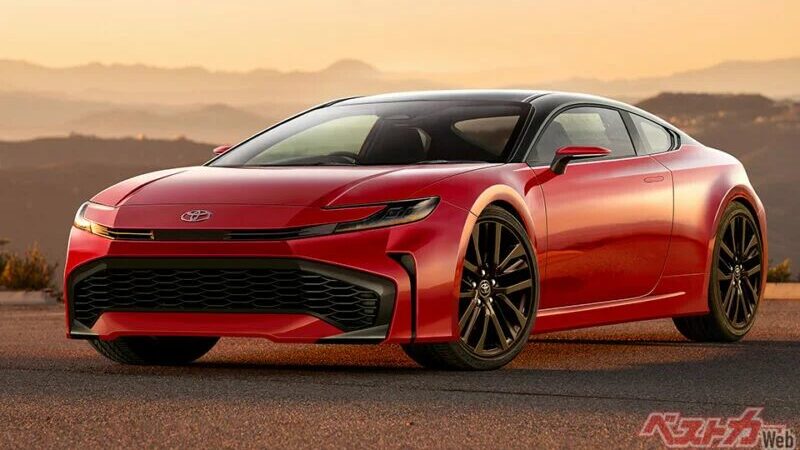
It is highly likely that this latest Toyota ICE engine will also be included in the upcoming Toyota Celica and MR2, which are said to be currently in development.
The Toyota Fortuner is an SUV that shares its underpinnings with the Hilux, so it is fair to say that it’s not the first vehicle that crosses one’s mind when talking about something sporty.
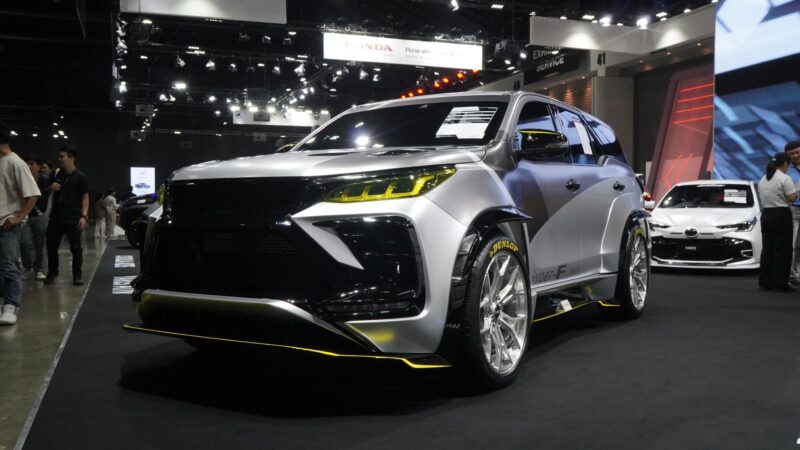
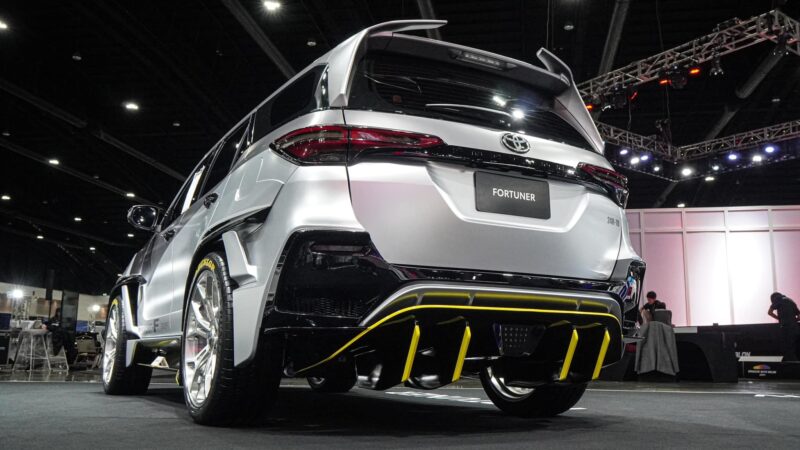
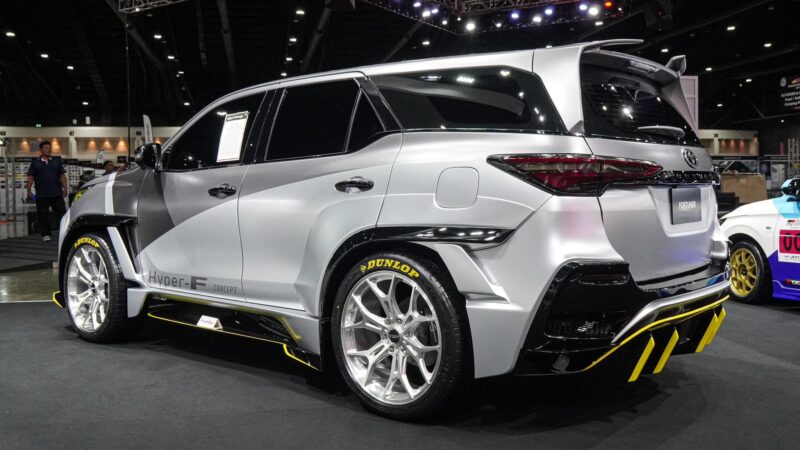
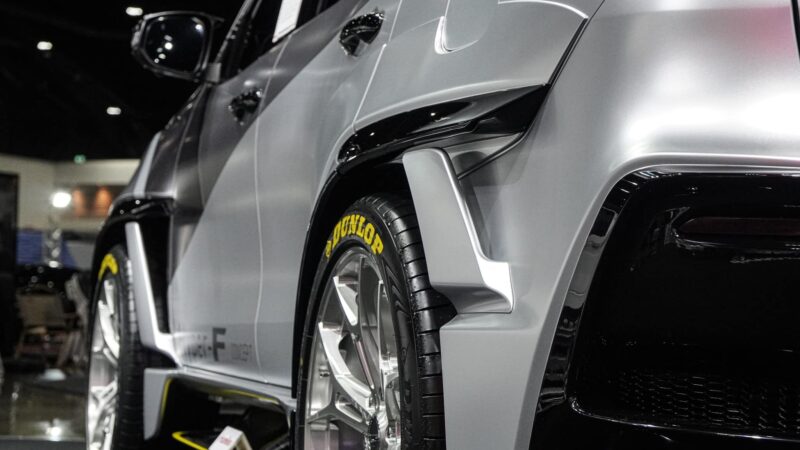
However, that does not stop TCD Asia (Toyota Customizing & Development) from turning the Fortuner into a rather low-slung, aggressive concept vehicle dubbed the Hyper-F Concept.
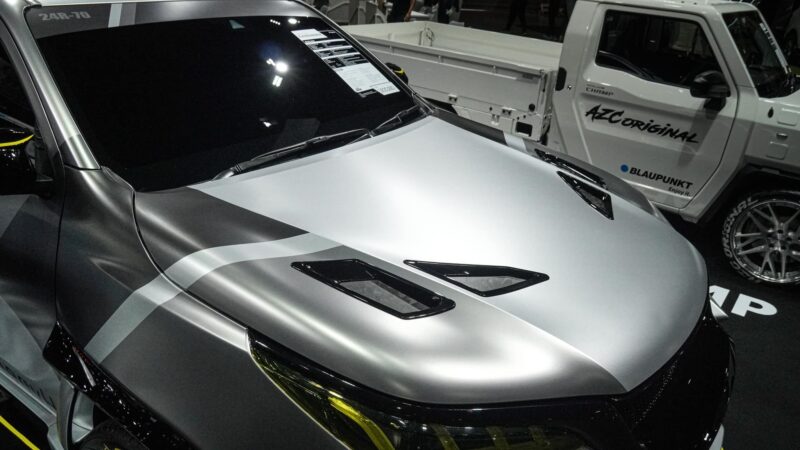
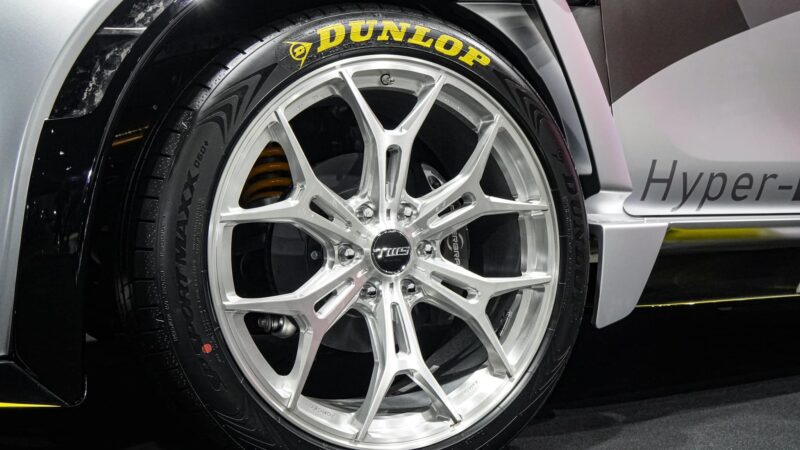
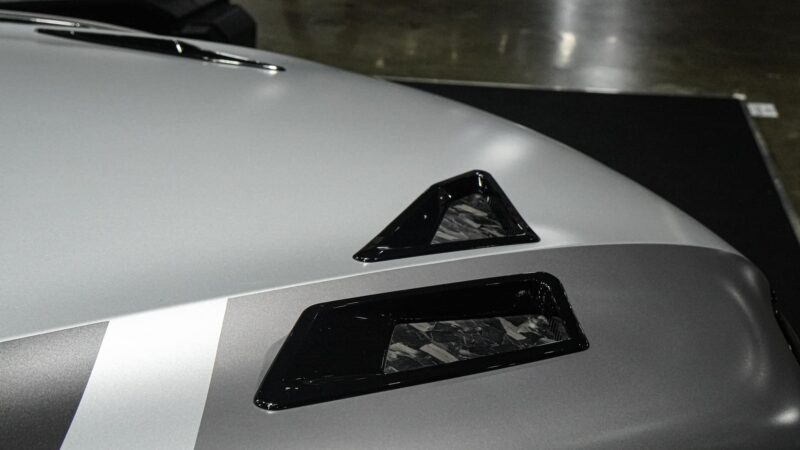
Making its debut at the 2024 Bangkok Auto Salon, the Hyper-F Concept features a head-turning body kit that includes a large grille, big air intakes, a deep front splitter, massive fenders, a diffuser, and a roof spoiler.
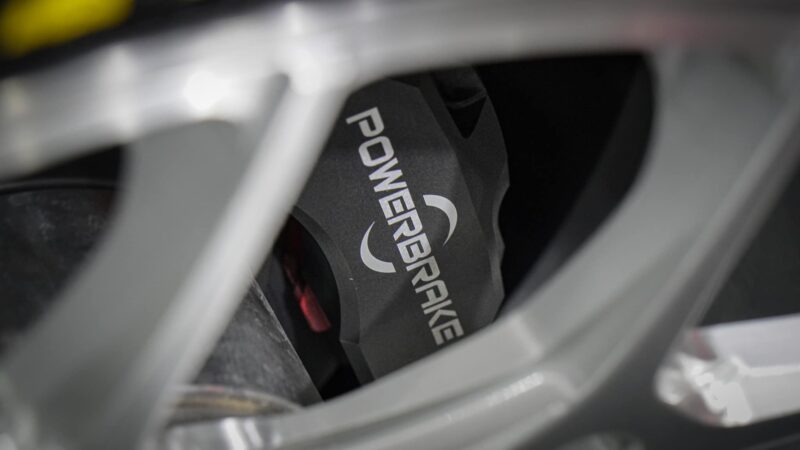
Though unmentioned, the car evidently rides on a lowered suspension system. Its rolling stock is a gorgeous set of TWS wheels from Japan shod with Dunlop SP Sport Maxx rubbers. Hidden behind those wheels are Powerbrake calipers.
But the wheels are not the only thing that’s carried over from the Land of the Rising Sun.
Reportedly, its bumper and bonnet are made from Tafnex (a mix of carbon fibre and polypropylene resin) supplied by two Japanese companies, Mitsui Chemicals and APRK Corporation.
Additionally, there are also several 3D-printed components. The use of these materials allows TCD Asia to reduce the weight of the Hyper-F Concept.
No interior photos have been released, but the donor car’s original three-row seating has been taken out to make room for four body-hugging bucket seats.
Information on powertrain is also scarce, but it isn’t far-fetched to assume that it uses the Fortuner GR Sport’s 2.8-litre turbodiesel engine with 224 PS and 550 Nm on tap.
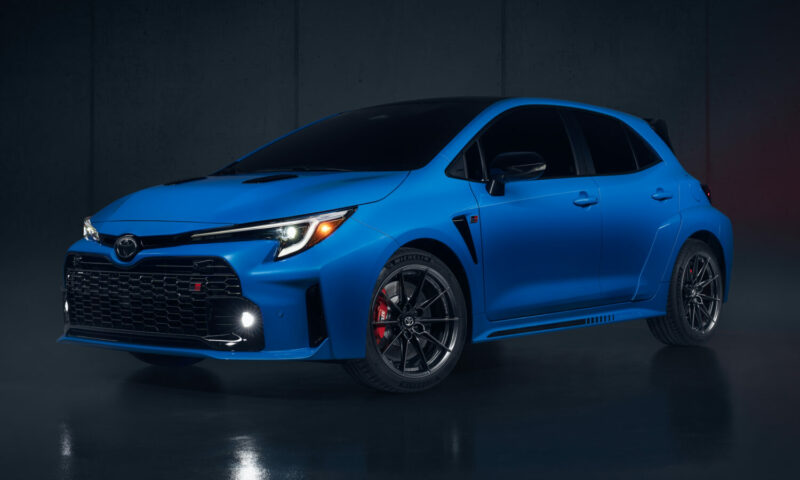
The joy of a Toyota GR Corolla Circuit Edition owner was short-lived when the car’s battery died less than a month after purchase.
According to Anthony Do, the incident was caused by a GPS tracker installed on his car without his knowledge.
In a video lasting over five minutes, Do mentioned that before discovering the hidden GPS tracker, he saw a Facebook post by a GR Corolla tuner who claimed that he couldn’t work on the car due to a similar device.
Subsequently, Do decided to pry open the lower part of his car’s dashboard panel to see for himself. Lo and behold, Do actually found a GPS tracker plugged into the OBD2 port of his car.
This was strange to Do as he stated that he turned down the dealer’s offer to install a GPS tracker when buying the GR Corolla. He further claimed that he purchased the car outright, so the dealer or financial institution had no reason to track his vehicle.
Why is this concerning?
Firstly, the data obtained (such as the vehicle’s location) can be used by irresponsible parties to commit crimes such as car theft. Secondly, the data can also be sold to third parties such as insurance companies.
In Malaysia, Toyota vehicles sold by UMW Toyota Motor can be optionally fitted with Vehicle Telematics System (VTS), which utilises GPS data to track the location of vehicles in real time in case of theft and to keep track the distance and trip history.
The VTS will also dispatch an SOS call to the Toyota call center in case of an accident.
The Road Transport Department (JPJ) has announced a recall campaign Series 2/2024 involving several models from three brands namely Toyota, Mercedes-Benz, and Chery.
According to JPJ, the recalls have been conducted by the respective manufacturers since March 2024 and are ongoing until now.
The following are all the models involved in the recall campaign:
Toyota
Corolla Cross (July – September 2023) – 2,379 units
Mercedes-Benz
C 200 (January – July 2023) – 1 unit
CLA 200, CLA 45 AMG 4Matic, A 250, A 45 AMG 4Matic dan S 400 Hybrid (June 2012 – January 2021) – 11 units
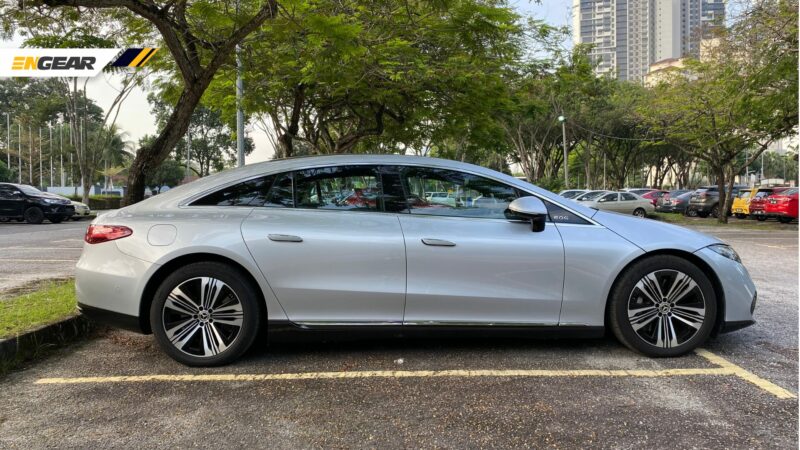
EQS 500 4Matic, EQS 580 4Matic, GLC 300 4Matic, GLC 350 E 4Matic, AMG EQE 53 4Matic+, AMG EQS 53 4Matic+, AMG SL 43 Roadster, Maybach S 580 4Matic and S 580 E (January-November 2023) – 1,297 units
GLE 450 4Matic and GLS 450 4Matic (February 2018 – November 2023) – 1,302 units
Chery
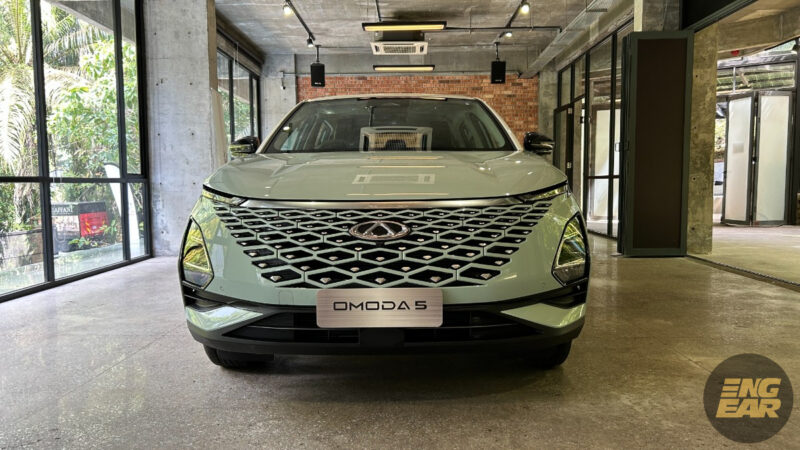
Omoda 5 (November 2023-April 2024) – 600 units
The department also stated that, following the rear axle failure involving an Omoda 5 that went viral recently, Chery Auto Malaysia Sdn Bhd promptly initiated recalls since May 3, 2024.
As of June 7, 2024, Chery has inspected 592 units out of the 600 units (98.67%) of the Omoda 5 affected by the recall.
“The remaining owners have been contacted, and the recall is expected to be completed by the end of June 2024,” JPJ said in a Facebook post.
For Toyota enthusiasts, they may be eagerly anticipating the emergence of new sports car models such as the successors to the MR2 or Celica.
However, Toyota cannot haphazardly spend money on research and development (R&D) for a product targeted towards a niche group.
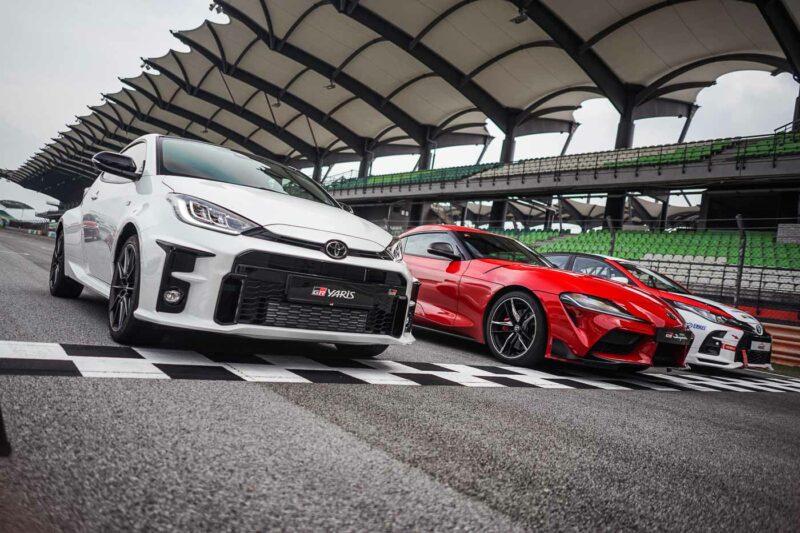
Previously, Toyota has collaborated with Subaru to develop the GR86/BRZ, followed by BMW for the GR Supra/Z4. The Japanese brand is determined to release more sports cars, but they acknowledge the challenges of going solo in this endeavor.
Speaking to the Australian media, Toyota Gazoo Racing President Tomoya Takahashi stated, “the sports car market is shrinking in the future. We cannot sustain sports cars as a single brand, Toyota. Collaboration between brands will increase in the future.”
He further expressed, “this mission is not about helping manufacturers survive but to protect car enthusiasts. This is why we need to collaborate to share costs and subsequently implement sports car projects.”
Similar to a rapidly expanding restaurant, Toyota has a few new ‘menus’ that will be served to its customers. Among those on the list are the affordable FR coupe S-FR, the FWD hot hatch Starlet, the Celica coupe, MR2, and a Toyota GR GT3 race car prototype already spotted at the Spa-Francorchamps circuit.
However, before launching impractical sporty models, Gazoo Racing will likely introduce a lineup of high-performance SUVs tailored for families seeking more space.
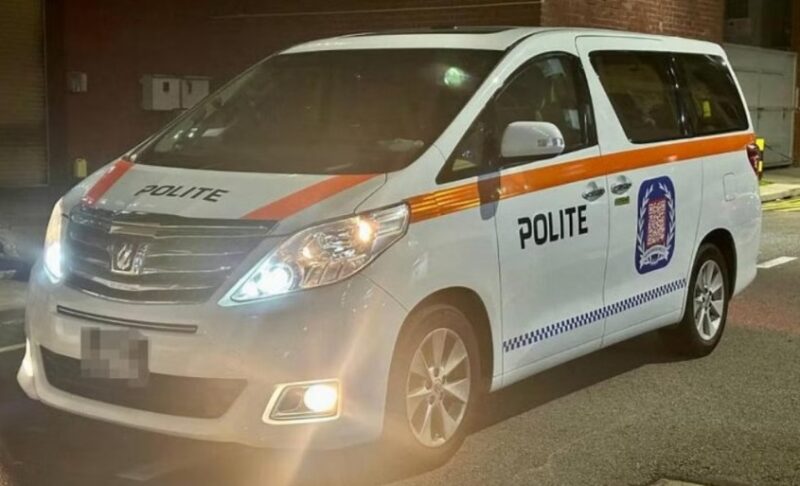
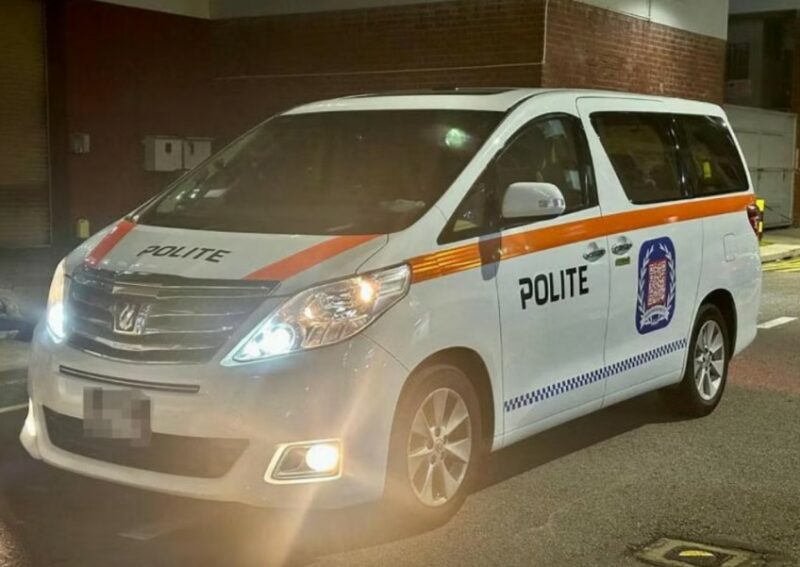
FROM afar, this Toyota Alphard appears to be a police patrol car or an ambulance, but upon closer inspection, the inscription on its body reads “POLITE” instead of “POLICE.”
This MPV in Singapore has attracted the attention of netizens and has been shared on the SG Road Vigilante Facebook page.
Scanning the QR code on the Alphard’s body will lead you to an ice cream shop’s website. Netizens have various comments and opinions in the comment section.
Some think it’s an interesting idea, while others say it’s “misleading” because it resembles an authority vehicle.
The owner, Goh Yong Wei, told The Straits Times that he has decorated his Toyota Alphard since last May, and road users often slow down their vehicles to give way.
He said, “As a driver and motorbike rider in Singapore, I find that the driving culture here is not gracious, especially during peak hours.
“I want to be noticed, I want the attention, I want people to see me and slow down to avoid a collision.”
Goh said he has been involved in more than 10 car and motorcycle accidents over the past four years, and the decals on this Alphard help him avoid accidents.
“I feel safer, and find it easier to drive around now. A lot of people in their cars giggle and show me a thumbs up. It makes for a very positive driving experience for me.”
However, the Singapore Police said they have received reports regarding this matter, and it is currently under investigation.
UMW Toyota Motor Sdn Bhd (UMWT) ended May 2024 with ongoing positive performance, attaining a total monthly sale of 8,422 units for Toyota and Lexus vehicles.
With this achievement, the total year-to-date sales as of May 2024 is now at 39,211 units.
Datuk Ravindran K., President of UMWT, stated the company’s strong performance in May highlights their relentless commitment to providing exceptional vehicles and services that cater to the diverse needs of their customers.
“The success of community programs strengthens our dedication to environmental sustainability and social responsibility, reinforcing our role as a leader in the automotive industry and embodying our ‘Move Your World’ philosophy,” he said in a statement.
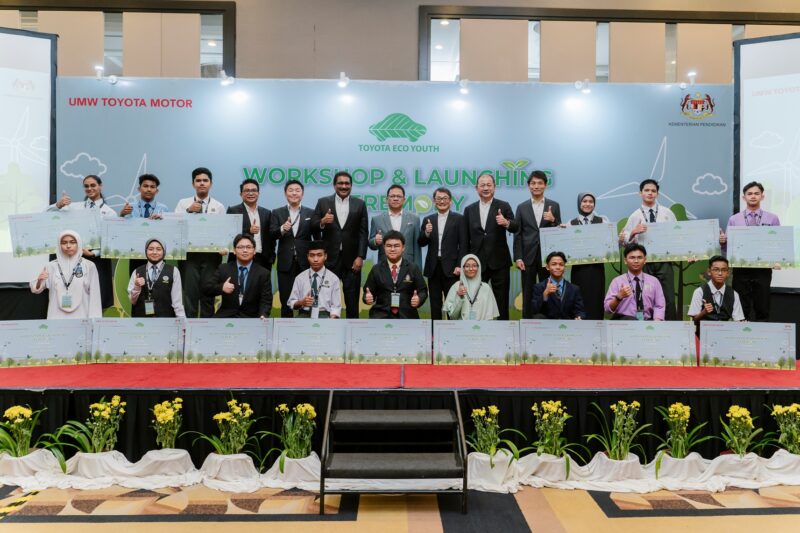
UMWT’s commitment to community and environmental sustainability is demonstrated through the 23rd Toyota Eco Youth (TEY) program, launched in partnership with the Ministry of Education.
his national-level program empowers students aged 13 to 17 from 16 schools nationwide, focusing on Toyota’s 8 Steps Problem-Solving Method (PSM) to promote critical thinking and problem-solving skills.
Since its inception in 2001, TEY has engaged over 300,000 students from 521 schools, fostering a legacy of environmental stewardship.
UMWT also announced the third edition of the Toyota Start Your Impossible Outrun 2024, a charity run aimed at raising cancer awareness.
Set to take place at Dataran Merdeka, this annual event supports the National Cancer Society of Malaysia (NCSM) through funds raised.
As part of their commitment to enhancing the buying experience, UMWT introduced the “Peace of Mind” promo for June 2024, offering customers up to 100% financing for selected models.
Car buyers could enjoy broad promotional savings, including up to RM7,500 for the New Yaris, with monthly purchase instalments starting from only RM688 for the all-new Vios. The Toyota Service Savers program further offers convenient monthly instalments starting from as low as RM31.
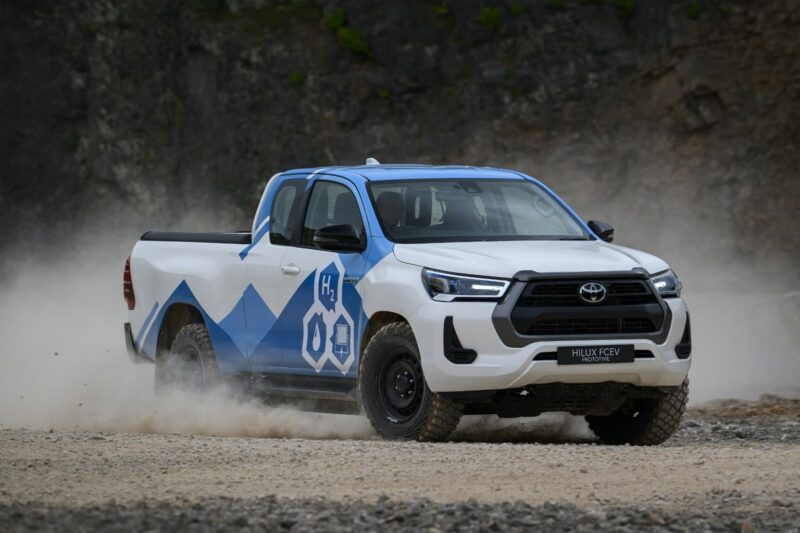
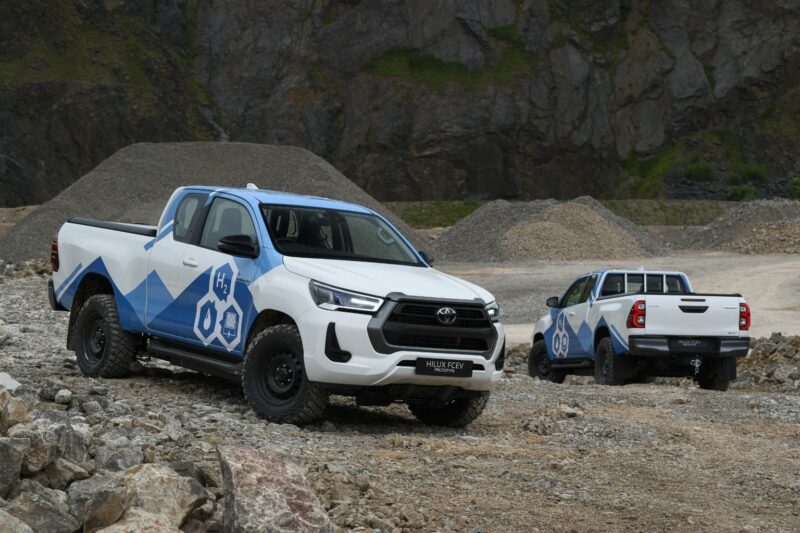
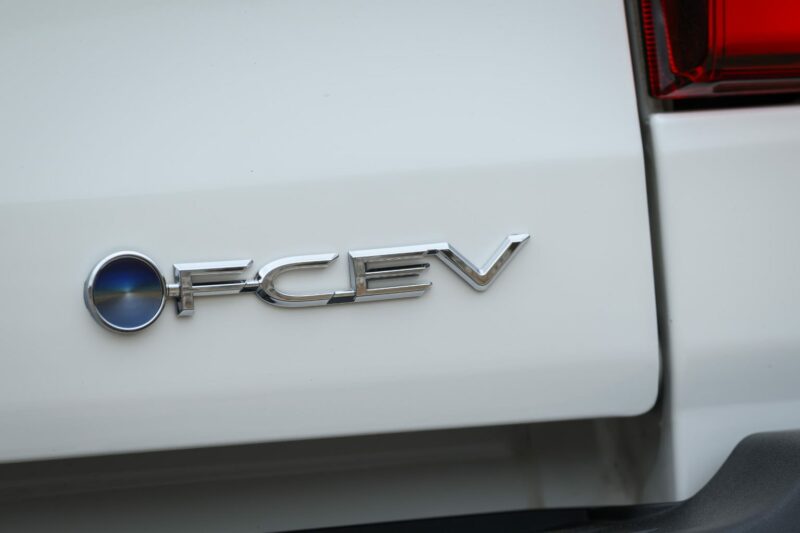
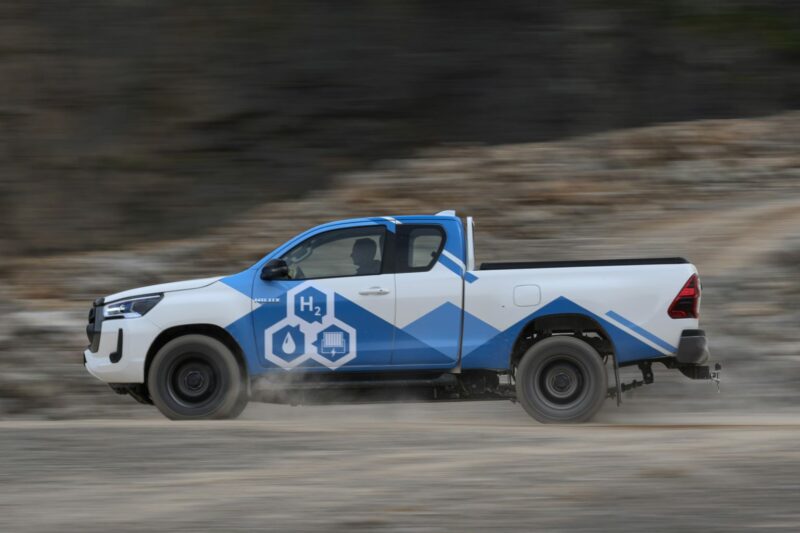
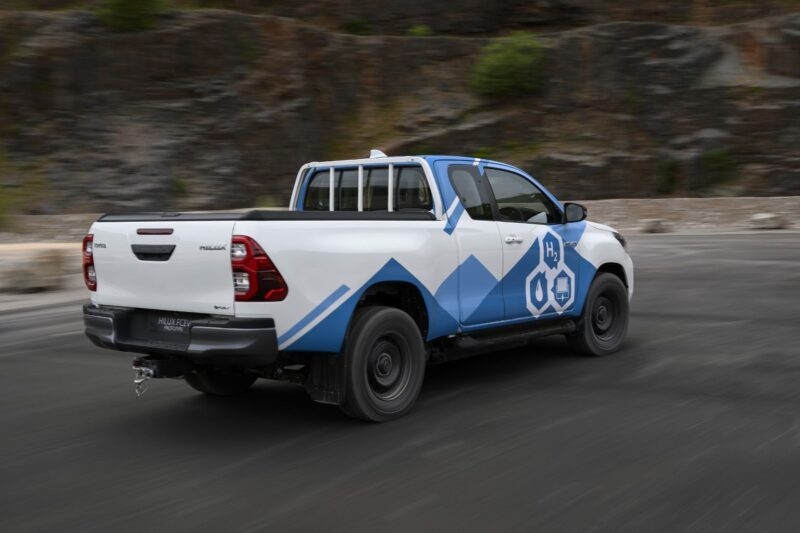
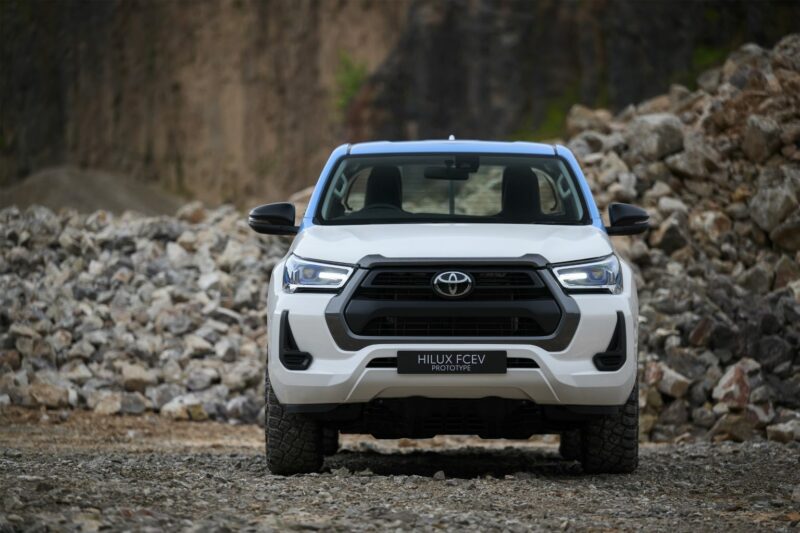
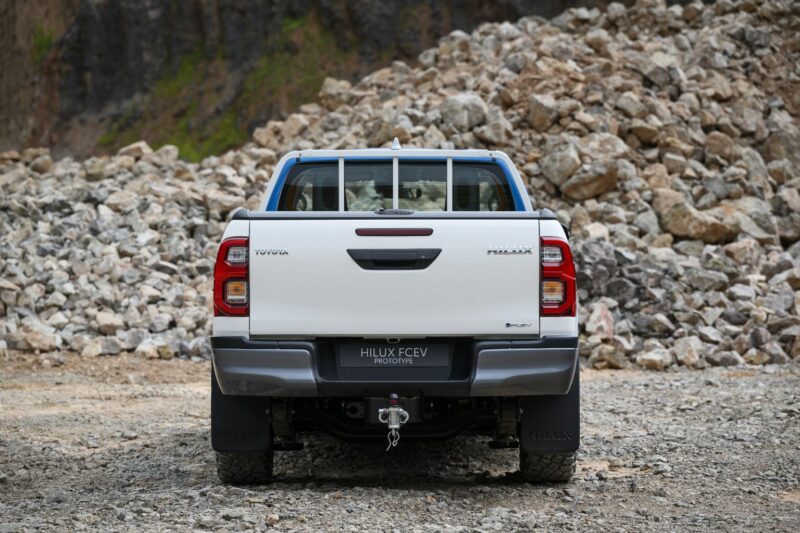
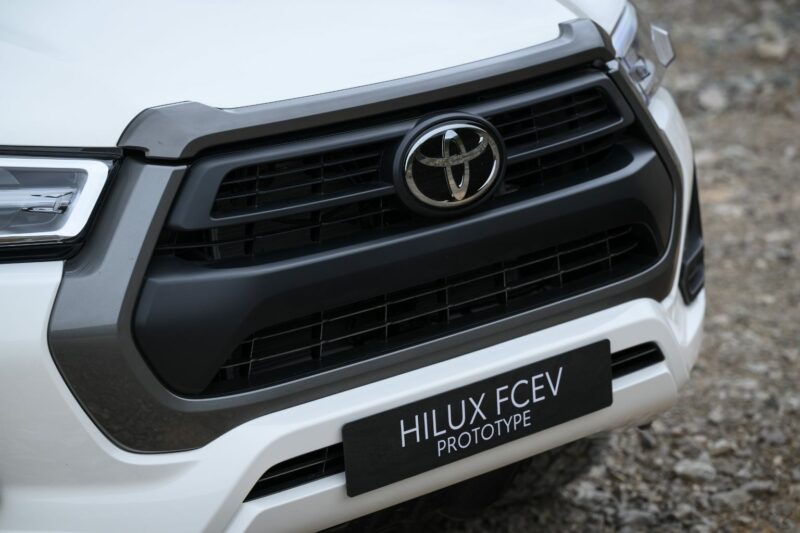
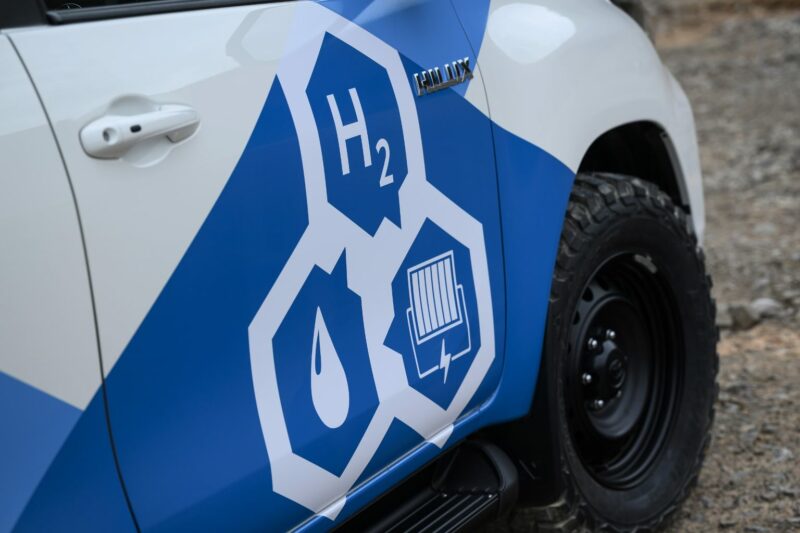
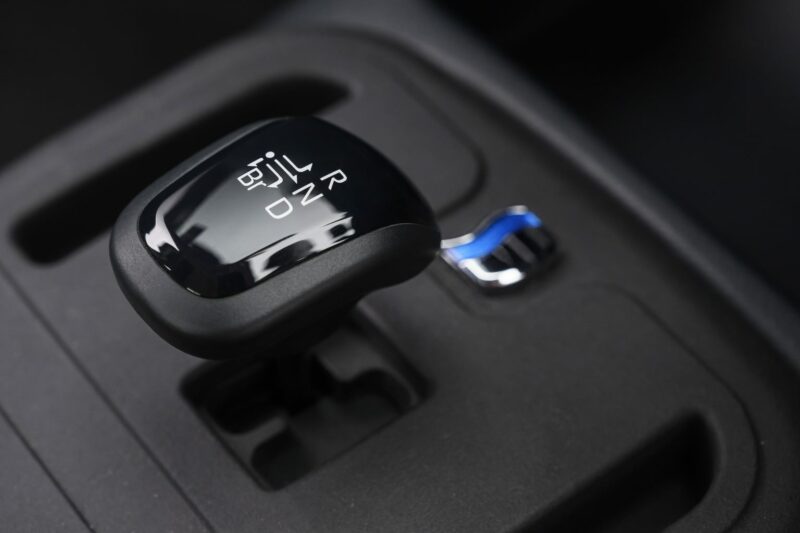
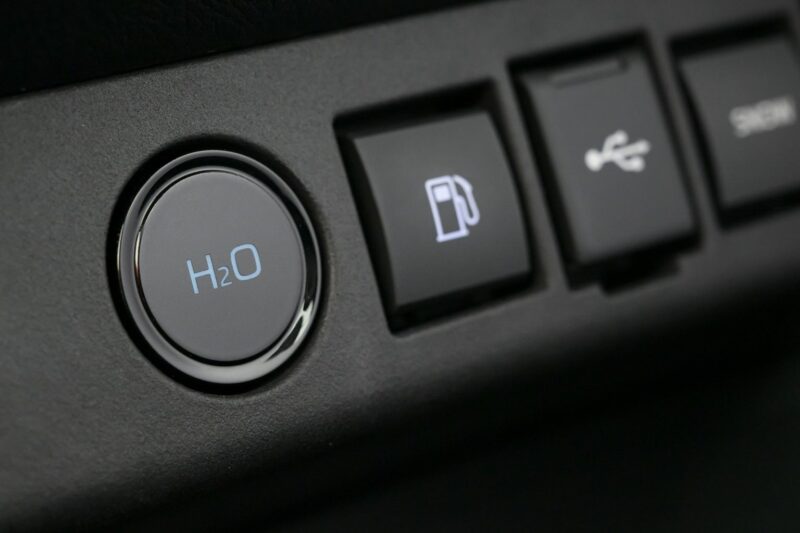
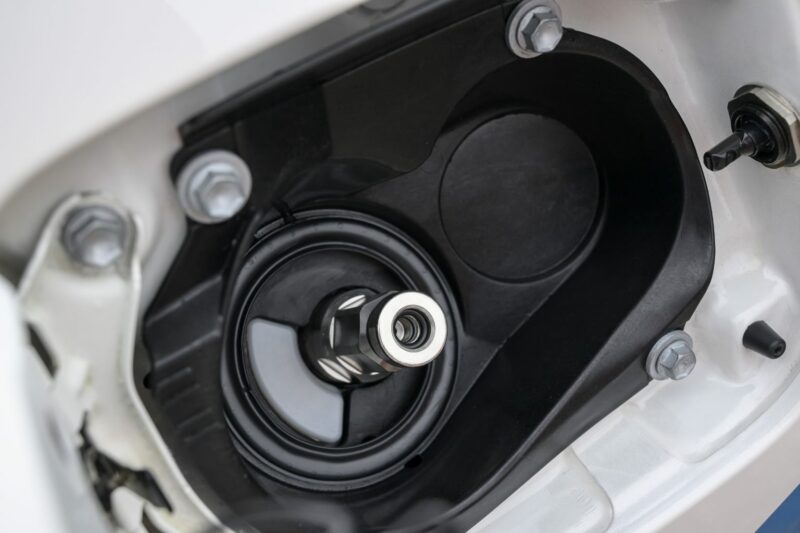
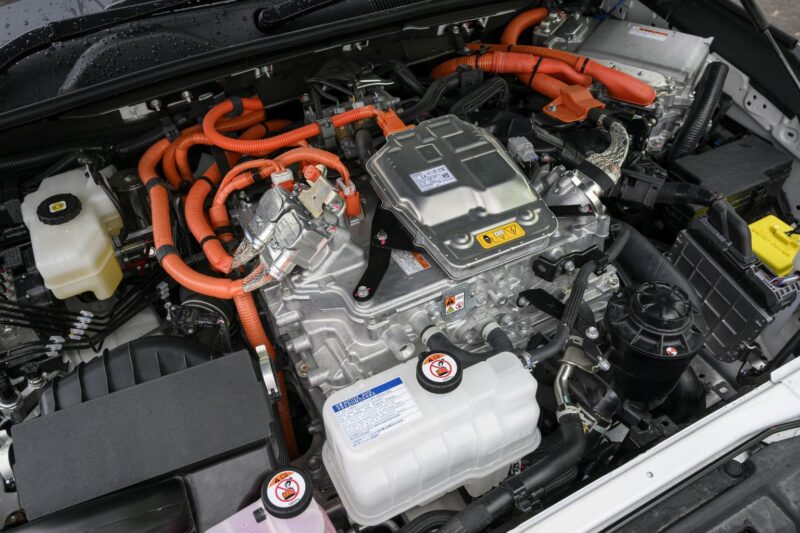
The Toyota Hilux hydrogen fuel cell (FCEV) development project, which was first announced in December 2022, has now entered its final phase.
According to Toyota, 10 Hilux FCEV prototypes have been built at the Toyota Motor Manufacturing UK (TMUK) plant in Derby, England.
Five vehicles are undergoing rigorous field testing to assess safety, performance, functionality, and durability, generating test drive data in real-world situations, while the other five are engaged in customer and media demonstrations, including at the forthcoming Olympic and Paralympic Games Paris 2024.
Externally, the fuel cell model has the same dimensions and rugged appearance as the latest Hilux generation but beneath the surface, there’s a ‘heart’ derived from the Mirai that offers a range of up to 600 km – further than might be achieved using a battery electric system.
And thanks to hydrogen’s light weight, the Hilux FCEV is said to have higher payload capacity and towing capability compared to other zero-emission alternatives
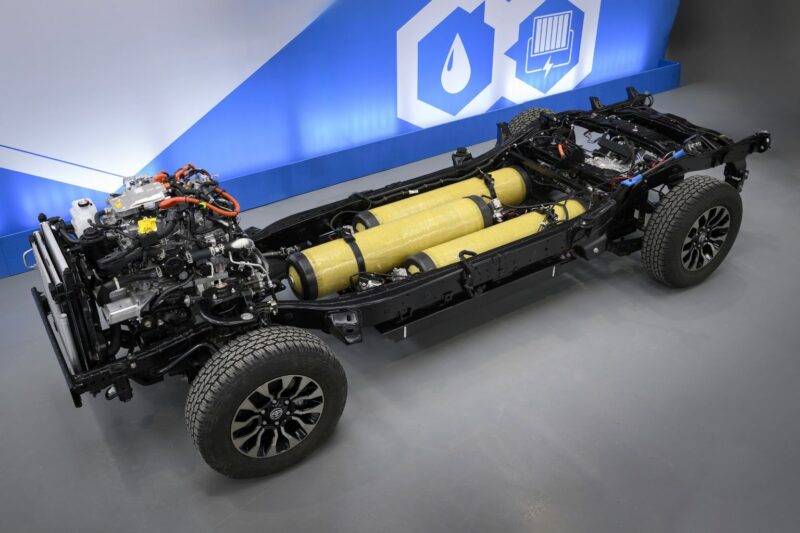
Hydrogen is stored in three high-pressure fuel tanks, each containing 2.6kg to give a total capacity of 7.8kg. The tanks are mounted within the vehicle’s ladder frame chassis.
At the front axle, there is polymer electrolyte fuel cell stack comprising 330 cells producing 174 PS, while mounted on the rear axle an electric motor generating 182 PS and 300 Nm of torque.
Meanwhile, the lithium-ion battery, which stores the electricity generated by the fuel cells, is located in the rear load deck, above the hydrogen tanks. This avoids any loss of cabin space.
Hydrogen fuel cell is one of the powertrains developed by Toyota as part of its previously announced multi-pathway strategy.
The company expects Europe to be one of the world’s largest hydrogen fuel markets by 2030. As a result, in December 2023, Toyota Motor Europe (TME) announced the Hydrogen Factory Europe to help accelerate the commercialization of the technology.
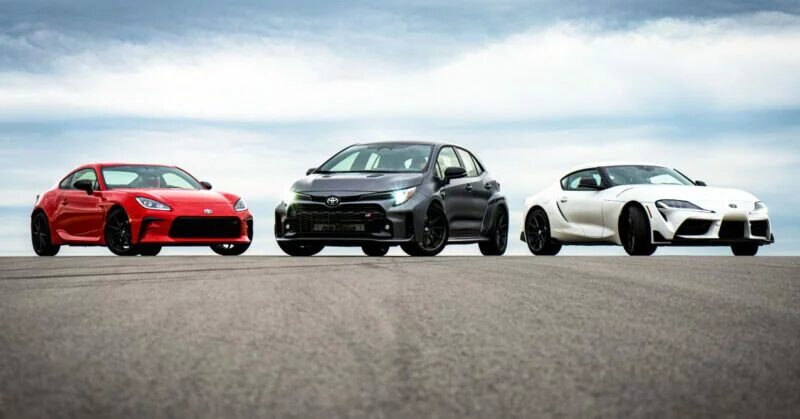
EVEN with the existing lineup of sports car models (GR Supra, GR Yaris, GR Corolla & GR86), Toyota Gazoo Racing plans to revive some iconic names that once dominated the world. These include the Toyota MR2/MRS and Toyota Starlet.
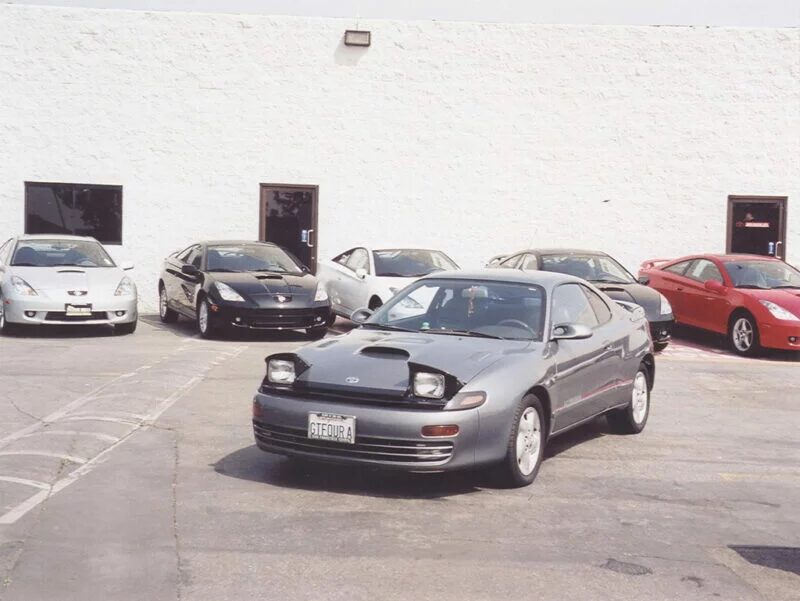
The latest report from Japan reveals that Toyota intends to resurrect the Celica name as one of the high-performance models under the Gazoo Racing brand.
Unlike the rumors circulating last year, Toyota aims to take a more traditional approach, with the Celica re-emerging as a GR model paired with a 2.0L inline-four-cylinder engine producing 400 hp.
The Japanese publication also disclosed that the development of the high-performance engine had actually begun several years ago and would be fully ready before it is announced by Akio Toyoda at the 2024 Tokyo Auto Salon.
With the combination of the AWD GR-Four drive system, it is a fitting step to revive the spirit of the Celica GT-Four while simultaneously paying homage to the success of previous Celica models in rallying.
Best Car Web predicts that the new Celica model will be revealed as early as January next year at the 2025 Tokyo Auto Salon. In addition to the Celica, Toyota is reportedly developing a hot hatch version of the Starlet designed as a rally-focused vehicle in the Rally4 WRC class.
Unlike the more comprehensive and powerful GR Yaris, this ‘GR Starlet’ will utilize a smaller-displacement (1.3-liter) turbocharged inline-three-cylinder engine and a more compact front-wheel-drive system.
The same platform will also be used by Toyota for another entry-level rear-wheel-drive sports car model, the S-FR, which is said to be capable of generating up to 150 PS and 220 Nm of torque.
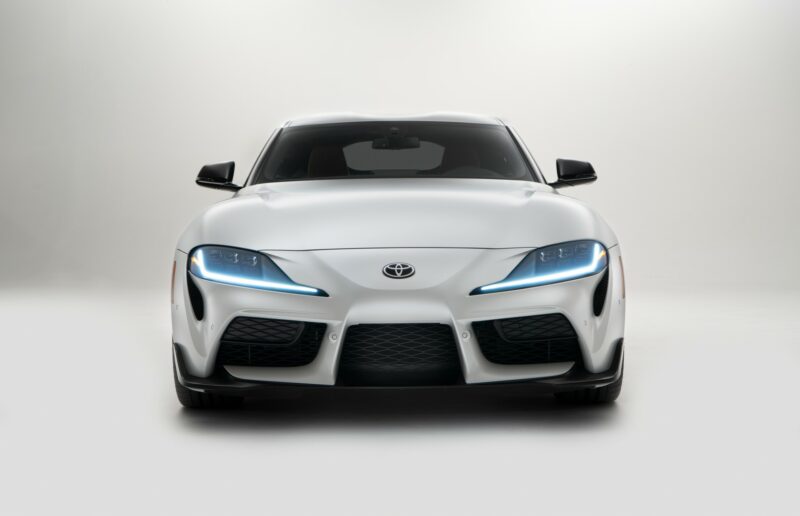
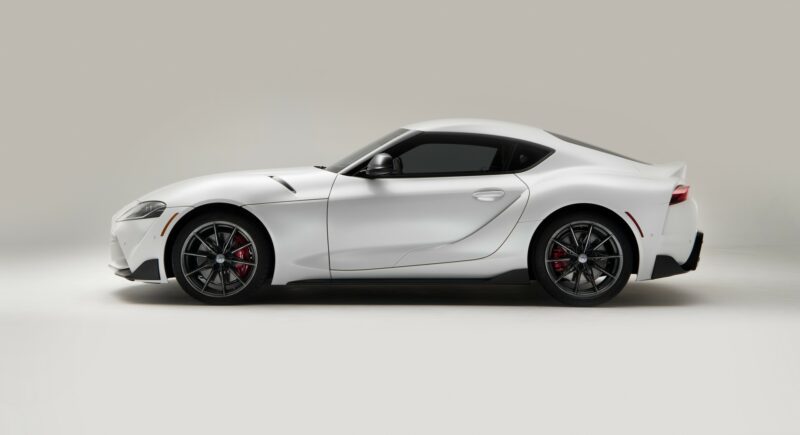
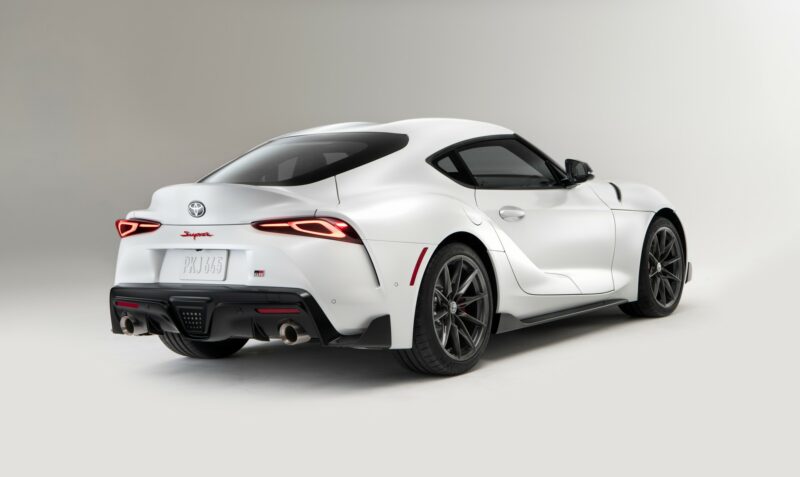
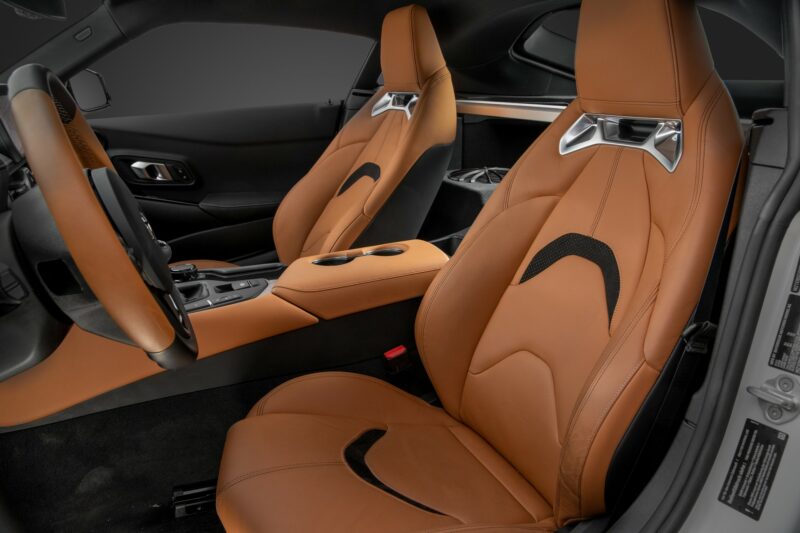
THIS is an unpleasant news, as you only have a two-year window to acquire a Toyota GR Supra grand tourer model before production ceases in 2026.
This is due to reports from Automobilwoche stating that vehicle manufacturer Magna Steyr, based in Graz, Austria, will lay off approximately 500 workers after the production of several key models like the BMW 5 Series, Jaguar E-Pace and I-Pace, and the Fisker Ocean comes to an end.
For your information, the same factory is also utilized to assemble the non-identical twin models BMW Z4 and Toyota GR Supra since 2019. Carscoops quoted Vice President of Toyota Motor North America, Dave Christ, who explained, “we collaborated with BMW, and it has been a success.”
He further added, “we will reassess the situation going forward. I think, if we want to build something, we will think about how to do it.” These statements suggest that Toyota is likely to develop a new generation of the GR Supra independently or potentially engage in a partnership with a different manufacturer.
The Toyota GR Supra is a high-performance mass-produced car created by Toyota Gazoo Racing, following its previous offerings of limited production models under the sub-brand GRMN (Gazoo Racing Meister of Nurburgring).
It comes in two engine versions, a 2.0-liter inline-four engine producing 258 hp and 400 Nm, or a 3.0-liter inline-six engine generating up to 382 hp and 500 Nm, powering the rear wheels.
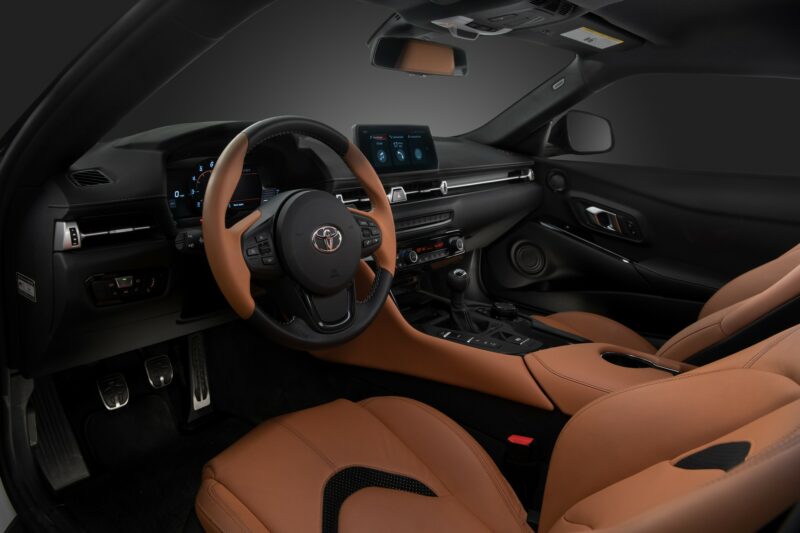
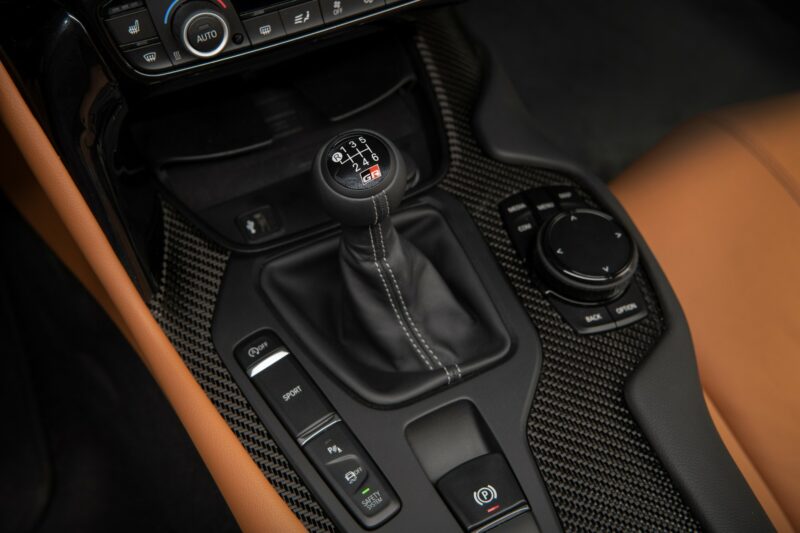
Initially, the GR Supra was only available in an automatic version, with a specially developed manual transmission becoming available in 2022, limited to inline-6 engine Supra models.
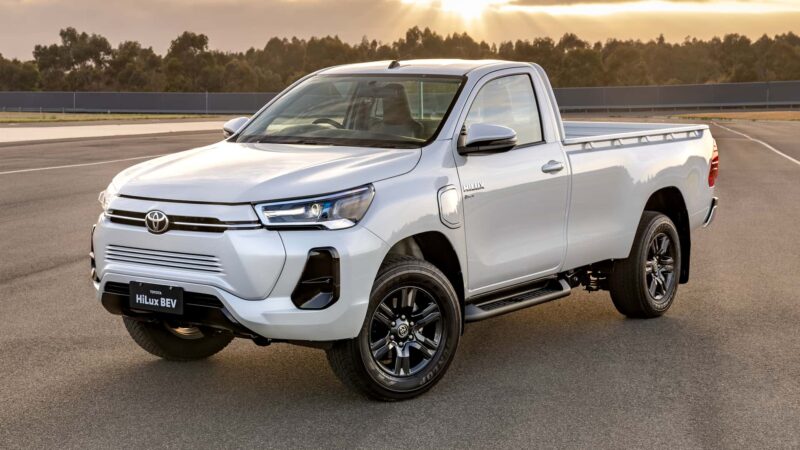
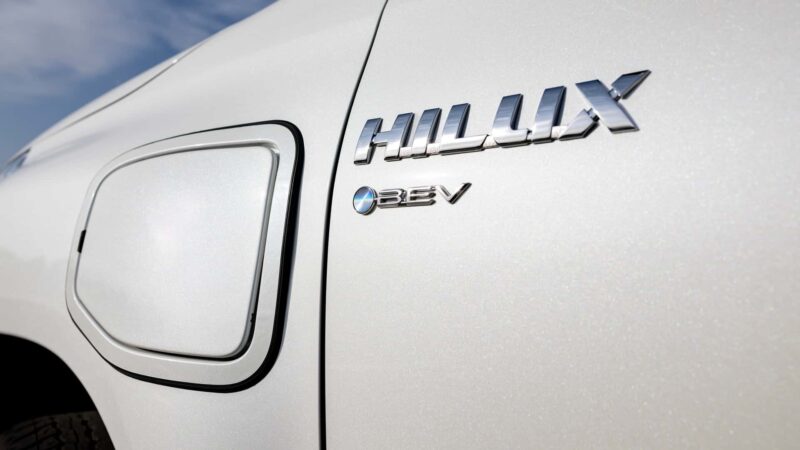
Toyota is currently testing the battery-electric Hilux BEV to assess its performance as it prepares to commence the production of the truck in Thailand by the end of 2025.
According to Reuters, Thailand is a critical market for Toyota, with pickup trucksmaking up more than half of total vehicle sales. The company also has a large manufacturing plant in the country.
“Our intention is to be producing the Hilux BEV over here,” Pras Ganesh, executive vice president of Toyota Motor Asia told Reuters.
Ganesh did not provide any details on pricing or production volume for the Hilux BEV, which would be Toyota’s first electric pickup truck offering.
He added that the pickup truck will be primarily targeted at the Thai domestic market but Toyota will also consider exporting the model.
The Japanese automaker is testing the Hilux BEV for various use cases in different road and temperature conditions.
“The more range I have to put on it, the more battery I have to put on it, which means the weight of the vehicle also becomes significantly heavier, which means the loading can be much less,” Ganesh said.
“So ‘Is it going to meet the customer’s usage needs?’ is always our biggest issue. We are always trying to understand what they do,” he added.
Meanwhile, Toyota’s closest rival Isuzu Motors also plans to assemble its electric D-Max pickup truck in Thailand.
Malaysia’s Leading Automotive News | ENGEAR ENGLISH