Tag Archives: SUV

Audi RS Q8 performance takes Nurburgring fastest SUV title

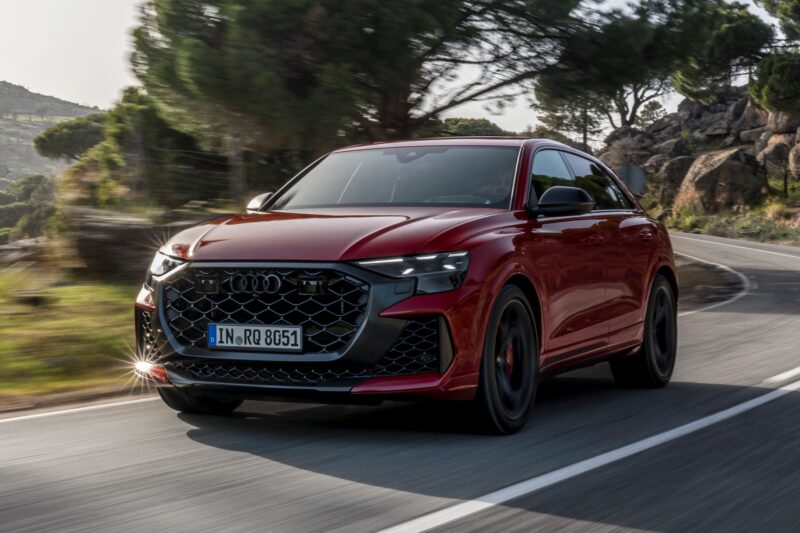
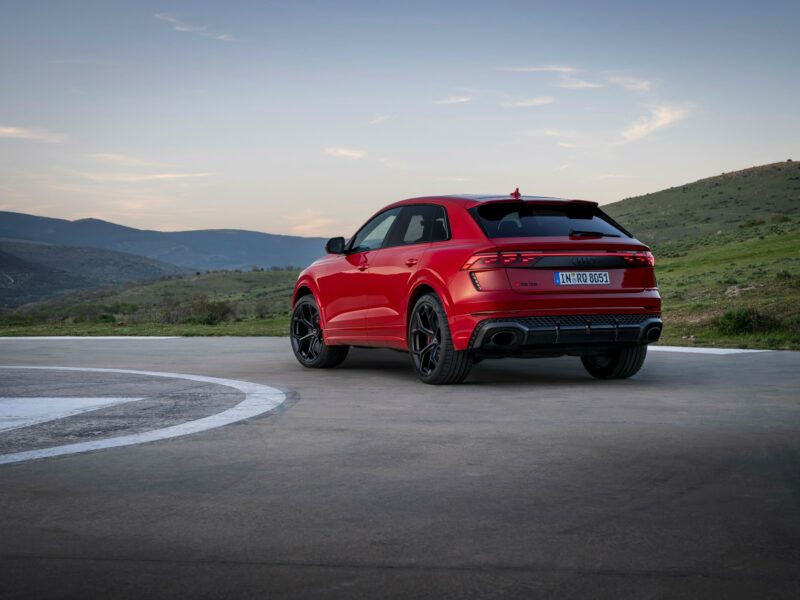
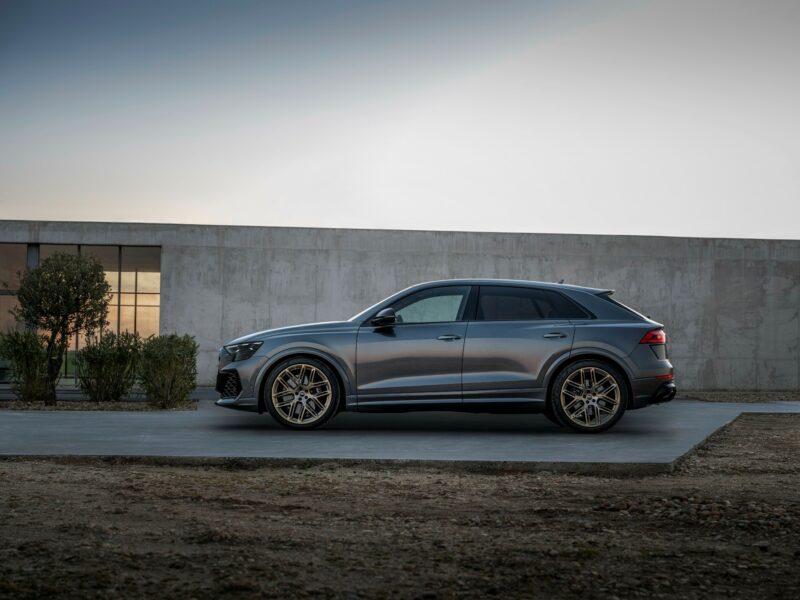
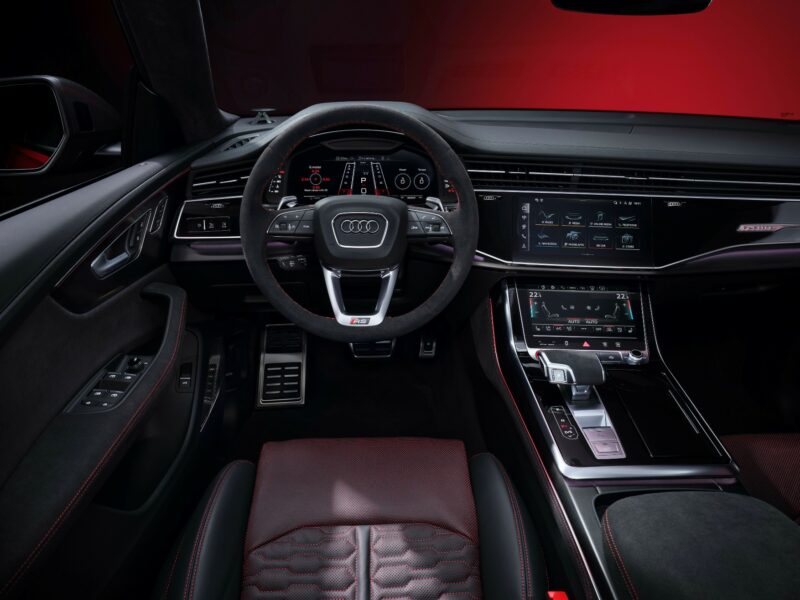
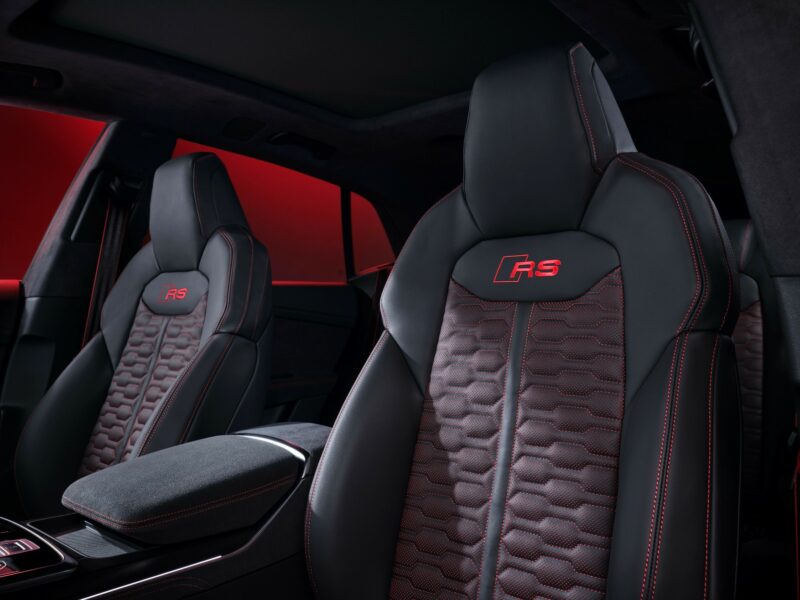
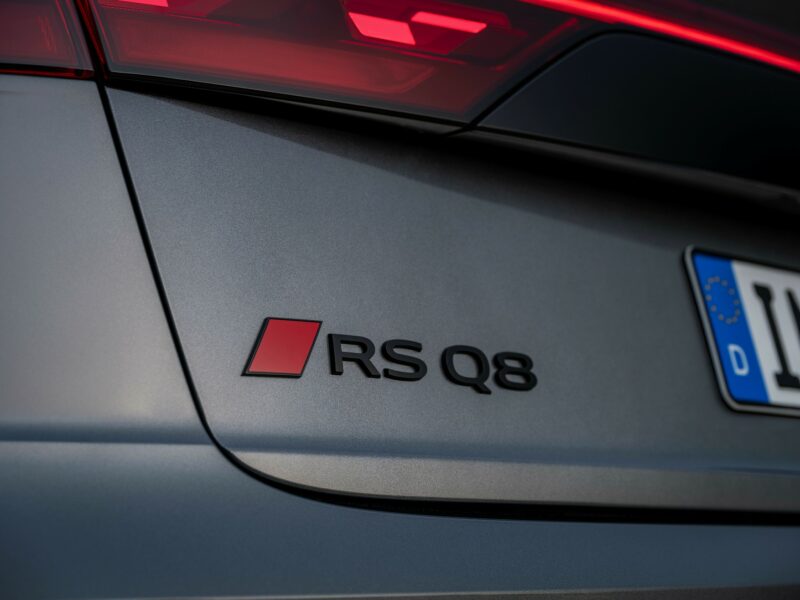
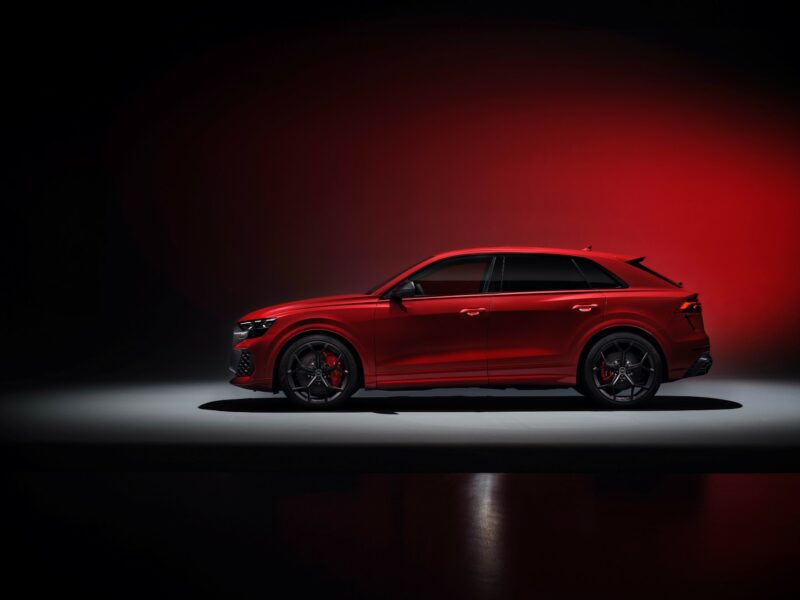
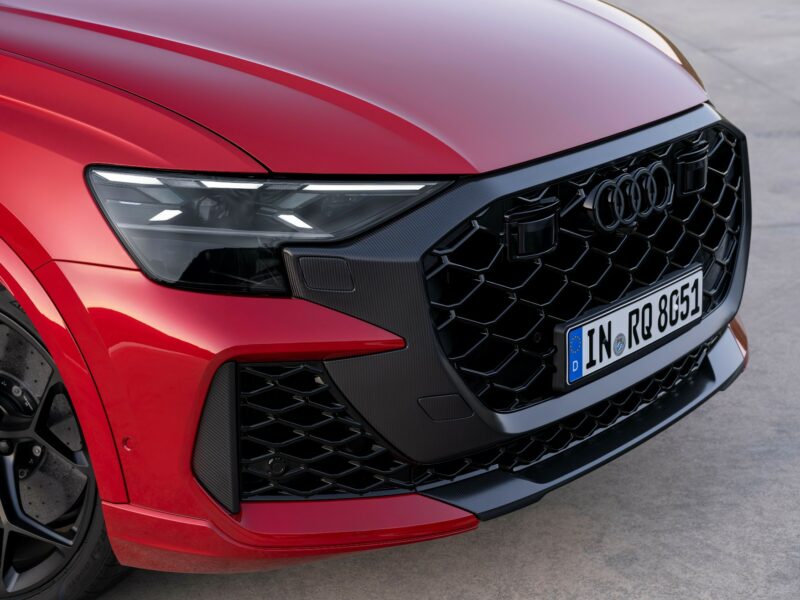
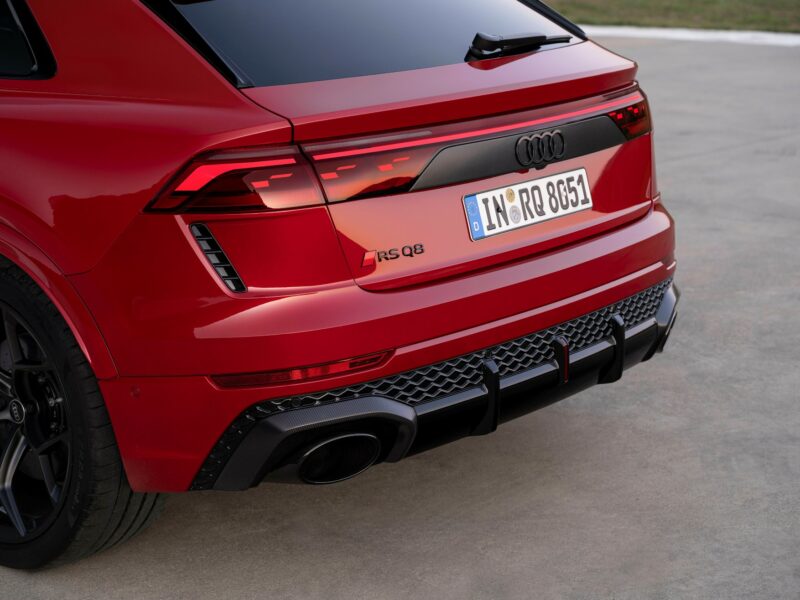
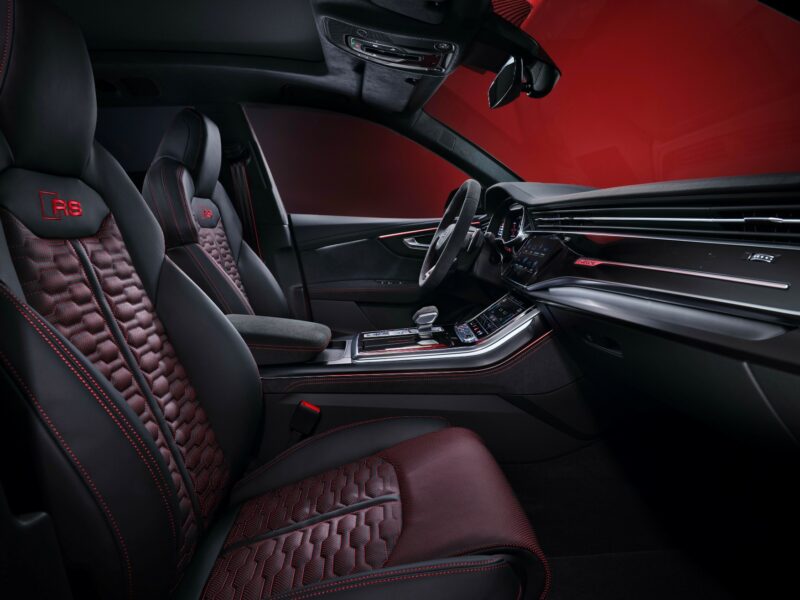
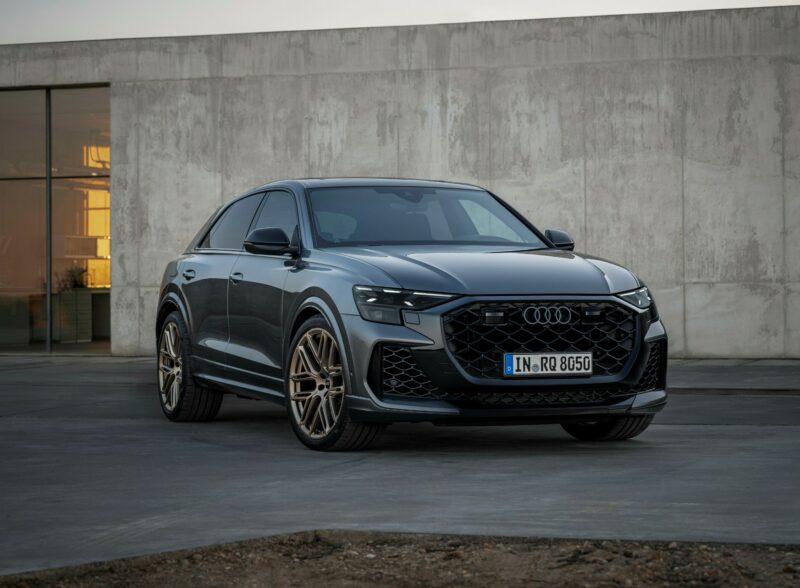
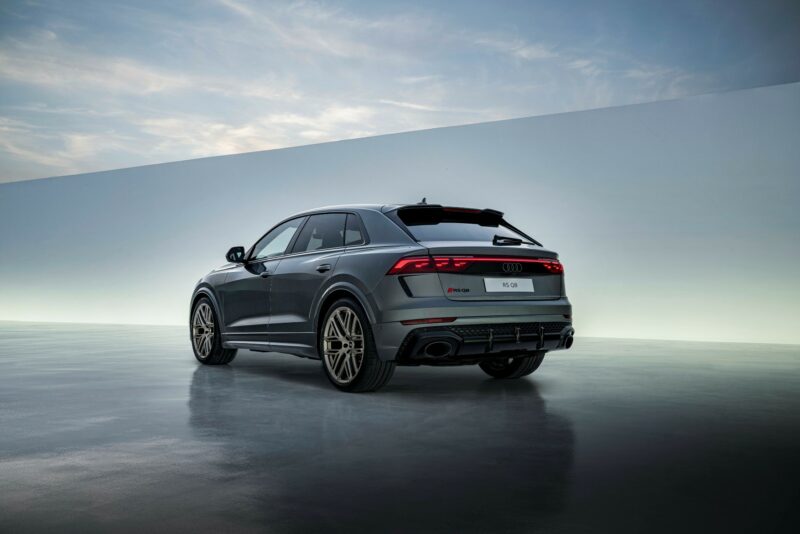
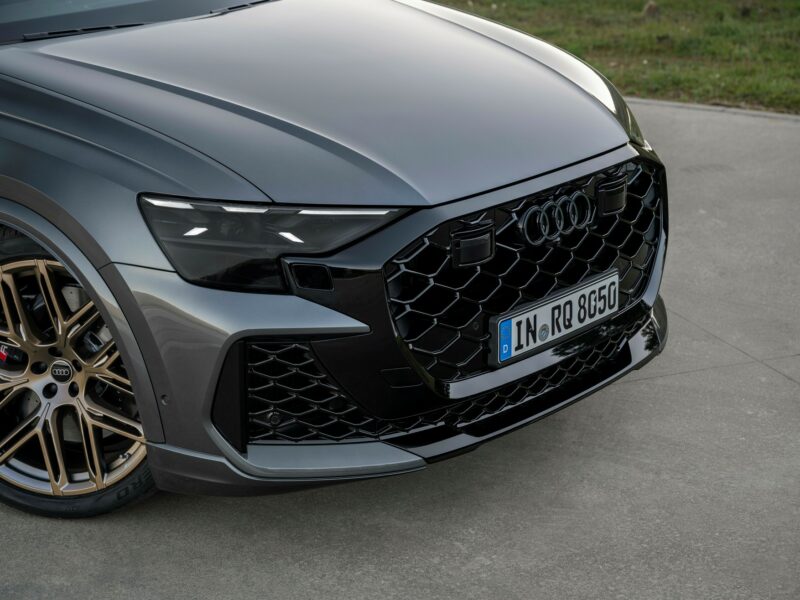
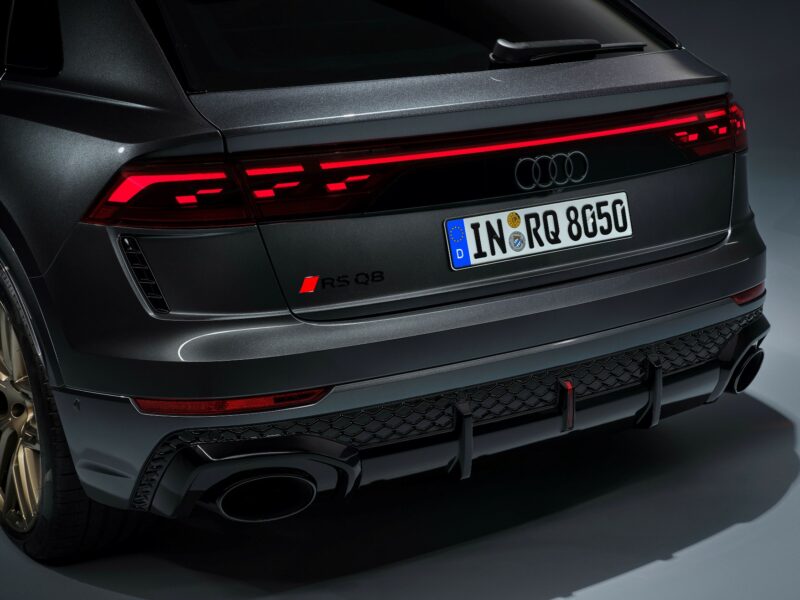
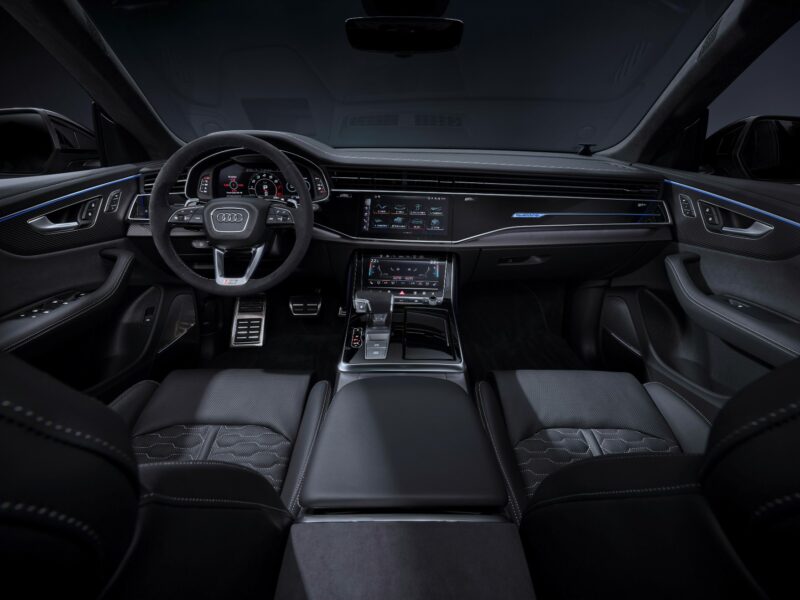
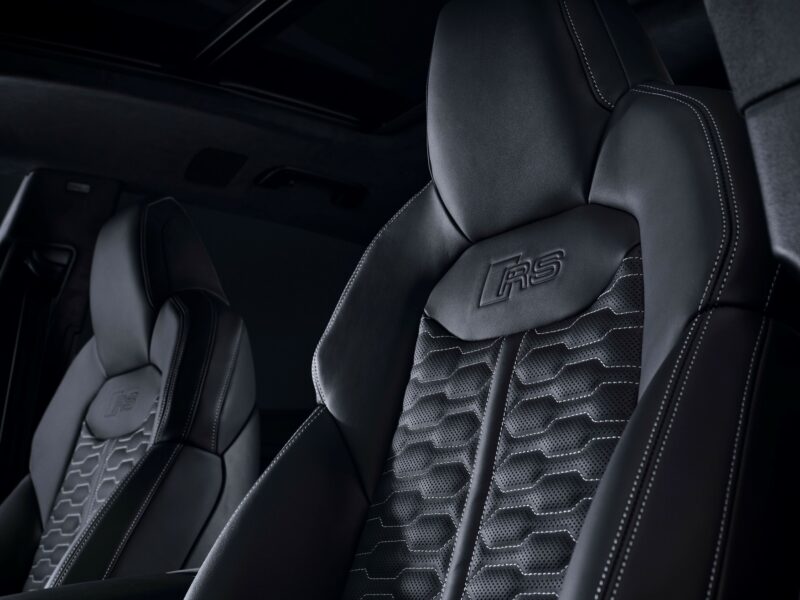
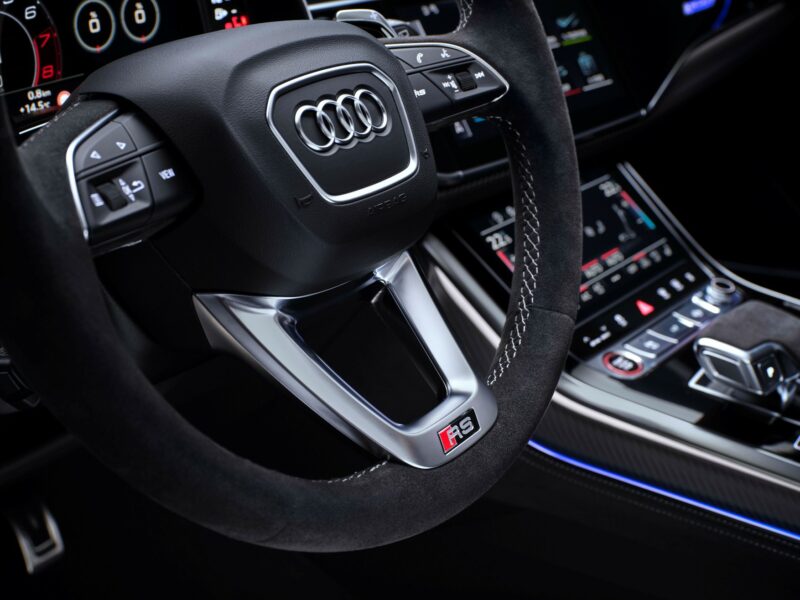
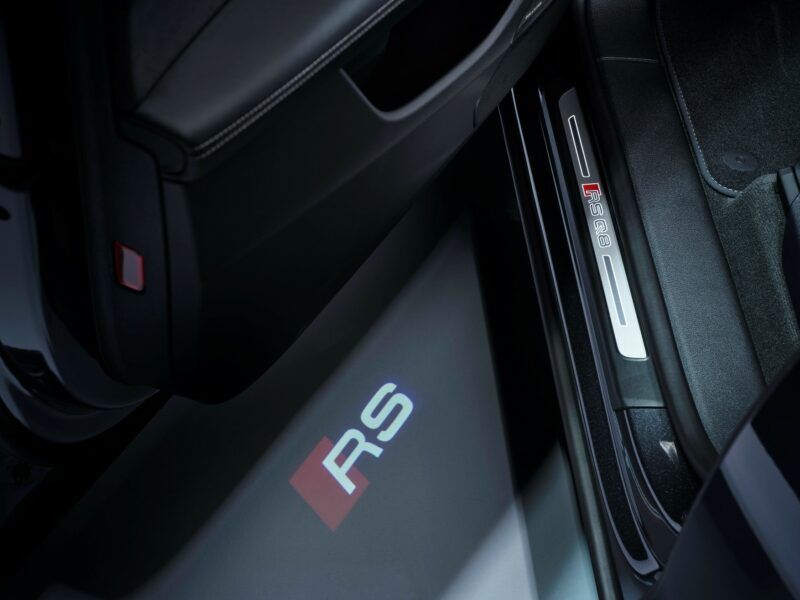
WHAT you are looking at is Audi Sport GmbH’s most powerful series-produced combustion model, the RS Q8 performance.

Under its bonnet sits a 4.0-litre twin-turbo V8 engine tuned to produce 640 PS and 850 Nm of torque. Paired with an eight-speed Tiptronic automatic transmission and the quattro all-wheel-drive system, it only takes 3.6 seconds to accelerate from 0 to 100 km/h.

Even more impressively, this powerhouse has also claimed the title of the fastest SUV at the Nürburgring with a time of 7 minutes and 36.698 seconds, two seconds quicker than the previous record holder, the Porsche Cayenne Turbo GT, and almost six seconds faster than the previous RS Q8.

In addition to the potent engine, a significant part of the RS Q8 performance’s on-track capabilities is contributed by the adaptive air suspension system with specific tuning for the RS model.

Furthermore, it is equipped with a mechanical center differential as part of the quattro all-wheel-drive system. It is tasked with distributing engine power to the front and rear axles at a ratio of 40:60.

In case of slippage, no more than 70% of the drive torque is applied to the front and up to 85% to the rear axle, giving the SUV more precise cornering, less understeer, and more exact turn-in.

Audi also offers the RS Q8 performance with an electromechanical active roll stabilization system (eAWS) that essentially minimises lateral movements of the body.

As an alternative to the performance version, customers can opt for the base RS Q8 with 600 PS and 800 Nm on tap.

For this version, acceleration from 0-100 km/h is completed in 3.8 seconds. The standard electronically limited top speed is 250 km/h but customers can have it increased to 280 km/h or a maximum of 305 km/h as an option.

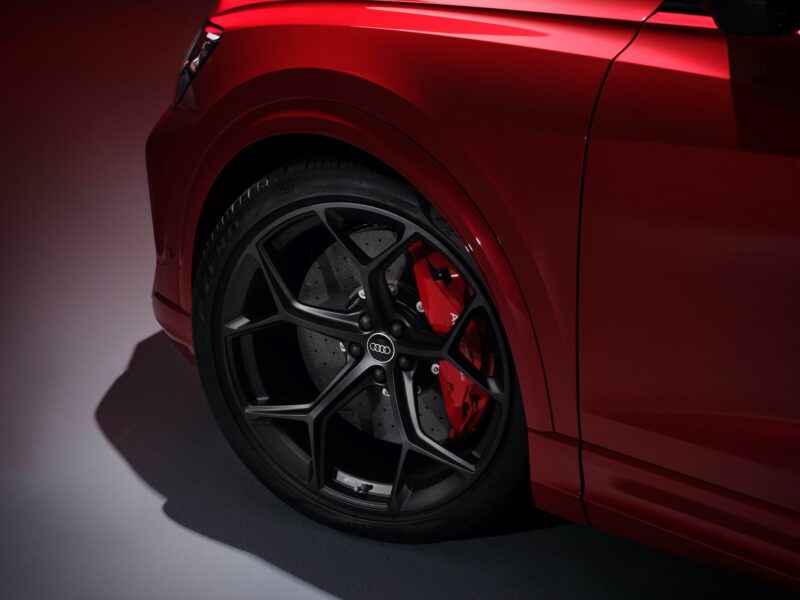
For more potent performance, the base RS Q8 can be fitted with the available dynamic package plus, which includes eAWS, the quattro sport differential, and the RS ceramic braking system (standard on the RS Q8 performance).

There’s also an all-wheel steering system, which is standard on both versions, that functions to reduce the turning radius.

In Germany, the RS Q8 can be ordered starting from June 27 this year with prices ranging from 141,900 euros (RM716,317) for the base version and 155,700 euros (RM785,960) for the performance model.

Chery Tiggo 7 Pro officially launched at RM123,800

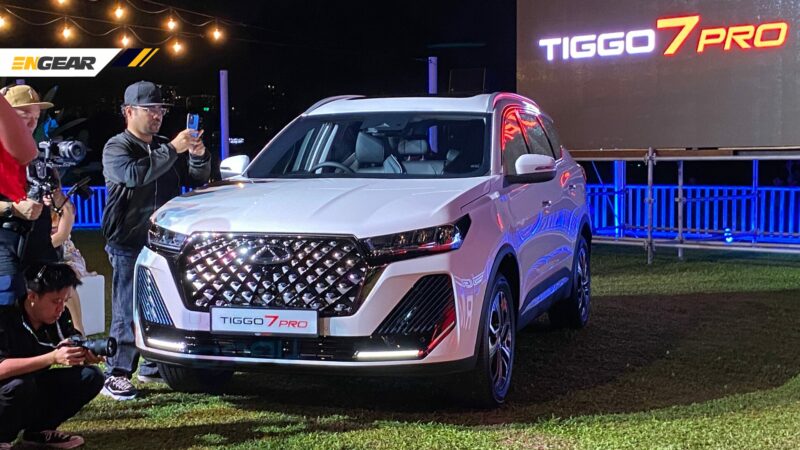
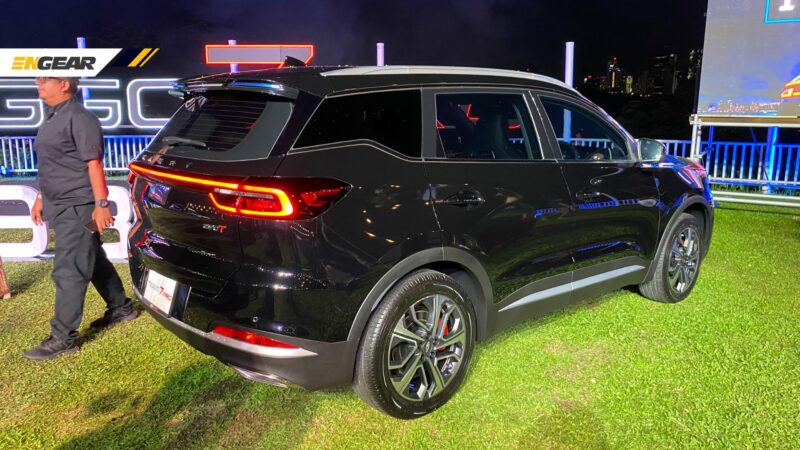
CHERY Auto Malaysia’s third offering, the Chery Tiggo 7 Pro, has been officially launched at a price of RM123,800.

However, the first 2,000 customers will enjoy a special price of RM119,800. The SUV comes with a seven-year/150,000-km warranty, seven-year free towing service and five-year free service.

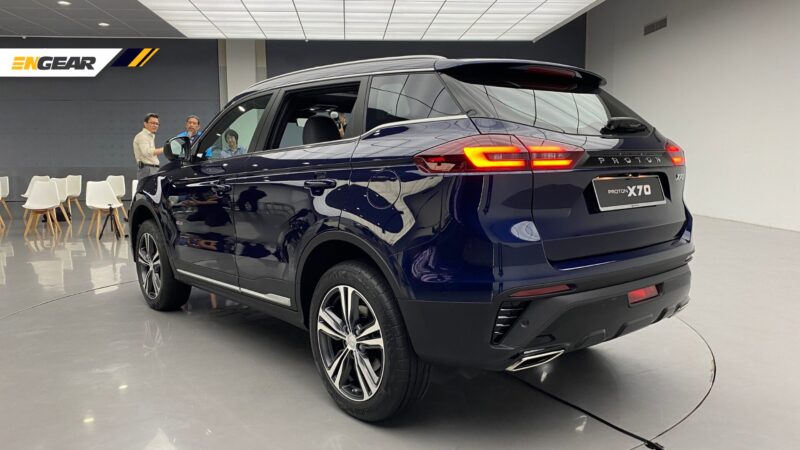
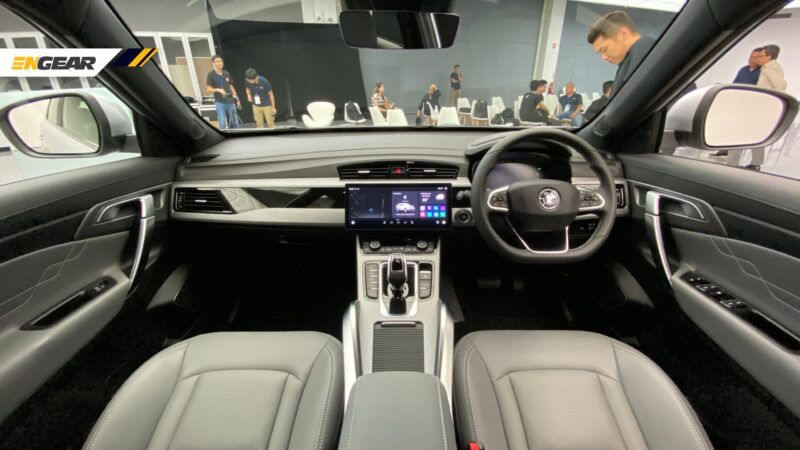
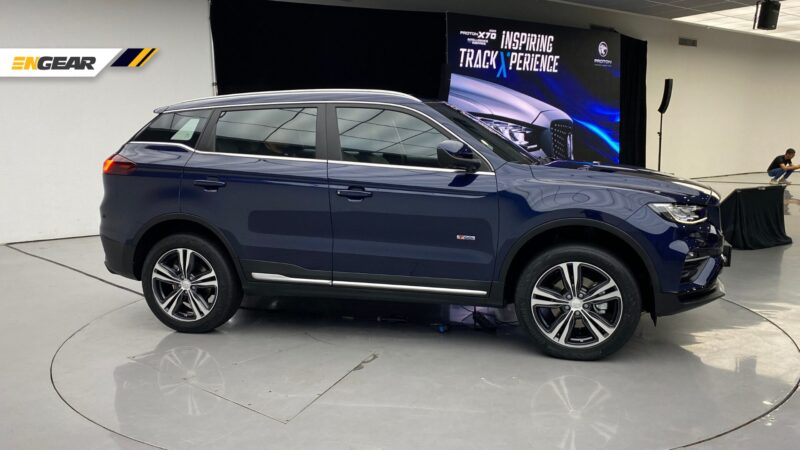
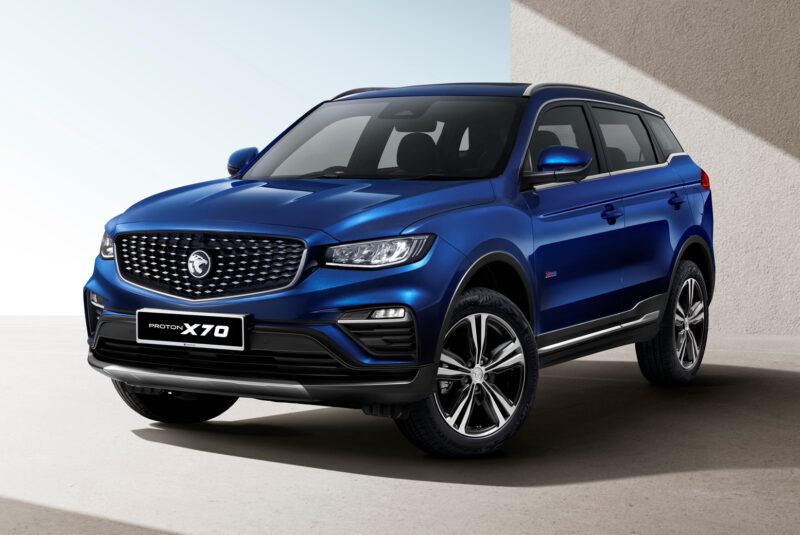
In terms of size, the Tiggo 7 Pro measures 4,513 mm in length, 1,862 mm in width, and 1,696 mm in height, making it shorter but wider and taller compared to its closest competitor, the Proton X70.

Both models have the same wheelbase of 2,670 mm.

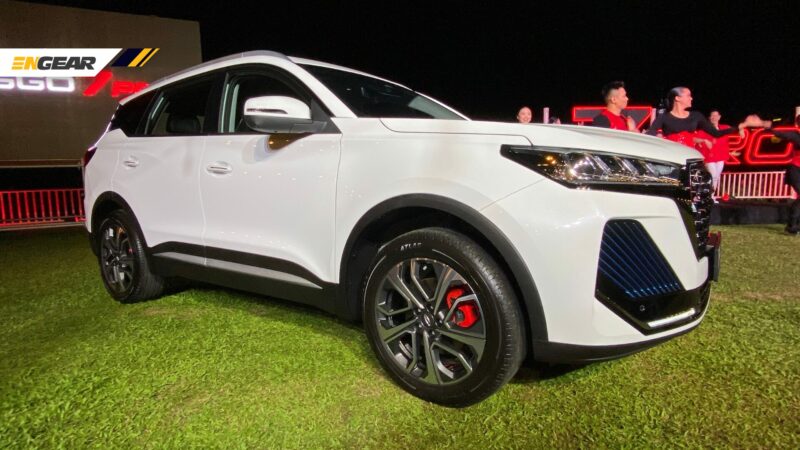
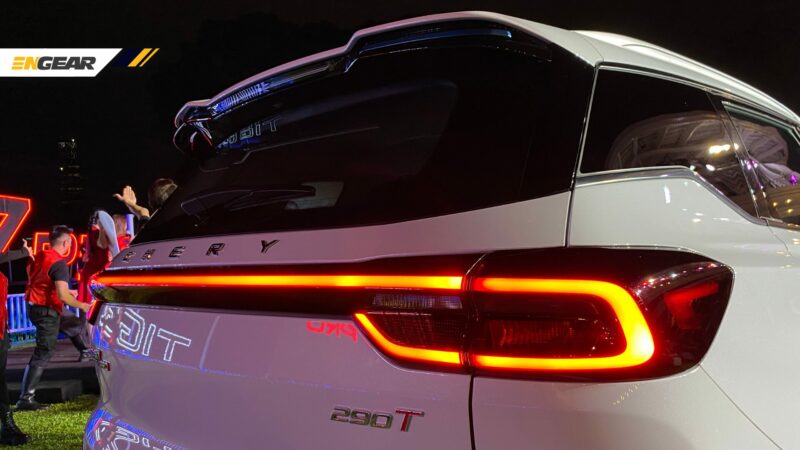
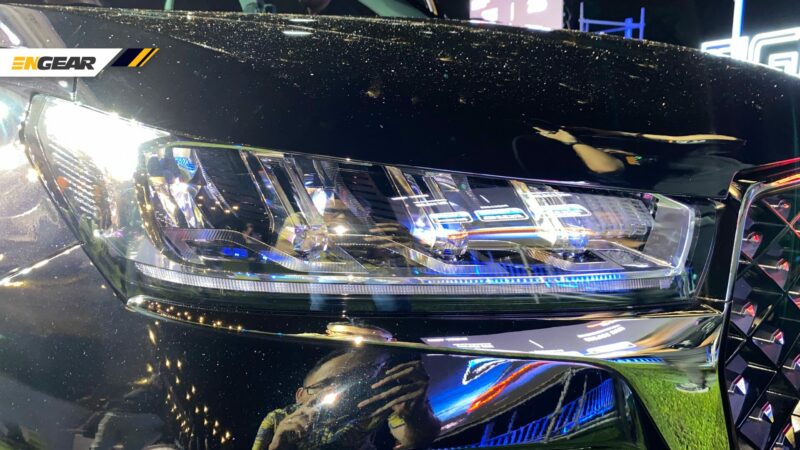
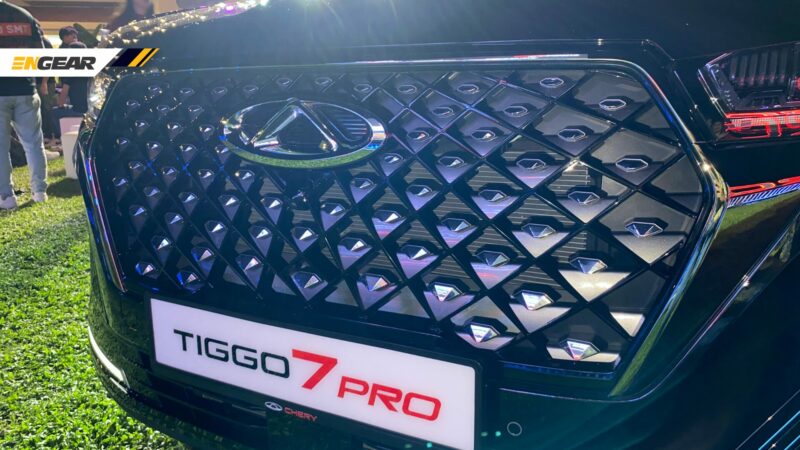
For the exterior, the Tiggo 7 Pro comes with front and rear LED lights, sequential turn signals, ‘diamond’ studs on the grille, and 18-inch two-tone alloy wheels.

It is available in four colours: Bloodstone Red with a black roof, Vanilla Blue, Carbon Black, and Khaki White with a black roof.

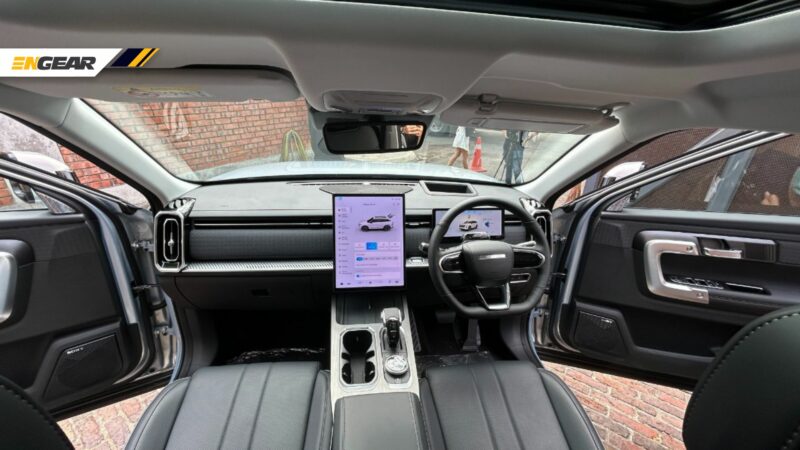
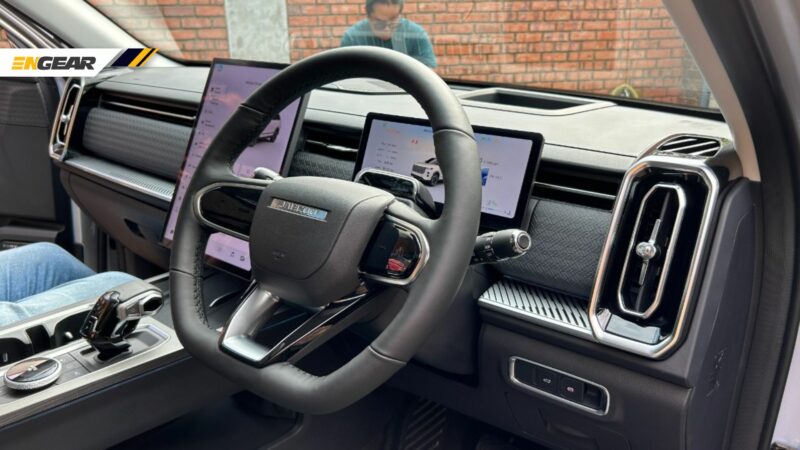
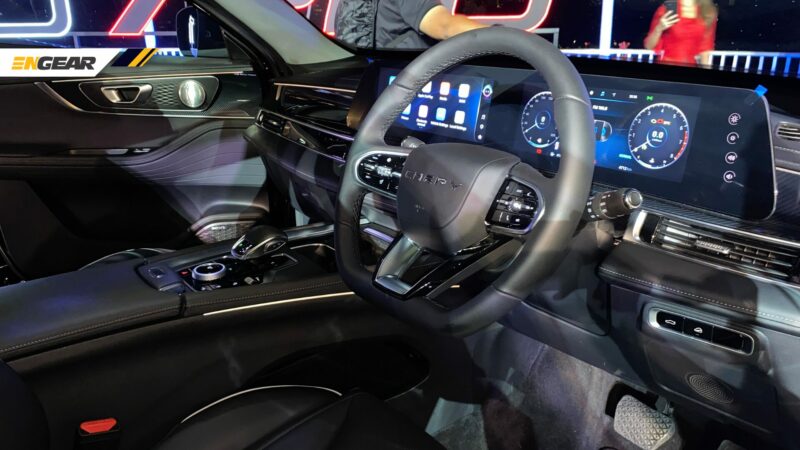
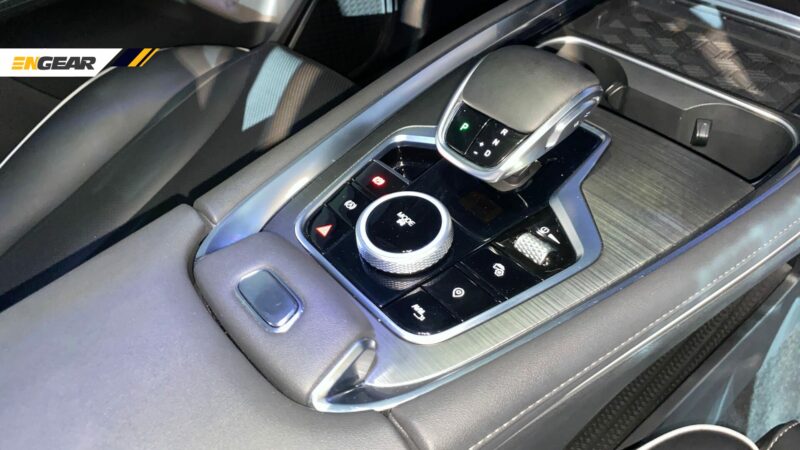
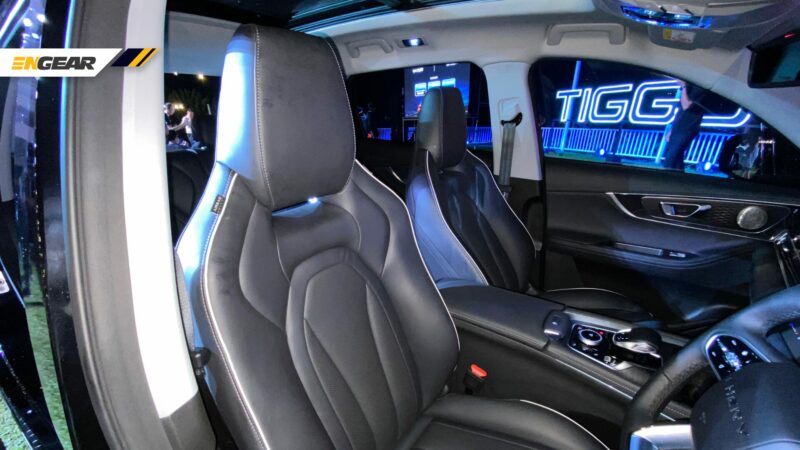
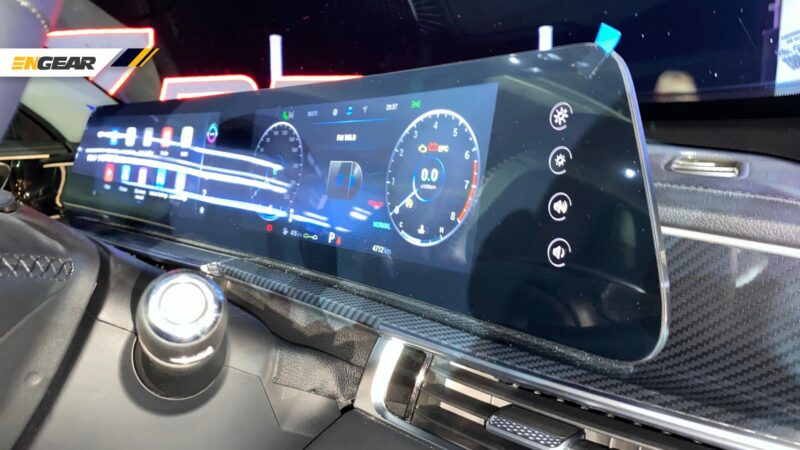
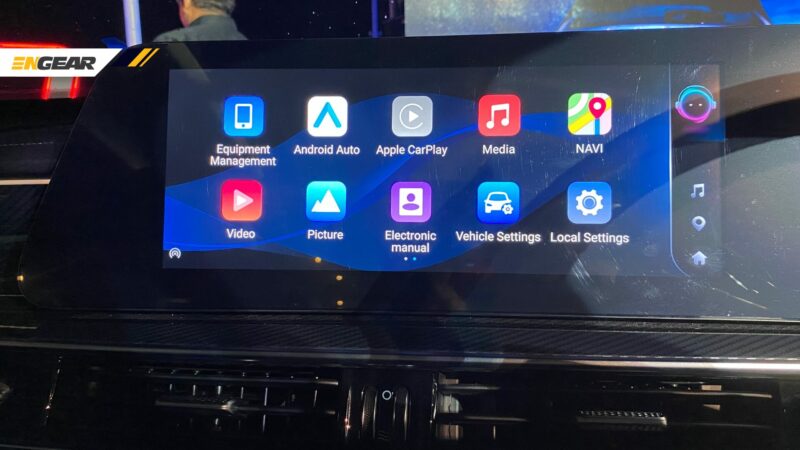
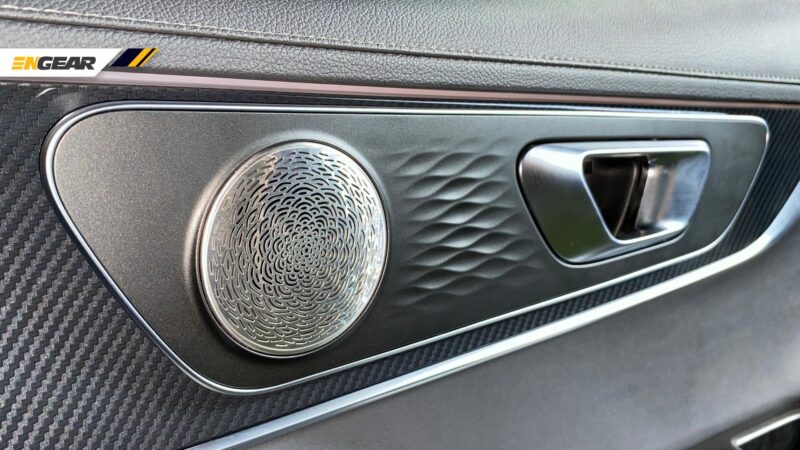
Moving inside, there is a wide 24.6-inch display with Apple CarPlay and Android Auto support, a 50W wireless charger, ambient lighting system with 64 colour options, and a Sony audio system with eight speakers.

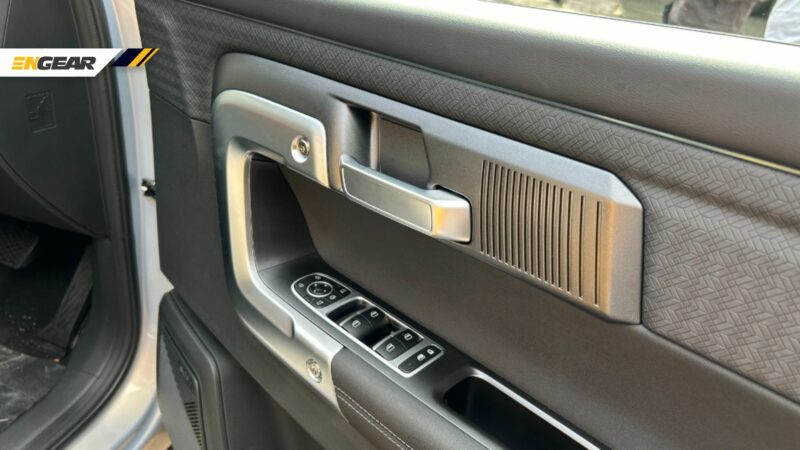
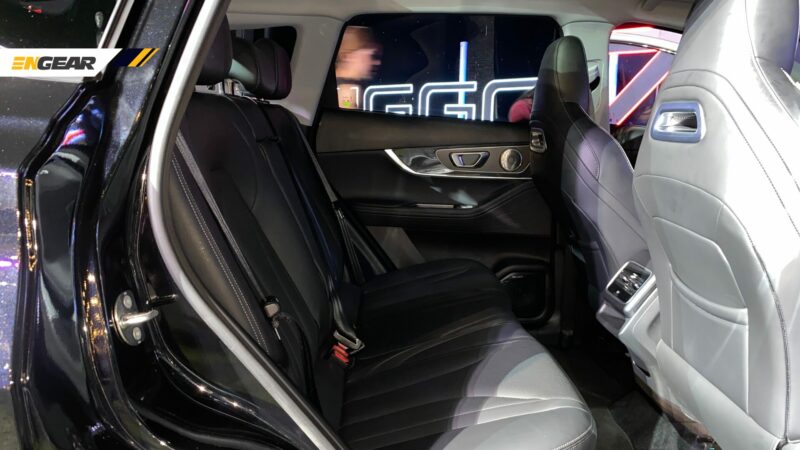
The front and rear seats, door trims, and steering wheel are wrapped in black synthetic leather upholstery.

Other standard niceties include USB Type A and Type C ports, a panoramic roof, Remote Engine Start, and Walk-Away Auto Lock.

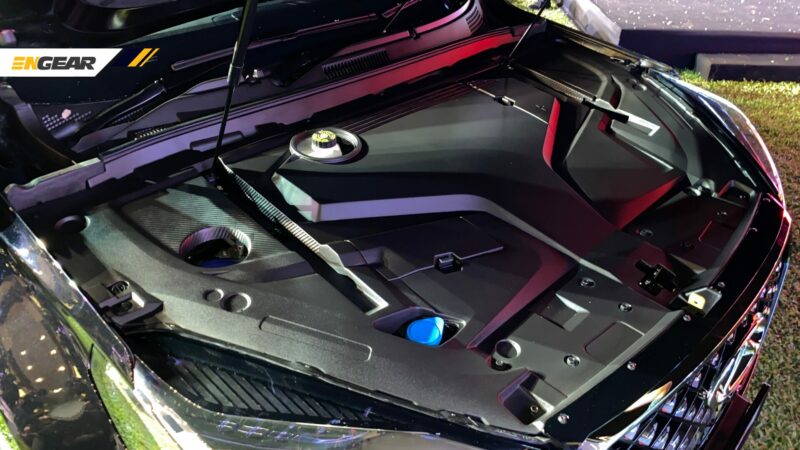
Under the hood of the Tiggo 7 Pro is a 1.6-litre four-cylinder turbo engine delivering a healthy output of 197 PS and 290 Nm of torque.

Paired with a seven-speed dual-clutch transmission (DCT) driving the front wheels, the SUV can accelerate from 0 to 100 km/h in 9.5 seconds and reach a top speed of 205 km/h.

According to Chery, the Tiggo 7 Pro can achieve a fuel efficiency level as low as 7.0 liters per 100 km. It also comes with three driving modes: Eco, Normal, and Sport.

In terms of safety, the Tiggo 7 Pro features ADAS level 2.5, incorporating features such as:

  • Autonomous Emergency Braking
  • Multi Collision Brake
  • Blind Spot Detection
  • Door Opening Warning
  • Traffic Jam Assist
  • Intelligent High Beam Control
  • Front Collision Warning + Rear Collision Warning
  • Adaptive Cruise Control + Integrated Cruise Control
  • Lane Departure Warning + Lane Departure Prevention
  • Lane Change Assist + Emergency Lane Keep Assist
  • Rear Cross Traffic Alert + Rear Cross Traffic Brake

Additionally, it’s also fitted with seven airbags, a 540-degree panoramic camera system, Hill Start Assist Control, and Hill Descent Control.

Mercedes GLA250 4Matic AMG Line – New mild hybrid system, 0-100 in 6.8s, RM296k

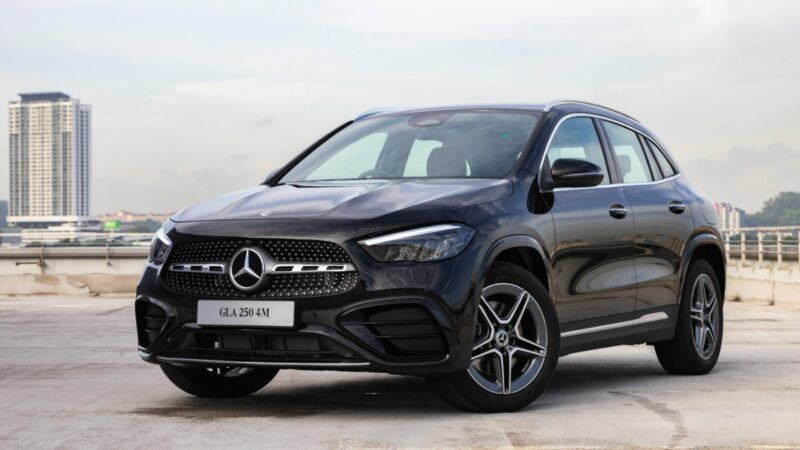
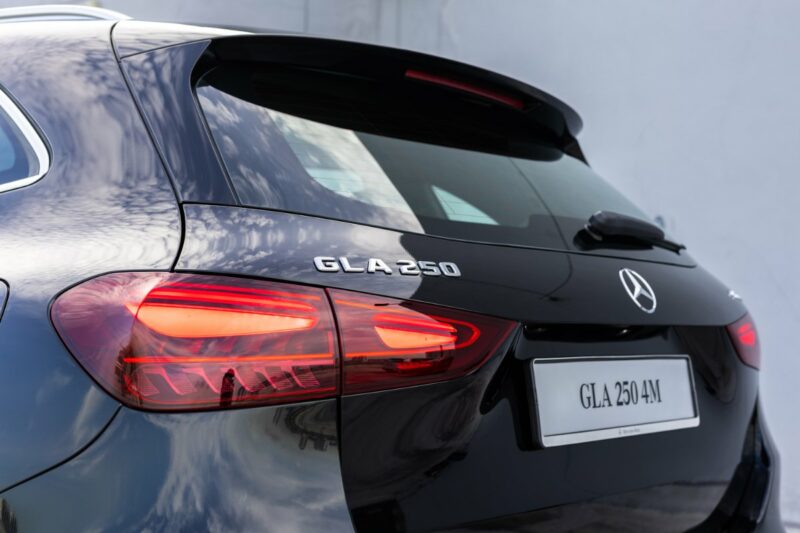
After several months of introducing the GLA200 facelift, Mercedes-Benz Malaysia (MBM) has now also launched the GLA250 4Matic AMG Line. It is a more powerful version with a sportier design.

As usual, compared to the GLA200 which is equipped with a Renault 1.3-liter turbo engine, this GLA250 variant is powered by a Mercedes engine – a 2.0-liter 4-cylinder turbo with an output of 224PS and 350Nm of torque. This output is transmitted to all wheels through an 8-speed dual-clutch gearbox and the 4Matic traction system.

What’s new is that the GLA250 also features a mild-hybrid system consisting of a 48-volt belt starter generator (BSG), contributing to an additional 14PS and 150Nm of power.

As a result, the acceleration performance from 0-100 is 6.8 seconds, one second faster than the GLA200. The maximum speed is 240km/h.

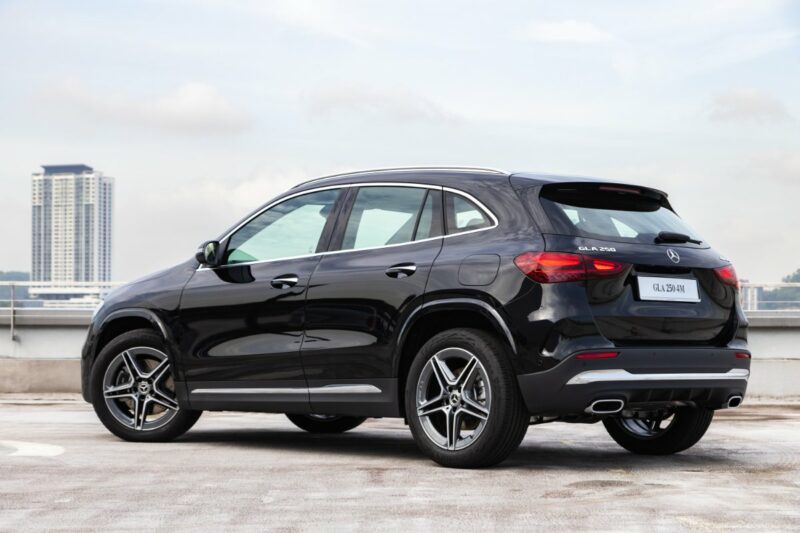
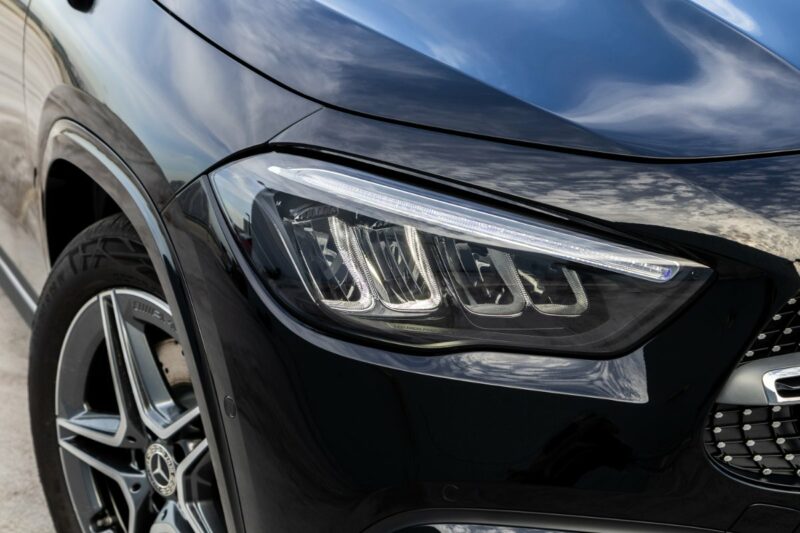
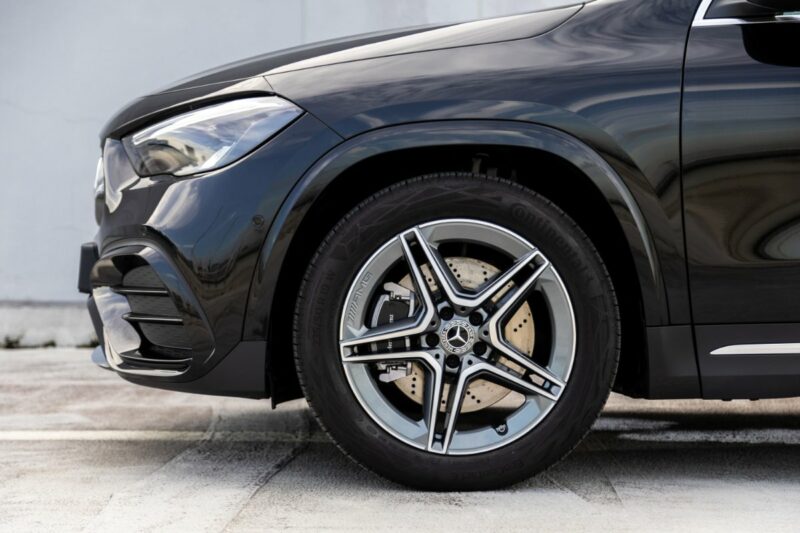
In terms of exterior features, this new Mercedes GLA250 4Matic comes with a sporty AMG bumper, LED High-Performance headlights with new graphics, new taillights, a diffuser, and 19-inch 5-spoke AMG rims. It also includes sport brakes with perforated discs.

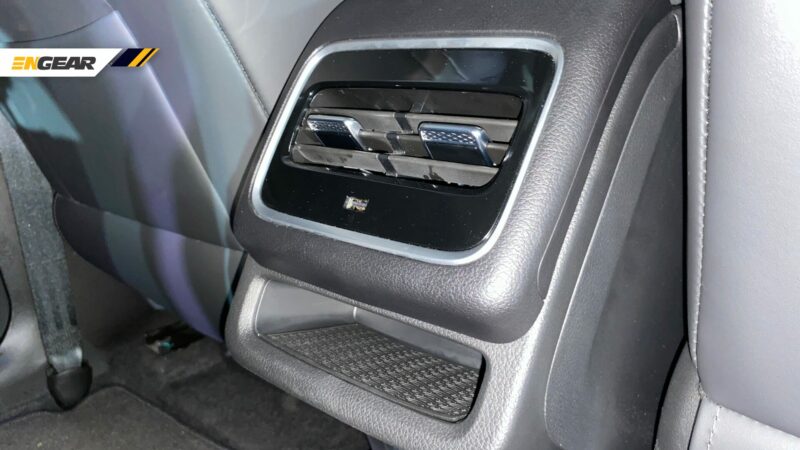
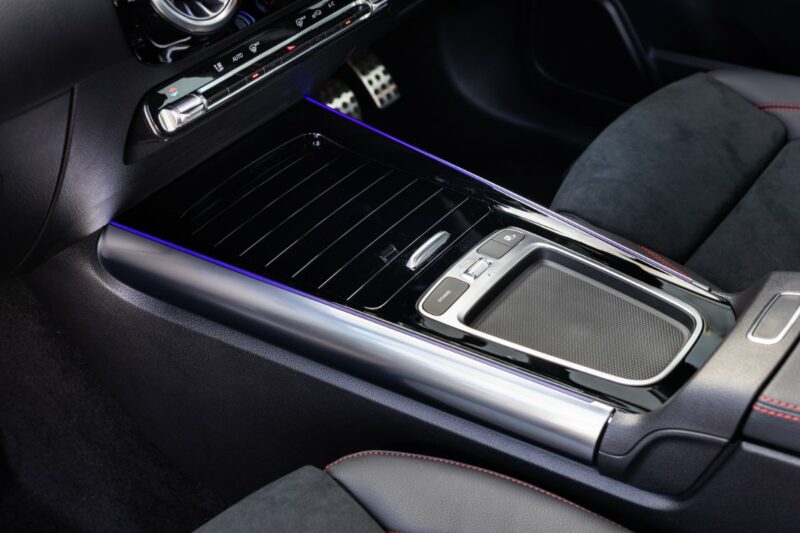
Other standard features include roof rails, sports suspension, keyless entry, single-zone air conditioning, 64-color ambient lighting, wireless Qi charging, wireless Apple CarPlay and Android Auto connectivity, a reverse camera, and power-operated tailgate.

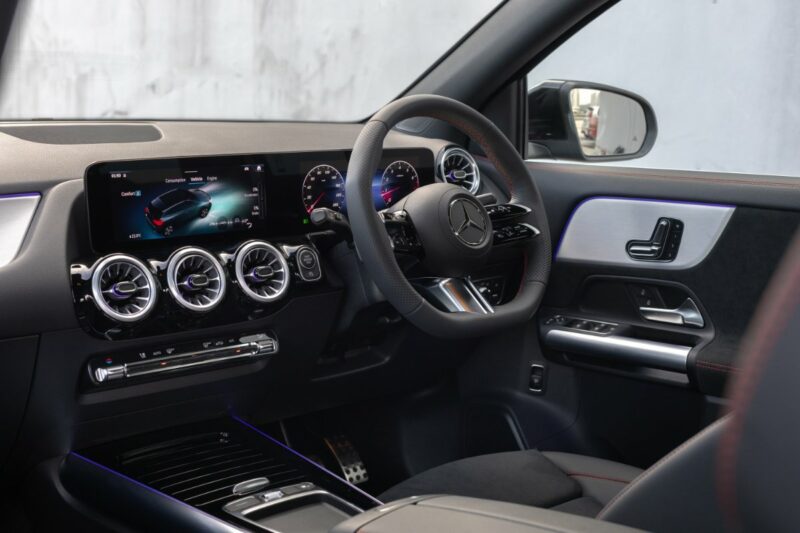
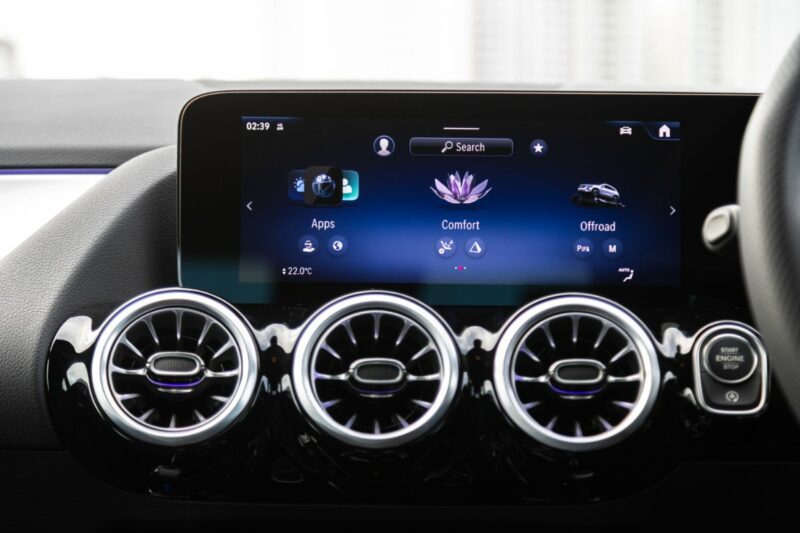
The interior features a new steering wheel with touch controls, an updated MBUX system with a 10.25-inch screen, and a 10.25-inch instrument display.

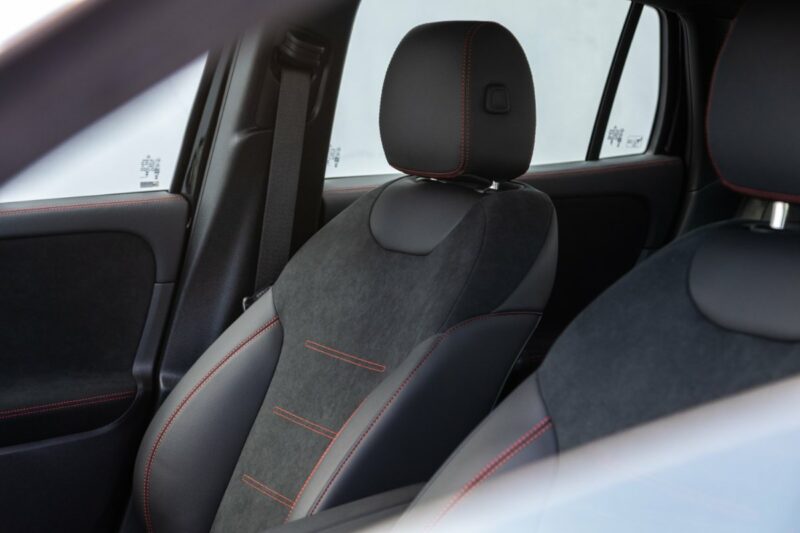
AMG touches on the GLA250 include sports seats, Artico leather upholstery with Microcut, brushed aluminum trim, alloy pedals, black headliner, and illuminated side sills.

Safety features include Autonomous Emergency Braking, Blind Spot Monitoring, Door Opening Warning, and Park Assist.

The Mercedes GLA250 4Matic AMG Line is offered at a price of RM295,888 without insurance. This includes a four-year unlimited mileage warranty.

Kia EV9 three-row electric SUV officially enters Malaysian market

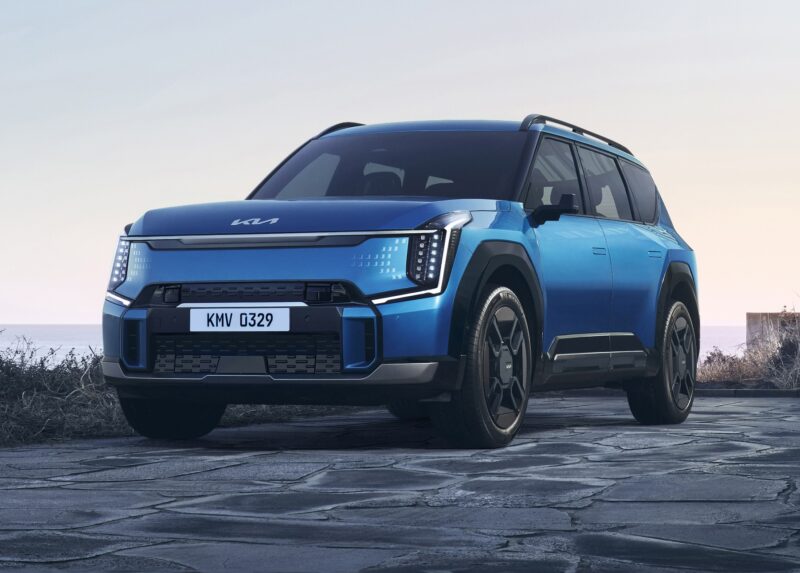
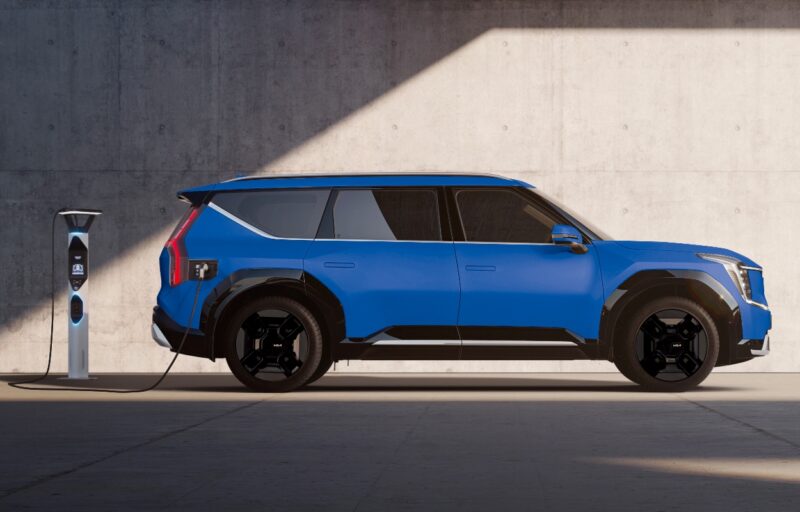
DINAMIKJAYA Motors has launched its latest battery electric vehicle (BEV), the Kia EV9. The model is now available for booking and test drives at any Kia showrooms nationwide.

Since its debut in March 2023, the EV9 has already garnered prestigious awards like the 2024 World Car of The Year and the Best of the Best Award in Cars and Motorcycle category by Red Dot Award: Product Design 2024.

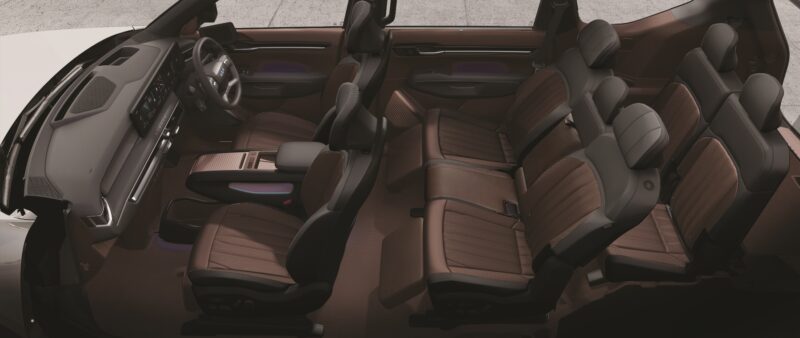
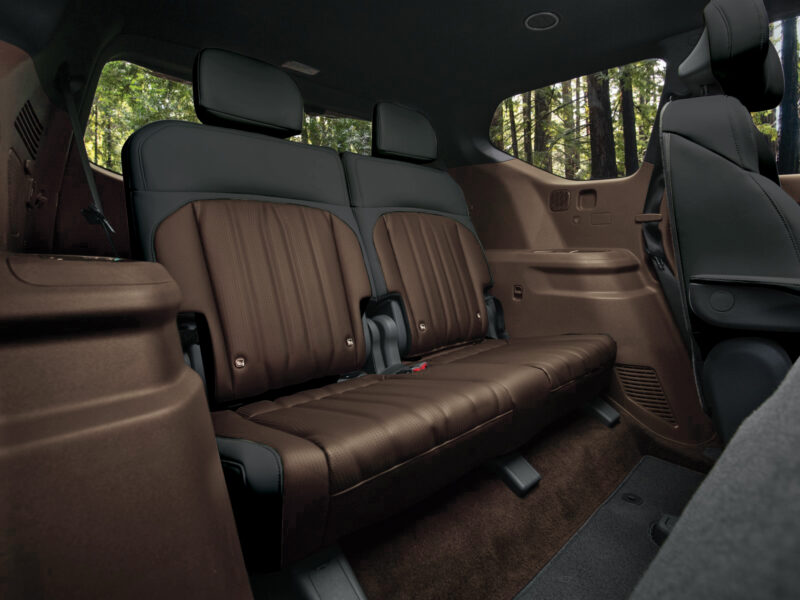
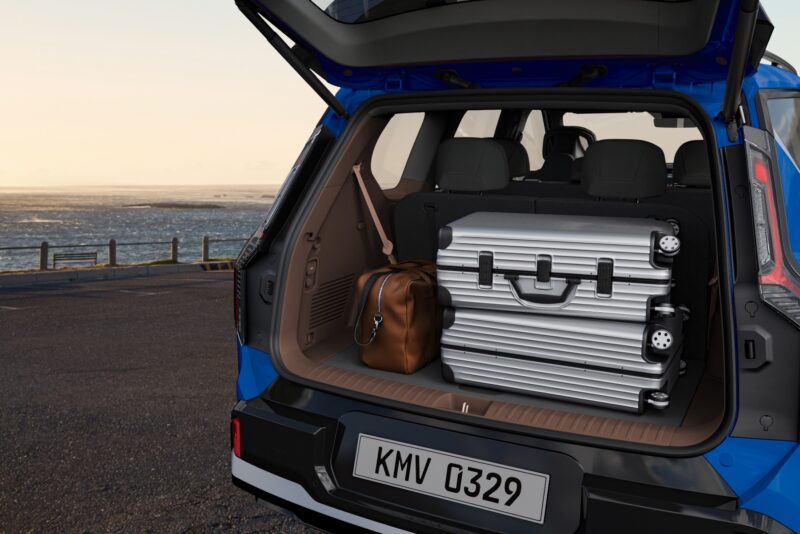
For the Malaysian market, the EV9 is offered in the GT-Line AWD variant with a choice of six or seven seats. Save for the seating configuration, both versions have the same exact specifications.

Pricing (OTR without insurance) starts at RM374,668 for the six-seater variant and RM369,668 for the seven-seater variant. The EV9 is fully imported from South Korea.

In terms of performance, the EV9 is powered by two electric motors that combine to produce a total power of 380 hp and 700 Nm. This allows the electric SUV to accelerate up to 200 km/h.

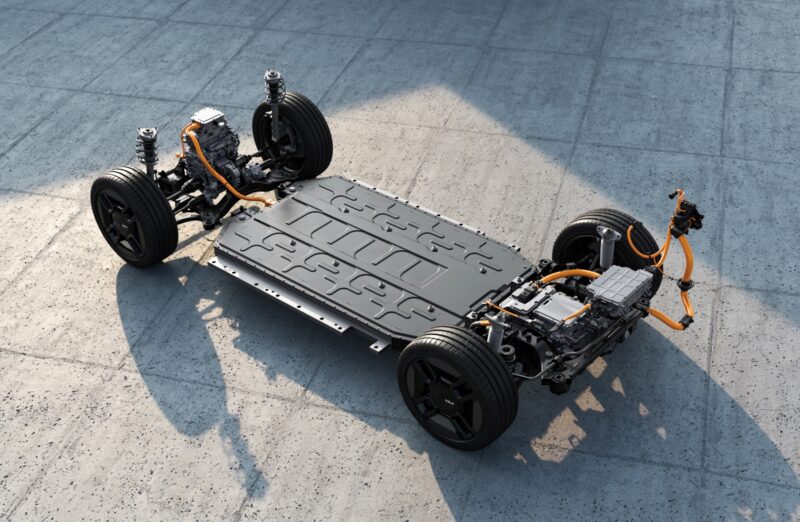
As for the battery, the electric SUV employs a 99.8 kWh unit that offers a driving range of up to 505 km on a full charge.

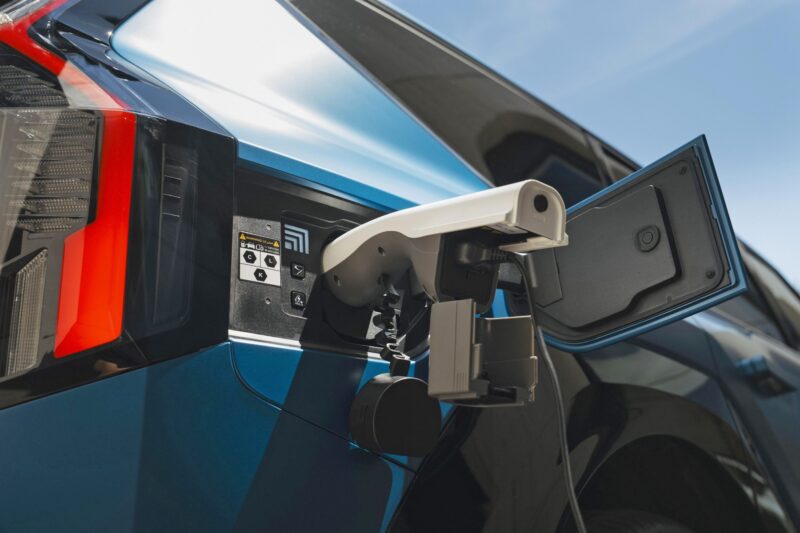
The EV9 supports DC fast charging of up to 350 kW, allowing it to replenish the battery from 10 to 80% in 24 minutes. It is also equipped with an 11 kW AC charger, which takes approximately 10.5 hours for a full charge.

Similar to the EV6, the EV9 is built using the Electric Global Modular Platform (E-GMP). It has a rather large footprint, measuring 5,015 mm in length, 1,980 mm in width, 1,780 mm in height, with a wheelbase of 3,100 mm.
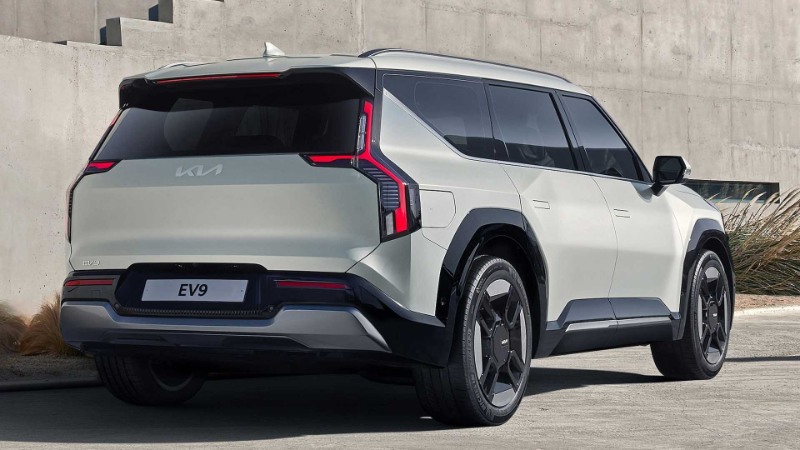
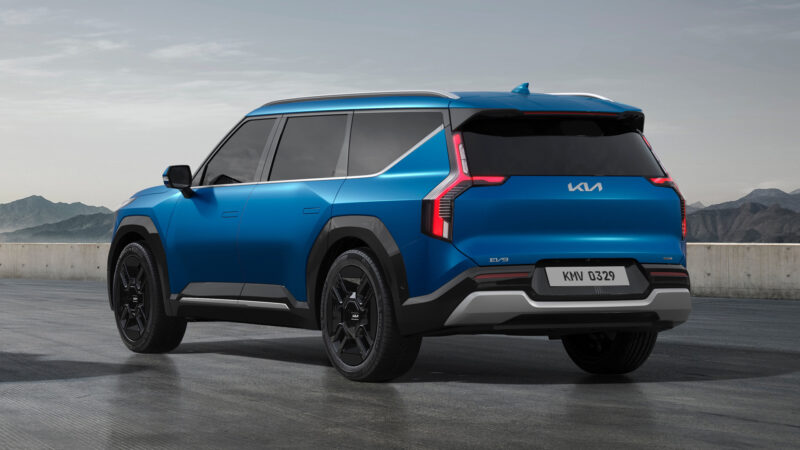
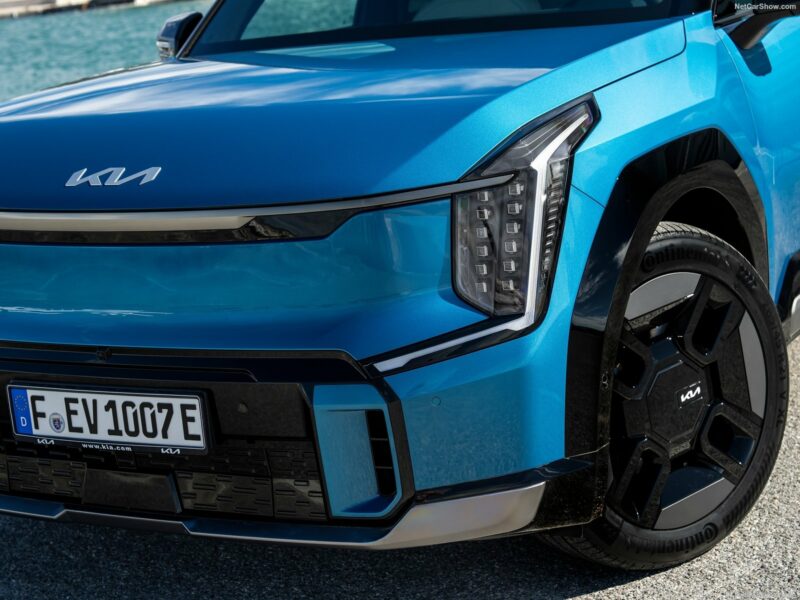
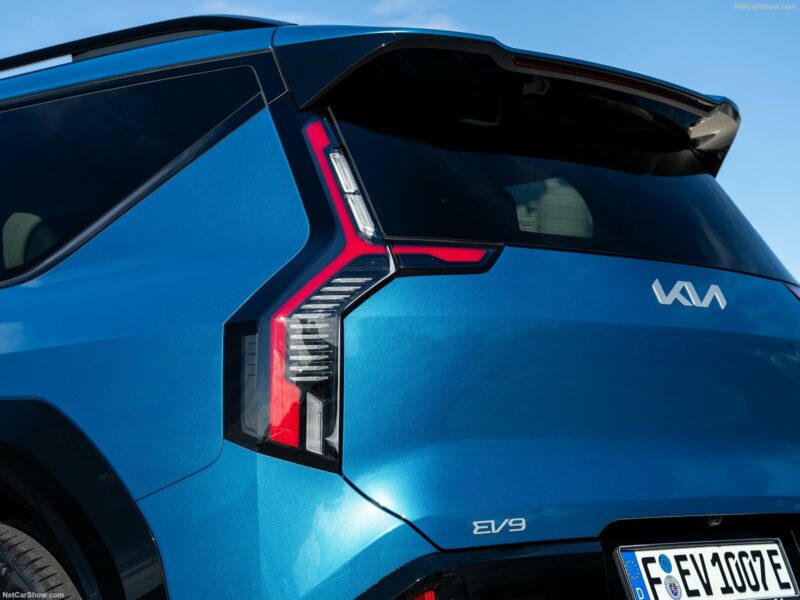
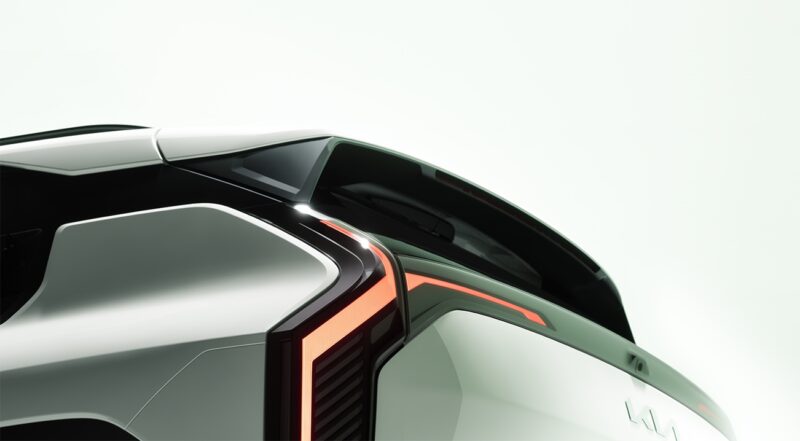
Its exterior design features the Digital Tiger Face, which includes the Digital Pattern Lighting Grille, vertical LED lights, and Star Map Lighting on the daytime running lights and taillights. Both variants come with 21-inch wheels.

There are five colours to choose from, namely Ocean Blue, Snow White Pearl, Pebble Grey, Aurora Black Pearl, and Iceberg Green.

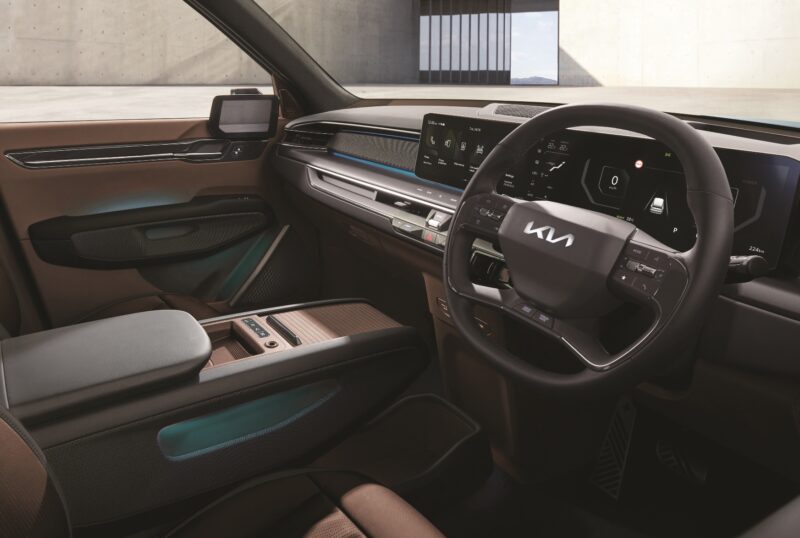
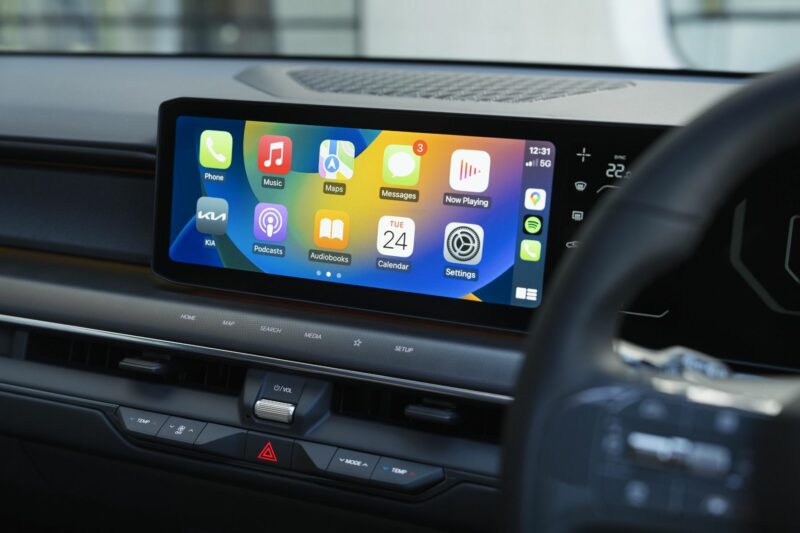
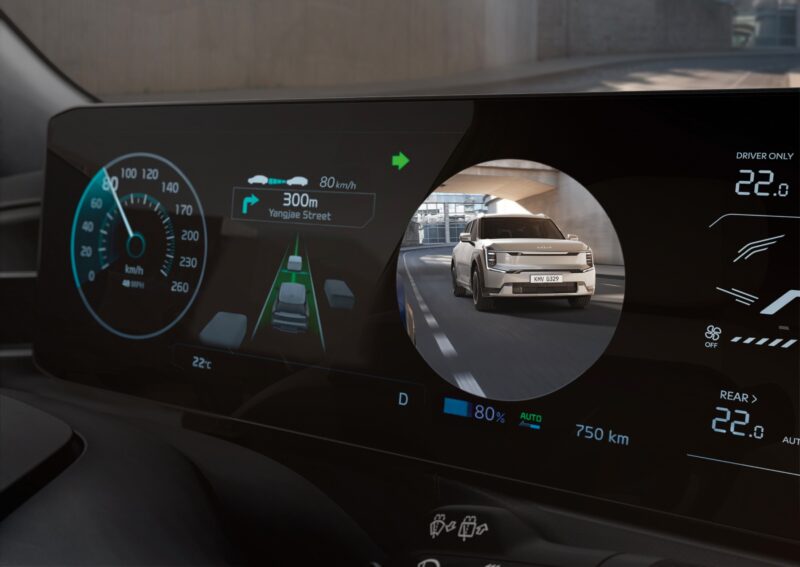
Inside, you’ll find a dual screen setup, each measuring 12.3 inches, and a five-inch segment display that enables control of the vehicle’s functionality while ensuring physical buttons are kept to a minimum.

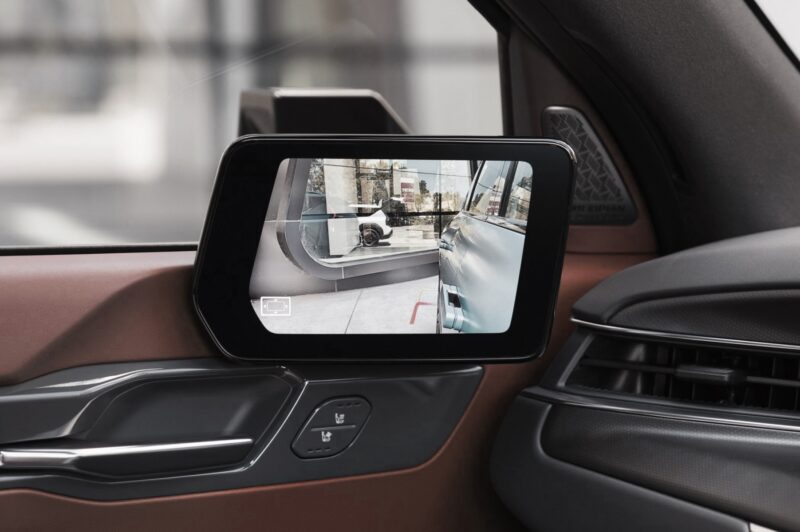
Look closely and you’ll find that the EV9 lacks conventional side mirrors. Instead, the SUV is fitted with exterior cameras that provide live feeds through two small screens located on the left and right door panels.

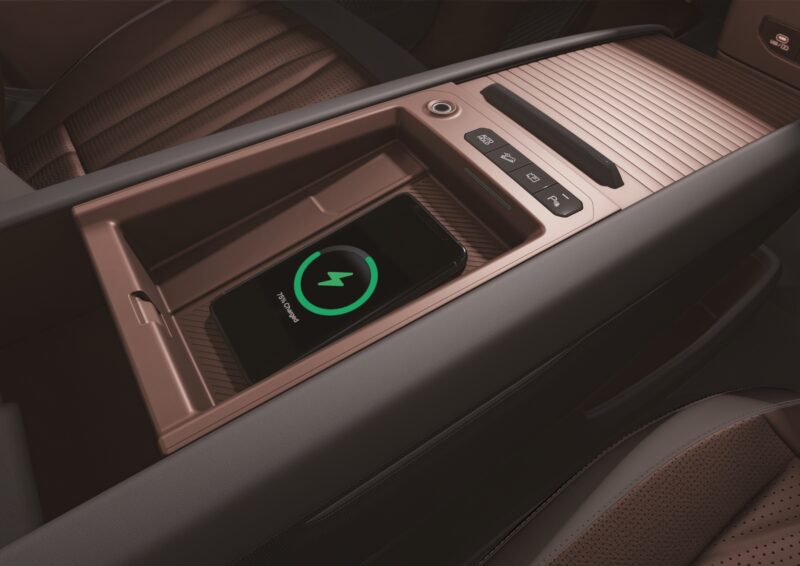
Other niceties include Apple CarPlay, Android Auto, wireless charging, USB-C charging ports in the front, middle, and rear, ambient lighting, and a Meridian audio system with 14 speakers.

With the flexible Integrated Charging Control Unit (ICCU) charging system, the EV9 also has a Vehicle-to-Load (V2L) function that can supply power up to 3.6 kWh to charge various electronic devices.

In terms of safety and driver assistance, the EV9 is equipped with the following features:

  • High Beam Assist (HBA)
  • Parking Collision-Avoidance Assist (PCA)
  • Blind-Spot Collision-Avoidance Assist (BCA)
  • Rear Cross-Traffic Collision Assist (RCCA)
  • Blind-Spot View Monitor (BVM)
  • Lane Keeping Assist (LKA)
  • Driver Attention Warning (DAW)
  • Forward Collision-Avoidance Assist (FCA2)
  • Lane Following Assist (LFA2)
  • Smart Cruise Control (SCC)

Dinamikjaya Motors offers a manufacturer’s warranty for five years/150,000 km and a battery warranty for eight years/160,000 km.

Volvo EX90 will have a battery passport system where you can check battery health level

The electric SUV Volvo EX90 had already been officially launched at the end of 2022, but production of the model will only begin in South Carolina, United States, this month.

The production delay is due to the complexity of the LIDAR system that will be incorporated into the Volvo EX90. However, one thing is certain, the Volvo EX90 will be the world’s first car to have its own battery passport system.

This documentation system will record all essential information about the battery pack, including the origin of raw materials, components, recycled content, and the overall carbon footprint.

This passport will also record current information regarding the battery health for up to 15 years. This is crucial for customers in determining the current value of an EV, especially as the Volvo EX90 begins to enter the used vehicle market.

Volvo took over five years to develop this passport system in collaboration with the UK startup company Circulor, with an expected cost of approximately $10 (RM47) per vehicle.

In addition to the Volvo EX90, this battery passport will be expanded for use in other Volvo EVs. According to a Reuters report, every EV sold in Europe will be required to have a battery passport starting in February 2027.

Lamborghini Urus SE now in Malaysia, RM1.028 million before taxes and options

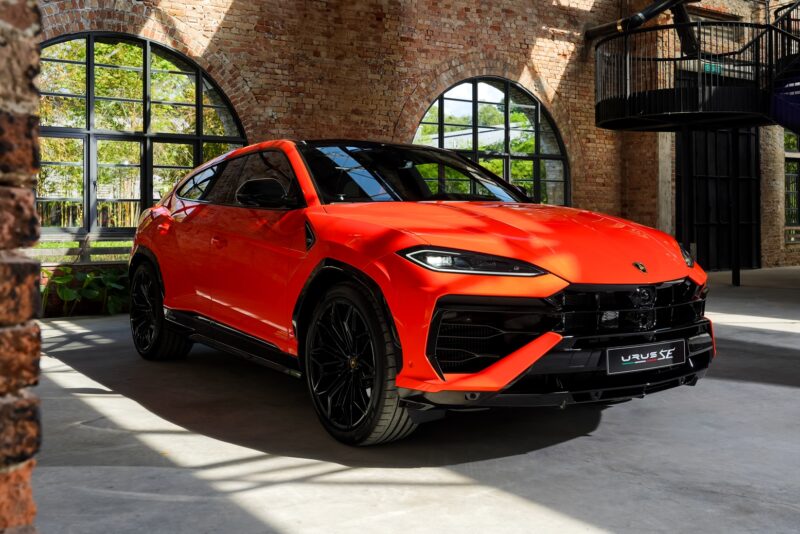
LESS than two months after making its debut at Auto Shanghai 2024, the Lamborghini Urus SE has now been launched in Malaysia at a price of RM1,028,000 before taxes, duties and customisations.

The Urus SE is not a special edition model as some may have thought, but rather a plug-in hybrid (PHEV) model based on the Urus S.

It features a new design, optimised aerodynamics, and a new hybrid powertrain that not only offers the highest output in its lineup but also reduces emissions by up to 80%.

Powering the Urus SE is a 4.0-litre twin-turbo V8 engine with 620 PS and 800 Nm, paired with an electric motor on the rear axle generating 192 PS and 483 Nm. When combined, the powertrain generates total of 800 PS and 950 Nm.

With an 8-speed automatic transmission, it can accelerate from 0-100 km/h in 3.4 seconds (0.1 seconds faster than the Urus S) and achieve a maximum speed of 312 km/h (7 km/h faster than the Urus S).

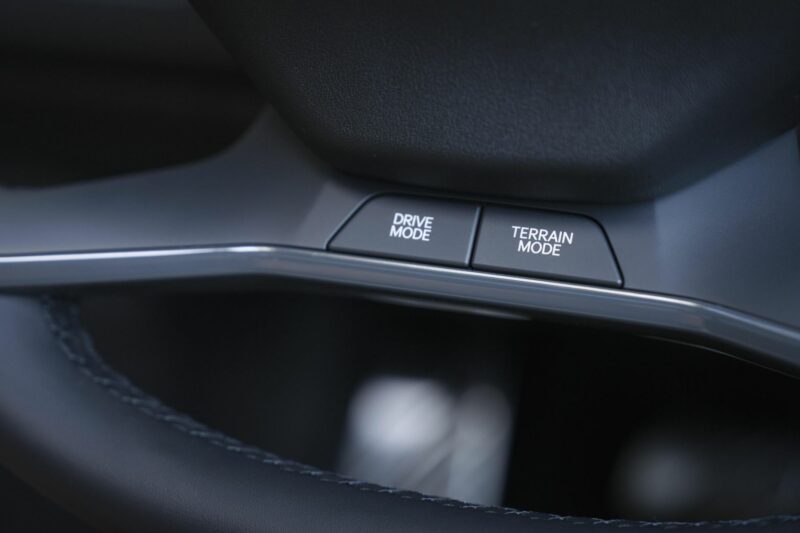
Six existing driving modes from the Urus S (Strada, Sport, Corsa, Neve, Sabbia, and Terra) are now accompanied by four new Electric Performance Strategies (EPS) modes: EV Drive, Hybrid, Performance, and Recharge.

In EV Drive, a 25.9-kWh lithium-ion battery located under the floor and above the rear differential provides a driving range of over 60 km and a maximum speed of 135 km/h.

Depending on the driving mode selected, the vehicle’s air springs adjust for ground clearance, with travel ranging from 15 mm in Corsa up to 75 mm when the lifting system is activated.

Styling-wise, the Urus SE sports a new bonnet with a floating design, as well as newly designed matrix LED headlights, bumper, front grille, taillights and diffuser. The addition of a new spoiler increases the rear downforce by 35%, while new under-body air vents and revamped air ducts improve air cooling by 30%.

The cabin has also been updated, now featuring a larger 12.3-inch screen, as well as new seats and dashboard. The mechanical pushbutton panel gives a more tactile feel.

Needless to say, Lamborghini offers a wide range of customisation options. For instance, there are three dedicated P Zeros tyre, from 21 to 23 inches, to meet customers’ different requirements for comfort and sportiness.

Customers can also choose from over 100 exterior colours (including two new colours, Arancio Egon and Bianco Sapphirus), as well as 47 colour combinations and four types of embroidery for the interior.

Kia EV3 made global debut – Up to 600km range, Volvo EX30 rival?

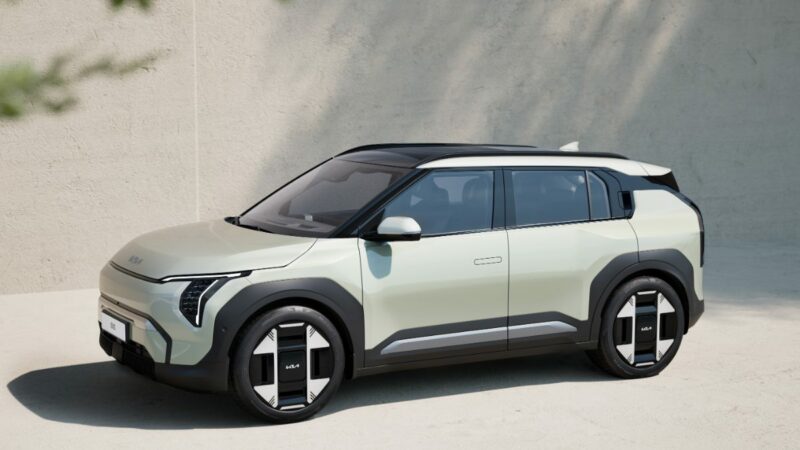
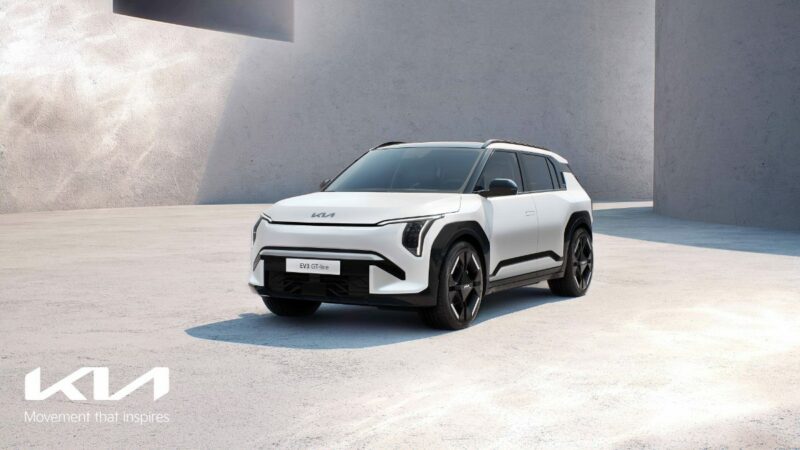
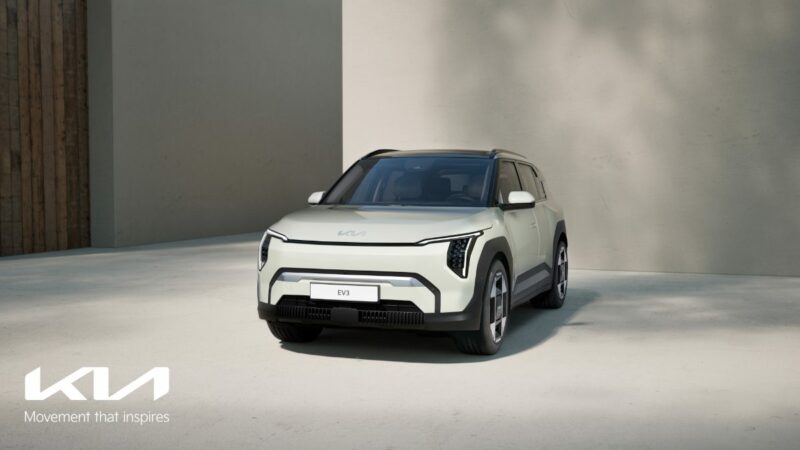
KIA continues to expand their lineup of electric vehicles (EVs) with the introduction of the EV3, a compact SUV. This model joins the existing lineup, including the EV5, EV6, and EV9.

The Kia EV3 is built on the E-GMP (Electric-Global Modular Platform) but does not feature the 800-volt architecture found in the EV6 and EV9. Instead, it comes with a 400-volt architecture similar to the EV5, enabling DC charging from 10 to 80 percent in 31 minutes.

With a full charge, it can be driven up to 600km based on WLTP cycle. This range applies to the Long Range model, while the Standard Range variant offers a slightly shorter distance.

Power is supplied by nickel manganese cobalt (NMC) batteries, known for offering better power and longer lifespan.

Both variants are equipped with the same electric motor, mounted on the front axle. This motor has an output of 201hp and 283Nm of torque, allowing the EV3 to accelerate to 100km/h in 7.5 seconds. The maximum speed is limited to 170km/h.

The Kia EV3 is equipped with eDTVC (Electric Dynamic Torque Vectoring Control) for optimal grip, as well as a new feature called i-Pedal 3.0, which functions as regenerative braking.

The EV3 offers a cargo space of 460 liters, and since it has no engine, it also has an additional 25 liters of space under the front hood.

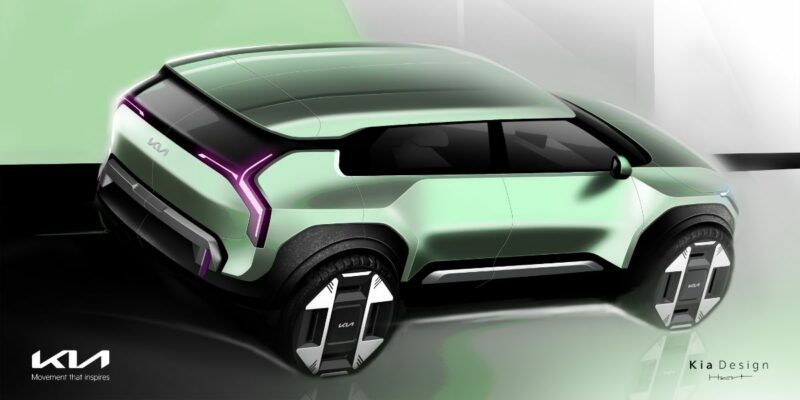
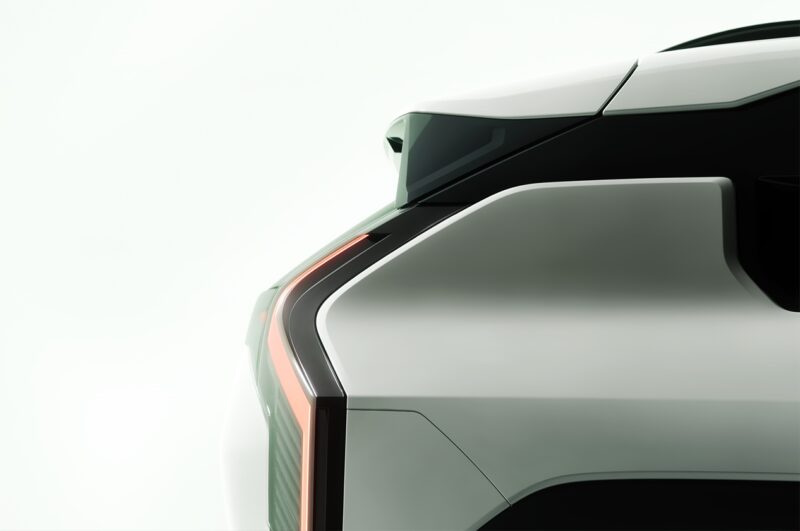
In terms of appearance, the Kia EV3 features the ‘Tiger Face Star Map’, a result of the design of the DRL (Daytime Running Lights) and main headlights. The grille also comes in two different bumper design options, depending on the variant.

Despite its boxy and angular shape, the Kia EV3 maintains aerodynamics, with a drag coefficient as low as 0.263.

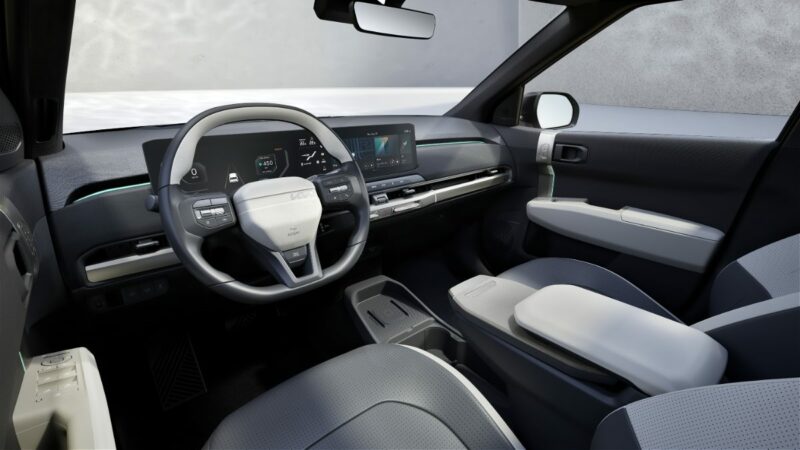
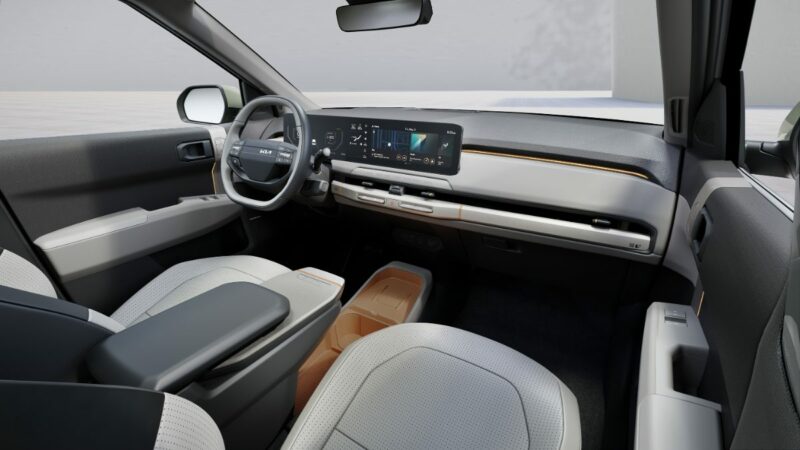
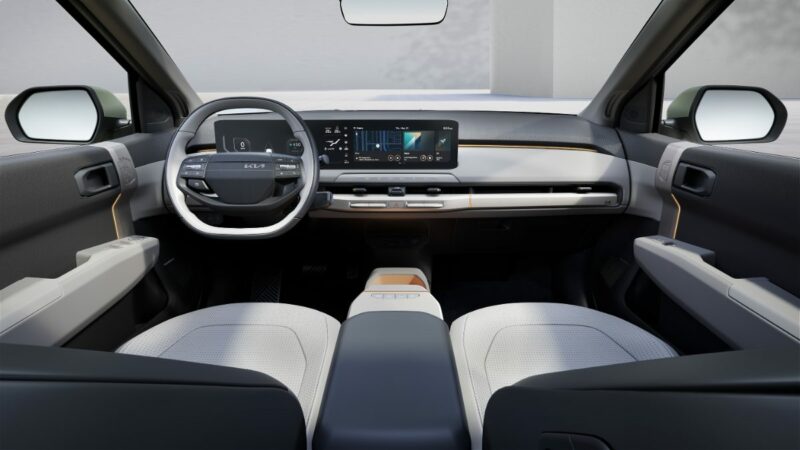
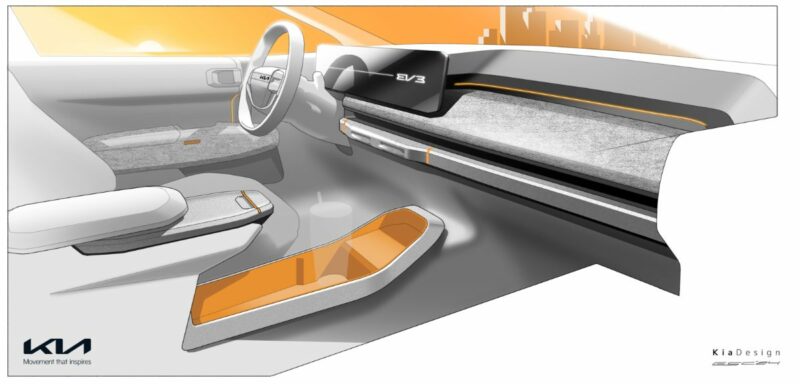
The cabin design showcases a minimalist concept. There is a single horizontal air vent, dividing the dashboard into two sections. Several physical buttons are located on the center console.

The screen on the dashboard is quite large, consisting of a 12.3-inch instrument display, a 12.3-inch infotainment display, and a 5-inch air conditioning panel.

Some parts of the cabin are made from recycled materials, with the option of Air, Earth, or Water trim.

Other features include the Harman Kardon audio system, AI assistance, Automotive Content Platform, and ADAS (Advanced Driver Assistance Systems).

Get up close with GWM Tank 300 on the upcoming Malaysia Autoshow 2024

Great Wall Motor Malaysia has announced that GWM will debut their new SUV, the Tank 300, at the Malaysia Autoshow 2024 next week. The GWM Tank 300 was previously showcased a few months ago, but its public debut will take place at the upcoming motor show.

Initially scheduled for release in the third quarter of this year, the latest development indicates an earlier launch in the second quarter. Therefore, it is not far away.

For the Malaysian market, the Tank 300 is expected to be offered in a non-hybrid variant, featuring a 2.0-liter turbo petrol 4-cylinder engine generating 217hp and 380Nm of torque. This engine is paired with an 8-speed automatic transmission and a part-time all-wheel-drive system with 2H, 4H, and 4L functions. The system is also equipped with front and rear differential locks.

Notably, the GWM Tank 300 features a ‘tank turn’ function. When activated, it locks the inner rear tires to enable the SUV to make tight turns in confined spaces. This maneuver is reminiscent of tracked vehicles such as tanks and excavators.

As can be seen, the SUV presents a classic 4×4 appearance with a boxy design and thick side cladding. Its front end boasts round LED headlights, while fog lights are integrated into the bumper.

At the rear, there’s a spare tire mounted on the outside of the swinging door, reminiscent of classic Jeeps. The Tank 300 comes with 18-inch rims and Michelin Primacy SUV tires.

Internally, you’ll notice that the interior exudes a premium feel, possibly inspired by the Mercedes G-Class. With a vertical dashboard, turbine air vents, front passenger grab handle, and a pair of 12.3-inch screens each.

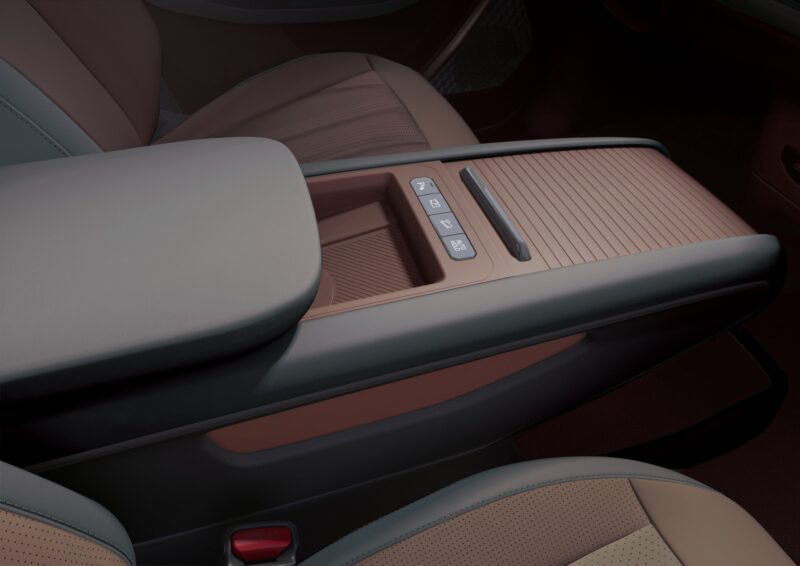
The center console of the Tank 300 houses a slightly angular-shaped gear lever with control buttons for the drive system, electronic parking brake, and driver assistance system. Other features include automatic air conditioning, power seats, leather upholstery, Harman Infinity audio system, power sunroof, wireless charging pad, and paddle shifters.

The GWM Tank 300 also comes equipped with active safety systems such as Adaptive Cruise Control and Autonomous Emergency Braking.

Furthermore, Great Wall Motor Malaysia will also showcase another upcoming SUV, the Haval H6 HEV. These models can be viewed at Hall A, MAEPS, Serdang during the Malaysia Autoshow 2024, running from 22nd to 26th May.

Auto China 2024: Chery Tiggo 9 PHEV shown, to launch in Q4 this year

BESIDES the Omoda 7, Chery also introduced its flagship SUV model, the Tiggo 9 PHEV, at the Auto China 2024.

Looks-wise, the Tiggo 9 PHEV is evidently not a huge departure to h0w the Tiggo 8 Pro looks like, but as a flagship model in its lineup, it has a bigger footprint.

It measures 4,810 mm in length, 1,925 mm in width, 1,741 mm in height, with a wheelbase of 2,770 mm, making it 88 mm longer, 65 mm wider, and 36 mm higher than the Tiggo 8 Pro.

There are also some design elements that help the Tiggo 9 PHEV stand out including the Saturn Ring hexagon grille, dynamic body lines, and 20-inch multi-spoke wheels.

Inside, the unit showcased in Beijing features two-tone cream and blue leather upholstery, as well as 3D stitching on the seats. It is equipped with a digital instrument panel and a 15.6-inch HD 2.5K touch display.

The ‘heart’ of the Tiggo 9 PHEV is the 2.0-litre turbo engine pumping out 235 hp and 385 Nm, paired with an 8-speed automatic transmission. The engine is combined with a 3DHT electric motor that provides an additional 221 hp.

The ICE-electric motor combo results in a fuel consumption level of around 5.2 liters per 100 km based on the WLTC cycle and a driving range of up to 1,400 km.

In addition to the PHEV, the Tiggo 9 will also have a petrol variant, but details regarding this variant have not yet been announced. Both will be launched in the fourth quarter of this year.

Kia EV9 launched in Malaysia – two GT-Line variants, priced from RM370k

The official distributor of Kia, Dinamikjaya Motors, has launched its third electric vehicle for the Malaysian market, the Kia EV9.

The fully electric SUV is available in two variants, namely the GT-Line AWD 6-seater and the GT-Line AWD 7-seater, priced at RM369,668 and RM374,668, respectively.

Both variants feature a twin electric motor configuration producing a total system output 380 hp and 700 Nm, allowing it to reach a maximum speed of 200 km/h.

The battery specifications are also the same, with both variatns utilising a 99.8 kWh lithium-ion battery that offers a driving range of up to 505 km on a full charge.

For charging, the EV9 is equipped with DC fast charging that can handle up to 350 kW, enabling the battery to be charged from 10% to 80% in just 24 minutes. It also supports 11 kW AC charging, which requires 10.5 hours for a full charge.

The EV9 is the second Kia model built using the Electric Global Modular Platform (E-GMP) after the EV6. It measures 5,015 mm in length, 1,980 mm in width, 1,780 mm in height, with a wheelbase of 3,100 mm.

Its exterior design is highlighted by the Digital Tiger Face, featuring the Digital Pattern Lighting Grille, vertical LED headlights with two clusters of small cube lamps, and Star Map daytime running lights at the rear. Both variants come with 21-inch wheels.

Inside, there is a floating panoramic dashboard housing two 12.3-inch screens and an additional 5-inch segment display that gives the driver access to all vehicle functionalities. There are also two small displays on the door panels that display video feed from the exterior cameras.

Other features include Apple CarPlay, Android Auto, wireless charging, USB-C charging ports in the front, middle, and rear, ambient lighting, and a Meridian audio system with 14 speakers.

Thanks to the flexible Integrated Charging Control Unit (ICCU) charging system, the EV9 also has Vehicle-to-Load (V2L) capability, supplying up to 3.6 kWh of power to charge various electronic devices.

There’s also Advanced Driver Assistance Systems (ADAS), consisting features such as High Beam Assist (HBA), Parking Collision-Avoidance Assist (PCA), Blind-Spot Collision-Avoidance Assist (BCA), Rear Cross-Traffic Collision Assist (RCCA), Blind-Spot View Monitor (BVM), Lane Keeping Assist (LKA), Driver Attention Warning (DAW), Forward Collision-Avoidance Assist (FCA2), Lane Following Assist (LFA2), and Smart Cruise Control (SCC).

The EV9 is fully imported from South Korea and is available in five colours – Ocean Blue, Snow White Pearl, Pebble Grey, Aurora Black Pearl, and Iceberg Green. It comes with a manufacturer’s warranty for five years/150,000 km and a battery warranty for eight years/160,000 km.

Chery Omoda 7 set for global launch in 2025

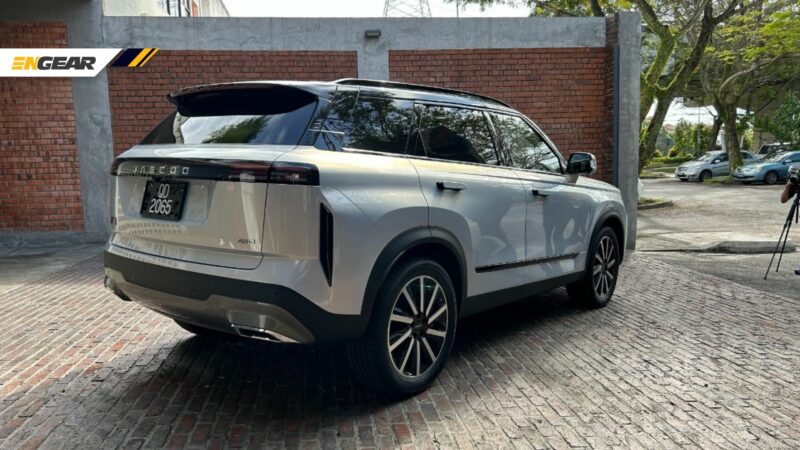
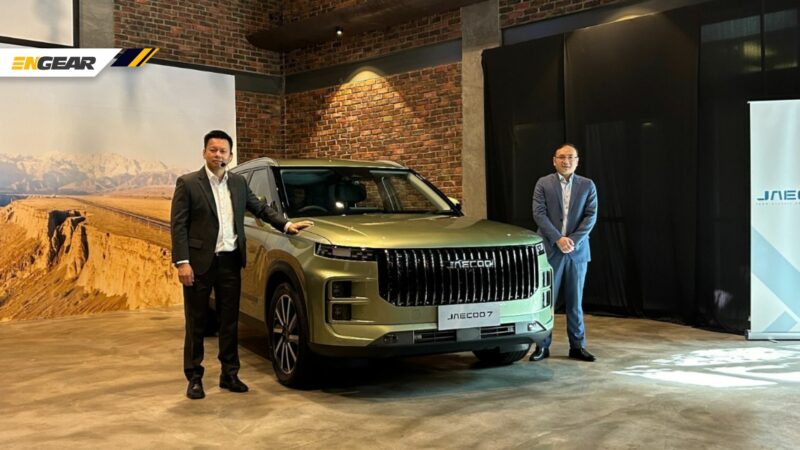
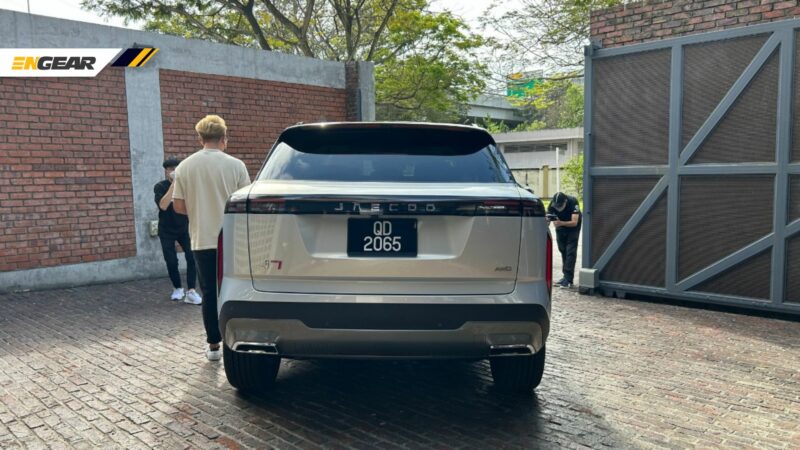
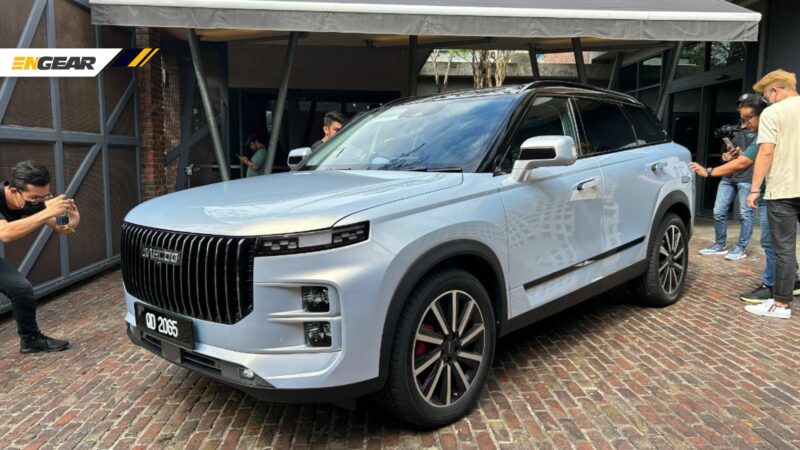
CHERY has introduced its second global model, the Omoda 7, at its headquarters in Wuhu, located approximately 1,100 km from Beijing where the Auto China 2024 was held.

Much like the Omoda 5, the Omoda 7 is also an SUV, and according to Chery, it will be launched in the market early next year.

In terms of size, the Omoda 7 has a larger footprint than the Omoda 5, with a length of 4,621 mm, width of 1,872 mm, height of 1,673 mm, and a wheelbase of 2,700 mm.

Being the smaller stablemate, the latter has a length of 4,400 mm, width of 1,830 mm, height of 1,588 mm, and a wheelbase of 2,630 mm.

Back to the Omoda 7, Chery says it adopts a “Stylish 360°” design language, which features a low-slung posture and a sophisticated fastback silhouette to appeal to the younger demographic.

Some of the notable design elements include a parametric grille with a hexagonal pattern, a two-tone colour scheme, and a sharp taillight design featuring an “Electric Energy” graphic.

Inside, you will find a steering wheel designed based on the PlayStation 5 controller and a 15.6-inch screen that can slide from the centre console towards the front passenger.

Meanwhile, its seats are inspired by gaming chairs and wrapped in nubuck leather. Other niceties include a 12+2 speaker audio system that offers a concert hall-like audio experience, a four-zone voice command function, a smart fragrance system, and noise cancellation (ENC) technology.

Powering the Omoda 7 is a TGDi 1.5-litre four-cylinder engine with a plug-in hybrid system. Technical details such as power and torque were not disclosed, but according to Chery, this powertrain offers an “extreme energy saving” mode, allowing it to achieve a driving range of up to 1,200 km on a full tank and battery.

The driver assistance and safety features include ADAS with 18 features, Auto Parking, and six airbags. The SUV is also said to have a torsional stiffness of 25,000 N·m/degree.

Mercedes GLE450 4Matic refreshed for Malaysian market – RM529k, CKD

Mercedes-Benz Malaysia (MBM) has announced the arrival of the GLE 2024 in the local market. This medium-sized premium SUV is offered in the single variant of GLE450 4Matic, priced at RM528,888.

Assembled at the MBM plant in Pekan, Pahang, the 2024 Mercedes GLE450 has been enhanced both externally and internally compared to the previous model. Updates include redesigned front and rear lights, bumper design, and grille.

It also comes with the AMG Line package, featuring 21-inch AMG rims, larger brakes, and sporty cladding on the wheel arches. The GLE450 2024 is now available in four color options: Obsidian Black, Selenite Grey, High-tech Silver, and a new “highlight” color, Manufaktur Diamond White Bright.

The engine remains the same with a 3.0-liter turbo 6-cylinder in-line and a mild-hybrid system, but the output is now higher at 381hp and 500Nm of torque. Power is transmitted to all wheels through a 9-speed automatic gearbox and the 4Matic system.

The 48-volt Integrated Starter Generator system will provide an additional 20hp and 200Nm boost, allowing this large SUV to reach 100km/h in just 5.6 seconds. The maximum speed is limited to 250km/h.

The Airmatic air suspension system still comes as standard, along with adaptable damping controlled by the Dynamic Select button.

On the interior, the Mercedes GLE450 4Matic is equipped with the latest touch-sensitive steering wheel, the MBUX system with a 12.3-inch screen, and connectivity for Apple CarPlay and Android Auto.

Other features include Artico leather and microfiber upholstery, Anthracite wood trim, air vents with chrome finishes, and a Burmester 590-watt audio system with 13 speakers and Dolby Atmos.

The SUV also comes with MBUX Navigation Premium with AR (augmented reality) display, as well as the Driving Assistance Package Plus, which includes Active Steering Assist, Evasive Steering Assist, and PRE-Safe Impulse Side.

Lamborghini Urus SE is an 800 PS plug-in hybrid super SUV

LAMBORGHINI’s best-selling model, the Urus, is now available in a plug-in hybrid variant, offering the highest power in its range and a significant reduction in emissions.

Known as the Urus SE, it is powered by the same 4.0-litre twin-turbo V8 engine but with the addition of an electric motor inside the 8-speed automatic transmission.

According to Lamborghini, the engine has been reworked to work in optimal synergy with the electric powertrain. The engine alone produces 620 PS and 800 Nm, while the electric generates an additional 192 PS and 483 Nm. The combined output is a whopping 800 PS and 950 Nm.

Performance-wise, the Urus SE accelerates from 0-100 km/h in 3.4 seconds (0.1 seconds faster than the Urus S) and reaches a top speed of 302 km/h (7 km/h faster than the Urus S).

While these figures are remarkable, the title of the fastest Urus still belongs to the Performante, which is capable of completing the century sprint in 3.3 seconds and reaching a top speed of 306 km/h, despite having only 666 PS.

The Urus SE is equipped with a 25.7 kWh lithium-ion battery located beneath the boot floor, providing this super SUV with an electric driving range of over 60 km in EV mode. Despite offering the highest power in the Urus lineup, this variant exhibits an 80% lower level of emissions.

Also debuting on the Urus SE is the new centrally-located longitudinal electric torque vectoring system with an electro-hydraulic multi-plate clutch, which distributes driving torque variably and continuously between the front and rear axles.

The transfer case works in synergy with the new electronic limited-slip differential installed on the rear axle, giving the vehicle “on demand” oversteering to convey the feel of a purebred super sports car.

Suzuki Jimny 5-Door now open for booking in Malaysia

NAZA Eastern Motors, the official distributor of Suzuki vehicles in Malaysia, recently uploaded a teaser image for an upcoming model set to enter the local market soon.

Although the puzzle in the teaser is incomplete, it clearly shows that the vehicle in question is in fact the Suzuki Jimny 5-Door.

According to the caption in the post, order books for the off-road mini SUV are now open. However, the official launch date is yet to be announced.

The specifications for the Malaysian market are still unknown at the time of writing, but looking at the spec sheet for the international market, we know that the Jimny 5-Door comes with the familiar K15B 1.5-litre four-cylinder petrol engine producing 102 PS and 130 Nm.

The engine is available with both manual and automatic transmission options, but for our market, we expect the Jimny 5-Door to be offered only with the automatic gearbox just like the 3-Door.

Needless to say, the Jimny 5-Door has a larger footprint than its 3-Door sibling with a length of 3,985 mm and a wheelbase of 2,590 mm. However, the width, height, and ground clearance all remain at 1,645 mm, 1,720 mm, and 210 mm, respectively.

With the longer body, the approach angle of the Jimny 5-Door is reduced from 37 to 36 degrees, while the breakover angle decreased from 28 to 24 degrees.

Nevertheless, the larger dimensions mean the 5-Door offers a larger boot space of 211 litres (compared to 85 litres in the Jimny 3-door) and a more spacious rear passenger legroom.

No hint of pricing yet but it will be slightly higher than the 3-Door, which is sold starting at RM168,900 for the Rainforest Edition.

Mazda CX-80 arrives in Europe, three-row SUV with inline-six engine

Mazda has finally completed their offering of a new generation SUV through the launch of a model that offers a three-row seating arrangement – the Mazda CX-80.

This mid-size SUV is Mazda’s fourth model to utilize the Large Product Group’s rear-wheel-drive platform, following the models CX-60, CX-70, and CX-90.

Unlike the CX-70 (with two rows of seating) and CX-90 (with three rows of seating) models, which share similarities in terms of dimensions, the CX-80 introduces larger dimensions compared to the CX-60.

The Mazda CX-80 measures five meters in length, with a wheelbase of around three meters, compared to the CX-60, which has dimensions of 4,745 mm in length and a wheelbase of 2,870 mm.

The CX-80 can be distinguished by the longer rear passenger door and window dimensions, followed by more prominent chrome accents on the sides.

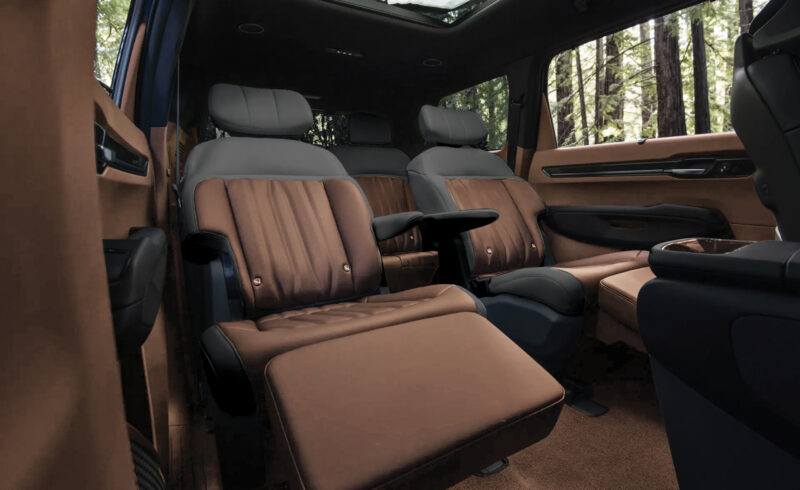
This latest Mazda SUV offers a three-row seating arrangement, with a capacity for six to seven passengers at a time. Buyers can opt for a regular second-row seat (3 individuals), or accommodate two individuals with captain’s chairs and a center console.

There is also a configuration with two seats, where the middle space is left empty without a console to facilitate movement to the back. To maximize cargo space, the two third-row seats can be folded flat.

For the European market, the Mazda CX-80 offers the same powertrain specifications as the CX-60 model, with the option of a mild hybrid diesel engine or a plug-in hybrid (PHEV) powertrain.

The base version comes with a 3.3-liter in-line six-cylinder diesel engine producing 251 hp and 550 Nm, coupled with the 48V M Hybrid Boost mild hybrid system, all-wheel drive, and an 8-speed automatic transmission.

The more powerful version features the e-Skyactiv PHEV powertrain, consisting of a 2.5-liter in-line four-cylinder engine, electric motor, 17.8 kWh battery pack, with a total power output of 323 hp and 500 Nm.

The Mazda CX-80 PHEV is capable of offering an emission-free range of up to 60 km, with 0-100 km/h acceleration in just 6.8 seconds. Due to its shared platform with the Mazda CX-60, the layout of the dashboard also resembles what is offered in the two-row seating SUV model.

In addition to the use of premium materials, the Mazda CX-80 also offers advanced infotainment system equipped with Alexa voice control, support for Apple CarPlay and Android Auto, a 12.3-inch digital cluster screen, Bose sound system, and power outlets in the cargo space.

As standard, the Mazda CX-80 offers a space of 258 liters, and can reach a capacity of up to 1,220 liters when the third-row seats are folded flat. Need more space? Just fold down the second-row seats, and you’ll get a cargo space of 1,971 liters.

Pre-sales for the Mazda CX-80 are expected to start in May, and it will be arriving at dealerships towards the autumn season of this year. Mazda is also expected to launch the CX-80 model in the Japanese and Australian markets towards the end of this year.

2025 Nissan Qashqai receives facelift, fresher new looks

Nissan’s important model in Europe, the third-generation Qashqai, has just received a facelift update for the 2025 model, bringing a fresher look to its exterior appearance.

At first glance, the facelifted front end of the Nissan Qashqai reminds us of another crossover model produced by Nissan, namely the Ariya EV.

Compared to the previous model, Nissan has made changes to this area by removing the V-Motion chrome grille element, where the main grille structure has now increased in size and features a lattice design inspired by ancient Japanese military shields.

The graphic element of the daytime running lights (DRL) in the shape of an arrow is still retained but with a more ‘digital’ approach. The main headlamp units appear well concealed.

Regarding the rear, the changes are minimal, with the Qashqai showcasing different LED graphic light units, followed by a more sporty bumper.

As standard, the Qashqai comes with 18 to 19-inch wheel sets, while the new N-Design variant is equipped with 20-inch wheel sets.

Moving into the cabin, there is not much that has changed, except for the Android-based infotainment system that now offers Google Maps navigation and Google Assistant.

The Around View Monitor surveillance system now supports a three-dimensional display function, including an engine heads-up display (HUD) and a memory function for frequently used parking locations.

Unfortunately, there have been no changes made to the powertrain, where the Nissan Qashqai still retains the choice of a mild hybrid 1.3-liter engine (138 hp) or a 1.5-liter E-Power hybrid engine (187 hp).

The 2025 facelifted Nissan Qashqai is still being produced at the Nissan Sunderland plant in the UK and is expected to arrive in the European market in the near future.

Mercedes-Maybach GLS 600 launched from RM1.9 million

MERCEDES-BENZ Malaysia has introduced its Dream Cars Collection for 2024, which is made up of four exciting models.

The first is the ultra-luxurious full-sized SUV, the Mercedes-Maybach GLS 600 4Matic, available at a starting price of RM1,918,888.

This model can be distinguished from the standard version by the vertical chrome bars and “Maybach” lettering on the radiator grille, Maybach pattern on the air inlet grille, and 23-inch multi-spoke forged wheels.

The GLS 600 is available with an extensive range of paint options including the distinctive Maybach two-tone paint.

Standard features include Multibeam LED headlights with Adaptive Highbeam Assist Plus and a panoramic sunroof. Also onboard are power closing doors which pulls the doors gently and almost silently into the lock.

The Manufaktur leather package enhances the cabin’s luxurious flair with Nappa leather upholstery on the seats and headliner, along with high-quality diamond pattern stitching on the centre sections of the seat surfaces and backrests,

For Mercedes-Maybach, customers get to choose between the Manufaktur Crystal White/Silver Grey Pearl or Manufaktur Mahogany Brown/Machhiato Beige colour combinations for the interior.

Special for rear passengers are a pair of Executive seats equipped with leg rests and a massage function. Passengers are separated by an arm rest housing temperature-controlled cup holders and a refrigerated compartment.

In addition, passenger comfort is assured with an ambient lighting that extendes to the roof liner, as well as the Acoustic Comfort package that significantly reduces disruptive exterior noise.

The MBUX multimedia system brings the Widescreen Cockpit, consisting of the instrument display and the media display, a head-up display with augmented reality (AR) for navigation, and two 11.6-inch displays and a tablet for rear passengers.

Powering the Maybach GLS 600 a 4.0-liter biturbo V8 engine producing 557 PS at 6,000 rpm and 770 Nm of torque from 2,500 to 4,500 rpm. It is assisted by a mild hybrid system generating an additional 22 PS and 250 Nm.

According to Mercedes-Benz, this behemoth of an SUV is capable of accelerating from 0 to 100 km/h in 4.9 seconds, with a top speed reaching 250 km/h.

For the chassis, this one utilizes a combination of the Airmatic air suspension system and E-Active Body Control for comfortable driving. It also features Magic Vision Control, which provides a clear view thanks to heated wiper blades and wiper hoses.

The driver assistance and safety systems include features such as Guard 360°, the Driving Assistance Package, Mirror Package, Active Distance Assist Distronic, the Parking Package with a 360-degree camera, and Pre-Safe Impulse Side.

Proton X90 makes debut in Bangladesh

PROTON has announced that the X90 has been launched in Bangladesh on February 29. This is the fourth export market for the automaker’s flagship SUV after Mauritius, South Africa, and Brunei.

Held in the capital city of Dhaka, the event was officiated over by H.E. Haznah Md. Hashim, High Commissioner of Malaysia to the People’s Republic of Bangladesh, Dr Li Chunrong, Chief Executive Officer of Proton and Romo Rouf Chowdhury, Group Managing Director, Rancon Holdings Limited, the exclusive distributor for Proton in Bangladesh.

Two variants of the X90, the six-seat Flagship and seven-seat Premium, are offered to buyers, and to date, 25 units have already been registered in less than two weeks following its unveiling.

In a statement, Proton states that there is optimism for its first New Energy Vehicle (NEV) to carve out a market niche prior to local assembly (CKD) operations starting later in the year.

“Proton is confident Rancon Holdings is the perfect partner for Proton to be successful in Bangladesh. They are already establishing a sales and after sales network and will invest in a manufacturing line to locally assemble Proton vehicles in the future,” said Dr. Li Chunrong.

“With more offerings in the pipeline, as well as our commitment to support all facets of the partnership, we aim to be a the top-3 brand in Bangladesh within three years,” he added.

A critical component to Proton achieving its lofty targets in Bangladesh will be the setting up of an assembly line. Aside from allowing its products to qualify for more favourable tax rates, a new plant also encourages the development of skilled local workers while energizing the vendor ecosystem through technology transfers.

Operations are targeted to begin as early as 2024, with strict production standards enforced to ensure the output matches the quality of vehicles built in Tanjong Malim.

“To ensure product quality in export markets that have local assembly are the same as the vehicles built in Malaysia, Proton is leaning on its experience of using the Volvo Global Quality Standard, which has been instrumental in improving the quality of our products,” said Dr. Li.

Chery Tiggo 7 Pro now open for booking, to be priced under RM130k

CHERY Auto Malaysia has confirmed that the Tiggo 7 Pro will be launched in the local market by the end of May, with an estimated price of below RM130,000.

The C-segment SUV, which will compete with the likes of the Proton X70 and the Honda CR-V, is now open for bookings and will be showcased at Chery showrooms nationwide starting this April.

As previously reported, the Tiggo 7 Pro is powered by a 1.6-litre turbocharged four-cylinder engine that produces 197 PS and 290 Nm of torque. This engine is paired with a seven-speed dual-clutch transmission tasked to drive the front wheels.

Interestingly, during its business briefing event held in January, Chery claimed that the Tiggo 7 Pro is capable of accelerating from 0 to 100 km/h in 8.3 seconds. However, the specifications shared recently stated a significantly different century sprint time of 9.5 seconds. We will seek clarification from Chery regarding this matter.

Additionally, the model is said to be capable of reaching a maximum speed of 205 km/h. The company also claims a fuel economy of 7.0 litres per 100 km.

In terms of features, the Tiggo 7 Pro will come equipped with LED headlights and taillights, sequential turn signals, diamond-like inserts on the grille, and two-tone 18-inch alloy wheels.

Inside, you will find leatherette upholstery, a 24.6-inch display with Apple CarPlay and Android Auto, a 50W wireless charger, a multi-colour ambient lighting system and a Sony audio system with eight speakers.

Additionally, there are USB Type-A and Type-C ports, a panoramic sunroof, Remote Engine Start, Walk Away Auto Lock, and three driving modes: Eco, Normal, and Sport.

In terms of safety, the Tiggo 7 Pro comes with ADAS 2.5 safety suite, which includes features such as:

  • Autonomous Emergency Braking
  • Multi Collision Brake
  • Blind Spot Detection
  • Door Opening Warning
  • Traffic Jam Assist
  • Intelligent High Beam Control
  • Front Collision Warning + Rear Collision Warning
  • Adaptive Cruise Control + Integrated Cruise Control
  • Lane Departure Warning + Lane Departure Prevention
  • Lane Change Assist + Emergency Lane Keep Assist
  • Rear Cross Traffic Alert + Rear Cross Traffic Brake

Also included are seven airbags, a 540-degree panoramic camera system, Hill Start Assist Control and Hill Descent Control.

The Tiggo 7 Pro will be available in four exterior colours, namely Bloodstone Red with a black roof, Vanilla Blue, Carbon Black, and Khaki White with a black roof.

Volkswagen Touareg returns to Malaysia – CKD, RM470k

VOLKSWAGEN Passenger Cars Malaysia (VPCM) has officially launched the Volkswagen Touareg R-Line, marking the re-entry of the flagship SUV into the local market after more than a decade.

We’re getting the facelifted third-generation model introduced globally in May of last year, in a sole R-Line variant.

The Touareg R-Line is locally assembled in Pekan, Pahang, and comes with a rather hefty price tag of RM469,990, including the Volkswagen Assurance Package (VAP).

The Touareg has a more aggressive look thanks to the R-Line package, redesigned front section, ‘R’ insignias on the doors and grille, and 20-inch Braga alloy wheels.

The design of the rear end is also sharper with its continuous horizontal LED strip for the taillight clusters. The rear VW logo is now illuminated in red, a first as this was previously only available in markets such as China and the US.

There are also new IQ.Light HD Matrix headlights, which have more than 38,000 interactive micro-LEDs to illuminate the road more precisely than ever before. In addition, entry and exit puddle lighting illuminates the ground by the doors with the Volkswagen logo.

Taking centrestage inside is the Innovision Cockpit, which consists of a 12.3-inch Digital Cockpit instrument display in front of the driver and a 15-inch touchscreen featuring the Discover Pro Max infotainment system and Wireless App-Connect.

Other creature comforts include wireless charging, five USB-C Type C ports with 45W capacity, four-zone air conditioning, Active Climate seats for the driver and front passenger, and the 730W Dynaudio Consequence audio system with an 80W amplifier and 13 speakers including a subwoofer.

The Touareg R-Line is powered by a 3.0-litre V6 TSI engine producing a respectable 340 PS and 450 Nm, delivered to the wheels via an 8-speed automatic transmission and the 4Motion all-wheel-drive system.

Air suspension with Automatic Self-Levelling is standard. Aside from providing comfort, it automatically adapts the vehicle height to match terrain conditions and can lower the ride height by 40 mm for easier loading or unloading of cargo. Wading level is an impressive 550 mm.

Safety-wise, the Touareg comes equipped with the IQ.Drive system offering features such as Adaptive Cruise Control, Autonomous Emergency Braking Front Assist, Automatic Post-Collision Braking, Lane Assist, Lane Keeping, Park Assist, Front Cross Traffic Assist, and Rear Cross Traffic Alert.

Also included is Night Vision, which provides uses an infrared sensor in the camera to detect thermal signatures from humans or animals up to 130 metres ahead to keep the driver aware of potential collision.

The Touareg is available in five exterior colours, namely Lapiz Blue, Silicon Gray, Grenadilla Black, Oryx White and Dolomite Silver.

The aforementioned Volkswagen Assurance Package includes five years free maintenance, five years unlimited mileage warranty, and five years complimentary roadside assistance.