Volvo has officially unveiled its latest SUV, the 2026 XC70, marking the start of the pre-sales for the Chinese market.
Built on the Scalable Modular Architecture (SMA) platform, the Volvo XC70 is no longer just a high wagon, as seen in its previous versions.
For the Chinese market, the XC70 is equipped with a plug-in hybrid (PHEV) powertrain, featuring a 1.5-liter turbo engine (161 hp/255 Nm) paired with an electric motor and a 3DHT transmission.
Specifications are as follows:
Two-Wheel Drive Variant
Power: 318 hp
Acceleration 0-100 km/h in 8 seconds
Battery pack: 21.2 kWh
Zero-emission range: 116 km
Fuel consumption: 1.27L/100 km
Four-Wheel Drive Variant
Power: 462 hp
Three electric motors
Acceleration 0-100 km/h in 5.3 seconds
Battery pack: 39.6 kWh
Zero-emission range: 212 km
Fuel consumption: 0.98L/100 km
Additional features include support for AC charging at 7 kW, fast DC charging at 87 kW (0-80% in as little as 23 minutes), a fuel tank capacity of 60 liters, and four driving modes (Hybrid, Sport, Electric, and Off-road).
As a mid-size crossover, the XC70 has dimensions of 4,815 mm in length, 1,890 mm in width, 1,650 mm in height, and a wheelbase of 2,895 mm.
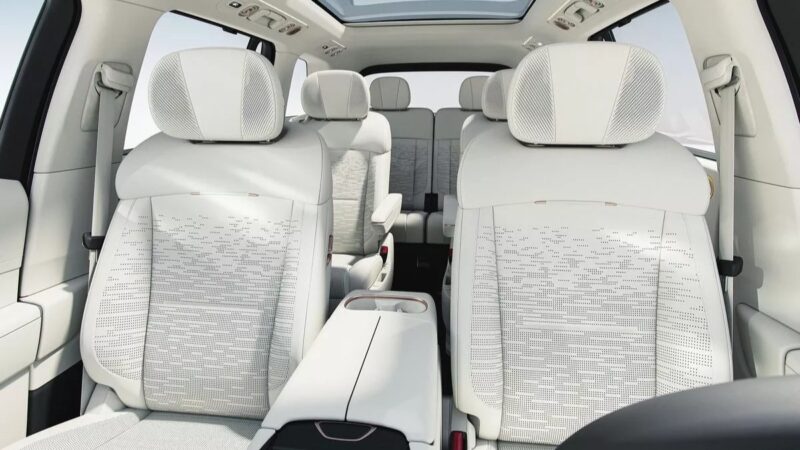
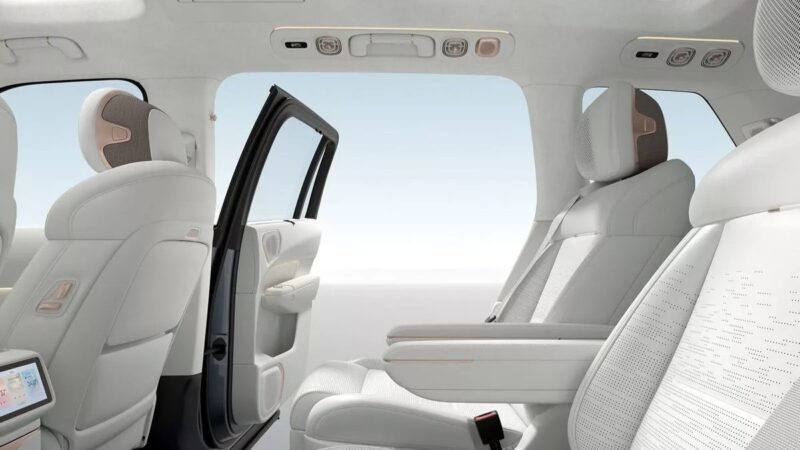
Inside, the cabin features a 12.3-inch digital cluster screen, a 15.4-inch central display, a 9.2-inch HUD display with augmented reality (AR), a Harman Kardon audio system with 23 speakers, a panoramic glass roof, and 50W wireless device charging.
The starting price for the Volvo XC70 PHEV 2026 is 299,900 yuan (RM177,000) for the 2WD version, and goes up to 329,900 yuan (RM196,000) for the 4WD version.
Great Wall Motor (GWM) has officially launched its off-road SUV model with a plug-in hybrid system, the Haval Raptor PHEV 2026, for the Chinese market.
To note, the off-road SUV Haval Raptor was first introduced in the Chinese market in 2023, featuring a design very similar to the Haval H9.
However, unlike the H9, which uses a body-on-frame construction, the Haval Raptor boasts a unibody construction, with slightly larger dimensions compared to the Haval H6.
What changes can we expect in the Haval Raptor PHEV 2026?
1. Updated Design
This facelift version comes with several cosmetic changes.
For instance, it features more squared-off headlights and a completely new grille structure, complete with LED strips beneath the Haval emblem.
The rear lights have also been refreshed, now showing 300 LED ‘beads’.
Additionally, each wheel arch displays an exposed ribbed design, followed by a new 19-inch wheel rim design.
The full-size spare tire option is available only for the highest variant.
2. Interior
Among the changes in the cabin are a new two-spoke steering wheel design, a gear shift lever on the steering column, a 12.3-inch digital cluster screen, and a 14.3-inch central screen featuring Coffee OS 3.
Other features include electrically adjustable seats with heating and ventilation functions, second-row seating with adjustable recline angles (27° & 32°), a panoramic glass roof, and a W-HUD display screen.
The top-tier Ultra Navigator variant receives additional features, including a fish-eye camera system, radar, 12 ultrasonic sensors, and a TDA4VH 32TOPS chip for highway driving assistance at speeds of up to 150 km/h.
3. Engine
The Haval Raptor 2026 is equipped with a 1.5-liter turbo engine (154 hp/243 Nm) and two electric motors.
The total power output reaches 443 hp and torque of 750 Nm, allowing for acceleration from 0 to 100 km/h in just 5.9 seconds.
There are seven driving modes available, including Standard, Eco, Sport, Snow, Mud, Sand, and 4WD, supported by an intelligent Hi4 torque vectoring system and improved snow driving algorithms.
4. EV Driving Range up to 200 km
The brand-new 35.43 kWh ternary lithium battery pack fitted in the Haval Raptor allows the SUV to be driven without a drop of petrol for up to 200 km.
There are also options for battery packs with capacities of 18.74 kWh (driving range 102 km) and 27.54 kWh (driving range 145 km), carried over from the previous offerings.
5. Price
In China, the Haval Raptor 2026 is priced starting from RMB 173,800 (approximately RM102,328) to RMB 208,800 (approximately RM122,935).
In comparison, its competitor, the Jetour Shanhai T2, is priced from RMB 179,900 (approximately RM105,920).
In addition to the Jaecoo J5 model, Omoda | Jaecoo Malaysia is set to launch another SUV model, the Omoda C9 Plug-In Hybrid (PHEV) variant, this year.
While the non-hybrid variant comes equipped with a 2.0L turbo engine (261 PS/400 Nm), the PHEV variant features a 1.5-liter engine paired with three electric motors.
The total power output reaches 605 PS and torque measures 915 Nm, enabling acceleration from 0 to 100 km/h in just 4.9 seconds.
With a three-speed hybrid DHT transmission, the Omoda C9 PHEV boasts fuel consumption as low as 1.7 liters per 100 km.
Its 34.46 kWh Lithium Iron Phosphate (LFP) battery pack offers an emission-free range of up to 150 km, contributing to an overall driving range of 1,100 km.
Additionally, it supports AC charging of up to 6.6 kW and fast DC charging of up to 70 kW.
Like the C9 ICE model, the C9 PHEV is also equipped with MacPherson strut and multi-link suspension setups, as well as a Continuous Damping Control (CDC) system that can adjust suspension response up to 100 times per second.
There are up to seven driving modes available to adapt to current driving conditions.
The estimated selling price for the Omoda C9 PHEV is around RM220,000.
For reference, the standard Omoda C9 variant starts at RM168,000 for the 2WD version, and RM188,000 for the all-wheel drive (AWD) version.
Chery Malaysia has announced the introduction of its plug-in hybrid (PHEV) technology, known as the Chery Super Hybrid (CSH).
This CSH technology will be offered on two new models set to be launched soon: the facelifted Tiggo 7 and Tiggo 8.
Here are some key facts you should know:
1. Key Components
The CSH technology features a 1.5-liter turbo engine (141 hp/215 Nm) paired with an electric motor (201 hp/310 Nm), producing a total power output of 342 hp and torque of 525 Nm.
Additionally, it includes a Dedicated Hybrid Transmission (DHT) that offers an efficiency level of up to 98 percent, along with an 18.3 kWh lithium-ion phosphate battery pack.
2. Zero Emission Driving Mode
With the combination of the aforementioned components, the system can provide a zero-emission driving range of up to 90 km.
The total driving range of the PHEV system can reach up to 1,200 km, thus alleviating the range anxiety typically experienced by EV owners.
3. Charging Time
The CSH supports AC charging at 6.6 kW, allowing the battery to charge from 30 to 80 percent in three hours.
Meanwhile, the DC fast charging at 40 kW enables the battery to charge from 30 to 80 percent in just 19 minutes.
Alternatively, owners can use a standard 3-point domestic plug to charge from 10 to 100 percent in 8.5 hours.
4. Three-Continent Testing
To prove the safety level of the CSH PHEV battery system, Chery has initiated a Global Safety Challenge across three continents.
The first phase of testing took place in China, where a Tiggo 9 PHEV underwent extreme tests, including rollovers and front collisions, a stack of seven vehicles, side impact at 55 km/h, a vertical drop from 4.9 meters, and salt spray testing for 720 hours.
The second phase was conducted in Indonesia, focusing on flood resistance.
Here, the CSH battery was submerged in a tank of seawater 1 meter deep for 53 hours to test its waterproof level, chemical stability, and heat management under high-pressure environmental conditions typical in flood-prone areas.
The battery was then reinstalled in a Tiggo 8 PHEV and driven to demonstrate its resilience.
The third phase of testing will be held in Mexico, where the Tiggo 7 PHEV CSH will face underbody friction tests in highland areas.
This is aimed at assessing the level of protection for the battery components and system stability at higher altitudes.
In addition to the previously mentioned locations, Chery will further expand the Global Safety Challenge into additional key markets, including South Africa and Brazil.
5. What’s New on the Facelifted Tiggo 7 & Tiggo 8?
The Chery Tiggo 7 PHEV features several updates, including new headlights, a different rim design, a new front grille and bumper, rear lights with new graphics, a redesigned tailgate, and a new rear bumper and diffuser.
The dashboard layout is nearly identical to that of the petrol-powered Tiggo 7.
The facelifted Tiggo 8 incorporates updates such as a new headlight unit, a completely redesigned front grille and bumper, hidden door handles, a new rim design, a redesigned diffuser, and trapezoidal exhaust tips.
Inside the cabin, the Tiggo 8 PHEV features a 15.6-inch central screen, a separate digital cluster screen, a new dashboard design, a center console housing a wireless device charger, as well as a gear shift lever relocated to the steering column.
While other manufacturers have begun to neglect the sedan segment, there are still some who believe that there is a demand for such models.
One of these is Geely, which has introduced a new sedan model, the Galaxy A7.
This D-segment sedan, which will challenge the Honda Accord and Toyota Camry, is offered exclusively in a plug-in hybrid version that boasts a driving range of up to 2,100 km.
The Galaxy A7 features a PHEV setup that consists of a 1.5-liter engine, an electric motor, and a battery pack, with Geely claiming a fuel consumption rate as low as 2 liters per 100 km.
Several local media reports suggest that Geely will provide the Galaxy A7 with various LFP (lithium-iron phosphate) battery pack options, offering a zero-emission range of up to 120 km.
In terms of dimensions, the Galaxy A7 measures 4,918 mm in length, 1,905 mm in width, and 1,495 mm in height, with a wheelbase of 2,845 mm.
The exterior design of the A7, particularly the front, somewhat resembles that of the facelifted Proton Perdana that was introduced in 2016.
The headlight housing is more streamlined, contrasting with the rear units that feature more complex graphics.
As standard, the Galaxy A7 will be available with wheel sizes ranging from 17 to 19 inches.
The cabin space features a minimalist dashboard layout, highlighted by a large cluster display and infotainment screen, accompanied by physical control buttons on the center console.
This PHEV sedan is set to be officially launched this year, with an estimated selling price of around RMB 100,000 (RM 58,801), significantly cheaper than the Camry, which is priced at RMB 179,800 (RM 105,725).
Will this sedan emerge as a potential replacement for the Proton Perdana in the future?
In addition to the AMG GT 63 4MATIC+ Coupe, Mercedes-Benz Malaysia has also launched the SL 63 S E Performance roadster, priced at RM2,168,888.
This marks the fifth model to feature AMG’s E Performance hybrid technology, paired with a 4.0-liter V8 engine that produces a total output of 816 hp and 1,420 Nm of torque.
The acceleration from 0 to 100 km/h is achieved in just 2.9 seconds, and it can reach a top speed of 317 km/h.
The 204 hp electric motor positioned on the rear axle is powered by a 6.1 kWh battery.
With its PHEV system, the roadster can travel up to 13 km without consuming a drop of petrol. It also includes features such as an energy recovery system and single-pedal driving capability.
There are up to eight driving programs available through the AMG Dynamic Select system, including Electric, Battery Hold, Comfort, Smoothness, Sport, Sport+, Race, and Individual.
Handling is enhanced by the AMG Active Ride Control suspension, AMG Aerodynamics Package, AMG composite ceramic brake system, adaptive rear spoiler, and active rear-axle steering.
On the exterior, the SL 63 AMG roadster is equipped with Digital Light headlamps, AMG Night Package II, an Exterior Carbon Package, 21-inch AMG cross-spoke wheels, and carbon fiber side mirror housings.
Inside, the SL 63 AMG cabin features a 2+2 seating configuration with Nappa leather and Microcut microfiber upholstery, an AMG Performance steering wheel, a display screen with AMG-themed menus, and an Airscarf function specifically designed for convertible models.
Earlier this month, Volvo announced the return of the iconic XC70 nameplate, complementing its existing SUV model lineup.
The XC70 is no longer a crossover wagon; instead, it has transformed into a true SUV model.
The Volvo XC70 is the first Volvo vehicle built on the Scalable Modular Architecture (SMA) platform. This platform has previously served as the foundation for the Lynk & Co 07 and 08 models.
According to information disclosed on the website of China’s Ministry of Industry and Information Technology, the Volvo XC70 PHEV will measure 4,815 mm in length, 1,890 mm in width, 1,650 mm in height, and have a wheelbase of 2,895 mm.
There will be options for 19-inch or 20-inch wheels.
Utilizing the SMA platform, the Volvo XC70 features a plug-in hybrid (PHEV) system that includes an electric motor and a 1.5-liter engine developed by Aurobay.
For your information, Aurobay is now part of the Geely-Renault joint venture known as Horse Powertrain.
For the Chinese market, there will be two battery pack options.
The base variant will come with a 21.22 kWh LFP CATL battery, allowing for an all-electric range of 100 km (CTLC data).
Meanwhile, the top variant will feature a 39.63 kWh NMC battery pack, enabling the XC70 to travel 180 km without a drop of petrol.
In terms of design, the XC70 adopts the styling used in the XC90 facelift, such as the Thor hammer-designed headlights and vertical LED taillight graphics.
It also features hidden door handles and a frameless window design.
Currently, the Volvo XC70 is being developed specifically for the Chinese market, responding to the growing demand for PHEV models with longer electric ranges there.
Great Wall Motor (GWM) has updated its offerings for the 2025 off-road SUV model, the Tank 300, introducing a brand-new diesel engine variant for customers.
The Tank 300 diesel is powered by a 2.4-liter turbo engine that delivers 181 horsepower and 480 Nm of torque.
With a nine-speed automatic transmission (9AT), the Tank 300 is said to provide a smoother driving experience, boasting an efficiency rate of up to 97 percent!
In addition to the 2.0-liter turbo petrol variant (217 hp/380 Nm), the Tank 300 is also available in a Hi4-T plug-in hybrid version.
The total output of the Tank 300 Hi4-T can reach 402 hp and 750 Nm of torque, achieving 0-100 km/h acceleration in just 6.7 seconds and offering an emissions-free range of up to 105 km.
Ten driving modes are also available.
Significant changes have been made to the cabin, with the Tank 300 now featuring a 14.6-inch infotainment screen powered by a Qualcomm Snapdragon 8155 chip, a 12.3-inch digital cluster display, a column-mounted gear shifter, and a new steering wheel.
Additionally, it includes a 12-speaker audio system, Coffee OS 3 operating system, active noise cancellation, and Nappa leather seating.
Due to the relocation of the gear shifter and the revamped layout of the functional buttons on the center console, the cockpit now appears more spacious and tidy.
In terms of exterior design, the 2025 Tank 300 retains the same aesthetic as the existing model, but it adds a new desert yellow color option.
In China, the starting price for the 2025 Tank 300 is 199,800 yuan (RM122,070), with the diesel variant starting from 234,800 yuan (RM143,454), and the Hi4-T variant starting at 249,800 yuan (RM152,618).
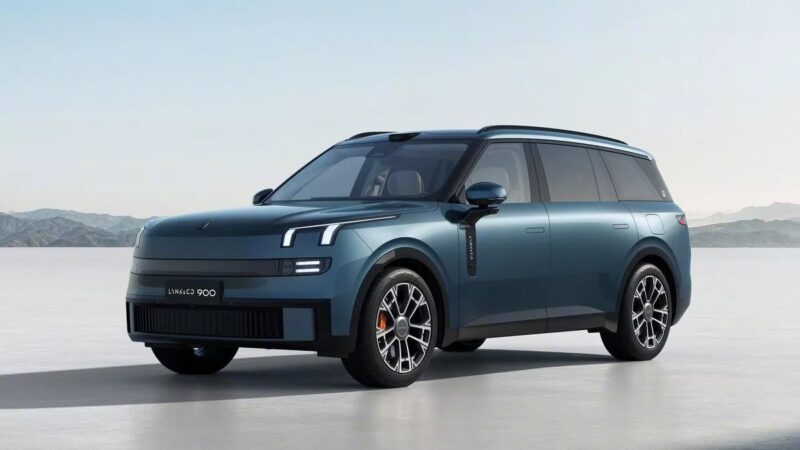
The Lynk & Co 900 is a luxury SUV with a six-seat configuration that is set to enter the Chinese market this March.
Built on the SPA Evo platform, the Lynk & Co 900 measures 5,240 mm in length, 1,999 mm in width, and 1,810 mm in height, with a wheelbase exceeding three meters (3,160 mm).
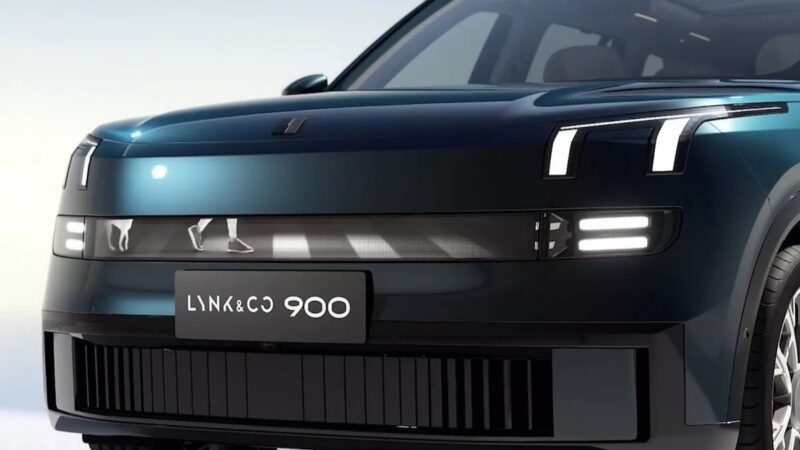
On the exterior, this SUV features design elements commonly found in Lynk & Co models (as well as Zeekr).
For instance, it boasts sharp LED daytime running lights, followed by low-mounted headlights positioned in the bumper.
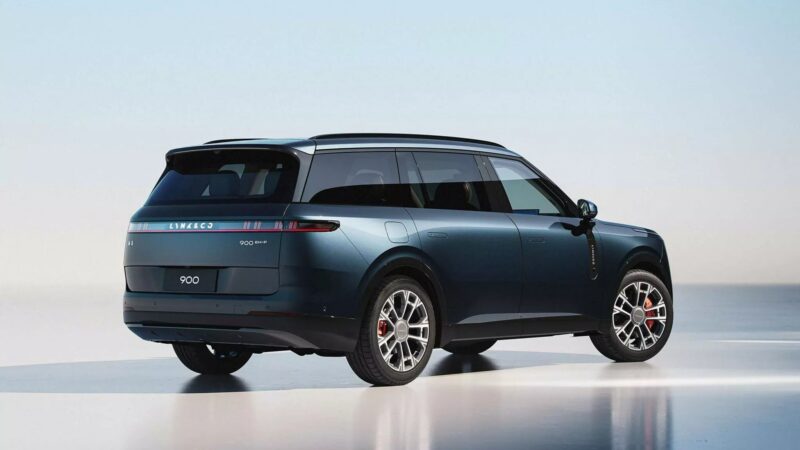
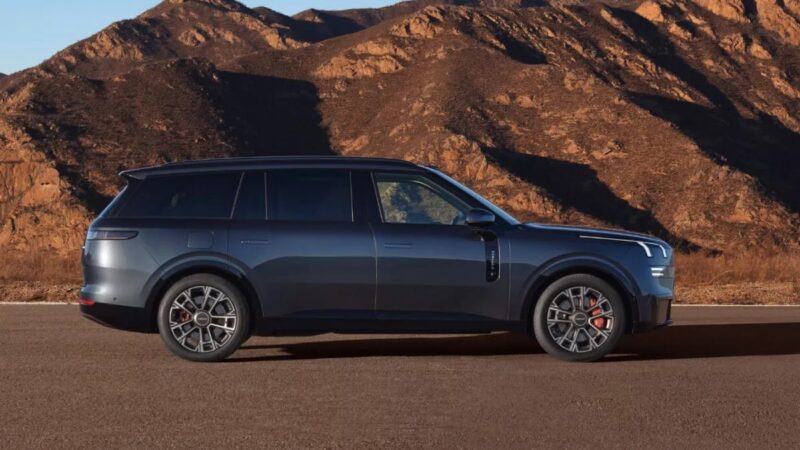
From a side view, the Lynk & Co 900 incorporates design elements inspired by the Range Rover, while the rear presents a more streamlined lighting unit.
Three plug-in hybrid (PHEV) powertrain options are available for buyers.
The base variant of the Lynk & Co 900 comes with a 1.5-liter turbo engine paired with two electric motors (215 hp front/308 hp rear), producing a total power output of 710 hp.
There is also a 2.0-liter turbo engine option, with the first version paired with a 165 hp electric motor in the front, followed by a 308 hp electric motor at the rear axle, bringing the total power output to 724 hp.
The most powerful version is equipped with three electric motors, including a 165 hp front motor and a pair of 215 hp rear motors, generating a staggering 845 hp!
This top variant is said to accelerate from 0 to 100 km/h in just four seconds.
The interior of the Lynk & Co 900 features a rather unique dashboard layout.
For the driver, there is a relatively small 12.66-inch digital cluster screen, while front passengers enjoy a large 30-inch floating display with a 6K resolution.
Additionally, it includes two wireless charging slots, ambient lighting, and a floating armrest on the door panel.
For second-row passengers, a small screen is provided on the center console, and a 30-inch 6K display that can be concealed in the roof lining.
As of now, the retail price for the Lynk & Co 900 SUV has not yet been announced.
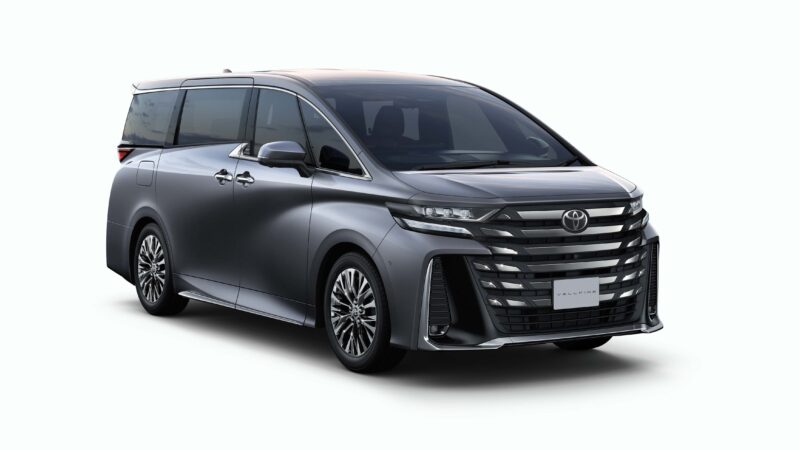
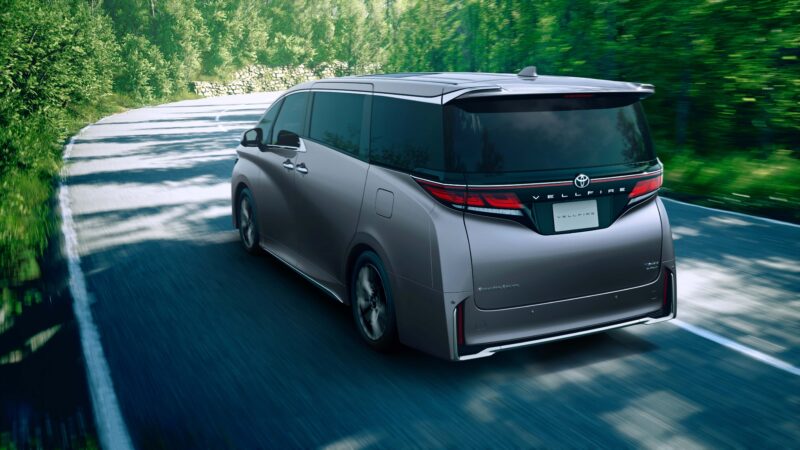
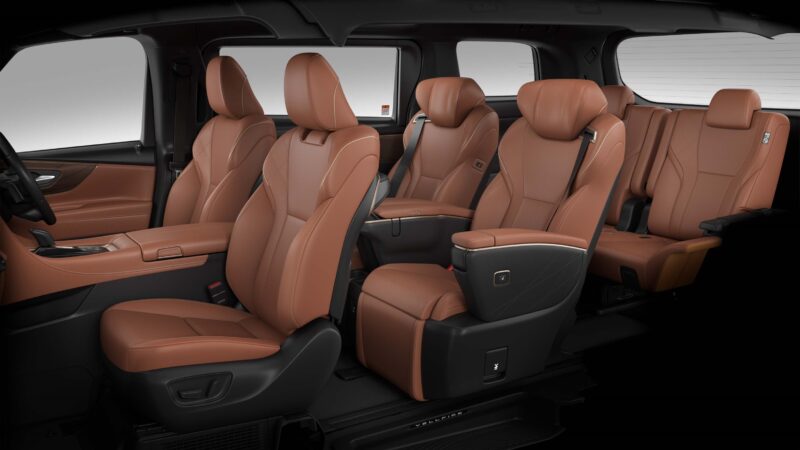
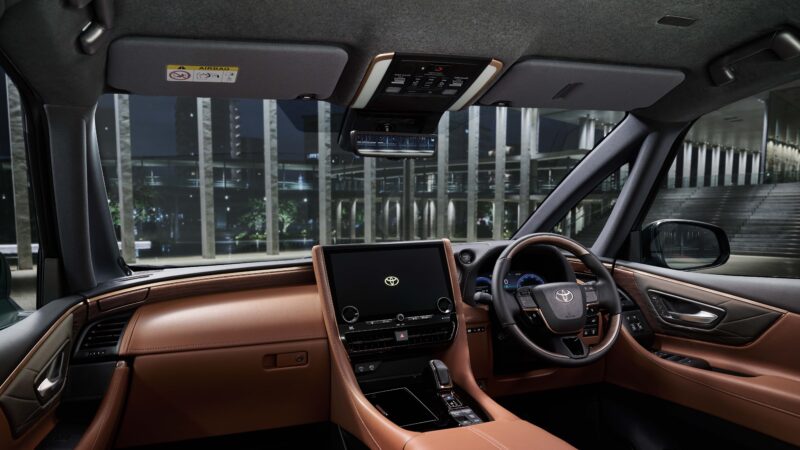
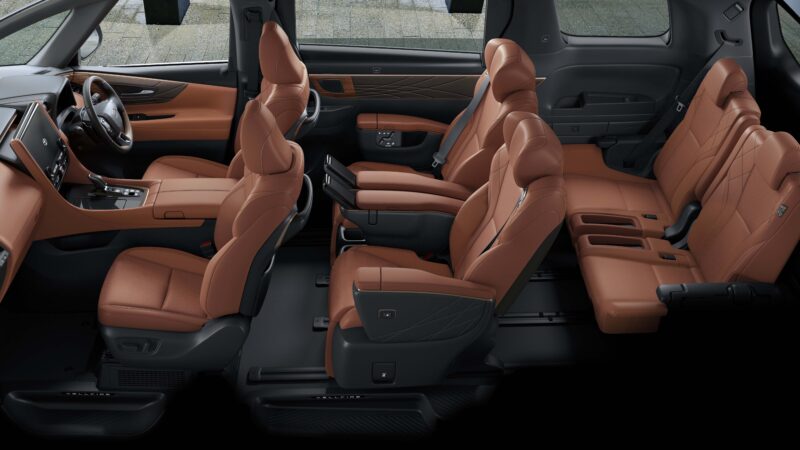
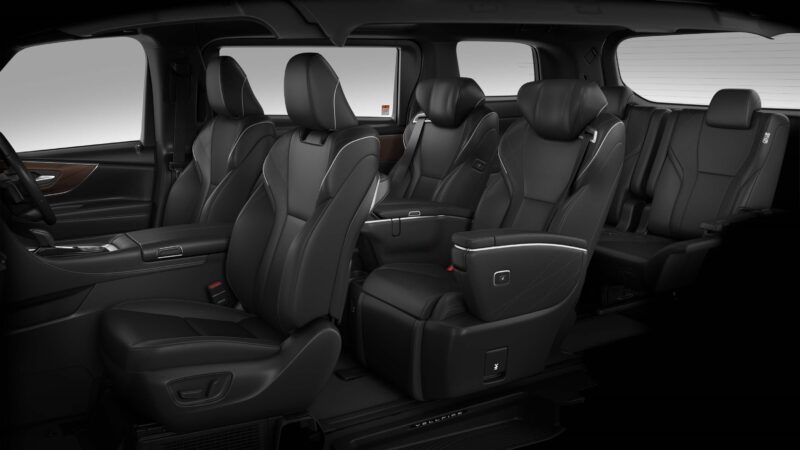
Toyota has announced its latest update, introducing the 2025 model year Alphard/Vellfire with a plug-in hybrid (PHEV) engine option.
This PHEV configuration combines a 2.5-liter engine (A25A-FXS) with an electric motor and a lithium-ion battery, capable of providing an electric driving range of up to 73 km on a full charge.
Overall, the system can generate a power output of up to 306 PS.
Like Toyota’s conventional hybrid vehicles, the BEV mode is prioritized to achieve lower fuel consumption rates of 16.7 km/liter (or 5.98 liters/100 km).
According to Toyota, the lithium-ion battery pack is positioned under the floor to maximize cabin space and lower the center of gravity by 35 mm compared to the HEV model.
Charging the battery (up to 80 percent) takes approximately 38 minutes.
In addition to offering a quieter driving experience (with added sound insulation), enhanced comfort, and reduced vibrations, Toyota has introduced the Smooth Stop control feature, which prevents nose-dive effects during deceleration to ensure passenger comfort.
The PHEV model also features “My Room Mode,” allowing users to enjoy a comfortable cabin space for working, resting, or engaging in other activities while charging.
Along with the Vehicle-to-Load (V2L) function, both the Alphard and Vellfire PHEVs are equipped with a Vehicle-to-Home (V2H) feature for emergency purposes, where a full tank of fuel and a charged battery can provide power for up to 5.5 days.
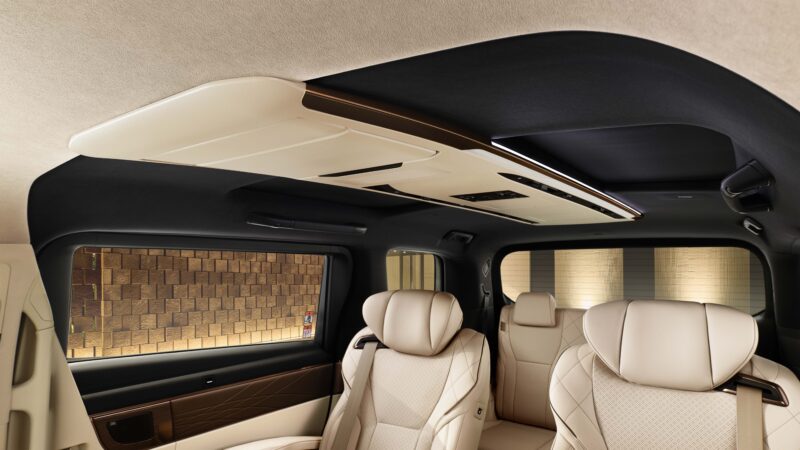
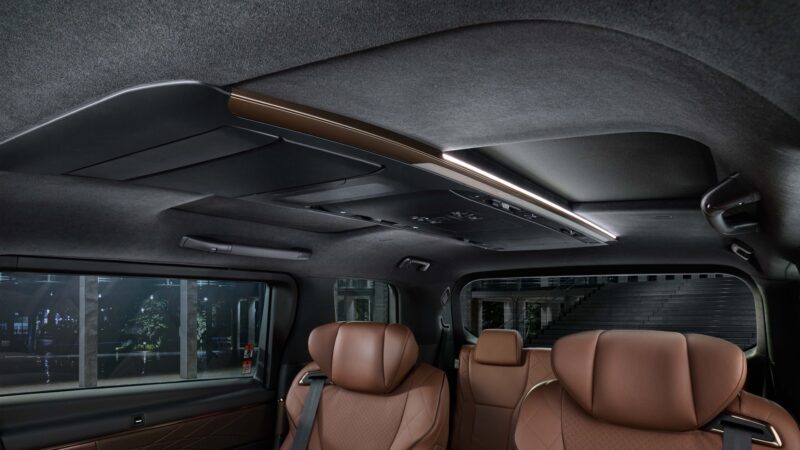
Other enhancements include a Digital Inner Mirror system and front and rear dash cameras as standard features, followed by a premium JBL audio system with 15 speakers and a 14-inch rear infotainment system for the Z and Z Premier trims.
Toyota Auto Body also offers the Alphard Spacious Lounge, a four-seat version that provides more legroom and is equipped with various luxurious amenities.
In Japan, the retail price of the Alphard PHEV starts at JPY 10,650,000 (RM306,177), while the Vellfire PHEV is priced from JPY 10,850,000 (RM311,927).
Jaecoo Malaysia today began the preview session for the new J7 PHEV SUV model that will be launched this year, located at Sunway Pyramid.
The plug-in hybrid SUV will be sold at an estimated price of around RM170,000 for the 2WD version.
Unlike the standard J7, which comes with a 1.6-liter turbo engine, the J7 PHEV is equipped with a fifth-generation hybrid powertrain, consisting of a 1.5-liter turbo engine (141 hp/215 Nm), electric motor (201 hp/310 Nm), and an 18.3 kWh battery pack.
Overall, the J7 PHEV is capable of generating up to 342 hp and a torque of 525 Nm, with acceleration from 0-100 km/h in just 8.5 seconds and a fuel consumption rate as low as 4.9 liters/100 km.
According to Jaecoo, the J7 PHEV can operate in zero-emission mode for up to 106 km, with an overall range reaching 1,300 km on a full tank of fuel.
The 2WD version comes with three driving modes, namely Economy, Standard, and Sports.
In terms of exterior, the design of the J7 PHEV does not show significant changes except for the aerodynamic 19-inch rims (235/50 R19 tires) and the battery charging port on the right side.
It also retains the MacPherson front suspension setup followed by a multilink at the rear, and the same dimension size as the petrol J7 model.
The cargo space of the J7 PHEV has also increased to 500 liters and can reach up to 1,265 liters when the second-row seats are folded.
The J7 PHEV cabin features include a 10.25-inch cluster screen, a 14.8-inch infotainment screen with Apple CarPlay and Android Auto support, and dual-zone climate control.
The most advanced safety features included are automatic emergency braking, adaptive cruise control, driver monitoring system, emergency lane-keeping assistance, intelligent high-beam assistance, lane departure warning, rear traffic warning, and traffic jam assistance.
There are three available colors, including black (Carbon Crystal Black), white (Crystal White), and silver (Moonlight Silver), all with a black roof.
The Malaysian contingent and six other nations has successfully demonstrated that the Jaecoo J7 PHEV model is capable of traveling over 1,300 km on one tank of fuel and a full battery in a marathon event from Guangzhou to Wuhu, China last week.
The 13-hour journey, which began on October 16, witnessed the Jaecoo J7 PHEV achieving an emission-free distance of 125.2 km, or 19.2 km further than the official distance.
According to the specifications, the Jaecoo J7 PHEV is powered by a 1.5-liter TGDi engine with an electric motor, DHT (Dedicated Hybrid Transmission) transmission, and an 18.3 kWh battery pack, offering an electric driving range of 106 km, as well as the best fuel consumption rate in its class, approximately 5.99 liters per 100 km.
According to Jaecoo Malaysia’s Vice President, Emily Lek, “this success proves the excellence of Jaecoo’s Super Hybrid System (SHS) technology, which offers efficient and energy-saving driving and sets a new benchmark for efficient transportation.”
For the local market, the Jaecoo J7 PHEV will be offered in two variants, namely 2WD and AWD.
The 2WD variant comes with the options of Standard, Sport, and Economy driving modes, while the AWD version adds Sand, Mud, Snow, and Off-Road modes.
This plug-in hybrid SUV is set to be launched towards the end of this year, with distribution expected to start in February 2025.
In the coming weeks, Geely is set to launch its latest SUV model in the Galaxy series, the Galaxy Starship 7.
This SUV is built on the new Global Energy Architecture (GEA) platform that supports the super electric hybrid “Thor” technology, referring to the plug-in hybrid (PHEV) powertrain configuration.
The mentioned Thor system consists of a 1.5-liter engine and a single electric motor that drives the front wheels, paired with a battery pack sourced from SVOLT.
According to Geely, there are two battery pack capacity options available, namely a 19.09 kWh that can offer an electric range of up to 101 km, or a 28.94 kWh with a zero-emission range of 150 km.
In terms of dimensions, the Geely Galaxy Starship 7 measures 4,740 mm in length, 1,905 mm in width, 1,685 mm in height, with a wheelbase of 2,755 mm.
This makes the Galaxy Starship 7 almost as large as SUV models like the BMW X3 and Mercedes-Benz GLC-Class.
Despite its somewhat futuristic name, the design of the Geely Galaxy Starship 7 appears quite conventional, reminiscent of the Porsche Macan/Cayenne models, especially at the rear.
As for the cabin space, the Galaxy Starship 7 features a large central infotainment screen, followed by a smaller digital cluster screen behind the two-spoke steering wheel.
The central console houses a wireless device charging slot, main control buttons, cupholders, and storage space at the bottom complete with additional USB slots.
More information is expected to be revealed closer to the official launch later this year. The most important question – will this be rebranded into a Proton car?
Approximately a year after the announcement was made, Ford has officially launched the mid-size pickup truck Ford Ranger plug-in hybrid (PHEV) at the IAA Transportation 2024, Hannover.
The 2025 Ford Ranger PHEV is powered by the EcoBoost 2.3-liter turbo engine paired with a single 101 hp electric motor placed within the transmission bellhousing.
Overall, this PHEV can generate up to 275 hp and 690 Nm, much more powerful than the existing petrol and diesel engines for the Ranger (except for the Raptor).
This power is transmitted to the wheels through a 10-speed automatic transmission and the e-4WD system, featuring a rear differential lock and a two-range transfer case.
The 11.8 kWh battery pack allows this pickup truck to travel emission-free for up to 45 km, with a full charge possible in less than four hours.
In addition to the regenerative braking function, the Ford Ranger PHEV is also equipped with the Pro Power Onboard system, enabling owners to use power tools, charge electronic devices, or use it as a generator for off-grid activities.
As standard, the Pro Power Onboard system provides 2.3 kW of power, with an option for 6.9 kW.
Due to the addition of the PHEV system, Ford engineers have tweaked the pickup truck’s suspension system, yet it is still capable of carrying a payload of up to 1 ton and towing loads of up to 3,500 kg.
Externally, the appearance of the Ford Ranger PHEV 2025 is identical to the standard Ford Ranger, except for the presence of a charging port located near the fuel tank cap on the rear fender.
At the same time, Ford has also launched the special edition Ranger Stormtrak exclusively for the Ranger PHEV.
Unique features include 18-inch alloy wheels, honeycomb patterns on the grille, special decals, PHEV badging, and the exclusive Chill Grey color.
Additionally, the Ranger Stormtrak is equipped with Matrix LED headlights, a Flexible Rack System in the rear bed, a B&O sound system with 10 speakers, a 12-inch infotainment screen, and a 360-degree surround-view camera.
The Ford Ranger PHEV will be produced at the Silverton plant in South Africa and will be exported to the markets in Australia, Europe, and New Zealand in time for the spring of 2025.
Cars with plug-in hybrid (PHEV) systems can offer unique benefits to buyers still hesitant to purchase EVs, but one lingering nightmare for some users is the relatively expensive cost of battery replacement.
This concern is particularly pronounced when they choose to purchase high-performance models such as Ferrari and Lamborghini supercars.
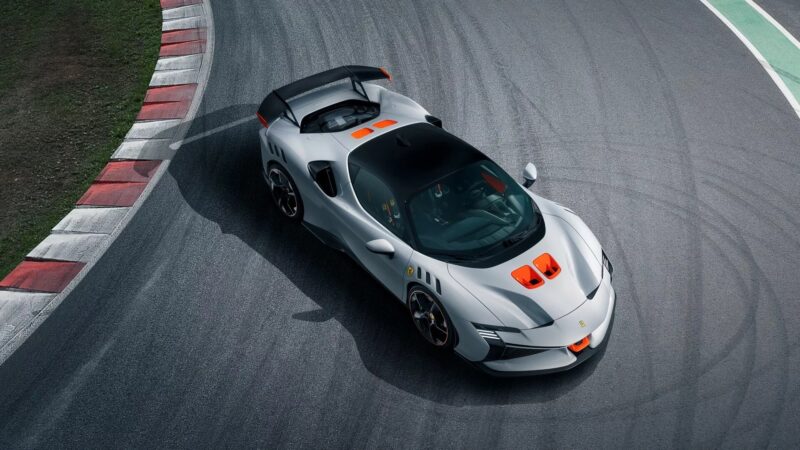
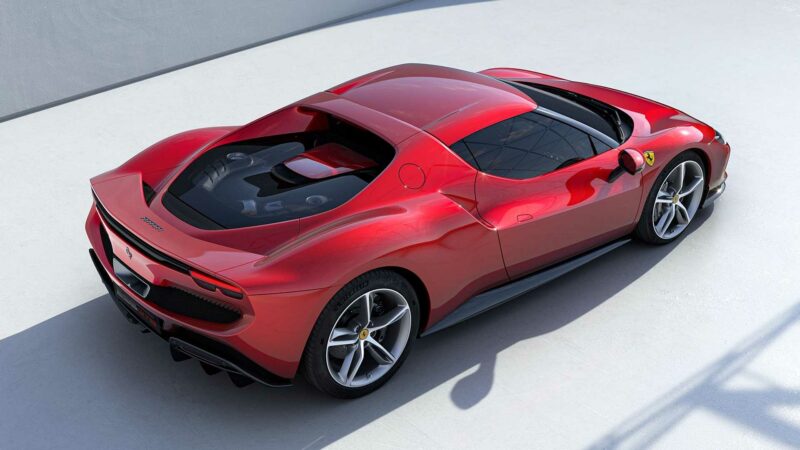
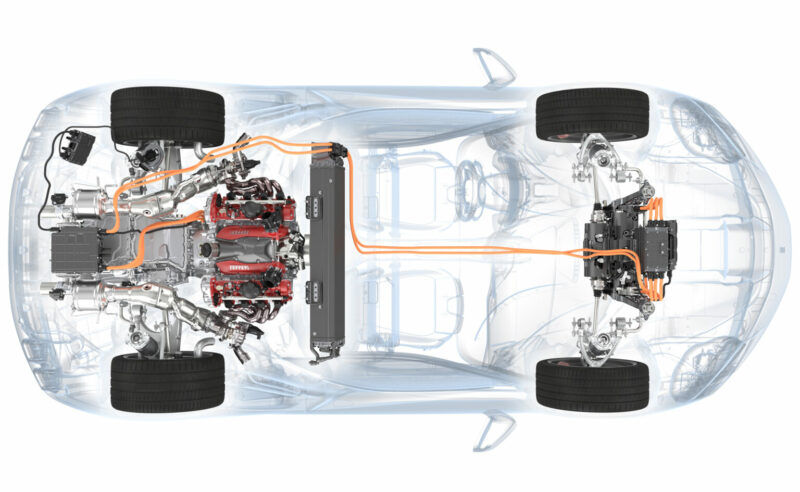
For Ferrari owners, the Prancing Horse brand now offers two extended warranty plans for PHEV models such as the SF90 Stradale, SF90 Spider, SF90 XX Stradale, SF90 XX Spider, 296 GTB, and 296 GTS.
The two plans in question are the Warranty Extension Hybrid and Power Hybrid, targeting Ferrari owners who want to maintain the performance and excellence of their hybrid sports cars over time.
The Warranty Extension Hybrid plan offers a warranty period of up to eight years of ownership, during which high-voltage batteries will be replaced at no additional cost.
Meanwhile, the Power Hybrid plan is a long-term plan that covers all main components, including the hybrid system, from the eighth to the sixteenth year.
This means that if the PHEV battery pack encounters issues in the sixteenth year, it will also be replaced free of charge.
Interestingly, in the future, supercar PHEV Ferrari owners may be able to enjoy much more advanced and sophisticated battery technology.
According to Ferrari, problematic high-voltage batteries will be replaced with new components that promise the same or even better performance than the original battery.
This long-term plan can also be transferred to any subsequent owner who purchases the supercar after the original owner sells it.
Ferrari also explains that this new plan is available for any supercar no longer covered under the original manufacturer’s warranty, but it requires a thorough technical inspection.
Malaysia’s Leading Automotive News | ENGEAR ENGLISH