Tag Archives: MPV

2024 Mitsubishi Xpander facelift, 3 things we dislike – Test Drive

For the information of our readers, Mitsubishi Motors Malaysia has recently launched the facelifted version of the Xpander a few weeks ago.

A test drive review has also been published by us, and you can read the details through THIS link.

However, behind the positive aspects that we highlighted in the test drive article, there are a few shortcomings that can be improved and enhanced for the benefit of users in Malaysia.


1. Lackluster Acceleration

The Xpander facelift maintains the four-cylinder in-line 1.5-liter MIVEC engine producing 105 PS and 141 Nm of torque, paired with an automatic gearbox – similar to the pre-facelift model.

Therefore, the driving dynamics have not changed significantly, and the acceleration aspect is not the most powerful in its class.

For those with a heavy right foot, this Xpander facelift may not live up to expectations, especially when navigating hilly terrains.

However, for casual driving, it is more than sufficient, especially since the Xpander is fuel-efficient if driven correctly.


2. Headlights Look More Modern, but…

One thing the writer appreciates about the Xpander facelift is its updated and aggressive exterior design.

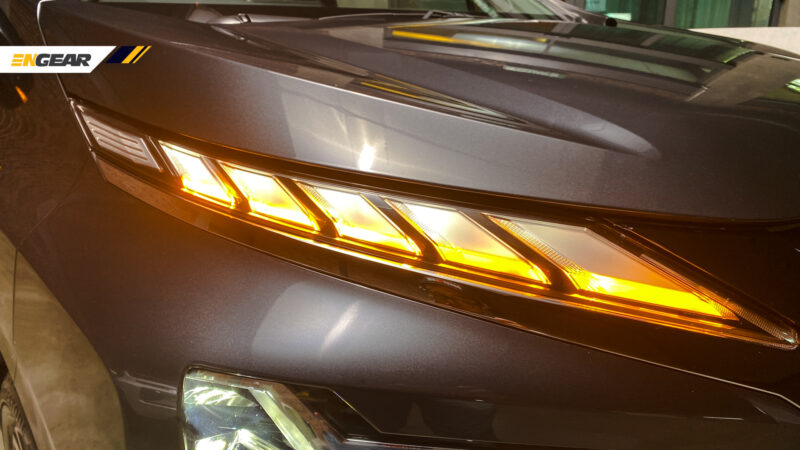
The headlights now feature a horizontal T-shaped design, while the daytime running lights are more advanced and brighter compared to the previous model which used fog lights as DRLs.

However, the downside is that the DRLs are integrated with the turn signals.

When the turn signals are activated, it may be difficult to see, especially for oncoming drivers, due to the DRLs not being dimmed together.


3. Price Factor and Included Features

The pricing factor might also make some users hesitant to acquire this latest Xpander model.

Its competitor, the Perodua Alza, starts at RM62,500, while its counterpart, the Veloz, is priced at RM95,000.

For budget-conscious consumers, this Mitsubishi Xpander might be overlooked due to its relatively higher price tag compared to its competitors, priced at RM99,980 even though it is assembled in the Pekan, Pahang plant.

Another aspect that we find challenging to deny is the standard safety factor present in this MPV model.

For the facelift version, the Xpander only offers very basic specifications, with just two airbags, while other competitors offer up to six airbags and more advanced ADAS features.

Regardless of the weaknesses listed in this article and the advantages present in the Xpander facelift, it is up to the readers to assess and choose the best option for their family’s use.

At the end of the day (and month), it is you who must take money out of your pocket, right?

Zeekr Mix electric MPV to launch in China this month – 422 hp, 712 km range

Introduced for the first time at the Beijing Autoshow in April, the Mix is Zeekr’s fifth model and the first built on the SEA-M architecture.

According to Zeekr, the SEA-M platform is a derivative of the original SEA platform, designed to support a wide range of mobility products from passenger vehicles like robotaxis and MPVs to commercial vehicles used for logistics.

The company stated that the development of this new platform involved an investment of over RMB 7 billion (approximately RM4.2 billion).

In terms of size, the Mix measures 4,688 mm in length, 1,995 mm in width, and 1,755 mm in height, with a wheelbase of 3,008 mm, providing ample and flexible cabin space.

Highlights on the inside include two swiveling front seats that can rotate 270 degrees, and a centre console that can be adjusted and transformed into a small table. The rear seats also feature leg rests and can be reclined.

What’s more, Zeekr claims that the Mix has the flattest in-cabin floor in the industry, offering users over 20 different cabin scenario modes.

Additionally, drivers can enjoy an advanced cockpit that includes a flat-bottom steering wheel, a digital instrument panel, a large touchscreen, wireless charging, and ambient lighting.

The Mix is powered by a single electric motor on the rear axle, generating an impressive 422 hp. With a 77 kWh battery supplied by CATL, the electric MPV can travel up to 712 km on a full charge.

However, it is important to note that the range is based on the CLTC cycle, which is less realistic compared to the NEDC and WLTP testing standards.

Reports indicate that Zeekr plans to launch the Mix in its home market on 23 October.

2024 Mitsubishi Xpander facelift, 5 things u need to know – First Drive

Despite arriving to the Malaysian market quite late, the Mitsubishi Xpander has managed to become the best-selling non-national MPV, with over 40,000 units sold.

We believe the influence of the Xpander will strengthen here with the introduction of the Xpander 2024 facelift model, which was launched last month.

Especially for fathers looking for a suitable vehicle for family use.

Last week, Mitsubishi Motors Malaysia invited media practitioners to experience the driving experience of the Xpander facelift heading towards Malacca.

Based on the drive, what we can conclude is that the Xpander facelift can still be an ideal vehicle for contemporary family use.

Here are 5 things u need to know after driving the Xpander facelift:


1. More modern exterior appearance


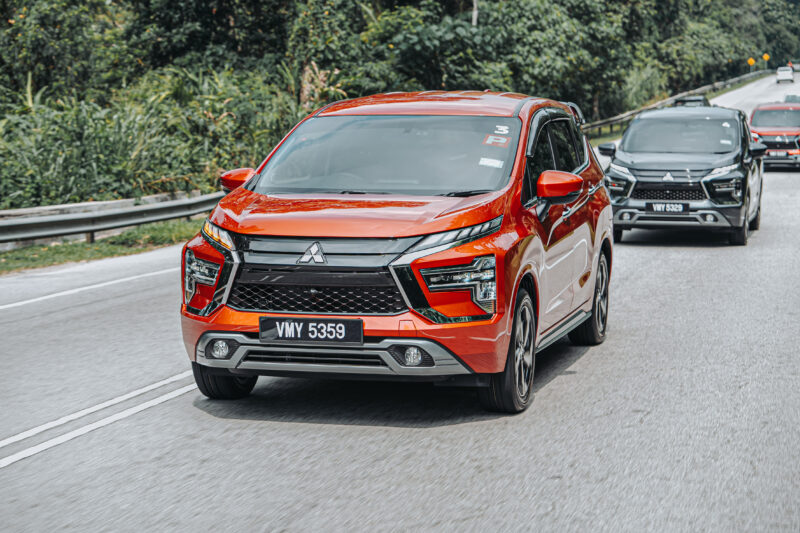
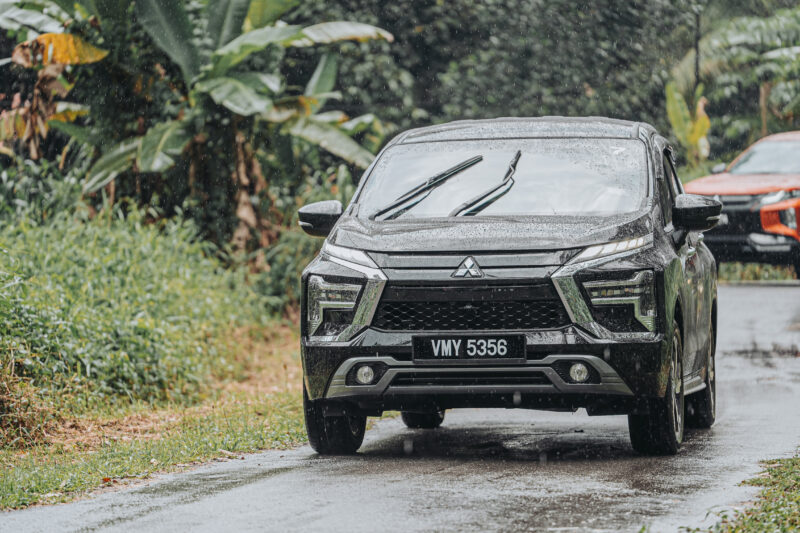
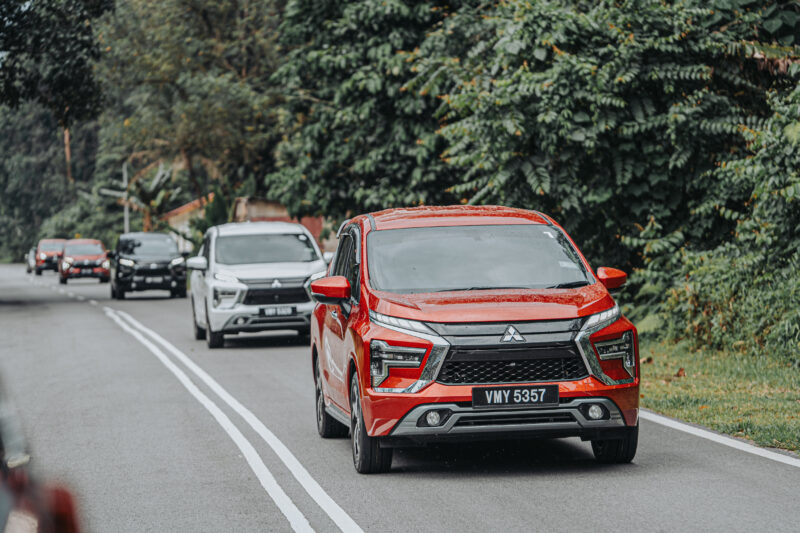
Overall, the design of the Xpander has not changed much, except for the front fascia that now features a more modern and sleek Dynamic Shield design.

The T-shaped LED headlamps are enhanced with a cluster of LED lights that combine daytime running lights (DRL) and turn indicator lights.

The grille design also looks sleeker on the facelift model.

For the rear end, the redesigned lamp shape now features a T-shaped graphic that contributes to the changes in the rearview mirror shape.

Those opting for the Xpander Plus variant will receive additional features such as window visors and a black rear spoiler that is not overly aggressive but still manages to provide a sporty image.

Lastly, all four wheel arches are fitted with 17-inch rims wrapped in Bridgestone Ecopia tires.


2. More refined cabin space

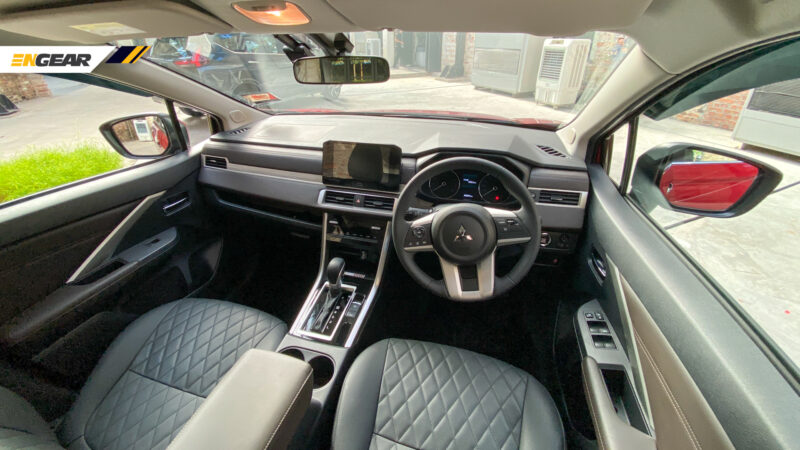
Significant changes have been made to the cabin space, where the layout of the dashboard is now more refined.

As standard, the Xpander facelift still offers a 9-inch infotainment screen, a 4.2-inch TFT cluster screen with analog meter display, climate control with a digital display, and a steering wheel inspired by the Evo X sedan.

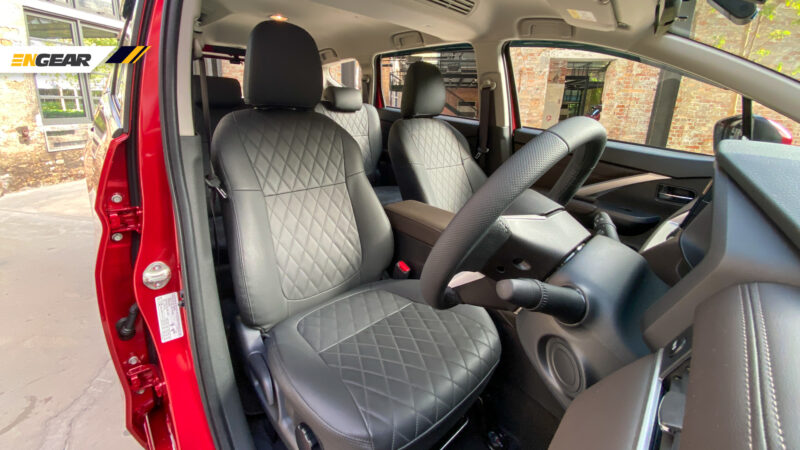
Despite coming with basic functions, the leatherette-wrapped seats remain comfortable to use, especially for long journeys.

The writer’s favorite feature is the available space provided when the new Xpander facelift replaces the physical handbrake with an electronic brake button.

It looks more organized and at the same time does not make the driving experience of this Xpander less practical.

You should know that the Xpander facelift now comes with several advanced features like wireless Qi smart device charging slot, front and rear driving recorders, and most importantly a 360-degree camera.

The use of soft-touch materials in certain areas also enhances a premium driving experience.


3. Practicality for the whole family

Compared to its competitors, the Xpander facelift has its own advantages, namely a more spacious cabin due to its larger dimensions.

There are no issues accommodating passengers in the third row seats as they are indeed comfortable to use.

If there are no additional passengers, the seats can be folded to provide a space of 837 liters, in addition to three additional hidden storage spaces in the cargo area.

Furthermore, there are plenty of small storage spaces provided around the cabin, especially in the door panels, small trays on the dashboard, a drawer under the front passenger seat, and small pockets behind the front seats.


4. Driving dynamics


What hasn’t changed with the Xpander facelift is the inline four-cylinder 1.5-liter engine producing 105 PS and 141 Nm of power, mated to a 4-speed automatic transmission.

Yes, it sounds somewhat outdated, considering that the average competitor is equipped with CVT or DCT transmissions.

It’s not the most modern gearbox, but it is retained to ensure owners need not worry about the durability and reliability of this component.

As a result, it can be said that the driving experience of the Xpander has not changed much in terms of power delivery and acceleration offered.


It still manages smooth gear changes, and at the same time, the issue of gear hunting does not haunt the driver during downshifts or hill climbs.

We experienced this on winding roads around Hulu Langat, but for regular highway driving, the engine and gearbox combination is more than sufficient.

At the same time, we can feel that the noise, vibration, and harshness (NVH) levels in the Xpander facelift cabin have improved compared to the previous model.

The engine noise is effectively filtered, while wind noise is only noticeable after exceeding 160 km/h.


5. Handling

Another aspect that makes the writer understand why the Xpander is the top choice is the comfort it offers.

If the previous Xpander already proved its own comfort for long journeys, this Xpander facelift takes it up another notch.

According to Mitsubishi, the rear suspension of this MPV has been retuned with larger shock absorbers to ensure a more comfortable driving experience.

It’s not surprising that we struggled to feel any significant roughness when the tires met uneven road surfaces.

To say the handling is on par with the Evo X would be a lie. But the Xpander facelift can be well-controlled on straight roads as well as on winding roads without disturbing the comfort of passengers in the back.


However, due to the higher ground clearance (225 mm), stability is felt to be somewhat lacking, especially when traversing crosswinds on the highway.

This may also be due to the use of Bridgestone Ecopia tires, which were felt to have less grip compared to the Toyo Proxes CR1 tires used in the previous model, although they are quieter.

One thing for sure, as a driver of the Xpander facelift, you need not worry about traversing uneven routes in rural and suburban areas, thanks to the higher ground clearance package compared to other competitors.

Based on the test drive conducted recently, the Mitsubishi Xpander 2024 facelift seems to be a viable choice for families in Malaysia, especially for those who prioritize comfort and practicality.


Mitsubishi Xpander 2024 (facelift) specifications
Engine: inline four-cylinder 1.5-liter MIVEC
Power: 105 PS @ 6,000 rpm
Torque: 141 Nm @ 4,000 rpm
Transmission: 4-speed Automatic
Drive: Front-Wheel Drive
Price: from RM99,980

BYD M6 electric MPV confirmed for Malaysia

BYD is set to further expand its electric vehicle lineup in Malaysia with a new MPV called the M6.

In a recent media Q&A session in Changsha, China, Liu Xueliang, General Manager of BYD Asia-Pacific Auto Sales Division, confirmed that the fully-electric MPV will enter the Malaysian market this year.

However, the exact launch date is still unknown, along with the specifications and variants that will be offered.

It is expected that the specifications for the Malaysian market will not differ significantly from those available in Indonesia and Thailand.

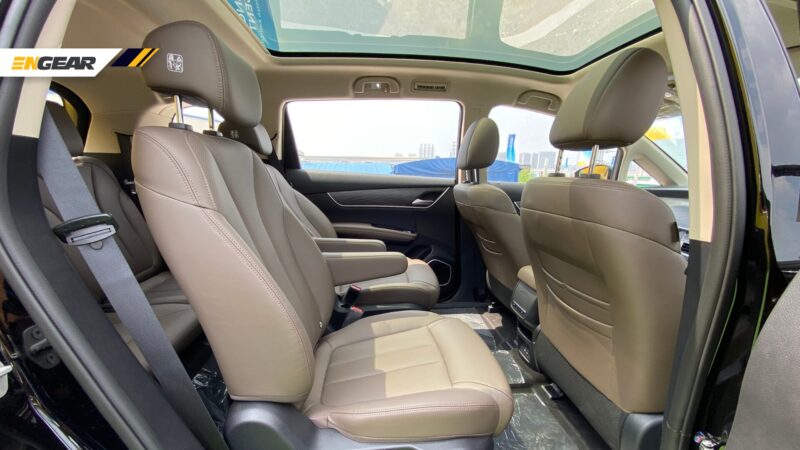
In Indonesia, the M6 can be hand in six- or seven-seat configurations, while in Thailand, it is available only as a six-seater.

Both markets offer two output variants. The base variant, powered by a front axle electric motor, has 163 PS and 310 Nm of torque, whereas the more powerful variant (known as Superior in Indonesia and Extended in Thailand) gets 204 PS and 310 Nm from the same single-motor setup.

As with other BYD EVs, juice for the motor is supplied by an LFP battery, with a capacity of 55.4 kWh for the base variant and 71.8 kWh for the Superior/Extended variants. This equals to an NEDC range of up to 420 km for the former and 530 km for the latter.

The base M6 supports 85-kW DC fast charging, while the Superior/Extended can accommodate up to 115 kW, allowing the battery to be charged from 10% to 80% in just 40 minutes. Meanwhile, AC charging is limited to 7 kW for both variants.

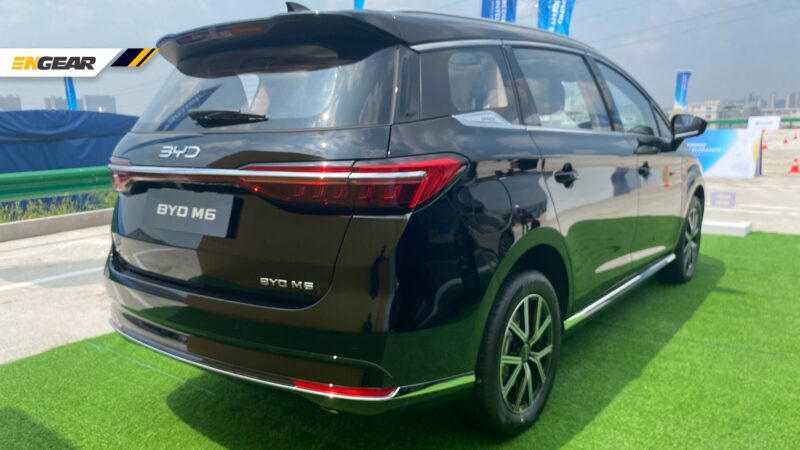
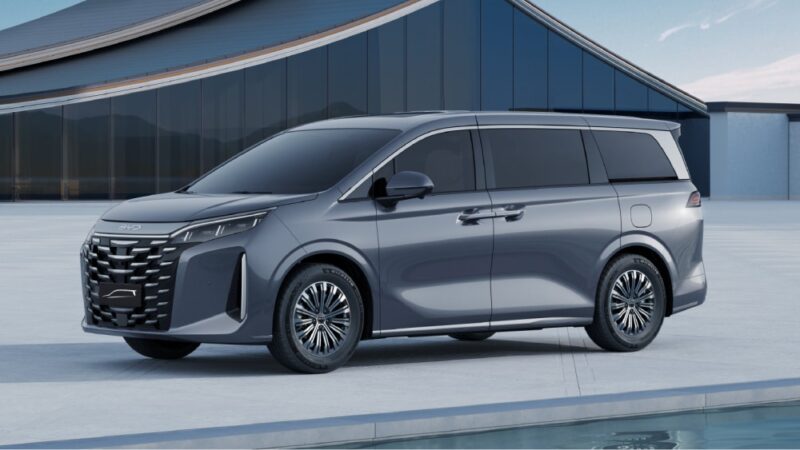
The M6 can be considered a replacement for the e6, which was supposed to launch in Malaysia after the Atto 3. Compared to the e6, its exterior design aligns more closely with recent BYD models, featuring a silver grille that connects to the projector LED headlights.

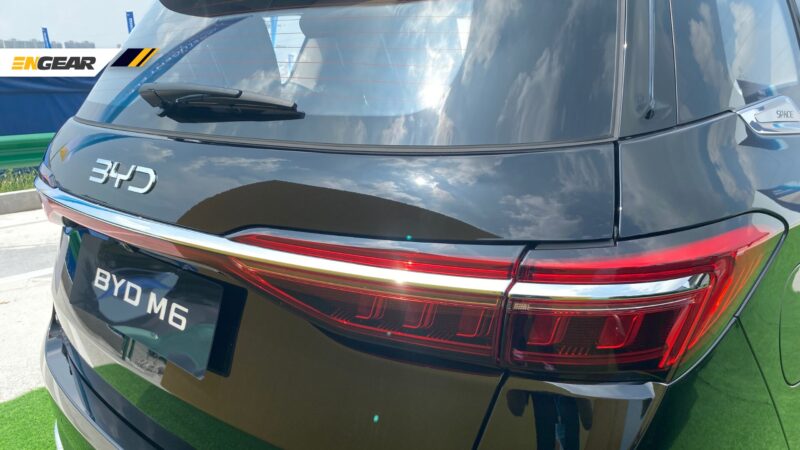
On the side, chrome trim is generously applied on the window frames and side skirts, while the rear boasts a full-width light strip accompanied by a chrome strip. Unlike the Atto 3, the M6 ditches the “Build Your Dream” wording with the more understated “BYD” badge.

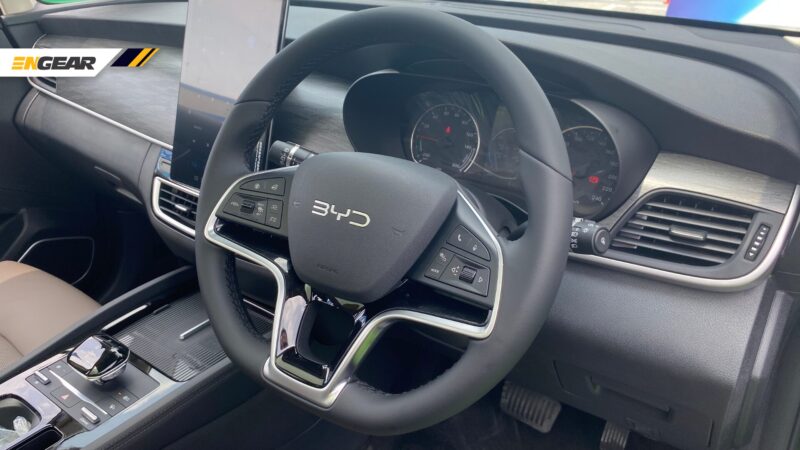
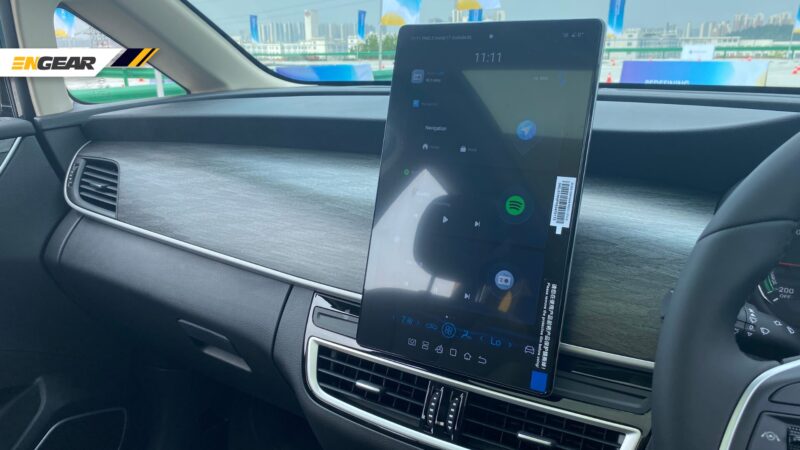
While the interior is evidently more conventional compared to the Atto 3 or Dolphin, the M6 still offers a comprehensive equipment list, which includes a 12.8-inch rotating screen, dual wireless charging, keyless entry, a panoramic glass roof, and automatic air conditioning, to name a few.

In terms of safety, the M6 comes equipped with six airbags and plenty of ADAS features such as Autonomous Emergency Braking, Adaptive Cruise Control, Lane Centring Assist, Emergency Lane Keeping Assist, and Blind Spot Monitoring.

As for pricing, the M6 is sold for between 379 million to 429 million rupiah (approximately RM102,968 to RM116,481) in Indonesia, while in Thailand, it starts from 829,900 baht to 929,900 baht (around RM106,014 to RM118,788).

Zeekr 009 opens for bookings, competing with Alphard/Vellfire, priced below RM370k

In addition to the Zeekr X, Zeekr Malaysia has also opened bookings for another electric model, the Zeekr 009 minivan.

Targeted as a competitor to the popular Alphard/Vellfire MPVs, the Zeekr 009 offers a package that is much more spacious, powerful, and at the same time, more affordable.

Two variants are offered, namely the Luxury with a seven-seater configuration, and the Ultra Luxury with six seats.

This electric MPV comes with twin electric motors producing 603 hp and 693 Nm, powering all wheels (AWD), achieving acceleration from 0-100 km/h in just 4.5 seconds.

The 116 kWh battery pack offers a driving range of up to 582 km (WLTP data), in addition to supporting fast DC charging at 150 kW (charging from 10 to 80 percent in 30 minutes).

The driving aspect of the Zeekr 009 is assisted by a double-wishbone multilink suspension system, electromagnetic air suspension, and automatic balancing function, along with matrix LED lighting with adaptive driving beam (ADB) and smart zone lighting functions.

The Zeekr 009’s cabin space is equipped with a 10.25-inch cluster meter, a 15.05-inch infotainment screen, a 35.95-inch augmented reality (AR) head-up display, a 17-inch OLED roof screen, Yamaha surround sound system, 50W wireless smart device charging, Apple CarPlay and Android Auto support, and up to 9 USB-C ports available.

The driver and front passenger seats are provided with 12-way adjustment, massage function, ventilation, and memory.

Meanwhile, the second-row passengers are provided with Sofaro First Class Aeronautics seats with an Ultra Long Electric Slide Rail function extending 1.1 meters, adjustable footrest, ventilation, massage, and memory functions.

The ADAS system includes features such as lane centering control (LCC), adaptive cruise control (ACC), front (CMSF) and rear (CMSR) collision mitigation support, lane departure prevention, blind spot detection (BSD), door opening alerts, and driver performance monitoring system (DPM).

For the Malaysian market, the estimated price of the Zeekr 009 starts from RM370,000 with a reservation fee of RM4,000.

BYD Xia breaks cover, a cheaper alternative to Denza D9?

In addition to the Denza D9 and M6, BYD now has another offering that looks capable of shaking things up in the MPV segment.

Known as the BYD Xia, it comes as the flagship model in the automaker’s Dynasty series. It is reportedly named after the oldest dynasty in Chinese history, which began ruling in 2070 BC.

Measuring 5,145 mm in length, 1,970 mm in width, and 1,805 mm in height, the Xia is 105 mm shorter, 10 mm wider, and 115 mm lower than the D9. Its wheelbase is 3,045 mm, which is 65 mm shorter than that of the D9.

Without the influence of Mercedes-Benz as seen on the D9, the exterior design of the Xia is evidently not as opulent. This makes sense, as BYD targets the mass market, while Denza is BYD’s very own sub-brand specialising in luxury vehicles.

Nevertheless, the Xia is still visually appealing thanks to the trademark ‘Dragon Face’ design element and a large grille at the front, along with a vertical tail light that runs across the back.

The interior has yet to be revealed, but according to CarNewsChina, the Xia will offer seven seats in a 2+2+3 configuration, alongside features such as a large touchscreen and a flat-bottom steering wheel.

The Xia is equipped with a fifth-generation DM-i plug-in hybrid powertrain, which reportedly combines a 1.5-litre turbocharged engine with 200 hp and an electric motor with 268 hp.

The powertrain is said to offer an electric driving range of up to 200 km, suggesting it may be equipped with a high-capacity Blade battery.

Additionally, the Xia utilises an adjustable suspension system with an electromagnetic DiSus-C system, similar to that used in the Tang and Han models. Other bells and whistles include the DiPilot ADAS and the DiLink 150 cockpit system.

The Xia is set to enter the Chinese market this year, with a starting price of 300,000 yuan (RM182,756). This makes it more affordable than the D9, which is priced between 339,800 yuan and 469,800 yuan (RM207,010–RM286,210).

Who still remembers the Fiat Ulysse, used to roam around Malaysian roads, also have twins from Citroen and Peugeot

If you grew up in the late 90s and early 2000s, you must probably have seen the Fiat Ulysse. It was one of the popular mid-size MPVs in our country at that time, alongside the Toyota Estima, Nissan Serena, and Honda Odyssey. This was the era before the arrival of luxury mobile refrigerators like the Toyota Alphard and Vellfire.

The author himself remembers a family in the housing estate where he grew up owning a Fiat Ulysse. The author was quite intrigued by its unique design, such as its roof rack being slightly different from its competitors.

It had two silver crossbars, unlike the usual two black longitudinal rails. Perhaps this was a European design feature. The front lights were slightly dark or smoked, a characteristic also found in other Fiat models of that time.

An European-style MPV

Fiat Ulysse actually had several generations, but what we want to talk about today is the first generation released from 1994 to 2002. Ulysse was designed to combine the practicality of a wagon and the comfort of a sedan. It had a boxy shape, large front mirrors, and two sliding rear doors.

Interestingly, these sliding rails were hidden, providing a clean surface on the sides. The large rear hatch had a low “lip” for easy loading and unloading of items. It featured power steering, ABS in some variants, and a slightly elevated driver’s seat for ease of handling.

The interior space was designed for roominess and practicality. The central console resembled an island housing the air conditioning controls and gear buttons. The gear buttons were positioned here so that the driver could minimize hand movement while driving.

Petrol and diesel engine options

Fiat Ulysse came with petrol engines (1.8, 2.0, and 2.0 turbo) and diesel engines (1.9 turbo, 2.0, and 2.1 turbo). According to the author’s brief research, the Ulysse available in the Malaysian market was offered with a 2.0-liter petrol and a 1.9-liter diesel turbo engine.

Facelift in 1999

By 1999, the minivan/MPV market in Europe was slowing down, but this trend was still strong in Asia and Malaysia. Therefore, a facelift model was introduced in 1999. The front of the Ulysse was updated with a more curved and soft surface, no longer a flat face with square headlights like the Iswara.

The grille was also redesigned, with a smaller Fiat logo in the center. The body cladding was changed to body color, giving it a more premium look compared to the previous gray cladding.

The interior didn’t change much compared to earlier models, although better materials were used, and the instrument cluster had a more attractive design.

Just like before, the Ulysse could accommodate seven passengers with two front doors and two sliding rear doors.

Sibling from Citroen and Peugeot

Did you know that the Fiat Ulysse had siblings from Citroen and Peugeot? The Ulysse siblings were the Citroen Evasion and Peugeot 806, all these Eurovans had minimal differences.

It should be noted that this was not due to rebadging like the Proton Wira taken from the Mitsubishi Lancer but more of models developed together. Examples include the Perodua Ativa/Daihatsu Rocky/Toyota Raize or Toyota GR86/Subaru BRZ.

The Citroen Evasion and Peugeot 806 were also offered in the Malaysian market. The author remembers seeing these models and being surprised when they weren’t Fiat. Back then, the concept of rebadging and joint development was not fully understood.

In the European market, there were additional siblings, namely the Citroen Synergie and Lancia Zeta. The list goes on!

Once popular in the used car market in Malaysia

After its production ended, the Fiat Ulysse flooded the used car market. As internet usage expanded, the Fiat Ulysse became one of the sought-after MPVs on websites like Mudah.my. Naturally, being a European brand model, its price depreciated quite drastically.

Some were sold for around RM7,000, and some even went for less than RM5,000. Imagine if this were a Japanese MPV, the price would likely remain in the range of RM15,000 to RM20,000. However, previous owners were probably not too concerned about the depreciation of this vehicle.

New owners, on the other hand, were brave enough to court these beautiful and enjoyable-to-drive European widows, albeit with the looming maintenance costs.

If the owner knew a reputable Continental brand workshop, there shouldn’t be any major issues.

Denza D9 makes European debut at Geneva Motor Show

THE Geneva Motor Show 2024 saw the unveiling of the Denza D9, marking the entry of the sub-brand into the European market.

For your information, Denza is a joint venture between BYD and Mercedes-Benz. The influence of the German car manufacturer is rather evident on the exterior and interior of the luxury people-mover.

Specifications for the European market have not been revealed yet, but it is expected to be similar to the Chinese market version, where the D9 is offered in plug-in hybrid and electric versions.

The PHEV version features a 1.5-litre petrol engine producing 137 hp/231 Nm, and a single electric motor with 228 hp/340 Nm on the front axle. This combination generates a total power of 296 hp/571 Nm, allowing it to accelerate from 0 to 100 km/h in 9.5 seconds.

With the addition of a rear electric motor, the AWD model enjoys a significantly higher output of 401 hp/681 Nm and a faster 0-100 km/h acceleration of 7.9 seconds.

On the other hand, the electric version of the D9 is driven by a front axle electric motor producing 308 hp and 360 Nm of torque. This version takes 9.5 seconds to reach a speed of 100 km/h.

Customers can also opt for the AWD model packing 369 hp and 470 Nm. The higher output reduces the 0-100 km/h acceleration time to just 6.9 seconds.

Both variants use a 103.4 kWh LFP Blade battery that provides a driving range of around 600 km for the AWD model and 620 km for the FWD model. These figures are based on the CLTC cycle.

Like most luxury MPVs currently in the market, the D9 has a boxy shape, electric sliding doors, and a large grille – with different designs to distinguish between the PHEV and EV versions.

Its size is also similar to its closest competitors, with a length of 5,250 mm, a width of 1,960 mm, a height of 1,920 mm, and a wheelbase of 3,110 mm.

Its large dimensions (larger than the LM) provide the D9 with spacious interior space, with almost every nook and cranny wrapped in luxurious leather.

The D9 features a 2-2-3 configuration with captain seats in the second row. You’ll find the cabin packed with plenty of features including a rear-seat entertainment system, control panels for the second-row seats, LED ambient lighting, a mini fridge, and a Dynaudio audio system.

According to reports, the D9 will be available in the European market by the end of this year.

2024 Kia Carnival now open for booking – 3 variants, from RM199k

DINAMIKJAYA Motors Sdn Bhd, the official distributor of the Kia brand in Malaysia, has introduced the 2024 Kia Carnival, which brings a slew of upgrades.

As before, the Carnival is locally assembled and is available in configurations of seven-, eight- and 11-seat configurations. However, the number of offered variants has been reduced from four to three, namely:

  • 2.2L 11-seater – RM198,500
  • 2.2L 8-seater – RM245,888
  • 2.2L 7-seater – RM259,888

All three variants are powered by a 2.2-liter turbodiesel engine producing 199 hp at 3,800 rpm and 440 Nm from 1,750 to 2,750 rpm.

The engine is paired with an 8-speed automatic transmission tasked with delivering power to the front wheels.

What’s new with the 2024 model? According to Dinamikjaya, the appearance of the seven and eight-seater Carnival models has been enhanced with black 19-inch alloy wheels, as well as black and gray leatherette upholstery.

Both variants retain the premium features offered previously, which include LED daytime running lights, twin sunroof, Smart Power Sliding Door, and Smart Power Tailgate.

Additionally, niceties such as heated and ventilated seats, LED interior lighting, and Surround View Monitor are also carried over. However, the Premium Relaxation seats with its centre walkthrough configuration are only available in the seven-seater variant.

Meanwhile, the 11-seater Carnival continues to offer four rows of seating with a 2-3-3-3 configuration, suitable for those with large families.

For entertainment, the Carnival comes with a 12.3-inch touchscreen with support for Apple CarPlay and Android Auto, alongside creature comforts such as wireless charging, Bluetooth, and seven USB charging ports.

The safety system for the seven and eight-seater variants has been upgraded with the addition of a new feature, the Blind-Spot View Monitor (BVM).

In case you didn’t know, the Carnival is locally assembled at the Inokom assembly plant in Kulim, Kedah. For the 2024 model, there are four exterior colours to choose from – Astra Blue, Snow White Pearl, Meteor Gray, and Jet Black.

Bookings for the MPV are now open, and each purchase comes with a manufacturer’s warranty for five years/100,000 km and a free scheduled maintenance package for five years/100,000 km.

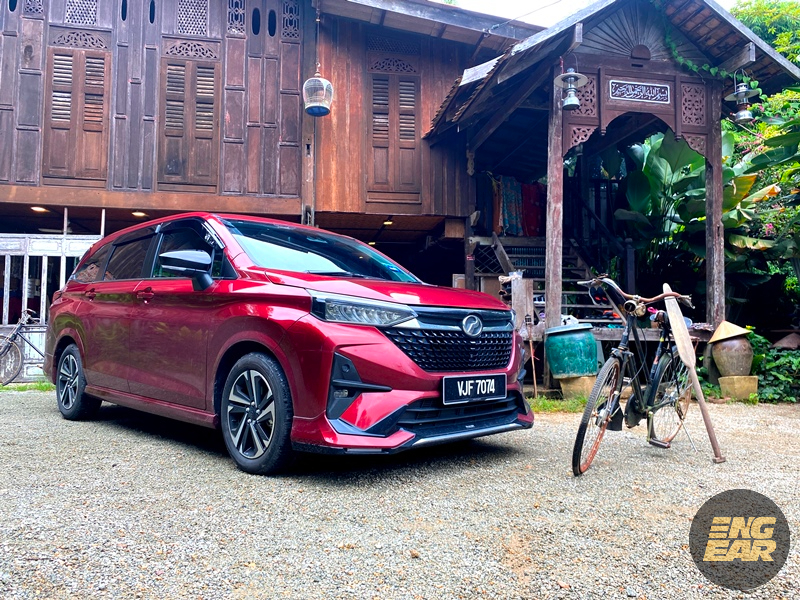
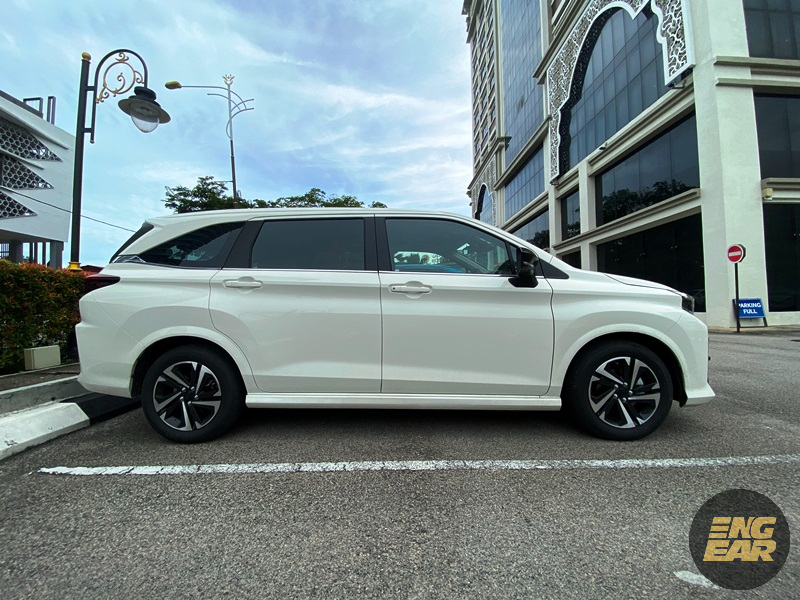
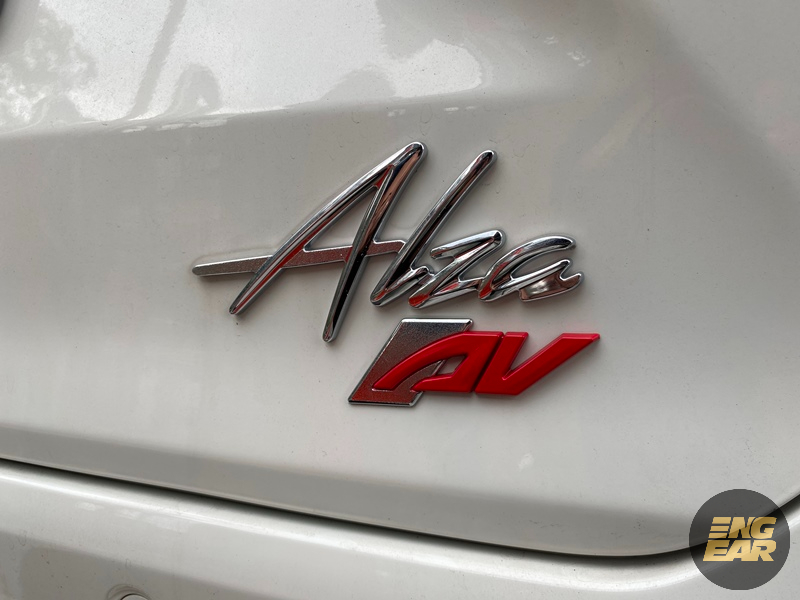
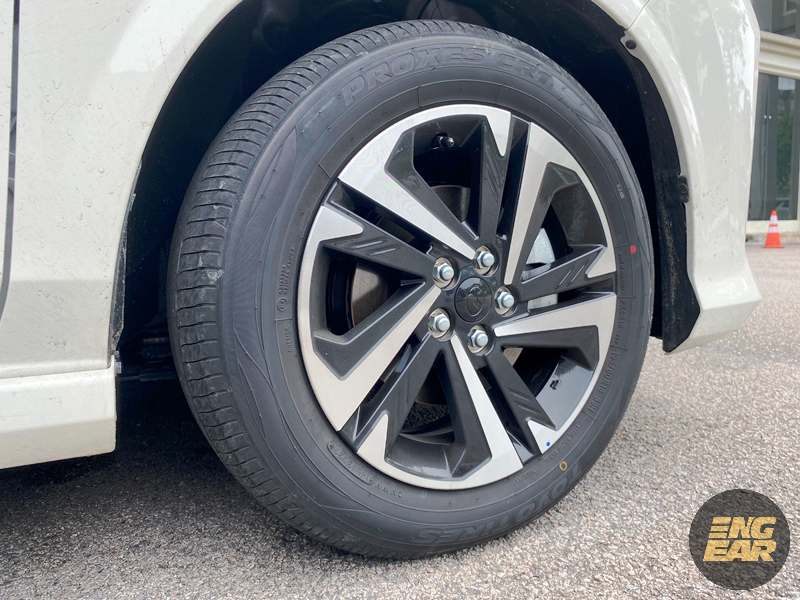
2022 Perodua Alza: Best bang for your buck – Test Drive

WITHOUT any doubt, the new Perodua Alza was the most talked-about car for the year 2022. This was evident from the discussions among netizens on social media and the significant traffic and engagement generated whenever we post anything about this model.

This phenomenon was not a surprising one, considering that the first-generation Alza has been on the market since November 2009, so it’s only natural that many were eagerly anticipating the arrival of its successor.

In July 2022, the second-generation Alza was finally launched, featuring comprehensive updates covering not only the exterior and interior design but also the platform, engine, and technology.

The majority of the motoring media were actually invited to take a closer look at the model several weeks before its launch date. However, this writer only had the opportunity to familiarise himself with it during a recent media test drive trip to Kota Bharu, Kelantan.

It was a trip to look forward to, not only because of the somewhat ‘unusual’ destination but also to personally check out the seven-seater MPV people have been raving about since it was first teased in June 2022.

In terms of design, the new Alza is clearly more stylish and fresh compared to its predecessor. Some might say it looks a bit cluttered, but this writer feels the aggressive lines give the Alza a rather modern look capable of enticing a younger group of buyers.

The journey started from the Perodua headquarters in Rawang, passing through Batang Kali to reach the Karak Highway. From there, the convoy followed the East Coast Expressway 1 and 2 before exiting via the Kuala Terengganu exit. The total journey distance was about 650 km.

Three drivers were assigned to each car, meaning this writer only had the chance to take over the steering wheel after a lunch break in Kuantan.

The 200-km drive was done entirely on the straight stretches of the LPT, which felt a little dull after a while. But the highway’s bumpy and uneven surfaces turned out to be a proving ground for the Alza’s Daihatsu New Global Architecture (DNGA) platform, which performed superbly throughout the journey.

It is fair to say that the performance shown by the 2NR-VE 1.5-liter naturally aspirated four-cylinder engine was quite commandable despite the lack of a turbocharger. More importantly, the combination of the engine with the D-CVT transmission felt seamless as the RPM was maintained at around 2,000 to 2,100 at speeds of 110 km/h and above.

In short, for highway driving situations, the RPM remained below the 2,500 mark even when the vehicle exceeded the national speed limit. This shows that the Alza is the perfect car for those who want a comfortable and fuel-efficient people carrier.

Speaking of fuel efficiency, the fuel consumption level shown on the display dropped sharply due to aggressive driving by our fellow media friends, but with light-footed driving (and some patience), this writer managed to achieve a reading of 19 km/l before reaching the Kuala Terengganu exit. This is not far from the figure claimed by Perodua, which is 22 km/l.

When it comes to ride and handling, the DNGA platform felt comfortable despite facing the bumpy and uneven conditions of LPT2. Some degree of vibration managed to seep into the cabin, but it wasn’t to the extent of causing discomfort.

The use of the new platform also resulted in a larger rear space, which is exactly what most Alza buyers look for. For this writer, who stands at 167 cm tall, there was still ample legroom even when the driver’s seat was pushed back. The backrest angle was also not too upright.

The third-row seats, as expected, are more suitable for children due to their relatively small size. However, when not in use, they can be folded flat to achieve maximum cargo space of nearly 500 liters.

If that’s not enough, the new Alza also comes with a host of creature comforts including rear air conditioning vents located on the ceiling, complete with a control panel, two USB charging ports and cup holders in the second and third-row seats.

In conclusion, this writer thinks that the Alza is the best bang for your buck if you are looking to buy an affordable, fuss-free family car. But what it lacks in performance it more than makes up for in practicality, comfort, and features.

Perodua Alza Specifications

Price: From RM62,500 to RM75,500
Engine: 1.5-litre four-cylinder Dual-VVTi
Gearbox: D-CVT
Power: 105 hp
Torque: 138 Nm