At least one person has been killed and seven others injured after a Tesla Cybertruck exploded outside the Trump International Hotel in Las Vegas, Nevada.
According to reports, the explosion occurred shortly after the electric pickup truck was parked in front of the hotel lobby on Wednesday morning.
Police stated that the incident resulted in the death of one person who was inside the truck, while seven others sustained injuries.
So far, the cause of the explosion remains unknown, and police are still investigating whether it originated from the truck itself or from external factors.
🚨New footage of the Tesla Cybertruck exploding in front of the Trump hotel
However, there are reports stating that the Cybertruck was carrying fireworks at the time of the explosion. The reports say that investigators are working to determine the motive and whether the driver intended to set off the blast.
Following the incident, all guests staying at the Trump International Hotel have been evacuated to Resorts World Las Vegas.
Meanwhile, in a post on X, Tesla CEO Elon Musk said, “The whole Tesla senior team is investigating this matter right now. Will post more information as soon as we learn anything. We’ve never seen anything like this.”
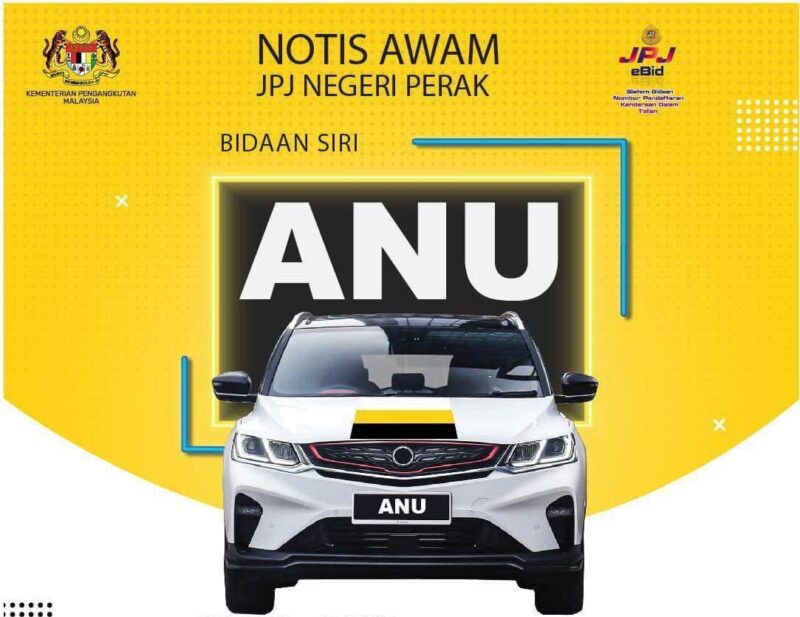
The Road Transport Department (JPJ) of Perak reported that it collected revenue of RM2.36 million from the registration number series ‘ANU’ during the five days that bidding was open.
According to its Director, Mohammad Yusoff Abustan, the bidding was conducted through the JPJeBID system from 19 to 23 December, as announced in a public notice.
“During this five-day period, we also recorded more than 1,768 bidders out of 1.99 million registered bidders nationwide. The highest bid was RM269,000 for ‘ANU 1’,” he said.
He added that any remaining registration numbers that were not bid for would be made available to the public at the minimum set price.
So far, he stated, the ‘AMG’ plate, aimed specifically at fans of Mercedes-Benz AMG cars, remains in first place for sales of registration plates in JPJ Perak.
“Previously, ‘AMG’ had recorded a total sales figure of over RM6mil and still holds the record for the highest sales of popular plates,” he said.
In Europe, the 2024 Suzuki Swift has received a three-star rating from the European New Car Assessment Programme (Euro NCAP).
However, it’s not quite the same for the hatchback in Australia, where it was awarded only a one-star rating by the Australasian New Car Assessment Programme (ANCAP) following substandard performance in crash tests conducted by the organisation.
The fourth-generation Swift achieved 47% in the Adult Occupant Protection category, 59% in Child Occupant Protection, 76% in Vulnerable Road User Protection, and 54% in Safety Assist.
According to ANCAP, Suzuki Australia previously stated that the Swift sold in Australia and New Zealand is physically different from the European market counterpart.
“In comparison to the three-star rating achieved by Swift vehicles sold in Europe, vehicles sold in Australia and New Zealand performed differently when crash tested.
“The design of some of the structural elements and restraints in locally-sold Swift vehicles appear to lack robustness leading to variation in crash performance,” said Carla Hoorweg, CEO of ANCAP.
The ANCAP report indicated that the performance differences between the Australian/New Zealand Swift and the European model were evident in both frontal offset and full-width crash tests.
The frontal offset crash test demonstrated higher chest loads and leg injury risk for the driver, while the full-width crash test showed and a significantly greater rear passenger chest compression measurement that exceeded allowable limits.
As a result, the Swift received a Poor rating and a score of zero for chest protection, which is a critical body area.
Additionally, Poor scores were also recorded for the head and chest of the child dummies in the head-on and side-impact crash test scenarios. The Child Occupant Protection result of 59% is one of the lowest scores seen to date.
The Suzuki Swift is the latest model to enter the Australasian market with different safety credentials to its European counterpart, following the Honda Civic, CR-V, and ZR-V.
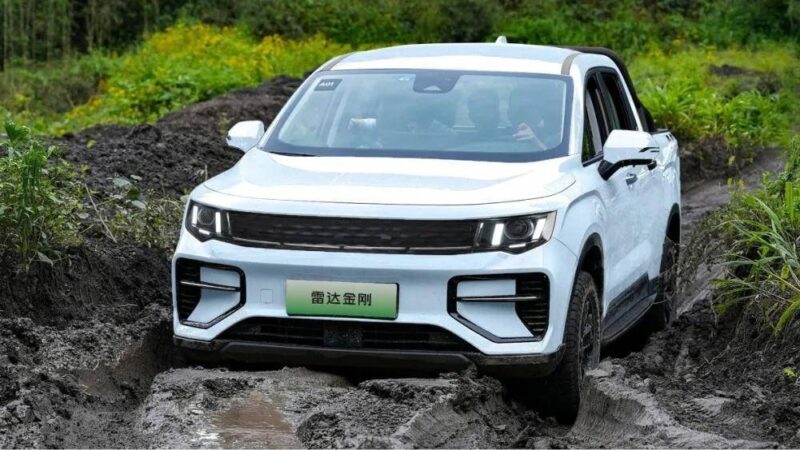
Radar Auto, another brand under the Geely umbrella, has launched an electric pickup truck known as the King Kong in China.
Replacing the previous model, the RD6, the Radar King Kong is offered with a single electric motor driving the rear axle and a dual electric motor configuration for four-wheel drive (4WD).
The single motor version delivers 245 PS and 309 Nm, enabling it to accelerate from 0 to 100 km/h in 8.1 seconds. It is available with LFP battery capacities of 42 kWh, 55 kWh, 73 kWh, and 86 kWh, with a CLTC range from 310 km to 605 km.
Meanwhile, the dual electric motor version packs 381 PS and 485 Nm, achieving a 0 to 100 km/h acceleration in 5.7 seconds. There are three battery pack options: 55 kWh, 73 kWh, and 86 kWh, providing ranges between 330 km and 520 km.
In addition to its various electric motor configurations and battery pack options, the King Kong demonstrates versatility by offering both standard and long wheelbase versions.
The standard wheelbase version measures 5,260 mm in length, 1,900 mm in width, and 1,865 mm in height, with a wheelbase of 3,120 mm. The long wheelbase version, on the other hand, measures 5,500 mm in length and has a wheelbase of 3,310 mm.
In terms of design, the King Kong appears quite similar to the RD6, while still retaining the exterior and interior styling inspired by the Geely Haoyue, which is the sibling of the Proton X90.
In China, the King Kong is available in seven trim levels: four for the single motor version and three for the 4WD version.
The single motor version is priced between 99,800 and 149,800 yuan (approximately RM60,982 to RM91,525), while the 4WD version ranges from 119,800 to 159,800 yuan (around RM73,196 to RM97,635).
In comparison, the price of the previous RD6 started from 136,800 to 209,800 yuan (approximately RM83,590 to RM128,196).
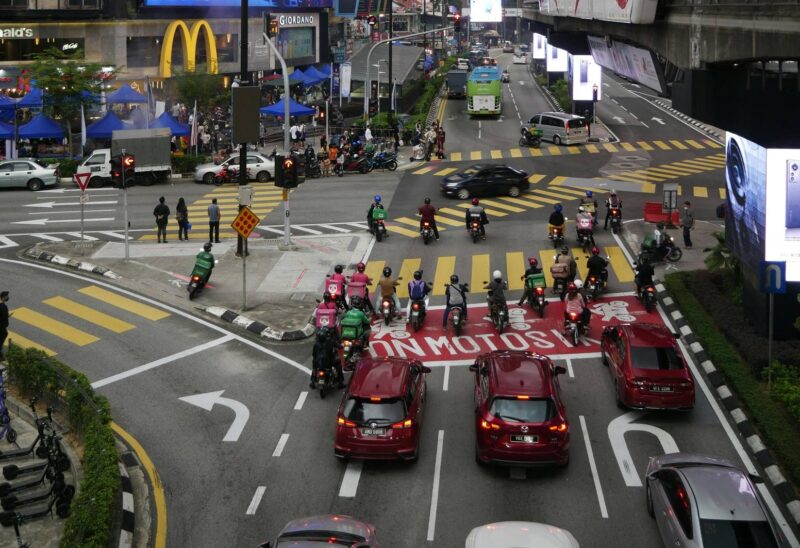
Authorities are considering a proposal to close a key section of Jalan Bukit Bintang in order to help reduce traffic congestion in the area.
This is due to the high volume of vehicles using the road, which has led to terrible congestion during peak hours.
According to Kuala Lumpur police chief Datuk Rusdi Mohd Isa, further discussions and studies will be conducted with stakeholders to evaluate the feasibility of rerouting and restricting vehicles in the area.
“By diverting traffic and closing this area to vehicles, we aim to create a pedestrian-friendly zone. With clear communication to the public and stakeholders, I believe this proposal is worth testing,” he told Buletin TV3.
The police also plan to enhance the installation and use of AI-powered Closed-Circuit Television (CCTV) cameras in Bukit Bintang to monitor the area and enforce traffic laws remotely.
Rusdi said they have identified several causes of congestion in the area, including illegal parking, pedestrians crossing at unauthorised points, and taxis or e-hailing drivers stopping to pick up or drop off passengers. Street performances that attract large crowds were also noted as contributing factors.
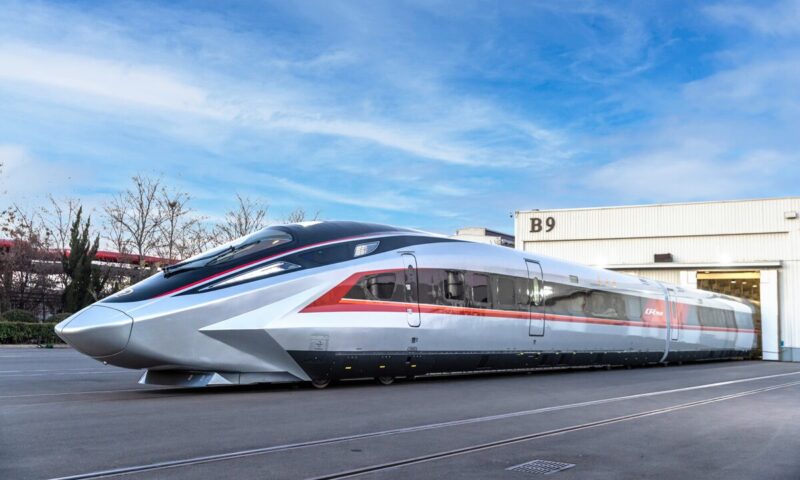
China State Railway Group (China Railway) has unveiled a prototype of the next generation commercial bullet train, which the company says is set to become the fastest train in the world.
The train, known as the CR450, is said to be capable of operating at speeds of up to 400 km/h, but can reach a maximum speed of 450 km/h.
China Railway said that the unveiling of the prototype marks a breakthrough in the CR450 project, which was launched in 2021 to develop “safer, more environmentally friendly, more energy-efficient, and smarter” trains.
Photo: Xinhua
The new train is set to replace the CR400 in the Fuxing high-speed train series, which operates at speeds of 350 km/h.
If the CR450 enters service as expected, it could reduce travel time between Beijing and Shanghai from four and a half hours to three hours and 18 minutes.
According to local media reports, the CR450 has a total weight of approximately 10 tonnes, making it 10% lighter than its predecessor.
Operational resistance indicators and energy consumption have been reduced by about 20%, while braking performance has also improved by around 20%.
The next step will involve putting the prototype through a series of tests and evaluations to assess its performance.
China Railway did not specify when the CR450 might commence operations, but prior reports suggest that this could occur as early as next year.
The Mazda MX-5, also known as the Roadster or Miata, is undoubtedly one of the most iconic cars in the automotive world, having sold over 1.2 million units since its launch back in 1989.
To celebrate its 35th anniversary, Mazda will be offering a limited edition model known as the MX-5 35th Anniversary Edition.
According to Mazda, only 1,000 units will be produced, and all will be sold in Japan starting February 2025. Customers can choose between a soft top or a hard top RF version.
So what makes the commemorative model more special than the standard version?
In terms of exterior, the MX-5 35th Anniversary Edition is presented in Artisan Red Premium Metallic, which is applied using ‘Takuminuri’ technology to further accentuate the lines and curves of the MX-5’s body.
Additionally, it comes with a beige roof, 17-inch alloy wheels, and a ’35th Anniversary’ badge complete with the production serial number located adjacent to the rear tyres.
Inside, it boasts tan Nappa leather upholstery matched with beige carpeting, as well as embossed ’35th Anniversary’ logos on the headrests.
There are no mechanical changes, sadly. The soft top version still features a 1.5-litre four-cylinder engine producing 136 PS and 152 Nm, paired with a six-speed manual transmission that drives the rear wheels.
Meanwhile, the RF version is powered by a 2.0-litre four-cylinder engine delivering 184 PS and 205 Nm, and is available with either manual or automatic transmission.
The starting sale prices are 3,753,200 yen (£24,250) for the soft top, 4,354,900 yen (£28,358) for the manual RF, and 4,382,400 yen (£28,646) for the automatic RF.
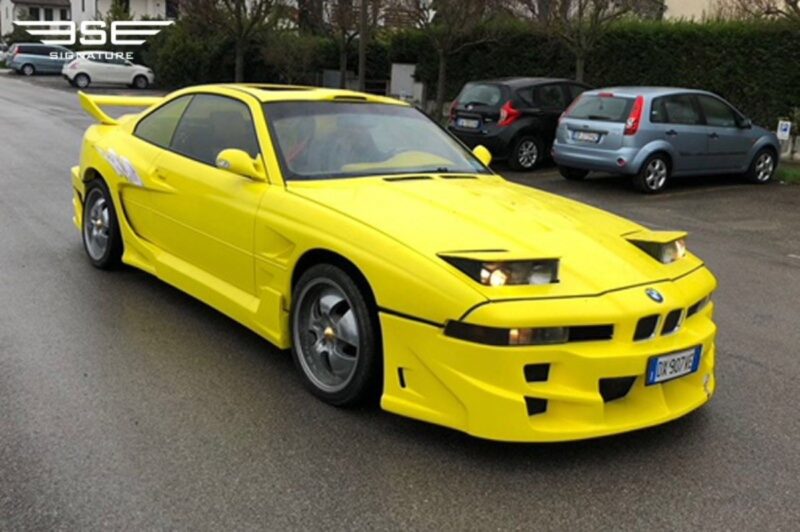
Purists, look away now, as we are about to show a BMW 8 Series (E31) that may well induce depression and rob you of sleep at night.
Indeed, this radioactive yellow contraption donning a rather unflattering body kit started life as a 1990 850i Coupe. And believe it or not, it could be yours for just £14,995 (RM84,715).
However, the Signature Motor Company’s website, where this car is advertised, fails to provide any crucial details regarding its ownership history or even mileage.
According to the company, this is a standard 850i featuring a 5.0-litre V12 engine capable of producing 296 hp. Produced from 1990 to 1994, the 850i was available with either a four-speed automatic or a six-speed manual transmission – this particular unit has the manual.
There’s no denying that a V12 engine paired with a manual transmission is a tantalising combination for car enthusiasts. However, in this case, the ghastly body kit is simply too hideous to ignore.
As you can see, the overly angular design of the front and rear bumpers, combined with the profusion of holes mar the E31’s timeless appeal. To make matters worse, the massive rear spoiler and chrome rims clash horrendously with the car’s overall shape.
Fortunately, the vehicle can still be identified by its iconic kidney grille and pop-up headlights at the front. However, from the rear, you would be hard-pressed to recognise it as an E31, as the original lights have been replaced with six round lamps sourced from a cheap accessory shop.
As might be expected, the interior has been ‘tainted’ with faux leather upholstery in black and yellow, along with aftermarket steering wheel and gear knob. The unfortunate soul who purchases this car will likely need to fork out a lot moolah to restore it to its former glory.
Sime Motors is continuously expanding the BYD brand network in the country as part of its efforts to meet the growing demand for electric vehicles (EVs).
According to the company, BYD currently operates 21 service centres nationwide, focusing on customer accessibility spanning key regions such as Penang, Klang Valley, Johor Bahru, East Coast, Sarawak and Sabah.
17 out of the 21 BYD service centres in Peninsular Malaysia and East Malaysia feature body and paint (B&P) centres that offer body repair services using state-of-the-art equipment. Trained technicians ensure every repair meets original manufacturer standards.
Customers’ vehicles are serviced by a team of BYD certified high-voltage (HV) technicians, who undergo ongoing multi-level training programmes to ensure 100% certification.
In addition to specialised tools for EV maintenance, all BYD service centres provide premium lounge areas and workspaces for customers to relax or work while waiting for their vehicles to be serviced.
BYD also operates a digitally managed centralised Parts Distribution Centre (PDC) that ensures timely and sufficient parts delivery to service centres and dealers nationwide. With optimised inventory and streamlined distribution systems, BYD guarantees minimal downtime for vehicle repairs.
Moreover, every new vehicle undergoes rigorous quality assurance checks at the pre-delivery inspection (PDI) centre to ensure it is in top condition before being handed over to the customer.
The PDI facility is equipped with a three-level mechanical parking system, optimising space efficiency while securely accommodating vehicles during the inspection and preparation process.
Each BYD vehicle comes with a six-year/150,000 km warranty for the vehicle, an eight-year/160,000 km warranty for the battery (with the battery to be replaced if its health falls below 70%), and an eight-year/150,000 km warranty for the drive unit.
For any queries or feedback, customers can contact the BYD Customer Care Line at 1300-38-1888, available Monday to Friday, from 8 am to 5 pm. A 24/7 roadside assistance service is also provided throughout Malaysia.
Additionally, BYD offers service packages available in three-, six- and eight-year options, along with Standard and Plus options, to accommodate both customer’s high and low usage patterns. These packages can be purchased separately or bundled with car loans for added convenience.
When it comes to EV, options available in the Malaysian market are rather exciting if you have a budget between RM150,000 and RM200,000. For those willing to stretch their budget further—specifically between RM200,000 and RM250,000—the available candidates are significantly more impressive, particularly on the performance front.
Well, two out of the five models we’ve listed here include ‘Performance’ in their names and one is a Brabus, underscoring that acceleration is a key focus in this price range.
So, without further ado, let’s delve into these models. You might just find one that you like.
Volvo EX30 Ultra Twin Performance (RM228,888)
If you can live without physical buttons, the Volvo EX30, a sibling to the smart #1 and Zeekr X, is worth considering. Despite its compact size, it has a robust and sturdy appearance, perfectly matching the performance level offered by the Ultra Twin Performance variant.
As suggested by its name, this particular variant comes with a pair of electric motors producing a total power output of 428 PS and 543 Nm, allowing it to accelerate from 0 to 100 km/h in a mere 3.6 seconds. It utilizes the same NMC 69 kWh battery found in the other EX30 variants, offering a driving range of 450 km—only 26 km shorter than the Ultra variant.
Tesla Model 3 Performance AWD (RM243,700)
With a price tag of RM243,700, fans of Elon Musk can cement their loyalty to the Tesla CEO by acquiring the Model 3 Performance AWD. Its price is only slightly higher than the Long Range AWD variant (RM218,000), yet it comes with plenty of added benefits.
It goes without saying that its main trump card is its performance; this variant boasts 460 PS and 723 Nm. I could be wrong but with an acceleration time of 0-100 km/h in just 3.1 seconds and a top speed of 261 km/h, this is likely the fastest new car you can purchase at this price point. The driving range is also commendable at 529 km.
Tesla Model Y Long Range AWD (RM246,000)
For those who prefer an SUV over a sedan, the Model Y Long Range AWD is an excellent choice. Though priced at RM42,000 less than the Performance AWD variant, the performance of this compact crossover should not be underestimated.
Two electric motors (one on each axle) come together to deliver a total power output of 444 hp and 559 Nm. Although it’s not as quick as its sedan counterpart, many drivers will find that a 0-100 km/h time of 5.0 seconds is quite adequate. Equipped with a 78.1 kWh battery, it offers a range of 533 km on a full charge.
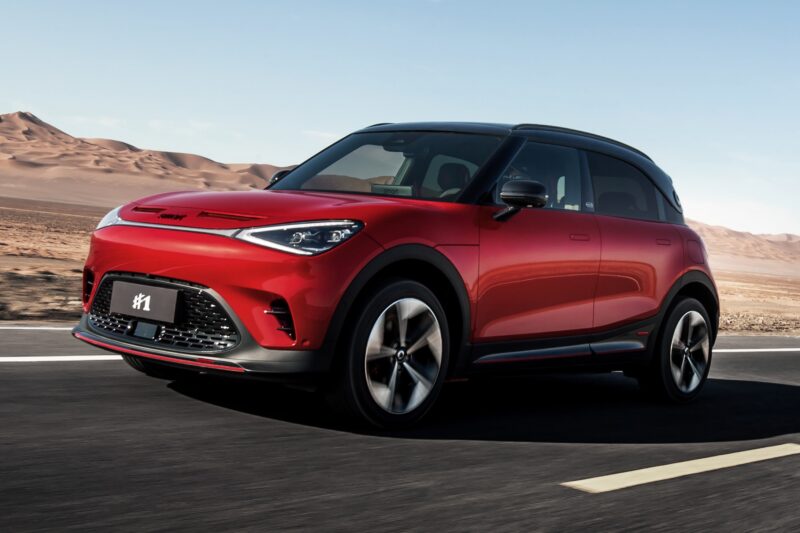
smart #1 Brabus (RM249,000)
Is a 0-100 km/h time of 3.9 seconds fast enough for you? If the answer is a yes, the smart #1 Brabus will undoubtedly catch your attention. As the flagship variant in the #1 lineup, it doesn’t compromise drastically on range—it can travel up to 400 km, just 40 km shorter than the Premium variant.
In addition to its face-melting acceleration, it stands out on the road thanks to with the Brabus styling elements and striking red accents. To top it off, its suspension has also been retuned accordingly to provide a more agile handling performance in corners.
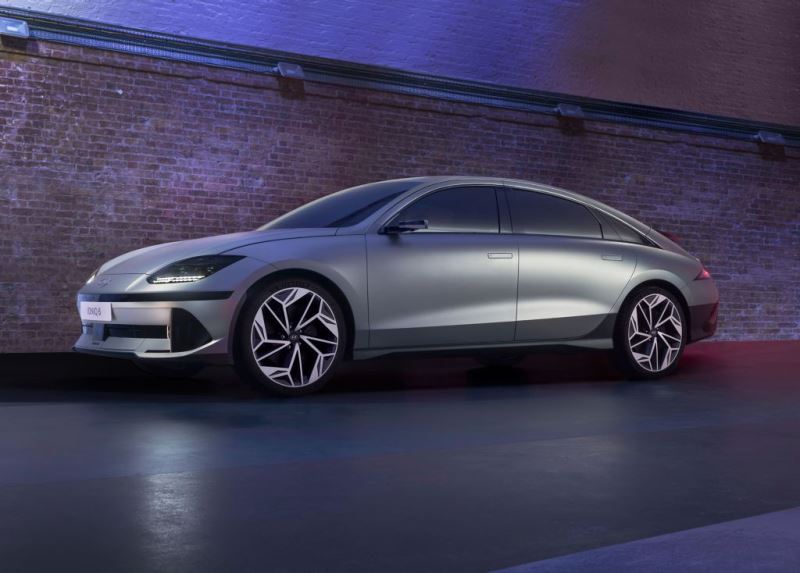
Hyundai Ioniq 6 Lite RWD & Plus RWD (RM219,888 & RM249,888)
Launched in September last year, the Ioniq 6 Lite RWD and Plus RWD present a more affordable alternative to the Max RWD and AWD variants.
Both variants are equipped with a rear-axle electric motor that produces 151 PS and 350 Nm, enabling them to accelerate from 0 to 100 km/h in 8.8 seconds and reach a maximum speed of 185 km/h—on par with the Max variants. The driving range, while shorter than that of the Max RWD (614 km) and AWD (519 km), is perfectly adequate at 429 km. On top of that, you’re getting an EV with a distinctive design that sets it apart from the crowd.
Since the advent of the world’s first automobile, the Benz Patent Motorwagen in 1886, the automotive industry has spawned countless innovations, revolutionising the car into a mode of transport that is safer, more comfortable, and increasingly sophisticated.
Here are seven of the most significant inventions in the automotive sector:
Fuel injection
Believe it or not, the technology behind fuel injection has existed in its most basic form for over 120 years. Henry Ford employed a mechanical injection system in his racing car, the ‘Sweepstakes’, in 1901, and by the 1920s, this technology was more widely adopted in diesel engines. In 1955, Mercedes-Benz introduced direct gasoline injection with the iconic 300 SL, followed two years later by Chevrolet, which featured port fuel injection in the Bel Air and Corvette.
Turbocharger
The turbocharger, a jewel among car enthusiasts, was invented by Swiss engineer Alfred Büchi in 1905. He conceived the idea while studying steam turbines. Interestingly, this technology was used in aircraft during World War I before being extensively applied to automobiles. The first cars equipped with turbo engines were the Oldsmobile Jetfire Rocket and the Chevrolet Corvair Monza, both launched in 1962.
Cruise Control
This system was devised by the blind engineer Ralph Teetor in 1948, born out of his frustration with his driver who would speed up and slow down erratically. Essentially, cruise control allows the driver to maintain a set speed without using the accelerator. The Chrysler Imperial was the first car to feature this system, which was dubbed ‘Auto Pilot’ by the automaker.
Anti-lock Braking System (ABS)
The Anti-lock Braking System (ABS) employs sensors to monitor wheel speed during braking. If it detects a wheel on the verge of locking, it applies and releases the brakes faster than a human could react. This technology is crucial in preventing skidding, thus enabling the driver to maintain control of the vehicle.
Catalytic converter
This device is fitted into a vehicle’s exhaust system to convert pollutants found in exhaust fumes, such as carbon monoxide and nitrogen oxides, into carbon dioxide, nitrogen, and water, which are far less harmful. This conversion occurs through chemical reactions involving catalysts like platinum, which, though resistant to corrosion, can be quite expensive, making catalytic converters a target for thieves.
Airbags
Airbags were patented for automotive use in the early 1950s as a passive safety feature that deploys during an accident. However, their adoption was slow until the 1970s when General Motors introduced them in the Chevy Impala produced for government fleets. Today, airbags deploy not only from the steering wheel and dashboard but also from doors, pillars, and roofs.
Seat belts
No discourse on vehicle safety features would be complete without the mention of seat belts. The earliest forms of seat belts appeared in the mid-19th century, but the modern three-point seat belt, now standard in all vehicles, was developed and perfected by Nils Bohlin for Volvo, which introduced it in 1958. Recognising the importance of this innovation, Volvo granted permission for other manufacturers to use the design free of charge.
MAN Truck & Bus is setting another milestone in the electrification of freight transport with the handover of the first MAN eTruck to the Duvenbeck Group,
The Ultra Low Liner eTGX semitrailer tractor, specially developed for the loading volume requirements of automotive logistics, is set to make Volkswagen plant logistics particularly climate-friendly in the future.
In accordance with the letter of intent (LOI) signed by both parties, Duvenbeck intends to put up to 120 units of the MAN eTGX into service by 2026.
Duvenbeck will deploy the MAN eTruck in various areas of the Rhine-Ruhr and BeNeLux freight forwarding region as part of VW’s plant logistics.
“With the Ultra Low Liner eTruck, MAN has developed a solution that is perfectly tailored to the requirements of the automotive industry. No other series produced electric semitrailer tractor can pull trailers with an interior height of three meters. This makes it the ideal choice for transports with high volume requirements,” explains Friedrich Baumann, Chief Sales & Customer Solutions Officer at MAN Truck & Bus.
“We are delighted to have two strong partners at our side, Duvenbeck and Volkswagen, to bring this innovation to the road.”
The Ultra Low Liner eTruck MAN eTGX features a semitrailer height of just 950 mm, a very short wheelbase of 3.75 meters and a battery that offers a range of around 500 km.
This makes it perfect for use in automotive logistics, where maximum load volume up to three meters in interior height is more important than high load weights.
Thanks to its modular battery concept with a choice of four, five or six battery packs and power levels of 449 and 544 hp, it can be optimally adapted to any transport task.
In addition to the standard CCS charging technology (up to 375 kW), it can also be ordered with the new MCS standard with up to one megawatt charging power, which enables even faster intermediate charging during the driver’s break from driving.
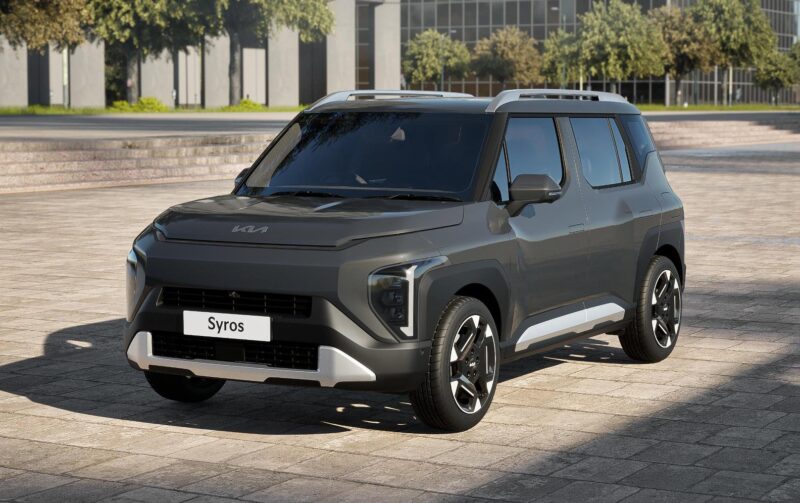
Kia has introduced its latest compact crossover, the Syros, which will compete in the Indian market. Although it may resemble the EV9, the automaker’s latest offering is powered by an internal combustion engine paired with a manual transmission.
It is also significantly smaller compared to the colossal electric SUV, measuring 3,995 mm in length, 1,800 mm in width, and 1,665 mm in height, with a wheelbase of 2,550 mm. The Syros is built on the K1 platform, which is also used by the Hyundai Casper.
Despite the size difference, the Syros incorporates several design elements found in the EV9, such as ice cube-shaped LED headlights, Starmap LED taillights, and Kia’s Digital Tiger Face.
Its futuristic appearance is further enhanced by 17-inch Crystal Cut alloy wheels, flush door handles, and puddle lights with Kia logo projection.
The interior layout is also reminiscent of the EV9, albeit on a smaller scale. According to Kia, the Syros is equipped with various segment-first features, including a 30-inch Trinity Panoramic Display comprised of two 12.3-inch screens and a five-inch climate control display.
Additionally, it offers wireless Apple CarPlay and Android Auto, a wireless phone charger, a Harman Kardon premium sound system with eight speakers, and a 64-colour ambient lighting system.
Kia stated that the Syros also comes with a call center-assisted navigation system that allows drivers to receive real-time guidance. Software and connectivity features will be updated over the air (OTA).
Another segment-first feature introduced by the Syros is the sliding and reclining, 60:40 split rear seats, which also come with ventilation. Behind the rear seats is a fairly large boot space with a capacity of 465 litres.
In terms of safety, the Syros comes with six airbags and a Level 2 ADAS system that includes 16 features such as Front Collision Warning, Forward Collision Avoidance Assist, Lane Keep Assist, Lane Departure Warning, Lane Follow Assist, and Smart Cruise Control with Stop & Go, among others.
Customers can choose between two available engines: a Smartstream 1.0-litre turbo petrol engine producing 120 PS and 172 Nm, or a CRDi 1.5-litre diesel engine with 116 PS and 250 Nm. In addition to a manual transmission, an automatic transmission option is also available – both tasked to drive the front wheels.
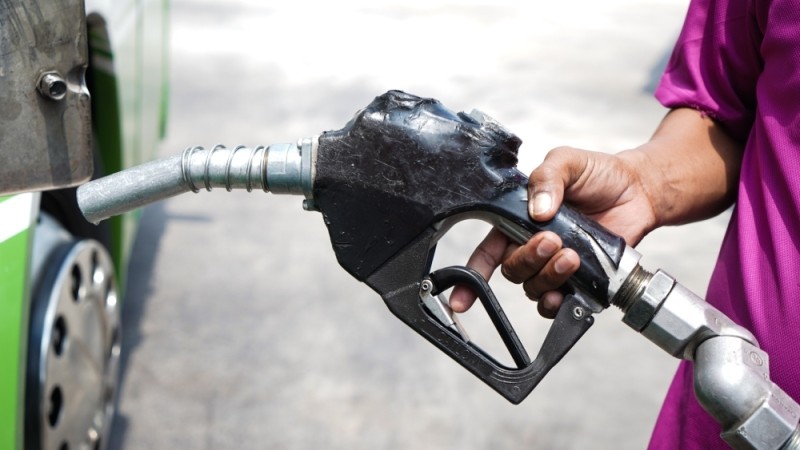
In June, the Malaysian government implemented diesel subsidy rationalisation as part of its efforts to curb rampant leakages.
However, the move appears to have had negative repercussions for petrol station operators in Peninsular Malaysia, who claim to have incurred losses amounting to RM181 million since its implementation.
According to Bumiputera Petrol Station Operators Association of Malaysia (Bumipeda) honorary secretary Hanny Julia Haron, nearly 3,500 petrol stations are now at a critical level, having sustained losses almost every month.
She added that the situation arose as operators were forced to purchase fuel at high prices and sell it at lower prices.
“About 98.3 per cent of these stations have reported losses from petrol and diesel sales, causing many operators to shift towards convenience store sales as a strategy to offset the decline in fuel revenue.
“Without intervention, the long-term economic impact could be severe, potentially increasing unemployment rates and reducing government revenue from taxes and levies due to the closure of stations or a reduction in operations,” she stated.
Earlier this month, Deputy Finance Minister Lim Hui Ying revealed that the targeted diesel subsidy initiated in June this year has allowed the government to generate savings of RM600 million per month.
Suzuki has introduced the Swift Sport Final Edition, which, like the name suggests, is the final iteration of the ZC33S generation model, which has been on the market for seven years now.
According to the company, the new model will be offered in a limited number and will be sold solely in the Japanese domestic market. That said, there’s a good possibility that the car will arrive on our shores through grey importers.
What distinguishes the Swift Sport Final Edition from the standard version? On the exterior, the limited-run model stands out with glossy black finish on the grille, 17-inch black alloy wheels, red brake calipers, black and red Sport emblem on the tailgate, and special graphics on the C-pillar.
While the interior may appear similar to the standard version, the Final Edition actually receives several fresh touches, including aluminium-like trim with a heat gradation effect on the dashboard, door panels, and centre console.
Additionally, you will find the “Sport” lettering on the passenger side and “ZC33S Powered by Suzuki” near the gear lever. Bucket seats, aluminium pedals, and red stitching are retained from the standard model.
And if these are not enough, customers can deck out the car’s overall look with various exclusive accessories from Suzuki, including aero elements, additional decals, headlamp garnish, and much more.
While the Swift Sport Final Edition may have a more aggressive appearance, unfortunately, there are no mechanical changes to this model.
The task of powering this hatchback is still handled by the 1.4-litre four-cylinder Boosterjet turbo engine, which produces 140 PS and 230 Nm of torque. Customers can choose between a six-speed automatic transmission or a six-speed manual transmission.
Suzuki says the Swift Sport Final Edition will be produced from March to November 2025, following the cessation of production for the standard version in February. The retail prices start at 2,329,800 yen (RM67,646) for the manual version and 2,401,300 yen (RM69,707) for the automatic.
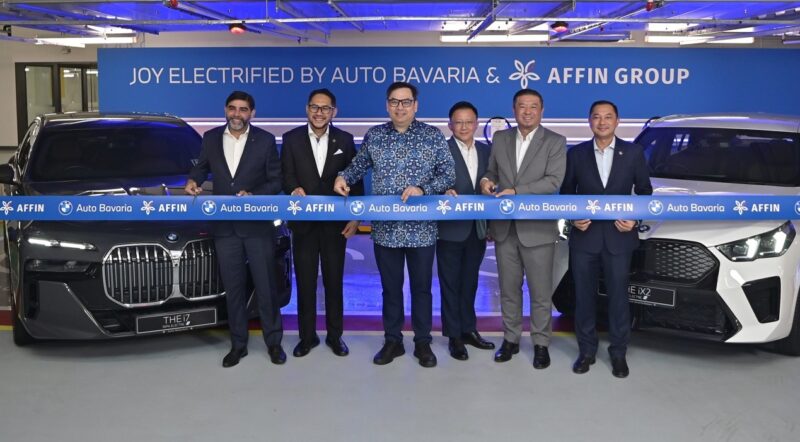
Auto Bavaria has announced a strategic collaboration with Affin Group to enhance electric vehicle (EV) charging infrastructure in the country.
This partnership aligns with both organisations’ environmental, social and governance (ESG) goals aimed at fostering more responsible mobility solutions.
Through this collaboration, Auto Bavaria, the authorised dealer for BMW, is set to accelerate the availability and accessibility of EV charging facilities across the region.
The company’s efforts began with the installation of seven AC charging units and one DC charging unit at the EV charging station at Menara Affin in Tun Razak Exchange, which serves as Malaysia’s International Financial Centre.
Vi Thim Juan, Managing Director of Auto Bavaria, stated, “This partnership with Affin underscores our dedication to enhancing EV infrastructure development and supporting Malaysia’s shift towards a low-carbon economy.
“Together, we are empowering drivers to make responsible mobility choices and contribute to a lower carbon footprint in their automotive ownership needs.”
Datuk Wan Razly Abdullah, President & Chief Executive Officer of Affin Bank Berhad, added, “Our collaboration reaffirms Affin’s unwavering commitment to our ESG agenda, creating a positive impact for the future while providing a seamless and convenient customer experience.
“This initiative aligns with the ‘Unrivalled Customer Service’ and ‘Responsible Banking with Impact’ pillars of our AX28 Strategic Plan,” he said.
Wan Razly further stated that customers can explore Affin’s range of EV offers, including tailored financing options designed to simplify the purchase journey and enhance affordability.
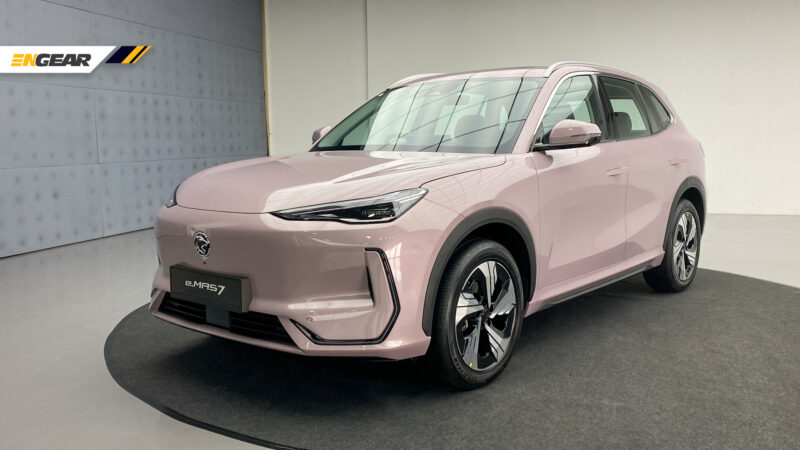
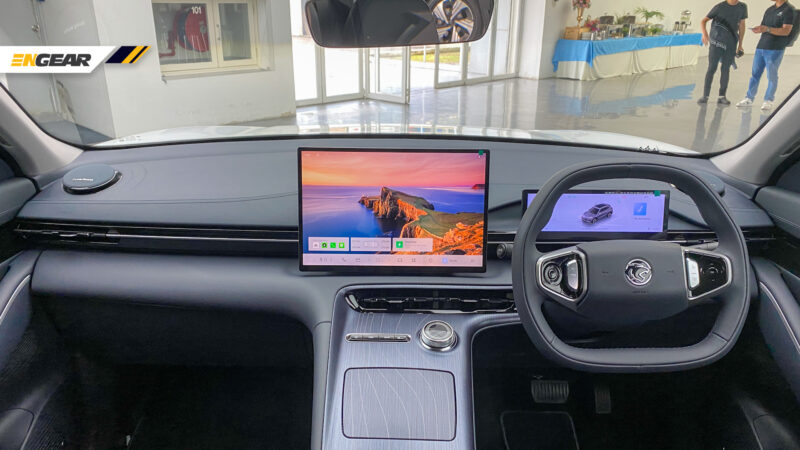
The just-launched Proton eMAS 7 will be entering the Singaporean market through VinCar Group as the EV’s the official distributor.
In a Facebook post, VinCar Pte Ltd confirmed that the e.MAS 7 will be launched in the republic in early 2025. The company also stated that it will open a flagship showroom located at Leng Kee Automotive Belt.
For its home market, the eMAS 7 is offered in two variants, namely Prime and Premium. Both are powered by a “12-in-1” electric motor at the front axle, producing 218 PS (160 kW) and 320 Nm of torque, enabling it to accelerate from 0 to 100 km/h in 6.9 seconds and reach a top speed of 175 km/h.
The main difference between the Prime and Premium variants lies in their battery capacity. The Prime variant comes with a 49.52 kWh battery, promising a driving range of 345 km on a full charge, while the Premium variant can travel up to 410 km thanks to its 60.22 kWh battery.
The eMAS 7 is equipped with Geely’s new Aegis short blade LFP battery, which is said to offer higher energy density, improved safety, and longer lifespan.
The battery supports DC fast charging with up to 80 kW for the Prime variant and 100 kW for the Premium variant, with both requiring 20 minutes to charge from 30% to 80%.
Prices start at RM109,800 for the Prime variant and RM123,800 for the Premium variant. However, in conjunction with the launch, Proton is offering a rebate of RM4,000 to the first 3,000 customers.
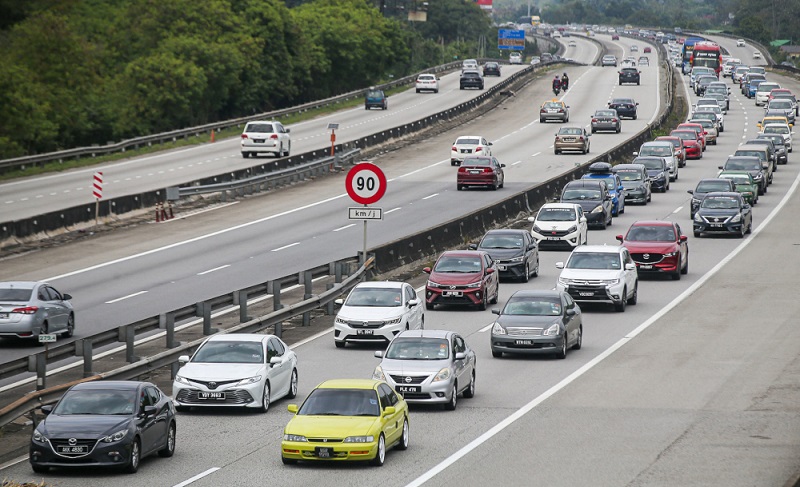
PLUS Malaysia Berhad (PLUS) has stated that it expects a 14% increase in traffic volume on its expressways, with the number of vehicles reaching 2.12 million per day compared to 1.85 million on normal days during the Christmas and year-end holidays from December 20 to January 2 next year.
In light of this, PLUS advises highway users to plan their journeys in advance and to obtain their digital travel itinerary via MyPLUS-TTA.
“This digital travel schedule aims to make it easier for people to plan their journey, as well as help distribute traffic for a smoother and more comfortable journey.
“It is also to prevent vehicles from accumulating in one location on the highway at the same time and possibly getting stuck in traffic,” the statement reads.
Alternatively, highway users can also access the latest traffic information through the Virtual Assistant – PUTRI, the X@plustrafik app, electronic signboards (VMS) at selected locations, or through major national radio station channels.
“The public can also contact the PLUSLine at 1800-88-0000 if they require assistance in case of an emergency. We also recommend using the PLUS app, Waze, or Google Maps to plan and check the current traffic status during this festive season,” it added.
The Minister of Domestic Trade and Cost of Living, Datuk Armizan Mohd Ali said that eligible individuals, small-scale companies, or organisations may apply for a special permit for the purchase of diesel exceeding the standard limit.
Armizan added that the special permit is solely for authorised uses and not for resale purposes.
“Applicants must submit a letter of confirmation from the relevant agency and apply through the Special Permit System available on the KPDN (Ministry of Domestic Trade and Cost of Living) portal.
“This includes agricultural and livestock purposes, with a quantity limit not exceeding 200 litres per day for purchases at petrol stations,” he said.
He noted that this facility has been outlined in the Guidelines for the Application of Controlled Goods Permits and Special Permits, which are administered under the authority of the Control of Supplies Act (Amendment) 2021.
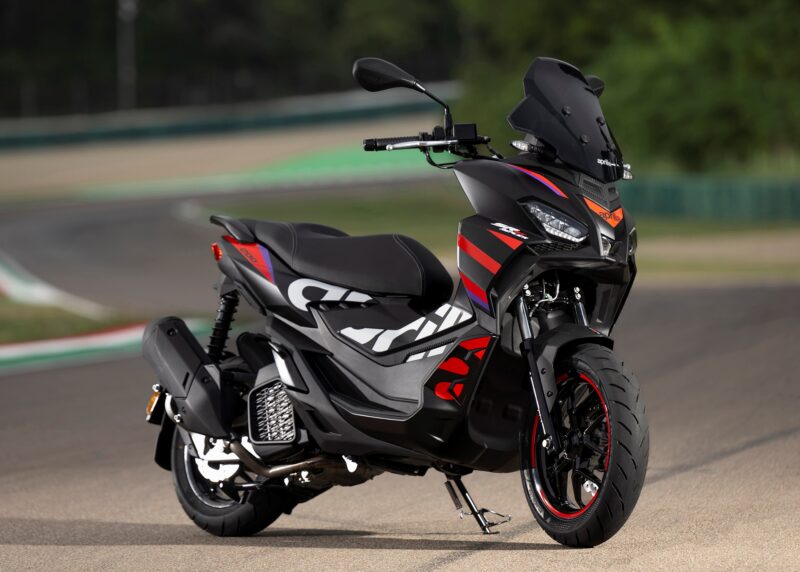
Didi Group, the official distributor and importer of Aprilia in Malaysia, has announced an exclusive sales campaign for the Aprilia SR GT 200.
Beginning in December 2024, while stocks last, the campaign offers exclusive cash rebates for all three variants of the SR GT 200: standard, Sport, and Replica.
The standard variant is priced at RM19,900 and comes with a cash rebate of RM6,000, while the Sport variant, priced at RM20,900, is offered with a cash rebate of RM5,000.
Meanwhile, the SR GT 200 Replica, also priced at RM20,900, is available with a cash rebate of RM2,000.
More than just a scooter, the SR GT 200 combines a design inspired by Aprilia’s racing DNA with an ergonomic layout for rider comfort.
It is powered by a 174 cc SOHC i-get engine with liquid cooling and fuel injection, producing 17.4hp and 16.5Nm of torque. Power is transmitted through a CVT transmission.
It features fully LED front and rear lights, a digital instrument panel, a USB charger, 25 litres of under-seat storage, and smartphone connectivity via the Aprilia MIA app.
For the suspension system, it utilises a 33 mm telescopic fork at the front and dual shock absorbers at the rear, with the latter featuring pre-load adjustment.
The braking system consists of 220 mm discs at both the front and rear, although ABS is only available for the front tyre. The rims are 14 inches in diameter at the front and 13 inches at the rear, fitted with tyres sized 110/80 and 130/70, respectively.
Malaysia’s Leading Automotive News | ENGEAR ENGLISH