Tag Archives: test drive review

Leapmotor B10: a simple EV with plenty of surprises – test drive review

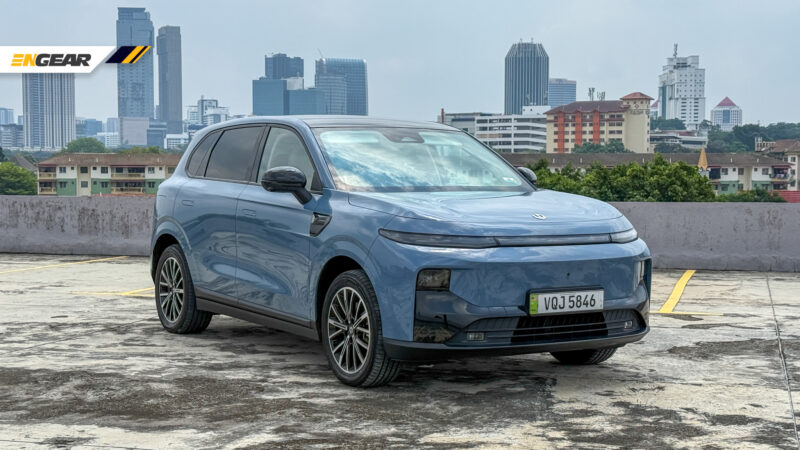
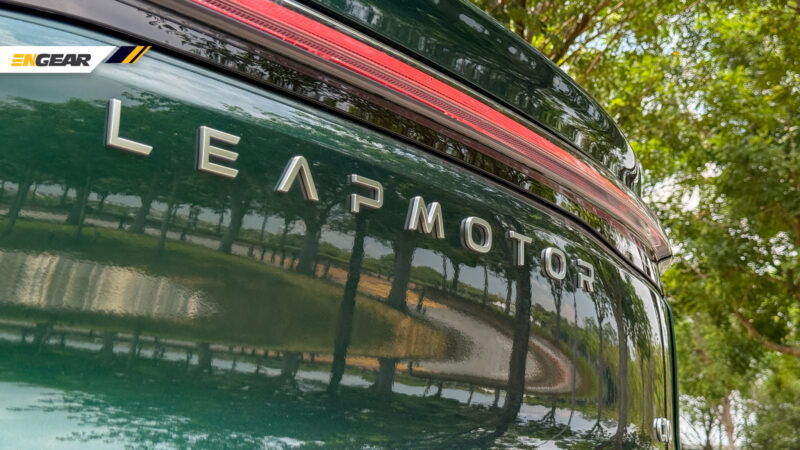
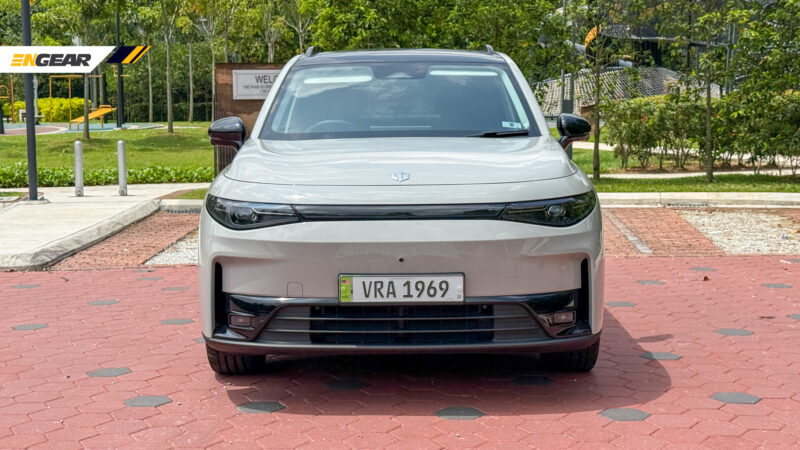
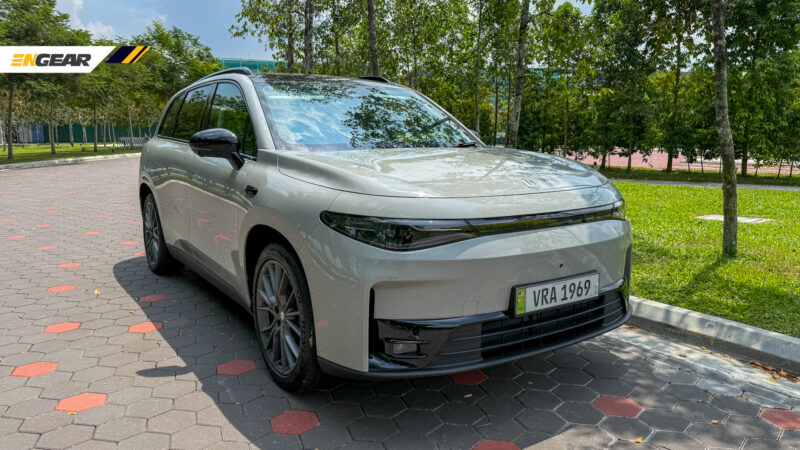
In terms of appearance, the Leapmotor B10 may look like a simple electric SUV but don’t be fooled.

This second model from Leapmotor Malaysia arrives at the perfect time, just as buyers begin seeking EVs that are practical, affordable, and not overly experimental.

First: it offers a more sensible alternative compared to its bigger sibling, the C10.

Second: beneath its minimalist design lie several strengths that competitors should take seriously.

Here are our impressions after spending several days exploring this Leapmotor SUV.

Exterior
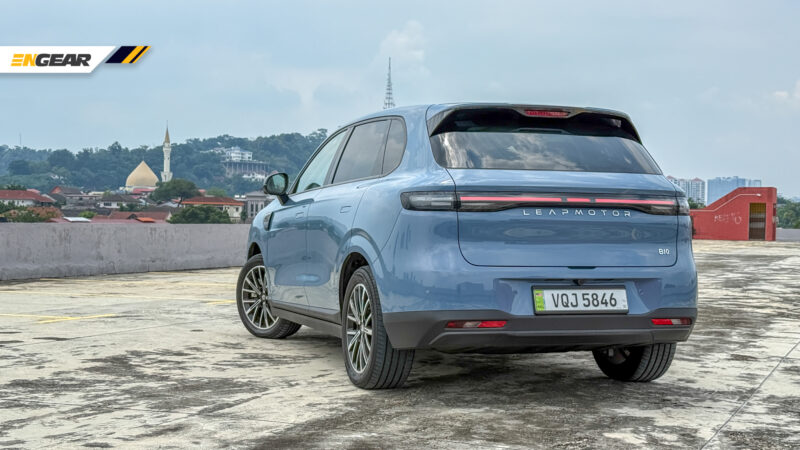
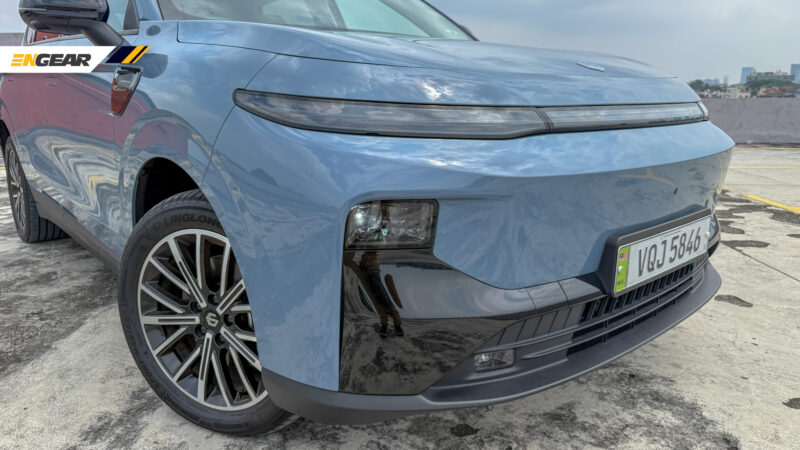
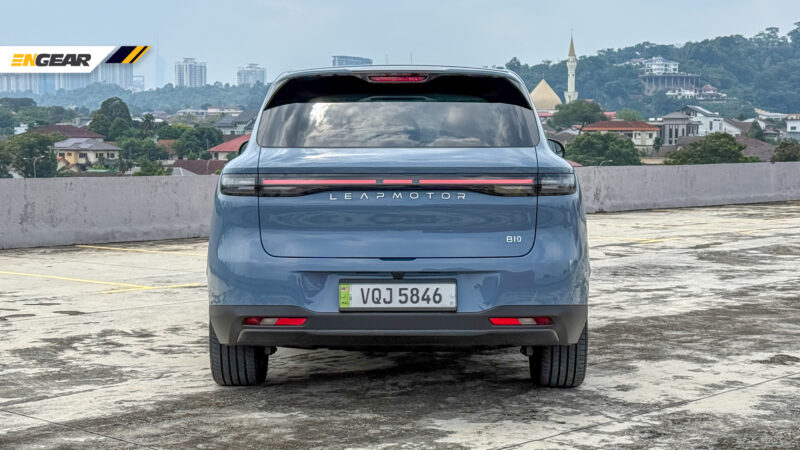
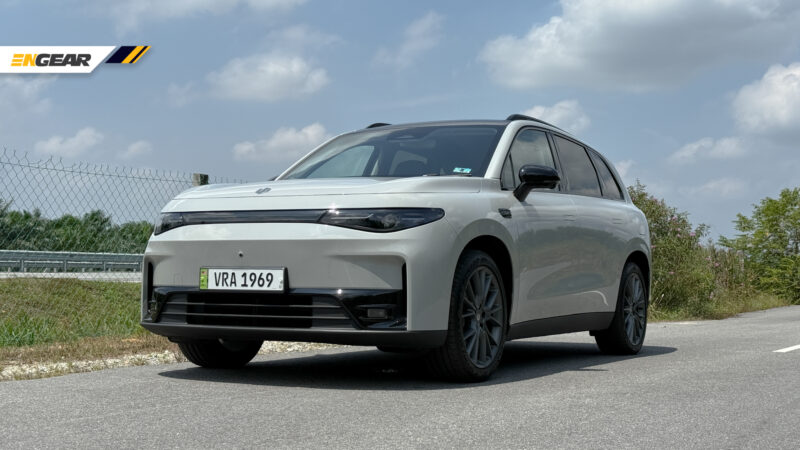
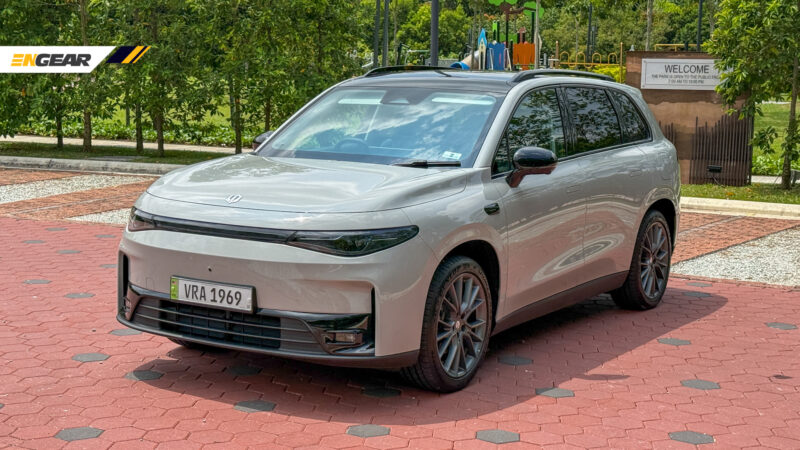
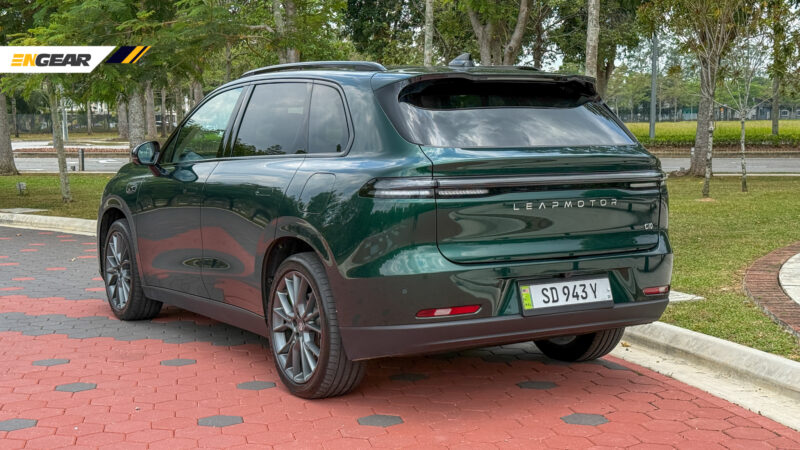
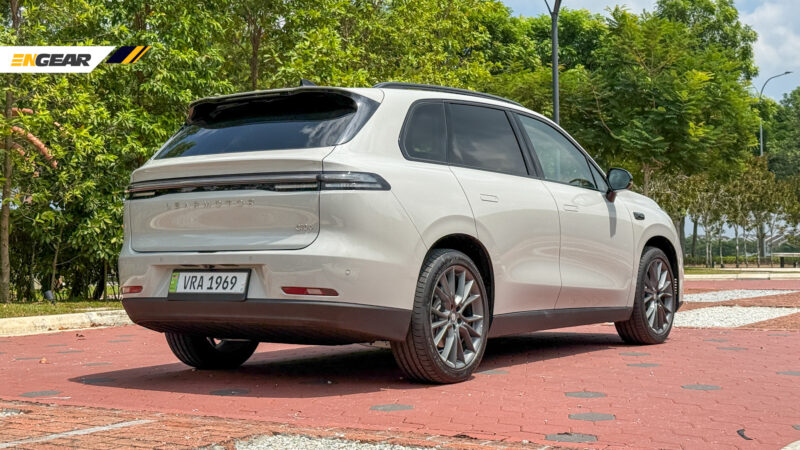
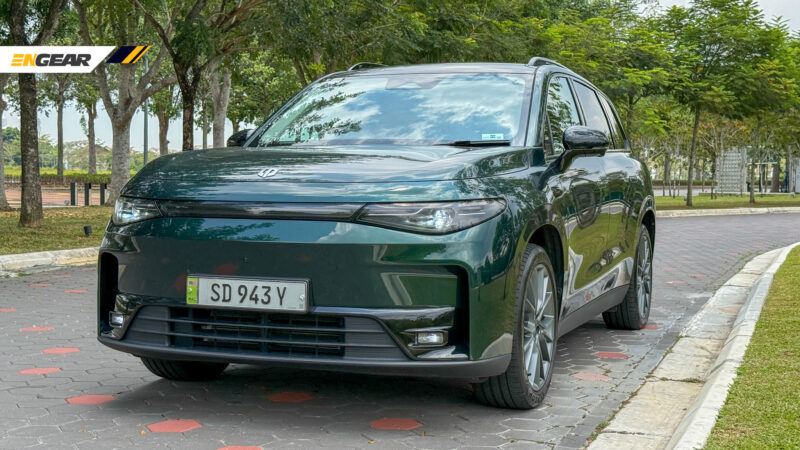
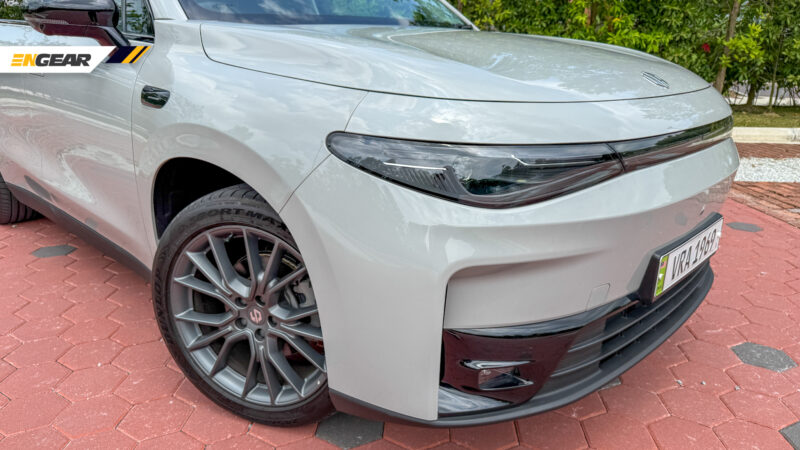
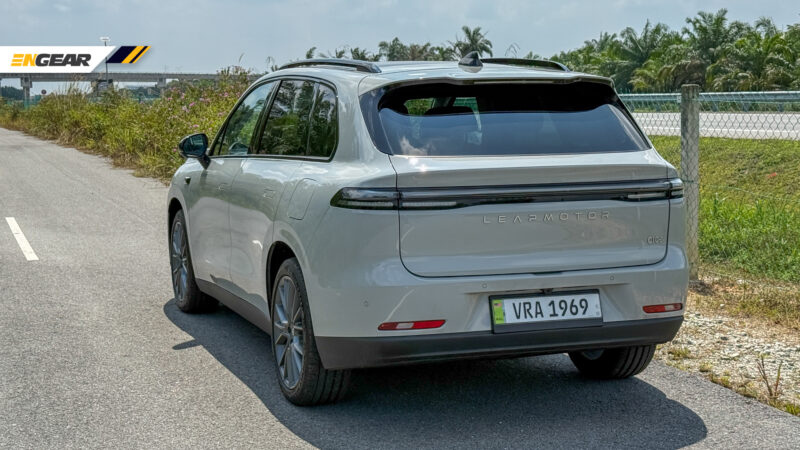
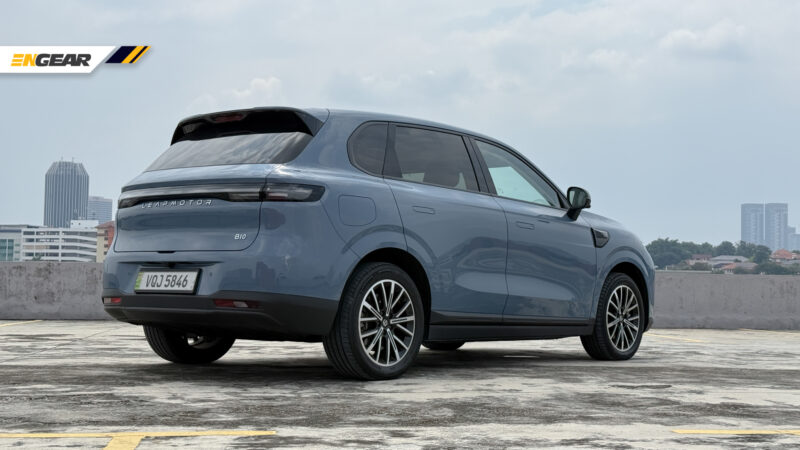
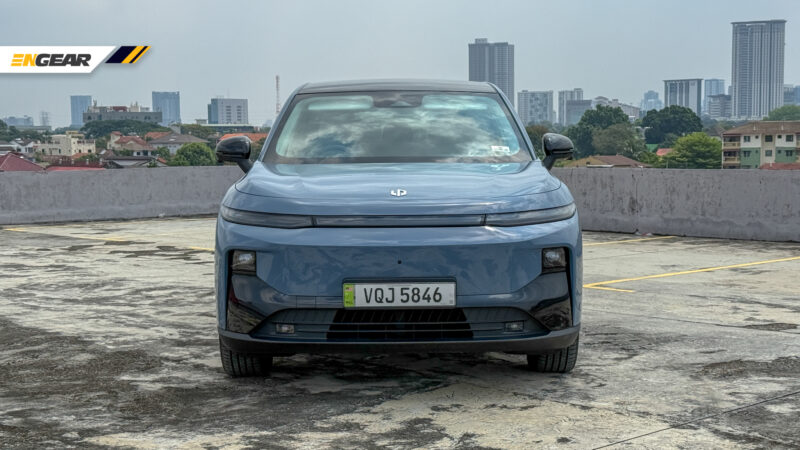
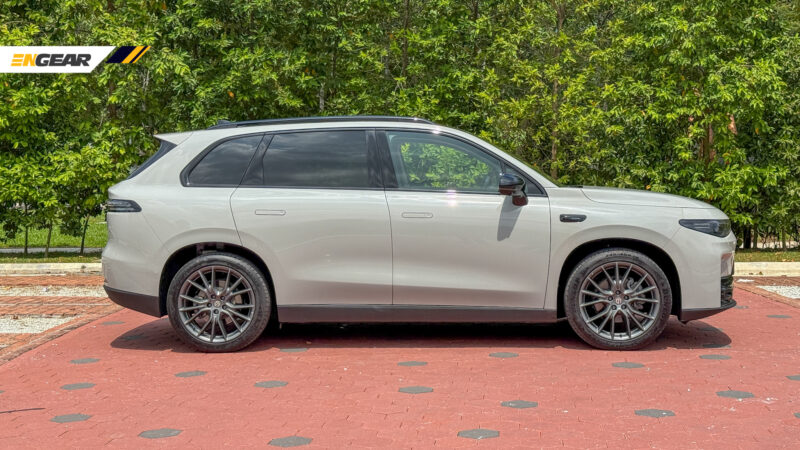
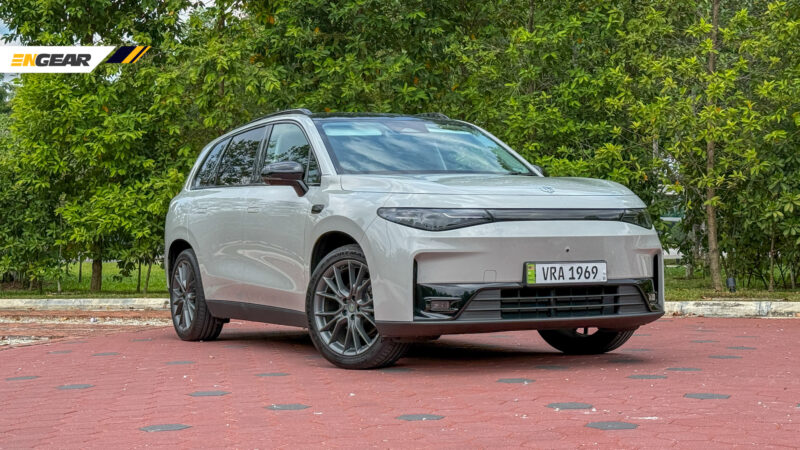
Like the C10, the B10 retains a minimalist design language that contributes to a drag coefficient as low as 0.265 Cd, a figure rarely seen in this segment.

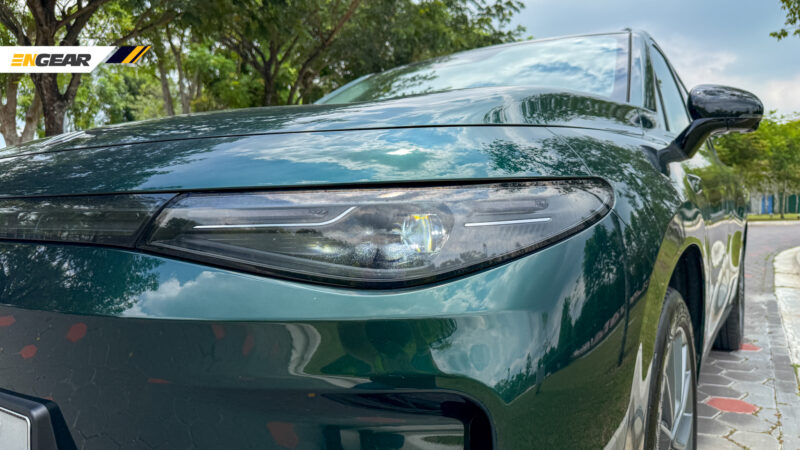
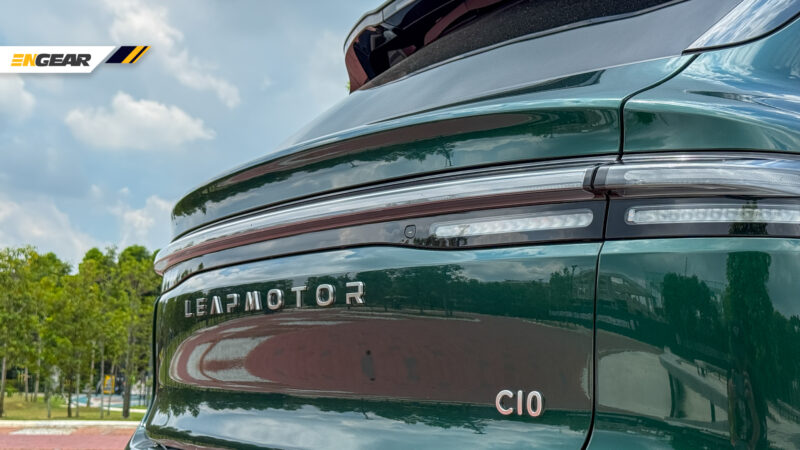
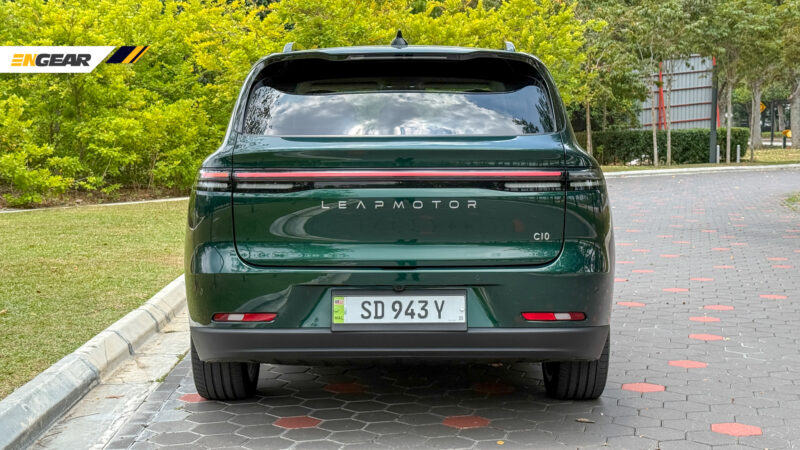
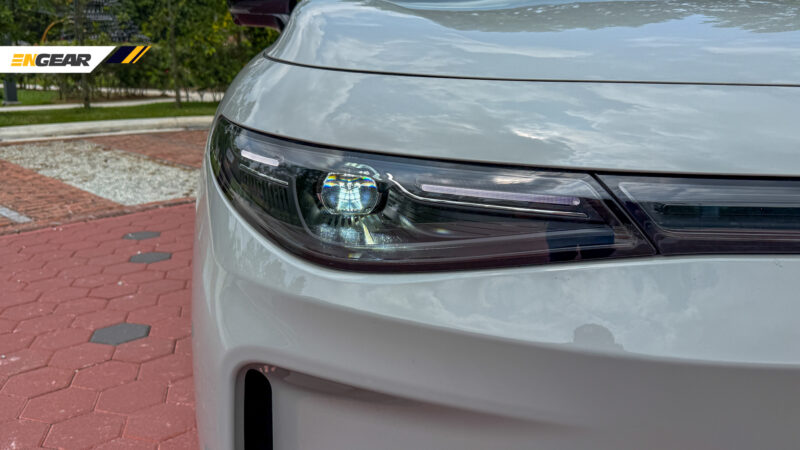
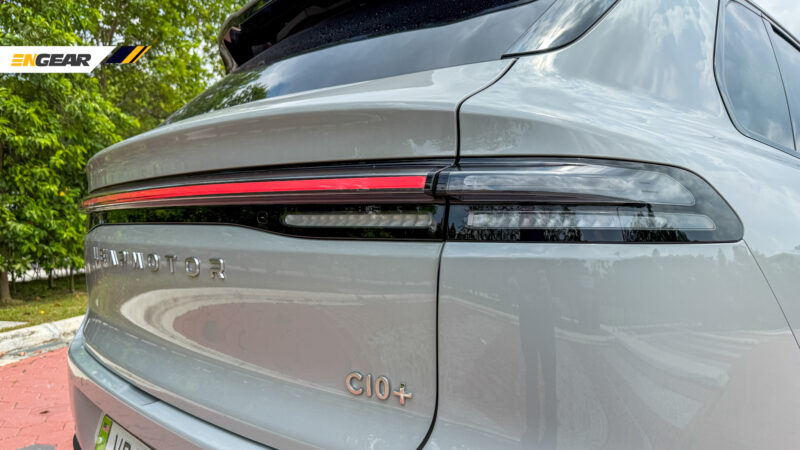
The thin Wing Star LED signature at the front and rear gives it a clean, modern character.

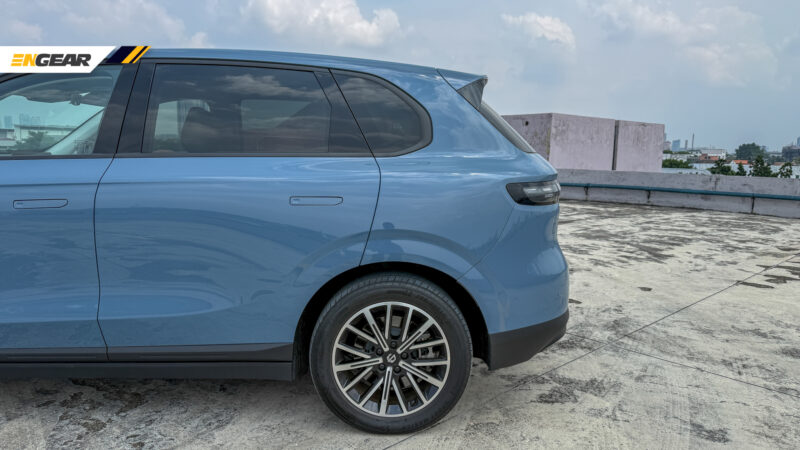
You will, however, need to get used to the door handles that must be pushed out manually.

Thankfully, the tailgate comes with a button that makes loading cargo easier.
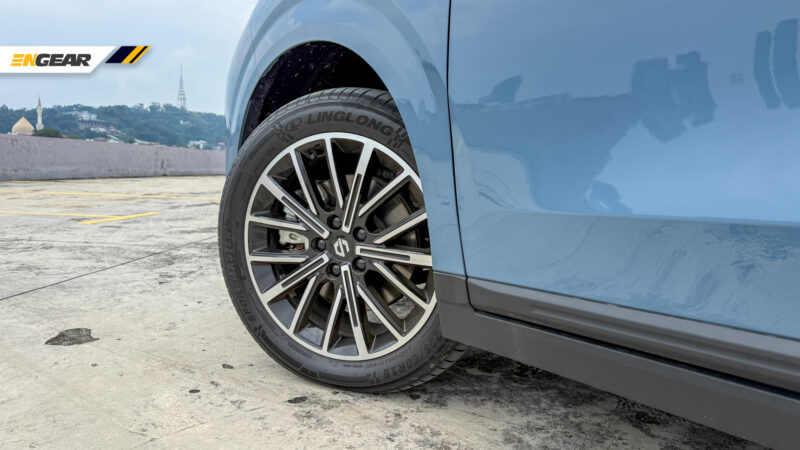
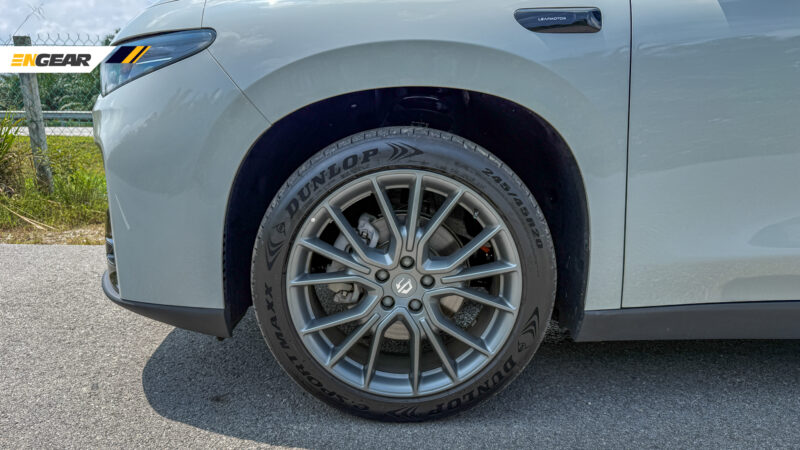
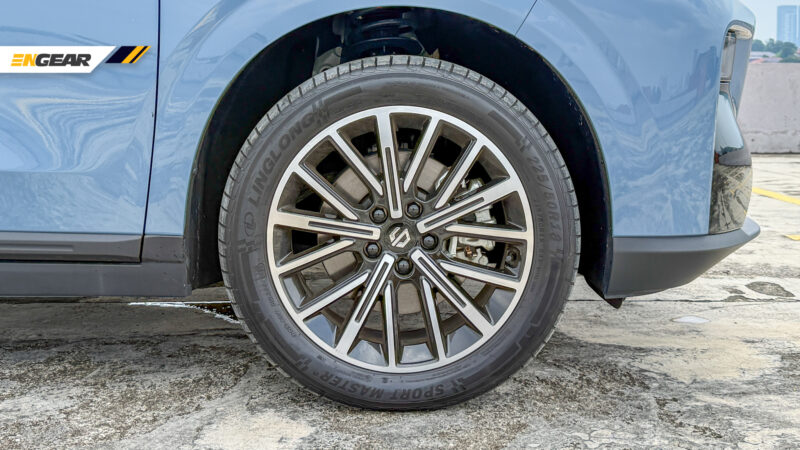
The B10 rides on 18‑inch alloy wheels wrapped in Linglong Sport Master tyres.

Yes, a name that might raise eyebrows but their performance in corners is surprisingly convincing.

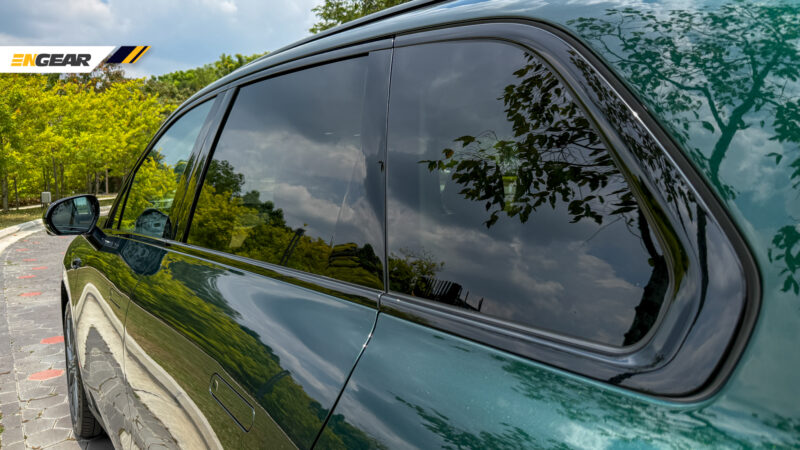
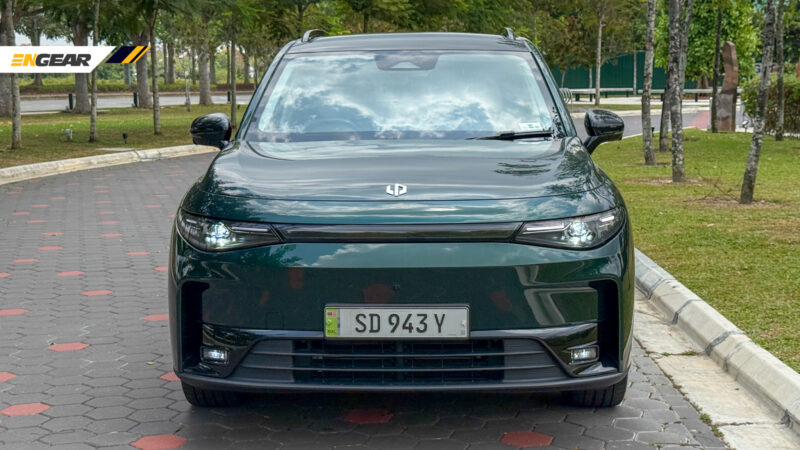
Colour choices are also far from boring: including Starry Night Blue inspired by Van Gogh’s artwork, Dawn Purple, and Tundra Grey.

Interior
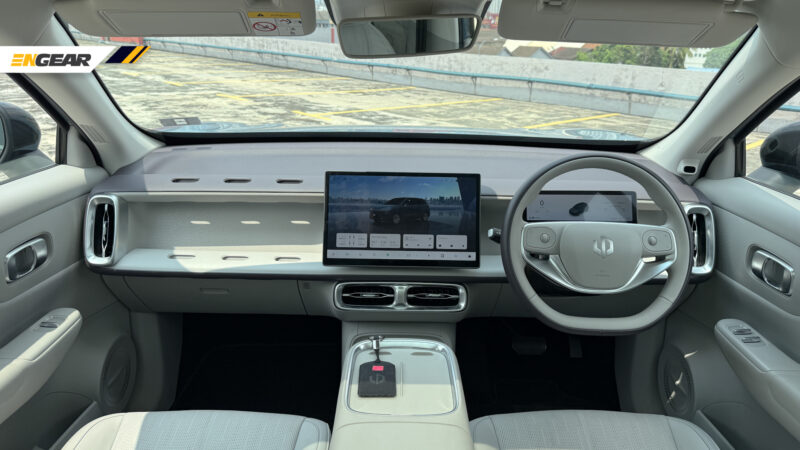
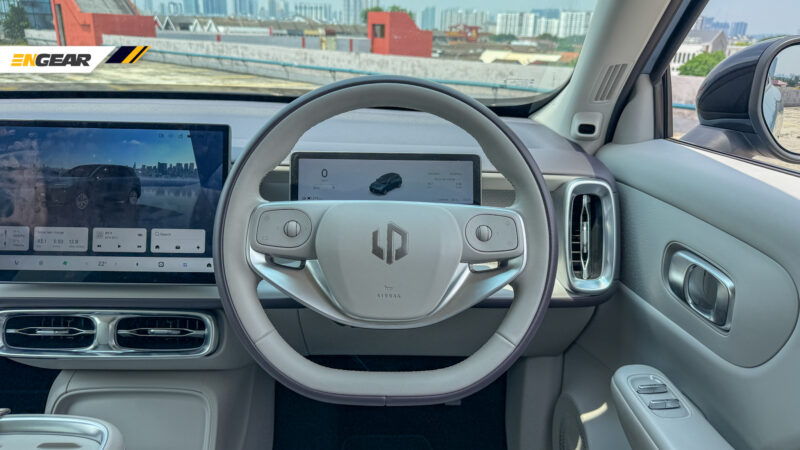
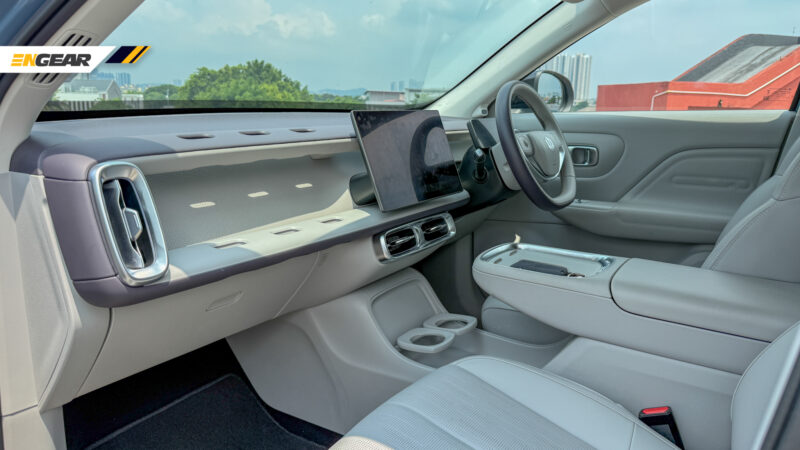
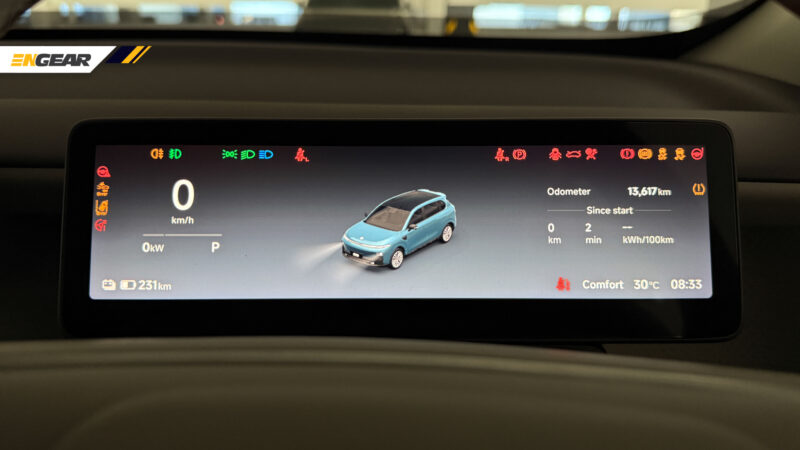
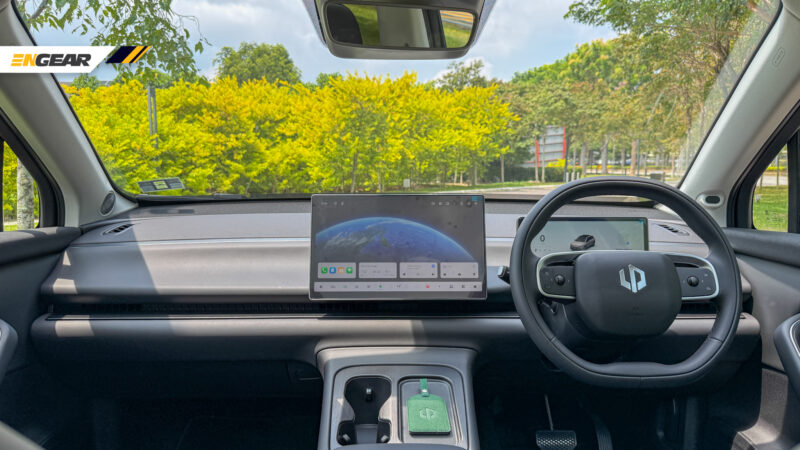
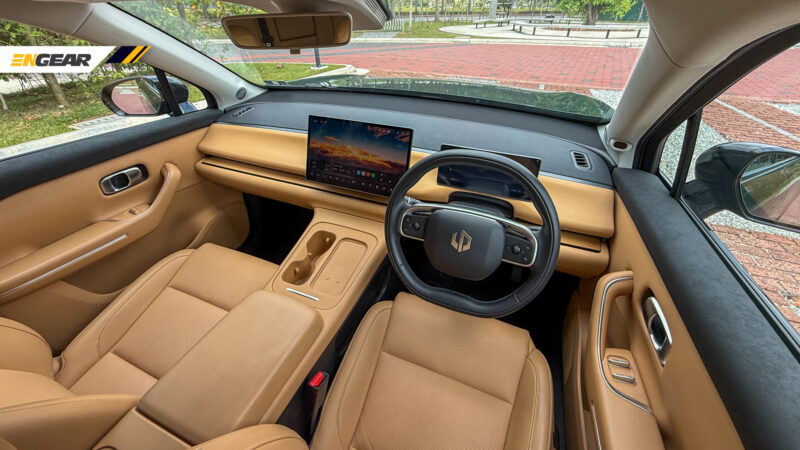
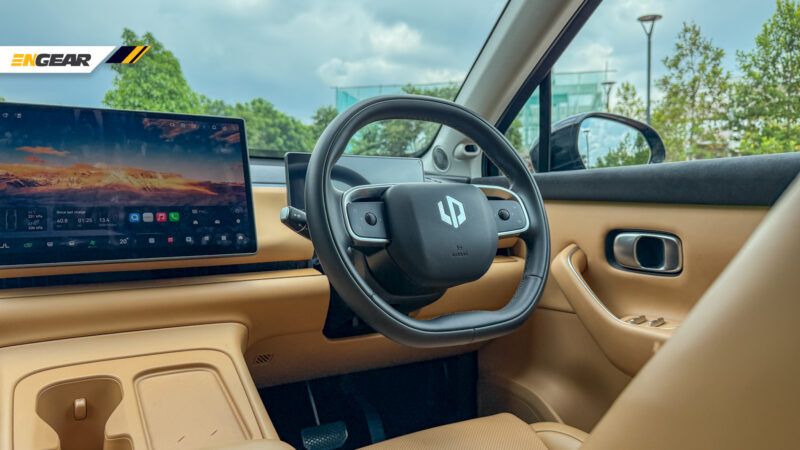
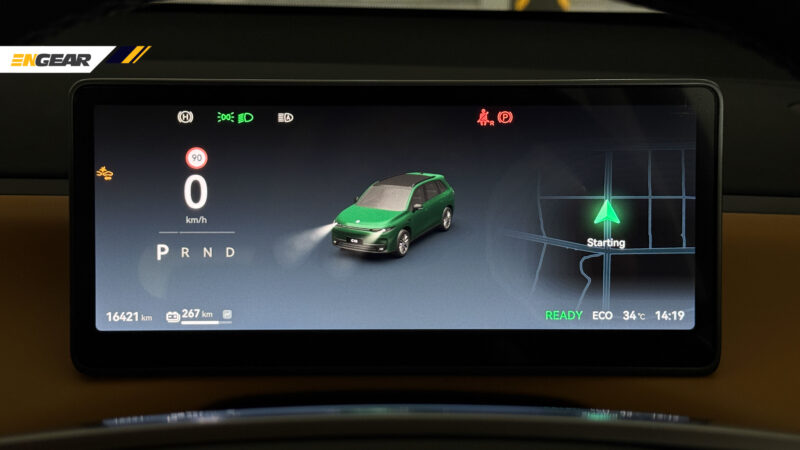
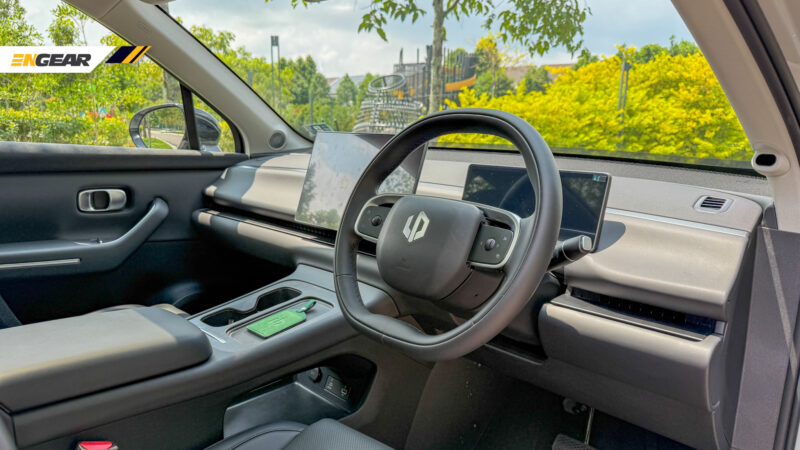
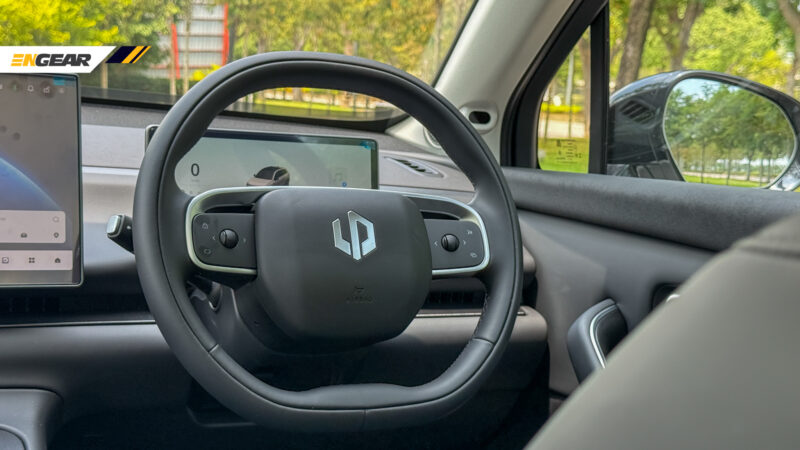
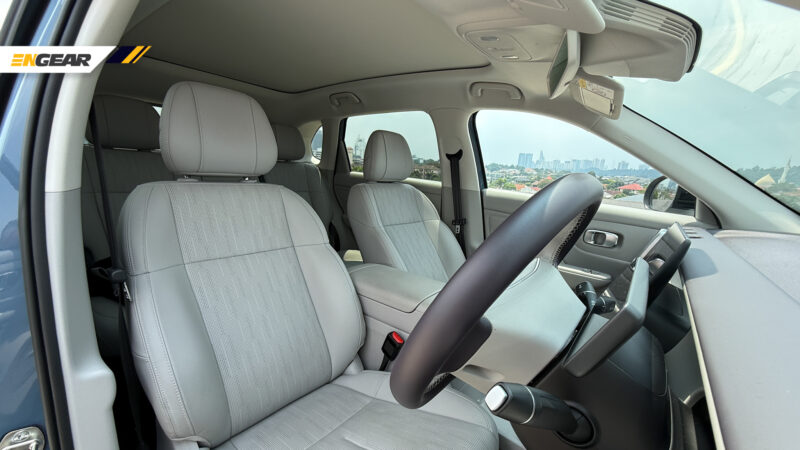
One thing we truly appreciate in the B10 is the 8.8‑inch LCD cluster display.

This means you don’t have to constantly shift your gaze to read important driving information.

The screen is mounted directly on the steering column and moves according to tilt and telescopic adjustments.
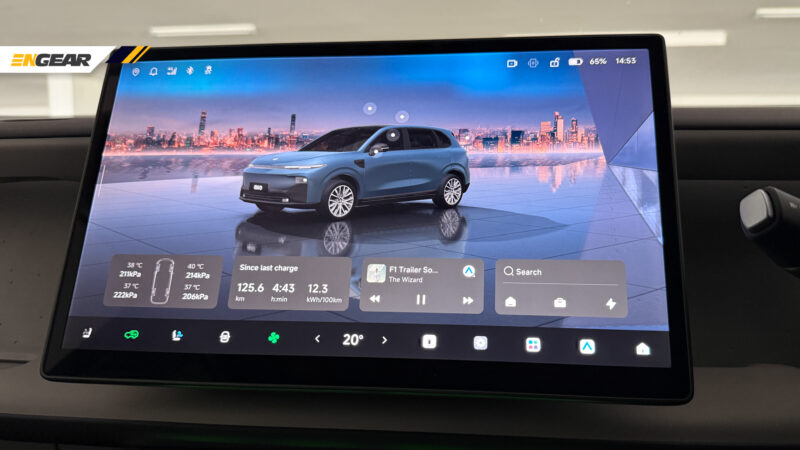
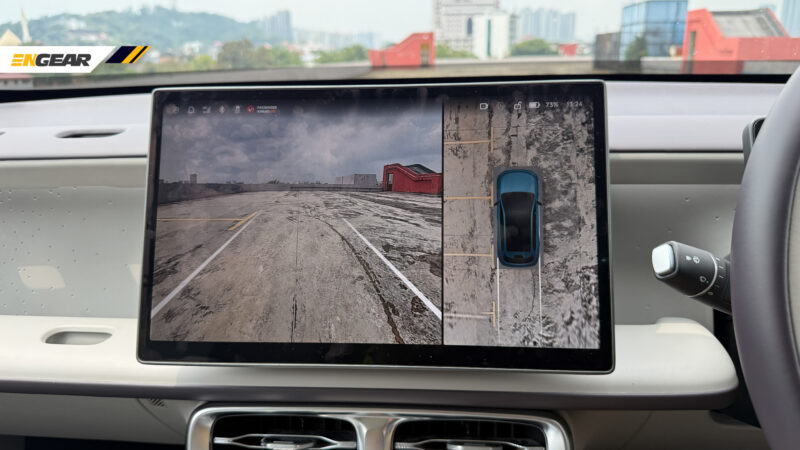
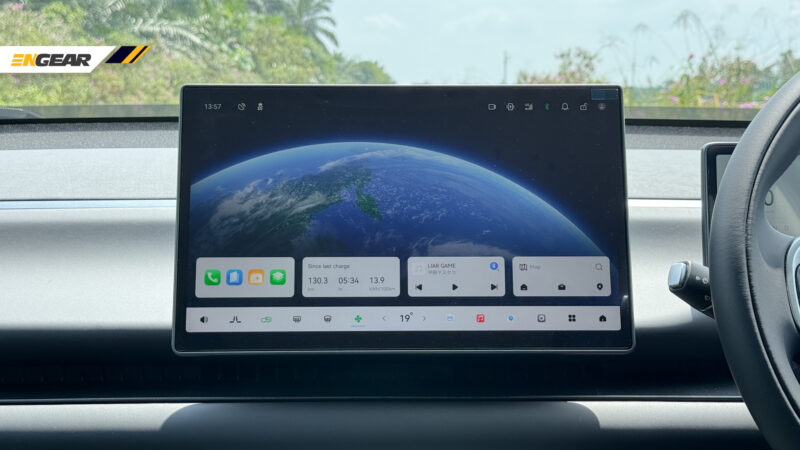
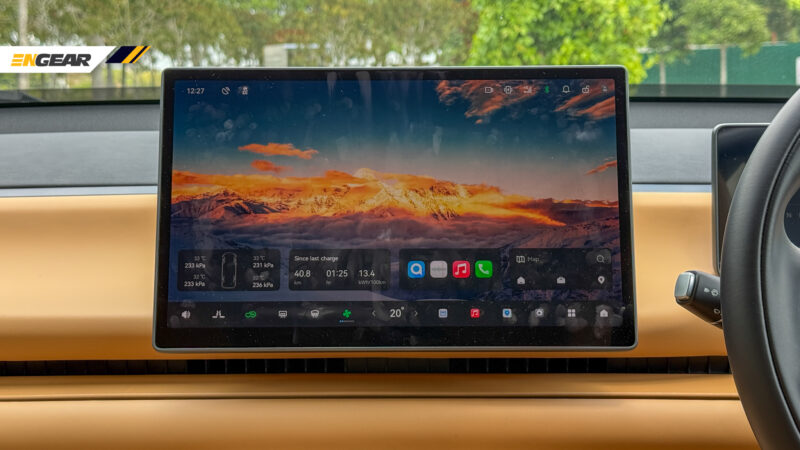
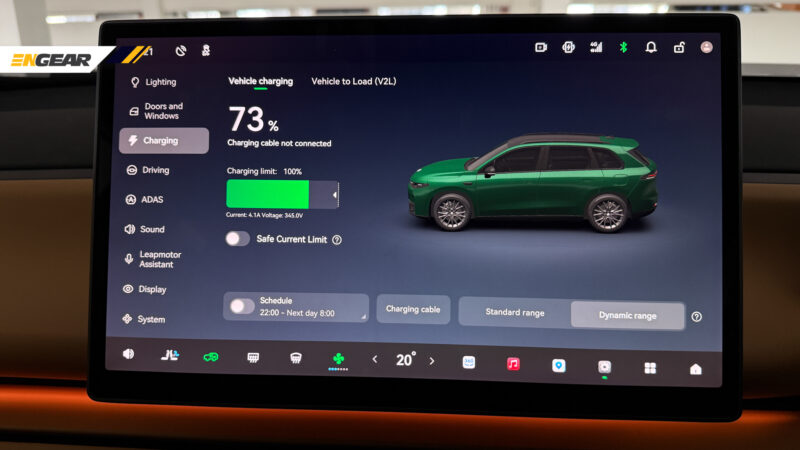
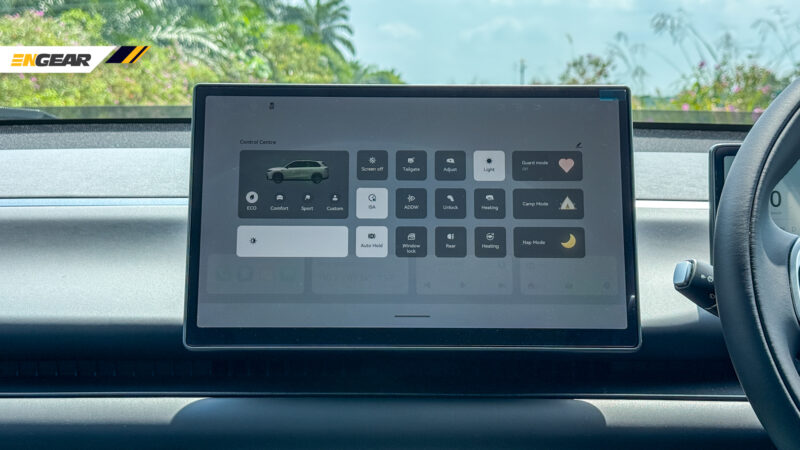
In the centre sits a 14.6‑inch touchscreen, which serves as the hub for all functions and controls including the side mirrors adjustment (yes…).

Good news: the Leapmotor B10 now supports wireless Apple CarPlay and Android Auto!

This is something many tech‑savvy Leapmotor users have been waiting for.

Practicality
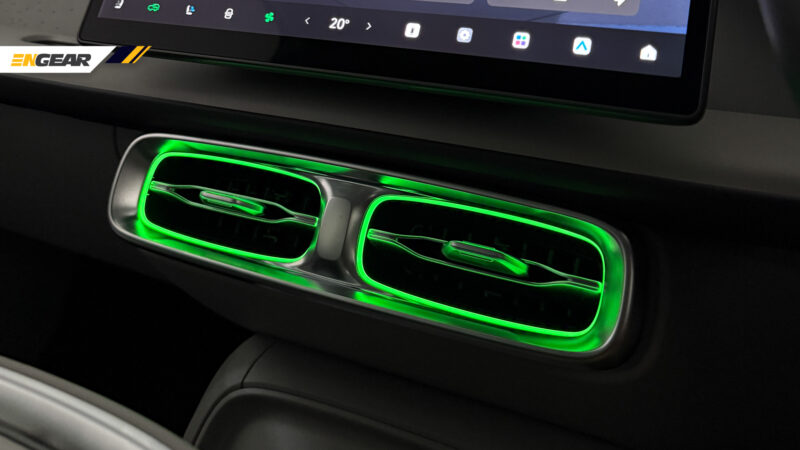
If the C10 feels more premium, the B10 leans toward utilitarian — and that’s not a drawback.

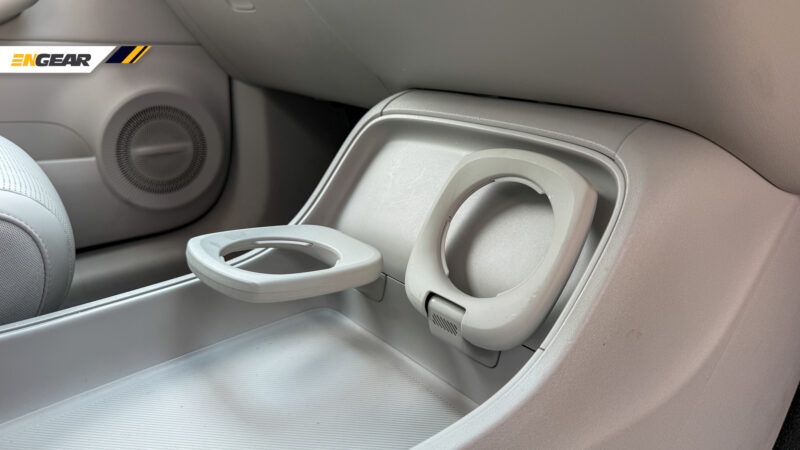
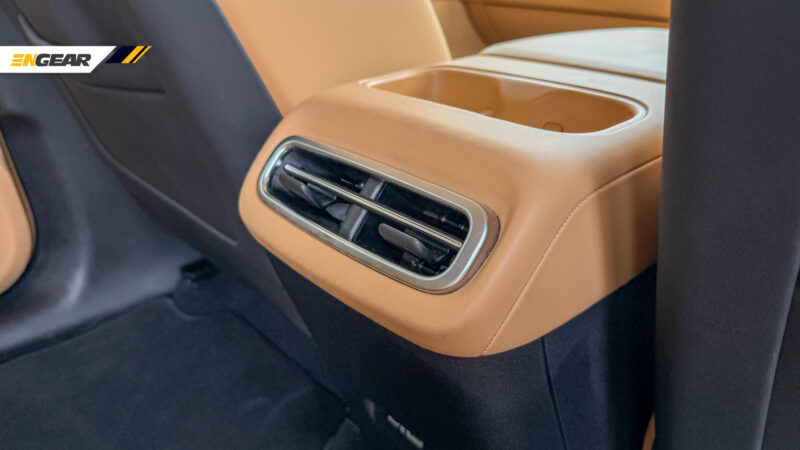
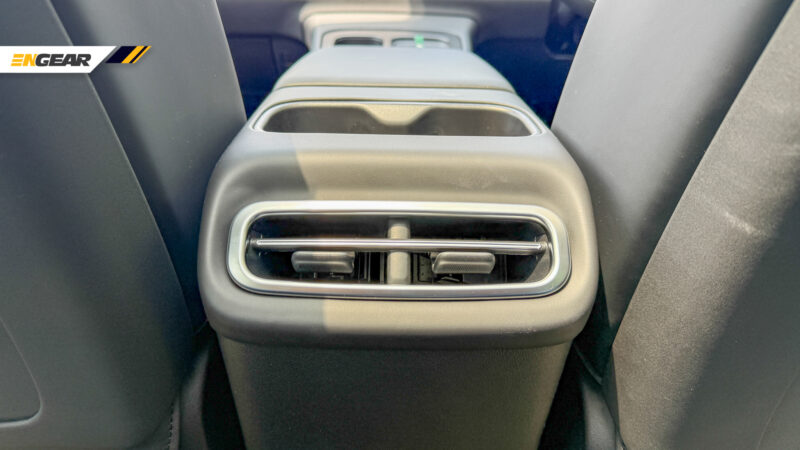
Features we like include manually adjustable air vents and a floating centre console with a large storage area underneath.

The bottle/cup holders below can also be folded to maximise available space.
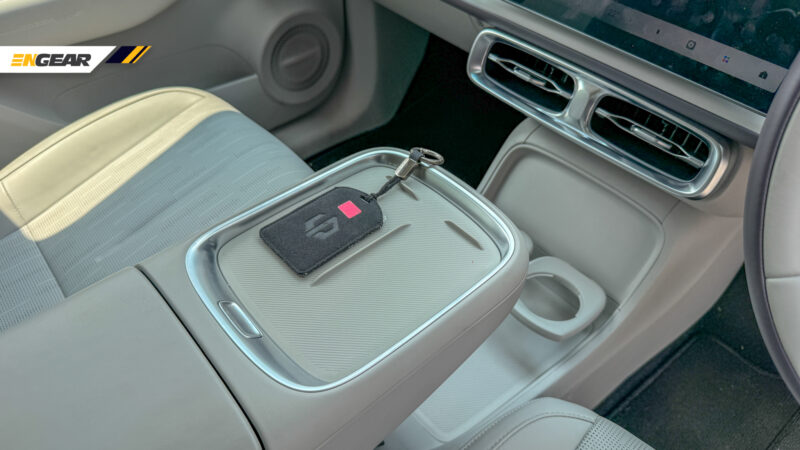
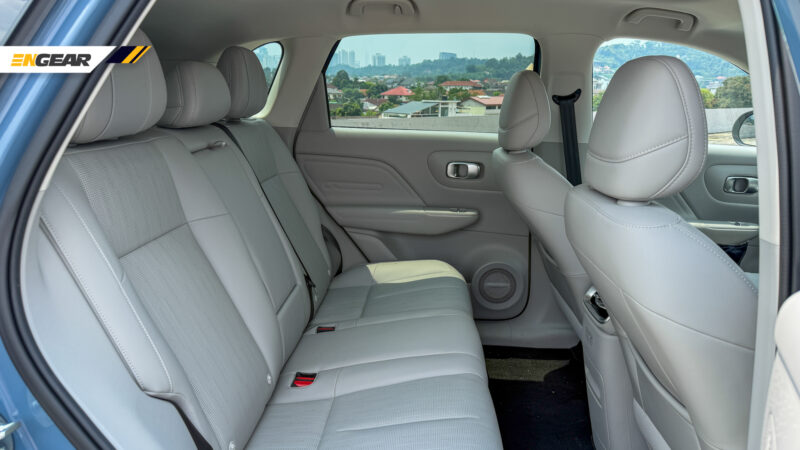
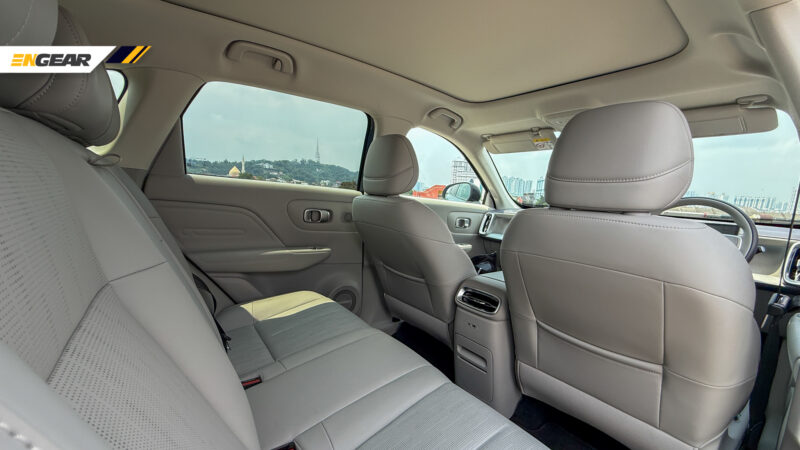
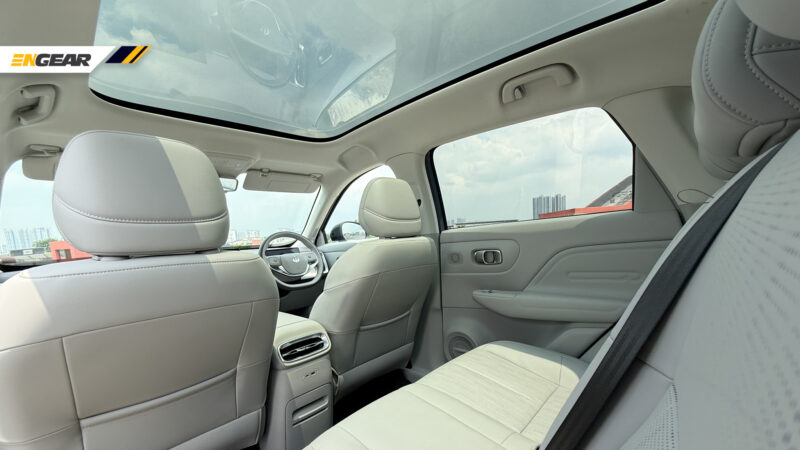
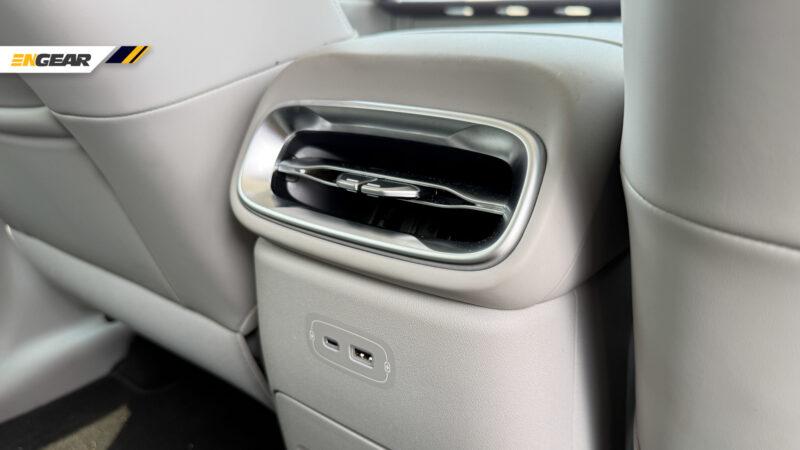
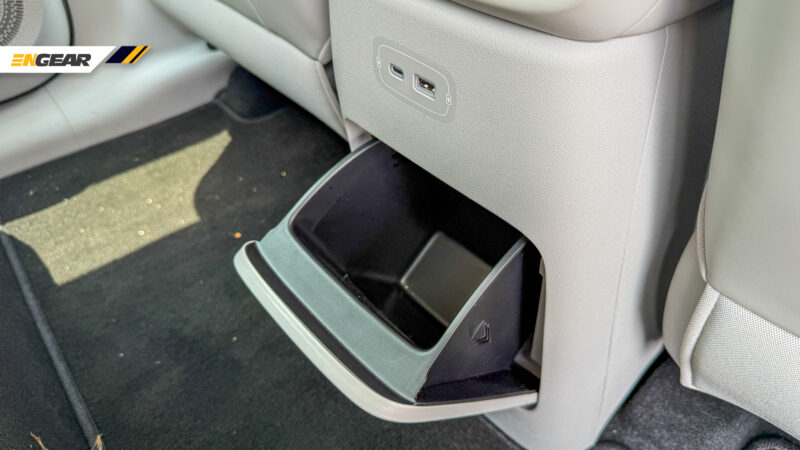
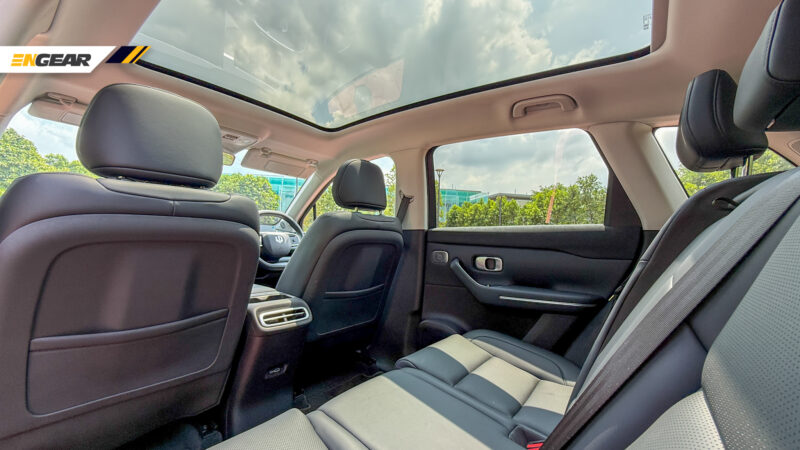
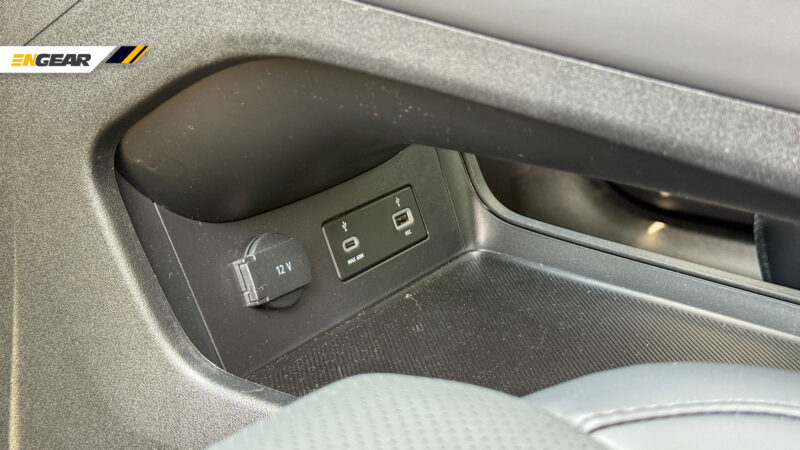
There’s plenty of storage throughout the cabin: in the centre console, under the second‑row air vents, and even a glovebox that can fit a 14‑inch laptop.

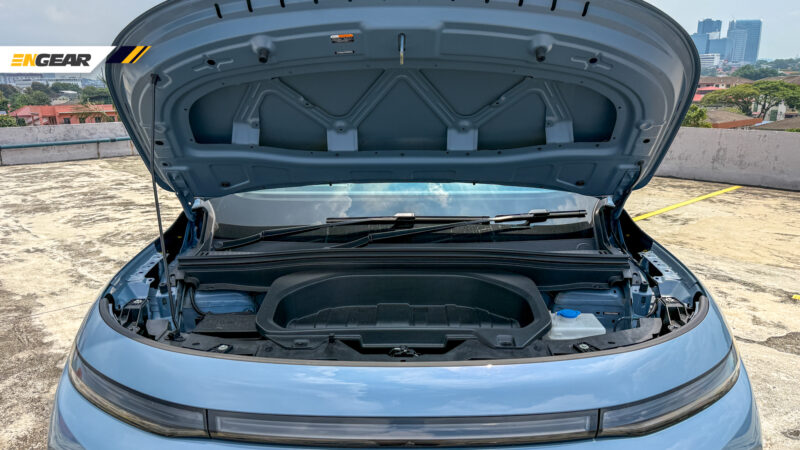
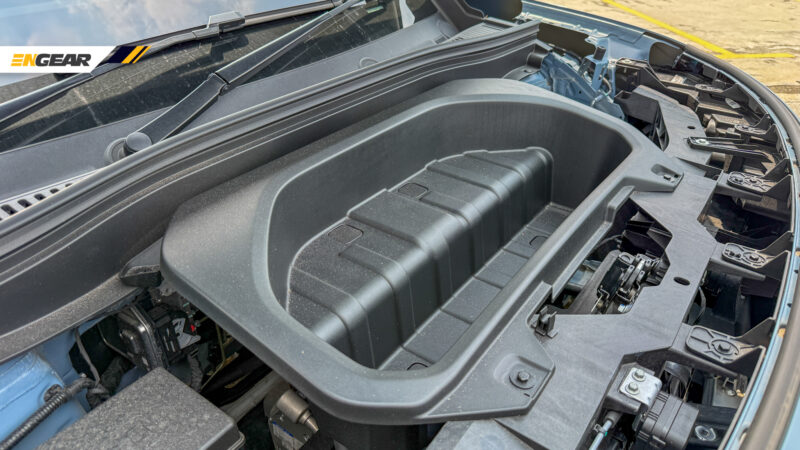
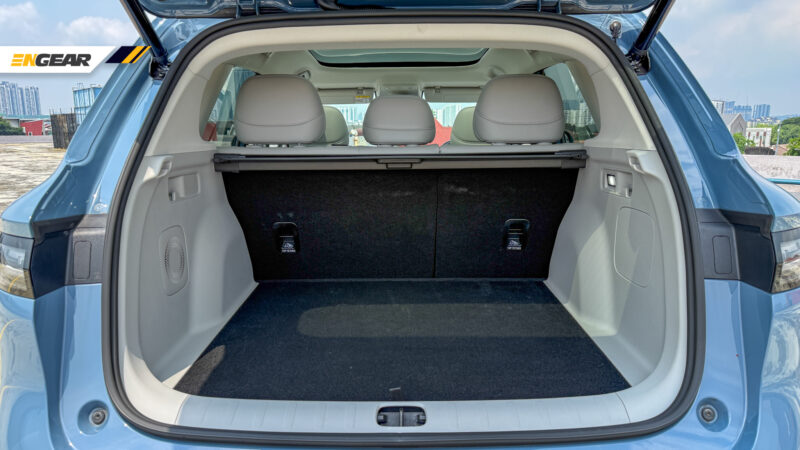
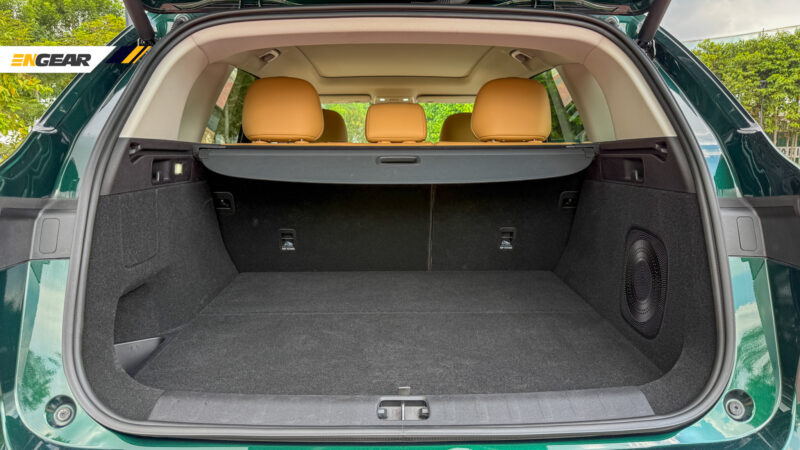
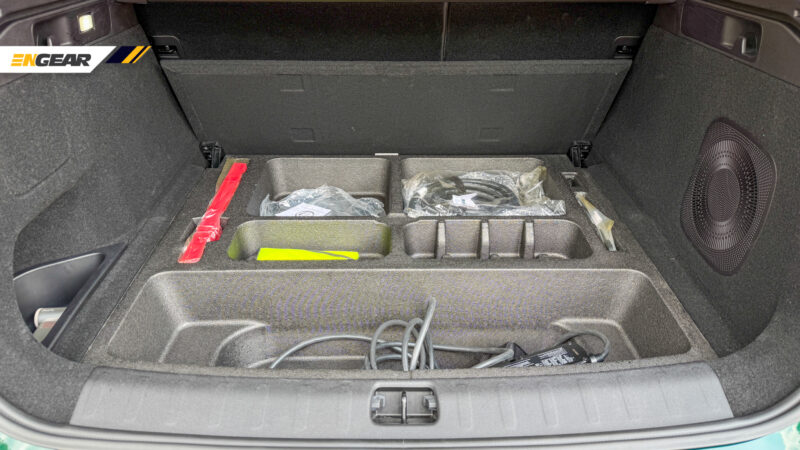
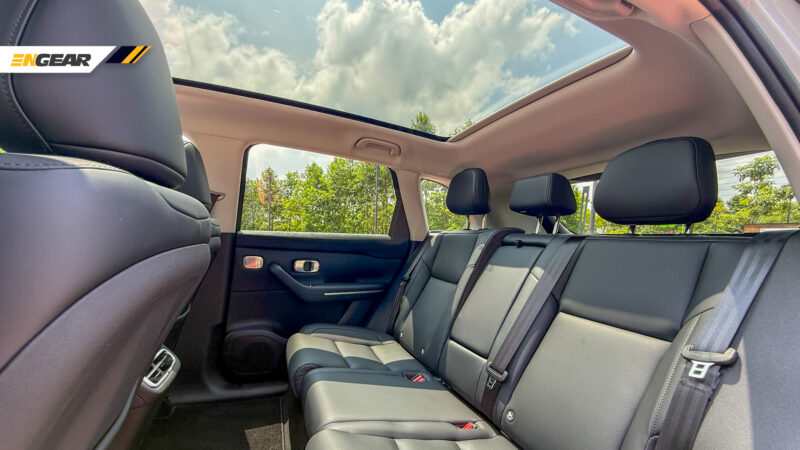
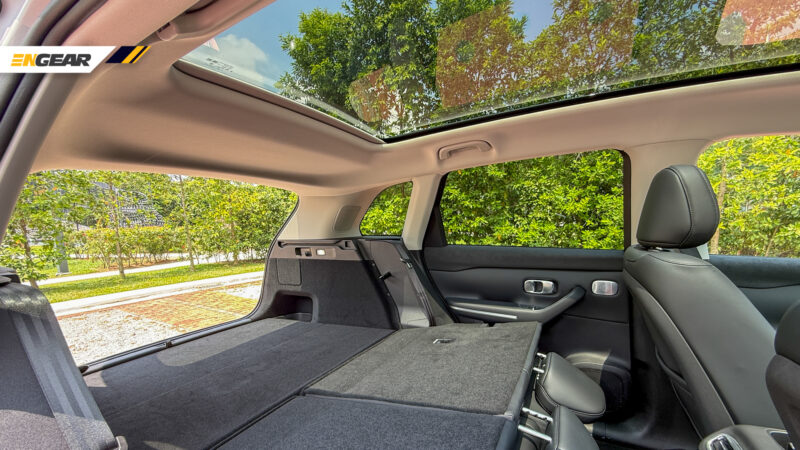
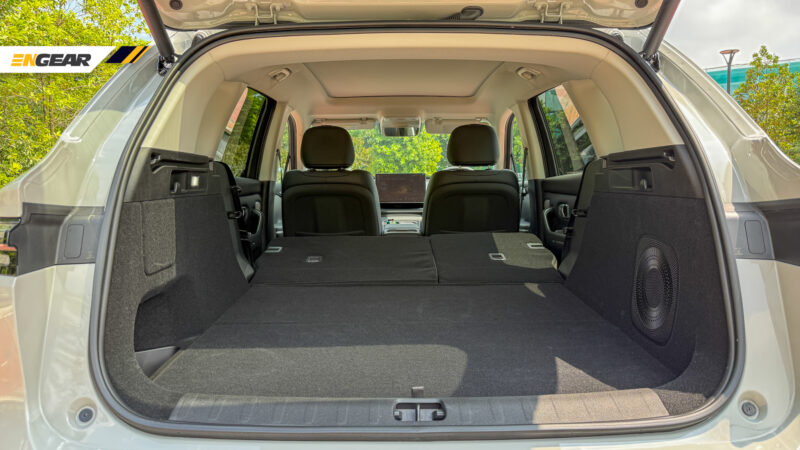
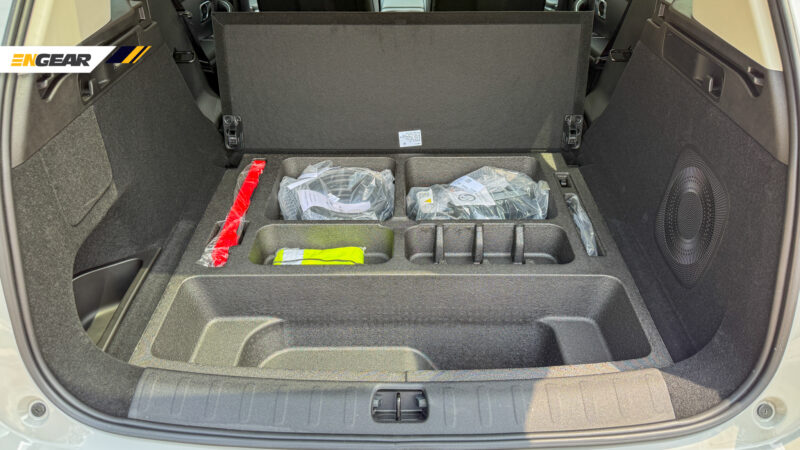
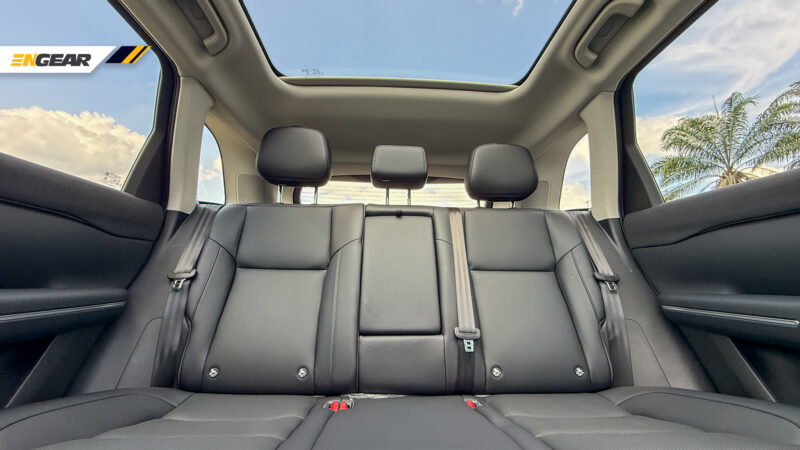
Cargo space is 430 litres, expandable to 1,700 litres when the rear seats are folded — allowing nearly 88% of the cabin to be utilised for family activities.

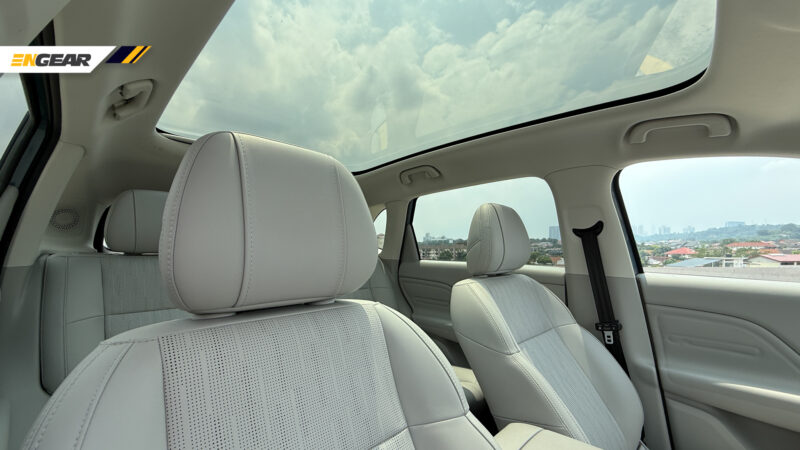
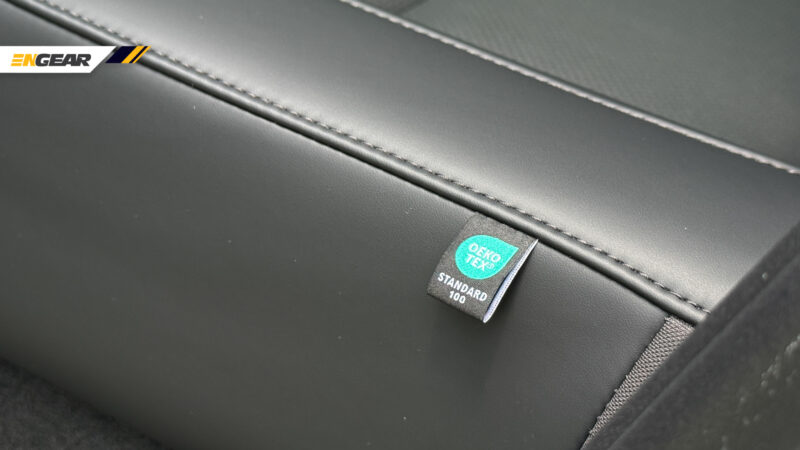
The Oeko‑Tex Standard 100 upholstery made from bamboo charcoal makes the cabin more family‑friendly, especially for those with young children.

Driving Experience
Once upon a time, multi‑link rear suspension was reserved for luxury cars but now it’s becoming common.

The B10 features MacPherson struts up front and multi‑link suspension at the rear.

From our experience, the B10’s suspension tuning feels more natural, with better‑controlled body roll.

Steering feel is livelier too, with predictable response.
What makes the B10 more enjoyable to drive is its brake pedal feel, no longer “empty” which is a significant improvement over the C10.

The B10 is powered by a single rear‑drive motor producing 218 hp and 240 Nm.

If the C10 is designed for family comfort, the B10 may suit those who enjoy a more emotional driving experience.

Three drive modes are available, and in our opinion, Comfort feels the most balanced for daily use.

Battery & Charging
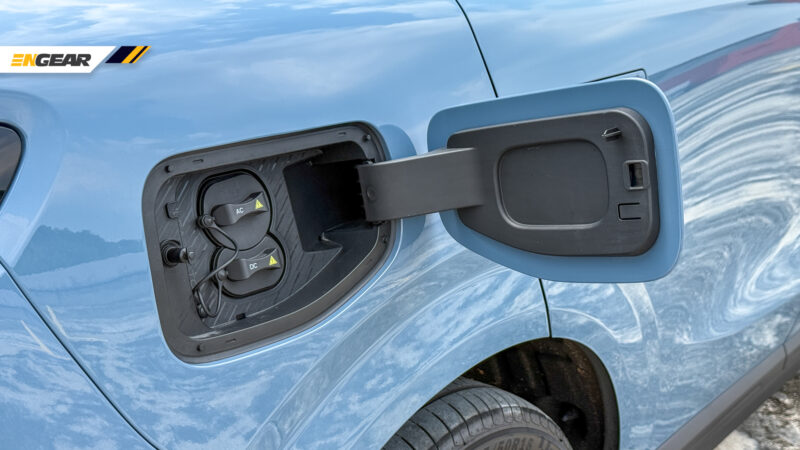
The Design variant we tested comes with a 67.1 kWh battery.

On a full charge, it delivers 434 km WLTP range — sufficient for city driving.

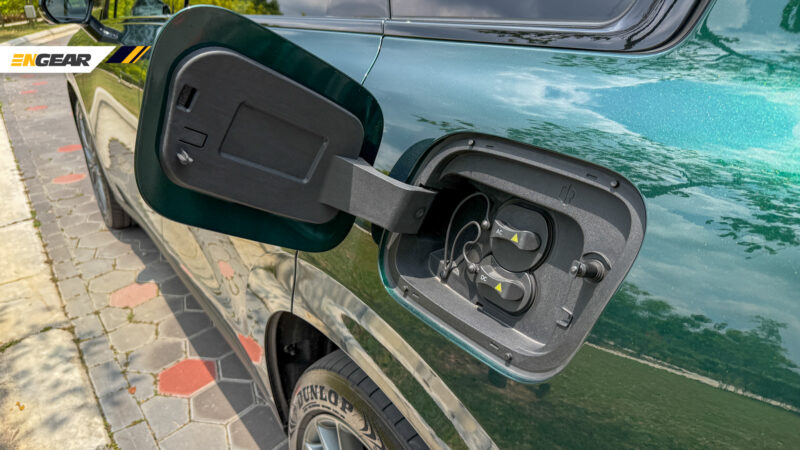
For interstate travel, you can rely on its 168 kW DC fast‑charging capability, allowing 30–80% charging in under 30 minutes.

Safety
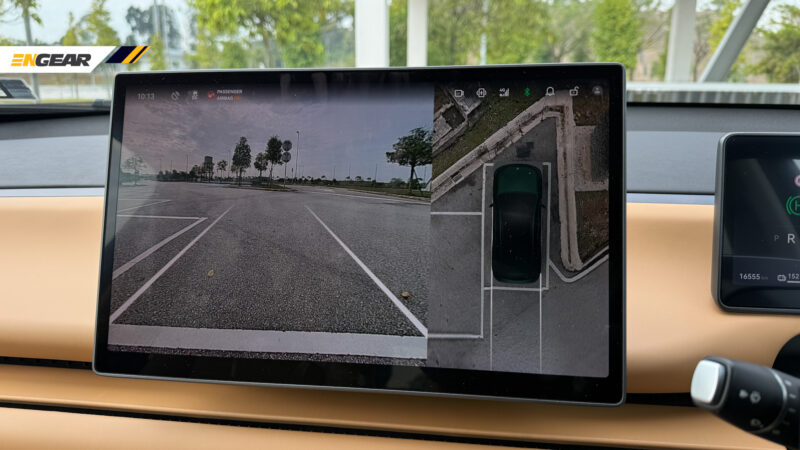
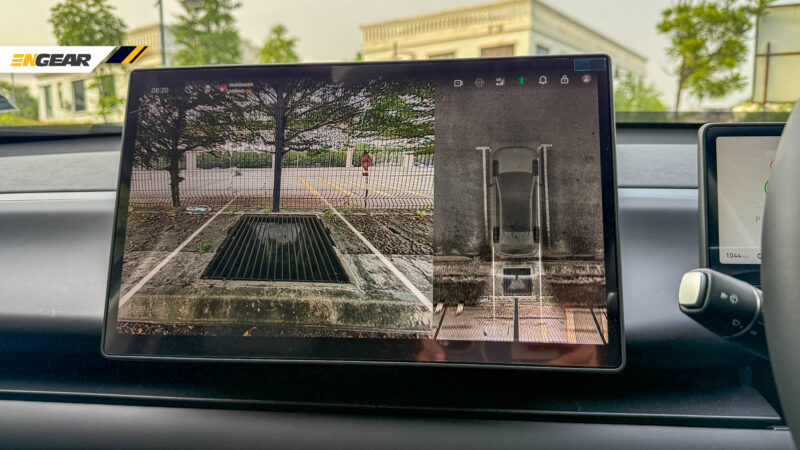
Standard equipment includes 7 airbags, ABS, EBD, and a very clear 360‑degree camera that helps in tight spaces.

With nearly 17 ADAS features, the B10 is suitable for new drivers.

These systems are designed to keep the SUV safe at all times, including:

  • Adaptive Cruise Control (ACC)
  • Lane Centering Control (LCC)
  • Autonomous Emergency Braking (AEB)
  • Rear Cross Traffic Alert (RCTA)

However, for experienced drivers, the system can sometimes feel overly controlling.
Some features can be turned off at the start of a drive, but under certain conditions, they reactivate automatically.

After several attempts, we found it easier to just leave them on — even if they occasionally test your patience.

Weaknesses
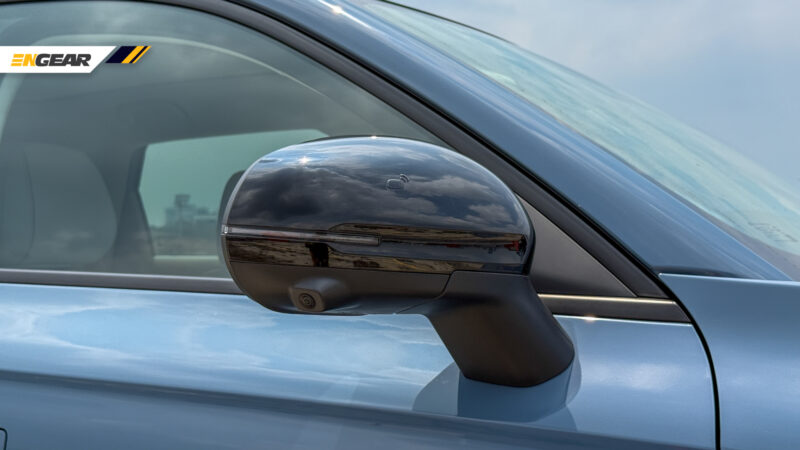
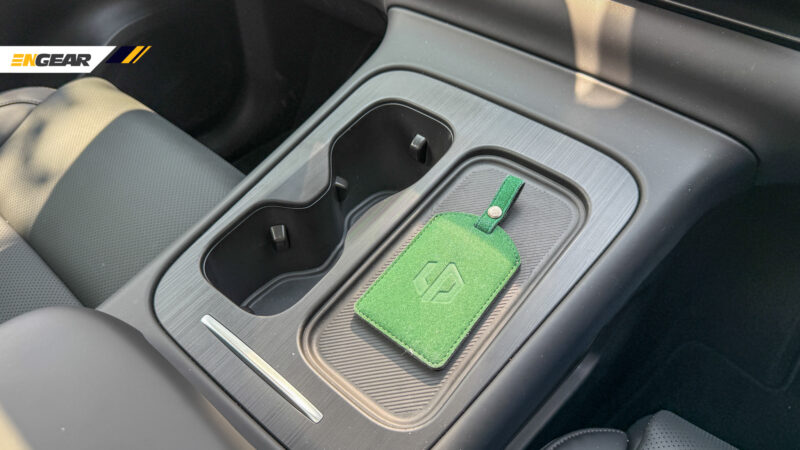
Like the C10, B10 owners still need to rely on the NFC key before starting a drive.

Fortunately, there’s an alternative: owners can use their smartphone as a secondary key and access important vehicle information.

Miss the days of physical key fobs?

No worries because Leapmotor Malaysia now offers this option for both new and existing owners.

Conclusion
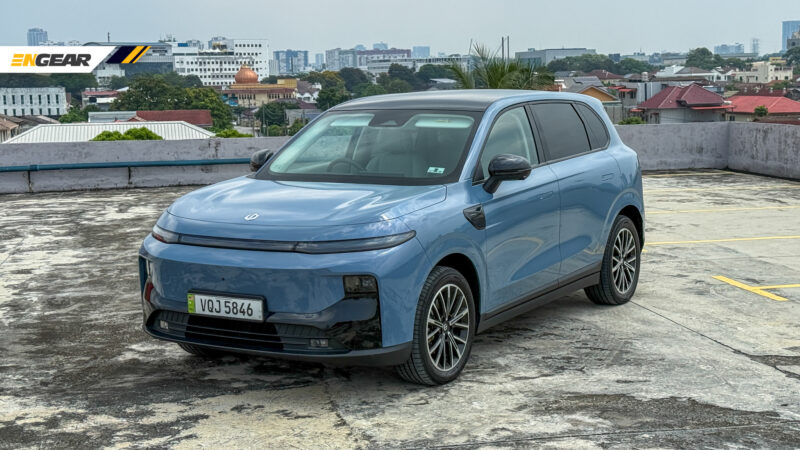
The Leapmotor B10 proves that an affordable electric SUV (priced from RM118,800) doesn’t have to compromise on driving experience, comfort, or practicality.

It may not be the most powerful or the most premium in its segment.

But with a balanced package that aligns well with the needs of Malaysian buyers, the B10 stands as an EV worth considering.
Leapmotor C10 or C10 Plus, which one offers better value? – test drive review

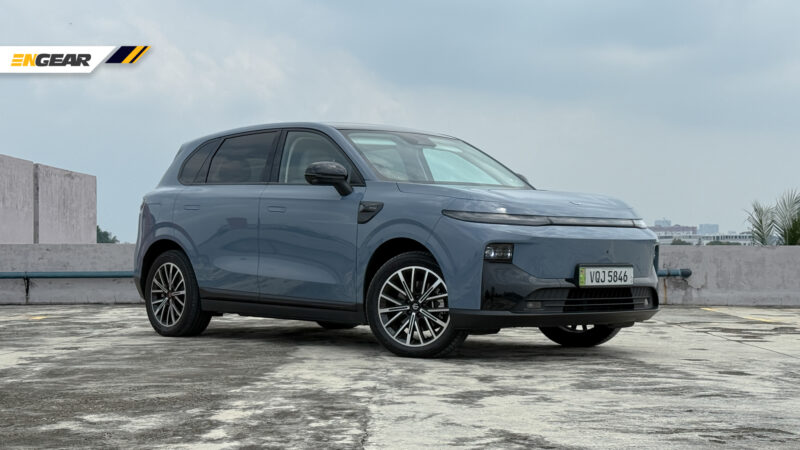
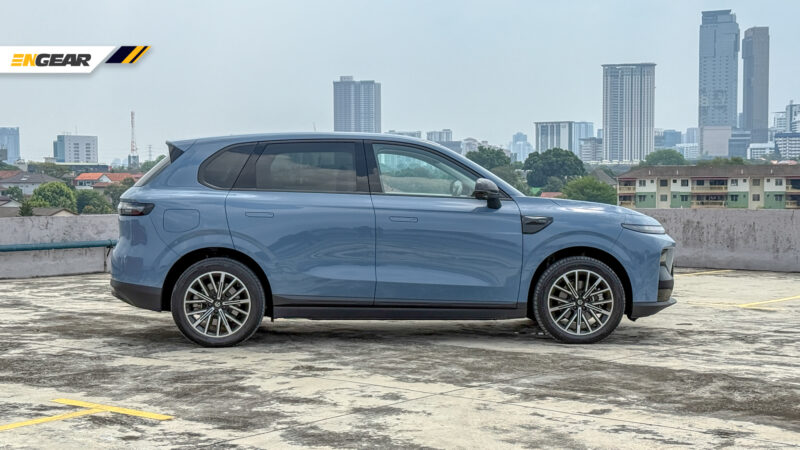
Leapmotor C10 entered the Malaysian market about two years ago.

At first, it was a brand unfamiliar to many, but today it is steadily becoming a popular choice among Malaysians seeking a practical mode of transportation.

The model received an update in 2025, featuring faster AC charging capability and the addition of a tire‑pressure monitoring system.

For the 2026 model year, Leapmotor Malaysia has announced the arrival of a new variant — the C10 Plus — with more significant upgrades.

Here is our review after being given the opportunity to test‑drive both C10 variants.

Exterior

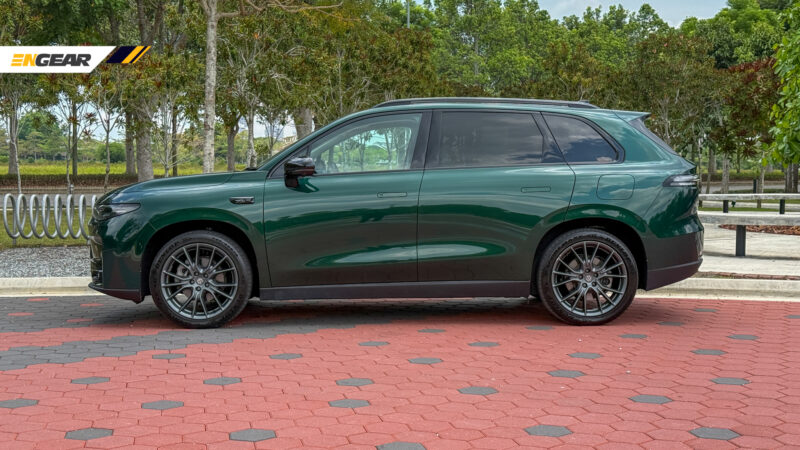
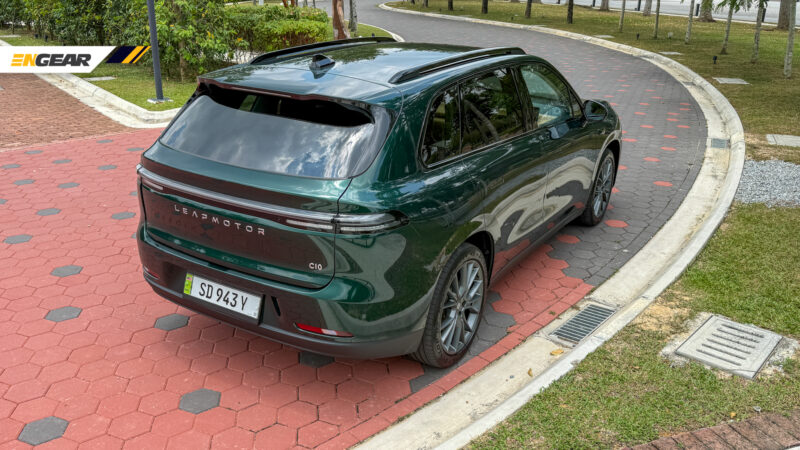
From the outside, there aren’t many differences between the two models.

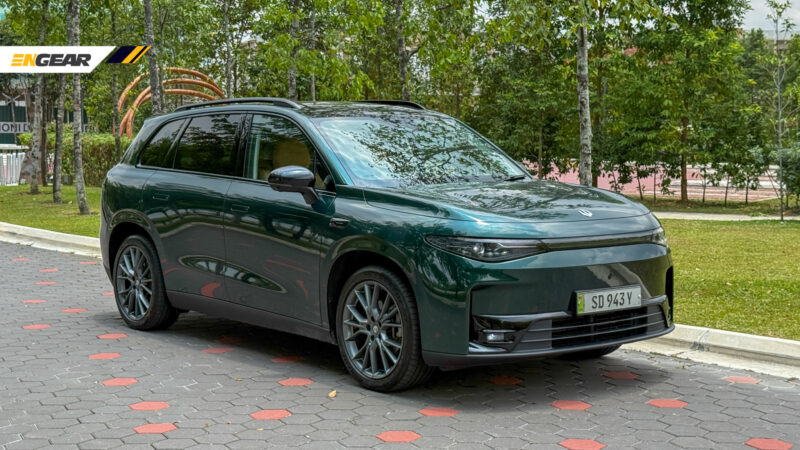
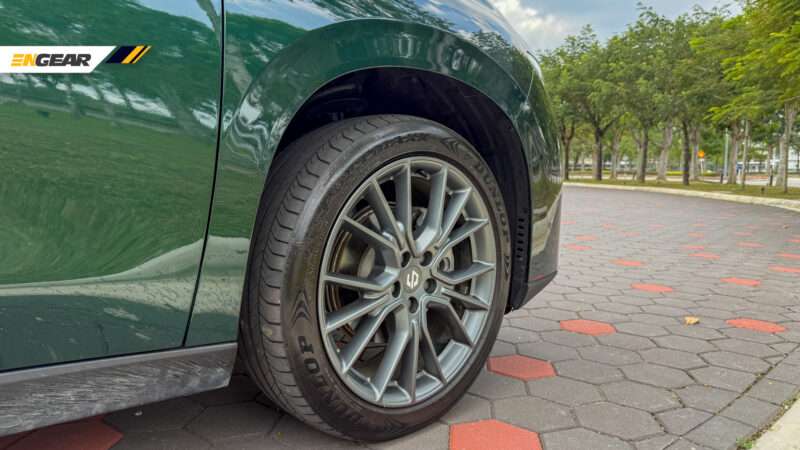
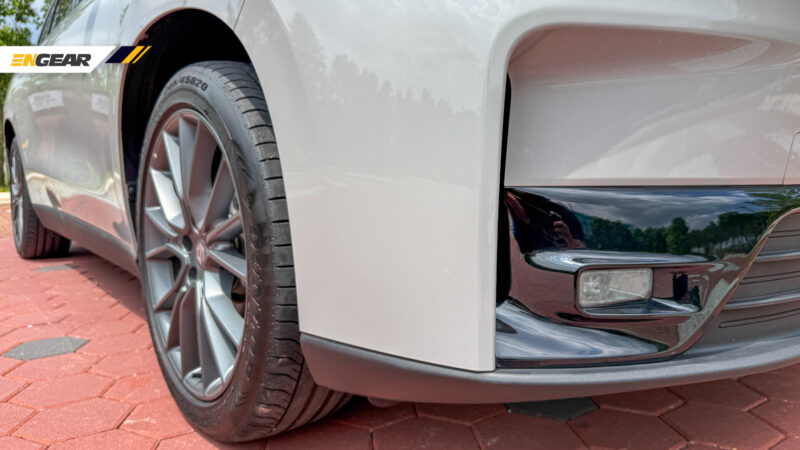
The design is soft and minimalist, without aggressive body lines, but enhanced with stylish 20‑inch wheels.

Flush door handles give the C10 a cleaner appearance, though their operation may not be pleasant for some users.

Interior

With its large dimensions, the C10 can be considered a multi‑purpose vehicle even though it does not come with a three‑row seating configuration.

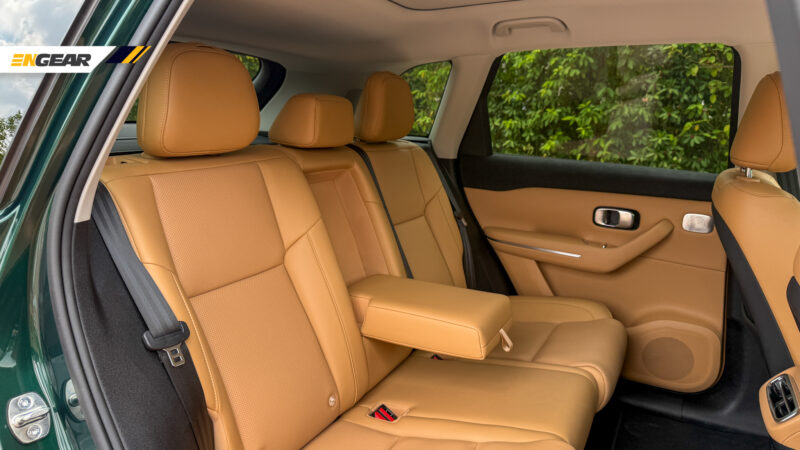
With a wheelbase of 2,825 mm, the Leapmotor C10 offers a spacious cabin, especially for second‑row passengers.

Headroom also feels generous thanks to the large panoramic glass roof.

If the sunlight becomes too harsh, the glass roof can be covered using the built‑in sunshade.

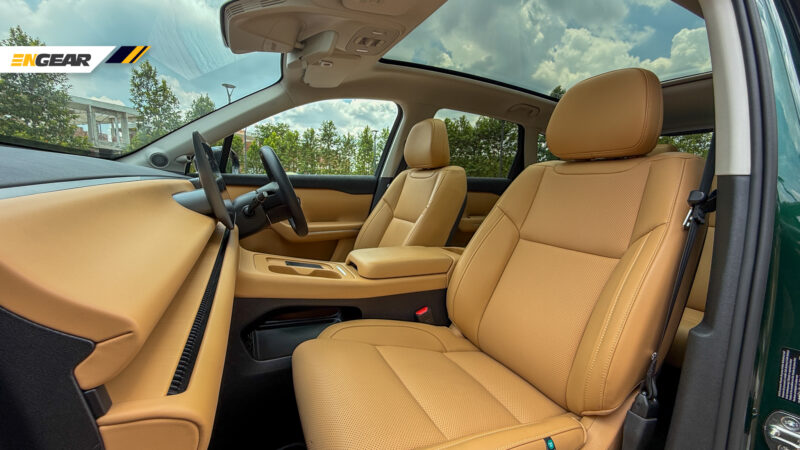
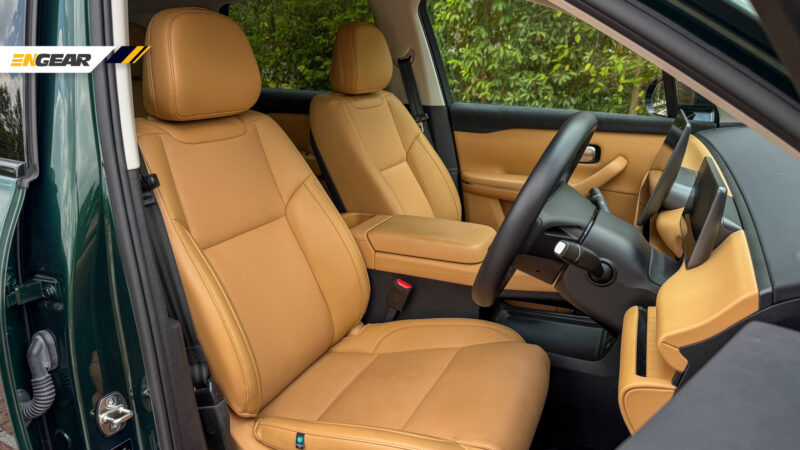
The use of Oeko‑Tex 100 silicone leather upholstery makes the seats soft and comfortable throughout the journey.

No worries because the material is water‑resistant and non‑toxic, making it safe for young children.

NVH performance is also commendable, with wind and tire noise well‑suppressed.

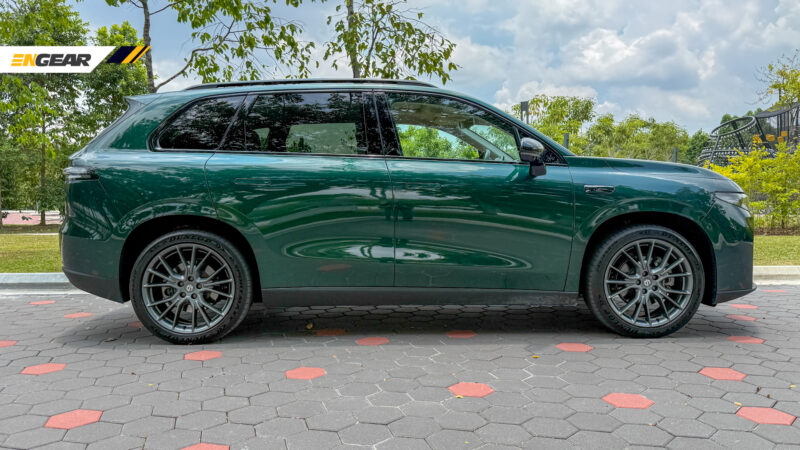
This green C10 unit comes with a bright Criollo Brown interior finish with premium‑looking.
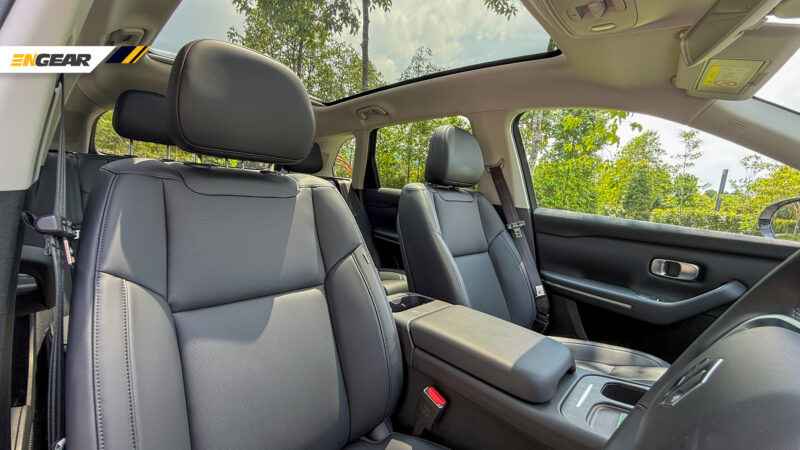
If you prefer something less prone to visible dirt, the C10 Plus offers a black upholstery option.

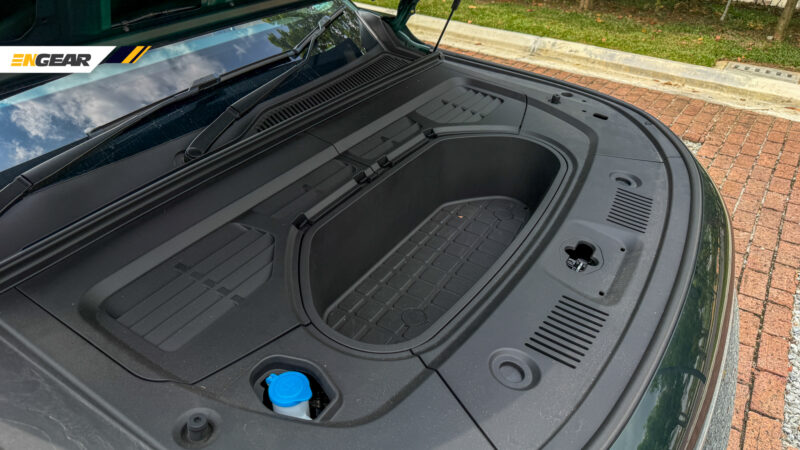
Another advantage of the C10 is its large cargo space.

The 435‑litre boot can expand up to 1,410 litres when the second‑row seats are folded flat.

Cockpit Layout

Simplicity is nice but when it becomes too simple, it can be inconvenient.

That’s exactly how we felt when entering the C10’s cockpit.

Being accustomed to dashboards filled with physical buttons, the minimalist layout felt strange at first.

Almost all essential functions are buried inside the infotainment screen:

  • air‑flow direction
  • temperature adjustment
  • headlight settings
  • side‑mirror adjustments

Fortunately, the menu interface is easy to use and not cluttered like some more expensive cars.

Unfortunately, the Leapmotor C10 still does not support Apple CarPlay or Android Auto.

The C10 Plus introduced this year also lacks these features.

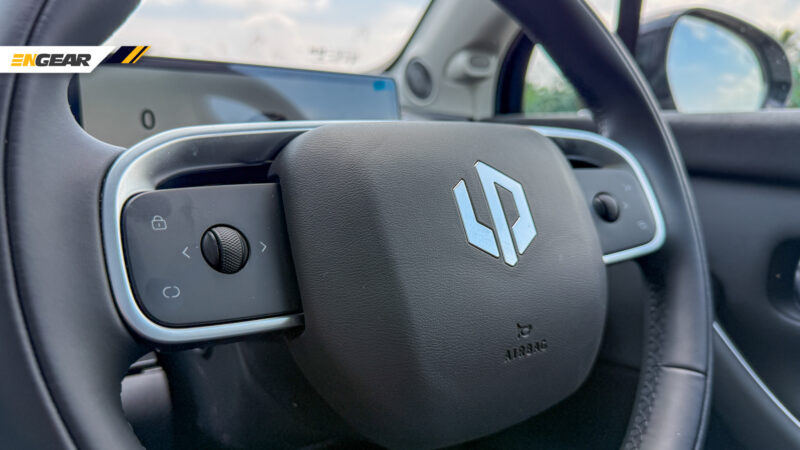
Another thing you must learn and remember: before driving, you must scan the card‑shaped key on the centre console.

This must be done each time before pulling the gear selector into Drive.

Driving Experience

The standard Leapmotor C10 uses a single rear‑wheel‑drive electric motor producing 215 hp and 320 Nm.

The C10 Plus receives an upgrade to an 800V electrical architecture, with a more powerful motor delivering 299 hp and 360 Nm.

On paper, the numbers look strong — but in real‑world driving, the C10’s acceleration is not as aggressive as many EVs on the market.

It’s not slow, but its power delivery is clearly tuned for passenger comfort.

Smooth power on the highway allows the SUV to reach overtaking speeds easily.

Dunlop e‑Sport Maxx tires ensure good grip, supported by a comfortable suspension setup that isn’t overly firm.

Steering tuning is decent, though not responsive enough in situations that demand sharper control.

One concern from our earlier test drive returned: the “empty” brake feel.

At high speeds, the braking system works fine.

But at low speeds in urban areas, the pedal feels like it has no bite point making it hard for the driver to judge braking force.

Even with its stronger performance, the C10 Plus still inherits the same brake characteristics.

Driving Range

The C10 is equipped with a 69.9 kWh battery offering 424 km WLTP range.

With DC fast charging up to 84 kW, the battery can be charged from 30–80% in just 30 minutes.

The C10 Plus comes with a larger 81.9 kWh battery, offering 510 km WLTP range.

It also supports DC fast charging up to 180 kW, reducing charging time to 22 minutes.

Safety

The Leapmotor C10 features Level 2 ADAS, including adaptive cruise control, lane‑centering, forward‑collision warning, and more.

These systems aim to ensure safer driving on the road.

Based on our experience, the SUV is actually enjoyable to drive.

However, in certain situations, interventions from systems like Emergency Lane Keeping Assist (ELKA) and Lane Centering Control (LCC) can make the drive suddenly feel less confident.

These systems act a bit aggressively when correcting steering input, making driving more tiring than usual.

Worse still, some functions that were previously turned off will automatically reactivate every time the car is restarted.

We would prefer if the system remembered the driver’s settings from the start, without needing to adjust them every time.

Fixed Weaknesses

One of the most disliked aspects was the inconvenient method of unlocking the car.

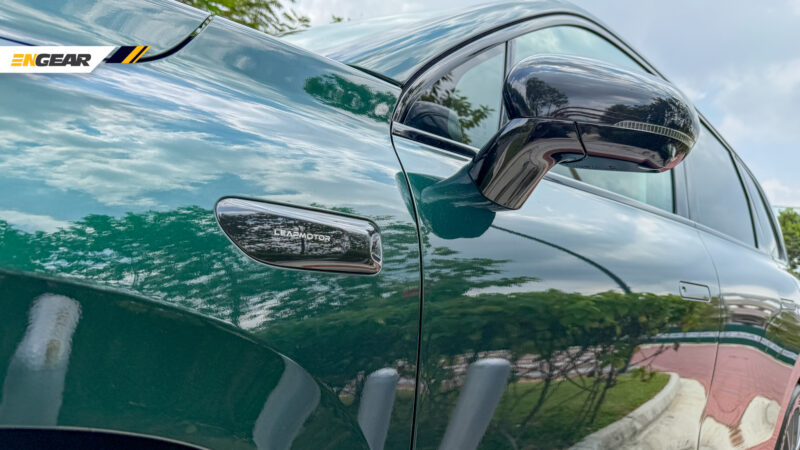
Before entering, the driver must scan the NFC key on the right‑side mirror housing.
This becomes troublesome when you want to place items on the left rear seat — you still need to scan the card on the same side every time.

With the mobile app, owners can now use their smartphone to unlock the car from any direction.

In the latest update, both new and existing Leapmotor owners can obtain a physical key fob, eliminating reliance on the NFC card.

However, the mandatory routine before driving remains: you still need to scan the card on the centre console before pulling the gear selector. Hmm…

Conclusion

After test‑driving both the Leapmotor C10 and C10 Plus, it’s clear that this electric SUV is designed to be practical, comfortable, and family‑friendly.

It offers a spacious cabin, good NVH performance, quality interior materials, and a comfortable suspension setup.

That is if you don’t mind quirks like the unsatisfying brake feel, slightly aggressive ADAS behaviour, and the lack of Apple CarPlay and Android Auto.

With prices starting from RM125,000 for the locally assembled (CKD) version, the Leapmotor C10 is a worthwhile EV to consider.

If you want faster charging capability and longer driving range, the C10 Plus is the answer — priced from RM129,000.

Leapmotor C10

Leapmotor C10 Plus

Kia Carnival offers a complete and comfortable package for the whole family – test drive review

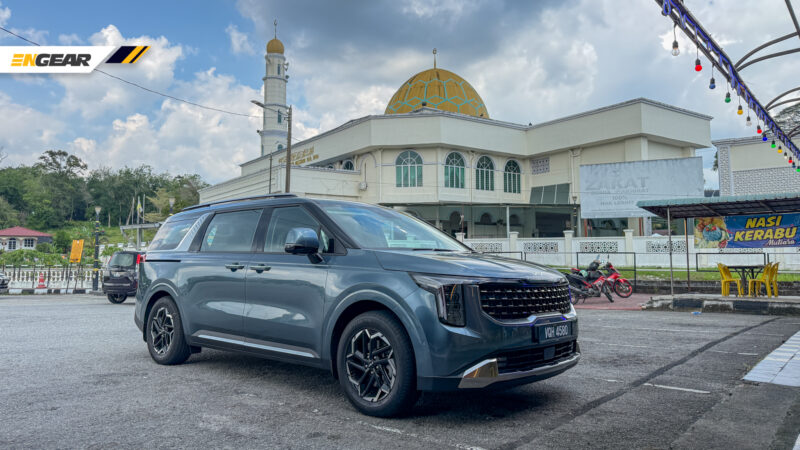
Among the vehicles that have left a lasting impression on me, the Kia Carnival is certainly one of them.

Not because of its looks or its relatively attainable price compared to other premium boxy MPVs on the market, but because of the overall package it delivers.

Fortunately, during the two Raya seasons this year, Kia Sales Malaysia generously allowed us to test both Carnival variants offered locally.

Before you dive into this long review, we can honestly say upfront that the Kia Carnival is one MPV you should seriously consider for your family’s comfort.

A More Modern Look

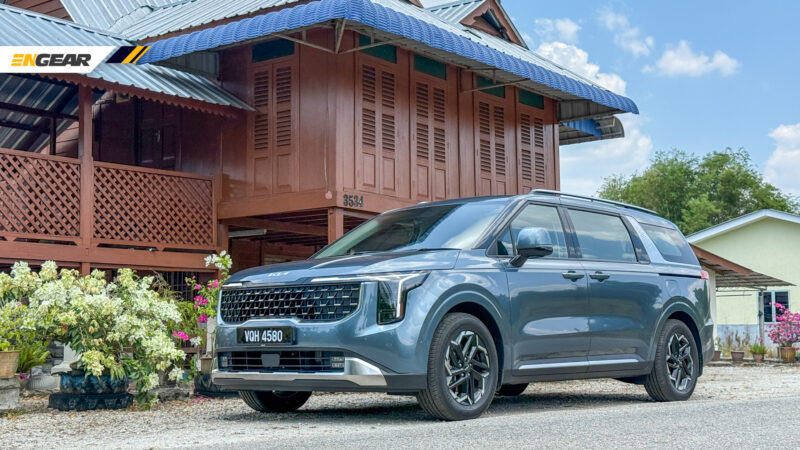
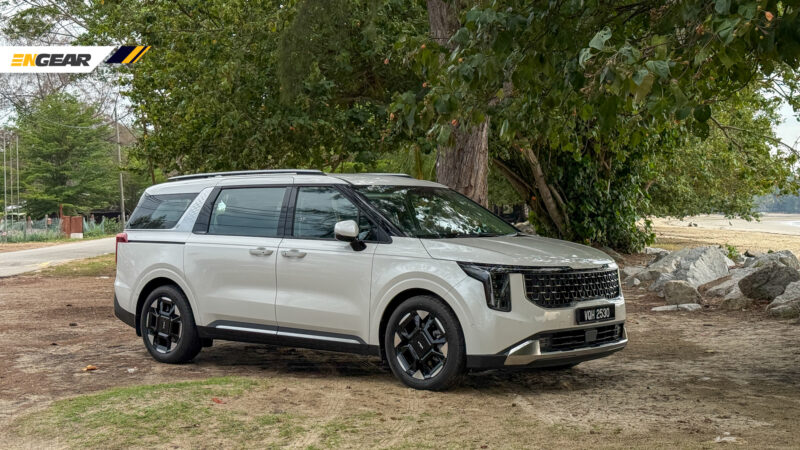
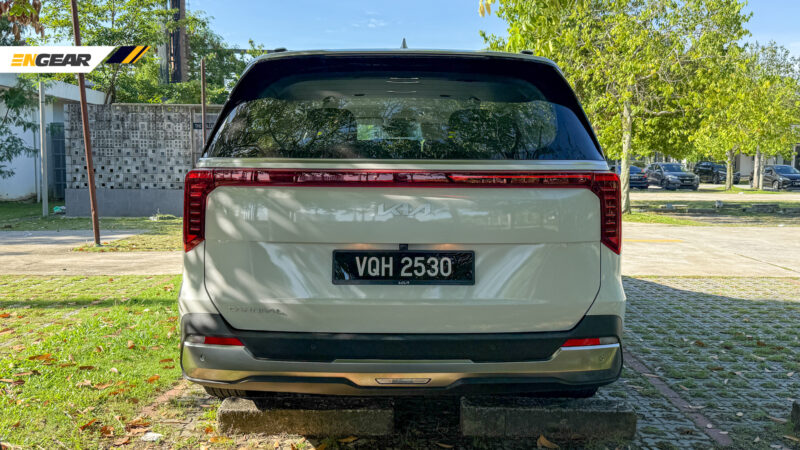
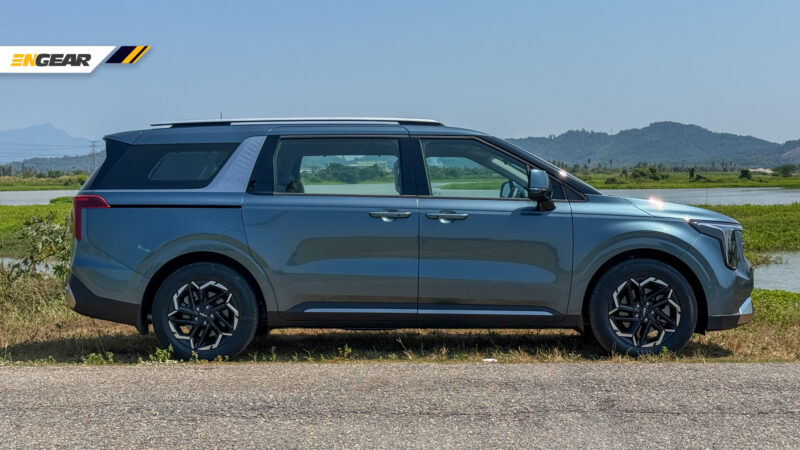
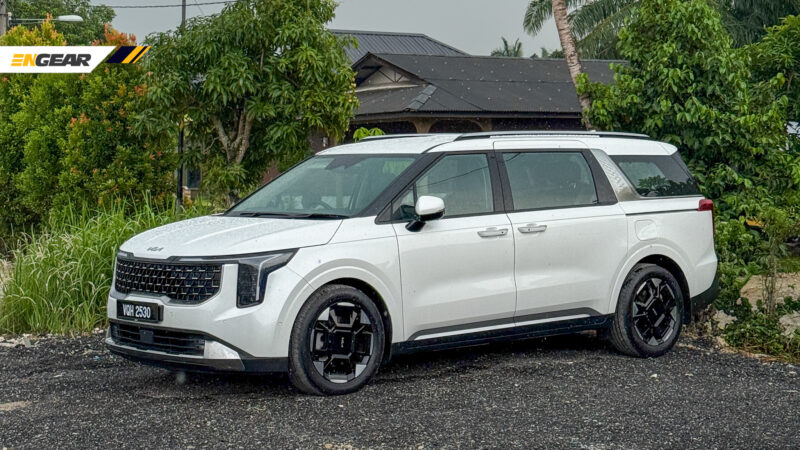
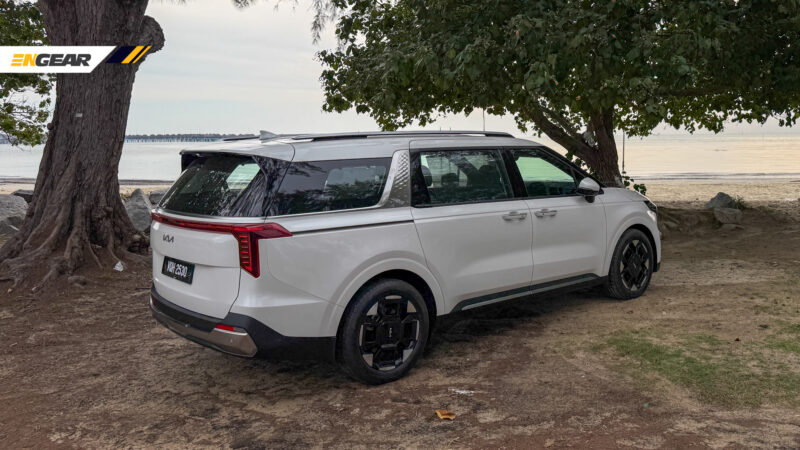
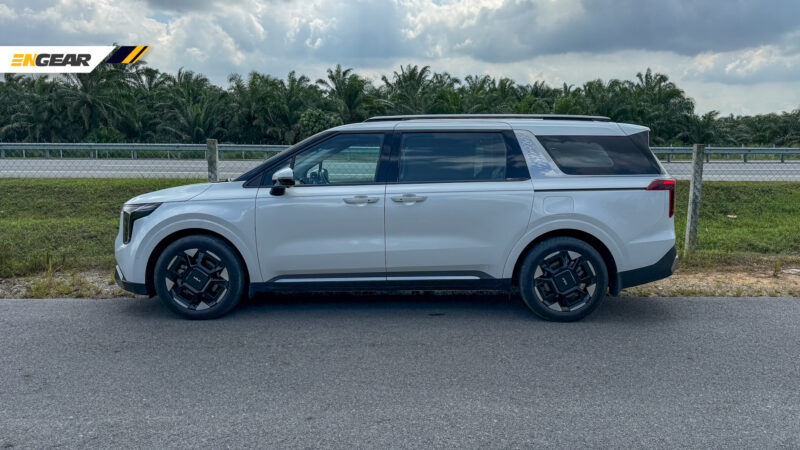
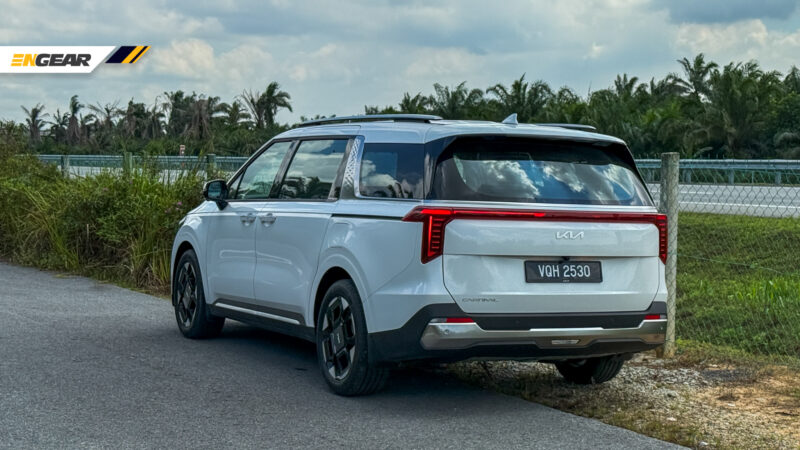
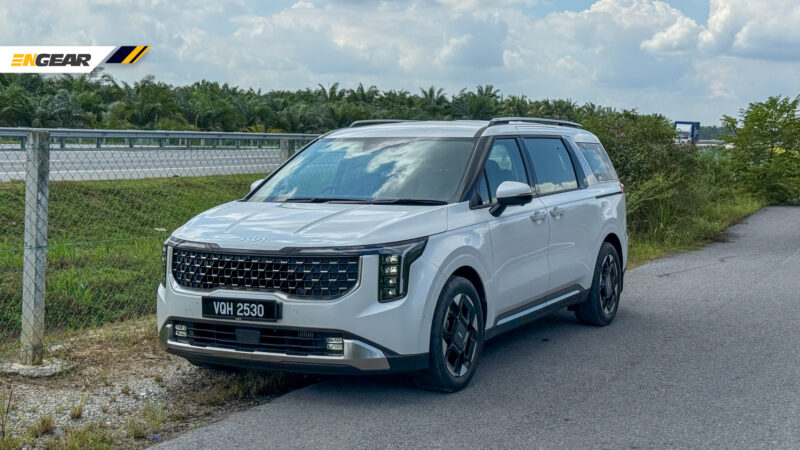
When it was first introduced four years ago, the Kia Carnival already stood out as one of the more handsome MPVs. no longer the typical, boring boxy people‑mover.

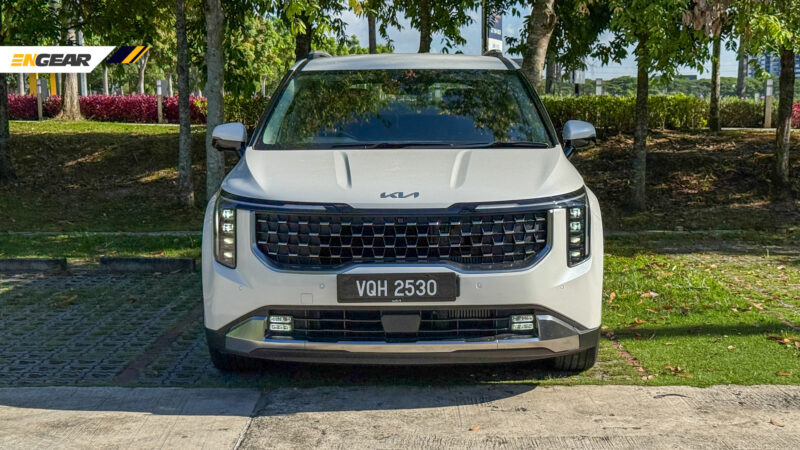
The facelift elevates that design even further, and it now sits confidently next to Japanese box‑style MPVs without looking out of place.

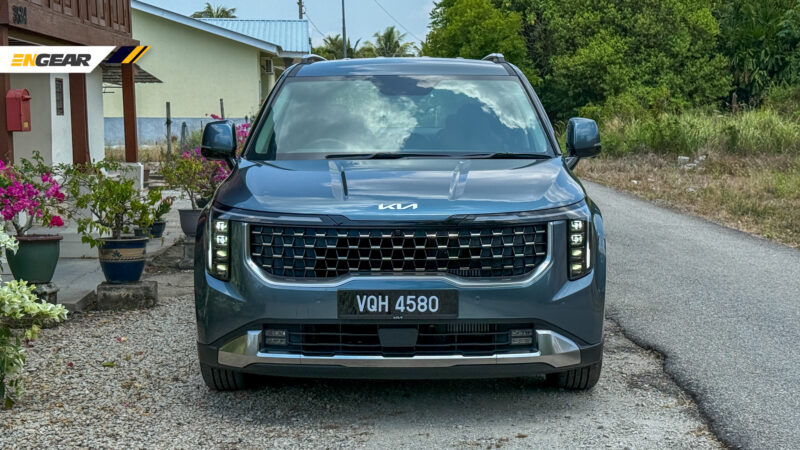
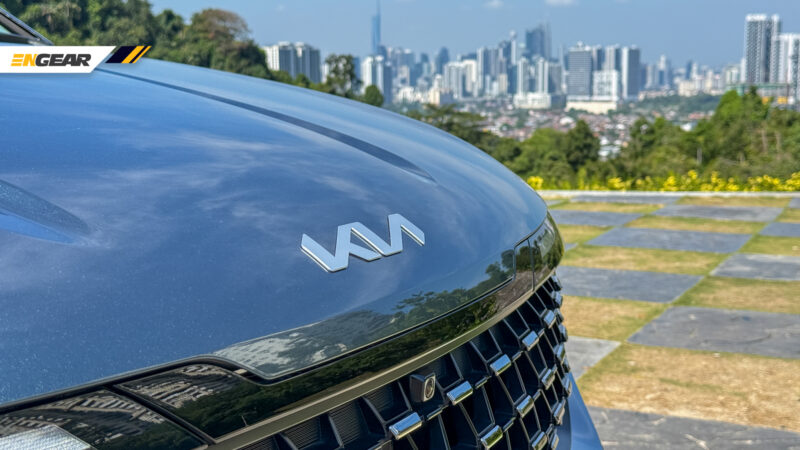
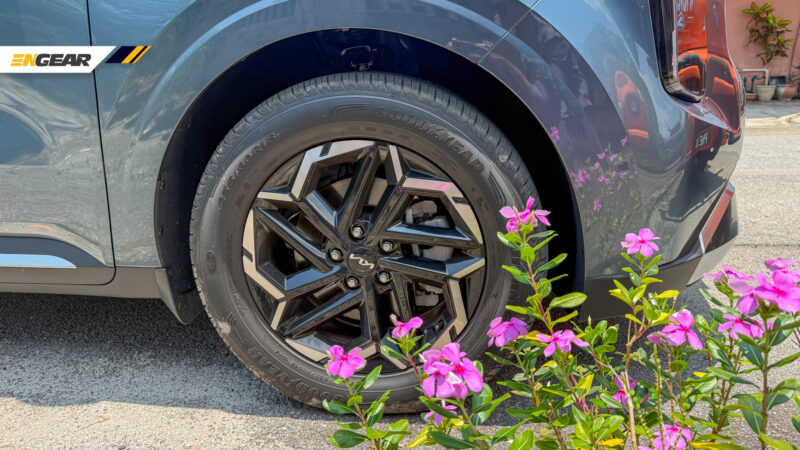
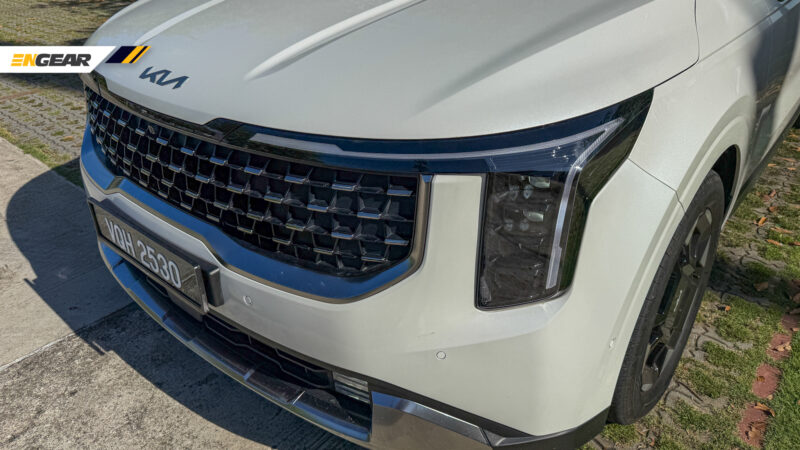
The front end is sharper and more aggressive, enhanced by a wider grille that creates a stronger visual presence.

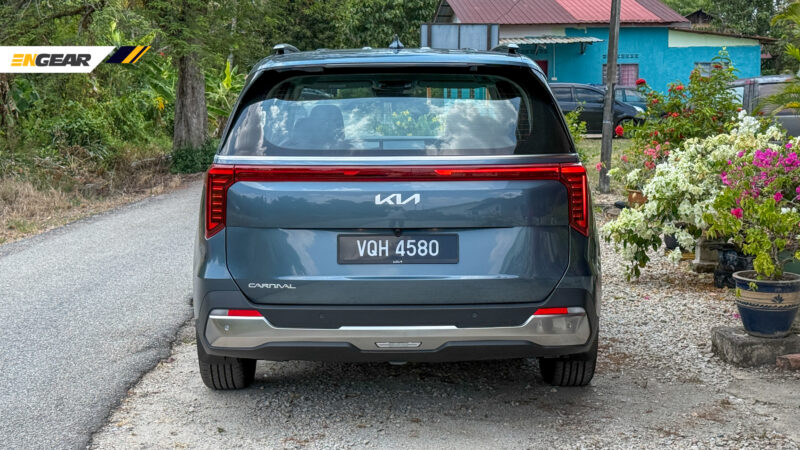
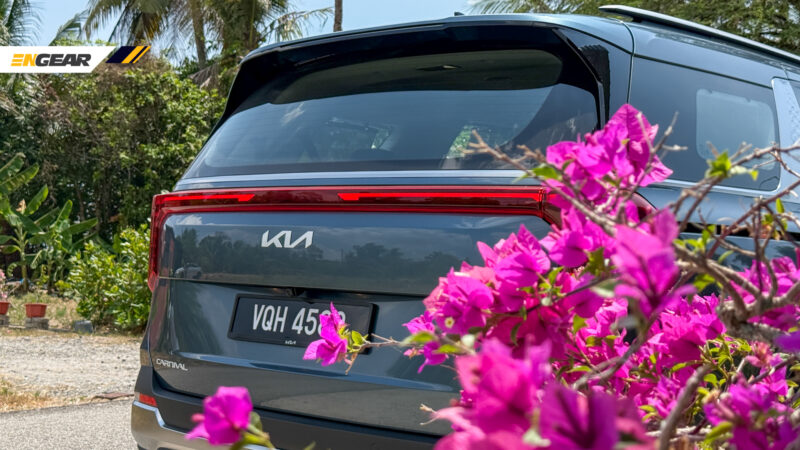
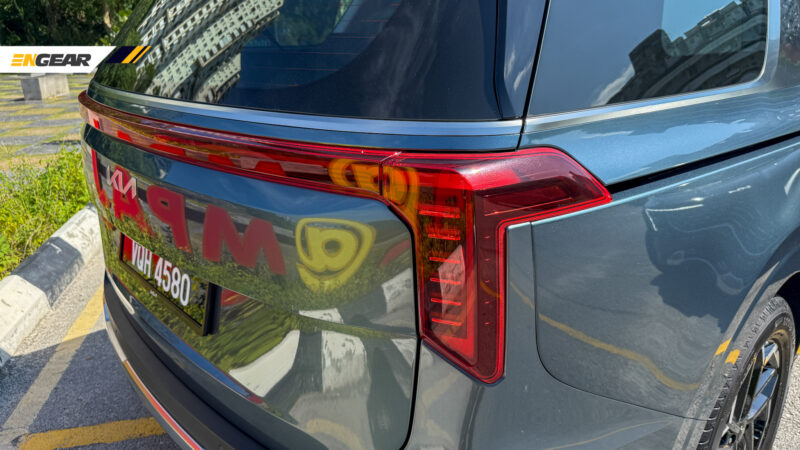
One detail we truly appreciate is the rear turn signal, now integrated into the main taillight housing.
In the pre‑facelift model, the turn signal sat lower, making it easier for other drivers to miss your intention to turn or change lanes.
A Spacious Cabin

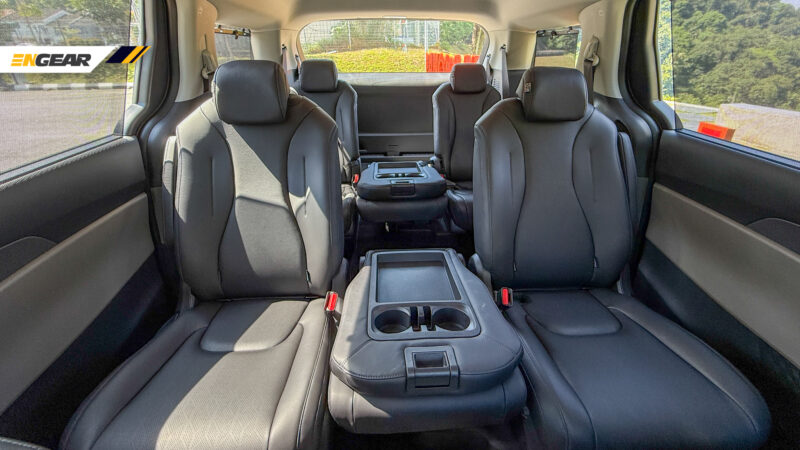
The Carnival’s long dimensions are intentional — there’s no need to restrict its size for tight metropolitan streets.

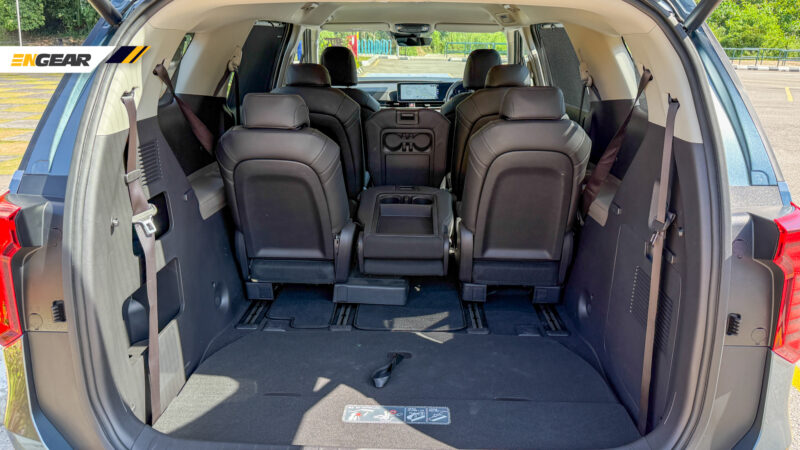
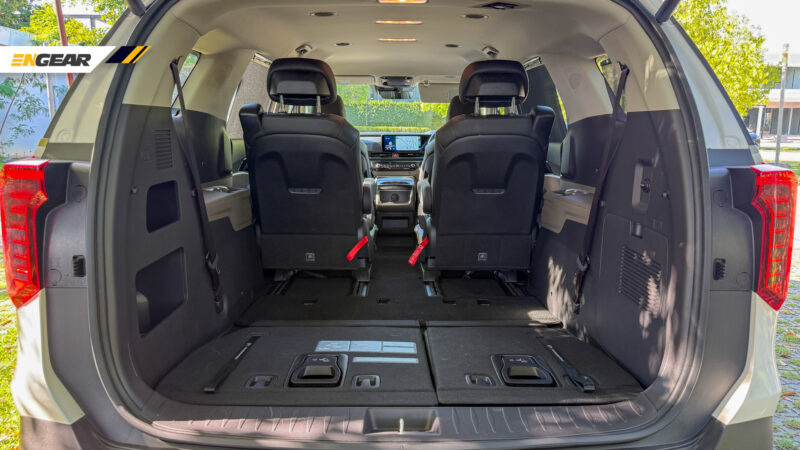
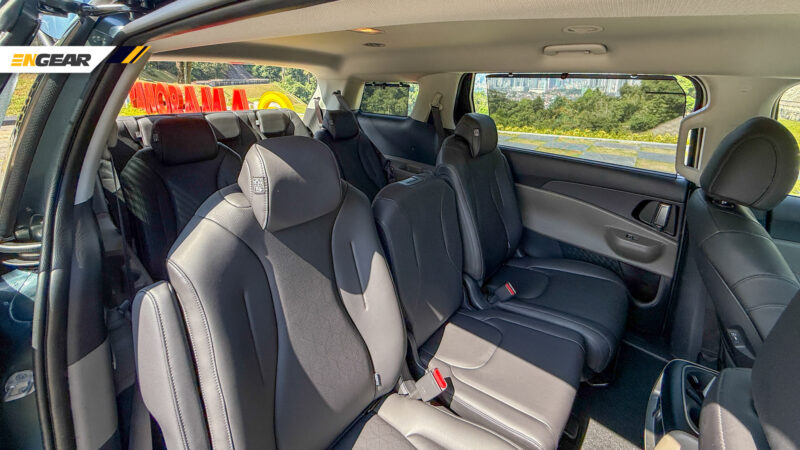
This contributes to a cabin so spacious that it can seat up to 11 people at once.

For a modern family, an 11‑seater layout may sound excessive or, as some might say, “wasted space.”

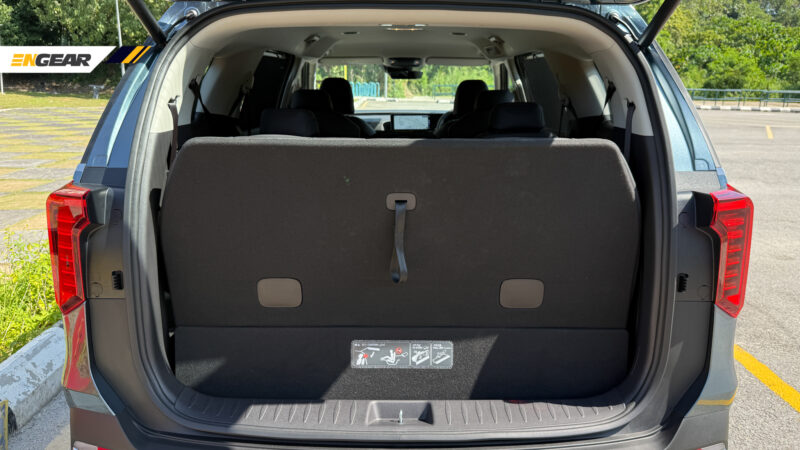
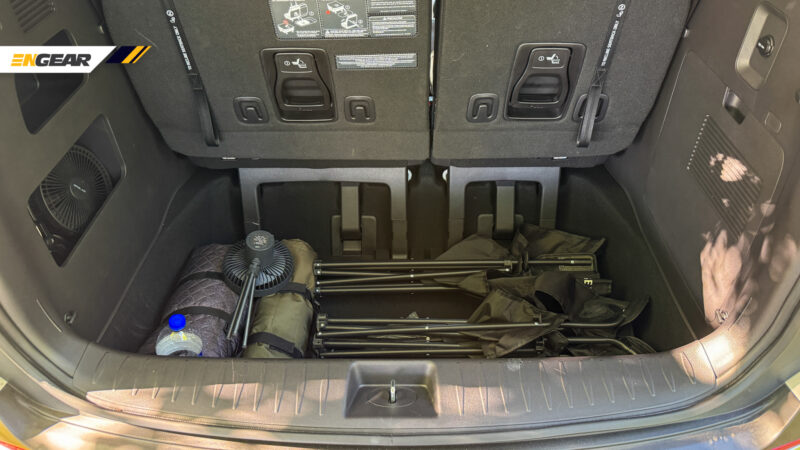
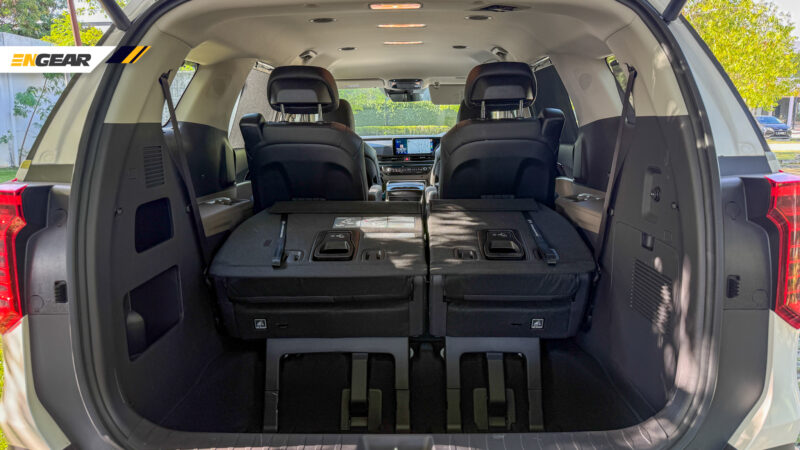
However, don’t worry because the fourth‑row seats can be folded and stored flat into the floor, instantly expanding the cargo area.

You can deploy them again whenever you need to carry more passengers, especially children or smaller adults.

If 11 seats feel too much, simply choose the 7‑ or 8‑seater versions instead.

Based on our experience ferrying passengers during both Raya trips this year, comfort is not an issue at all.

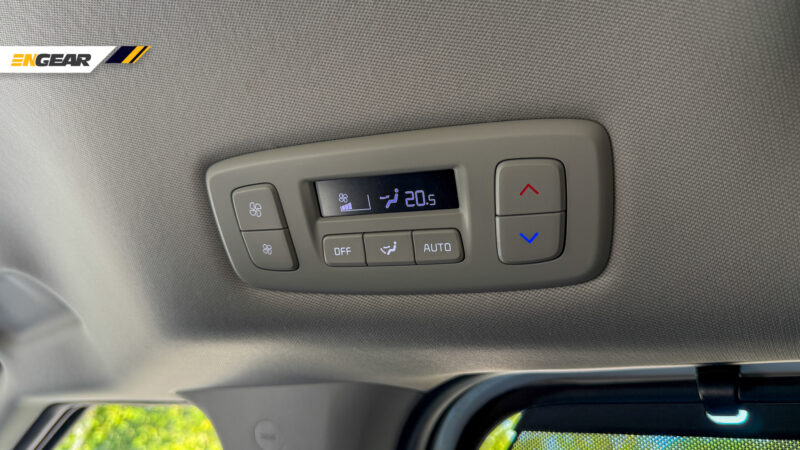
Rear passengers slept soundly thanks to the quiet cabin and excellent air‑conditioning performance under scorching heat.

Cargo space? Never a problem — the Carnival is genuinely huge.

Driver‑Friendly Cockpit

Beyond passenger comfort, the driver will also appreciate what the facelifted Carnival offers.

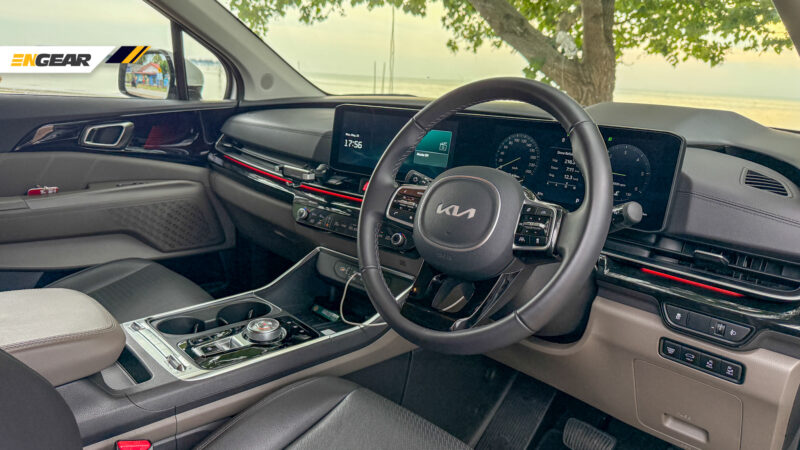
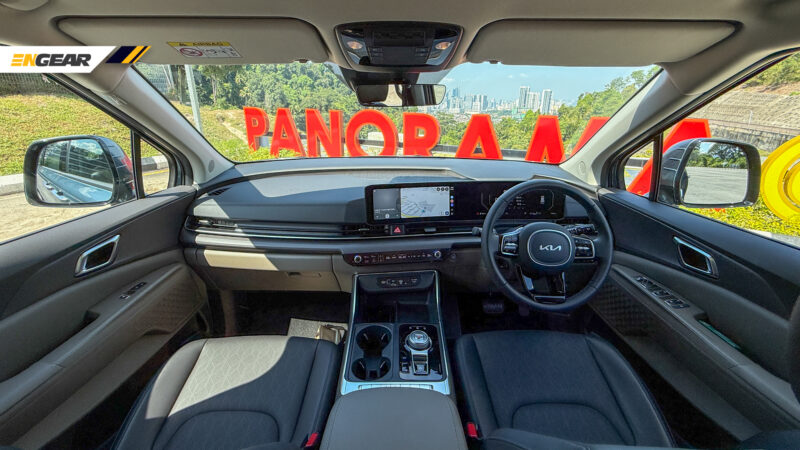
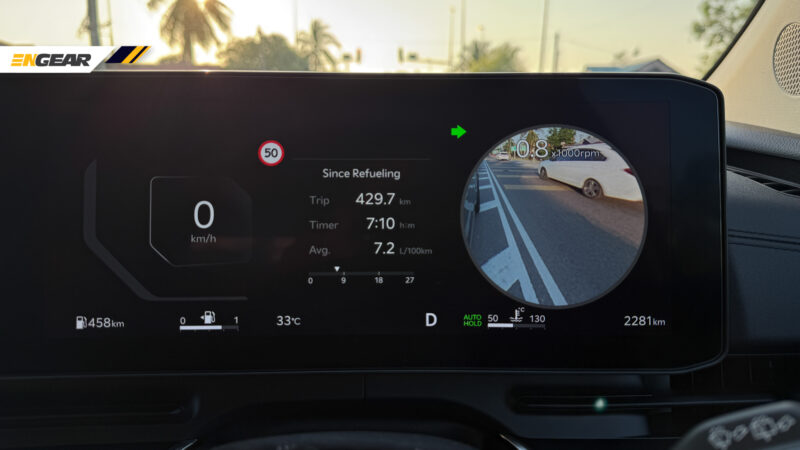
Although the analog meter cluster has been replaced with a 12.3‑inch digital display, the analog‑style theme remains so drivers won’t feel out of place.

The 12.3‑inch central screen supports Apple CarPlay and Android Auto, and its interface is easy to use.

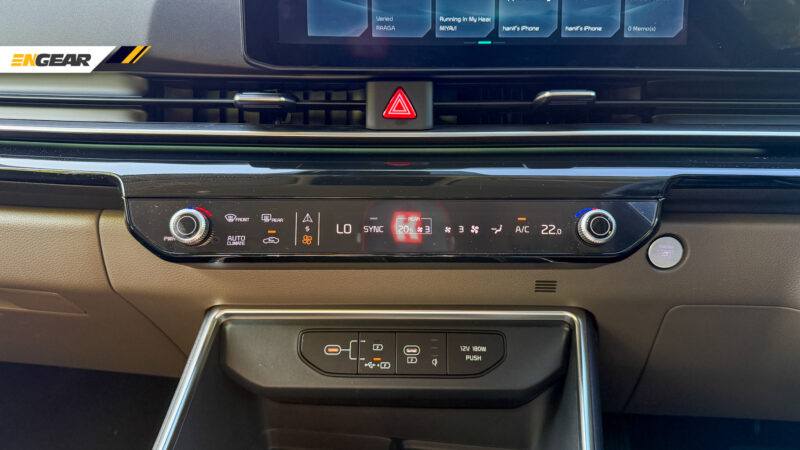
A feature we particularly like is the dual‑function control panel: the audio controls can transform into climate controls, with the two knobs changing roles depending on what you select.

No more fiddling with the touchscreen — reducing distraction while driving.
The front seats are comfortable for long interstate journeys during festive seasons.
The clear 360‑degree camera system also makes manoeuvring this large and long MPV much easier.

Strong and Capable Performance

One of the main reasons the Carnival works so well as a family transporter is its diesel engine.

Yes, diesel and yes, the price per litre today can be scary.

But the 2.2‑litre Smartstream engine has proven itself capable of moving this “baby elephant” without drama.

It delivers 199 hp and 440 Nm to the front wheels (there’s no AWD option).

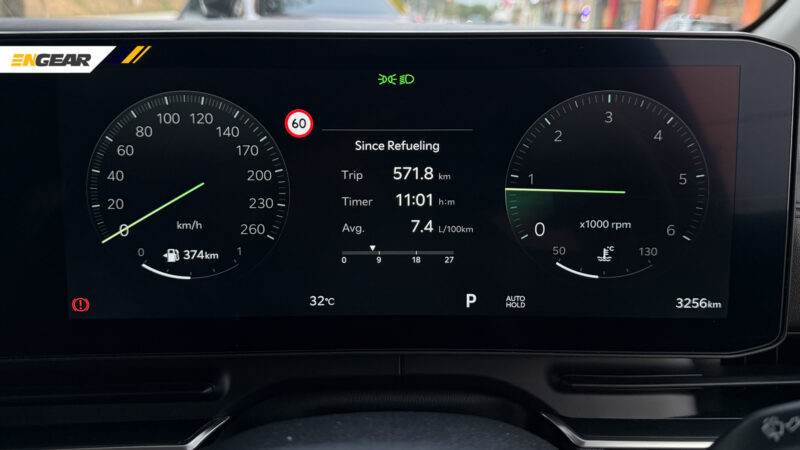
Paired with an 8‑speed automatic transmission, fuel consumption can be as low as 6.5 L/100 km.

Even when fully loaded with passengers and luggage, the Carnival can travel up to 900 km on a full tank.

Handling and Comfort

What excites us most is how the Carnival handles — more like a passenger car than a bulky MPV.

The steering provides good feedback in corners and inspires confidence on straight roads.

Despite weighing over 2 tonnes, the standard brakes perform consistently, even in unexpected situations.

More importantly, the diesel engine doesn’t roar when pushed, and responds obediently when more power is needed.

Press the accelerator slightly and the Carnival surges forward smoothly, without drama.

Thanks to excellent sound insulation, you may not even notice when the engine is working hard.

Highway stability is impressive, too.

Regardless of varying road surfaces, the standard suspension (with no adjustable settings) absorbs bumps well without compromising passenger comfort.

Honestly, there’s no significant difference in driving experience between the 11‑seater and 7‑seater versions — except that the premium variant offers features not found in the base model.

Advantages of the 7‑Seater Carnival

This is the version to consider if the 11‑seater feels too basic.

Additional features include:

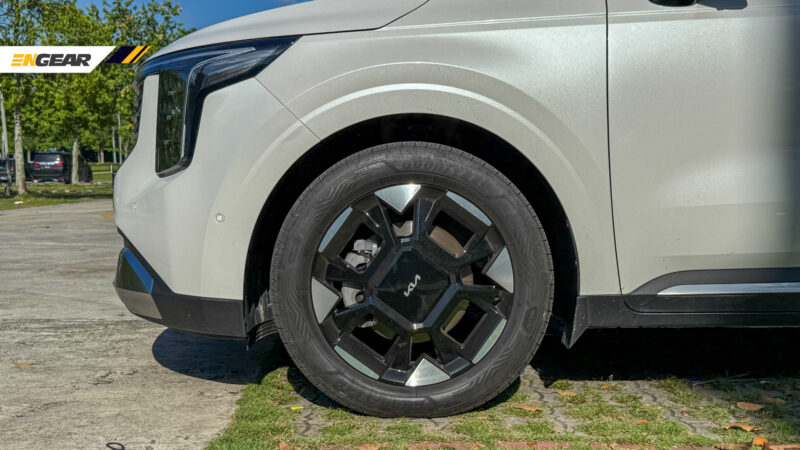
  • 19‑inch wheels
  • 2‑2‑3 seating configuration
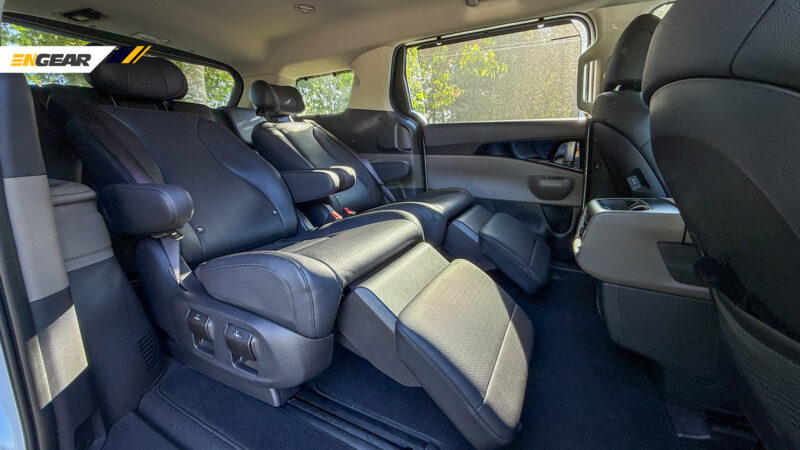
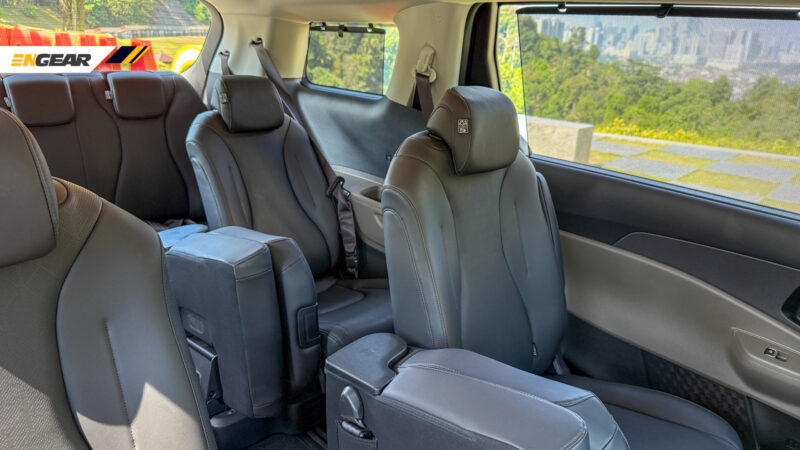
  • Second‑row captain seats
  • Premium Relaxation function

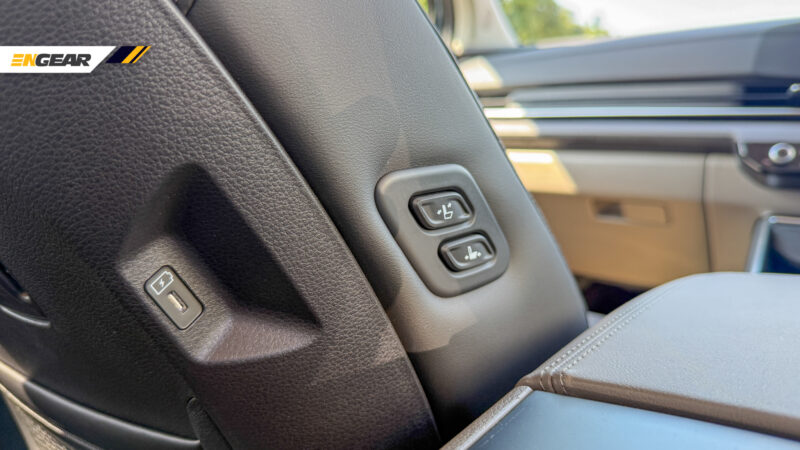
To ensure VIP‑level comfort, the second‑row seats can slide backward and sideways depending on your needs.

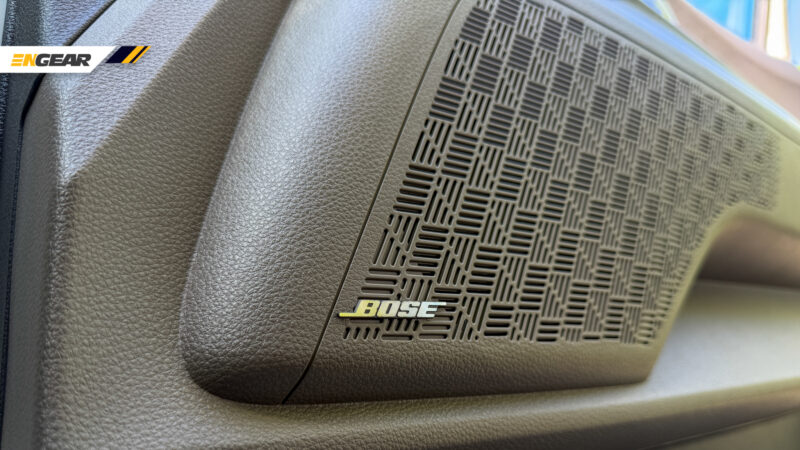
The standard audio system in the 11‑seater is replaced with a 12‑speaker Bose system.

Even though the standard audio is already good, the Bose setup in the 7‑seater transforms the cabin into a moving concert hall.

You’ll enjoy clear, crisp music accompanied by satisfying bass throughout your journey.

Safety

Unfortunately, Kia does not provide the same safety features across both variants.

The 11‑seater only gets basic equipment: 8 airbags, ISOFIX, ABS, EBD, Brake Assist, ESC, and Traction Control.

For such a large MPV, it’s disappointing that it lacks Blind Spot Monitoring (BSM).

Thankfully, Kia includes Blind Spot View Monitor (BVM), which activates when the turn signal is used, which is helpful for ensuring no vehicles are approaching from behind.

Or simply to avoid scraping the Carnival’s beautiful body against a wall.

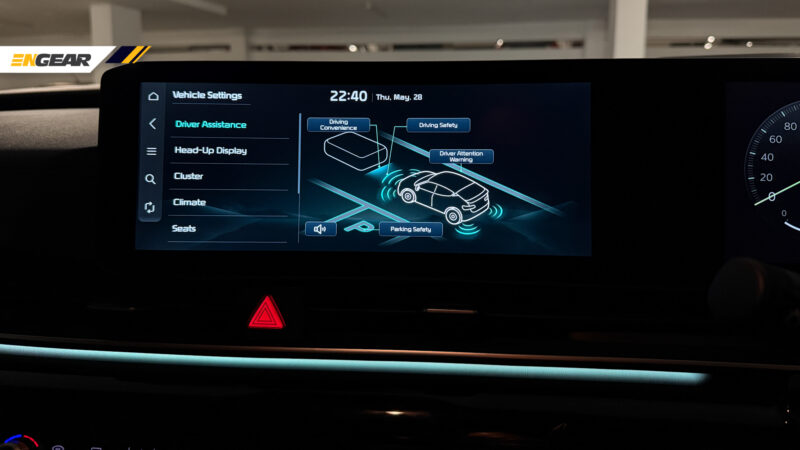
The 7‑seater variant, however, comes with a more complete ADAS suite, including: Autonomous Emergency Braking (AEB), Lane Following Assist (LFA), and Driver Attention Warning (DAW).

Conclusion

With prices starting from RM188,000, you can already own a large, comfortable MPV for the whole family.

If space and safety are your priorities, be prepared to invest up to RM250,000.

Because at the end of the day, the smiles on your family’s faces during every journey will make every Ringgit spent feel absolutely worth it.


Kia Carnival 11-seater

Kia Carnival 7-seater