Tag Archives: HEV

Toyota Vios in Thailand gets hybrid engine and GR Sport variant

After three years since the introduction of the fourth-generation Vios, Toyota Thailand has finally announced the arrival of a hybrid (HEV) variant for this B-segment sedan.

The introduction of the HEV variant will complement the existing Yaris Ativ offering, where the non-hybrid version comes only with a 1.2-liter engine producing 94 PS and 110 Nm.

What You Need to Know About the Toyota Vios HEV:


1. Powertrain

The Vios hybrid variant is equipped with a 1.5-liter inline four-cylinder engine with the code 2NR-VEX, generating 91 PS and 121 Nm. This is paired with an 80 PS electric motor producing 141 Nm and a lithium-ion battery pack.

The total power output reaches 111 PS, distributed to the front wheels via an E-CVT transmission.

Three driving modes are provided: Eco, Normal, and Sport.

According to Toyota, the Yaris Ativ HEV is capable of achieving a fuel consumption rate of approximately 3.6 liters per 100 km.


2. Exterior Changes

Only two hybrid variants are offered in the Thai market: Premium and GR Sport.

Roughly, not many changes are noted in the exterior of the Yaris Ativ HEV Premium, aside from the new 16-inch wheel design, HEV logo, and dark chrome finish on the upper grille and metallic grey on the lower section of the front grille.

A hidden change is that the fuel tank now has a capacity of 36 liters.


3. Yaris Ativ HEV GR Sport

This variant stands out with a sportier body kit, including a redesigned front bumper, new 17-inch alloy wheels, a more prominent rear diffuser, and a black rear spoiler.

Additionally, it features recalibrated suspension, complete with front and rear stabilizer bars, and a revised electric steering system.


4. Interior

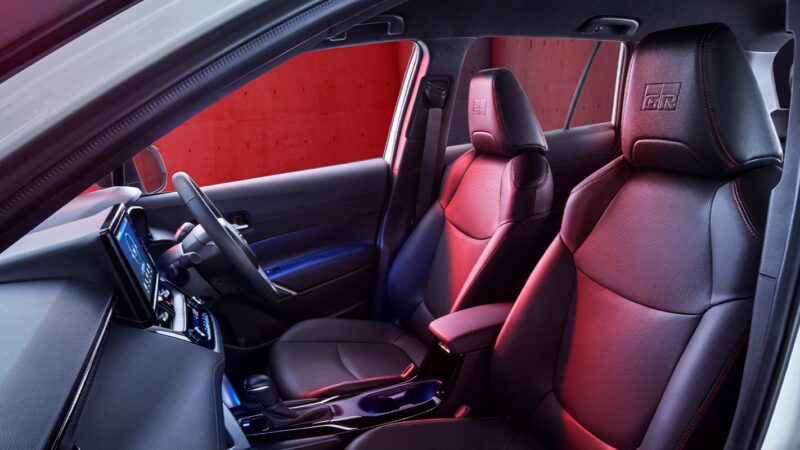
Standard features of the Yaris Ativ HEV include synthetic leather seats, a 64-color ambient lighting system, automatic climate control, PM2.5 air filtration, and a 10.1-inch infotainment screen that supports wireless Apple CarPlay and Android Auto.

The Yaris Ativ HEV GR Sport also includes a GR logo trim and a Pioneer audio system with six speakers.


5. Safety Features & Pricing

Lastly, the safety equipment includes Toyota Safety Sense, which consists of adaptive cruise control (ACC) with Lane Keeping Assist (LKA), blind-spot monitoring, rear cross-traffic alert, and six airbags.

In the Thai market, the Yaris Ativ HEV is priced starting at THB 719,000 (approximately RM93,131), while the GR Sport variant is priced at THB 769,000 (approximately RM99,608).

2026 Toyota Land Cruiser now with more powerful hybrid package – 457 hp, 790 Nm

Toyota continues to strengthen its position in the hybrid segment with the introduction of the 2026 Land Cruiser HEV model.

Launched for the Middle Eastern market, the Land Cruiser 300 Series is powered by a self-charging hybrid system, which consists of a 3.5-liter twin-turbo V6 engine and a single electric motor.

Overall, the Land Cruiser HEV is capable of generating 457 hp and torque of up to 790 Nm, making it the most powerful Land Cruiser variant currently available.

This power is transferred to the four-wheel drive system via a 10-speed automatic transmission.

In terms of appearance, not much has changed except for the updated front bumper design, which is specific to this variant.

The rear features the “457 TT” and “HEV” emblems, indicating that it is a hybrid SUV.

The cabin space has also seen minor changes, with an updated instrument cluster now featuring specific graphics alongside a 12.3-inch infotainment screen.

A notable difference from the standard Land Cruiser model is the smaller fuel tank capacity, which is approximately 68 liters compared to 80 liters in the regular model.

Lastly, a power outlet is provided in the rear cargo area.

In the UAE, the Toyota Land Cruiser HEV is priced starting from AED 389,900 (approximately RM 450,000) for the VXR trim, and AED 409,900 (approximately RM 473,000) for the GR Sport trim.

UMW Toyota forms strategic partnership with MOT, delivers five electrified vehicles for evaluation

UMW Toyota Motor (UMWT) has forged a strategic partnership with the Ministry of Transport Malaysia (MOT) to drive green mobility initiatives.

As a show of strong support, UMWT has delivered five electrified vehicles, including hybrid electric vehicles (HEVs) such as the Toyota Alphard, Camry, and Corolla Cross, as well as two battery electric vehicles (BEVs), the Toyota bZ4X and Lexus RZ.

Through this initiative, the MOT has the opportunity to assess the true capabilities of these vehicles concerning suitability, performance, and benefits for daily use.

Additionally, UMWT will provide comprehensive hands-on learning opportunities for MOT officials, covering aspects from infrastructure readiness, user experience to operational efficiency across various platforms.

According to Datuk Ravindran K, President of UMW Toyota Motor, “Malaysia’s journey towards achieving net-zero emissions by 2050 is not just an empty vision, but a collective mission that demands close collaboration across all sectors.”

“Through the ‘Multipathway Toyota’ approach, electrification is not merely viewed as an innovation, but is also adapted in an inclusive and pragmatic manner according to the needs, readiness, and capabilities of various segments of society.”

“With this approach, every layer of society is given the opportunity to move forward together towards a greener and more sustainable future—no one will be left behind, no one will be marginalized,” he further stated.

While full electrification remains a long-term aspiration for the country, hybrid technology emerges as an effective solution to minimize carbon emissions without requiring drastic changes to existing infrastructure or consumer habits.

According to Mohd Shamsor Mohd Zain, Executive Director of UMW Toyota Motor, “Hybrid technology continues to be a key driver in Toyota’s electrification plan, particularly in the context of markets like Malaysia.”

“Its ability to reduce carbon emissions immediately without necessitating major changes to the supporting ecosystem makes it the most ideal option.”

“It not only offers practical solutions but also builds confidence among mainstream consumers while paving a smoother and more progressive path towards a fully electric mobility future.”

Toyota Crown Estate HEV & PHEV officially launched in Japan

The sixteenth generation of the Toyota Crown family is now available in Sedan, Crossover, and Sport versions.

If you’re looking for a much more practical Crown, the Crown Estate is the answer you need.

Toyota Japan has officially begun sales of the Crown Estate, which comes with the option of a hybrid electric vehicle (HEV) or plug-in hybrid electric vehicle (PHEV) powertrain.

Both systems utilize a 2.5-liter engine (code A25A-FXS) paired with two electric motors and an E-Four all-wheel-drive system.

In the Crown Estate HEV, the front motor output is enhanced by 50 percent compared to the Crossover and Sport models, aimed at improving acceleration, especially when carrying passengers.

Meanwhile, the Estate PHEV version is equipped with a lithium-ion battery pack that allows for a zero-emission driving range of up to 89 km.

Built on the TNGA-K platform, the Toyota Crown Estate measures 4,930 mm in length, 1,880 mm in width, 1,625 mm in height, with a wheelbase of 2,850 mm.

The suspension system features MacPherson struts in the front, followed by Multi-link setup in the rear.

Driving dynamics are enhanced with the inclusion of a Dynamic Rear Steering (DRS) system for more agile handling, as well as Adaptive Variable Suspension (AVS) to ensure passengers remain comfortable and enjoy a high-quality ride.

The exterior design of the Crown Estate follows the design language shared with its siblings.

The front features hammerhead shark-like elements with thinner daytime running lights, a neatly integrated grille structure in the bumper, and 21-inch wheels.

The cabin layout is similar to what is featured in the Crossover, Sport, and Sedan models, with a 12.3-inch cluster display paired with a similarly sized infotainment screen.

Using an island architecture, the dashboard layout is designed to minimize eye movement during driving.

The Crown Estate’s cargo space can accommodate up to 570 liters of goods, or up to 1,470 liters with the second-row seats folded flat.

Toyota also offers special items for this model, including seat cushions and a small table to use in that space, especially when engaging in outdoor activities.

In Japan, the Toyota Crown Estate is priced starting at 6,350,000 yen (RM190,457) for the HEV version, and can reach up to 8,100,000 yen (RM242,945) for the PHEV version.

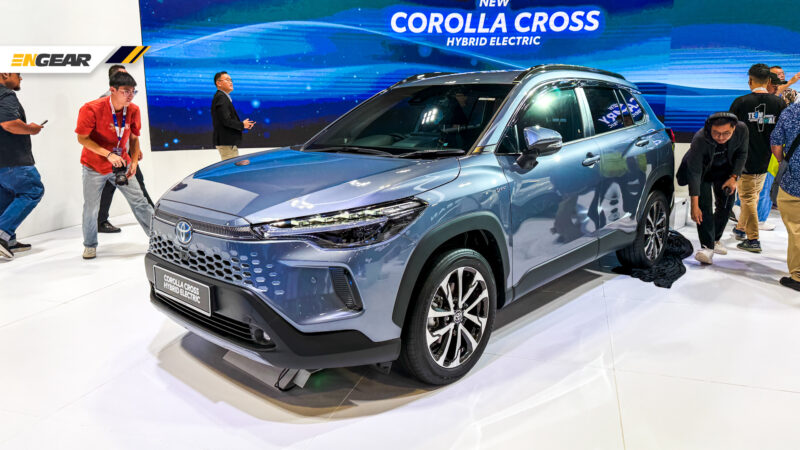
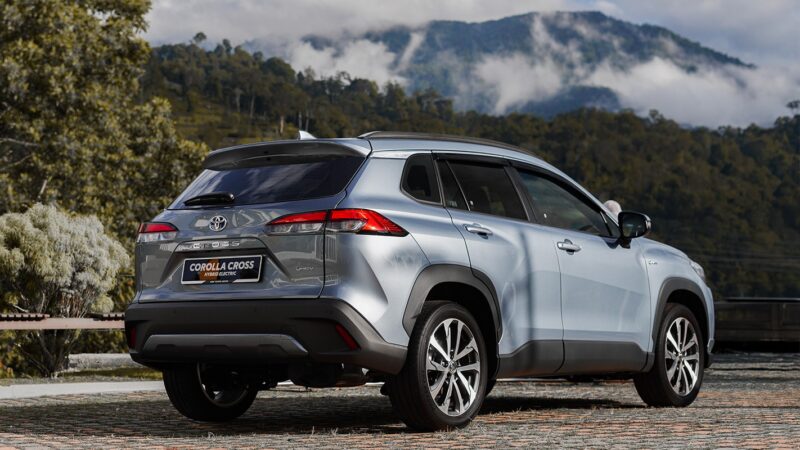
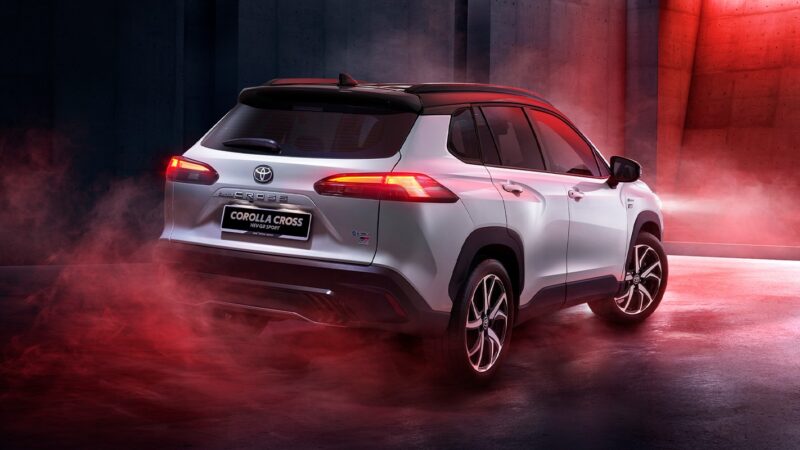
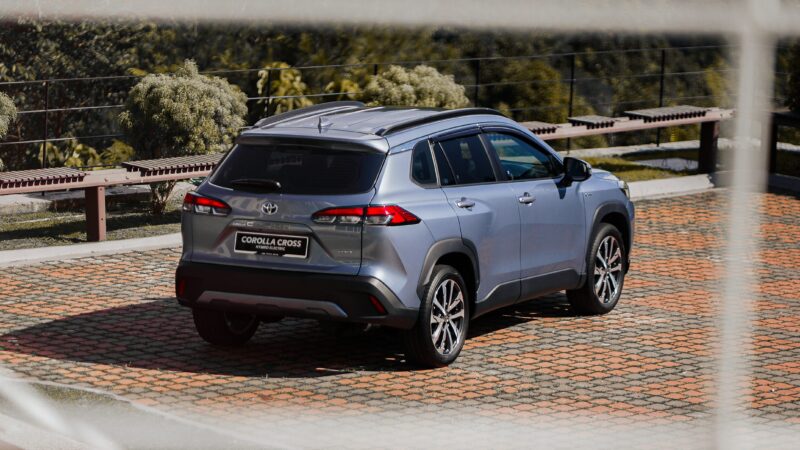
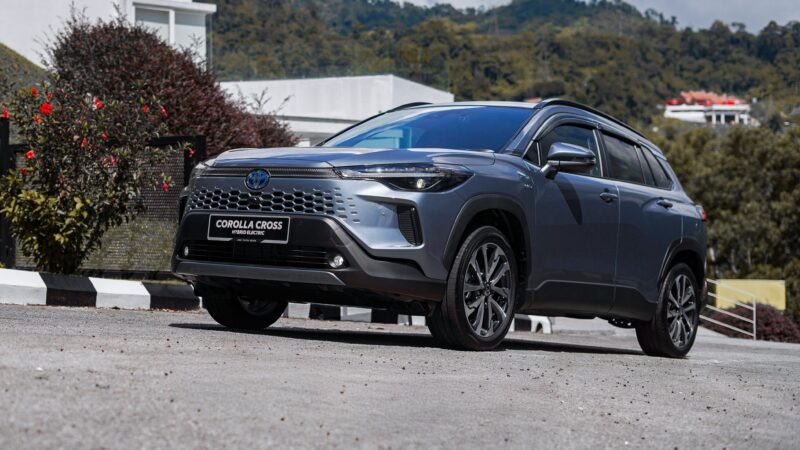
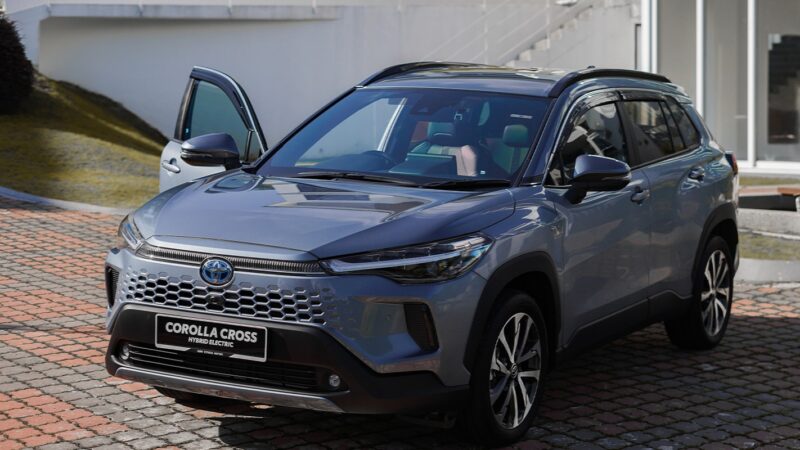
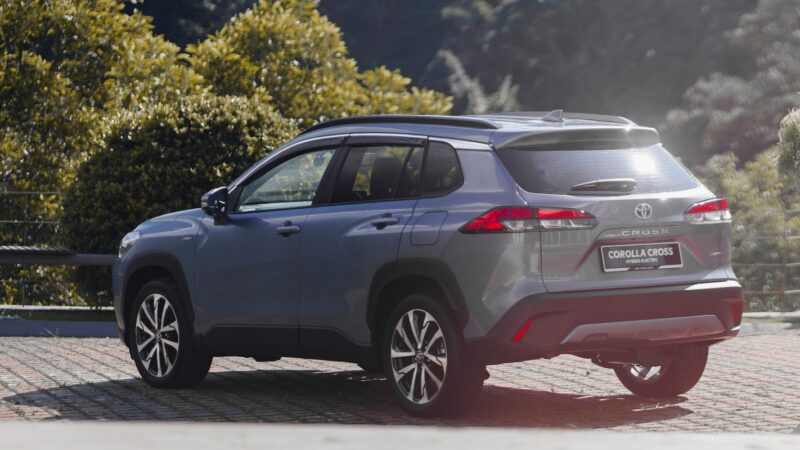
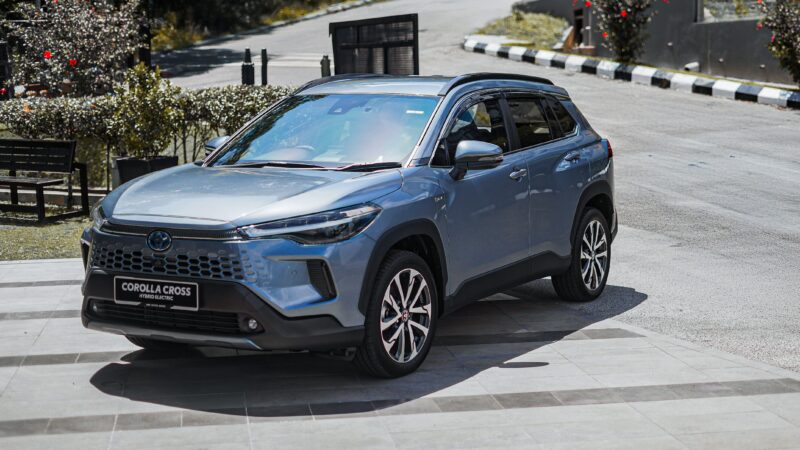
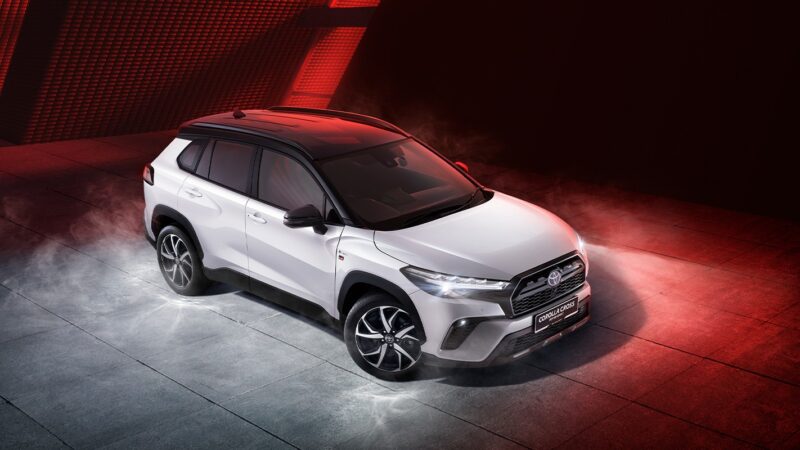
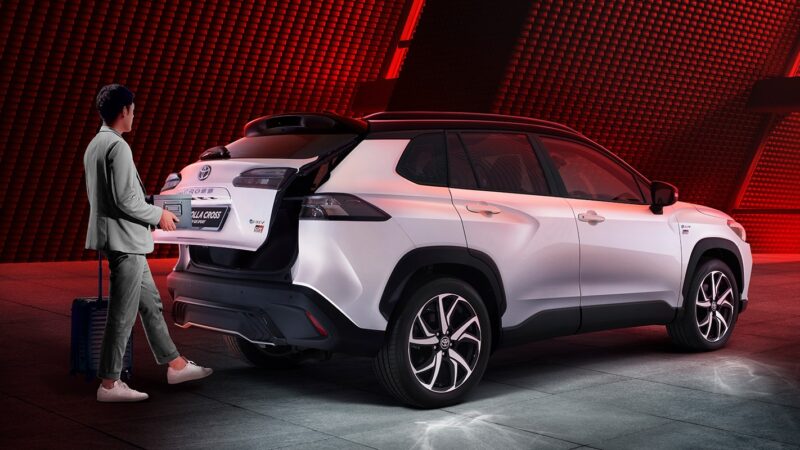
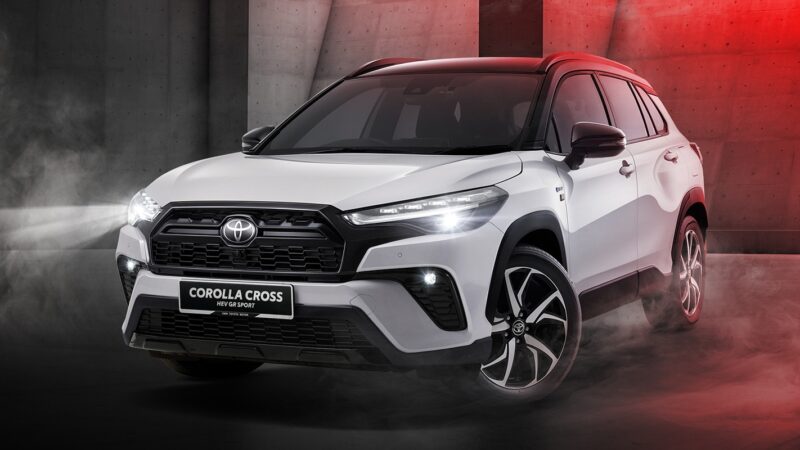
2025 Toyota Corolla Cross facelift: three variants, starting from RM133,800

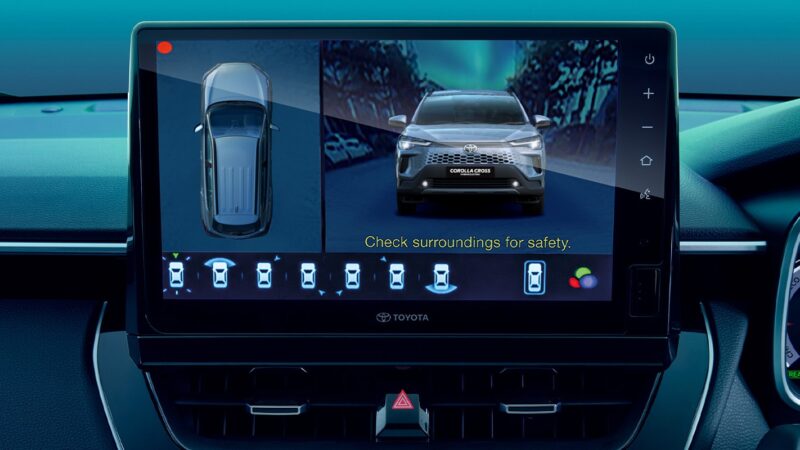
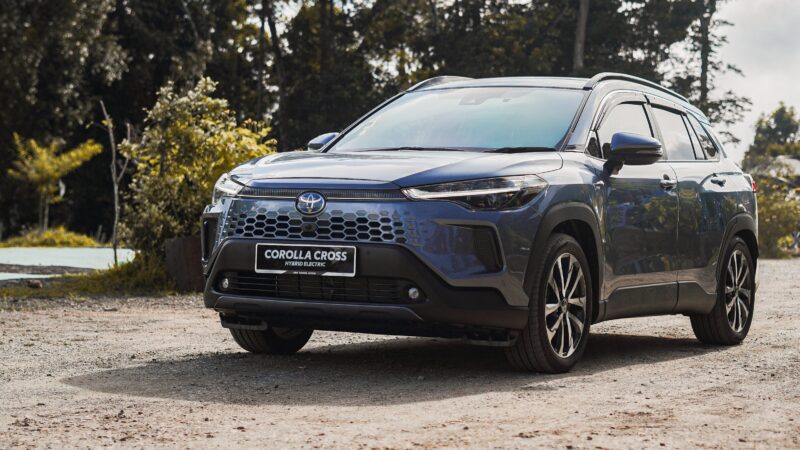
In addition to the launch of the D-segment sedan, the Toyota Camry, UMW Toyota Motor has also unveiled the C-segment crossover, the 2025 Toyota Corolla Cross facelift.

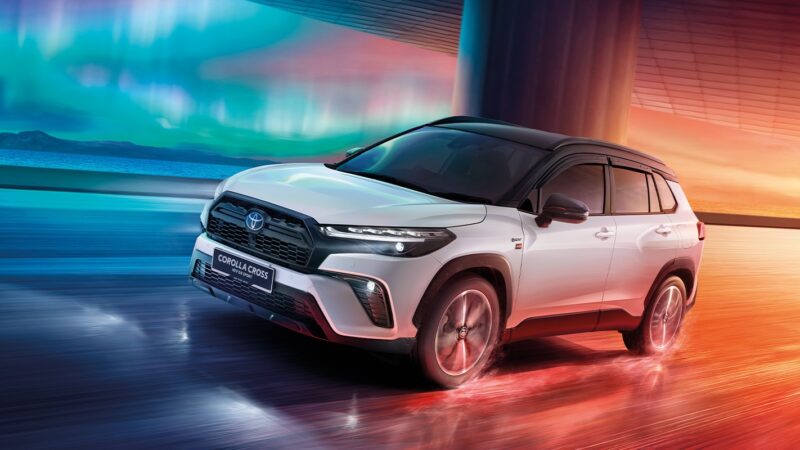
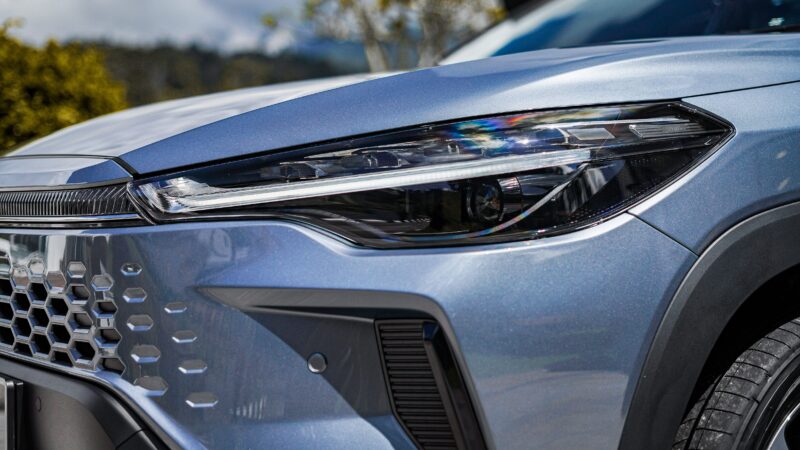
Unlike the previous model, the Corolla Cross facelift features more significant design changes, particularly at the front end.

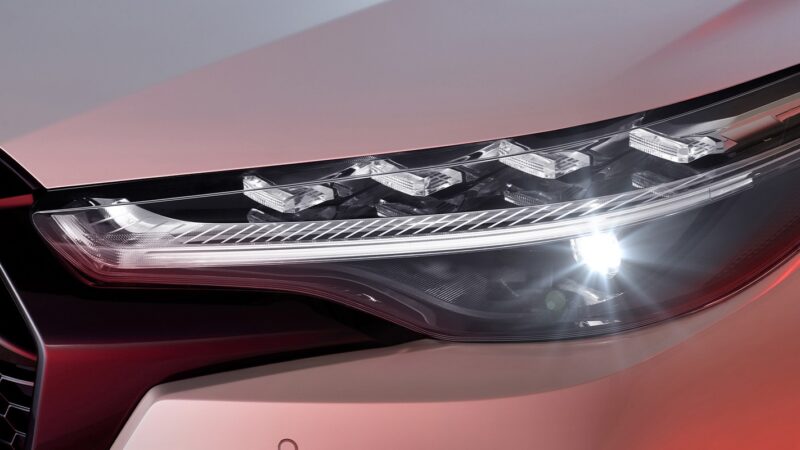
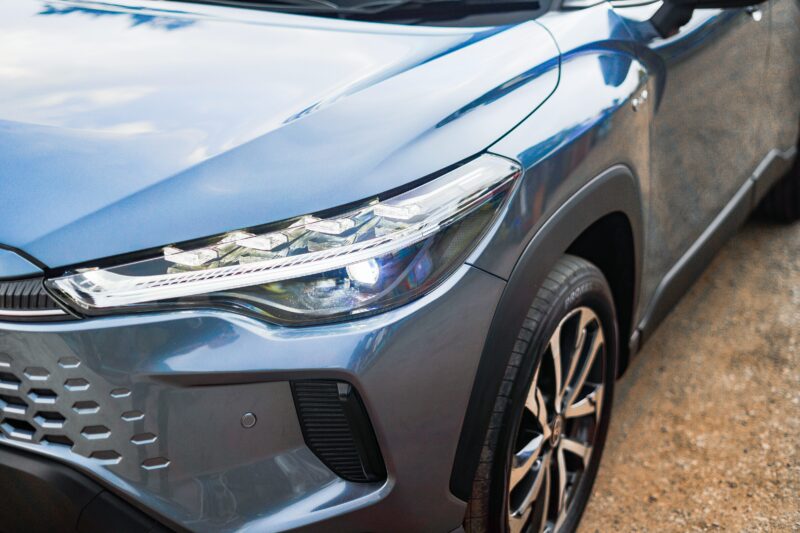
It boasts an entirely new bumper structure, a front grille with a honeycomb design, Bi-LED headlights with Lexus-style DRL graphics, and sequential turn signals.

The GR Sport variant comes with an exclusive two-tone black roof design for a sportier appearance.

The two highest variants, the 1.8 HEV and the GR Sport HEV, are powered by a 1.8-liter 2ZR-FXE engine producing 98 PS and 142 Nm, paired with a 72 PS electric motor generating 163 Nm, resulting in a combined output of 122 hp matched to an eCVT transmission.

The 1.8V variant continues to offer the 1.8-liter 2ZR-FBE engine, which produces 140 hp and 177 Nm.

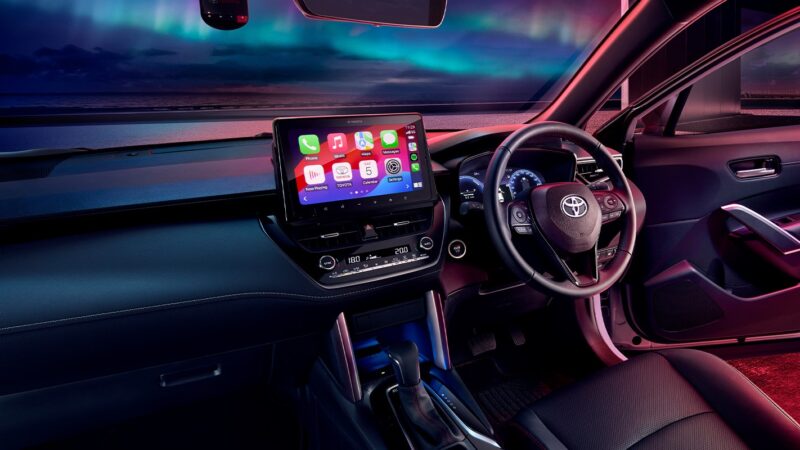
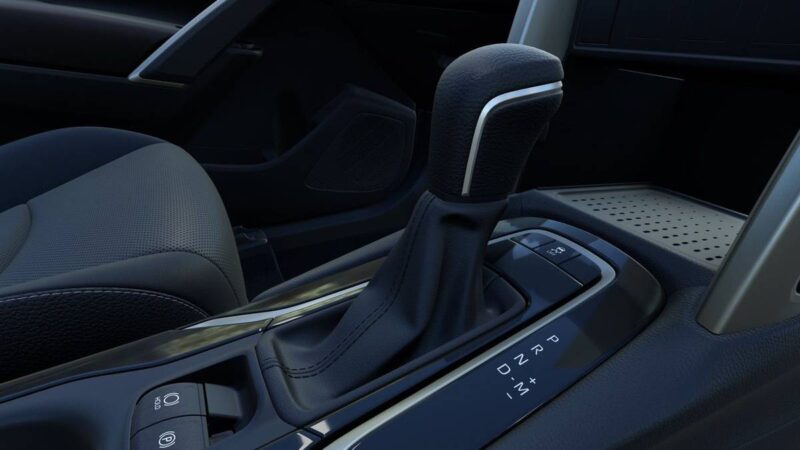
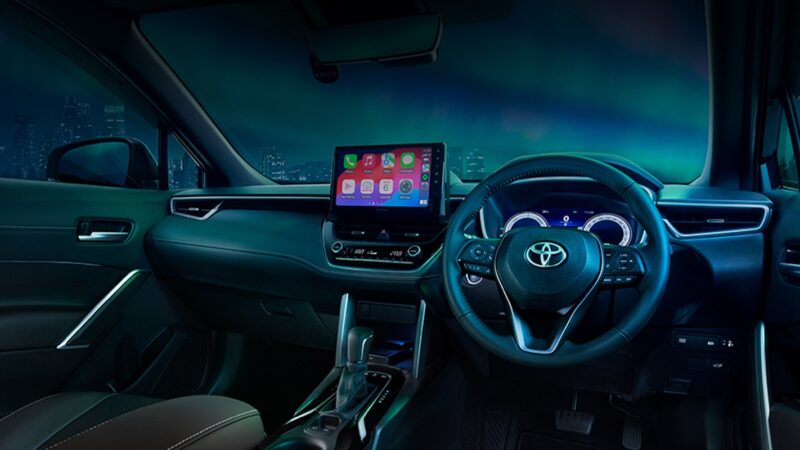
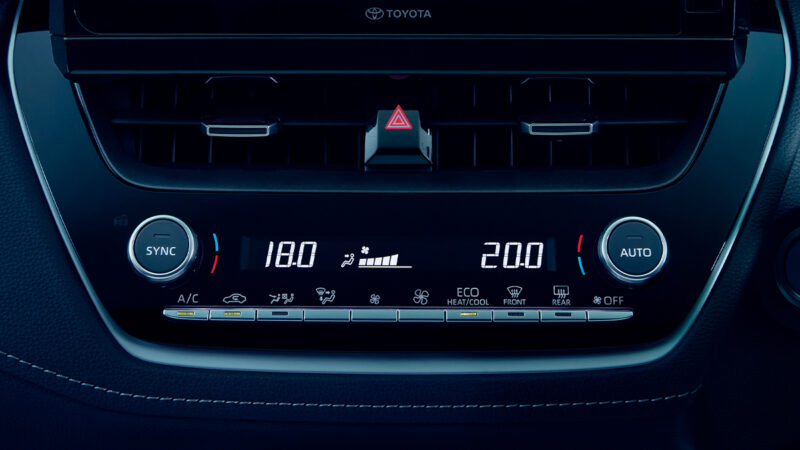
Meanwhile, the cabin is equipped with a 12.3-inch digital cluster screen, a 10.1-inch audio display screen with support for Apple CarPlay and Android Auto, an electric parking brake, a vehicle telematics system, and a remote engine start function for convenience and lifestyle comfort.

In terms of safety, the Corolla Cross facelift comes equipped with Toyota Safety Sense 2.0 (TSS 2.0), which includes a pre-collision system, lane departure warning (LDA), lane tracing assist (LTA), dynamic radar cruise control (DRCC), and automatic high beam assistance (AHB).

Additionally, it features a blind spot monitoring system (BSM), rear cross-traffic alert (RCTA), and Drive-Start Control to prevent unintended acceleration.

The sales prices for the 2025 Toyota Corolla Cross are as follows:

  • 1.8V: RM133,800
  • 1.8 HEV: RM140,800
  • 1.8 HEV GR Sport: RM148,800

Jaecoo Malaysia explains the advantages of PHEV over HEV

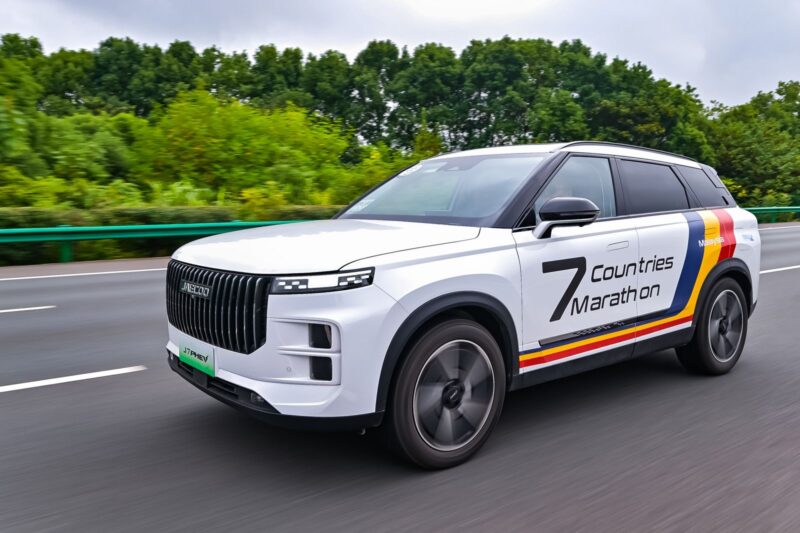
Jaecoo recently previewed its latest Jaecoo J7 Plug-in Hybrid Electric Vehicle (PHEV) premium off-road SUV in Malaysia at its first experience pop-up store, with over 3,000 visitors recorded in a span of just five days.

While PHEVs and traditional Hybrid Electric Vehicles (HEVs) are common, Jaecoo’s interaction with patrons at the PHEV preview revealed an opportunity to enhance understanding about PHEVs which can help drivers make informed decisions.

While both PHEV and HEV technologies contribute towards lower carbon emission mobility, PHEVs are designed to provide superior flexibility, efficiency, and driving experience in key scenarios.

Longer range on pure electric power

PHEVs allow for significantly longer trips on electric power alone compared to HEVs, which rely on a much smaller battery capacity. For example, in daily commutes or city driving, PHEVs can travel up to 40 to 50 kilometers (depending on the model) without using a drop of petrol. This means drivers can experience emission-free, quieter, and more efficient driving for most short-distance trips, making it ideal for urban environments. The J7 PHEV’s battery range of 88 km is based on the Worldwide Harmonised Light Vehicle Test Procedure (WLTP).

Home charging convenience

PHEVs offer the flexibility to charge the vehicle at home or at public charging stations. HEVs, on the other hand, can only recharge their battery through regenerative braking or engine power, limiting their electric driving potential. With a PHEV, owners can wake up every morning to a fully charged battery, ready to handle most daily journeys on electricity alone, greatly reducing fuel consumption and emissions.
Enhanced performance with dual power

PHEVs allow for a seamless switch between electric and petrol power when needed, offering superior acceleration and performance compared to HEVs. In situations where instant torque is required, such as overtaking or navigating steep inclines, the electric motor of a PHEV can instantly provide additional power, making it a more versatile option for both city driving and long-distance travel.

Fuel independence for short journeys

In contrast to HEVs, which must use petrol after a short period of electric driving, PHEVs can run on pure electric power for most of the shorter daily trips, significantly reducing fuel dependency. This gives drivers the freedom to choose electric for local trips and petrol for long-distance travel, without compromising on performance or convenience.

Environmental impact

Since PHEVs can operate for extended periods without relying on the internal combustion engine, they contribute to reduced emissions, especially amidst concerns around air quality. HEVs, while fuel-efficient, still require constant engine engagement, making PHEVs the cleaner choice in many driving scenarios.

Set to be launched this year, the J7 PHEV All-Wheel Drive and Two-Wheel Drive variants are estimated to be RM180,000 and RM170,000 respectively.