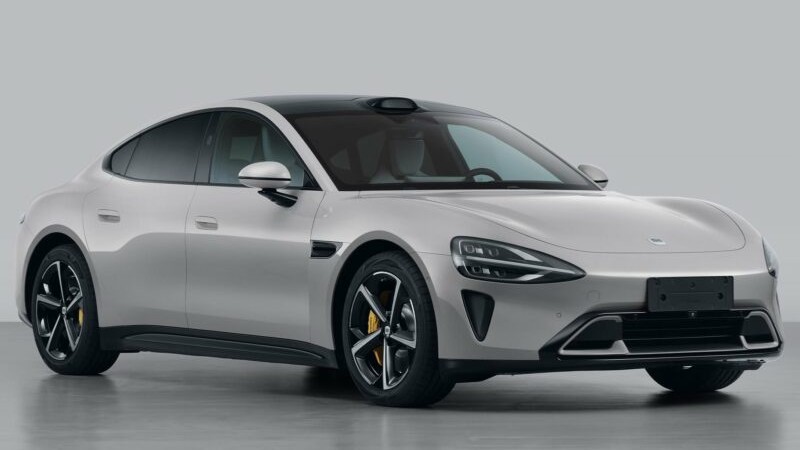
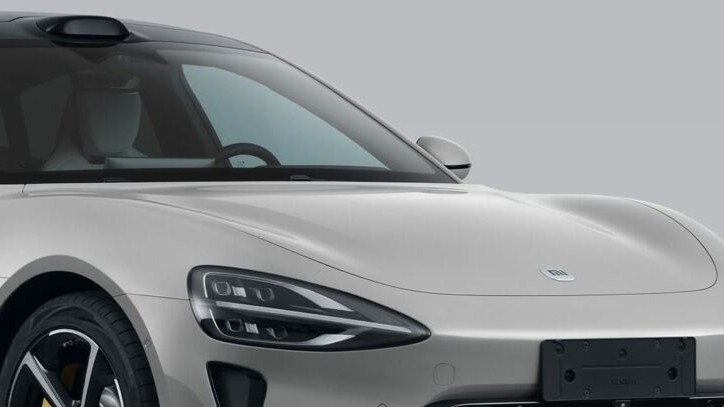
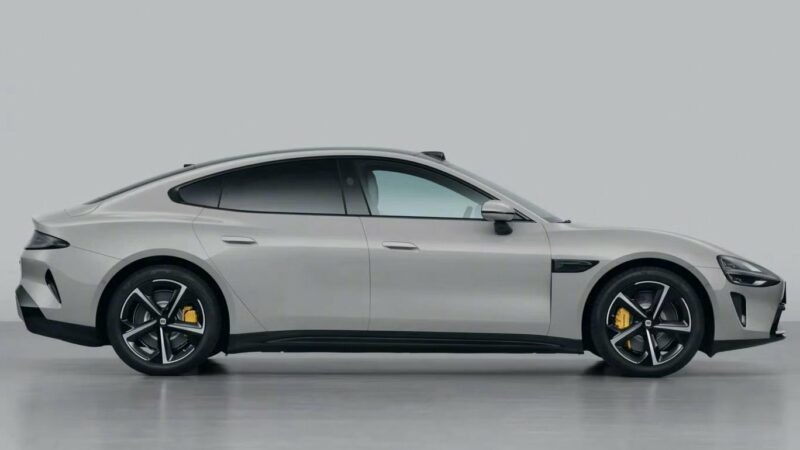
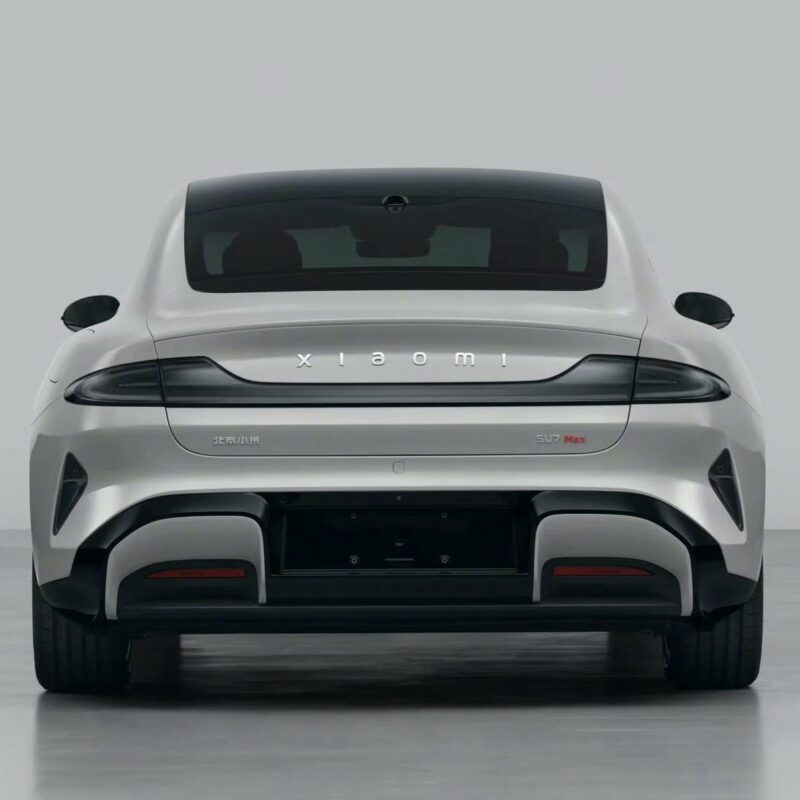
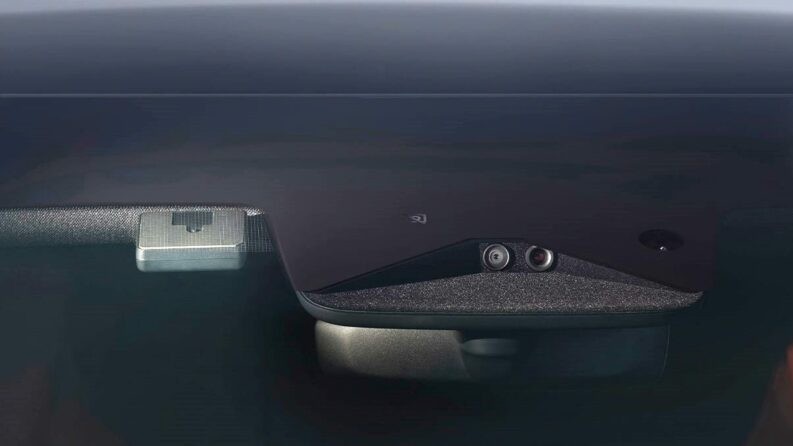
Xiaomi SU7 Ultra makes its first appearance in Japan

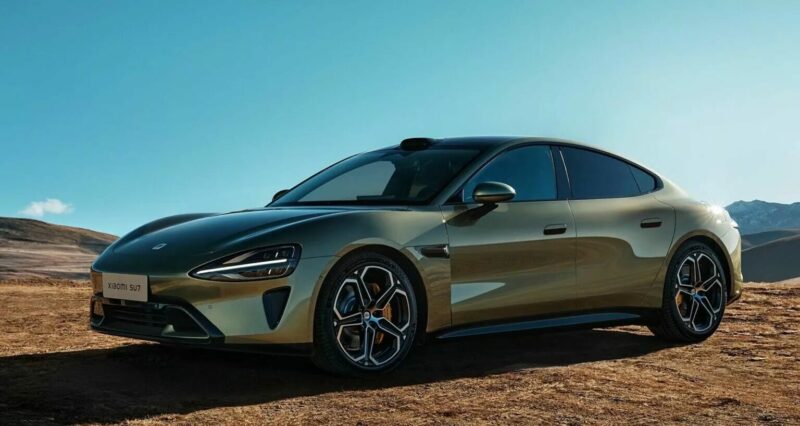
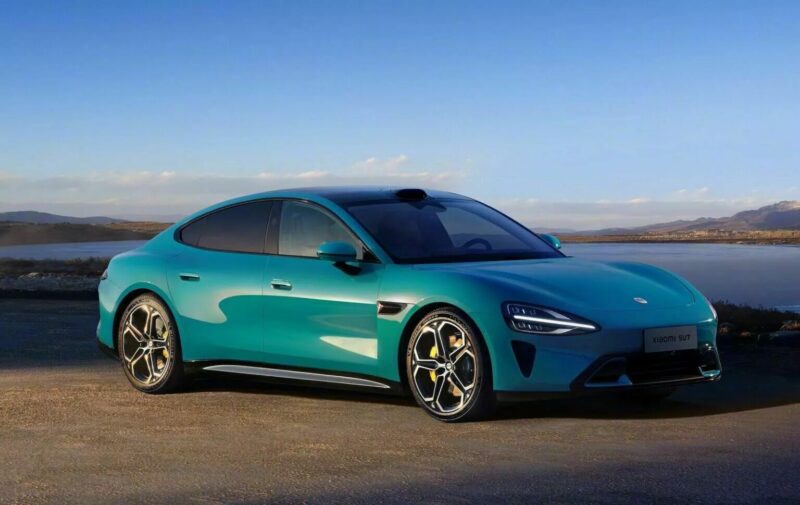
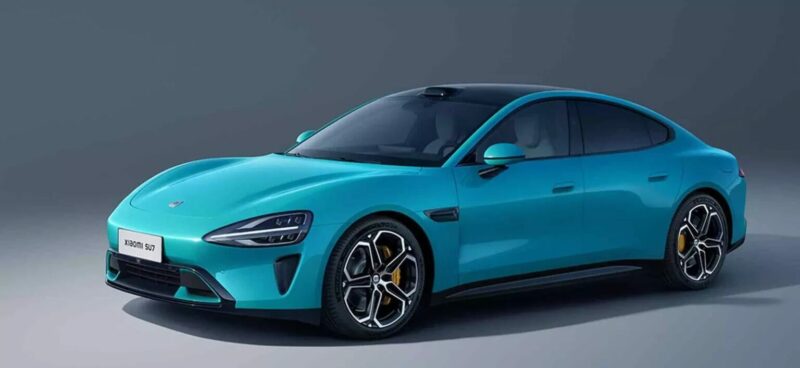
Chinese electronics giant Xiaomi has showcased its high-performance electric sedan, the SU7 Ultra for the first time in Akihabara, Japan.

The exhibition event, held from September 26 to 28, also revealed Xiaomi’s future plans.

According to Kyodo News, Xiaomi plans to expand its retail network selling smart devices, home appliances, and mobile phones in several major cities in Japan to strengthen its presence.

Similar to the approach taken in China, Xiaomi will also sell electric vehicles (EVs) through Xiaomi stores, although no specific launch date for the model has been announced.

Currently, Xiaomi has opened two branches in Saitama Prefecture and plans to add three more outlets in Tokyo, including one in Chiba, by the end of this year.

The starting price for the Xiaomi SU7 Ultra is 529,900 yuan (approximately RM314,000).

Additionally, Xiaomi has launched a 1:18 scale die-cast model for the SU7 series, priced at 14,800 yen (approximately RM420) for the standard version and 16,800 yen (approximately RM477) for the SU7 Ultra version.

First Xiaomi SU7 Ultra crashed on track

This isn’t the first time news of accidents involving Xiaomi’s electric sedan has been reported.
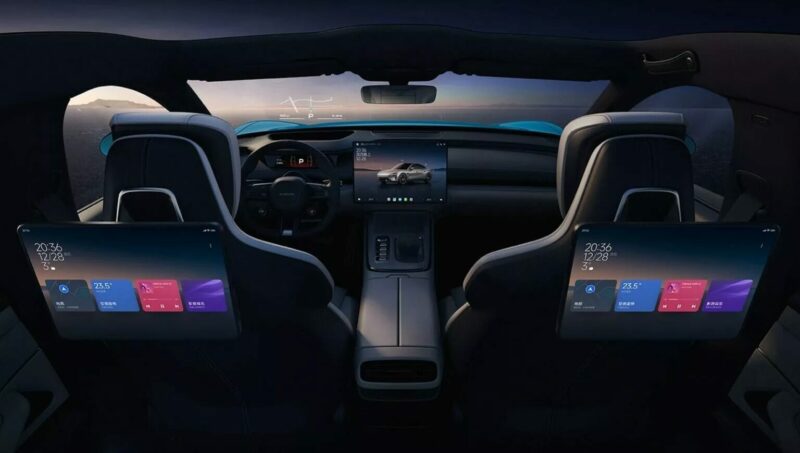
If you recall, last year a Xiaomi SU7 Max was reported to have skidded off the track due to an unsuitable braking system.

According to Xiaomi, the electric sedan is not designed for serious driving on the circuit.

So what about the fast sedan, the Xiaomi SU7 Ultra?

According to Xiaomi, the SU7 Ultra, with specifications of 1,526 hp and a price tag of RMB 529,900 (approximately RM 324,000), is confirmed to be suitable for track use.

However, just a few days after the first small batch of SU7 Ultra vehicles was distributed to owners, one of them was reported to have skidded on the racetrack.

In a video that surfaced on the social media platform Weibo, the sedan was seen traveling at over 120 km/h on a straight section of the track.

However, the driver of the vehicle braked too late, causing the SU7 Ultra to skid off and collide with a barrier made of tires.

As a result, the hood, front bumper, fender, and headlight unit were severely damaged. Fortunately, the airbag deployed correctly, ensuring the driver remained safe.

According to Lei Jun, the founder and CEO of Xiaomi Auto, SU7 Ultra owners need to focus entirely on safety and are advised to undergo formal training before entering the track.

Despite the Xiaomi SU7 Ultra boasting a power output of up to 1,526 hp and 1,770 Nm of torque, those figures are limited to 900 hp with a maximum speed of 140 km/h for the initial 300 km driving range.

At full power, the SU7 Ultra can accelerate from 0 to 100 km/h in just 1.98 seconds before reaching a top speed of 359 km/h.

Xiaomi YU7 offers 760 km range, a better alternative to the Tesla Model Y?

A few weeks ago, Xiaomi unveiled its second electric vehicle (EV) model set to launch this year, known as the YU7.

This electric SUV is expected to pose a strong challenge to the popular Tesla Model Y.

According to data obtained from Chinese government ministry websites, the Xiaomi YU7 measures 4,999 mm in length, 1,996 mm in width, 1,600 mm in height, and has a wheelbase of 3,000 mm, making it larger than the Model Y.

The all-wheel-drive (AWD) version of the Xiaomi YU7, boasting 691 PS, will be offered with range options of 670 km, 750 km, and 760 km.

Currently, Xiaomi has not yet disclosed the range for the rear-wheel-drive (RWD) variant (320 PS) or the capacity of the NMC (nickel manganese cobalt) battery pack that will be available for each variant.

The selling price has also yet to be finalized, but local media suggest that the Xiaomi YU7 will start at around RMB 250,000 (RM 151,958), making it significantly cheaper than the Tesla Model Y, which starts at RMB 263,500 (RM 160,163).

Xiaomi SU7 Ultra prototype sets fastest lap time at Nurburgring, beating Porsche Taycan Turbo GT

Who would have thought that a manufacturer known for smart devices now has a compelling recipe to keep Porsche engineers on their toes at the Green Hell track?

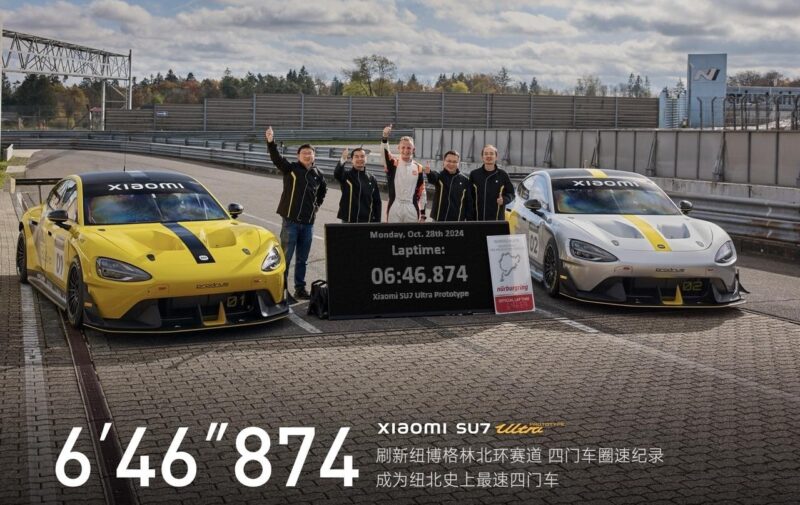
Xiaomi Auto recently achieved a record for the fastest electric sedan lap around the Nurburgring Nordschleife, clocking in at 6 minutes and 48.874 seconds with its prototype model, the SU7 Ultra.

Despite being a prototype, it is fast enough to surpass the previous record set by the Porsche Taycan Turbo GT, which was 7 minutes and 7.55 seconds.

According to a report from CarNewsChina, the manufacturer initially faced significant challenges, as their attempts to set the record were postponed multiple times due to weather conditions.

The Xiaomi SU7 Ultra was announced in mid-2023 as a high-performance variant equipped with the HyperEngine V8s electric drive unit.

With a three-motor configuration, the Xiaomi SU7 Ultra can deliver a staggering 1,548 horsepower, accelerating from 0 to 100 km/h in just 1.97 seconds, and achieving a top speed of 350 km/h.

This impressive performance figure comes from a manufacturer primarily known for consumer electronics.

Moreover, Xiaomi’s electric sedan has made a significant impact within the automotive industry.

According to reports from various media outlets, Ford CEO Jim Farley allegedly imported a unit from Shanghai and personally drove the Xiaomi SU7 sedan for six months.

“I don’t like to talk too much about competition, but I’ve driven the (sedan) Xiaomi. I’ve been driving it for six months and I don’t want to let it go,” he stated.

Xiaomi plans to revisit the Nurburgring in 2025 to attempt a new fastest lap record using a production model.


Xiaomi SU7 Ultra Prototype ready to challenge the Porsche Taycan Turbo GT

The smart device manufacturer Xiaomi is not satisfied with its existing SU7 car product.

In order to provide a more intense competition to high-performance EVs in the market, the manufacturer is now unveiling the full carbon prototype model Xiaomi SU7 Ultra.

At the same time, Xiaomi also announced the debut of an electric power unit called the HyperEngine V8s.


It is not a typical V8 engine, instead, the HyperEngine V8s is an electric motor capable of producing a maximum power of 578 PS and a torque of 635 Nm, with a speed reaching 27,200 rpm!

In the SU7 Ultra model, Xiaomi combines two electric motors, the HyperEngine V8s, and a V6s electric motor, with a total output reaching 1,548 PS that powers all wheels!

With Pirelli P Zero tires, the Xiaomi SU7 Ultra can accelerate from 0-100 km/h in just 1.97 seconds, 0-200 km/h in 5.97 seconds, and reach 300 km/h in just 15 seconds.

The maximum speed is about 350 km/h.


The Qilin 2.0 battery pack, sourced from CATL, is specifically designed for racing, capable of discharging a peak power of up to 1,808 PS.

Although the battery pack has a SoC of about 20 percent, it is still capable of discharging power as high as 1,088 PS!

Unlike the standard SU7, the SU7 Ultra features a full carbon fiber body construction, complete with a body kit (front splitter and diffuser, rear wing, massive diffuser) said to generate a downforce of 2,145 kg at a speed of 350 km/h.

Yet, the Xiaomi SU7 Ultra is still a high-performance sedan with a weight close to 2 tons, or more precisely 1,900 kg.


The brake system consists of six-piston AP Racing calipers on the front and rear axles, as well as racing brake pads capable of withstanding temperatures above 800 degrees Celsius.

Under full braking conditions, the Xiaomi SU7 Ultra is capable of generating over 2.36G of deceleration, with a stopping distance of just 25 meters from 100-0 km/h.

Xiaomi plans to set a new record in the four-door electric sedan category at the Nurburgring Circuit in October.

Currently, the fastest record is held by the Porsche Taycan Turbo GT with a time of 7:07.55 minutes.


Xiaomi SU7 breaks cover – 673 PS, 0-100 kmh in 2.78s, 800 km range

AS you may be aware, several smartphone companies are beginning to join the hotly contested electric vehicle race.

One of them is Xiaomi, which has just introduced its first EV called the SU7. It is dubbed as a “full-size high-performance eco-technology sedan.”

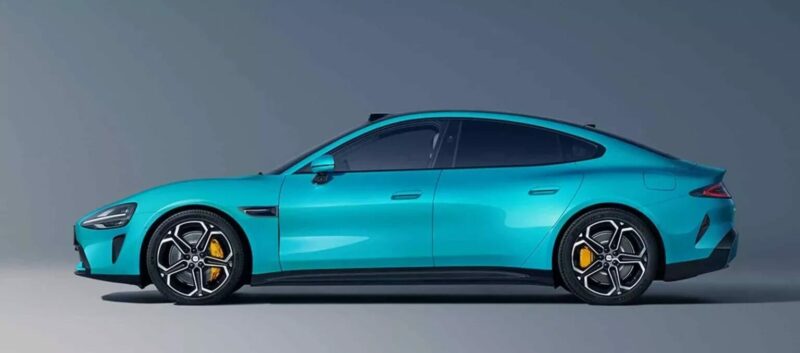
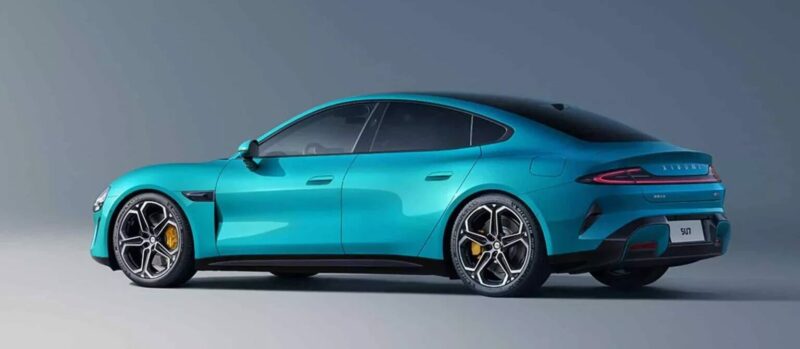
Speaking of size, the SU7 measures in at 4,997 mm in length, 1,963 mm in width, 1,440 mm in height, and has a wheelbase of 3,000 mm. This makes it slightly larger than its two closest competitors, the Porsche Taycan and Tesla Model S.

The SU7 is built on Xiaomi’s Modena platform, offering a 400-volt and 800-volt architecture, with three options for electric motors, confusingly called the HyperEngine V6, V6s, and V8s.

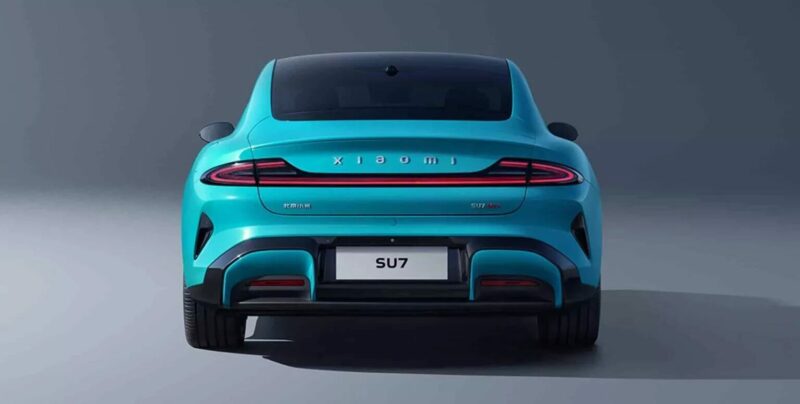
For the exterior design of the SU7, Xiaomi has hired the services of former BMW design chief Chris Bangle as the design consultant. Thanks to his magic touch, the EV has a drag coefficient of just 0.195, making it one of the most aerodynamic cars on the market.

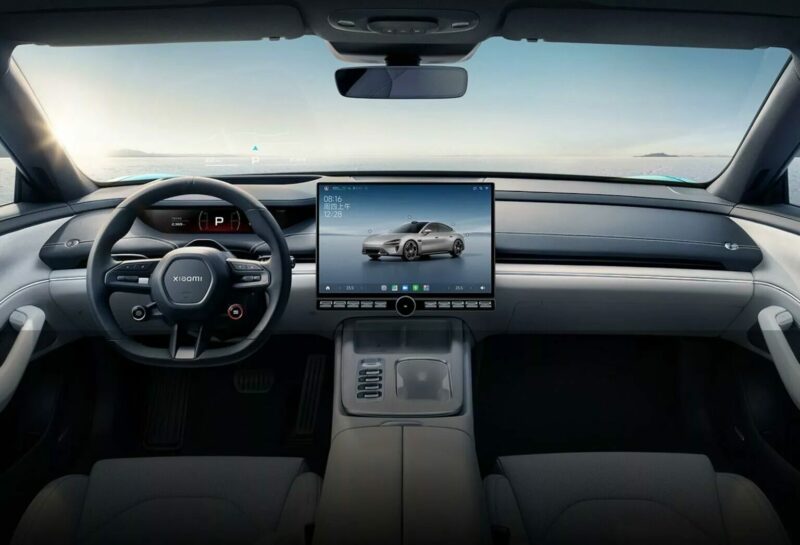
As for the interior, the Chinese smartphone giant has utilised its technological expertise to equip the SU7 with the latest gizmos from its armoury.

This includes a 16.1-inch touchscreen and a smart autonomous driving system comprising of one LiDAR, 11 HD cameras, three radars and 12 ultrasonic radars.

The SU7 will be offered in two variants: base and Max. The base variant is powered by the HyperEngine V6, which delivers 299 PS and 400 Nm.

This allows it to accelerate from 0 to 100 km/h in 5.28 seconds and achieve a maximum speed of 210 km/h. This variant comes with a 73.6 kWh battery offering a driving range of up to 668 km.

Meanwhile, the SU7 Max features the HyperEngine V8s with a pair of electric motors generating 673 PS and 838 Nm. It only takes 2.78 seconds to reach 100 km/h and can accelerate to 265 km/h.

With a 101 kWh battery, it can be driven up to 800 km on a full charge. Since this variant utilizes an 800-volt architecture, it can regain a range of 220 km in just five minutes or 390 km in 10 minutes.

The first Xiaomi EV will be able to travel up to 800 km!

The Chinese smart device manufacturer, Xiaomi, is expected to launch its first electric car model, the SU7, in the near future. According to information from the CNEVPost website, the coupe sedan is said to have a range of up to 800 km.

The Xiaomi SU7 is available with two battery pack sizes, namely 73.6 kWh (BYD) with two driving range options, spanning 628 km and 668 km, and a 101 kWh capacity (CATL) offering a range of 750 km and 800 km.

In terms of dimensions, the Xiaomi SU7 is a mid-size sedan model with the following measurements: 4,997 mm in length, 1,963 mm in width, 1,440 mm in height, and a wheelbase of 3,000 mm.

In the Chinese market, the size of the SU7 is much larger compared to the Tesla Model 3 and Nio ET5 sedans.

It is understood that there will be three main variants offered to consumers, namely the SU7, SU7 Pro, and SU7 Max.

In terms of dimensions, the Xiaomi SU7 is a mid-size sedan model with the following measurements. The basic variant, SU7, will be equipped with a lithium-ion phosphate battery pack supplied by BYD, and it will feature a single electric motor.

Meanwhile, the other two variants (SU7 Pro & Max) will have ternary lithium-ion batteries from CATL, with both variants set to receive dual electric motor configurations.

In the same report, Xiaomi is set to launch two additional models in the coming year, following the launch of the SU7, which is better known by its internal code name Modenat.

The second model (internally coded as Lemang) is also an electric battery vehicle (BEV) similar to Modenat, while the third model (coded as Kunlun) is a hybrid vehicle.